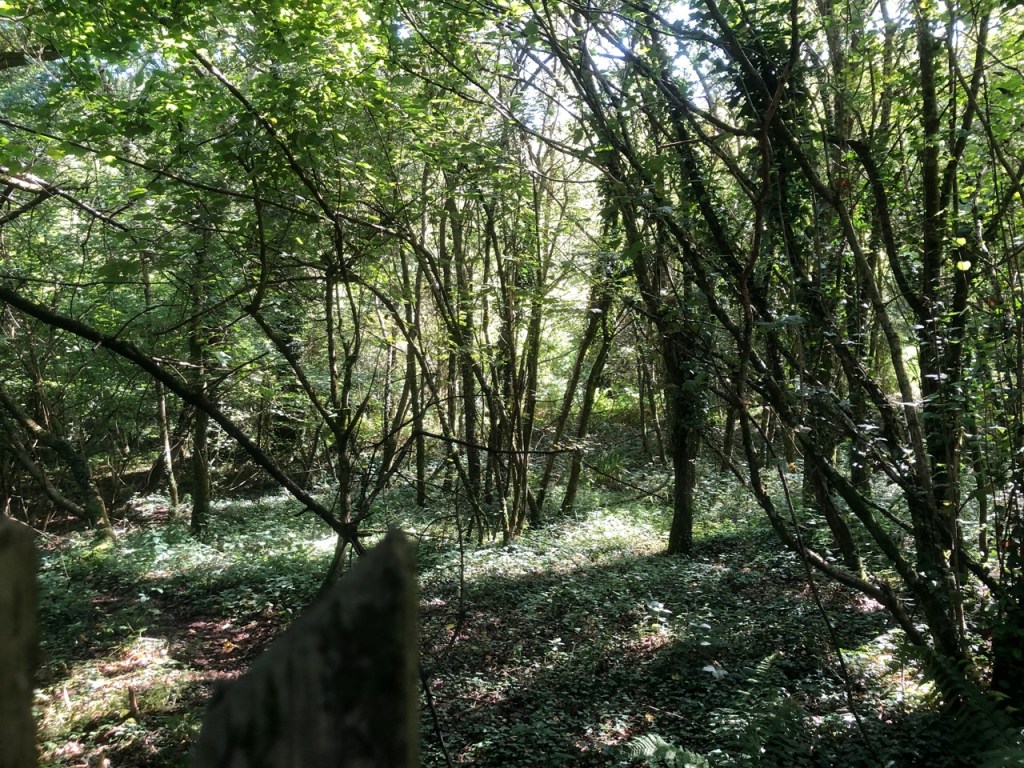
Today I am off on a new adventure and Im not afraid to admit that I am feeling the nerves a little bit.
This weekend will host the Wild New Forest’s New Forest Wildlife Camp, sponsored by the Cameron Bespolka Trust. As the name suggests, it is held among the many rich woodland of the New Forest, in Hampshire. For ages 12-18, it is truly a brilliant opportunity, and the application process was fairly straight-forward.
There are many activities over the course of the weekend, from Moth and Bat recording, to nocturnal nature walks and bioblitzes. One that I am especially looking forward to is the bird-ringing session, early on Sunday Morning. Bird Ringing has always been something Ive wanted to do, and I would like to view it as a potential career. However, there is a lot of application needed to get the qualifications, so I guess we shall see.
This camp is also an opportunity for me to grow as a person, to become more independent and self-minded and to gain some vital life-skills. The careers talk on Saturday evening is something I also look forward to, as hearing from the people who have gained professions and jobs could prove incredibly valuable.
But most importantly, I believe that it will be great for me to be among so many like-minded people my own age, and to experience the activities with new people, which is something I have often struggled with. Meeting new people is something I have little experience in, but when I do I try to make the most of it.
Cannot wait to update you in the coming week! Watch the space.
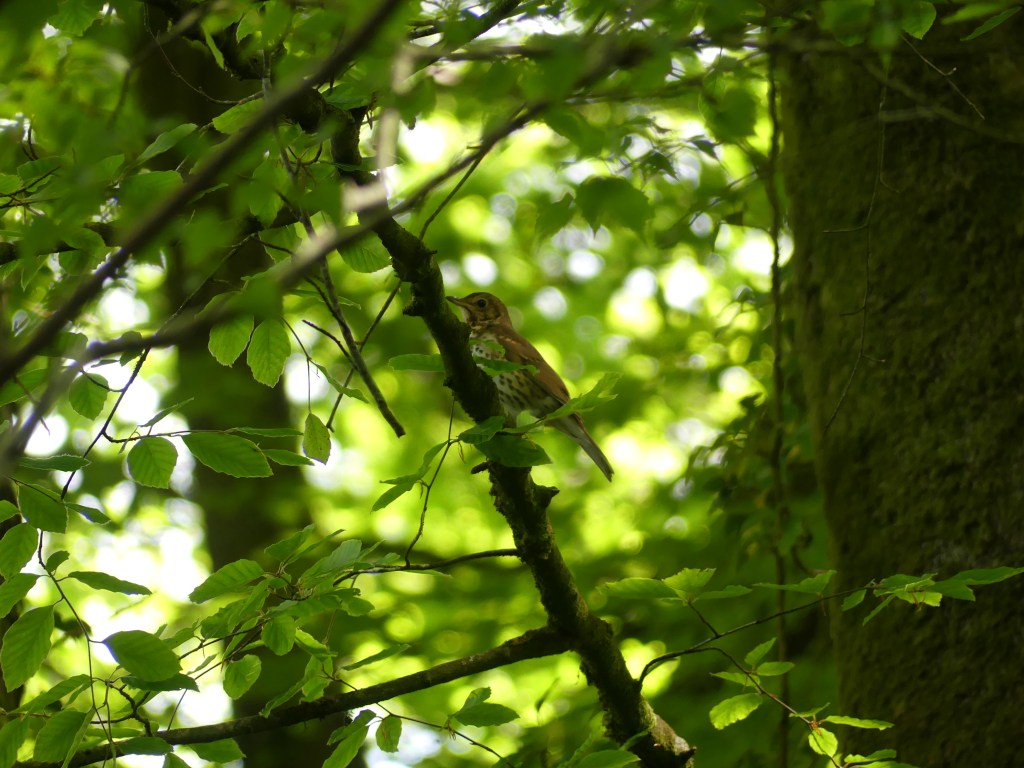
Up the hill in Hennock, the garden had us all in heavy coats and jumpers. But it was a still evening, and the sun was suspended low in the sky. It was cloudy. Very cloudy. We could barely see the sun. Yet that didn’t discourage some, and a recurring cascade of notes erupted from deep within the hedge to our left. To be honest, after a few moments, I just had to use the Merlin app on my phone, as I could not seem to recall the sound to memory. Then I was kicking myself. It was, in fact, a Song Thrush.
The snail butcher. The shell smasher. The positive plonker of Thrushes. It goes by many names, but Grandad then told us that it had been going for a few days up here. And he certainly seemed to admire it, along with me and Daddy. It was definitely comforting, if not slightly eerie in the darkening air.
A Song Thrush
But it was also a huge relief to hear something else singing! Throughout winter, the only song I had heard was that of a Robin. Now don’t misunderstand me here; I love Robins! But after 5 months of hearing nothing but, I think many should be able to relate to my relief. The Robin is one of the few birds that sings throughout the year, due to it being so highly territorial. It chats, scraps and generally enjoys life on its patch. Bar the occasional freezing temperatures, it sounds pretty fun. And then once the warmer months arrive, its mating and breeding time!
And now, many of the other birds are beginning to sing. In fact, you can barely go anywhere without hearing something of a birdsong. From the dawn chorus to the dying evening notes, you can’t get away from it! It will always be there, following you around. So embrace it! Most of the garden birds will be up at daybreak voicing their loneliness, joy or just general content.
Why do Birds Sing?
The Oxford Dictionary describes birdsong as ‘the musical sounds made by birds’. They are not always musical (for example, the Carrion Crow) but birds usually sing for two reasons. To attract a female for breeding purposes, or to protect their territories. In both cases, the male birds (these are often the ones that do the bulk of the singing) aim to show their health and vigour, in both appealing and frightening ways. But that’s not all; new research has shown that when birds sing, they get a buzz out of it, made by the opioids produced by their brain. Pretty cool stuff right? Birds can also get drunk on fruit, but let’s not go too deep into that (for now).
How do Birds Sing?
Birds have the ability to sing thanks to a specialised organ called the syrinx. This is like our larynx (the voice box). This particular air passage splits into two tubes into birds, similar to a y shape. The membranes and cartilage at the junction of this vibrate as the air flows over them, generating the sounds these creatures make. The syrinx, in many songbirds, is around the size of a raindrop, and situated at the bottom of the trachea, right next to the lungs and air sacs. This means more of the air breathed in is used, so the sound is louder and clearer. Also, many songbirds also have hollow bones, to allow their body to hold even more air to improve the sound quality.
Where do Birds Sing?
All songbirds are passerines, which essentially means ‘perching bird’. As you can probably tell from this, birds rarely sing from the ground. If they are up high, the sound travels further and this suits their purposes of either attracting a mate, or discouraging potential rivals. Birds aren’t fussy over these perches, however. As long as they prove prominent and efficient enough, a tree branch, a fence, a rooftop or even a rock will do. Weather is another important factor, as birds are more likely to sing in warmer temperatures. They will still sing in the rain, but are more likely to stay undercover as many of their feathers are not waterproof.
Recent Discovery
Scientists have recently discovered that birds living in urban environments, such as cities, have a louder, farther carrying song in order to be heard above the roads and people that populate these places. Birds in more natural environments generally have a quieter song, as there is little to be heard above. This became very much apparent, as during Lockdown, many city birds adapted to have quieter singing voices, as there was no longer any need for such a loud sound. Cars and people were at quite the premium.
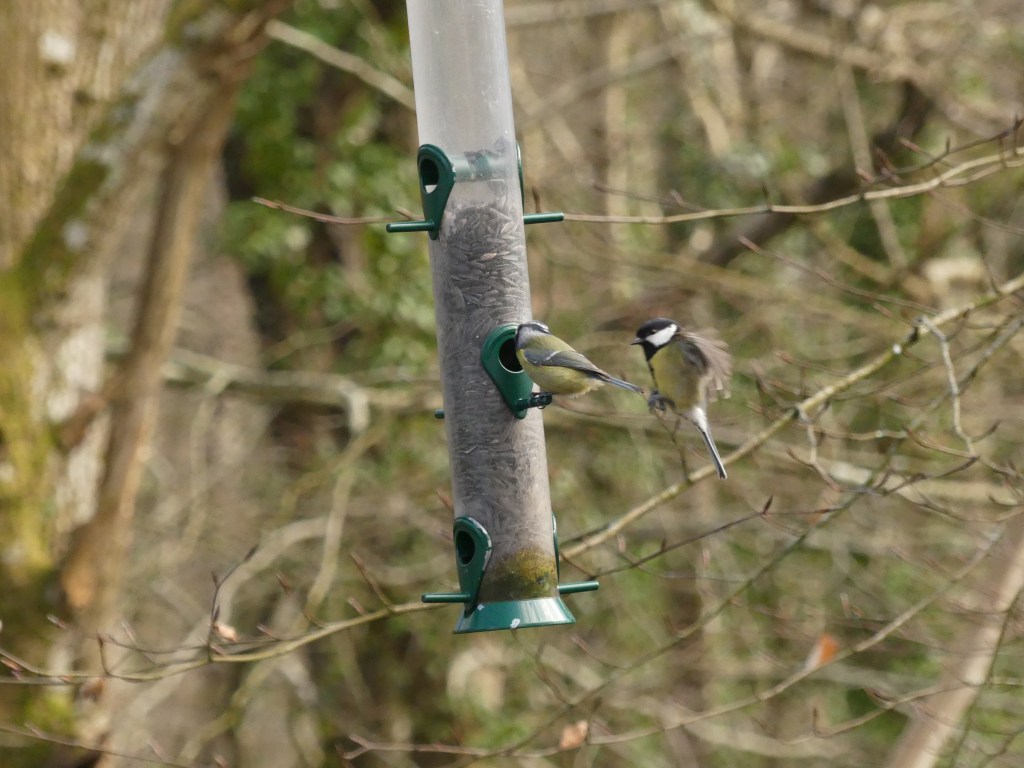
Feeding the birds is a great place to start, with a wide variety of birds to attract and also foods to choose from. Before you set up your feeding station, I would recommend scouting out your local area, and seeing what birds you can find near your garden. For example, if you count a good number of finches, you could try nyjer seed or sunflower hearts. What type of food can also depend on the season. In the colder months, suet balls and cakes provide much needed fat and energy for our avian friends, but others such as sunflower hearts can provide an oil rich snack for the breeding season.
A feeder with black sunflower hearts.
When you place your feeders, try not to position it right next to a fence or wall, and try to make sure that there is sufficient cover nearby. These measures can be taken to protect your feeders from squirrels and cats. Another tip I would like to share is if you are first starting out or have not fed for a while, only put out small amounts to begin with, as if the birds are unaware that the food source exists for a period of time, the food is likely to spoil. Remember to clean your feeders regularly, and putting out water is another great way to give your birds what they need. Remember to change the water regularly, and be prepared to break some ice in the winter!
The humble glass of water.
Nestboxes
In the breeding season, putting out nestboxes can be a great way to grab an insight into the world of birds. The entire story can be watched live from your kitchen window, from visitations to the property, to the leap of faith known as fledging, you’ll never miss a thing! Different species have very different preferences, however. Some species will want to nest in cover, others will want to be up high and open. Some will want an open-fronted box, other prefer one with a single hole. Some species, such as House Sparrows, prefer to nest communally, while others such as robins can get very frustrated with neighbours. Its important to find the balance.
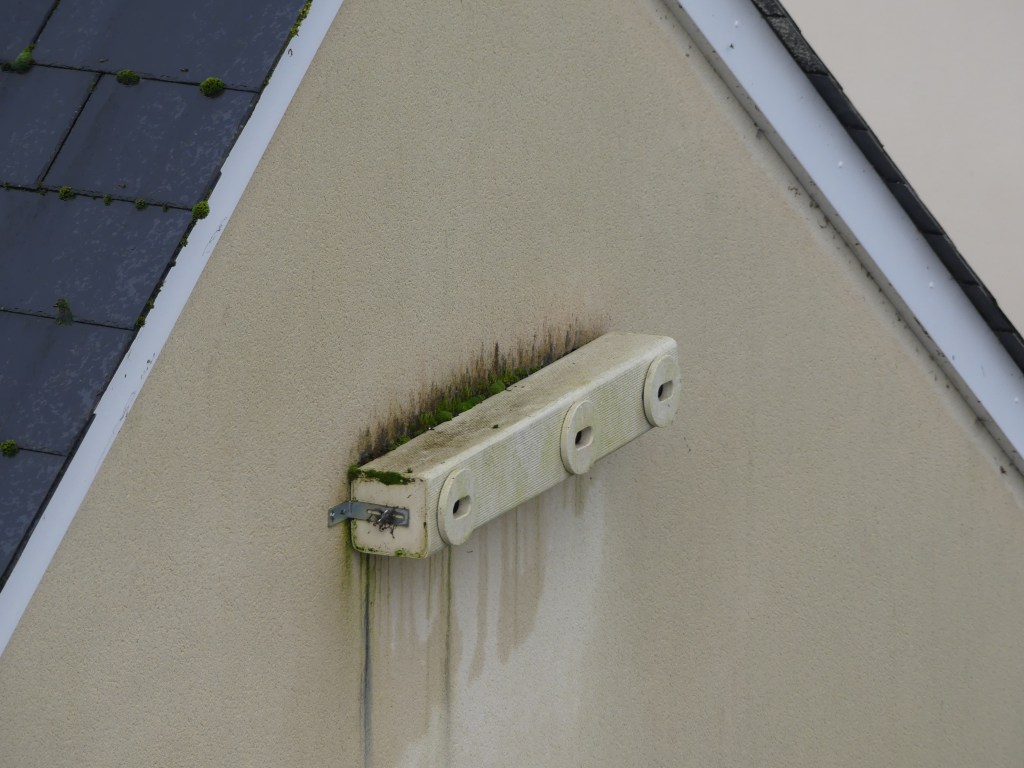
The trusty Swift box. Of course, no Swifts have ever used it, due to the colonisation the House Sparrows carried out in its first year. They’ve come back every Spring since, and at least two chicks have always fledged.
Its hard to believe how picky birds can get. Many even prefer a specific nest hole diameter! Its important not to place boxes in direct sunlight, and to make sure the roof is watertight. Remember to do your research on what birds you wish to attract, and to tailor your box to that species. Looking up particular needs is the most crucial part of nestboxes, remember! Its hard to believe how picky birds can get. Many even prefer a specific nest hole diameter! Its important not to place boxes in direct sunlight, and to make sure the roof is watertight. Remember to do your research on what birds you wish to attract, and to tailor your box to that species. Tailoring to individual needs is the most crucial part of nestboxes, remember!
Planting
Plants are probably one of the easiest ways to attract birds to your garden, but it may not be as quick as say bird feeders. Before I carry on, the most important rule; PLANTS OR TREES SHOULD BE NATIVE TO THIS COUNTRY!!! (there are some exceptions). This is so important when planting for wildlife, as non-native species can easily take over and deny the native plants that were here first. Take Rhododendron, for example. It may be pretty, but among native plants and shrubs, it can truly take over if left unchecked, allowing little light and water to get through. They are not necessarily a bad thing, but its important to bear these things in mind.
Stover Country Park, where the rhododendron once ruled the land. Its been cut back now, much to the relief of some.
One of the best flowers may be a childhood memory for many (it certainly is for me!), and it is the sunflower. They’re great to plant with the children, and when the seeds come out, the birds will be queuing up to visit! As a plus, this is a great way to grow your own bird feed, as in the sunflower seeds is a great nutritious, oily food. Also, don’t hate the ivy! I’ve seen people tearing it off the trees, stamping on it and ripping it to shreds with secateurs. The truth is, it is one of THE most important plants for both birds and pollinators. It is one of the latest flowering plants, so therefore provides a great option for bees, butterflies and hoverflies just before the colder months, when lots of the usual supplements have gone to seed. IT DOES NOT STRANGLE TREES! GET THIS RIGHT PEOPLE!
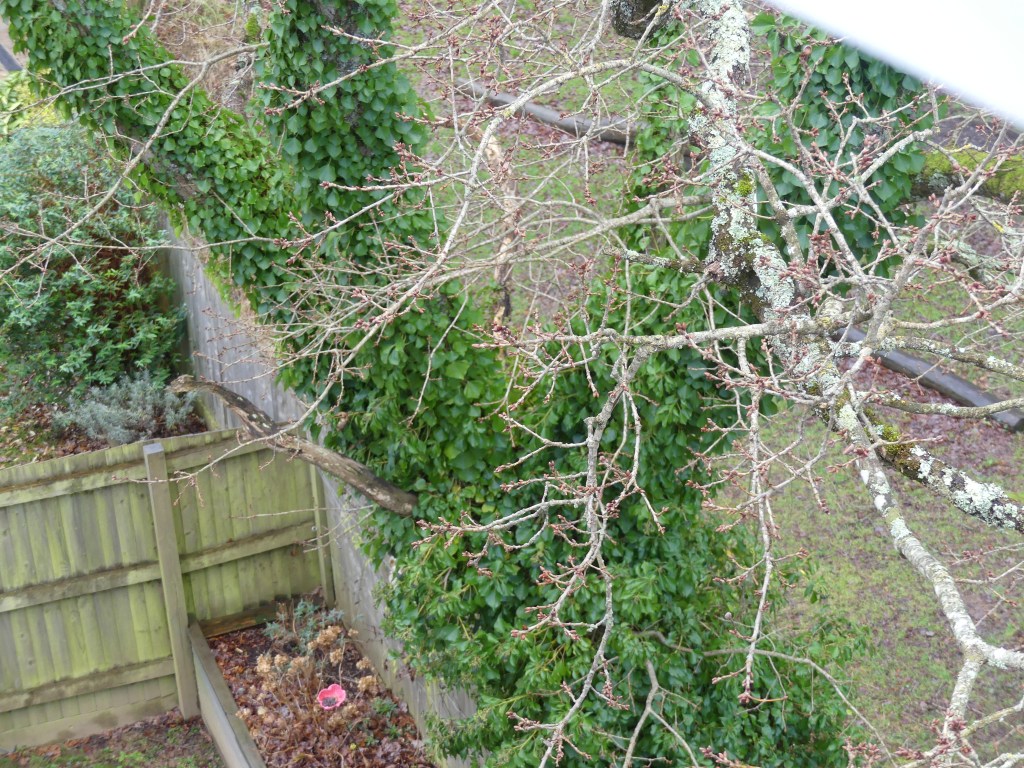
Look how much ivy this tree supports; this tree has been here for 150 years, and has always supported the bird population to my knowledge.
Going Wild
Its always good to give nature some freedom in your garden. Try it. Cordon off a corner of your garden, and don’t take the lawnmower anywhere near it for a few months. You will be pleasantly surprised by the transformation. In the right hands, this corner of your garden could become your own patch of wildflower meadow, if you give it over to Mother Nature. Wildflower seeds are harmless, and can speed things up a little. But remember, NATIVE SPECIES! Poppies, Cornflowers and Teasel are always great, but make sure your choices are varied. And if the grass grows long, then great! More cover for birds, better habitat for pollinators and insects. What’s not to like?
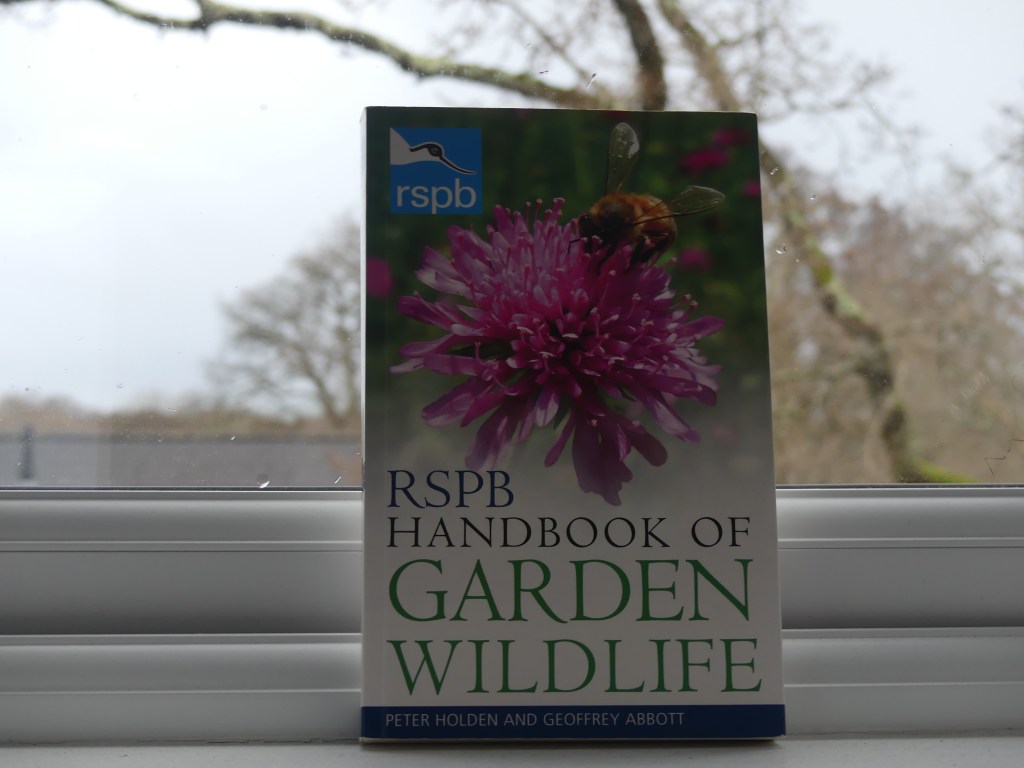
Of course I have a book on this! Read cover to cover, three times.
I hope this guide proves helpful, and if any if my facts need double-checking, leave a comment and I shall get to it right away. Do try some of these tactics, as they do work with a great success rate. Thank you!
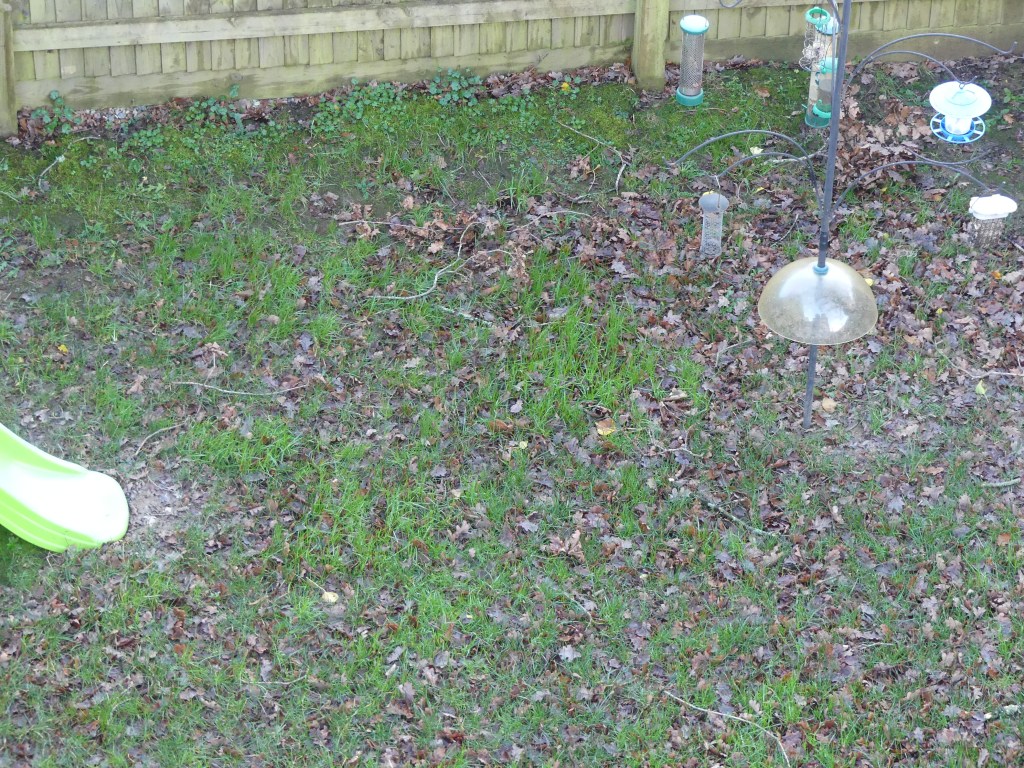
Welcome to Winter! It has certainly arrived in force over the last month or so, announcing itself through turning gardens to puddles, pulling up trees via storms, and battering us with gale force winds every other day! At least, that’s what it feels like. Our garden certainly is a mudbath, and I or my Dad shall have to brave it with some sturdy Wellington boots, because sooner rather than later, the feeders are going to empty.
A rather muddy garden. Photo taken from the second floor window.
It hasn’t been overly busy over the festive period, but when they have turned up, they have certainly come in force! The other day, I counted nine Blue Tits squabbling for space on the sunflower heart feeder. But then our regular Great Spotted Woodpecker came in and sent them off in a flurry. By the time he was finished, half the food had gone! And all this between 6:00 and 6:10 in the morning!
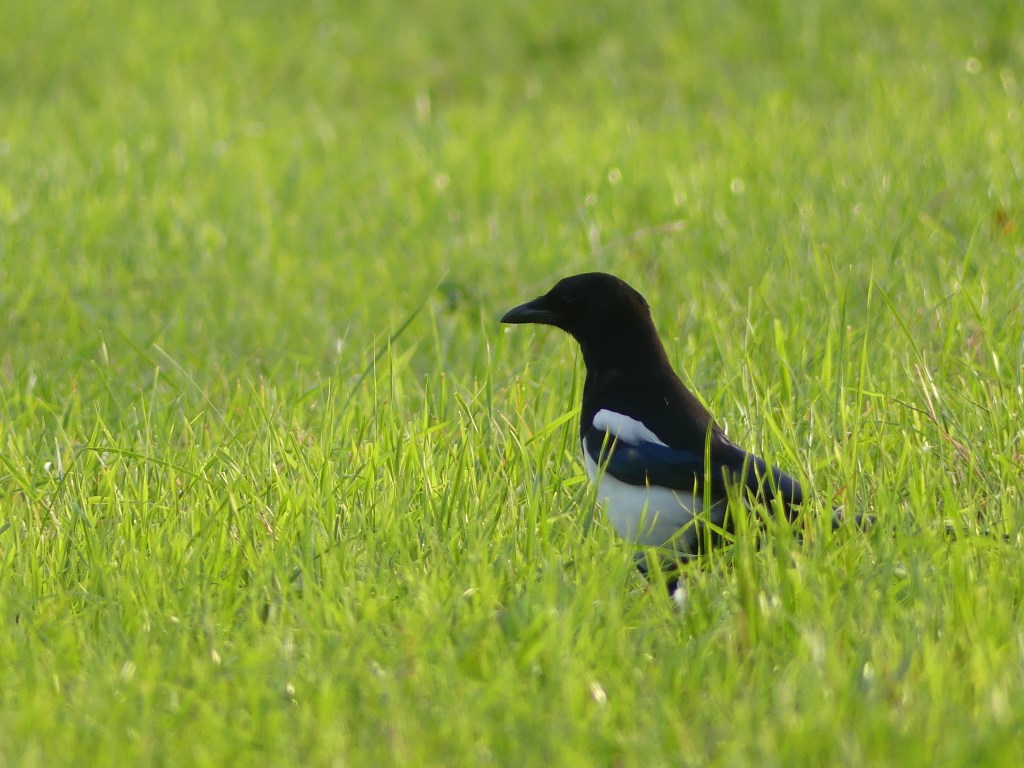
Bradley Ponds was quiet when we last checked, but to be fair, that was before Christmas. A glossy young Magpie gave us excellent views in the blustery field, its feathers slightly more untidy by the time it left the long grass! A Buzzard soared overhead, seemingly unaware of the ominous sheet of grey framing it. There was little to none on the lake, likely all sheltering from the weather.
The Magpie in question.
Hopefully, 2024 brings many birding highs and lows. Lifers, little brown jobs and the ones that get away. Winter is always my favourite birding season, so my aim is to get out as much as possible between January and March, looking for anything and everything.
I hope everybody had a great Christmas, and wishing you all a Happy New Year!
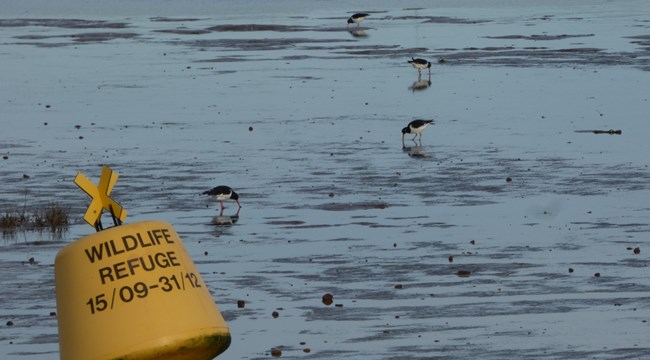
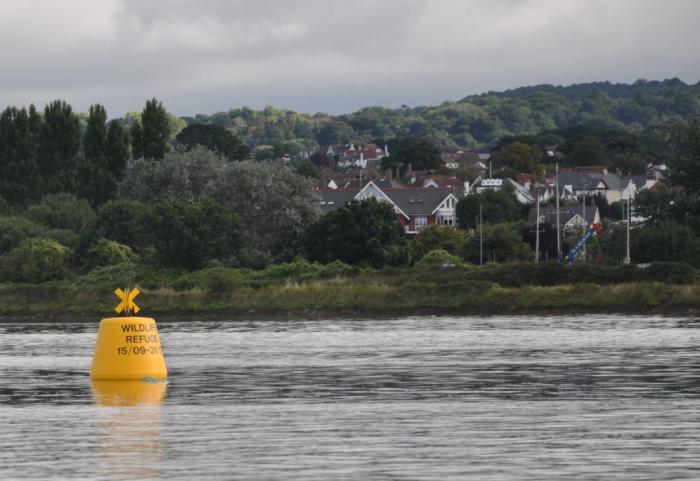
The Exmouth Wildlife Refuge is one of two refuges operating on the Exe Estuary, along with the Dawlish Warren Refuge. These areas are out of bounds for boats and people, in order to minimise disturbance to the migratory birds that overwinter on the Exe. Its imperative that these creatures are able to rest and feed in peace, as in just months they will begin their strenuous return journeys. South East Devon Wildlife is part of the East Devon Council, and has run since 2017. Two areas of the Exe Estuary were recognised as being specifically important for resident and overwintering birds, and the Exe Wildlife Refuge Scheme was born. Another site managed by this organisation are the Pebblebed Heath Reserves, which support over 3,000 species and cover 1,400 hectares, all for nature!
The Dawlish Warren Refuge operates all year round, protecting saltmarsh, mudflats, and the most important high tide roost on the lower section of the estuary, where birds that are unable to feed due to the tides can rest. The Exmouth Refuge is closed between September 15th and December 31st each year, and protects a large bed of eelgrass, crucial food for many wintering wildfowl, especially the Exe’s overwintering Brent Geese. As the tide becomes lower, the eelgrass is partially exposed, allowing waterfowl to begin their feast.
Oysetrcatchers feeding in the refuge at low tide. Photo from East Devon District Council.
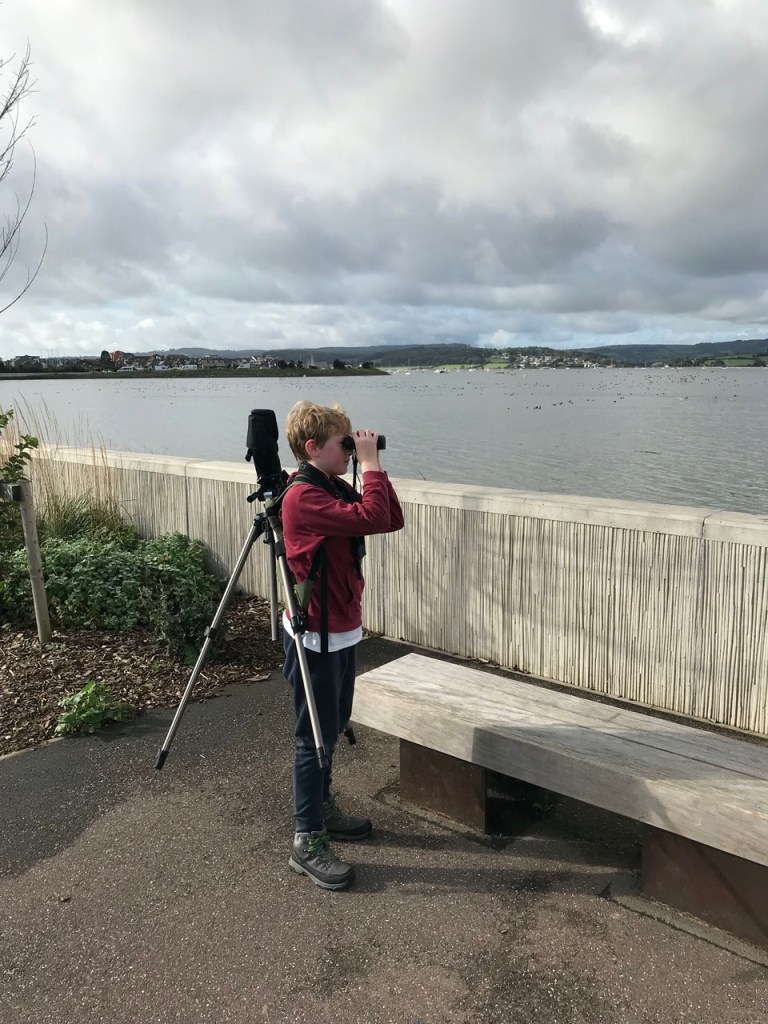
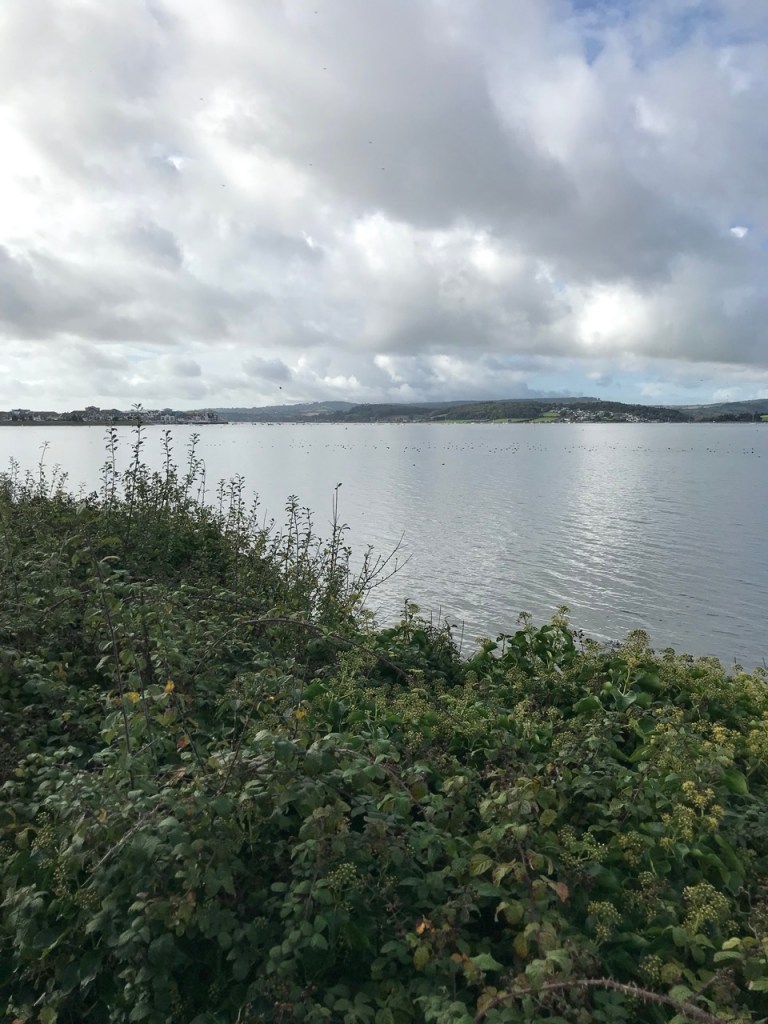
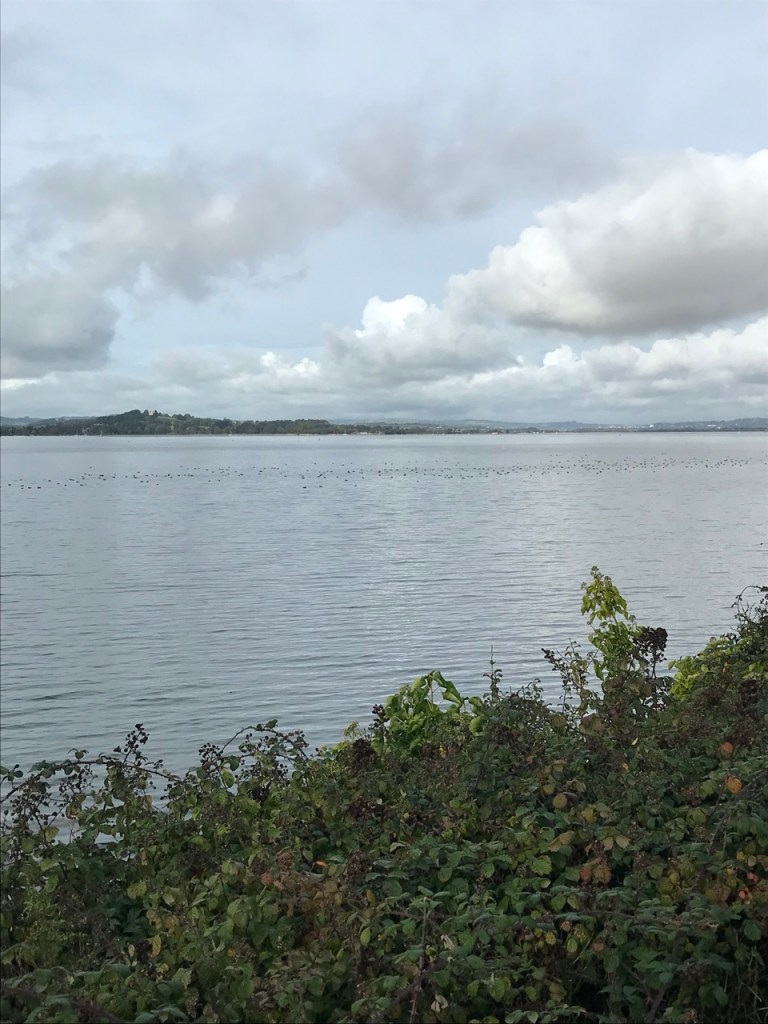
We arrived on the banks of the Exe overlooking the Exmouth Refuge, and already around 400 Wigeon had gathered inside the yellow buoys which marked the area. The tide was high, and the flock of birds rustled in the breeze that came off the water. Dark Bellied Brent Geese were interspersed among them, their detailed neck patches visible through the scope. Occasionally a Great Black Backed or a Herring Gull would fly low over the birds and cause slight unrest in the individuals directly below. It was a great sight, all created thanks to a devotion to the natural world. Disturbance is one of the biggest problems facing our overwintering birds, and I hope others around the country can follow this example. After all, we are one of the most nature depleted countries in the world. Let’s not go any further down that road.
The Exmouth Refuge. Photo from South East Devon Wildlife.
We continued on, wanting to make the most of the short window of time we had. The footpath was studded with bootprints, imprinted in the mud brought on by the recent deluge. We came to a bench, on a concrete platform edged with metal railings. The scope went just high enough to see over, and we scanned through the Wigeon flock that had expanded along the River. But just a few metres from the border of duck, a slender Great Crested Grebe dived beneath the surface. It emerged close before us, a dancing fish in its powerful bill. Its crest was flat and dripping, the chestnut cheeks somewhat paler. Soon it would transfer into its winter plumage, a stark black and white that flowed into each other and blurred the edges.
The Grebe proved a brilliant watch, and we watched, transfixed, as its plumage became wetter and wetter, until droplets sparkled on every feather, giving the impression of a glowing bird in the morning sunlight. After a quick refuel of biscuits and sausages, we continued down the track, grateful for our waterproof boots. Here, the hedges were higher and wilder, so dense you became oblivious to the river of life on the other side. A robin sung its fluty tune in a tangle of brambles, a never-ending voice that would continue through the winter. A tiny streak of mud and grit clung to its rusty orange breast.
The photo shows the calm serenity of the refuge area, and then the busy, boat filled choppy water outside of it. What a contrast!
At the end of the path was a wooden screen, with rectangular holes at various levels, so as not to scare the birds which lived before you. Wigeon were everywhere, the numbers really were incredible! Mallards and Pintails lined the bank, the former rather unhappy with the latter’s presence, drawing quacks and squawks, along with a few threatening movements. But the Oystercatcher and the Dunlin provided the barrier between them, the difference in size plain to see. And the Dunlin seemed more athletic than their counterparts, although the Oystercatchers were certainly dashing.
An hour later, we stood back at the car, staring out at the refuge. The eelgrass had emerged now, and the Brent Geese were intent on their food. A Little Egret flew in onto the wall, like a messenger bringing news of faraway lands, its white plumage almost angel-like. But by now, the skies were once again growing grey, and we decided to retreat before we were drowned.
Refuges like this can provide such a positive impact on species. For example, in the 1930s Brent Geese numbers plummeted beneath 10,000, due to a drop in availability of eelgrass, and now the overwintering population is around 105,000 individuals! But being able to protect and preserve this plant has provided food for many species, not just the geese. The Exe is a great example to the rest of the world. Organisations like this can protect and defend wildlife worldwide.
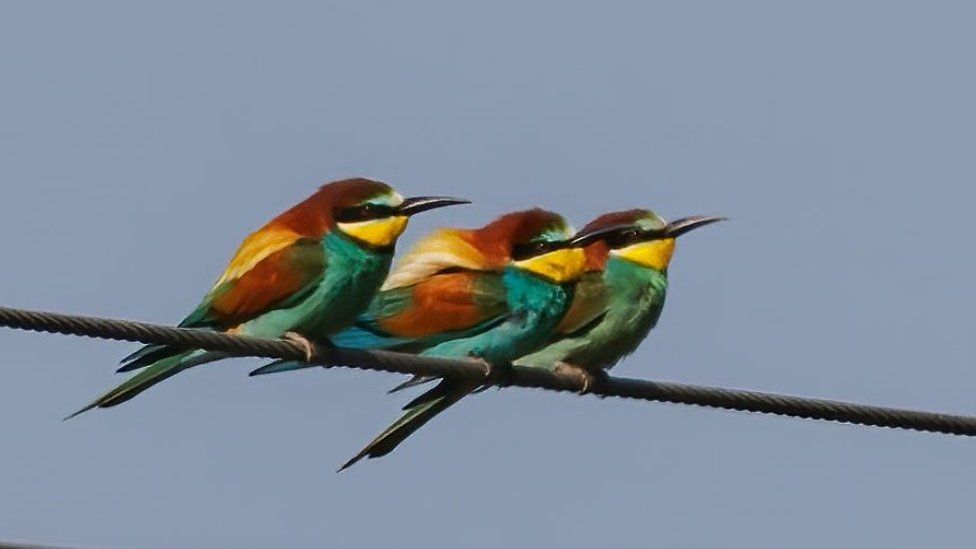
The Bee-Eater is a species I have only seen once, but has recently been making headlines across the UK, with a small number taking up residency in a Norfolk quarry for consecutive years! Rather exciting, as this species establishing a population in the UK would be simply incredible. They may well turn up next year, in the same spot. They clearly see it as a suitable breeding site, and appear serious. The RSPB have set up a special hide to observe them for both experts and the public alike. If they do appear next year again, maybe we could see a successful breeding attempt? Whilst that would be exciting, this apparent northward advance of its breeding range could also be a bad sign, showing that Climate Change is changing its distribution and pushing it further northwards, which could mean these birds are more vulnerable to the changing UK weather, and will face a longer migration back to Africa if a population is established. A double edged sword – exciting developments, but maybe this is a warning. The whole world needs to be careful now.
Photo from the BBC.
Plumage
Well, what can I say here? They really are unmistakeable, with males and females having the same contrasting, multicoloured plumage. A red neck and crown, blending into yellow and red on its back. A yellow throat, and a blue and green breast extending down to its belly. They have fairly long tails, and fairly long, pointed beaks for a passerine. The juvenile is similar, but with a browner back and a paler shoulder. But if you do happen to see one, I can almost guarantee you will recognise it.
Diet
Bee-eaters are predominantly insect hunters, with some very refined methods of capturing their prey. As the name suggests, they often take bees, wasps and hornets, but any insects really, including mosquitoes, flies, and similar. Two hunting methods have been observed: one is rather reminiscent of flycatchers, making quick, darting flights from a perch. This is called hawking. While the other involves gliding slowly from a perch and hovering for seconds while catching prey. They are very careful with prey that could pose a threat to it, removing stingers from bees and wasps by repeatedly smashing the creature against a hard surface. A bee-eater can catch and eat around 250 insects a day.
Habitat
Bee-eaters in Europe generally nest in quarries, or areas with extensive sandbanks. A bit like Sand Martins in the UK, they nest colonially in these sandbanks, excavating burrows around a metre long (3.3ft), using their beak to dig and feet to get rid of the excess dirt. Quite the feat for a bird only about a foot long! They will also inhabit the riverbanks, woodlands and sometimes farmland.
Migration
Their migration is a long one, from Europe and across Asia to Sub-Saharan Africa. As I mentioned in the intro, the move up to the UK will extend their migration and add another sea-crossing. Not to mention the unpredictable weather along the route, and the Sahara crossing that must be completed.
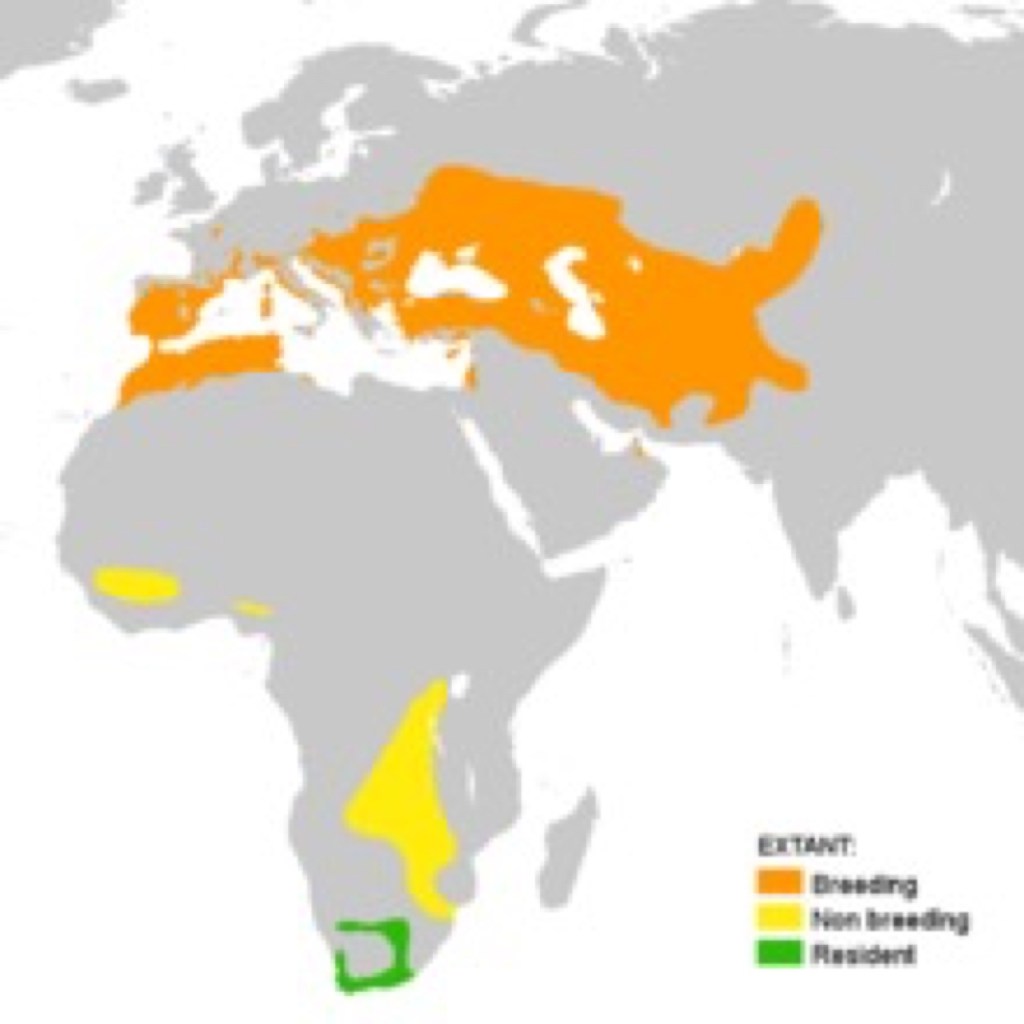
Photo from Wikipedia
Range
Their breeding range is rather expansive, covering most of Europe, a small part of North Africa and expanding as far east as west China. Their overwintering distribution covers the southern fringe of North Western Africa, stretching from Senegal and The Gambia down to Cameroon, and then further south to Angola, before expanding eastwards into countries such as the DRC, Tanzania and Zambia, before finally reaching eastern South Africa and all in between. There is also a resident, self sustaining population in the west of South Africa, Botswana and Namibia.
British Status
As mentioned above, breeding attempts are regular and have been successful in the past, and there have been seven in the last 20 years. Other than that, they are a regular spring overshoot to the South of England, with multiple birds every year. Spring overshoots are birds, often young and inexperienced, that have overshot their breeding grounds, heading too far north. To find one here is pretty cool, and a nice sight.
And there you have it, another Bird Spotlight, on none other than the incredible Bee-Eater. It really is an amazingly characteristic bird, but it could be a mixed blessing if it did establish a population here in the UK. It is a great sight to see, but Britain has grown used to finding it on the rare (but also regular) occasion, so much that its breeding has created a tidal wave of excitement across the country. But, according to the laws of nature, should it actually be in this country? Would it be able to adapt to our weather, for instance and does our climate supply a sufficient amount of food? Would it be able to find nesting sites, sandbanks and dunes, as development increases?
However, in its original range, the Mediterranean and Southern Europe, sand dunes and banks are commonplace, despite these habitats being in decline globally. But there is still a vast difference in the amount compared to the UK, and the little we do have are swarmed by tourists in the breeding season, and eroded by humanity’s constant draw to the beach and these sensitive and crucial environments. But yet it all comes down to one thing, and it is not difficult to guess. And this reason, is of course, the human race’s desire to put our own needs and wants above those of nature.
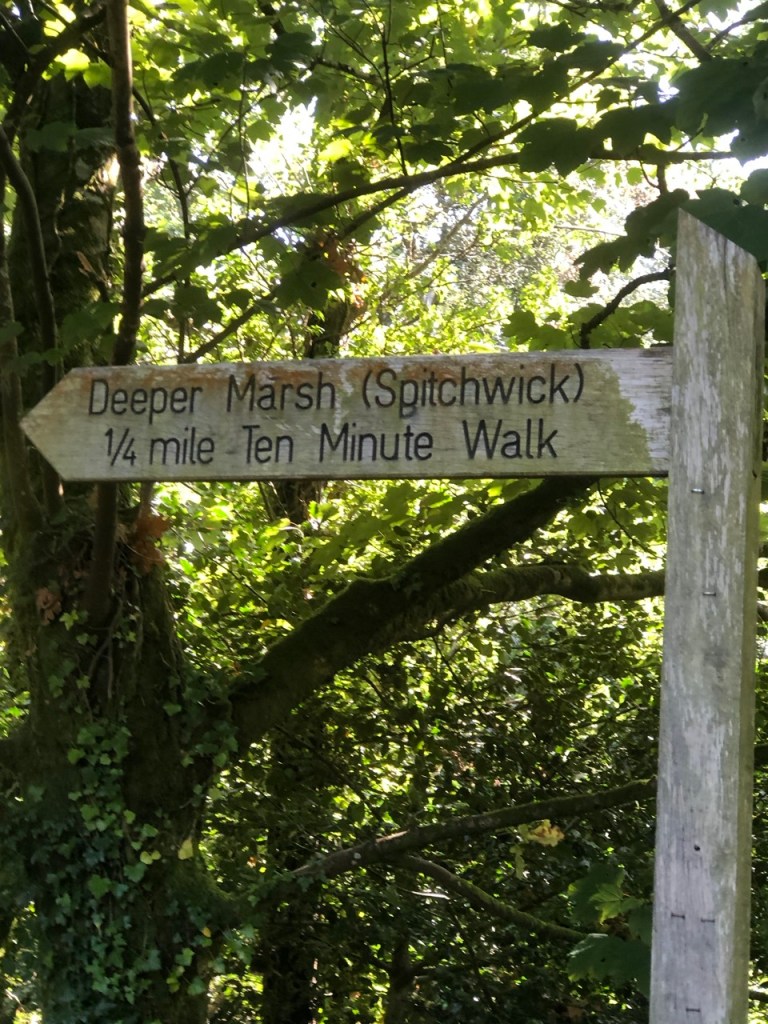
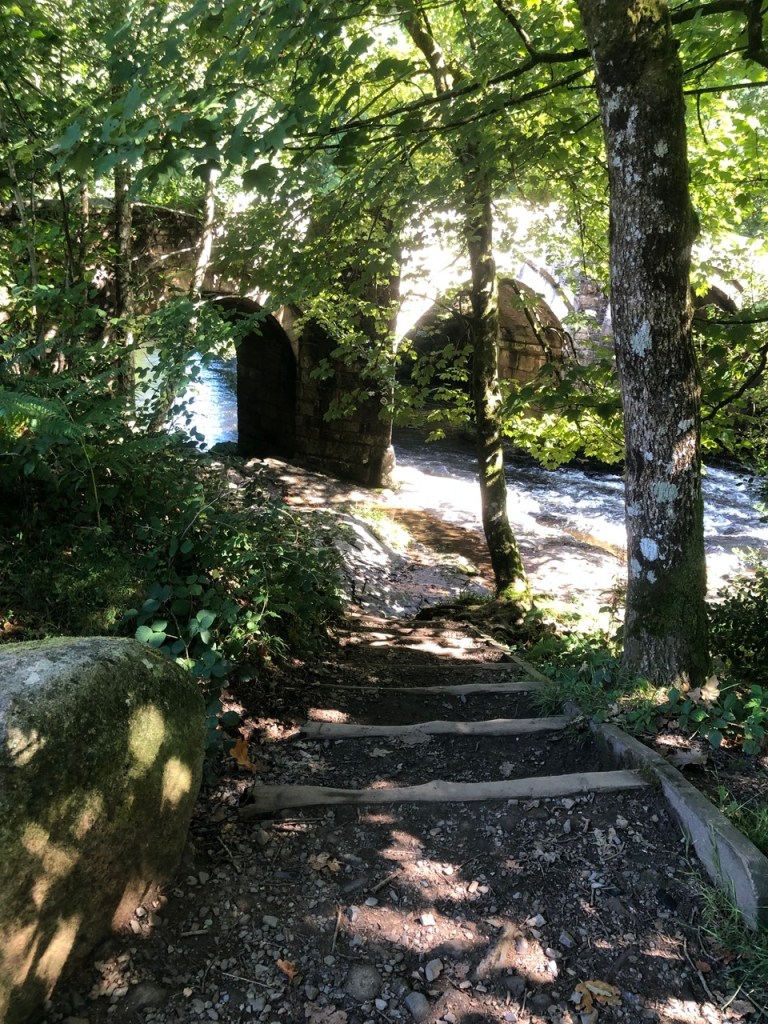
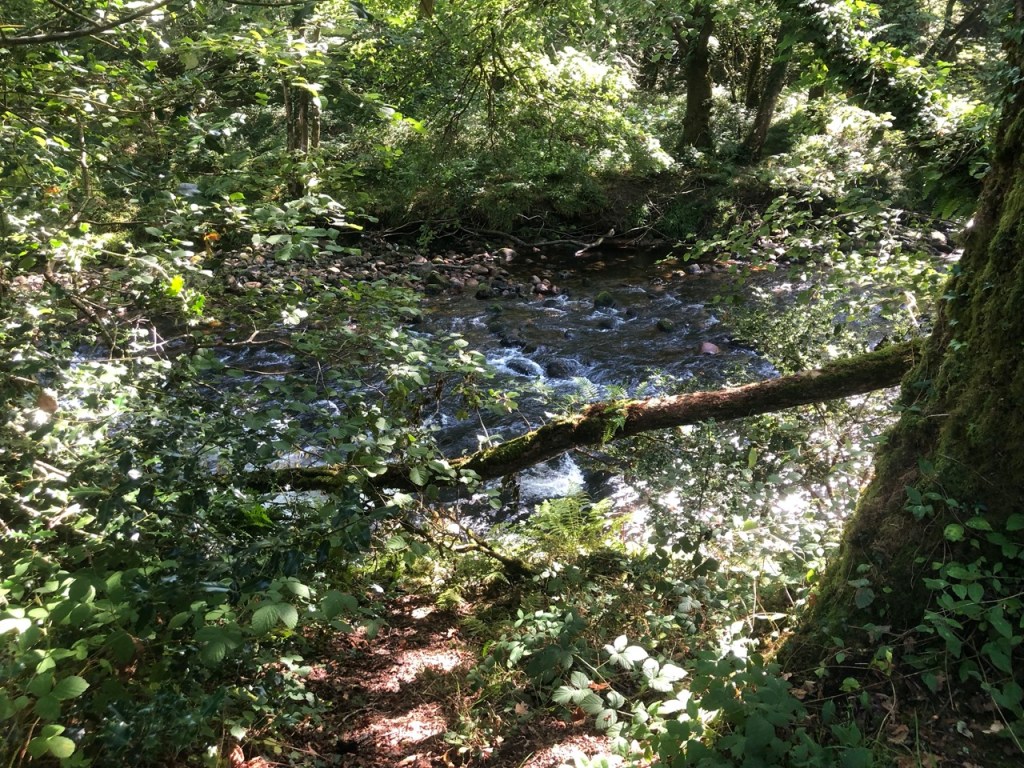
Newbridge car park was busy on our arrival, many families and couples enjoying the cool, shady Dartmoor woodlands, which provided a much-needed break from the sweltering heat. The Dart flowed raucously to our left, entering a series of miniature, rocky rapids before tumbling under a bridge. A wooden signpost, chipped and weathered pointed the way.
As we went on, it became quieter and after about five minutes, the trees were silent and still, the river calm and at an easier pace. A sun-soaked gorse lined clearing provided an opening to the sky above, and it was empty of clouds, dominated by endless blue in every direction, framing the distant hills. Suddenly, a Chaffinch chirped from a birch, but still, serenity ruled. Lilac scabious flowers lined the edge of the grass, with the gorse looming behind it.
We continued on, and still encountered no-one. The dusty path meandered away from the river, winding between trunks and bushes with a mind of its own. Two Magpies streaked after each other above, visible in glimpses between the sun-dappled boughs. A moss-covered stone wall separated us from an open, sloping field, a farmhouse in a circle of wild hedges in the distance. A buzzard called somewhere close by, but seemingly so far away and invisible, like a phantom, searching for a living in its hunt.
The path here came back closer to the river, this time in a straight line (fairly), but there were no trees here, and on a pylon a fair while away, many birds flitted about, perching on the pylon or feeding on the flying insects that were abundant. On closer inspection, they were House Martins, possibly gathering before beginning their long migration. It looked rushed up there, the birds stressed and snappy in their movements. A pigeon flew low over them, and everything seemed to pause for a split second, but soon started up again, around 25 birds hurrying about the wire, the blue and white plumage stark and contrasting in the sunlight.
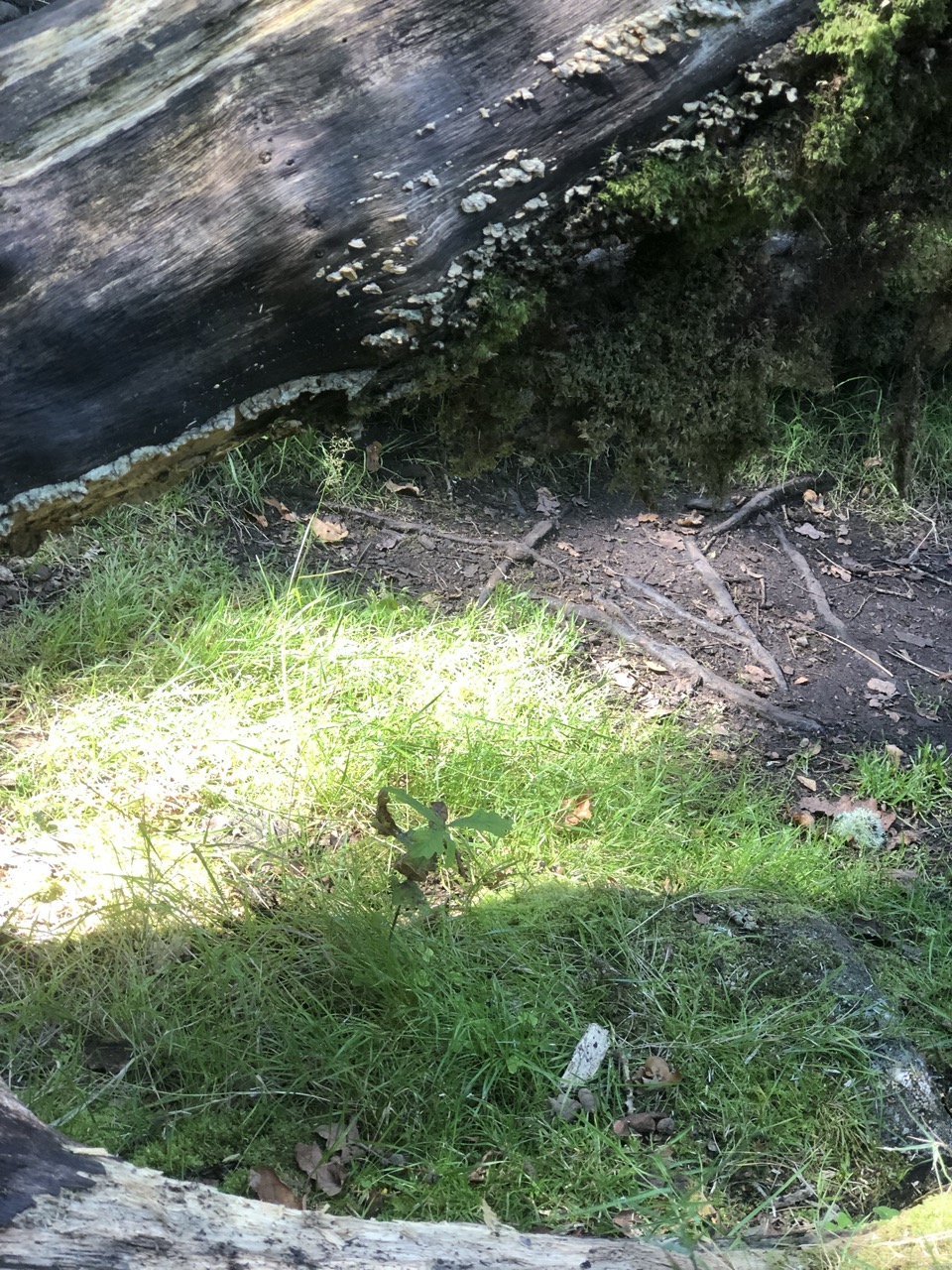
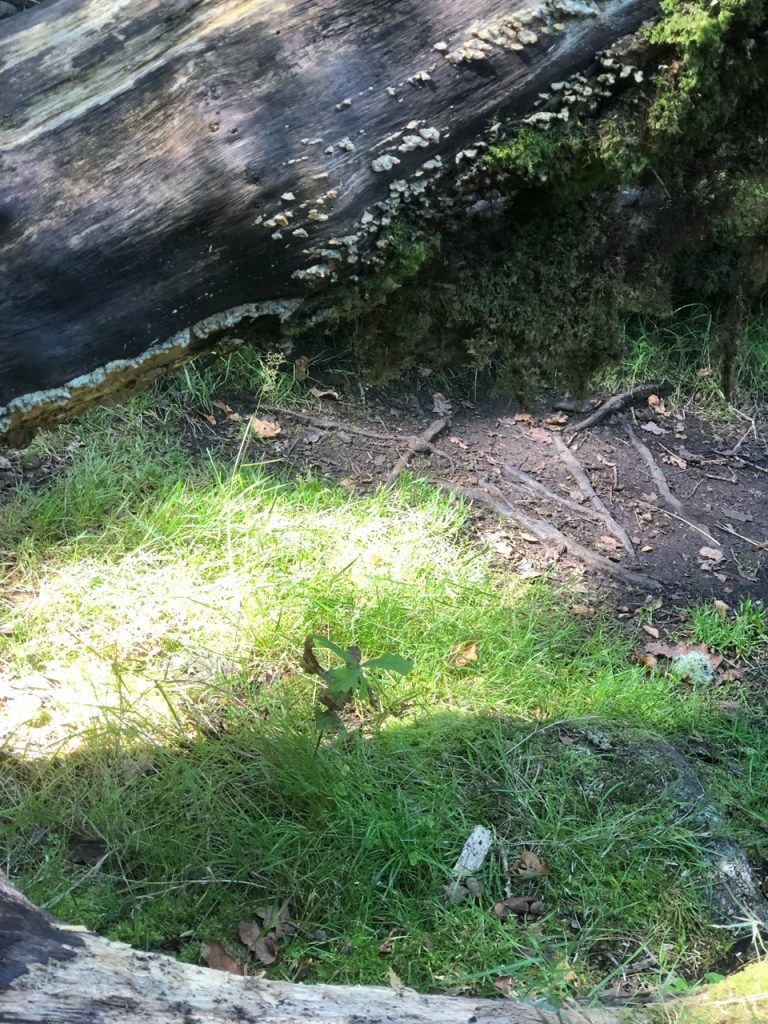
Once again, we came alongside the River Dart, and this stretch of the river was a popular wild swimming spot, with a family splashing about in the fairly deep water. A semicircular pebble beach jutted out into the water, narrowing the river on this stretch. But what drew our attention here was the fallen tree that spanned the path and protected the next generation. A tiny, green sapling grew beneath, receiving just the right amount of sunlight, yet nestled in hanging branches.
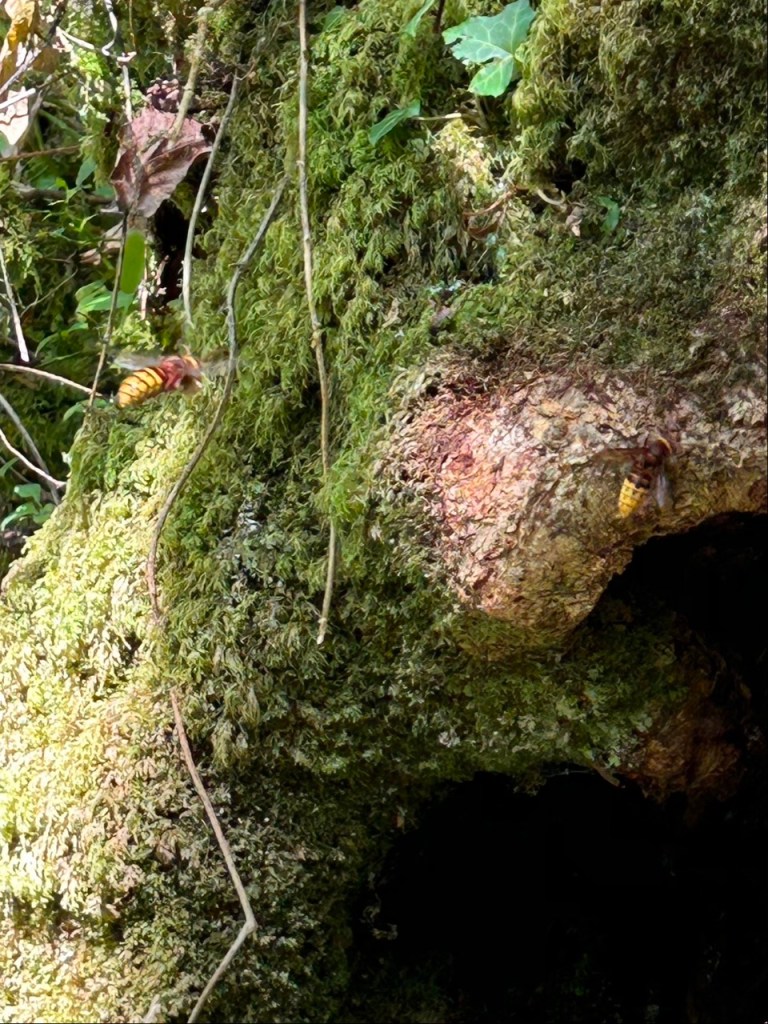
A hornets nest was the next big thing in that particular stroll, with a soft, contented buzz emanating from the egg like nest. It was low off the ground, sitting just above the stone wall, with a few of them humming about in mid-air. And that’s about it, really. We walked back in the midday sun, exhausted yet ecstatic, and enjoyed the long drive home over the moor.
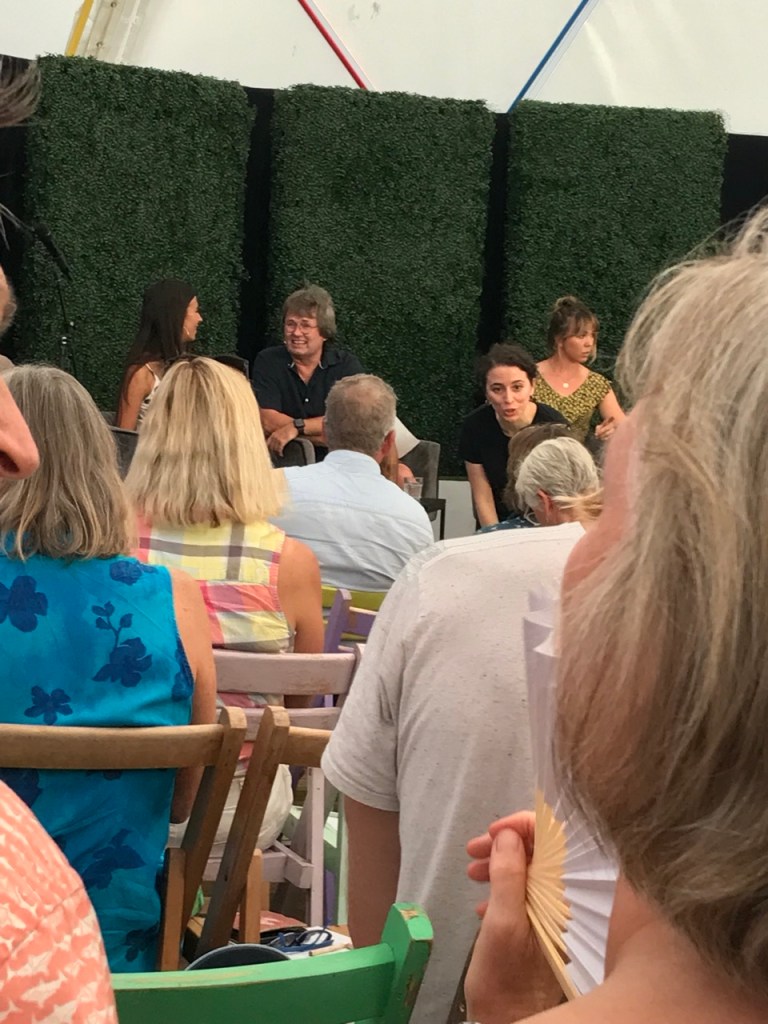
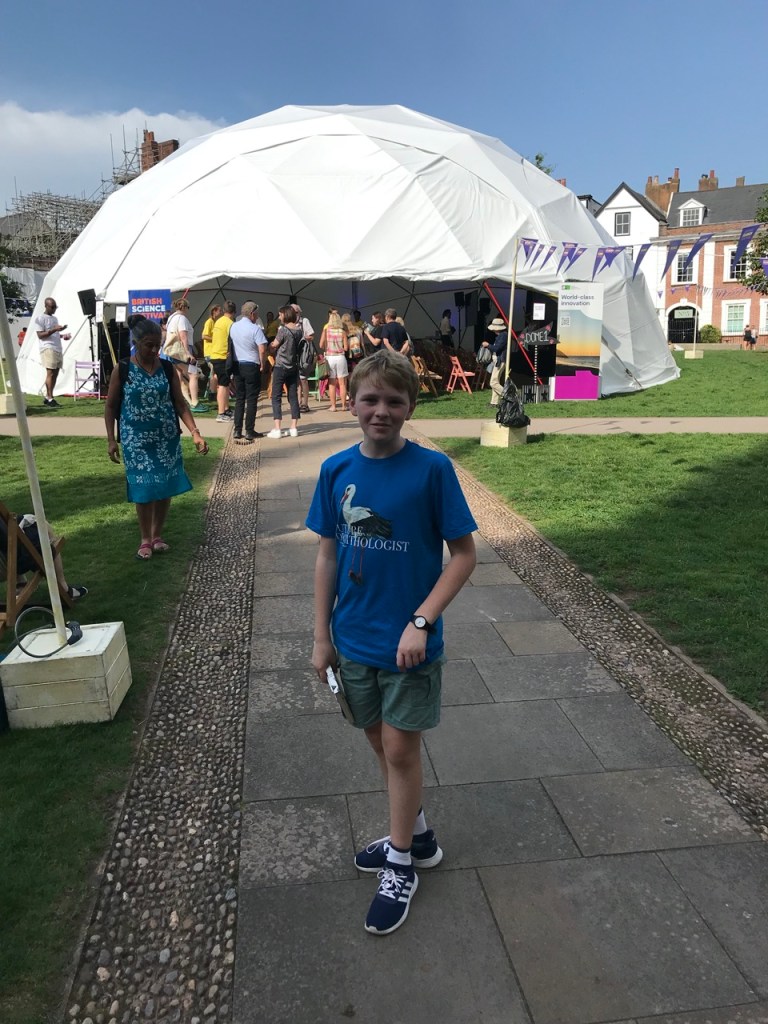
The British Science Festival is a yearly event that rotates around the UK and this year is being held in Exeter. We had tickets for a talk entitled ‘This green and pleasant land?’ – this particular talk was held in the gardens surrounding the historic Cathedral. A number of white, domed tents, varying in size proved the focal points, with deck chairs and info desks scattered in and around. By far the largest of these was the tent where one of their main talks was taking place, with an expert panel and presenter, all based around the dilemma that Climate Change provides.
Photo from the British Science Festival
First of all, the Climate crisis is decades old now, as spoken of by Sophie Pavelle, author of Forget Me Not and ecologist. Apparently, this sort of conversation was regularly held in the 1980s, and it was agreed that action had to be taken. Yet here we are, around 40 years later, and nothing has changed, except for the fact that the problem has expanded into a global catastrophe.
Professor Ian Bateman got us underway in the sweltering September heat, with a passionate 20 minute talk speaking of this exact dilemma. The environment, and this entire planet is made up of an intricate system, for want of a better word, basically the circle of life. His argument was that this country needs to tackle its food production, which at the moment is largely imported. Now, the government puts a small proportion of tax money into nature friendly farming, which essentially consists of things like larger field margins and planting trees in hedges and corners, although this isn’t the answer. And when you take this land away from agriculture, people are still eating the same amount. Which means that more products are imported, from regions where it is cheaper to produce, such as the Amazon, which is being destroyed more and more each day.
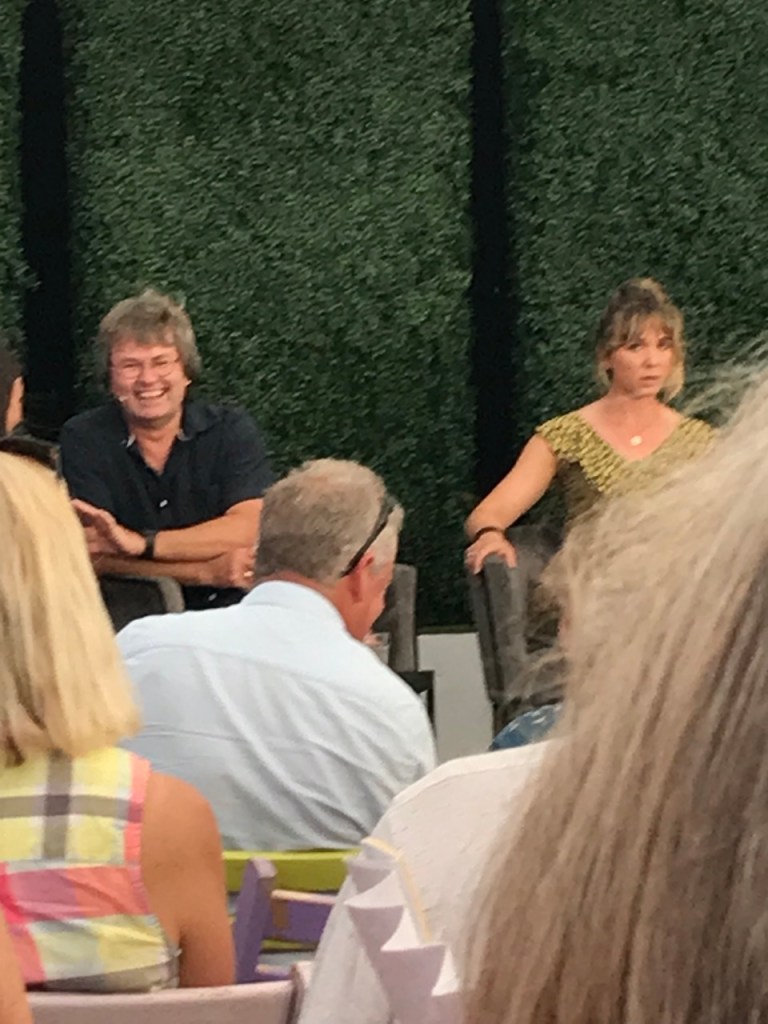
But there is by no means a quick fix that will last long-term, says Mya-Rose Craig, author and activist. Conservation is a huge ball of solutions that must be combined to create success. But it is impossible to forget crucial infrastructure and replace it with marshes and woodlands. You can’t just come along and say forget this hospital, flood this field and plant it up. The balance must be struck, but currently, there is no balance, and sadly, we are about as close to finding one as conjuring a griffin and flying into space. Furthermore, if you plant more trees and flood more fields, this takes up large chunks of land.
Image from the British Science Festival
And many don’t factor this in, announces Ian, of Exeter University. If you take away this land from say farming or a housing estate, many will be without a home, or larger amounts of imported goods will arrive on shores, due to our limited land to produce it. And these goods will come from far away lands, where it is cheap to make them. One of the cheapest is the Amazon Rainforest, which is being destroyed at an alarming rate. In the panels words, by boosting the population of say the Carrion Crow slightly, you are losing Orangutang and Giant Anteaters worldwide.
Another example of human invasion is the humble seagull. This bird is (or should be) a seabird, along with gannets and puffins, yet has been pushed inland and is now considered a pest, to be waved away. But surely if it is here, living off a processed diet unintended for it and bad for it, the coast is no longer fitting to its needs.
Overall, the talk was informative, thought-provoking and I’m sure that many people who were in that audience will keep this in mind, and make changes throughout their daily lives. And if all those people do this, it will help, however slightly. It was great!
The Eurasian Curlew is one of those waders, that switches habitats dramatically according to the season. By summer, it is a moorland bird, breeding on the ground in cover afforded by gorse and scrub. By Winter, it is a bird of the estuaries and coast, feeding in the tidal mudflats many places around Britain entertain. But it has been hit hard, with breeding populations declining heavily across Britain. And this organisation has been set up to help save the Dartmoor birds.
At the Meldon Wildlife Festival, we came across a stall for the Dartmoor Curlew Recovery Project, and the people there were brilliant to talk to, really giving an insight into the world of Devon Curlew conservation. And the organisation is, unfortunately, needed desperately today. A Curlews soft bubbling call is sadly growing rarer all over the UK, but Dartmoor has been one of the worst effected, with numbers having declined by 85% since 1985. The bird is on the Red List for conservation concern, and Dartmoor is one of the most important Southern breeding populations.
The King, Charles III, has taken a particular interest in the long-term safety of this species, and he has been an important part of the monitoring of the breeding birds on Dartmoor, since 2005. The research showed that there were as little as one or two breeding pairs every year, and that scavengers and predators, namely crows and foxes, posed a significant threat to unhatched eggs and young. 5 years ago, in 2018, the King led a National Curlew Summit on Dartmoor, to come up with a short-term and long-term plan to help this bird.
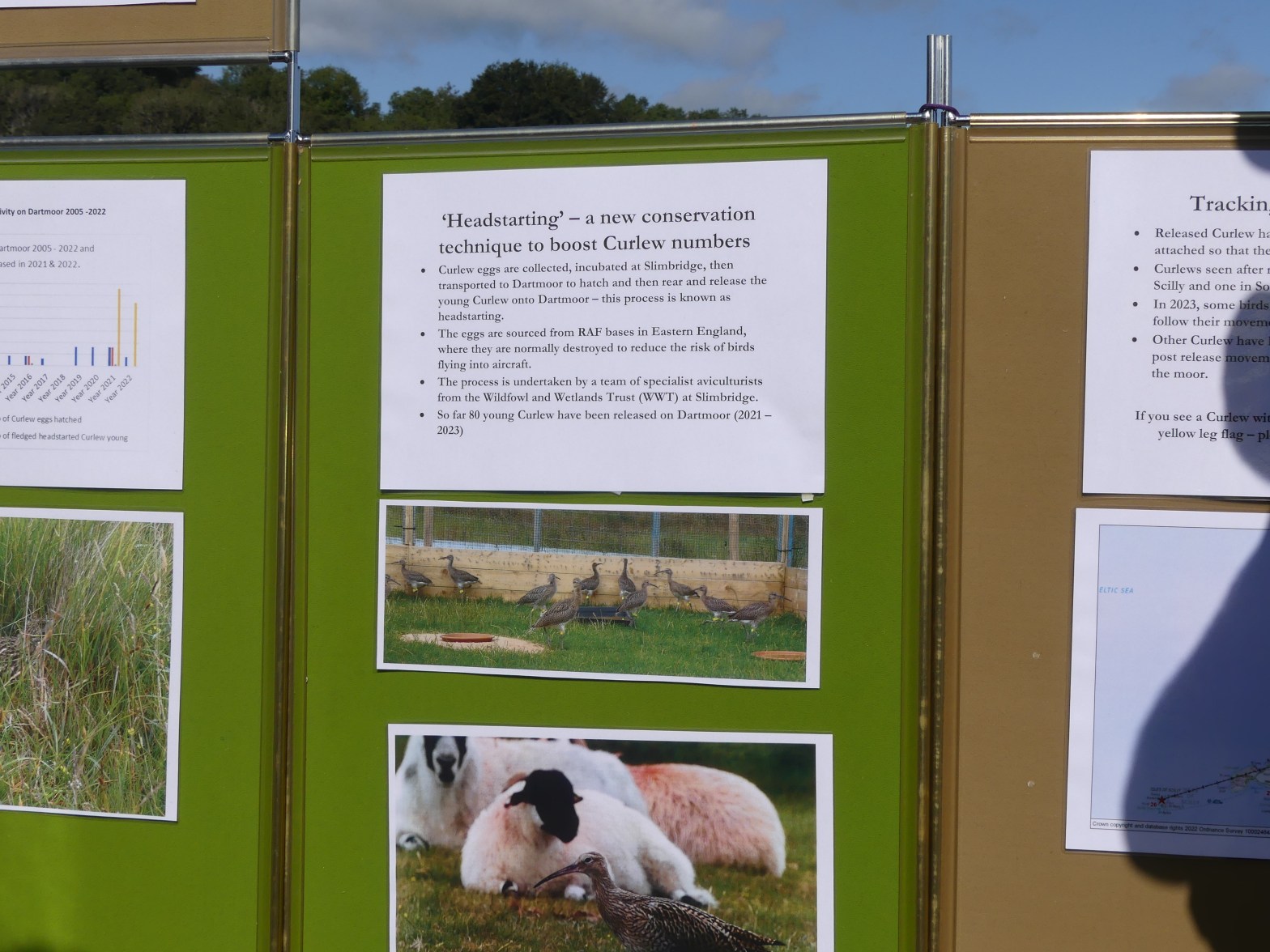
Possible solutions were identified, and plans put in place to give the wader a hand to bounce back. Landscaping to enhance habitats, and small-scale predator control should both prove to be important over the next few years, and the method of head-starting to boost the numbers allowed the rearing and eventual release of young Curlews. The eggs came from an unusual source, an RAF base in East Anglia, where eggs are removed from the side of the runway to protect aircraft. These eggs are transported to a special facility at WWT Slimbridge, and then prior to hatching, are taken to Dartmoor National Park where the hatched chicks are brooded by special warming lamps, before release into a moorland pen.
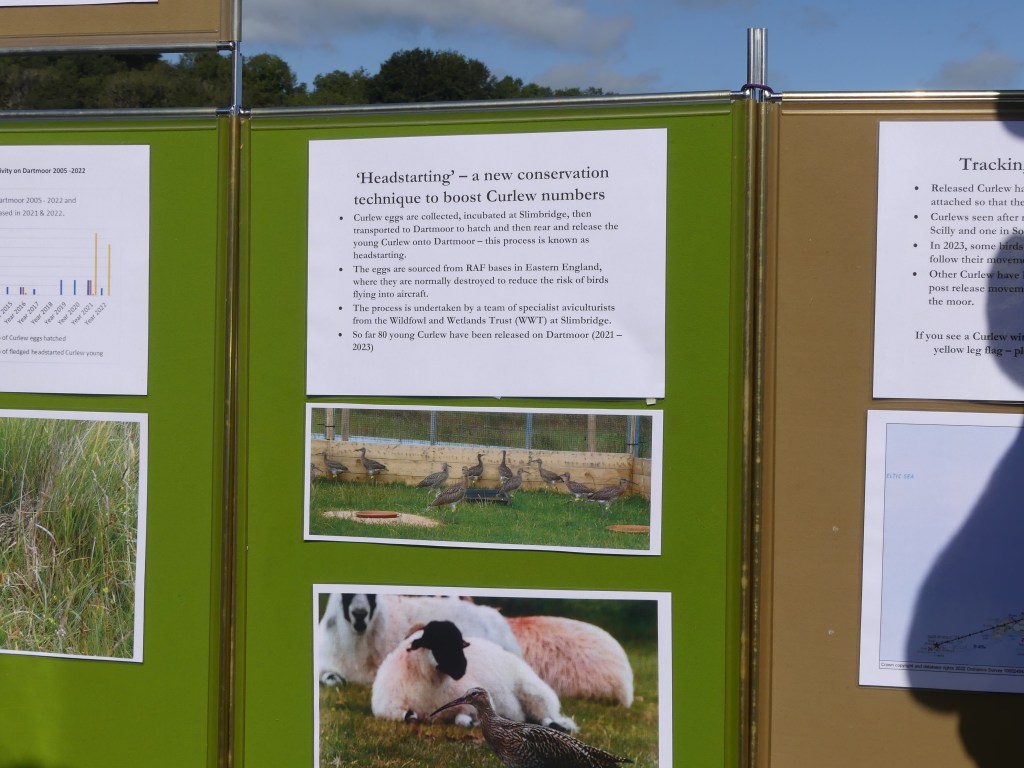
Headstarting is a new conservation technique.
Following around seven weeks of anxious waiting, the young waders are released into the wild, with the hope that they have got to know their Devon surroundings and will return to breed in a couple of years. Eurasian Curlews usually breed from two onwards, so the birds should return home soon. In 2021, 33 Curlew were successfully reared and 27 released. If all goes to plan, these creatures could become the pioneers of a new breeding population on Dartmoor.
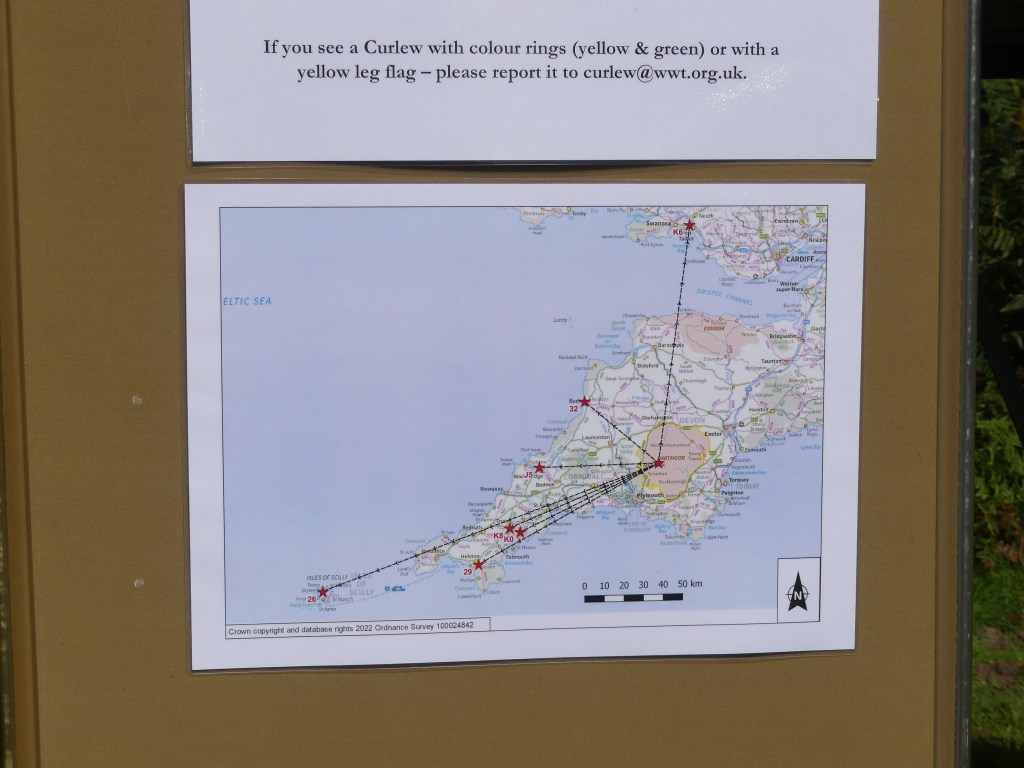
The released Curlew can be separated by large yellow colour rings and flags, easily seen from relative distances. This allows them to be spotted feeding on estuaries and rivers and marshlands, where they spend the winter. If you do sight any of these birds, report it by emailing into curlew@wwt.org.uk.
A map showing the released Curlews movements across the South-West.
This project could be crucial to preserving Dartmoors Curlews, but also for other populations across the UK. This is the first project of its kind in the country, and any information learned will prove valuable in years to come.
It was a bank holiday Sunday, and we had a free afternoon, so we thought why not head up to Topsham? So we went into the town, had cake at a lovely cafe, and then topped it all off with a great days birding just round the corner! Read on to find out more!
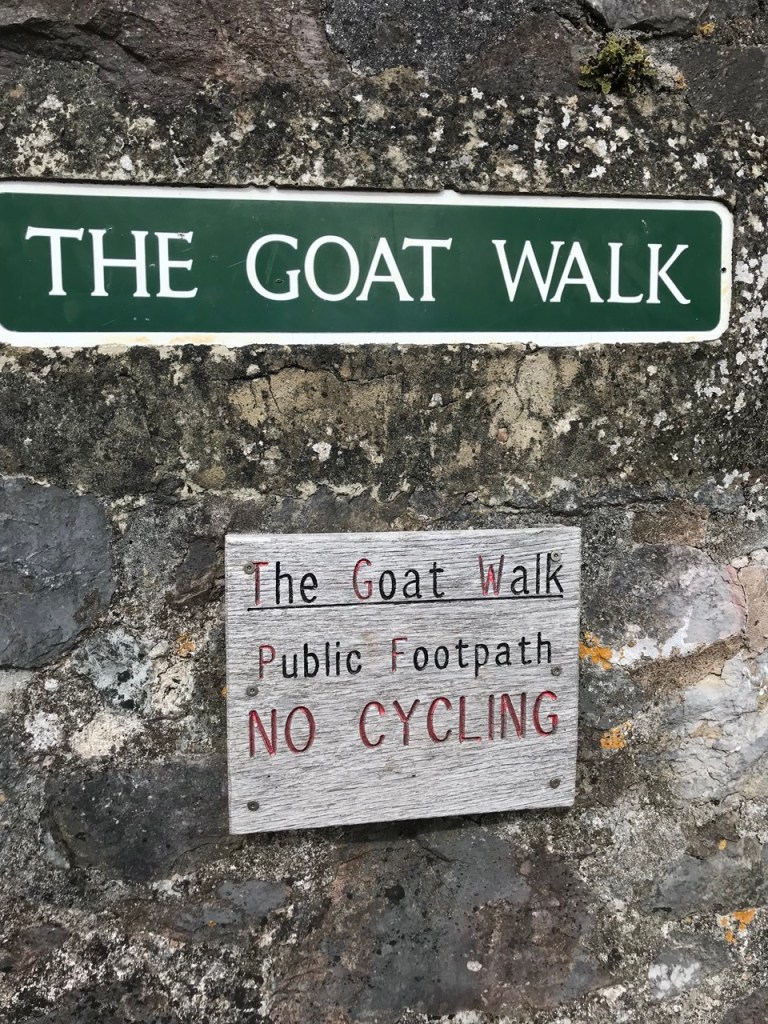
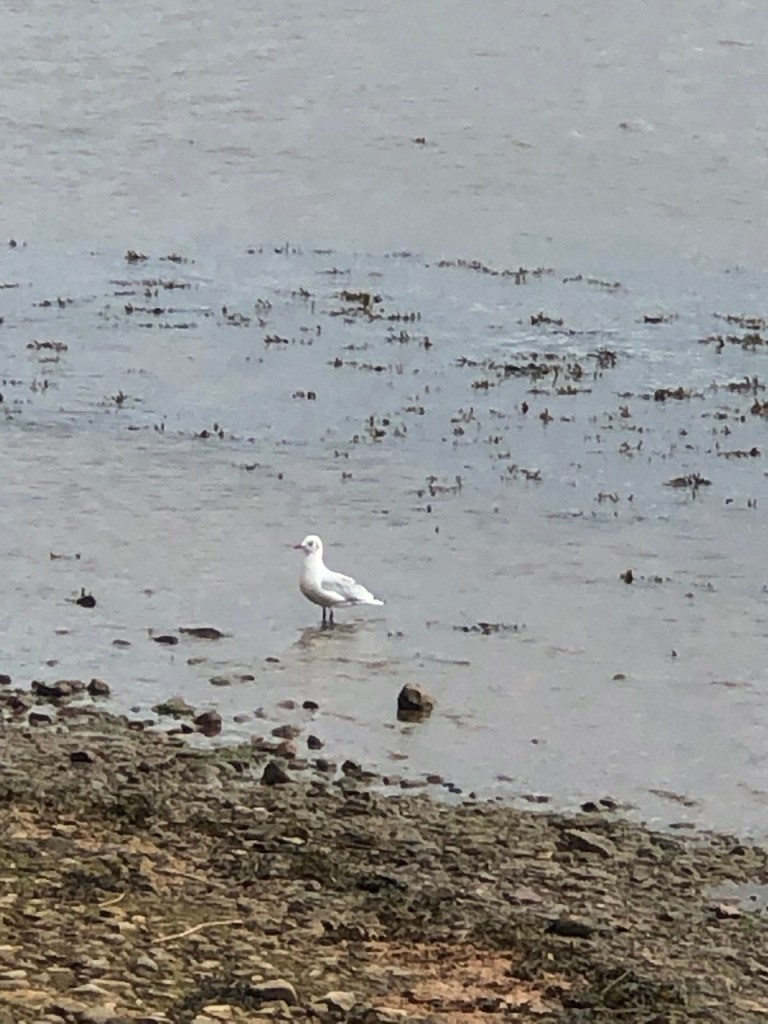
Mute Swans and Canada geese gathered on the far side of the river, partly obscured by the many boats moored on the Exe. The Goat Walk was busy today, with dog-walkers and families all strolling past or sat on benches. A Black-Headed Gull strutted about on the riverbank, with the black spot behind its eye stark against the white plumage.
The Goat Walk
An August Bank Holiday weekend stroll was about to turn into some productive birding, as we were headed to the RSPBs Bowling Green Marsh reserve, one of the best wildlife sites on the Exe Estuary. This site is always productive, and delivers on each and every visit. Waders and wildfowl galore always seem to be present, although less so at this time of year. But there is always something to look at, so we turned onto the track that led to the reserve.
The gate creaked slightly, but its black metal swung open willingly. Our first port of call was to scan the marshy field adjacent, as there were often a few geese in there around this time of year. However, diligent searches revealed nothing bar a ruffled looking Magpie. A Great Tit chirped from a rowan tree, already with a cluster of berries clinging to its branches. A Chaffinch broke cover and flew its undulating flight into the reeds. We came to the raised, narrow platform that served as a viewing point, and immediately a large, glossy black Cormorant flew low across the estuary, its flailing wings beating rapidly.
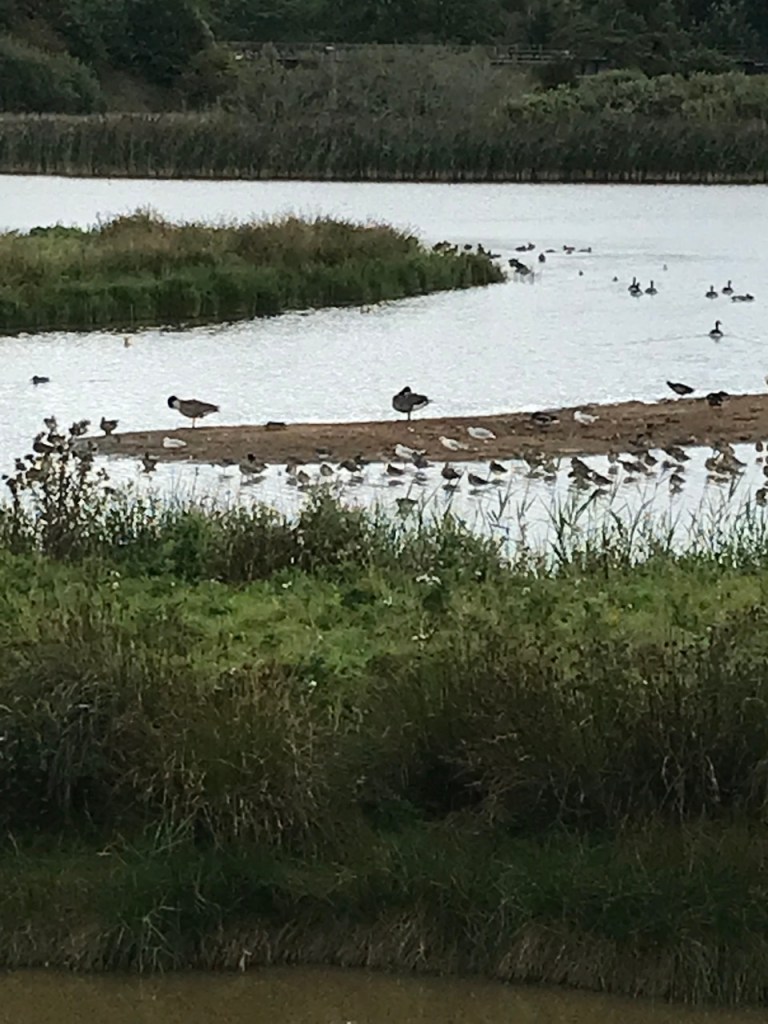
Apologies for the bad photo, taken with phone as camera memory card forgotten!
The tide was in, so all the birdlife had assembled on the prominent sandbar, situated on the far side of the lake. Black-Headed and Herring Gulls, about 80 Black Tailed Godwits, a couple of Curlew, and another Cormorant perched on a post. It was the height of summer, so I had expected to see little, but the amount of birds was incredible! Out there, surely there must have been over 200 individuals! And, out of nowhere, a glorious Redshank ambled out from behind the reeds, its red legs muddy and obscured. And just then, a bullying Great Black Backed Gull flew in, putting the Godwits to flight and extremely agitating all the others. Natures pecking order, eh?
We continued on to the Lookout, the large bird hide set up by the RSPB overlooking the tidal marshes, complete with Lapwing shaped bike racks and a Wildlife/herb garden. As soon as I looked out, the sheer number of Black-Tailed Godwits hit me! There was surely over a hundred here, some still in their rich, rusty red breeding plumage! All paddling and wading through the water, feeding up. Two Gadwall directly in front of us seemed a lot calmer, seemingly enjoying the peace afforded by the channels. Mallards and Shovelers sat preening on the banks, with two Lesser Black-Backed Gulls watching over proceedings. No less than six Little Egrets sat among a smaller group of Godwits further away, joined by a Wigeon and a group of regal Pintail.
Again, apologies for the bad photo.
Lapwing whistles told of peewits, and the Godwits piping calls played a prominent part in the sounds assaulting the senses. The raucous squawking of the larger gulls scared the surrounding curlews, but they stood their ground and continued probing the mud with their thin, long, curving bills.
Eventually, we left the hide, and I was sad to leave, but an afternoons great birding had been completed and Im sure we would be back again soon.