The Black (or Cinereous) Vulture is Europe’s largest raptor, and an iconic species in Mallorca. It thrives in the northwest mountain range, the Serra de Tramuntana, and has recently been showing signs of expansion in its breeding range, putting the exclamation point on an awe-inspiring conservation success story that brought the birds back from the brink of Balearic extinction. Human activity, changes in our habits and management have helped hugely, but not just with the vulture. Many other species, from the Bonelli’s Eagle to Iberian Water Frogs, have indirectly benefitted hugely from measures put in place with the Black Vulture in mind. So just how have they done it?
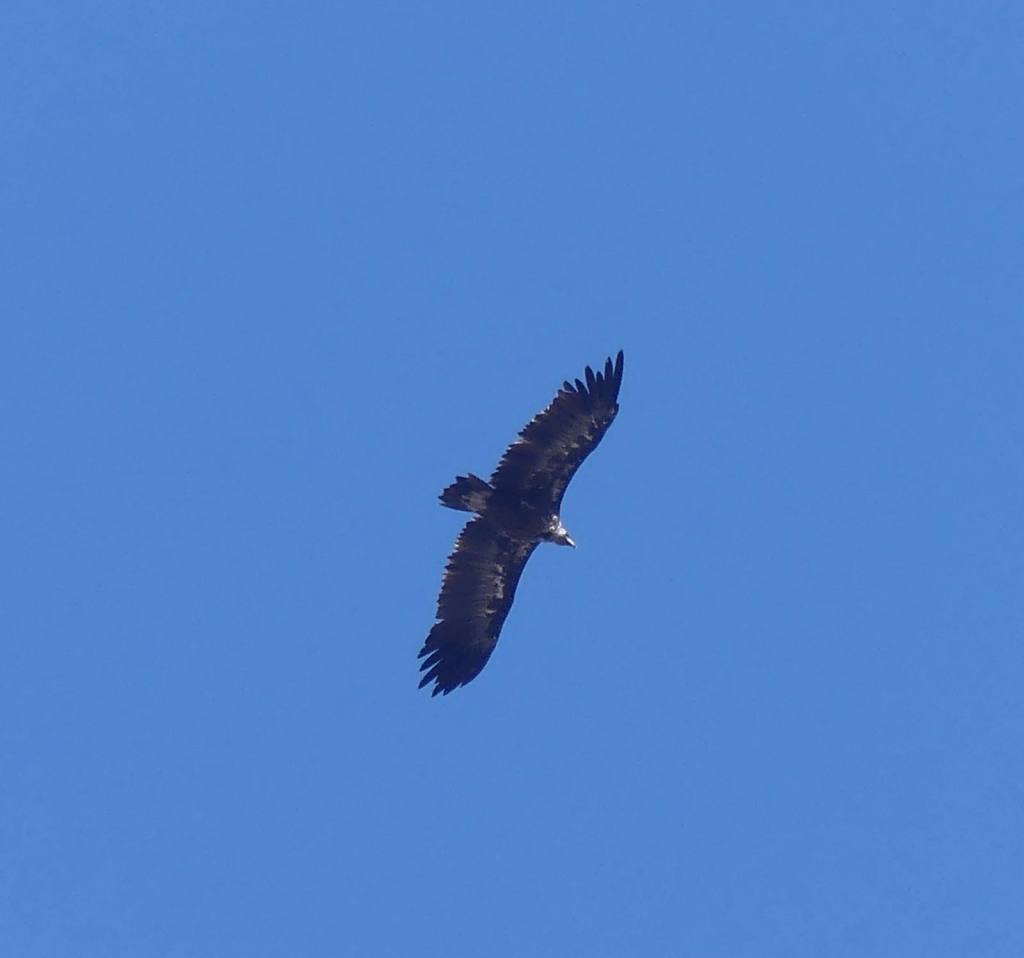
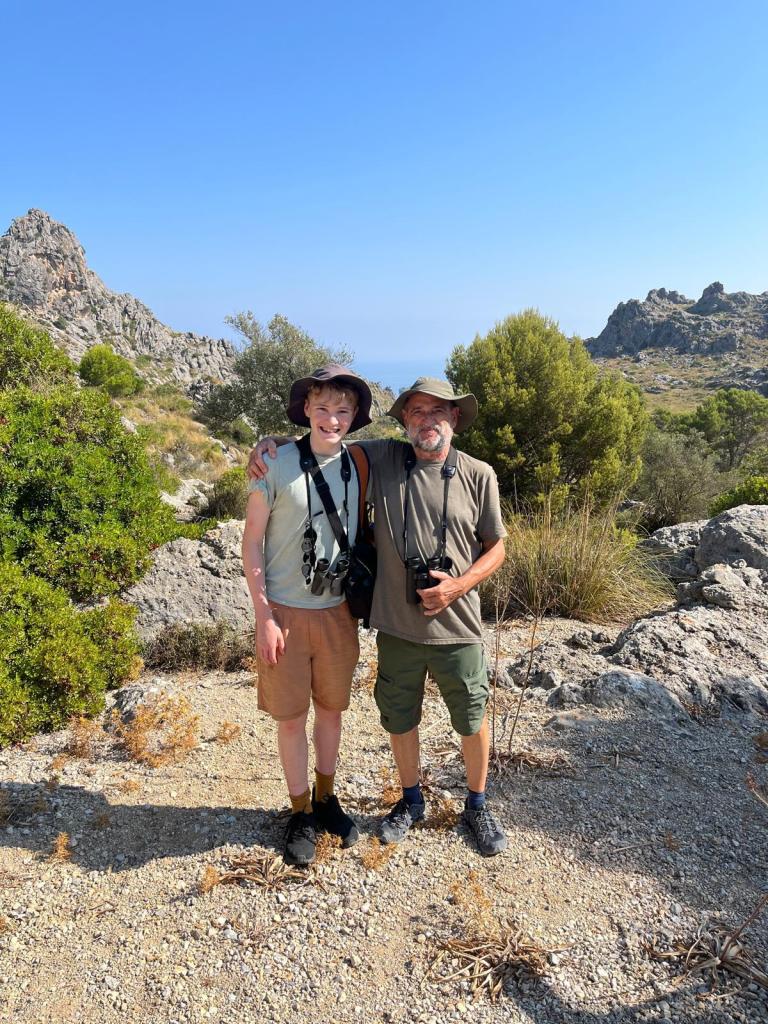
To give some context, I recently visited Mallorca for a family holiday, and we have been regularly for a few years now. I always try to get as much birding in as possible, and this time was no different. Mallorca is famed for hosting the only island-based breeding population of Black Vulture in the world, and true to form we saw several, both above the villa we were staying in and out birding in the mountains with my good friend, the incredibly knowledgeable Pere Tomás of Mallorca Nature Tours. We even saw one being mobbed by a seemingly tiny (in comparison) Booted Eagle, and the size difference alone was enough to make you fear for the pale-morph eagle’s safety. Luckily for it though, it came up against a gentle, scavenging behemoth. Black Vultures are an amazing species and have intrigued me since I first laid eyes on one.
So, a bit more on this majestic bird. It boasts (I can’t imagine this raptor being anything but humble however; leave that to the Griffon Vultures) a wingspan of almost 3 metres, which is taller than my dad. It can also weigh up to 14kg, about as heavy as a large kitchen microwave. They scavenge and feed on carcasses of animals, in Mallorca largely wild goats and the occasional sheep. They’re crucial to the ecosystem, acting as cleaners to prevent the spread of disease and maintain natural beauty. After all, tourism would greatly decrease if there were dead, rotting things everywhere.
They’re even the tidiest vulture on the island, taking care not to get their majestic, feathered necks sticky with blood while feeding, which could impede their flight. Their size lends them a big advantage too, often being the first bird to begin their meal. Ravens, Griffon Vultures, Kites and Gulls wait patiently for their turn while the Black feeds; when, and only when, they’ve had their fill, they stalk off to digest their meal (vultures have a slower metabolism than most birds of prey, as the timing of their meals are unpredictable and can be days apart), in plunge the bare-necked Griffons, not afraid to get their skin coated in blood and gore.
As I’ve mentioned, Mallorca hosts the world’s only island-based breeding population of these birds. As such, farmers and goat cullers in the north of the island will sometimes leave carcasses for the vultures to deal with, which suits them very well. They numbered just 20 birds on the island in the 1980s according to the Vulture Conservation Foundation (VCF), declining heavily due to them inadvertently feeding on illegally poisoned bait left by farmers to kill foxes and feral dogs. It’s the equivalent of leaving a highly venomous and aggravated snake in the green bin for the binmen, but who in their right mind would do that? This was a reactionary measure taken to protect livestock, and it was even believed that the vultures themselves would take live lambs and calves! Luckily, this theory has been widely disproved, and today many landowners and farmers respect the vultures for their role in the ecosystem.
Going back to the vulture’s decline, it was important that the birds didn’t disappear from the island, for such reasons as their crucial role as environmental cleaners, and to preserve a unique natural heritage. These vultures had lived on the island for 5 million years, seeing millennia come and go. Losing them would carve a jagged hole in the heart of Mallorca’s proud history. Illegal poisoning on the island was controlled, and according to the VCF is now unheard of here. Furthermore, feeding stations were set up to support the species’ recovery, and then between 1984-1992, 35 Vultures from captive-breeding programmes in zoos around the world were released, boosting the population at a critical time. This project even led to the founding of the Black Vulture Captive Breeding Network, which helps reverse declines in other Black Vulture populations across Europe. The Black Vulture is now thriving on Mallorca, with between 300-400 individuals calling the island home and around 35 breeding pairs in the Serra de Tramuntana according to the VCF, and it goes to show just what can be achieved when conservationists, governments and local people band together with a common goal.
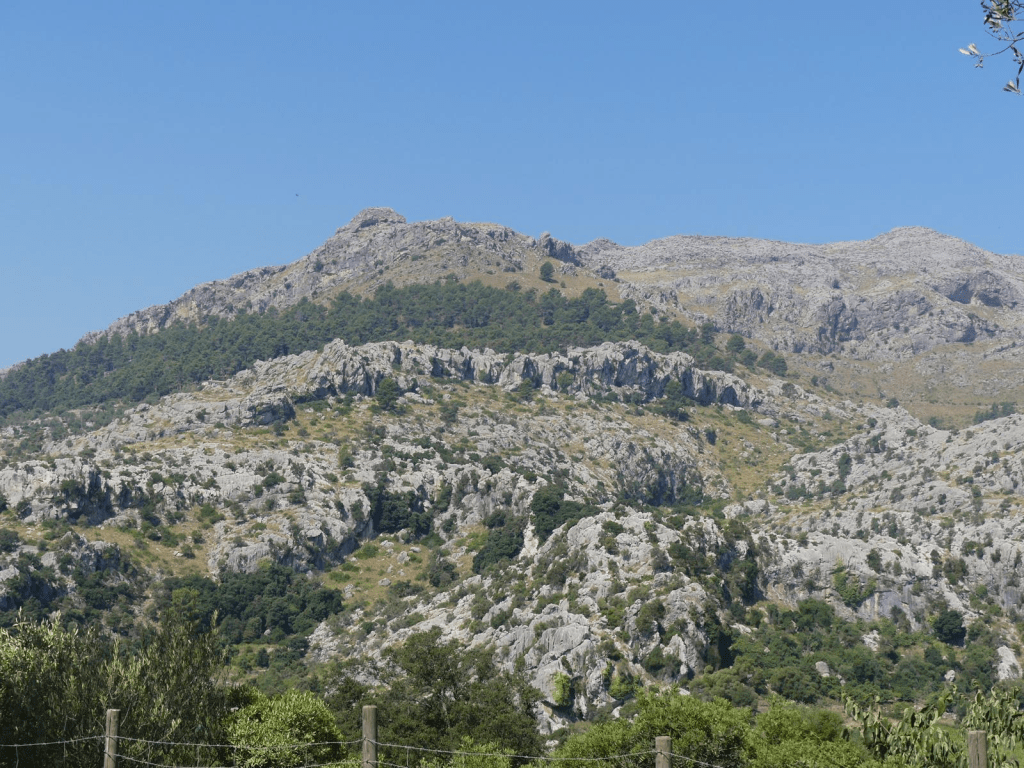
Today, the Vultures mostly live in the rugged Serra de Tramuntana, in the north-west of the island (although there have been recent signs of expansion in their range). The feeding stations have been closed now, as the population is no longer needs them, and can support itself. They build their nests in pine-trees on the mountainous coast, and feed in the valleys and gorges. But another of the reasons they’ve been able enjoy such an increase in their population is the creation of no-go areas for humans, made possible by the Mallorca tourist tax.
It was introduced in July 2016, ranging from €1- €4 per night. Children under 16 are exempt from it, and long-term stays receive a 50% discount from the ninth night onwards. In the off season (November to April), the tax rates are reduced by 75%. Both locals and tourists generally view it as a fair price to pay, small enough to not deter visitors completely from visiting the island but enough to fund public infrastructure upgrades and conserving the environment and cultural heritage. The money goes into the Sustainable Tourism Impulse Fund, and projects to help the island become more sustainable in categories such as water management, heritage preservation and nature conservation are allocated funding on an annual basis.
A portion of this funding was used to purchase privately-owned land in the Serra de Tramuntana, and to turn them into no-go areas, where only certain people such as scientists, surveyors and conservationists were allowed to enter. These areas were essentially left for the wildlife, and without disturbance and constant human pressure, the ecosystem is thriving. One such species is the Bonelli’s Eagle, who like the Black Vulture, has been the beneficiary of another hugely successful conservation project. The highly territorial raptor disappeared from the island in the 1970s, collisions with power lines and illegal persecution playing huge parts. Thanks to conservation efforts, there were around 40 birds on the island in 2021 according to the University of Barcelona, with breeding pairs taking up territories in mountain valleys and gorges. Highly territorial, they don’t allow other potential competition species to exist alongside them. Since the reintroduction of these birds, Booted Eagles have almost completely vanished from the Bonelli’s favoured areas, and Bonelli’s Eagles have even been reported to attack, kill and feed the Booted to their young.
The Bonelli’s Eagle is currently doing well on Mallorca, but here we unearth a centuries-old issue. Raptor persecution happens every day, across the globe. The Peregrine Fund estimates that more than half of the world’s raptor species are in decline, and persecution holds a huge amount of responsibility for this. Here in the UK, species such as the Hen Harrier are blatantly shot and killed; the RSPB recorded 102 confirmed or suspected illegal persecution incidents involving the birds between 2020 and 2024, with many more believed to have happened. Their protected species status receives complete disregard from landowners who believe that by illegally shooting or poisoning these birds, they are protecting their own livestock or grouse (for hunting). Human-wildlife conflict is brought to the fore again here, and it’s up for debate the effect birds like the Hen Harrier actually have on the grouse-shooting industry. Once again, it’s something that we have to find a solution to, and to restore balance, everyone needs to be on board with it. By educating farmers and landowners, reducing the use of lead-shot in the hunting industry, and looking after these birds while also looking out for economic interests, we can help raptors such as the Hen Harrier, the Black Vulture and the Bonelli’s Eagle thrive.
Anyway, back to the no-go areas. Think back to the Covid Lockdown in 2020. It was widely reported that nature, with all the humans at home and no pressure, reclaimed areas and became bolder, with traditionally non-urban species such as badgers and deer wandering the streets of big cities. The creation of these no-go areas have had a similar effect, although on a much smaller scale, allowing species such as Crag Martins, Pine Martens, vultures, eagles, falcons, Iberian Water Frogs and more to thrive in the way they should be allowed to.
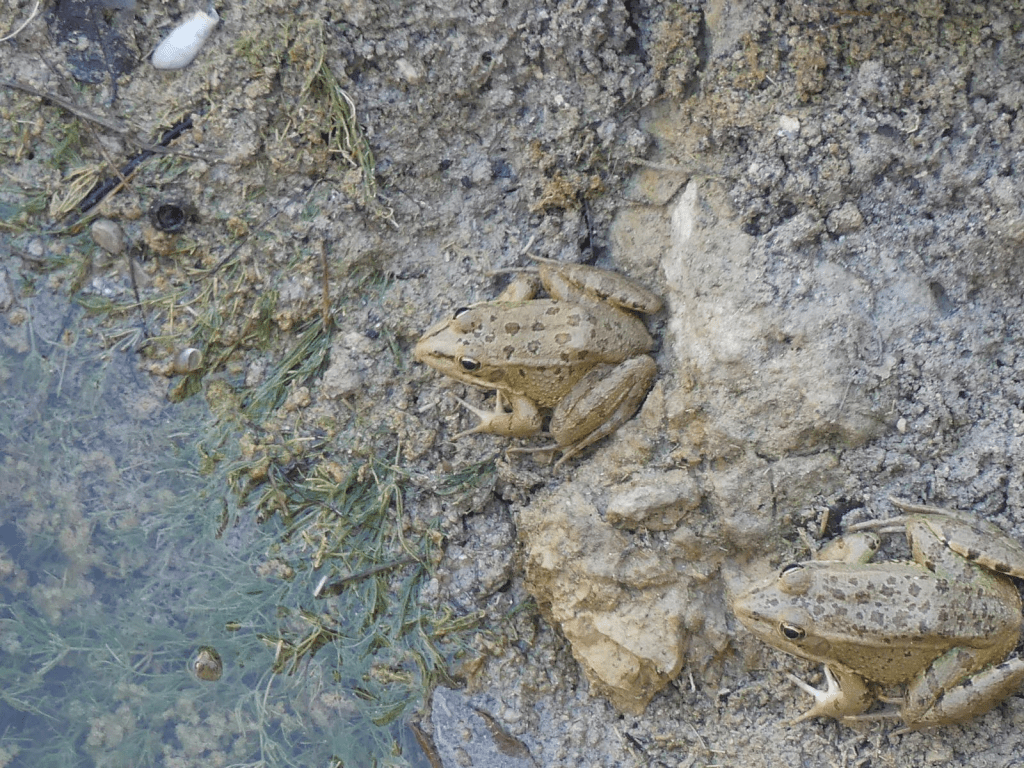
During our visit to the Mortitx valley alongside Pere, we came across a small, man-made reservoir fed by rainfall and a small river, used to irrigate the vineyards further down the mountains. A dam had been built, and a bridge on top, but not many people really came up here. And you could tell, because even with the water levels fairly low, it was still full of life. The water was brimming with fish, and several Iberian Water Frogs, khaki green and brown against the dusty banks, watched on as a Viperine Water Snake wormed its way through the rippling water. Mediterranean Flycatchers and Crag Martins, greatly different in their approach, filled their beaks, staying hydrated in the heat. Pere had seen both Grey Herons and Kingfisher feeding here, and it was likely that vultures drunk here too.
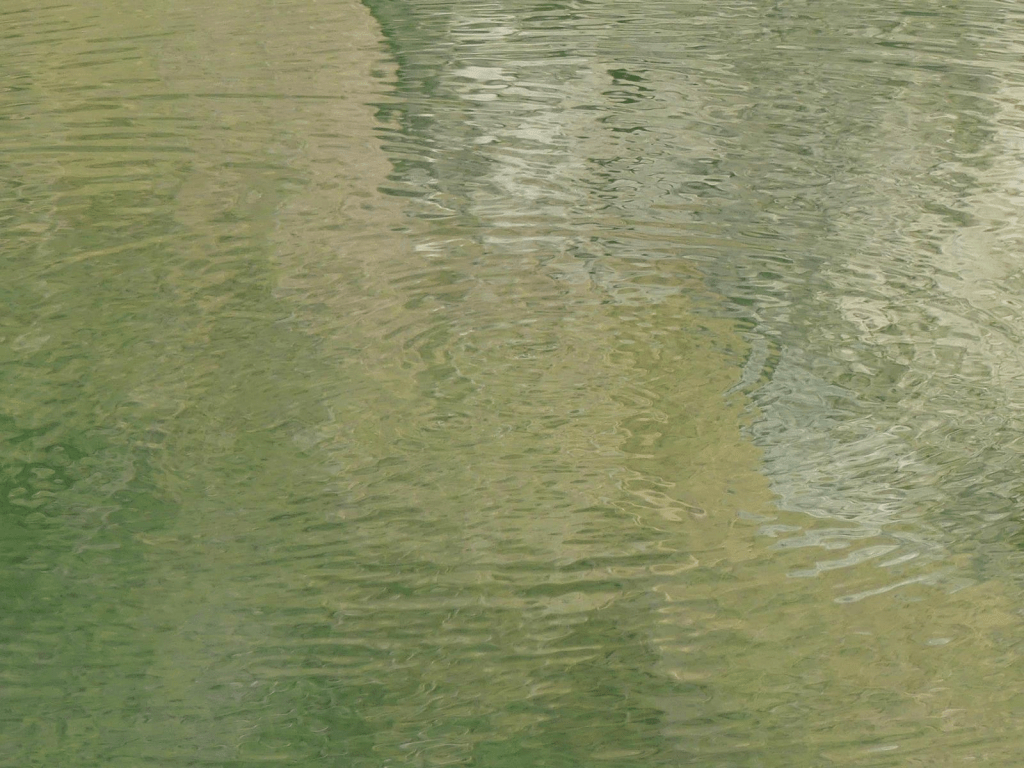
It just goes to show what a decrease in human activity, even around a man-made structure still in use, can do for wildlife, emboldened and with a greater sense of freedom. I could only imagine what it would look like in the winter, with even less people about and higher water levels; you could see the ghost of where the water reached in the colder months, a faint line the only clue to a winter wildlife wonderland. There was even another, even more isolated reservoir, fulfilling the same role as this one, both as an irrigation system for the humans and as a crucial water source in the searing mountain heat. We couldn’t reach it via the dusty paths, but it’s something I’d love to see, as it stands to reason that it would be buzzing, more than the one we looked into now.
The ecosystem in the mountains is delicately balanced and provides for many species, as partly demonstrated above. The vineyards the reservoir fed were sustainably farmed and with nature in mind, using minimal pesticides and providing food, cover and nesting sites for smaller birds. We actually had to stop and scan the vineyards through our binoculars, in order to take in the array of species in offer. Flocks of 40+ Goldfinches, with the odd Serin or Greenfinch mixed in, roved through the greenery, and there were several Hoopoe and Cirl Bunting. It was, put quite simply, alive, and apparently the wine isn’t half bad either (not that I’ve tried it).
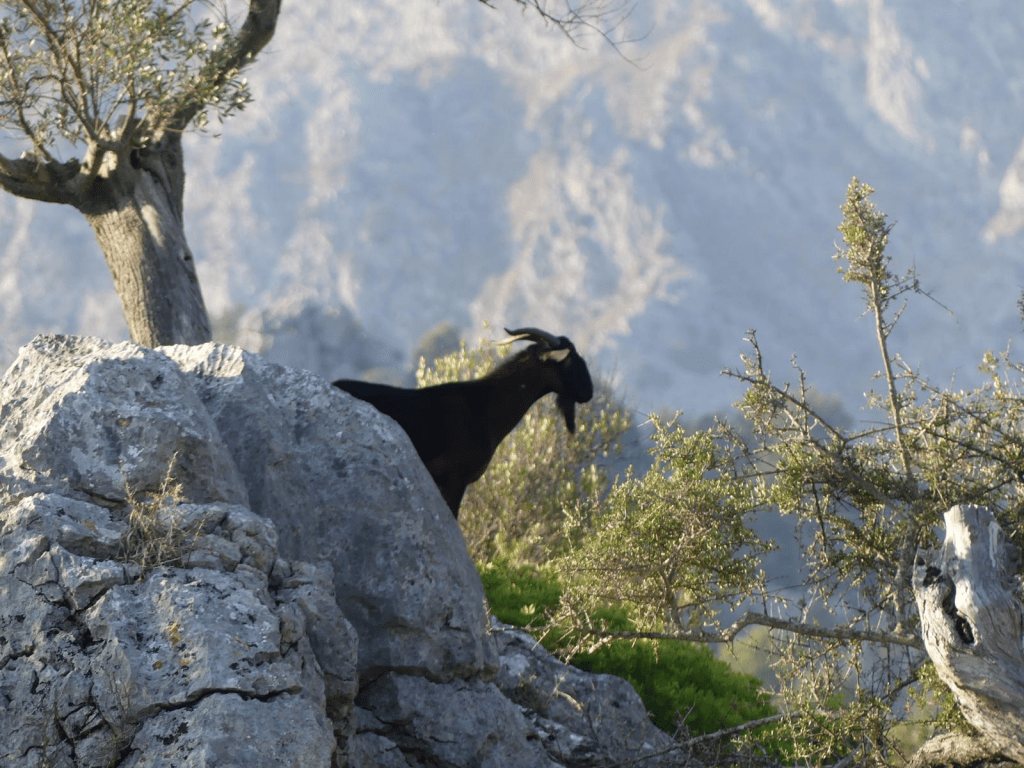
We also encountered several Mallorcan Wild Goats during our walk through Mortitx, who have no natural predators on the island. As a result, they are culled to prevent overgrazing and destruction of crucial habitats for other species, but also to preserve the genetics of an endemic breed, reddish-brown in colour with a black stripe down its back. This breed was quickly becoming rarer, so the cullers always looked to hunt other goats, in order to both preserve habitat and heritage. It just goes to show that management is often needed to allow nature to thrive, but conservation comes in many different forms. Controlling the numbers of one species is often integral to allowing the recovery of another.
To conclude, Mallorca is a very special place to me. It is home to one of my most important mentors and friends, Pere, and I have many special birding memories from out there. It’s both interesting and exciting to learn about it’s ecosystems and the relationships between humans and nature. The main takeaway here is that balance, however fragile, is key, and if maintained, wildlife and humans can thrive alongside each other with no quarrel for years to come.