
Swifts are a special species of bird, remaining airborne for ten straight months each year and not landing for the first three years of their life. Their committed avoidance of the ground has led to them having one of the fastest level flight speeds of any bird, but also tiny feet that aren’t much good for walking anyway. They’ve captivated many a creative mind throughout history, providing food for thought for renowned poets such as Ted Hughes and Anne Stevenson, but frustratingly, these birds have experienced steep population declines in the UK of up to 60% in the last 20 years, largely due to the loss of their traditional nesting sites in the eaves of buildings; modern homes using new construction methods have sealed up these nooks and crannies. However, it’s not all doom and gloom, and there are many ways that people are helping Swifts.
The Devon Swift Project was set up with the aim of increasing the population of Swifts in Devon, supported generously by organisations such as Devon Birds. They install and teach people how to make Swift nest boxes, provide information on call lures to attract Swifts to nest in these boxes, plant wildflowers to attract insect food for the birds and comment on planning applications to include provision for Swifts in new builds.
Kingsteignton Swifts was set up by one of Devon’s top Swift experts, Alistair Whybrow, and holds the same values and aims as the Devon Project. There’s currently about 30 pairs nesting in the town of Kingsteignton, and the group helps to install nest boxes, monitor colonies and populations, spreads awareness of the birds’ plight and lobby councils to include Swift provision in planning for new buildings.
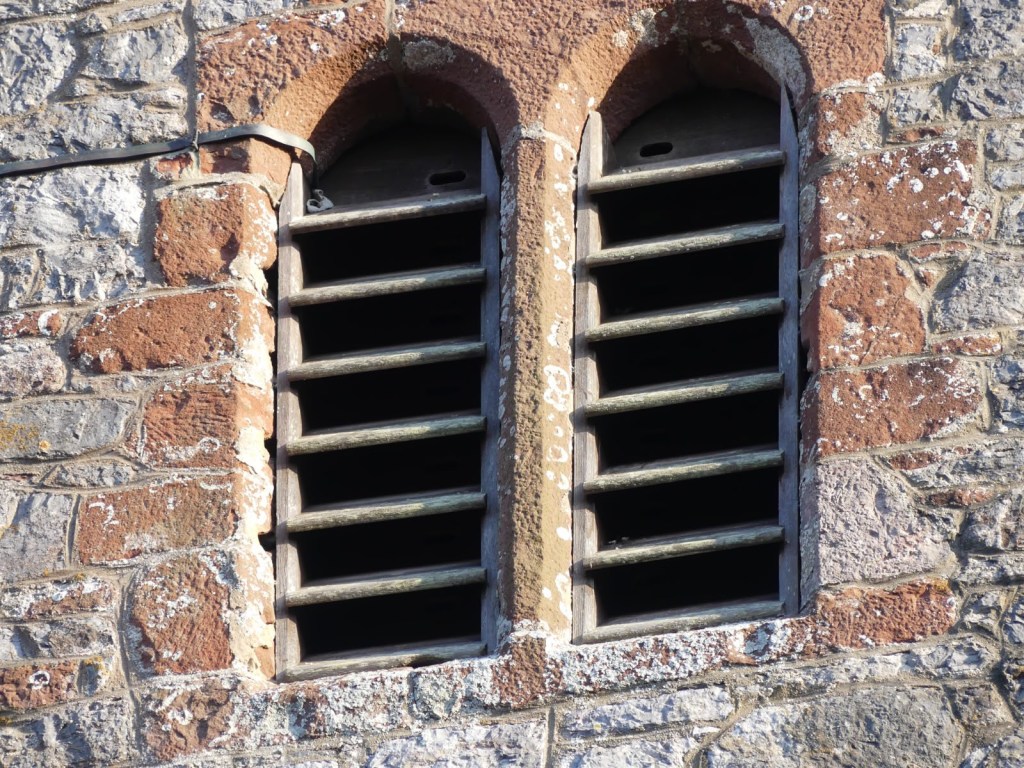
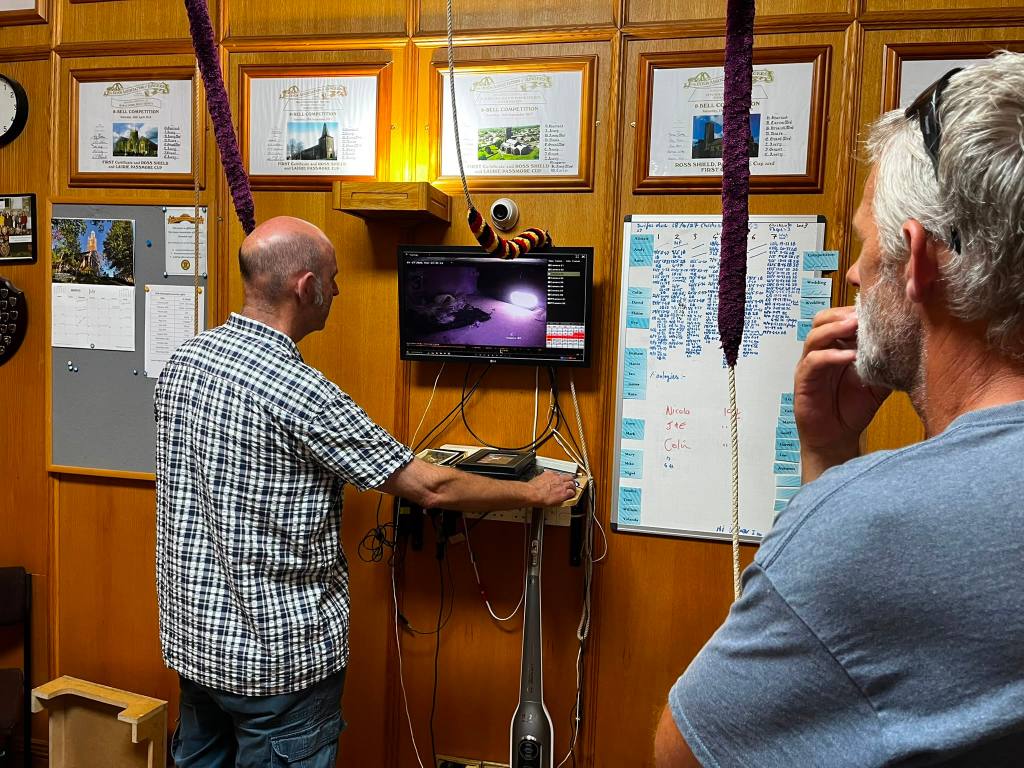
St Michael’s Church is a great example of how space can be made for Swifts in order to thrive, while engaging the community and generally creating a win-win situation. Several boxes have been installed in the church tower, and a camera system set up to show on screens both in the bell-ringing room and the main entrance room, allowing the public to keep an eye on how the birds are doing and feel part of the project. The birds have been welcomed warmly by the St Michael’s community, and many have taken an interest. Just as well, because 43 chicks have been fledged since 2019, so it looks like the birds are here to stay!
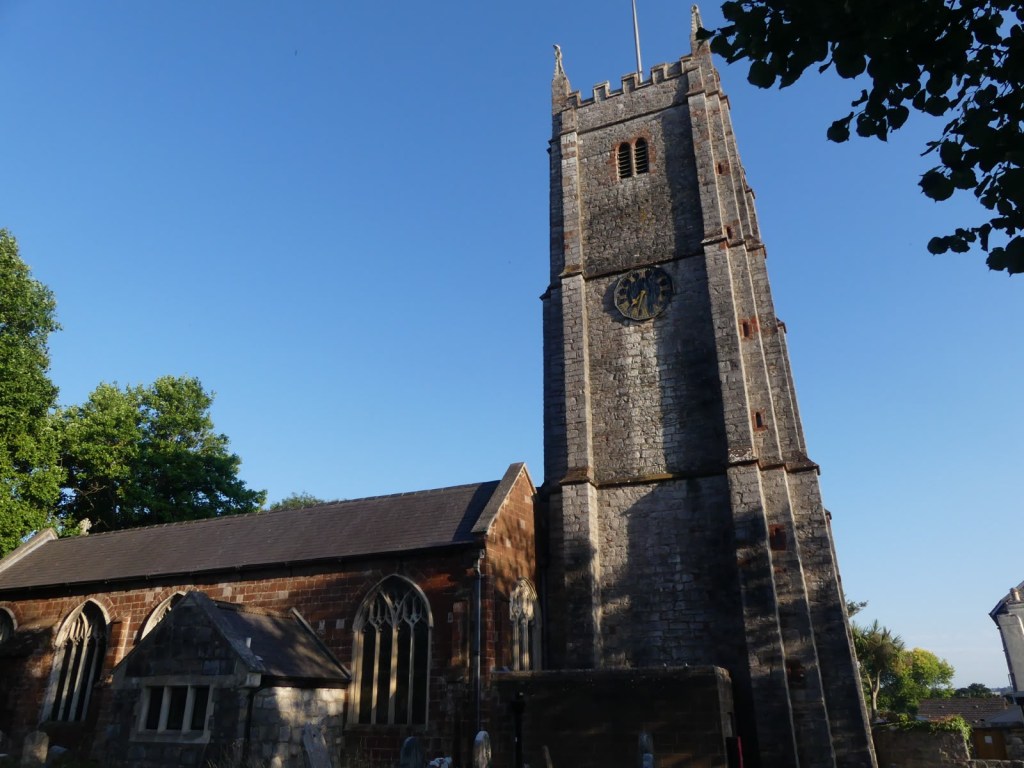
Alistair played a huge part in this; he was instrumental in the idea of and installing the boxes in the church tower. He also monitors two other colonies around the south of Devon, and has travelled to several international Swift conservation conferences in places such as Segovia in Spain and Trieste in Italy. He is a gold mine full of knowledge about these incredible birds, and his passion for protecting them is infectious. It’s certainly rubbed off on me after meeting him the other night!
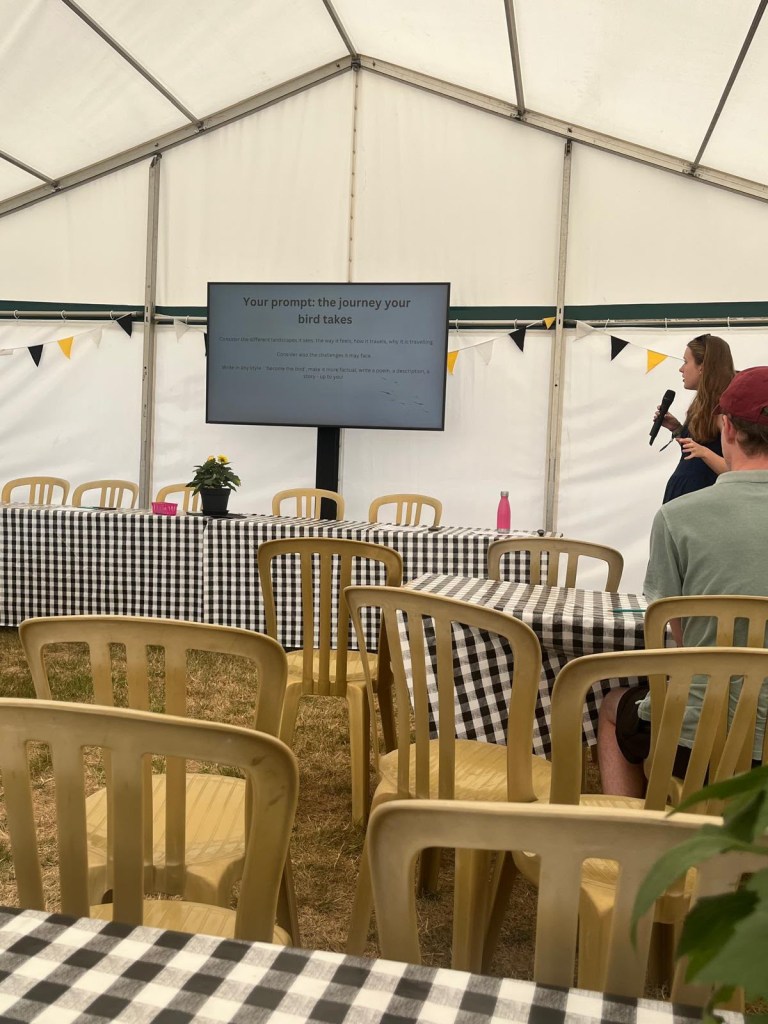
Swifts have always held a special place in my heart, and are naturally in my top five favourite birds. I’ve grown up alongside them in Bovey Tracey, and hearing their haunting yet comforting screaming calls on evening strolls was a staple of my younger years. I even wrote my poem at Emily Hunt’s Creative Writing Workshop at Birdfair on Swifts!
My long-standing affinity with them has led me to be involved with the Bovey Swift Project, a group very much in its infancy stage and inspired by other groups such as Kingsteignton Swifts and Chudleigh Swift Group. At the minute, it’s just Janet Miller (Wildlife Warden for Bovey Tracey) and me, and our aims at the minute are to gauge where the main colonies are in the town, in order to survey them in the future and build a bigger picture of Swifts in Bovey. They’ve always been a fixture of the town, but with their numbers declining nationally, it’s important that we can monitor these birds on a more local scale.
That’s it for now, but to finish I want to tell you some quirky Swift facts, the ones you won’t find too easily! You probably know (maybe because I mentioned it earlier) that Swifts hardly ever land, and sleep, eat and drink on the wing, but did you know that some Swift couples keep their nest sites neat and tidy, whilst some don’t bother with clearing up mess at all? Similar variation in attitudes to us humans! Furthermore, how do you think they sleep in mid-air? Well, Swifts are able to switch off half of their brain while in flight, getting the benefits of rest while never stopping to land! This is called unihemispheric sleep, and is just another reason that we should be concentrating on looking after these birds!

