
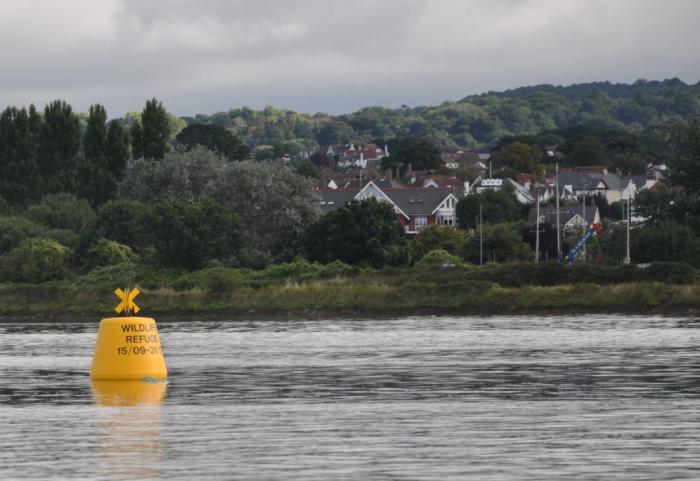
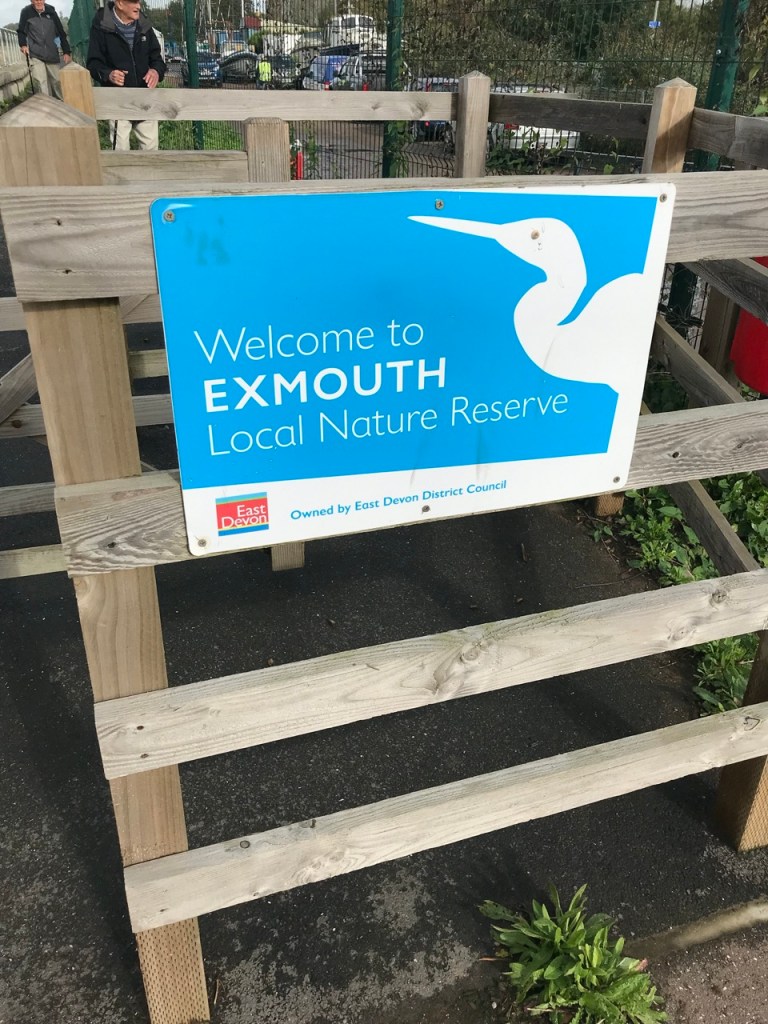
The Exmouth Wildlife Refuge is one of two refuges operating on the Exe Estuary, along with the Dawlish Warren Refuge. These areas are out of bounds for boats and people, in order to minimise disturbance to the migratory birds that overwinter on the Exe. Its imperative that these creatures are able to rest and feed in peace, as in just months they will begin their strenuous return journeys. South East Devon Wildlife is part of the East Devon Council, and has run since 2017. Two areas of the Exe Estuary were recognised as being specifically important for resident and overwintering birds, and the Exe Wildlife Refuge Scheme was born. Another site managed by this organisation are the Pebblebed Heath Reserves, which support over 3,000 species and cover 1,400 hectares, all for nature!
The Dawlish Warren Refuge operates all year round, protecting saltmarsh, mudflats, and the most important high tide roost on the lower section of the estuary, where birds that are unable to feed due to the tides can rest. The Exmouth Refuge is closed between September 15th and December 31st each year, and protects a large bed of eelgrass, crucial food for many wintering wildfowl, especially the Exe’s overwintering Brent Geese. As the tide becomes lower, the eelgrass is partially exposed, allowing waterfowl to begin their feast.
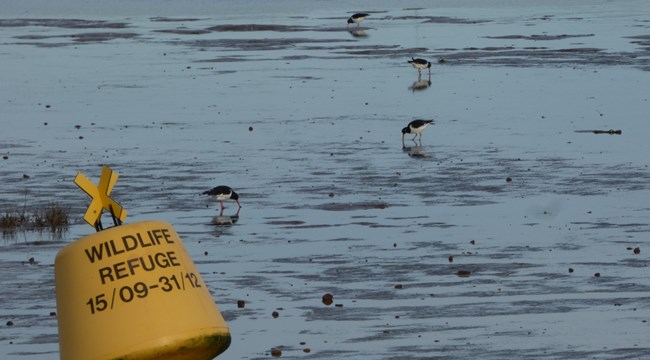
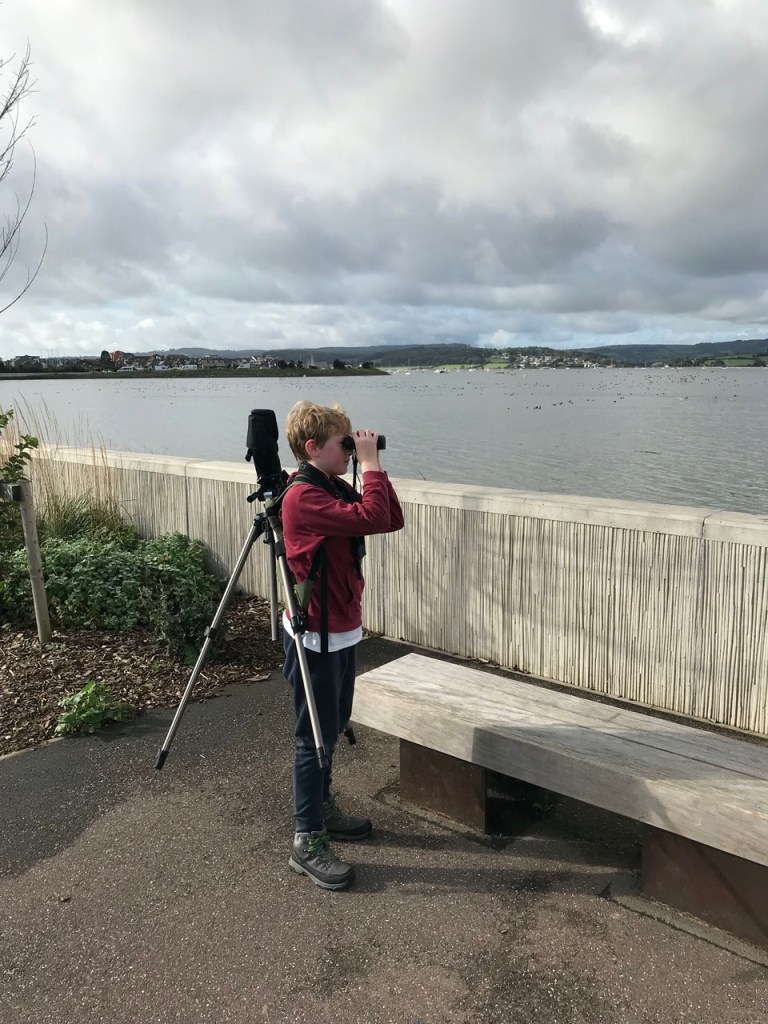
We arrived on the banks of the Exe overlooking the Exmouth Refuge, and already around 400 Wigeon had gathered inside the yellow buoys which marked the area. The tide was high, and the flock of birds rustled in the breeze that came off the water. Dark Bellied Brent Geese were interspersed among them, their detailed neck patches visible through the scope. Occasionally a Great Black Backed or a Herring Gull would fly low over the birds and cause slight unrest in the individuals directly below. It was a great sight, all created thanks to a devotion to the natural world. Disturbance is one of the biggest problems facing our overwintering birds, and I hope others around the country can follow this example. After all, we are one of the most nature depleted countries in the world. Let’s not go any further down that road.
We continued on, wanting to make the most of the short window of time we had. The footpath was studded with bootprints, imprinted in the mud brought on by the recent deluge. We came to a bench, on a concrete platform edged with metal railings. The scope went just high enough to see over, and we scanned through the Wigeon flock that had expanded along the River. But just a few metres from the border of duck, a slender Great Crested Grebe dived beneath the surface. It emerged close before us, a dancing fish in its powerful bill. Its crest was flat and dripping, the chestnut cheeks somewhat paler. Soon it would transfer into its winter plumage, a stark black and white that flowed into each other and blurred the edges.
The Grebe proved a brilliant watch, and we watched, transfixed, as its plumage became wetter and wetter, until droplets sparkled on every feather, giving the impression of a glowing bird in the morning sunlight. After a quick refuel of biscuits and sausages, we continued down the track, grateful for our waterproof boots. Here, the hedges were higher and wilder, so dense you became oblivious to the river of life on the other side. A robin sung its fluty tune in a tangle of brambles, a never-ending voice that would continue through the winter. A tiny streak of mud and grit clung to its rusty orange breast.
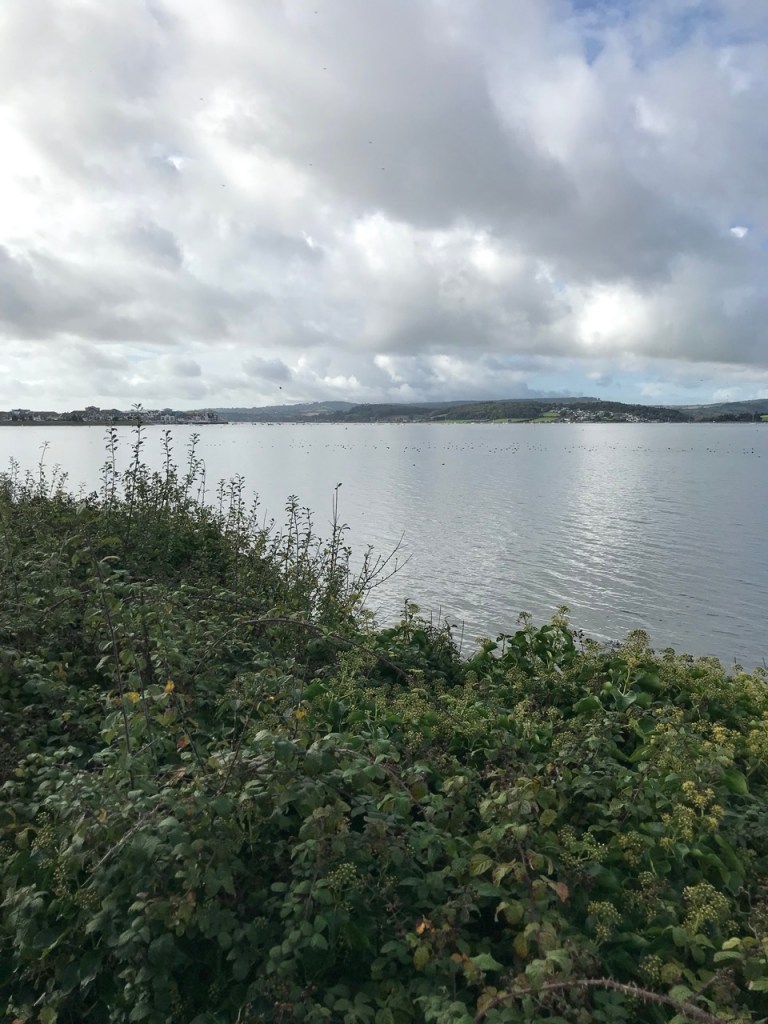
At the end of the path was a wooden screen, with rectangular holes at various levels, so as not to scare the birds which lived before you. Wigeon were everywhere, the numbers really were incredible! Mallards and Pintails lined the bank, the former rather unhappy with the latter’s presence, drawing quacks and squawks, along with a few threatening movements. But the Oystercatcher and the Dunlin provided the barrier between them, the difference in size plain to see. And the Dunlin seemed more athletic than their counterparts, although the Oystercatchers were certainly dashing.
An hour later, we stood back at the car, staring out at the refuge. The eelgrass had emerged now, and the Brent Geese were intent on their food. A Little Egret flew in onto the wall, like a messenger bringing news of faraway lands, its white plumage almost angel-like. But by now, the skies were once again growing grey, and we decided to retreat before we were drowned.
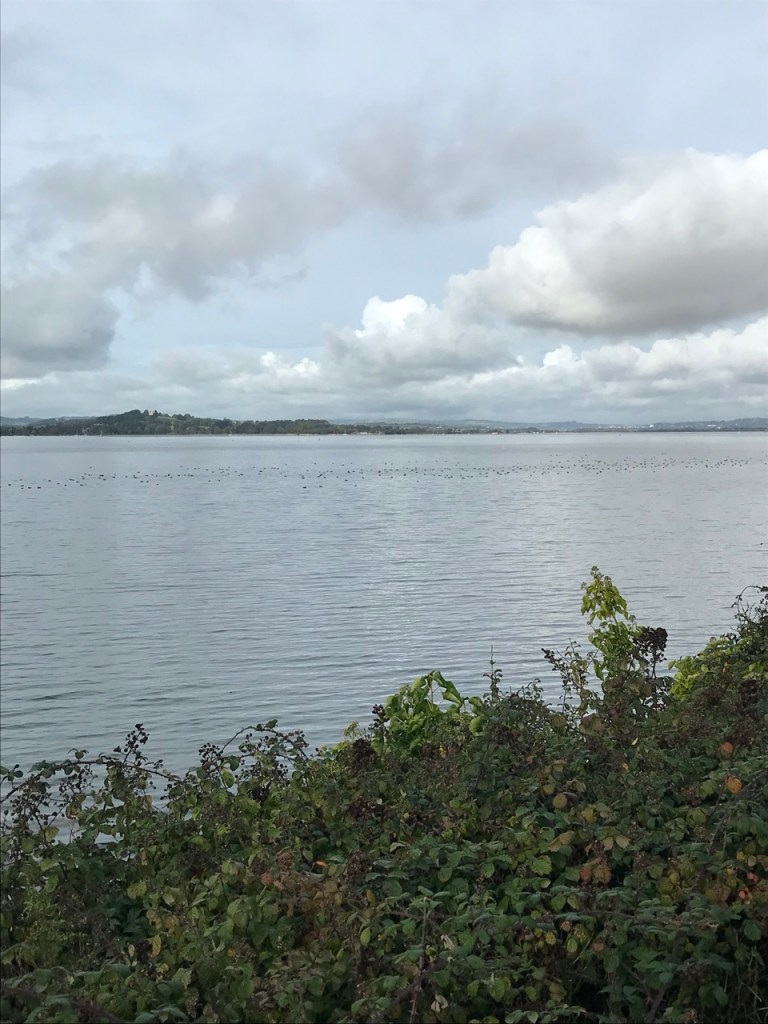
Refuges like this can provide such a positive impact on species. For example, in the 1930s Brent Geese numbers plummeted beneath 10,000, due to a drop in availability of eelgrass, and now the overwintering population is around 105,000 individuals! But being able to protect and preserve this plant has provided food for many species, not just the geese. The Exe is a great example to the rest of the world. Organisations like this can protect and defend wildlife worldwide.

