The time has come to reveal the answers to some of the toughest questions ever posted on this blog. They were quite hard, I must say, but I am expecting a lot of good results… well, Number 2 might be a stumbling block at least…
Question 1
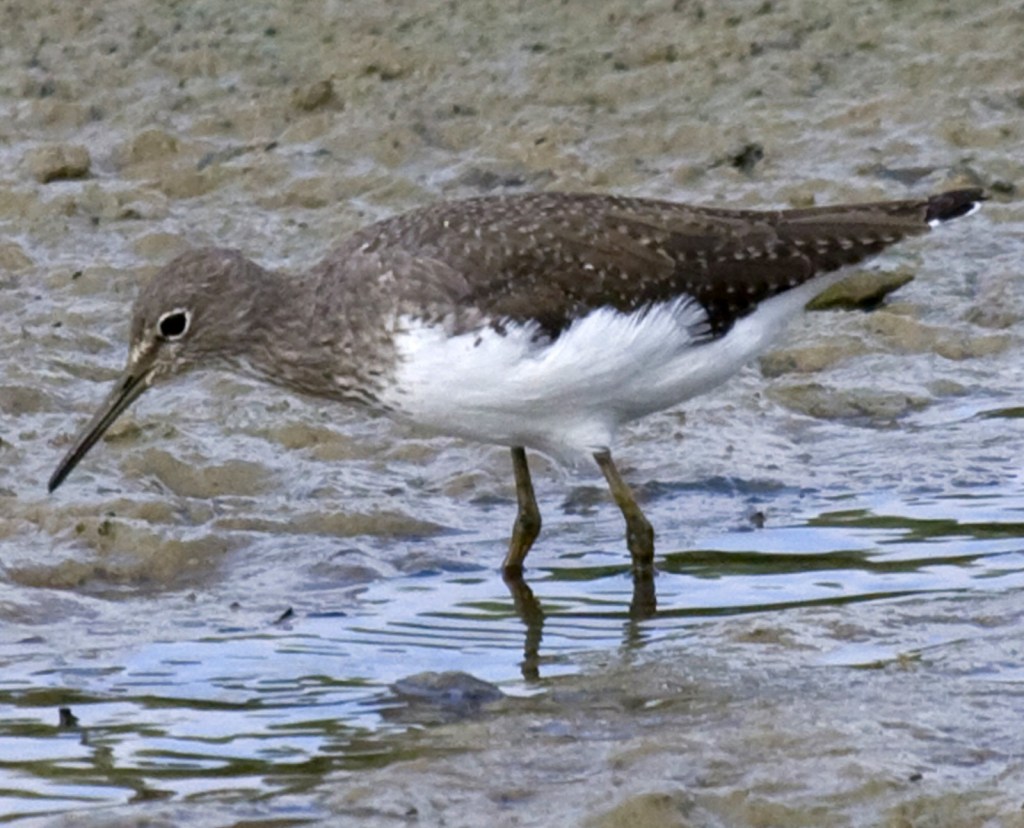
Which are you more likely to discover in the UK? A Green Sandpiper or a Pacific Golden Plover? The Green Sandpiper is probably more likely to be found, but it is by no means easy to spot. However, the Pacific Golden Plover is a rare vagrant to our shores, and to find one would depend on luck, as with most rarities.
Photo from Naturespot
Question 2
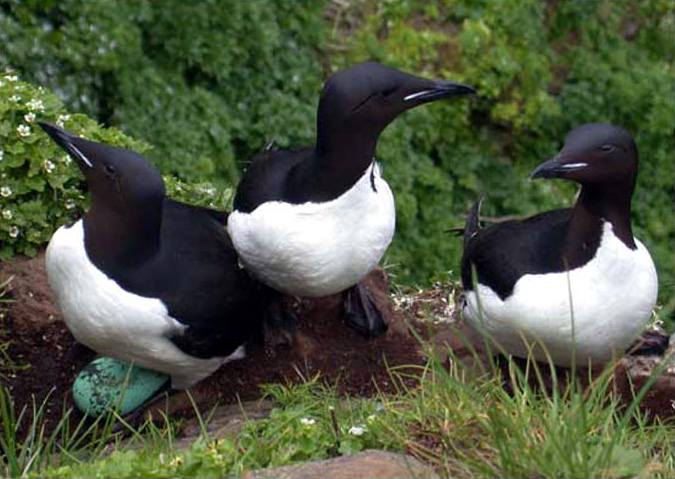
Now, this was a hard one. What are these birds? Look at the white stripe on its bill: these are Brunnichs Guillemot, also known as the Thick-Billed Murre. Unlike its relative, the Common Guillemot (also known as the Common Murre), it is a very rare vagrant to Britain, from the Arctic North. A lot of birds end up here and die, or are found dead.
Photo from Wikipedia
Question 3
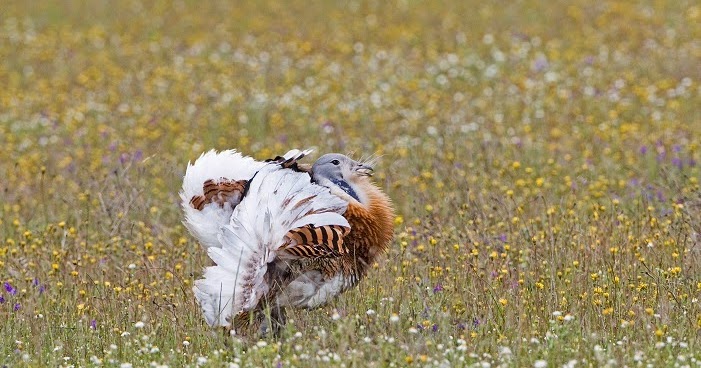
The full courtship display of the Great Bustard is of course the famous foam bath, where it ruffles up its feathers and displays the white sections of its plumage, appearing to be coated in feathery foam. It is incredible to watch, but a spectacle I am yet to see.
Photo from Birding Extremadura
Question 4
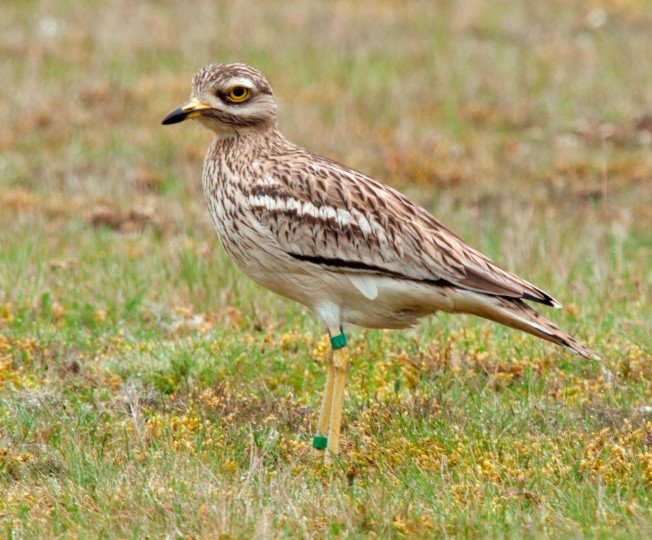
What is another name for the Stone Curlew? Did you look at its knees, because it is of course also known as a Eurasian Thick-Knee. They are a bit of an oddity in the avian world, but both its calls and its incredible ability to camouflage itself are amazing.
Photo from Norfolk Wildlife Trust
Question 5
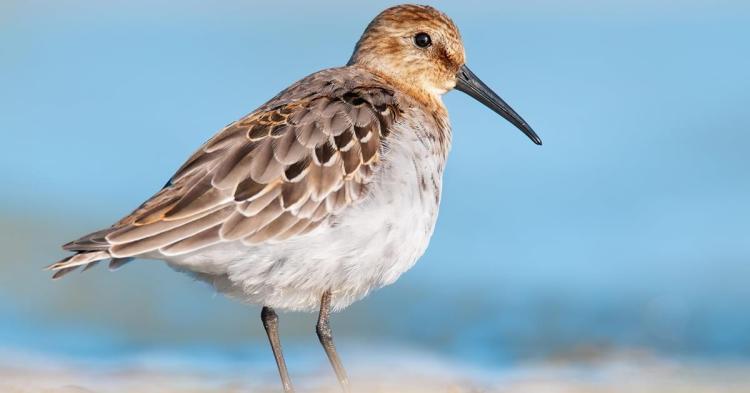
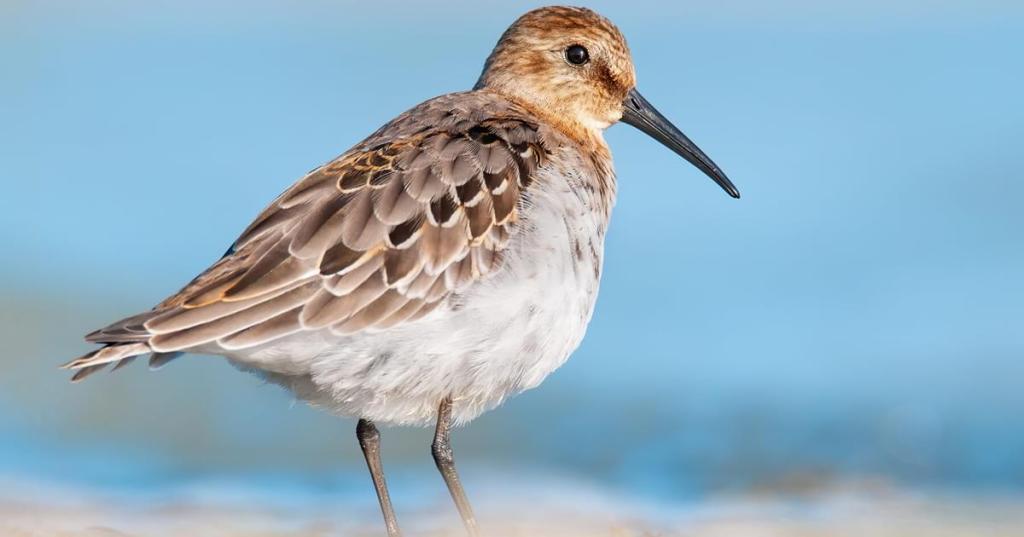
This one was probably the easiest. This little wader is a Dunlin, an odd name but a great bird. A creature seen in greater numbers in winter in Britain, on estuaries and such, but that also breeds in the uplands of Wales, England and Scotland. its breeding plumage is truly striking.
Photo from Birdfact.
How did you get on? 4/5, or even 5/5 would be a brilliant score, given the questions above. By the way, if I did get any facts or questions wrong, do drop it in the comments and I will correct it right away. More quizzes are to come, stay tuned…
Hello, and welcome to the rebranded Ultimate Bird Quiz 2.0. For a while now, I have thought it high time to revive this series, which proved popular in previous years. I must warn you, it won’t be easy. So brush up on your birding knowledge and try your hand at the new Ultimate Bird Quiz 2.0!!!
Warning: some of the birds mentioned may be rare vagrants to the UK, so keep that in mind…
Question 1
An easy one to start off with. Which are you more likely to find in the UK: a Green Sandpiper, or a Pacific Golden Plover?
Question 2
Do tell me, what are these birds? Tip: look at their bills.
Photo from Wikipedia
Question 3
What would you call the full courtship display of a Great Bustard?
Question 4
A Stone-Curlew also goes by what name? Tip: Look at its knees.
Photo from Norfolk Wildlife Trust
Question 5
Now, what might this fella be? Hmm?
Photo from Birdfact
So…
Did you struggle, or did you manage? You shall know very soon, when I post the answers. While waiting, feel welcome to try your luck with some of the previous Ultimate Bird Quizzes, in the archives of my blog. Good Luck…
By the way, feel free to pop your answers in the comments. Enjoy.
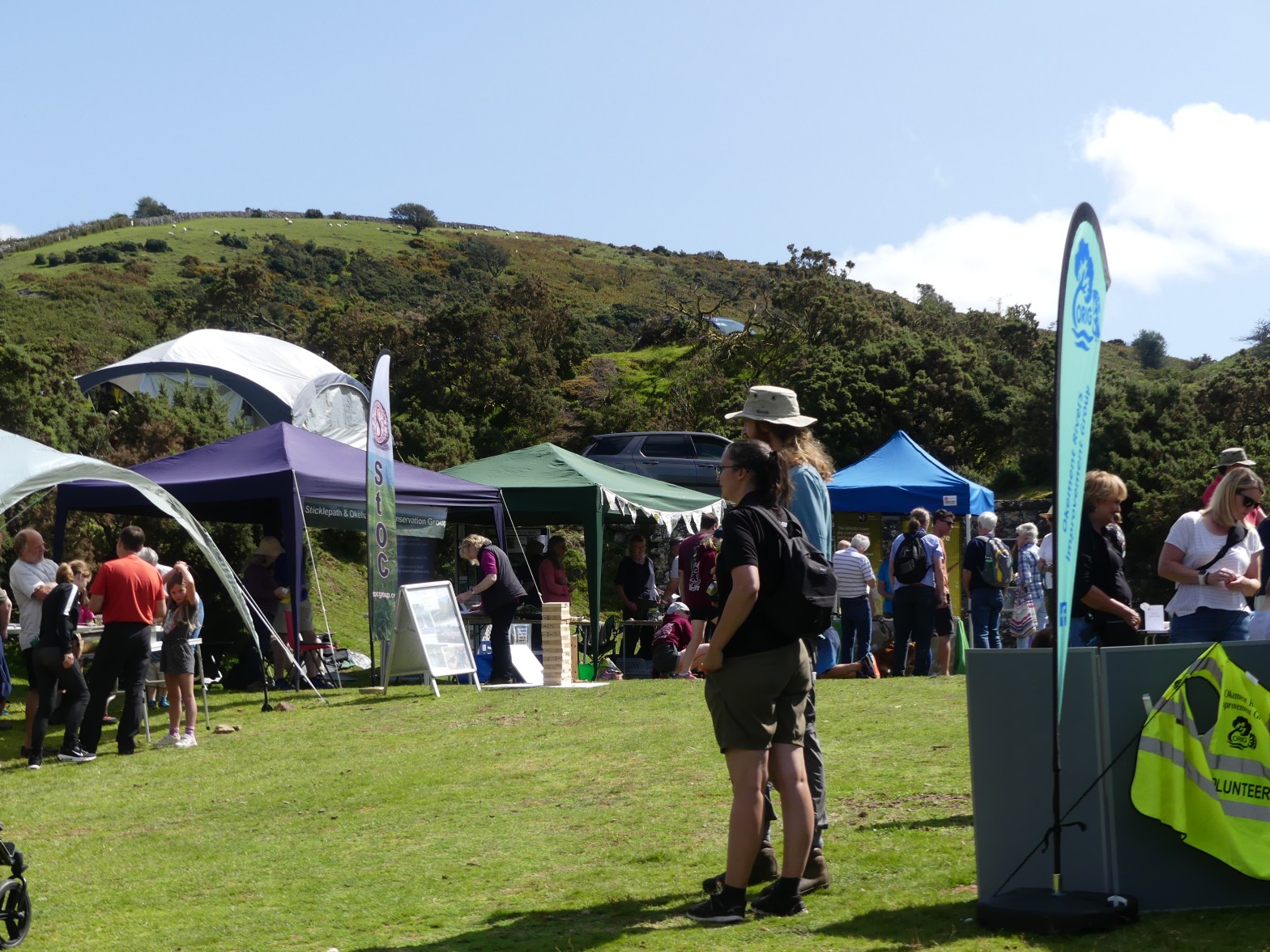
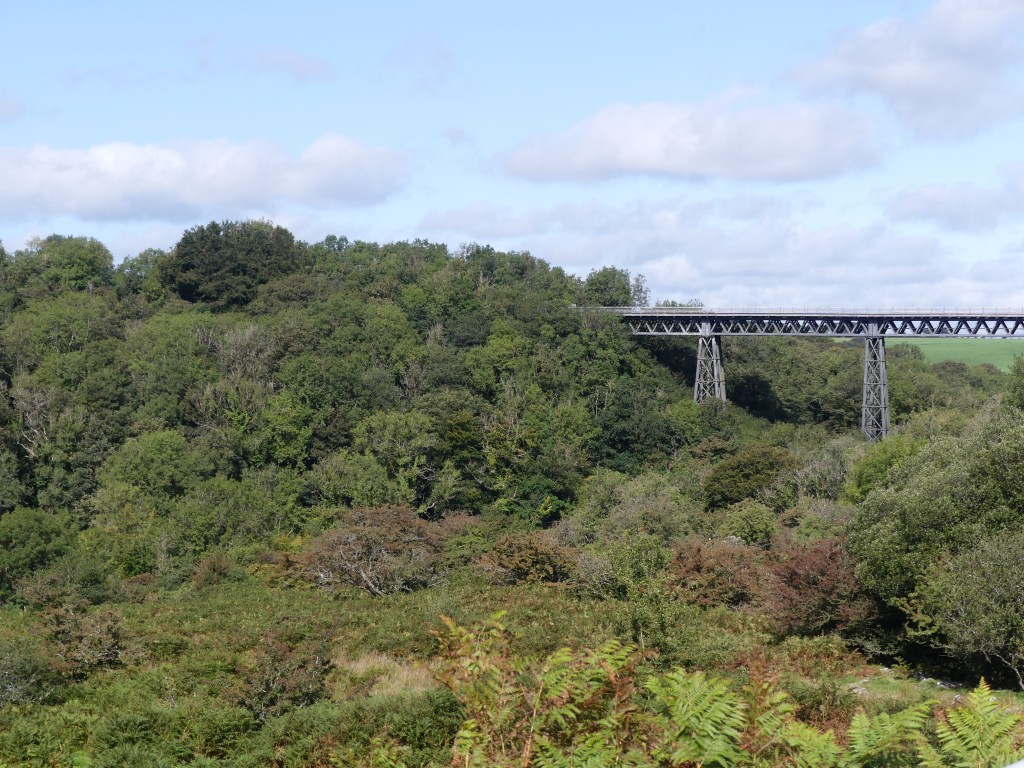
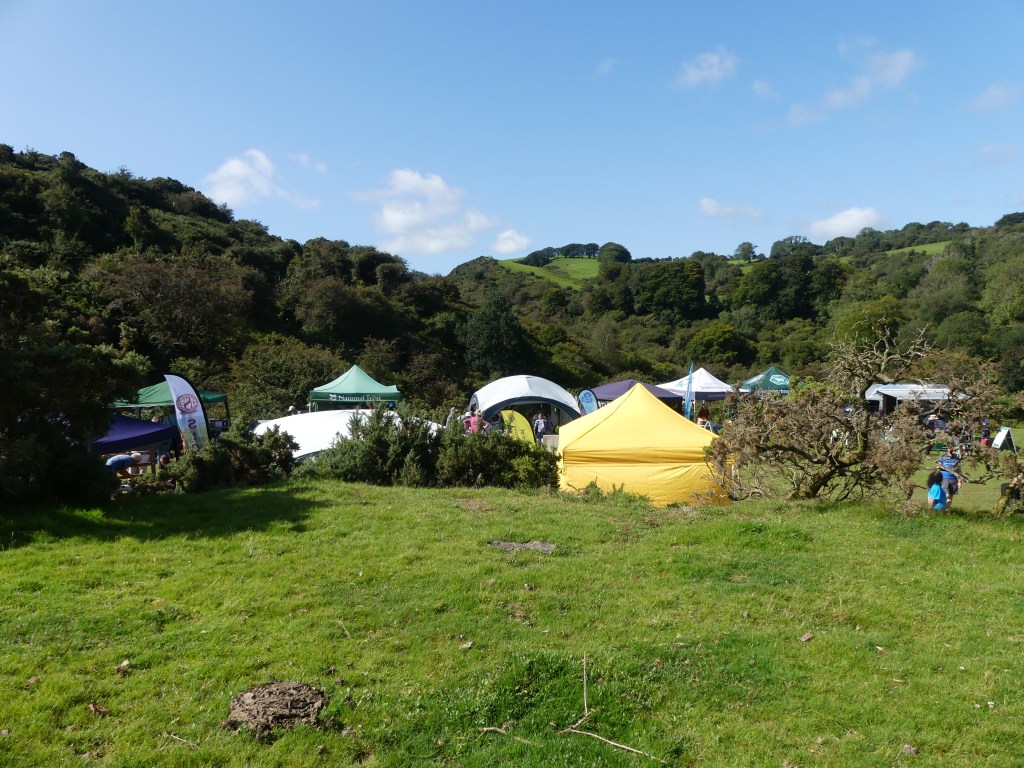
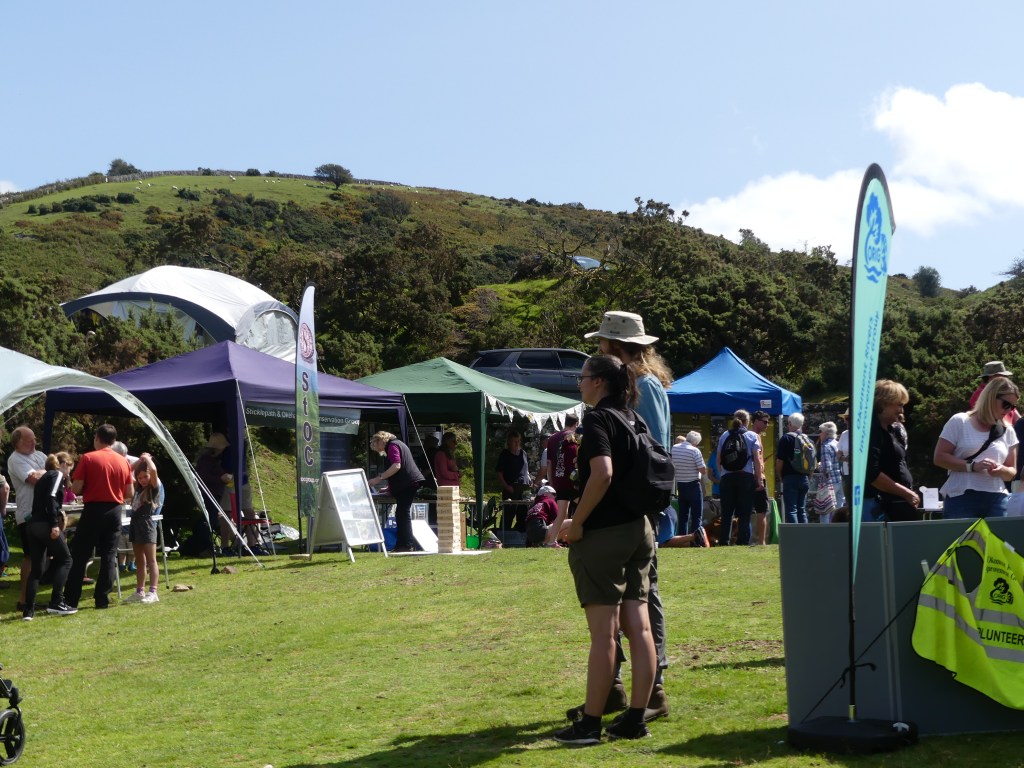
We were at Meldon Wildlife Festival, organised by Dartmoor National Park Authority. We clambered out of the car into the blazing sun, and marvelled at the breathtaking views all around us. The valley was coated in gorse and trees and bathed in sunlight, with the enormous Meldon Dam partly obscured by a hill. The festival had been erected beneath us (the car park being situated on an elongated hillock), and looked busy and inviting. Meldon was a great place for wildlife, and with the reservoir just round the corner as well, you could see why the National Park would choose to hold a nature based event here.
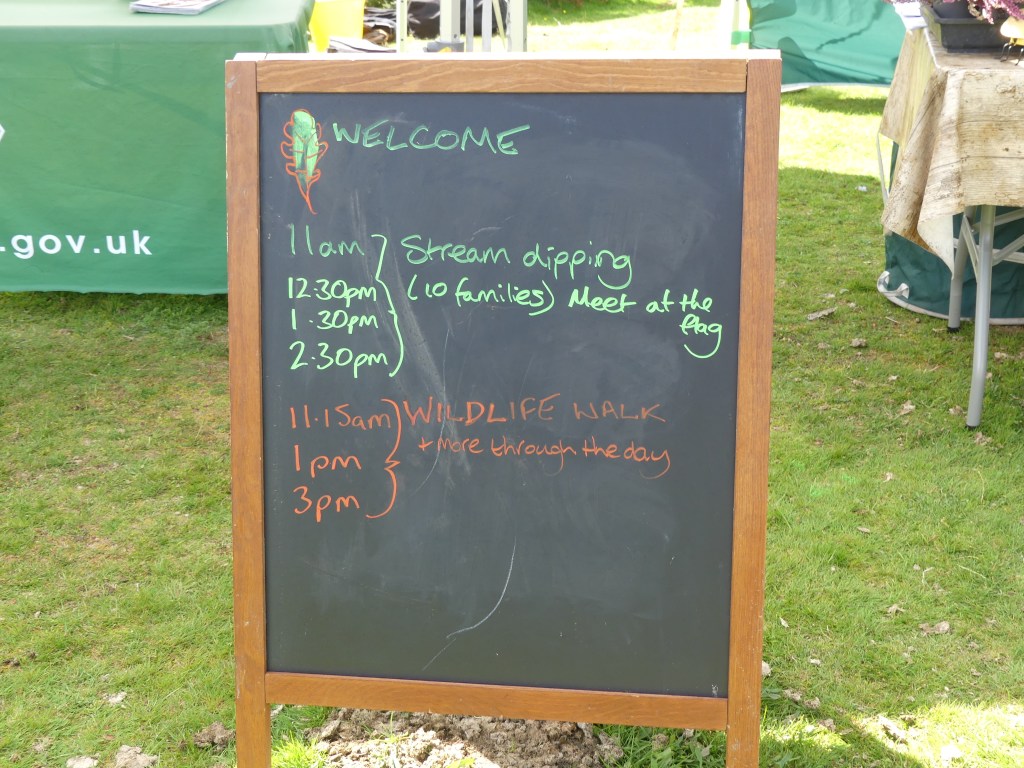
The Festival was a free event organised by Dartmoor National Park, and consisted of family friendly activities, stalls and more. Many charities and organisations had stalls in order to raise awareness, but they also had nature based carnival games, which were good fun to try. There were stream-dipping sessions, guided nature walks and even a falconry set-up.
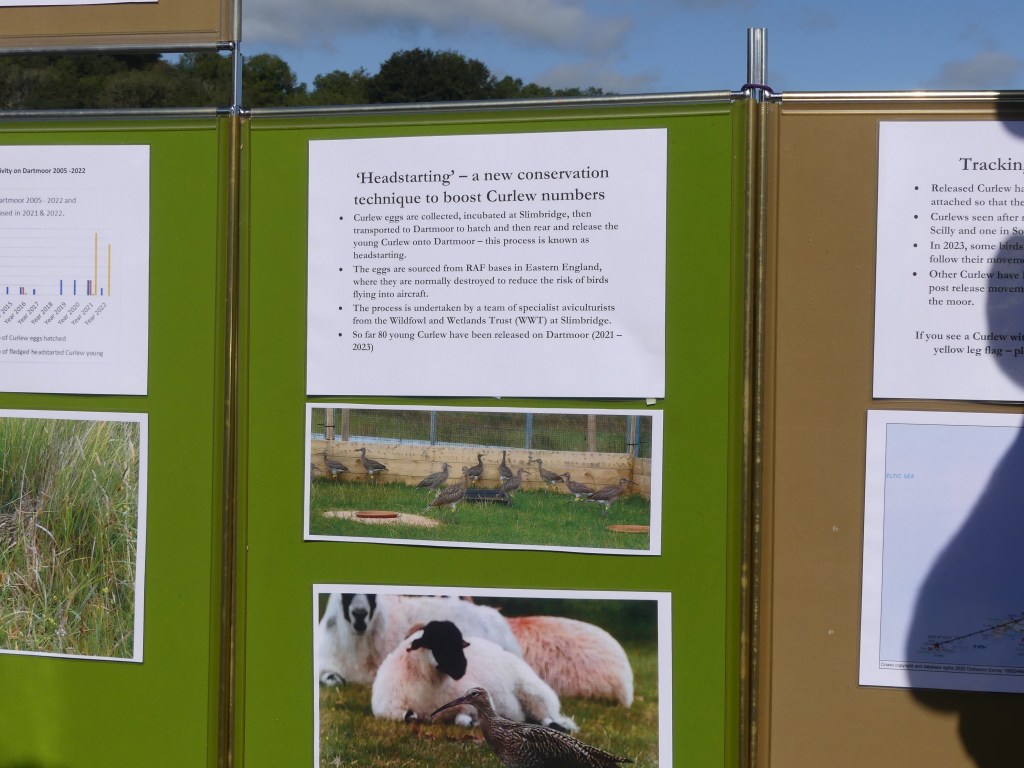
We walked down to the stalls, and came to the stand for the Dartmoor Curlew Recovery Project, a 5-year project whose main goal was to bring breeding Curlew back to Dartmoor. In 2018, a summit was held by the now King Charles, in order to find a way to help these iconic birds. There are only two wild pairs left on Dartmoor, but headstarted birds being released are expected to return to breed when old enough.
The thing is, Curlews are ground nesting birds, and species such as Crows can decimate populations be stealing the eggs before they hatch. So the more nesting birds, the higher the chances of survival. GPS trackers have shown the birds flying far afield, and really getting around. But, in theory, the released birds should return to their Dartmoor breeding grounds when mature enough. The people on the stand were brilliant, and great to talk to, with a wealth of knowledge.
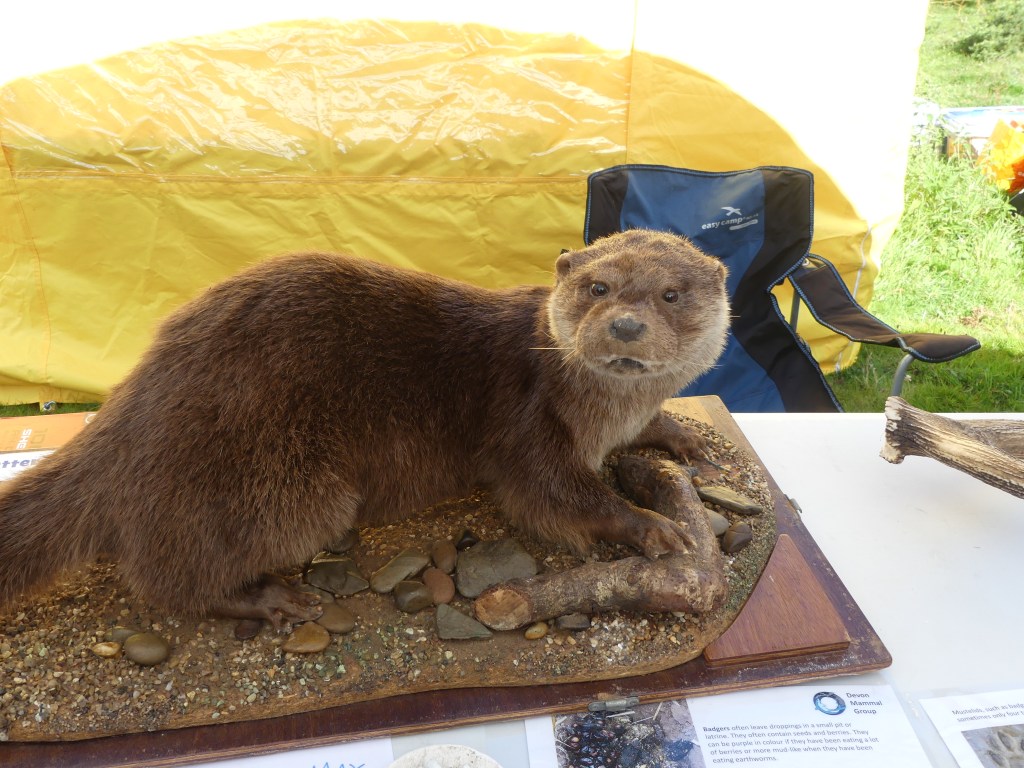
We continued on, exploring the stands around. The Devon Mammal Groups was really cool, featuring squirrel chewed pinecones, beaver chewed sticks and a stuffed otter that had been found dead on a roadside, not to mention live slow worms! They are the main organisation for Devons mammals, and fight to conserve and research the many species.
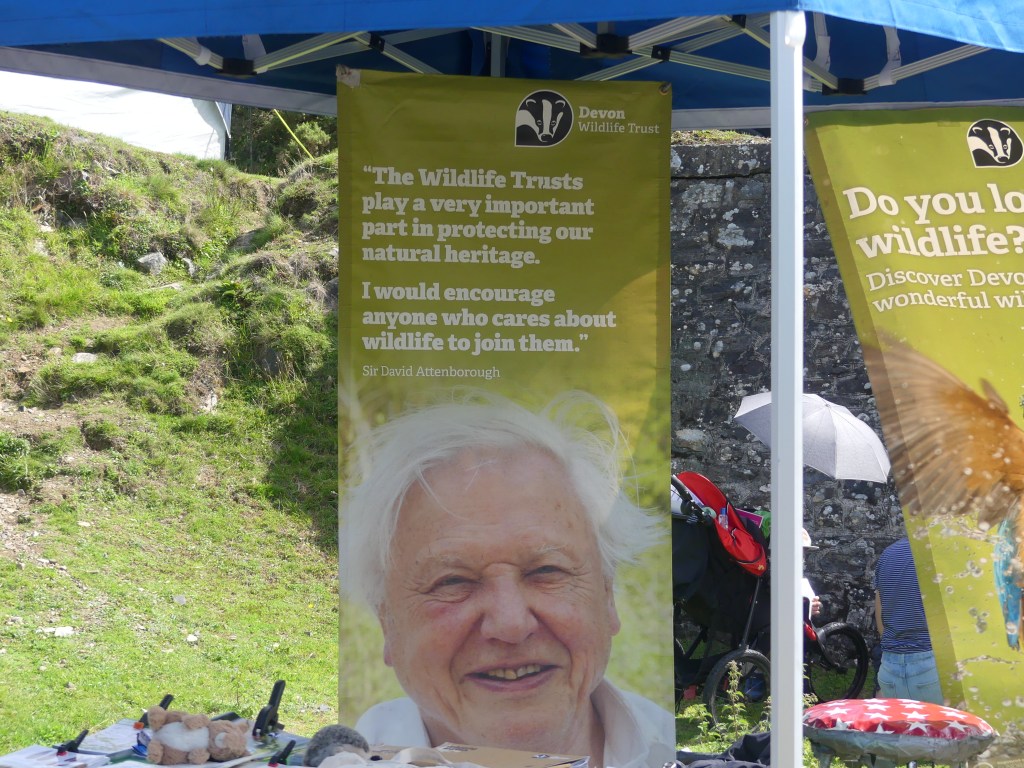
The Devon Wildlife Trust stall was also incredibly cool, featuring a birdsong ID quiz, make a nature mask (mainly for the younger ones) and a huge Curlew puzzle! The puzzle was surprisingly tricky, and the birdsongs were really fun. I’m pleaseed to report that I scored full marks on the birdsong quiz!
The people there were brilliant as well, engaging and encouraging, and also great to talk to about anything wildlife-based!
At the Barn Owl Trust, they had put out a selection of trays and tweezers, each with a number of untouched owl pellets! Dissecting them was a must, and surprising amounts were found, such as skulls, shins, ribs and basically any other bone that you would find a on a small creature!
All the stalls were seriously cool, and most had something fun to do! But I must mention the Stream Dipping and Nature Walk sessions that were also held, and led by expert Dartmoor National Park Rangers! I hope to join the Dartmoor Junior Rangers Scheme once I’m old enough!
I would have loved to have taken part in a walk, but the heat by midday was very intense! So we left just before the sun was at its highest and hottest, probably a sensible move.
But hats off to everyone who pitched in to organise the event, and it was a great way to get more families involved in nature!
We came to a small gravel car park, hugging the hedge. It could barely fit four vehicles, but we had arrived early so it did not matter. The sea sparkled on the near horizon, framed by the sky and the hilly fields. We walked onto the path and were met by local wildlife photographer Rowena Mynott, who would be running the workshop. She explained that we were the first to arrive, and head down the path to a shelter to wait. Under the corrugated iron roof of the wooden shelter, we sat on the bench and waited, while reading the signs that lined the walls, explaining about what you could expect to see here during the year. I also took a couple of photographs while waiting, just to check my settings were okay.
Welcome to a rather windy Slapton LeyReady for some photography action!
Eventually, everyone (adults and children) arrived and we gathered round Rowena and nature expert Chloe. We were at Slapton Ley NNR (National Nature Reserve) and on World Photography Day, at a Young People’s Photography Workshop. Makes sense. Now, Slapton is a BRILLIANT place for birding or just general wildlife spotting, with its unique habitat of a huge lake right next to the sea, as well as woodland and reedbeds along its banks. Read another post about a previous trip to Slapton at https://theboveybirder.wordpress.com/2021/01/05/slapton-surprise/.
A good photo opportunity at the meeting point
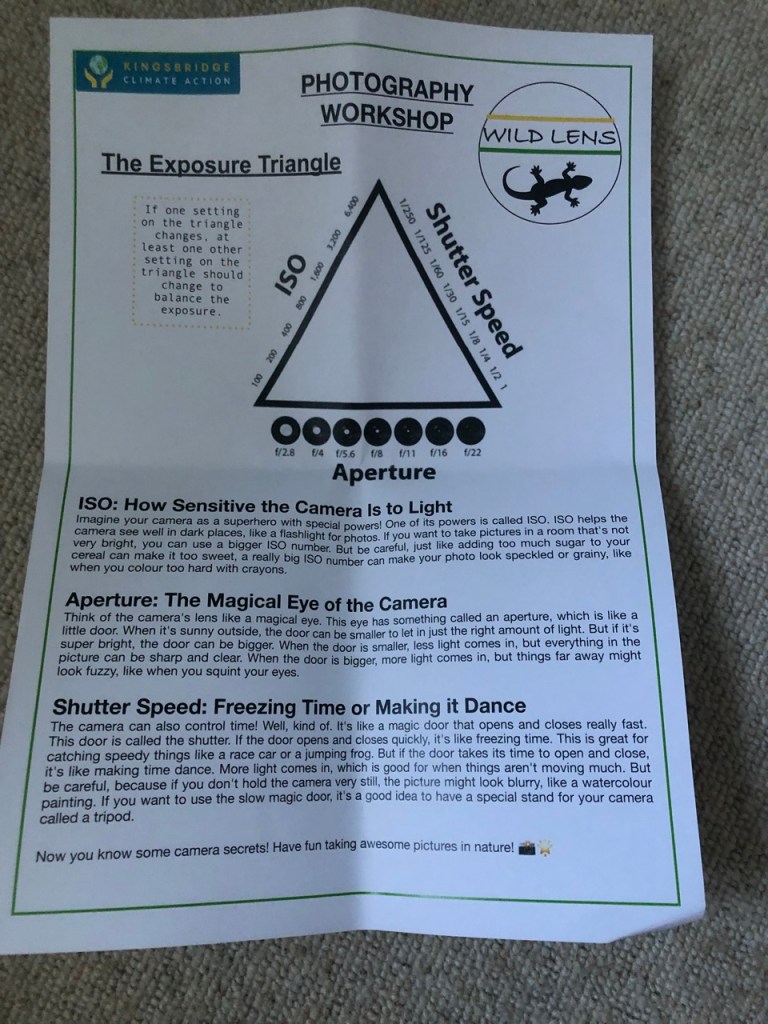
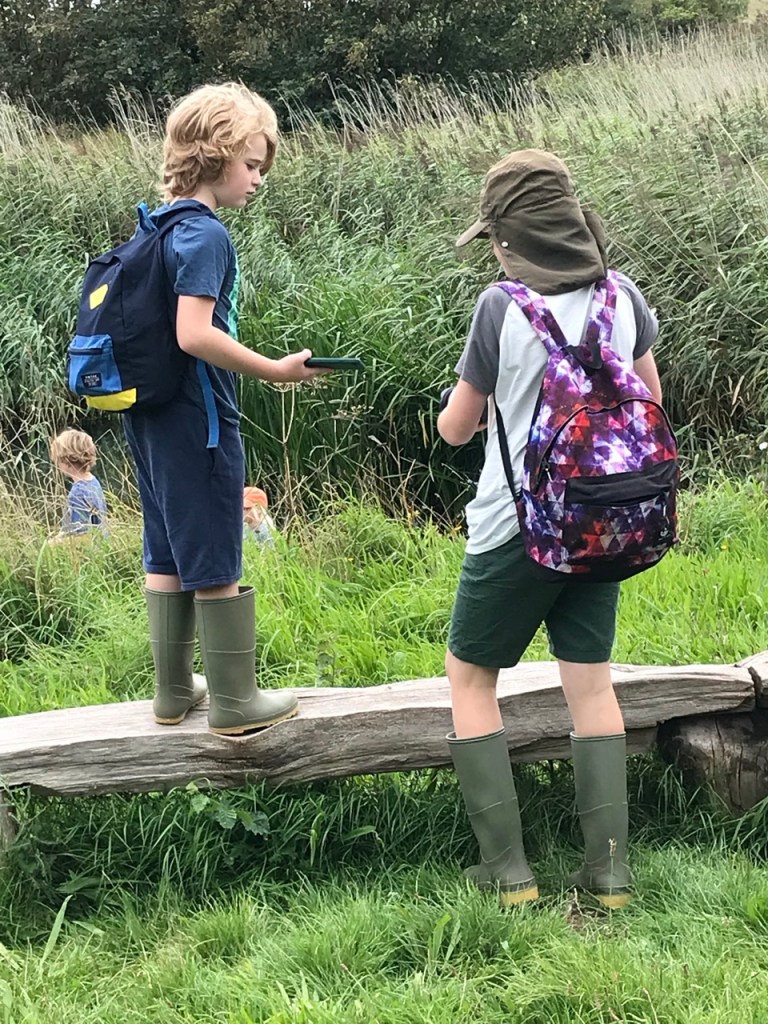
Anyway, this was also a place with some great photo opportunities, and that was why everybody was there. Many people were using phones, but a fair amount had digital cameras as well. To kick off with, Rowena explained about a triangle that was useful to remember in camera settings. The three sides were: ISO, aperture and shutter speed. If you change on of them, you have to change all of them to fit those conditions. They also announced the many possibilities of photographs out in nature, not to look for just wildlife, but textures of tree bark maybe, or a flower in an interesting location.
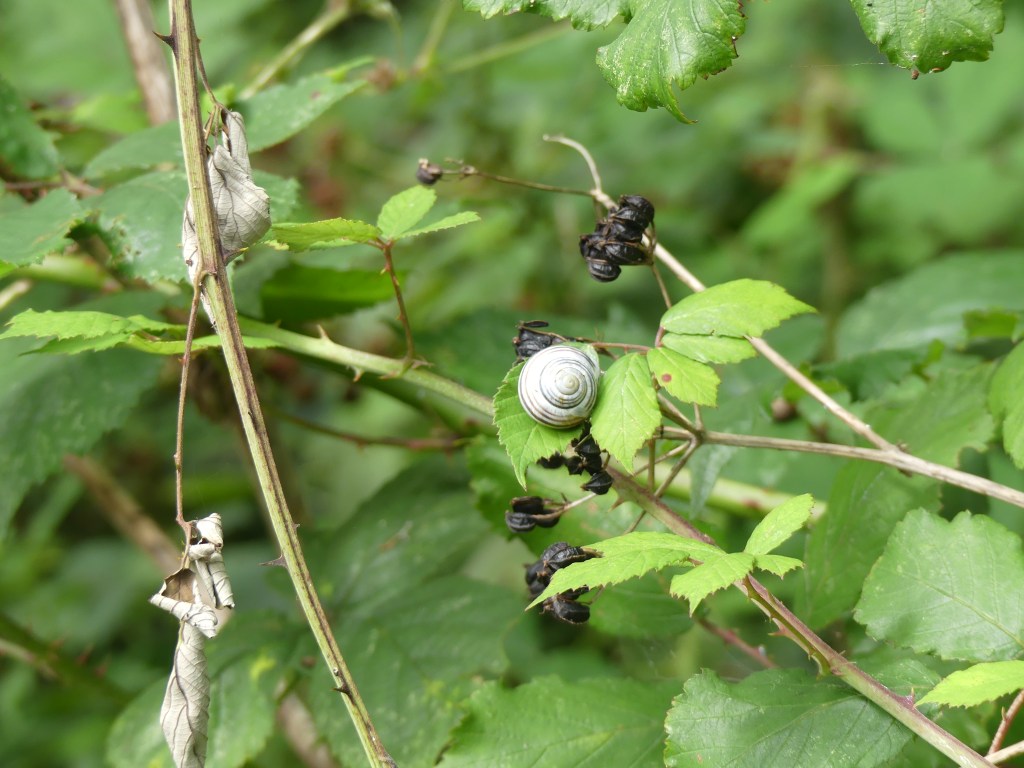
A snail living life completely on the edge.The handout sheet describing the camera settings triangle.
And so we began, walking along with the lake on our left, into the woods Along the way there were many stoppages, as others paused to snap a shot of a snail, or a particular lichen. Many photos were taken to start off with, and some great finds were found as well. Flowers, trees, even nettles were all captured at intriguing angles, that made them more interesting to the human eye.
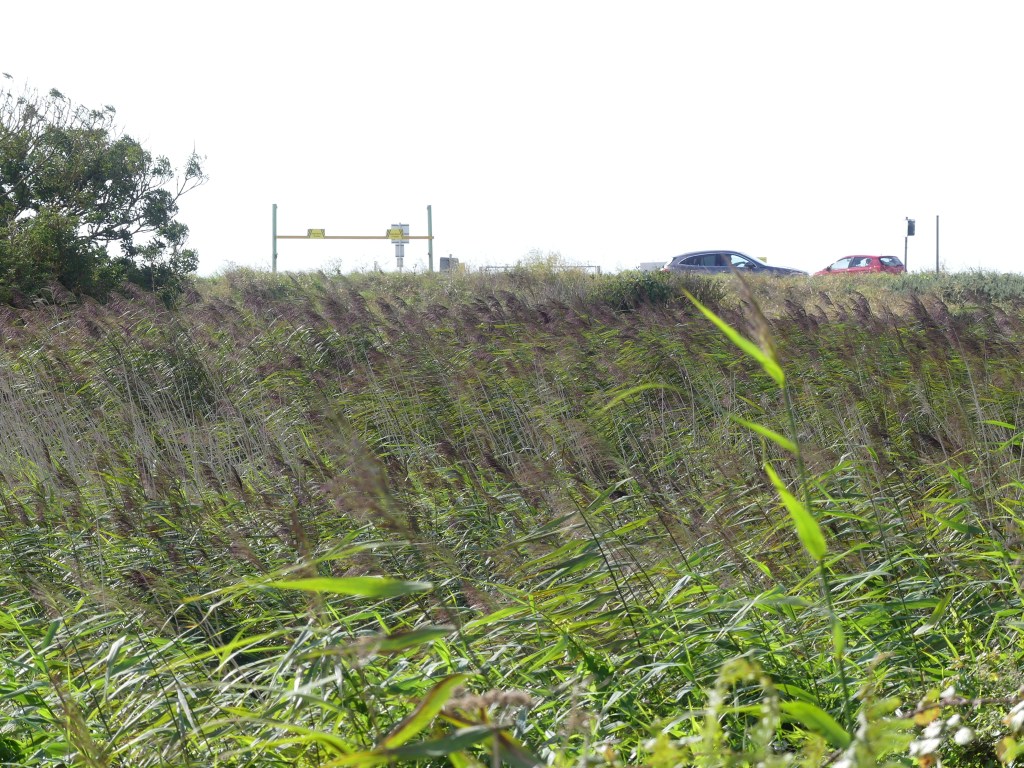
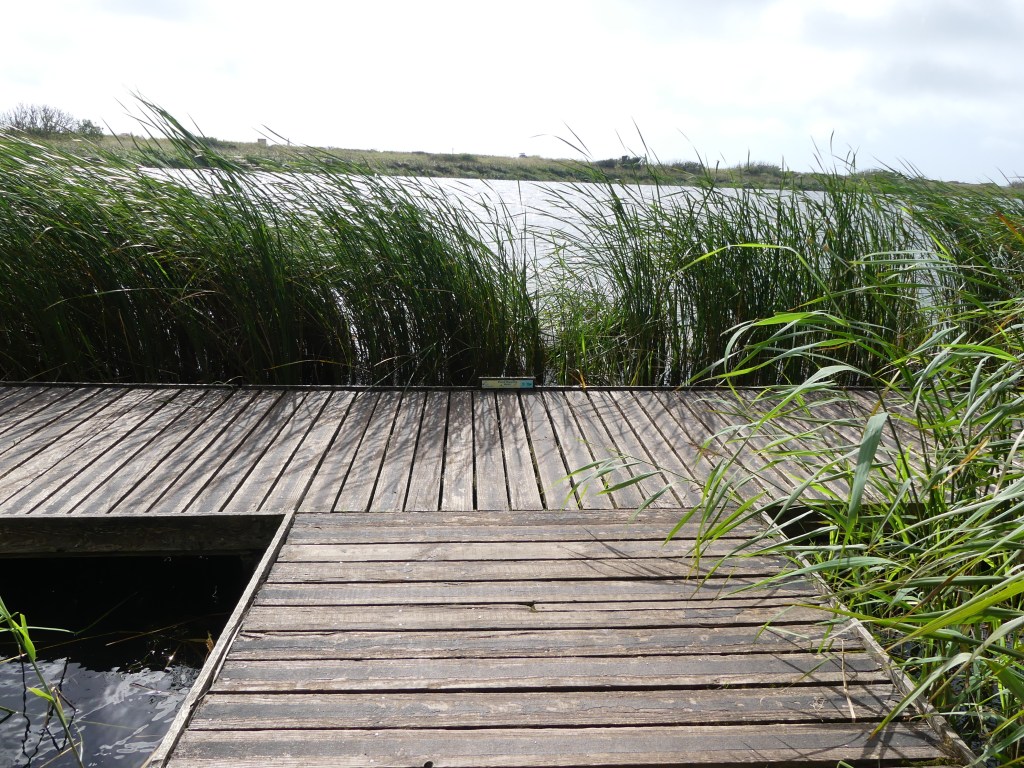
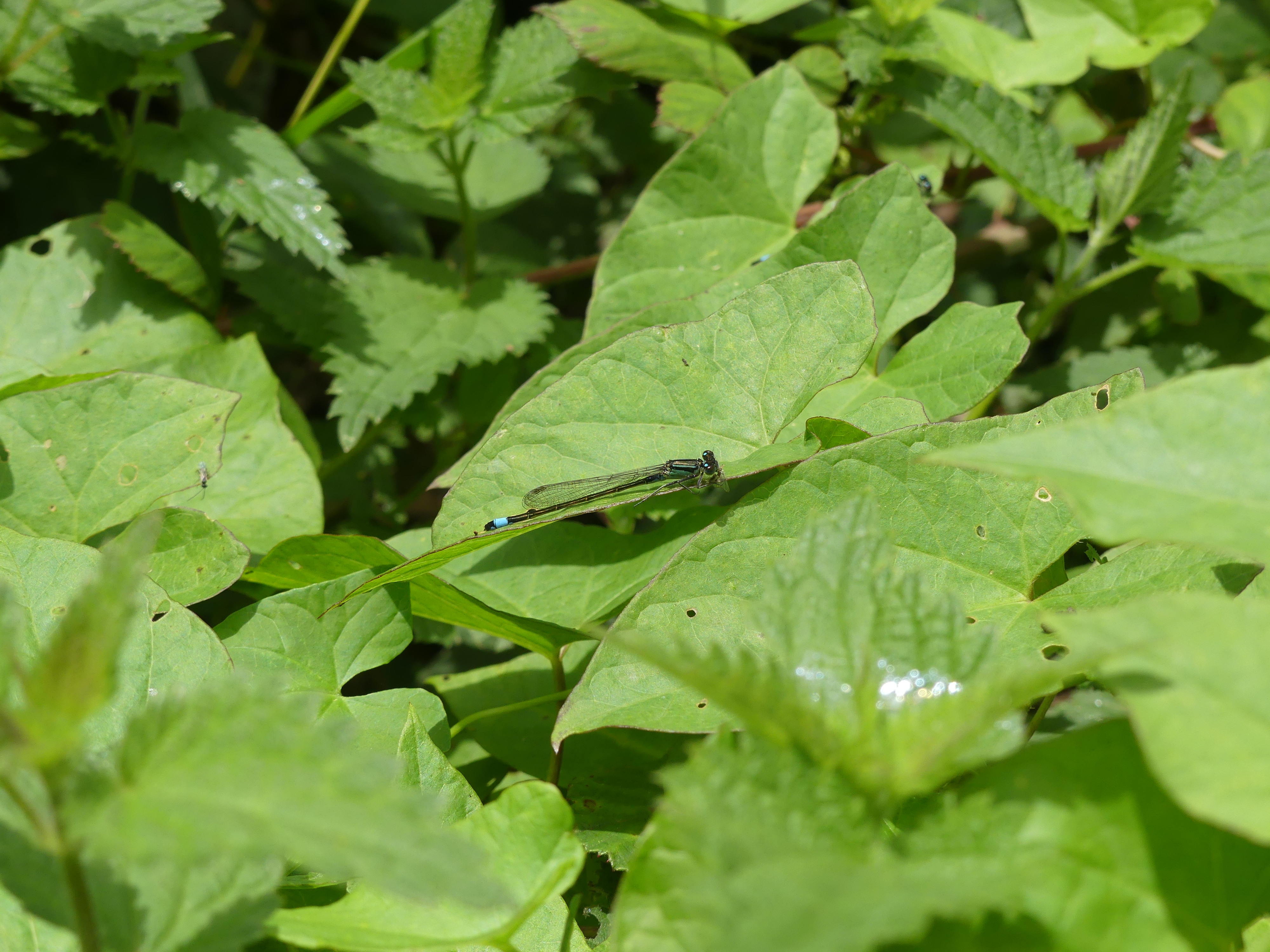
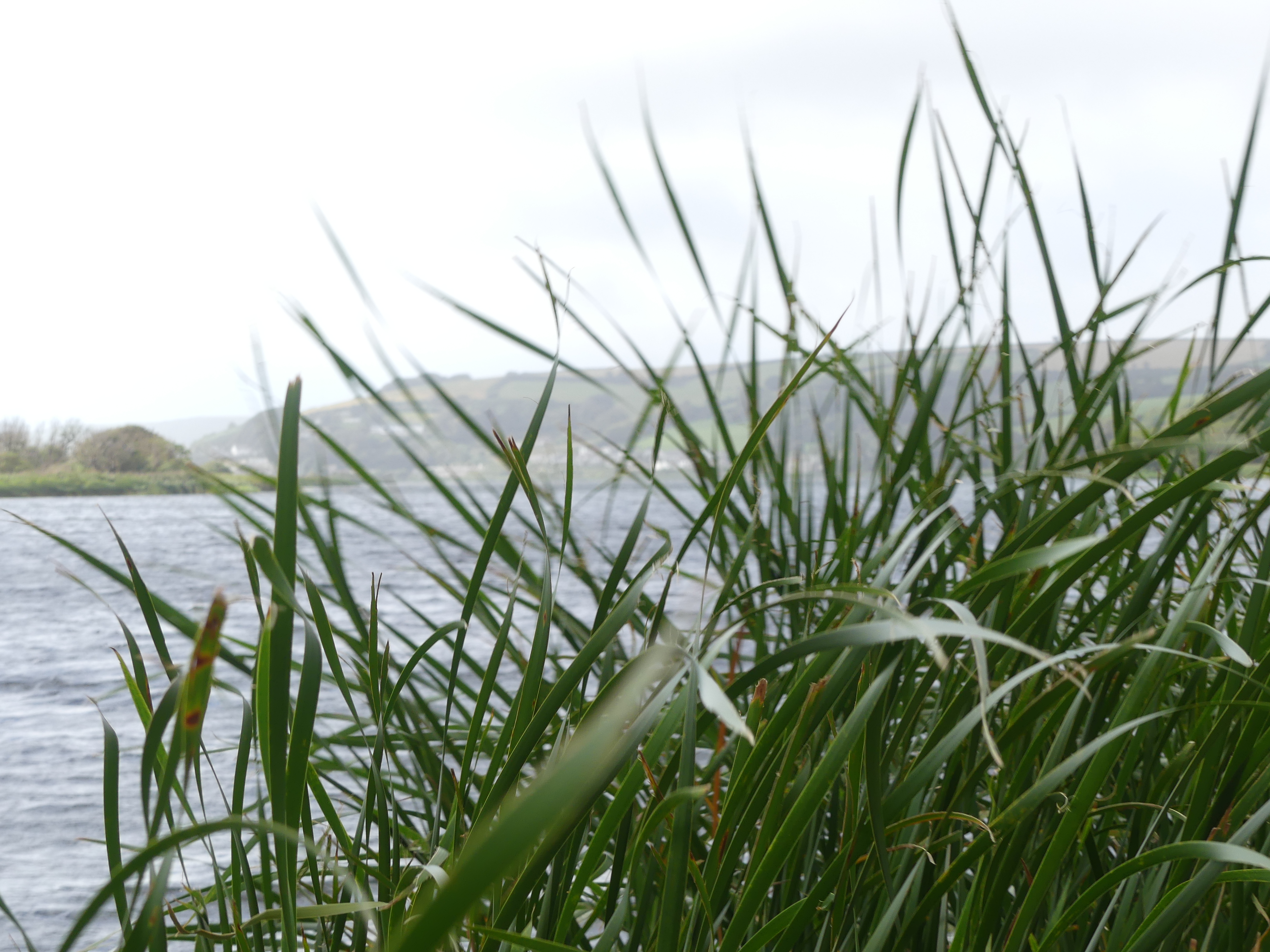
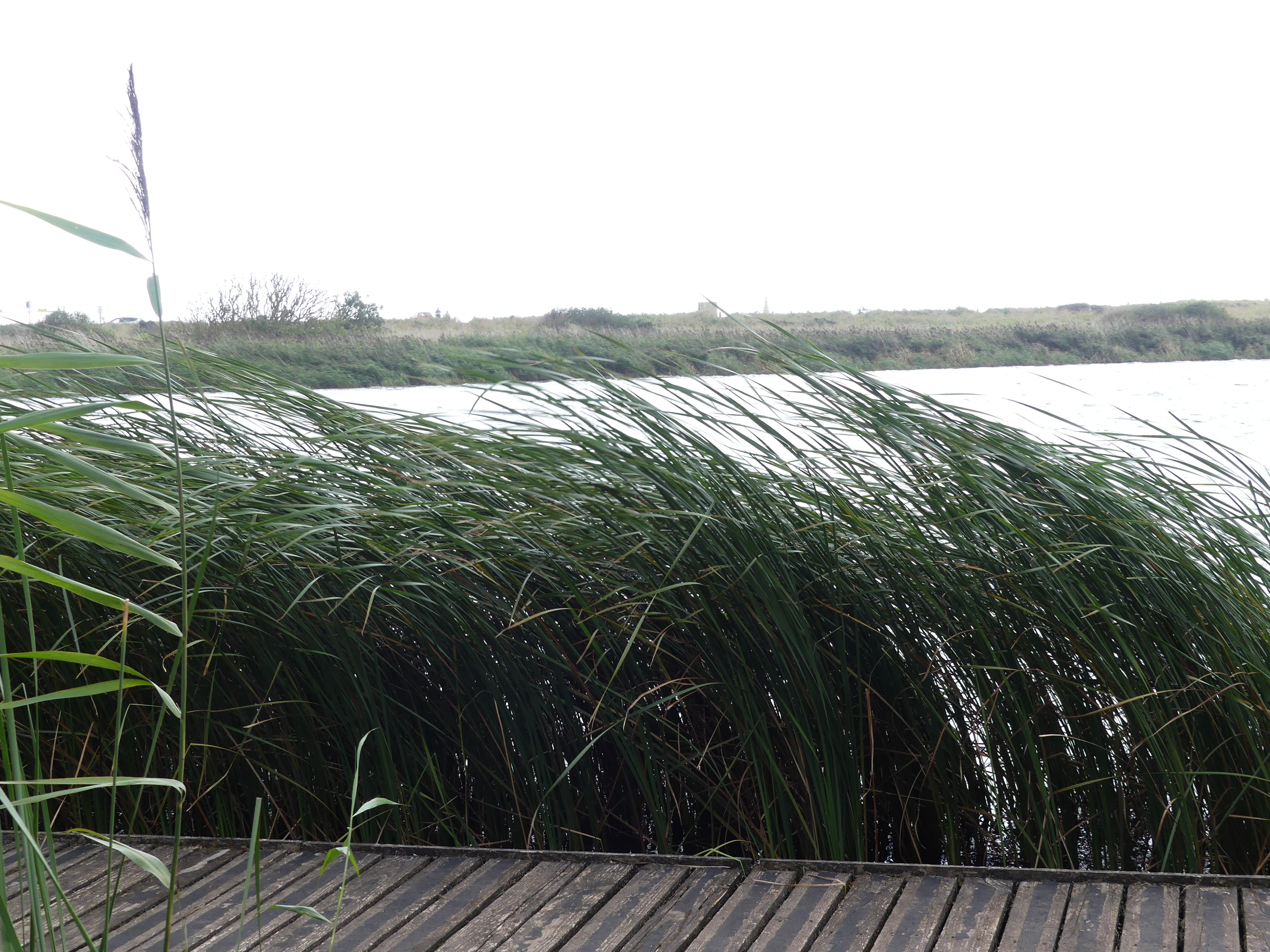
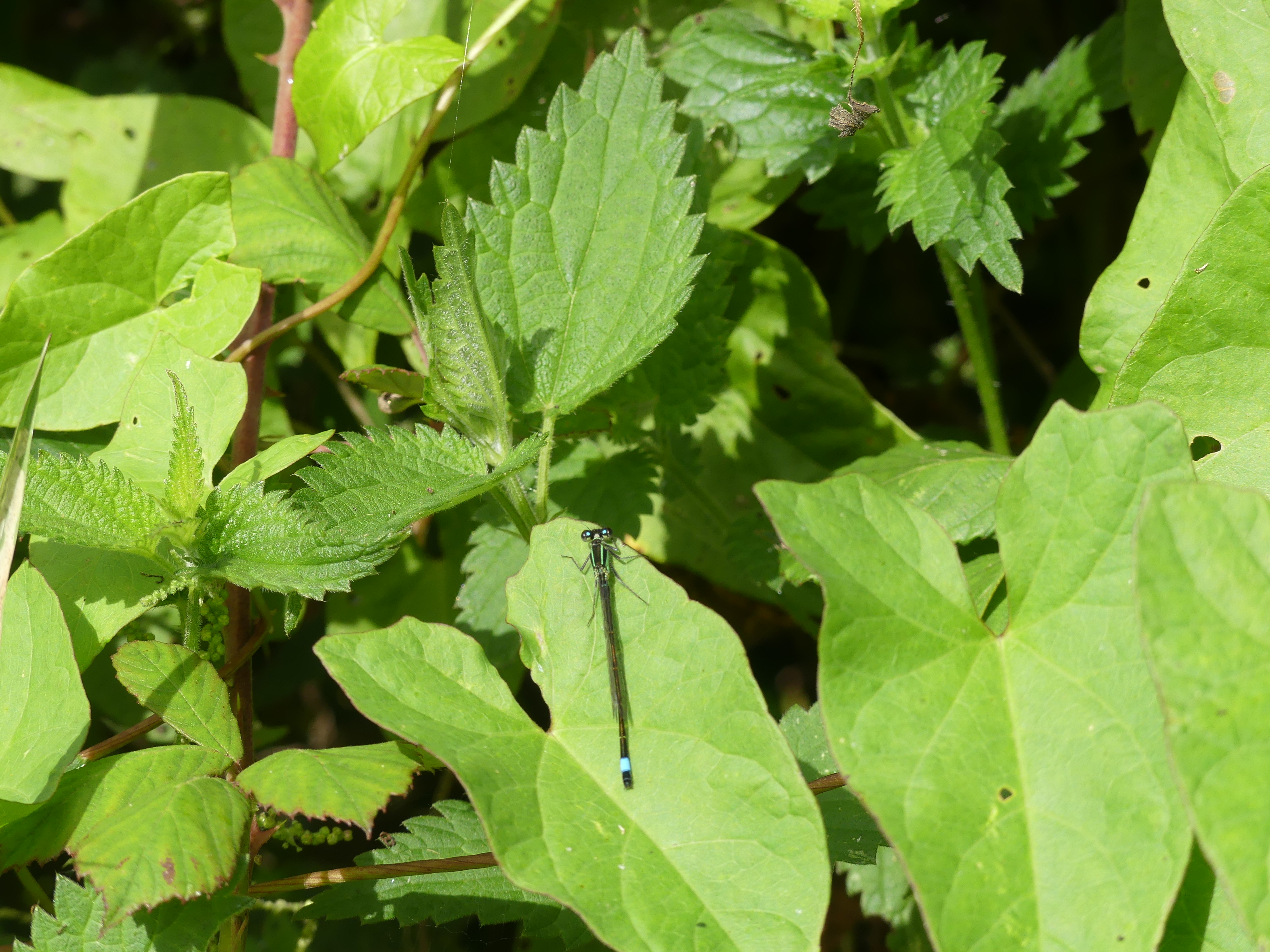
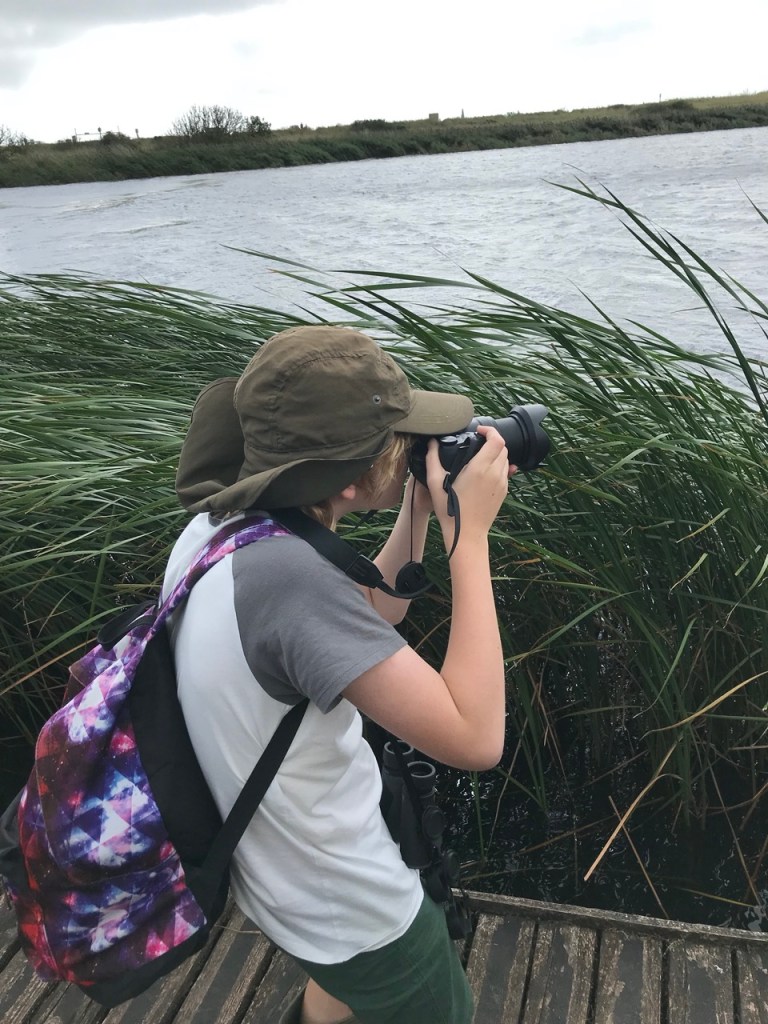
We came to a boardwalk that extended into the reeds and onto the lake. Damselflies and Dragonflies seemed everywhere here, and the reeds being shoved forcefully by the wind made for a perfect backdrop. Rowena explained that the boardwalk was a perfect example of lead-in lines, an interesting kind of photograph. The lines of a path, or a stream, make your eyes follow the path to the end, where there might be something interesting.
The boardwalk is a great example of lead-in lines.
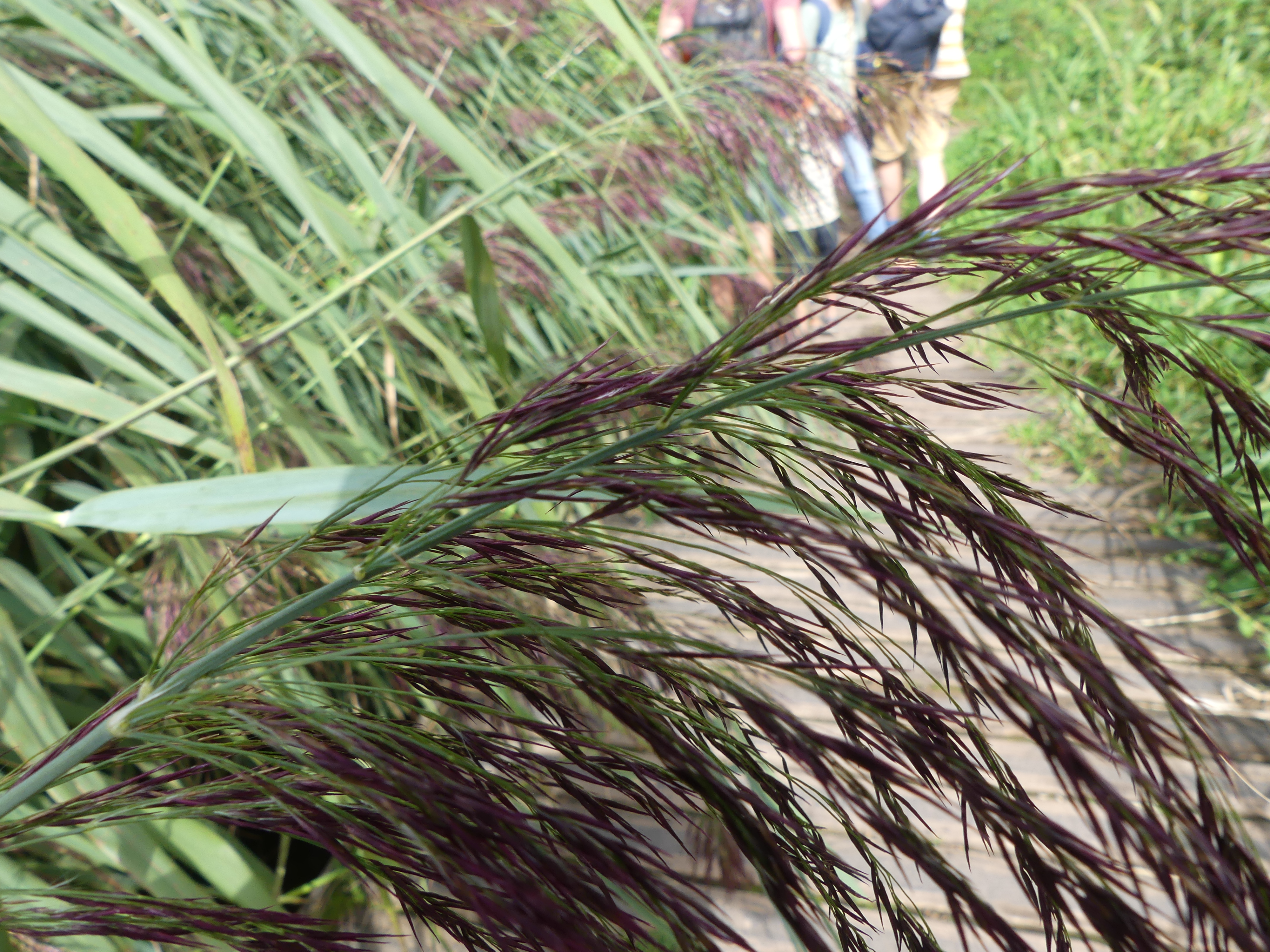
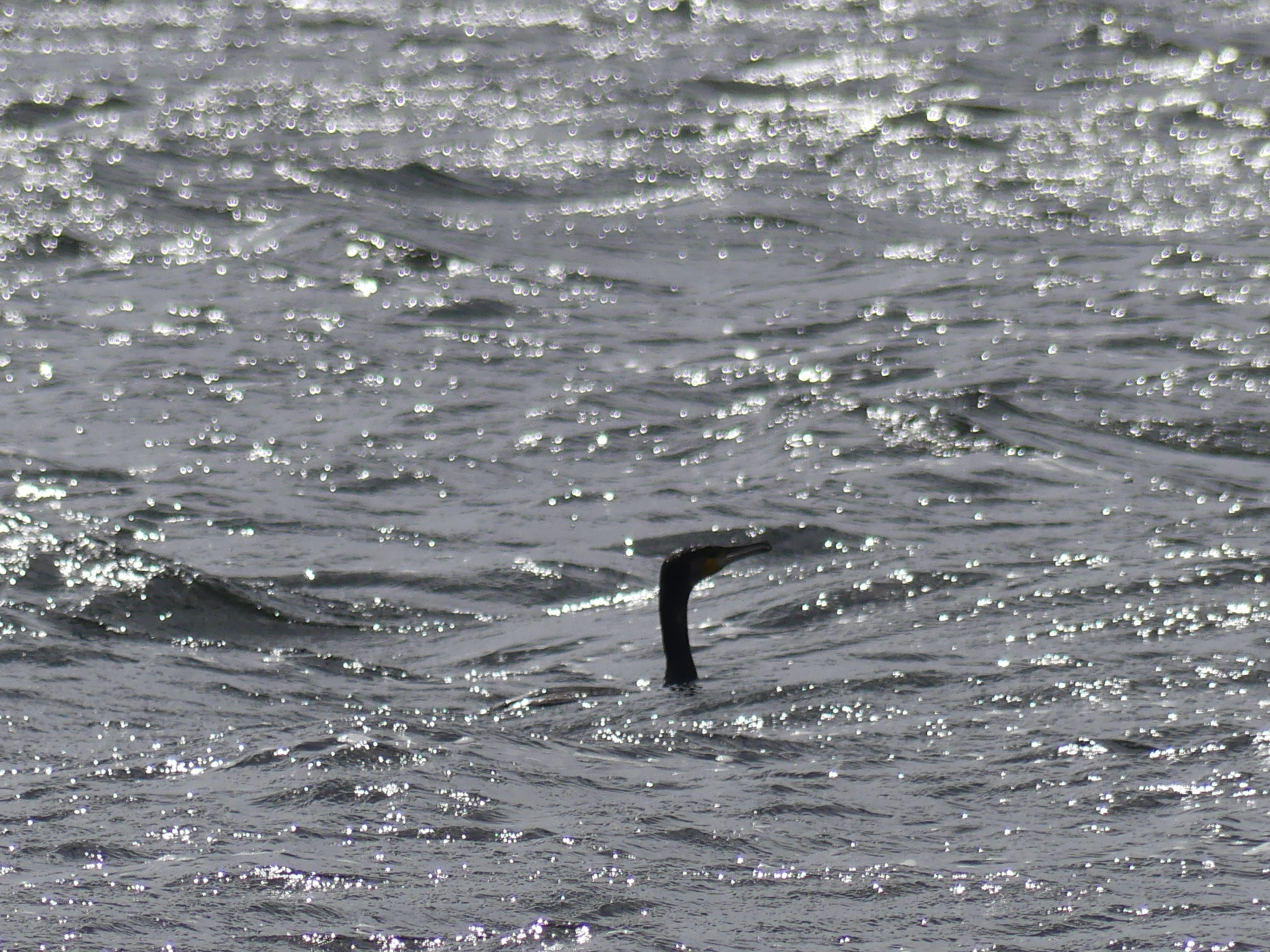
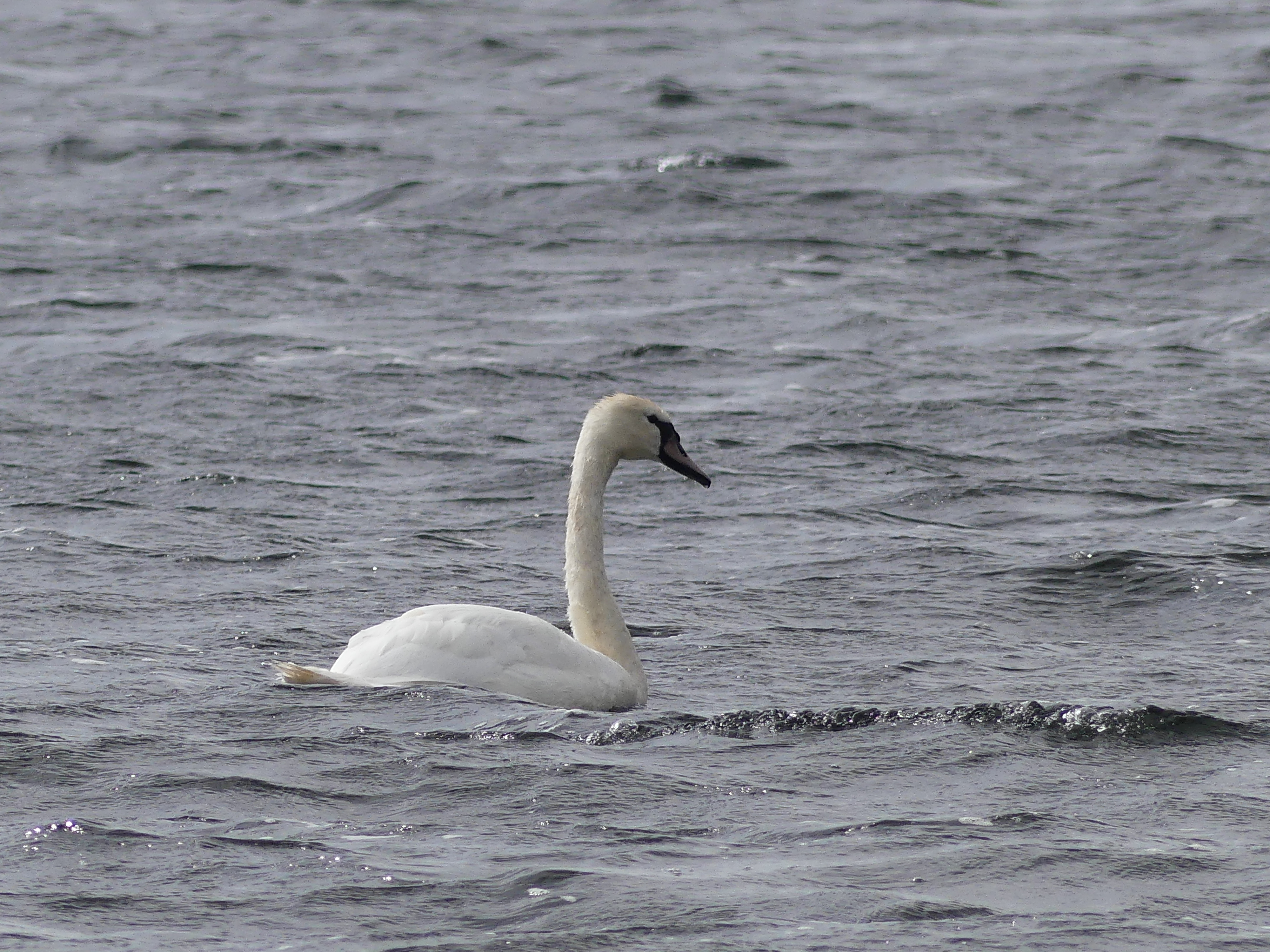
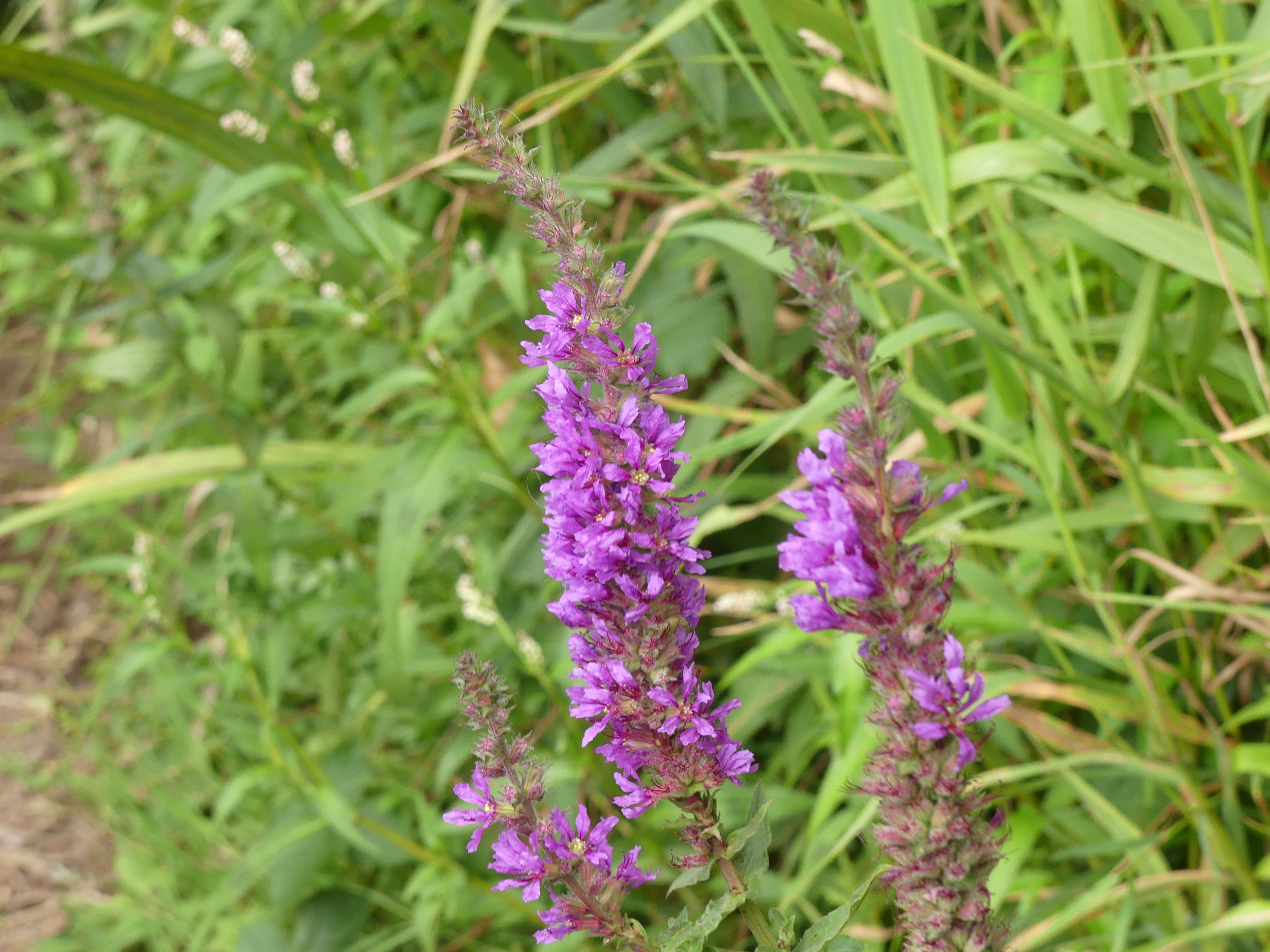
We came down to the banks of the lake and continued on. A swan posed gracefully out on the rather choppy water, and inclined its head towards us in a seemingly approving gesture. A Cormorant also swam about in the centre of the lake, but proved elusive for my shutter. There were many tall, pink flowers around here, swaying in the wind. They made good subjects, but you had to hold them still!
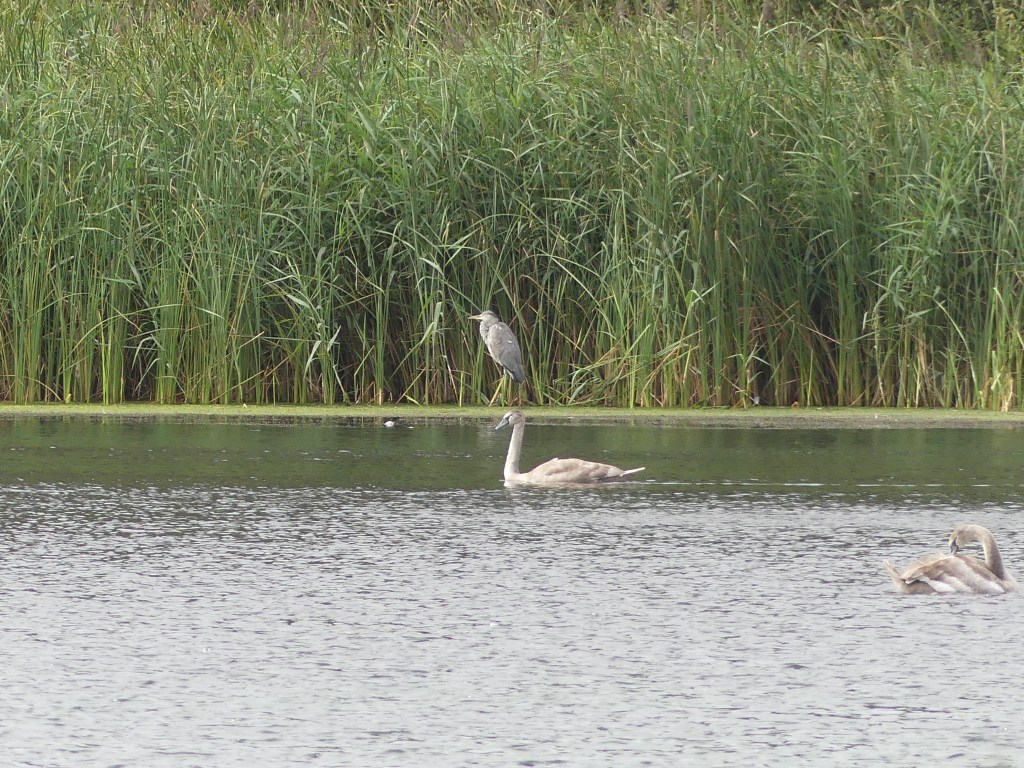
After a short stretch, we headed further on and came to a carved wooden viewpoint complete with engraved wooden benches. Now, everybody was absolutely focused on what was out on the lake, and began clicking the shutter button fairly quickly. Out on the lake was a large group of gulls, comprising Greater Black Backed Gulls, Herring Gulls, Lesser Black-Backed Gulls and a single Common Gull. There were more Mute Swans here too, with about seven, some of them seemingly first-year birds, paddling about the water adjacent to the reeds. A Great Crested Grebe granted us brief and distant views, but a view nevertheless, and you can’t help but love a Great Crested Grebe. This proved the perfect foreground for a coiled Grey Heron, crouching in the reeds and surveying his fishing grounds. It was a younger bird, and seemed to be sheltering against the wind.
A Heron and two Swans in what seems like perfect harmony.Oh, what is that over there?
The path took us away from the lake now and further into the woodland, and also alongside a marshy meadow, which looked sublime for a number of species. We sat down in a grassy clearing and everybody started taking out food they had brought with them and having a quick munch before we headed up to the final stop before we turned back, a bird hide with the back wall non-existent, facing the meadows. The view was partly obscured by tree boughs knocked askew, but there was nothing out there to be seen. As time had worn on faster than expected, we turned back here instead of completing the full circuit and began the trek back to the meeting point.
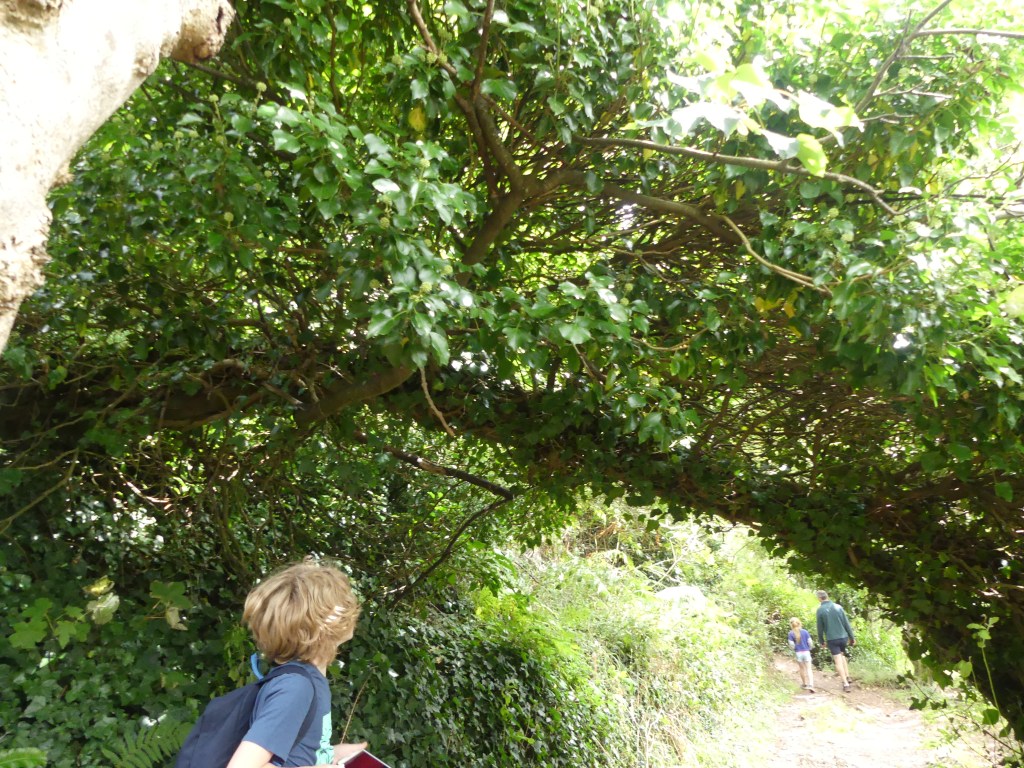
Many enjoyed the archway created by an overhanging holly tree. Bertie certainly did!Photography tips were shared between me and Bertie.
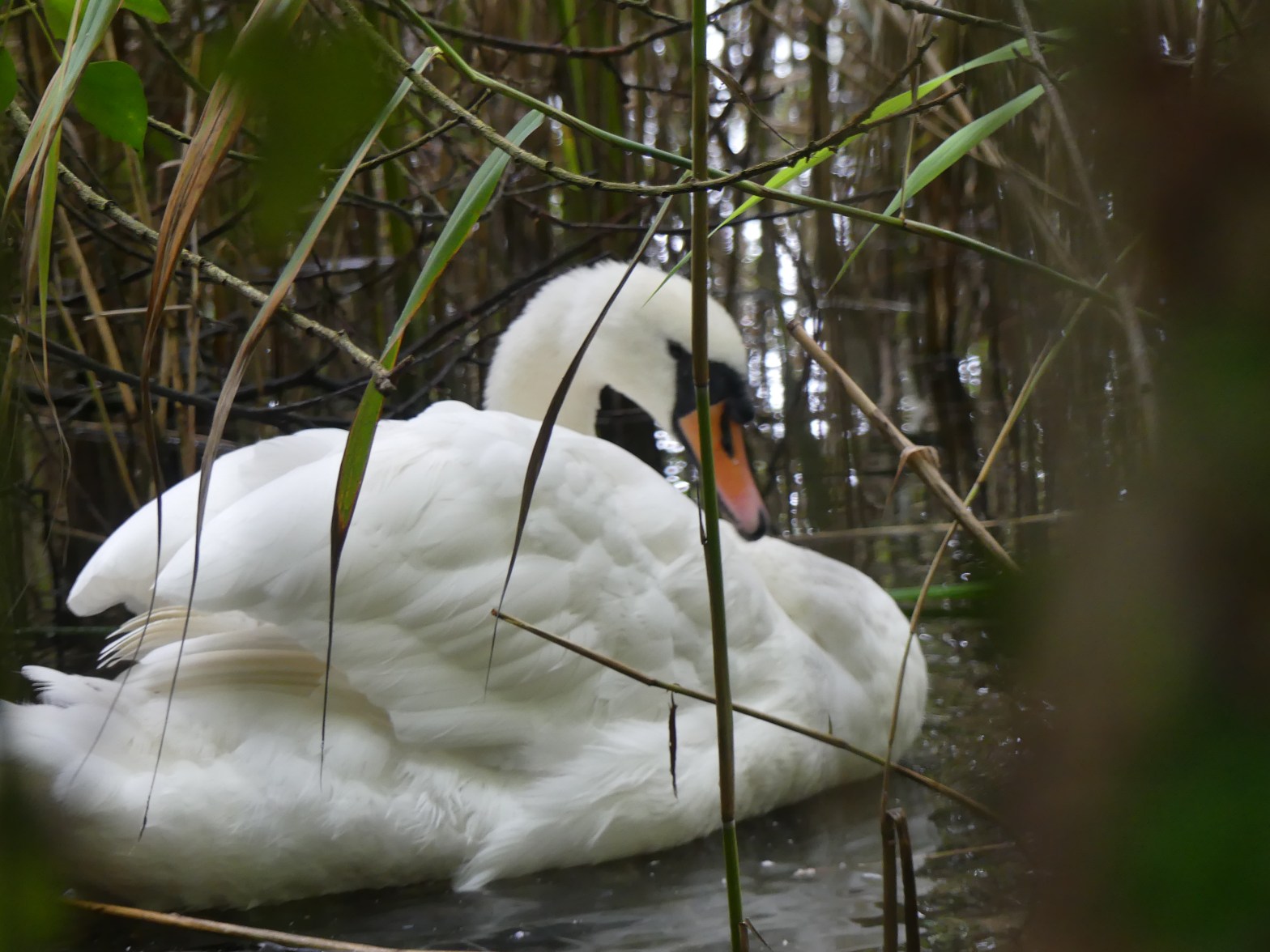
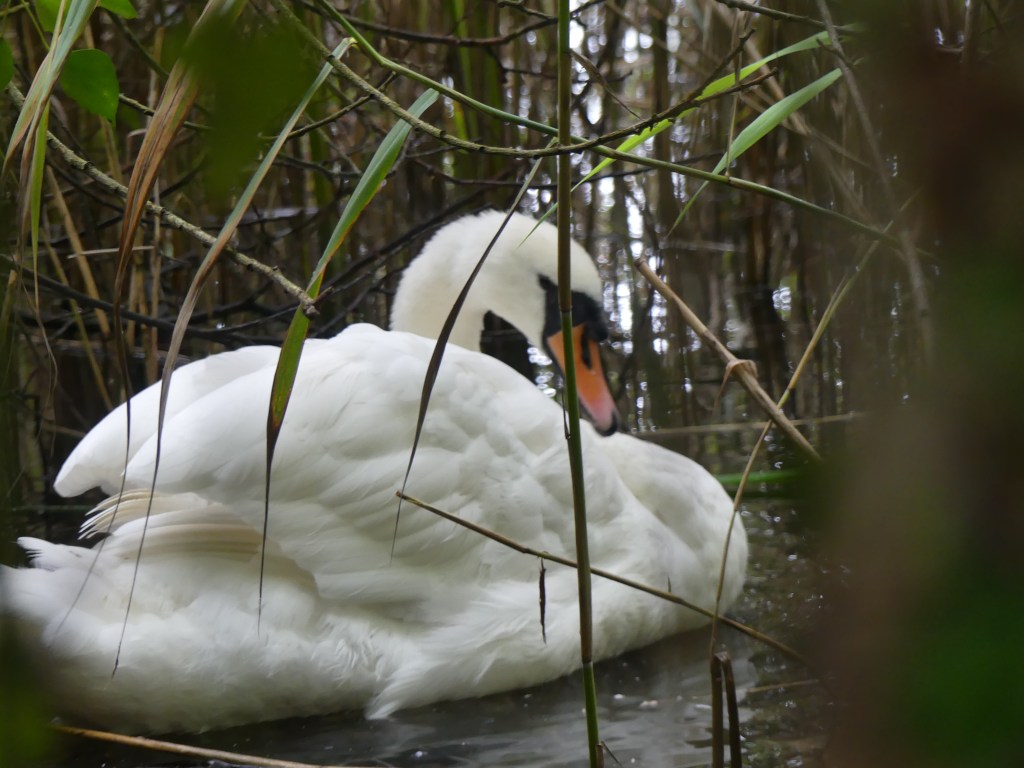
A lot was seen on this somewhat shorter walk back, including a Mute Swan in surprisingly close proximity, which everyone enjoyed photographing. Rowena said that you should imagine a 2×3 grid across your lens, and to place your subject on one of the vertices of that grid, to make for a more interesting photo. The swan photo was probably my personal favourite, as it was almost like it was framed by the trees and reeds. Two Tufted Ducks were spotted out on the lake, along with a Cormorant flying low over the water. Was it the same tricky individual from earlier? You never know, I suppose. A Lizard and Ladybird Larvae were both found in the depths of the cracks of a bench, and then of course, we reached the meeting point.
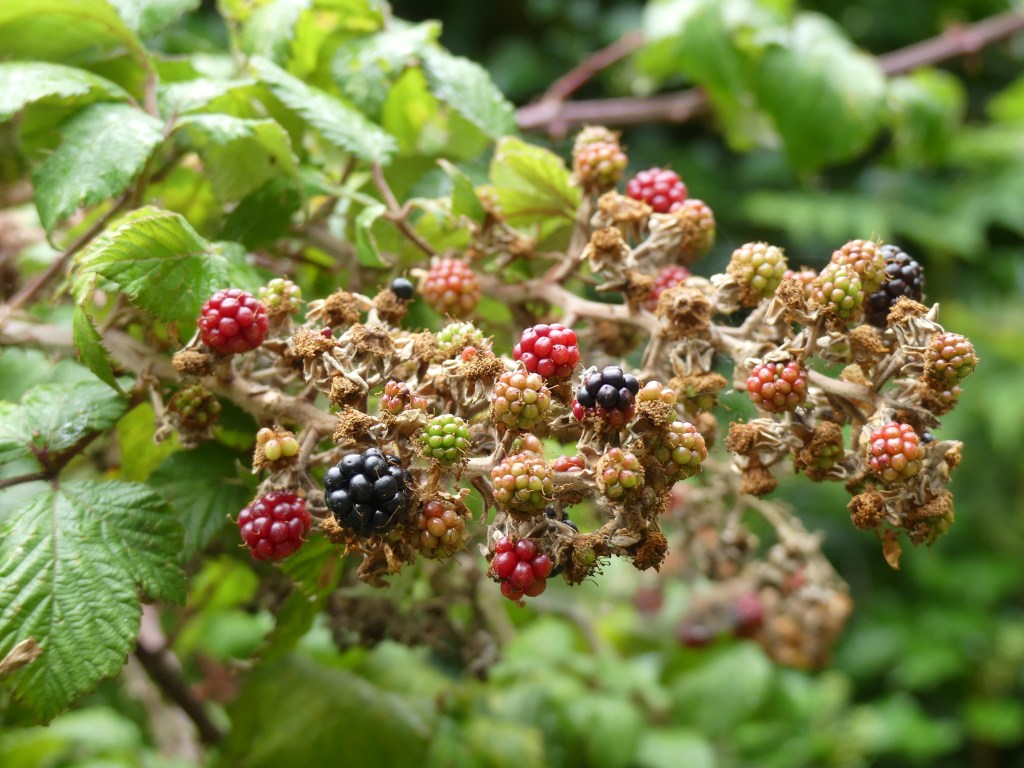
The Mute Swan, framed by the reeds.A blackberry bush. They’re almost ripe!
Closing remarks were exchanged, and everybody thanked Rowena and Chloe for such a brilliant morning, before going their separate ways.
Just to say, it is World Photography Day (or the late evening of it anyway). World Photography Day celebrates the increasing importance of photography as an art in our lives. It also provides photographers worldwide a large opportunity to sell their works. Another purpose of this annual celebration, however, is to bring more young people into the photography world. And this Workshop today did just that.
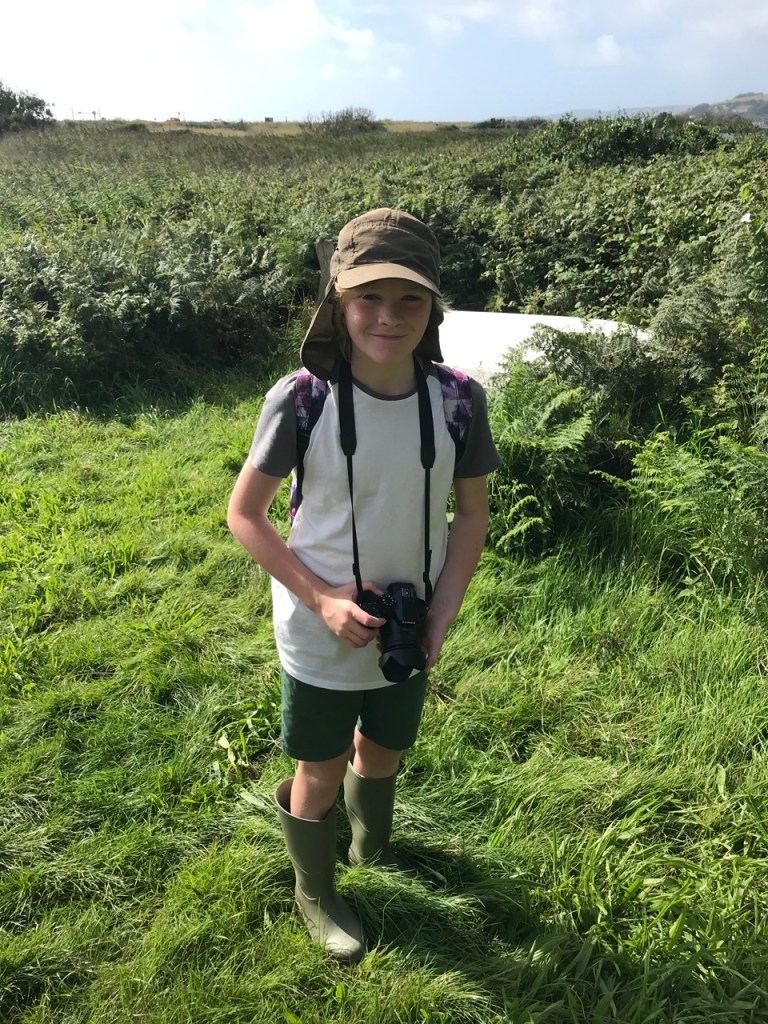
On Saturday, Bertie and I will be heading down to Slapton Ley NNR, all ready for a workshop that teaches the basics of wildlife photography. I must say, I am really looking forward to this. It will be fun, but also informative. I am a bit of a beginner when it comes to photography, and it would be really great to learn how to use my camera for its primary purpose: bird photography!
Photo from Wild Planet Trust
Guided by local wildlife photographer Rowena Mynott, the workshop will consist of a circular walk around Slapton Ley, with tips on angles and opportunties. The event ties in with World Photography Day, which is of course this Saturday, and will aim to bring more young people into photography as a profession or a hobby. World Photography Day also highlights taking photos as a form of art, which I believe is important when it comes to this sort of thing.
Photo from Eventbrite
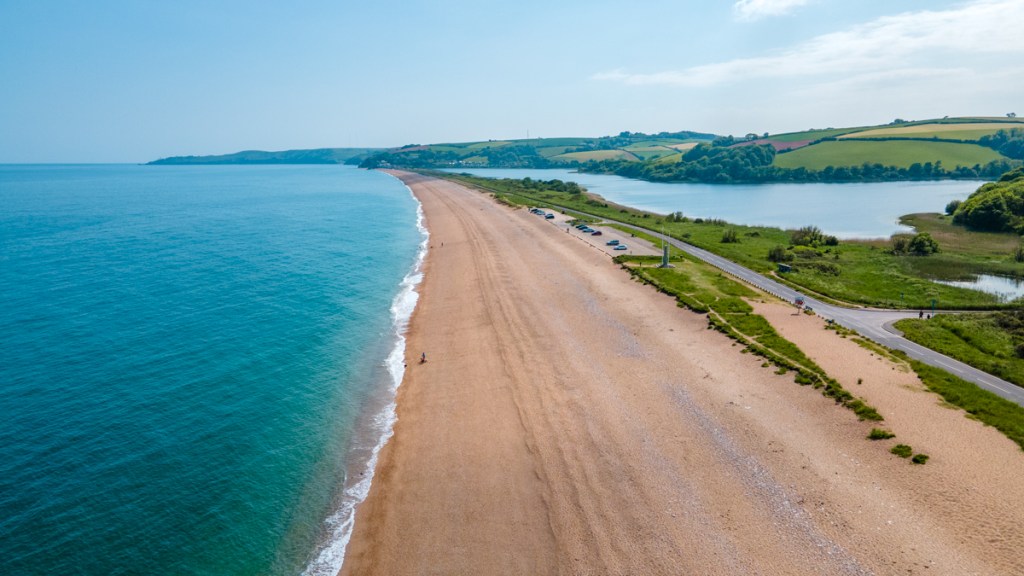
Slapton Ley is a great place for birding, being a large lake separated from the sea by a road and a beach. It naturally captures many birds coming in off the sea such as gulls, terns, ducks, and maybe even a diver! We did see a Black-Throated Diver down there a few years ago, but there is no post on that. Ideas for the future, maybe?
But it is really cool down there, and there are some brilliant photo opportunities down there too! I got a few good shots last time we visited, but I think me not being overly familiar with my camera settings shone through them (take a look my account of that visit at https://theboveybirder.wordpress.com/2021/01/05/slapton-surprise/. It’ll be fun to go down there again, but this time with an expert guide and others who are looking to improve on their camera skills too!
So, overall, I am seriously looking forward to this workshop, and highly encourage anyone who reads this to give it a try. Photography, I mean. Honestly, its so easy to get into, and so rewarding for you and others too.
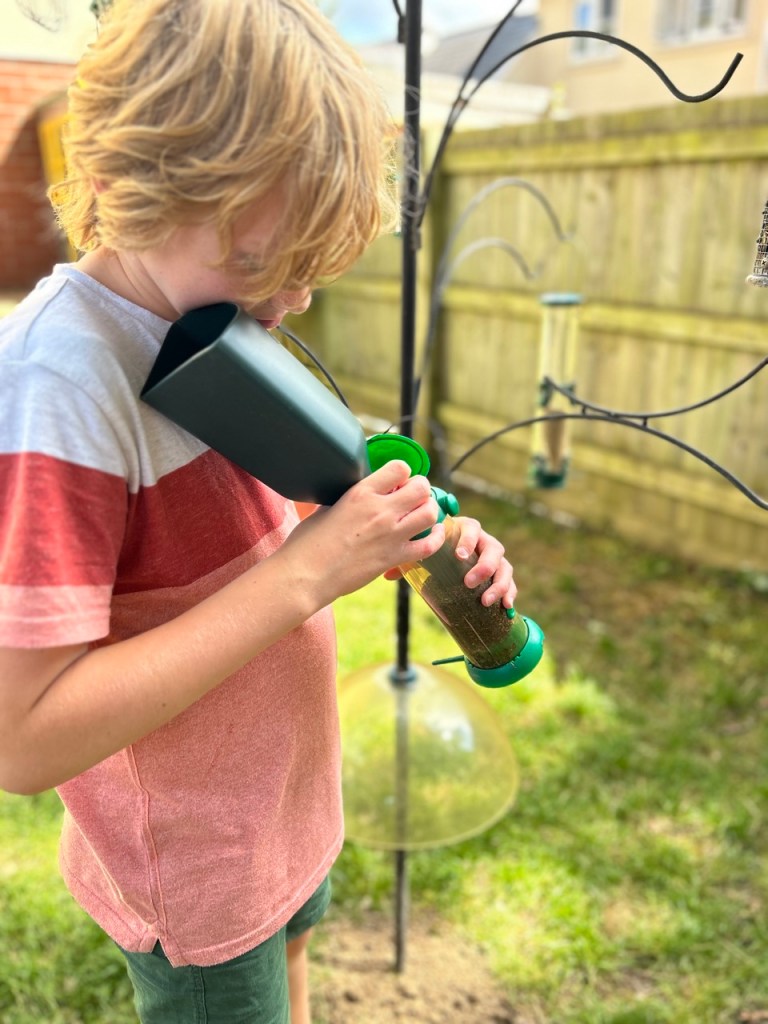
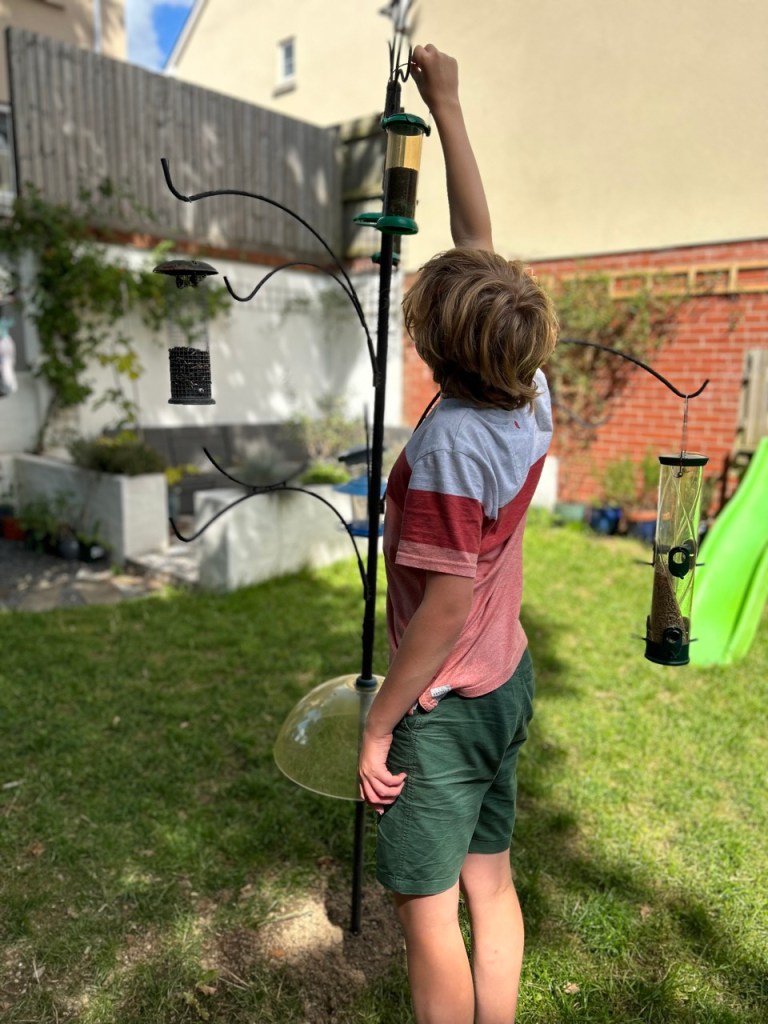
Now, our garden has featured no bird feeders for about a month now, leaving most of the grass lawn free and empty. And we have not seen many birds here for a month because of that. But now, they are back with a few cheeky changes to go with them as well. Two old feeders are now unrepairable and heading for recycling, freeing up space for others to come in and take their place. And with plenty more food heading in now too, I would say we are ready for winter.
It all started when at Global Birdfair, we entered a prize draw to win one hundred pounds worth of bird food, feeders, or anything else from Eyebrook Wild Bird Feeds. Their stand was brilliant, and you were able to take free samples of any of their seed mixes, which they grow themselves on their own Leicestershire farm. We found out that we had won a few days after we got home to Devon, and as soon as we had an opportunity, we went straight onto their website, and scouted out what was on offer. An hour later, we ended up heading to checkout with a basket chock full of bird feeding goodies.
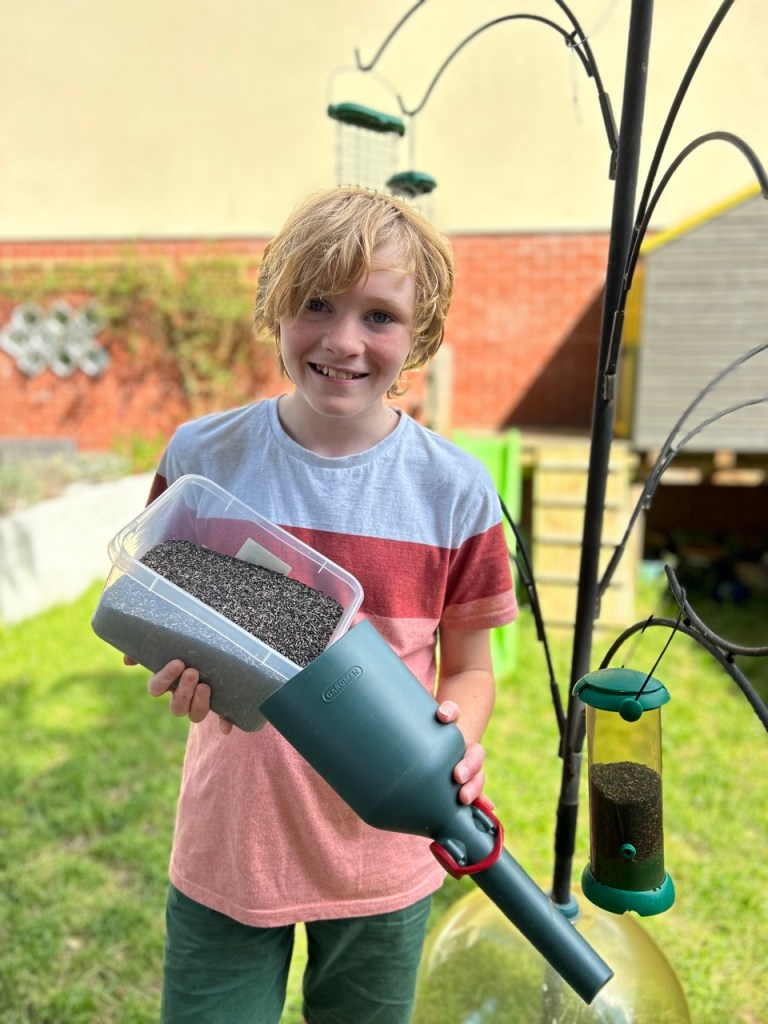
And now here we are, it having arrived just three days ago. Mealworms, a huge amount of Sunflower Hearts, a mealworm feeder, feeder brackets for our fence and suet pellets, lots of them! Everything is ready and waiting, sat in the garden hoping for some feathered visitors. 5 feeders out there are currently filled (for the moment), and more are waiting. I have topped up on our existing stock of nyjer seed as well, as you can see above. After so long, its great to see them back up; the old hands, and the spanking new feeder as well.
Hopefully we attract the full diversity we used to watch all the time. It could take a few weeks, but we could have Nuthatches, Blue, great and Coal tits, Goldfinches, Chaffinches and more. It. should be great having them back up, and hope to see some great birds in the future.
A word about Eyebrook as well. Eyebrook Wild Bird Feeds are based on the Leicestershire and Rutland Border , and have their own family run farm where they grow many seed mixes and straights on the banks of the Eyebrook Reservoir. I highly recommend their products, visit their website here – http://www.eyebrookwildbirdfeeds.co.uk
Vehicles rumbling along the narrow lane and across the bridge were few and far between, and as we got out of the car, the sound of fast-running water was loud and prominent. But somehow managing to make itself heard over the monstrous river, a high-pitched tsee sounded from above us in a spindly willow, with few leaves, making for an easy, unobstructed observation. It was joined by a young Blue Tit, yellow on the face, whereas an adults would be white.
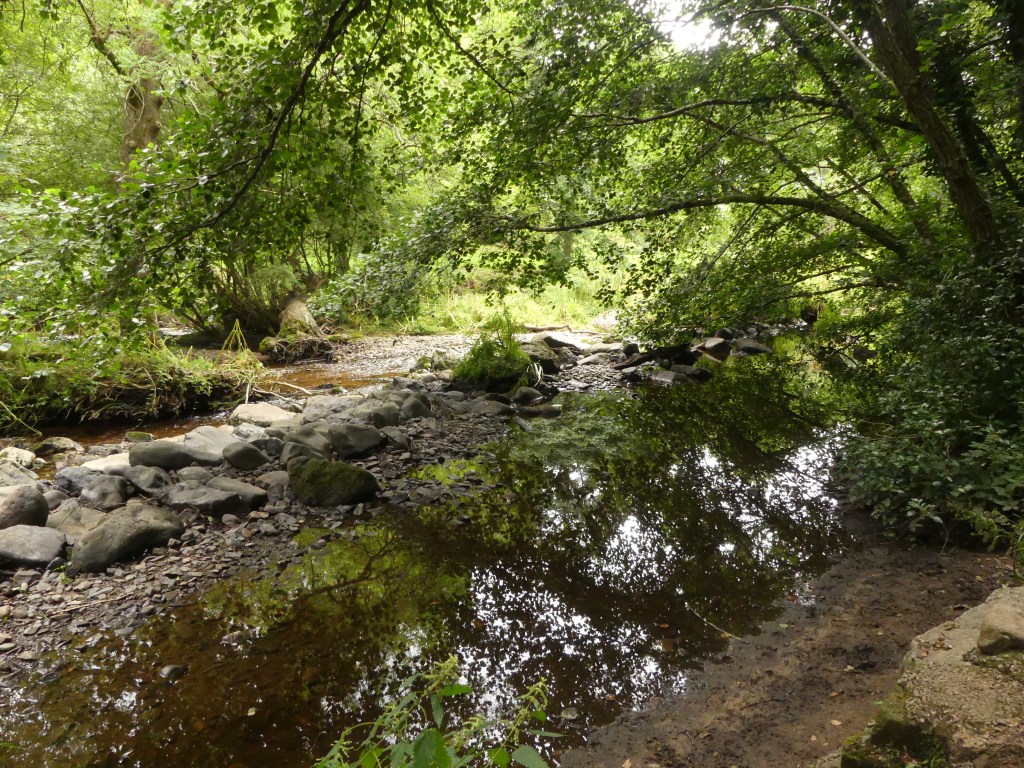
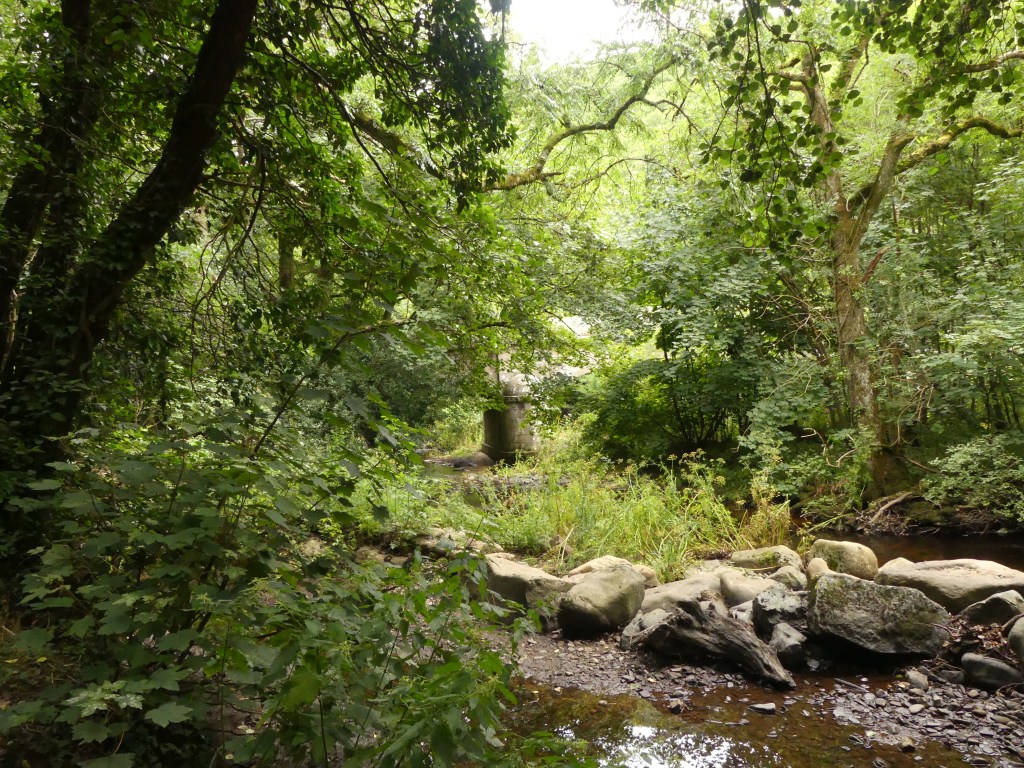
The path into the wood was wider, but narrowed out as we came alongside the river. At first glance, Dunsford Wood seemed a perfect, natural paradise, untouched by humans. However, signs of modern management and historical use were evident, such as a floodgate, for agricultural uses. The river was roaring here, with white water flowing violently over treacherous rocks, barely protruding from the water.
The bridge through the trees.
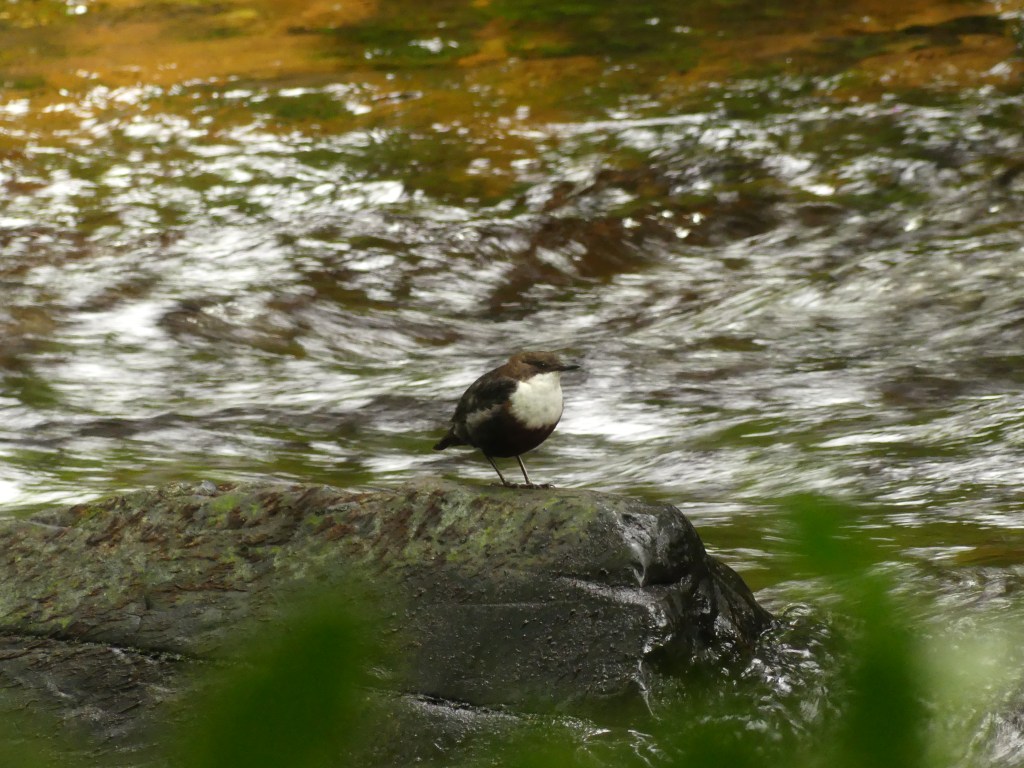
And fast-moving water is perfect for one special species. They were all over the sign at the entrance, all over the recent sightings here. The Dipper. And we had barely walked for 5 minutes when a small brown bird was spotted flying rapidly upriver and coming to rest on a slimy, slippery rock, constantly being attacked by the River Teign. It was chocolate brown, with a stark white breast. This was a Dipper, bobbing up and down with respect to its namesake.
The Dipper (or the first one anyway)
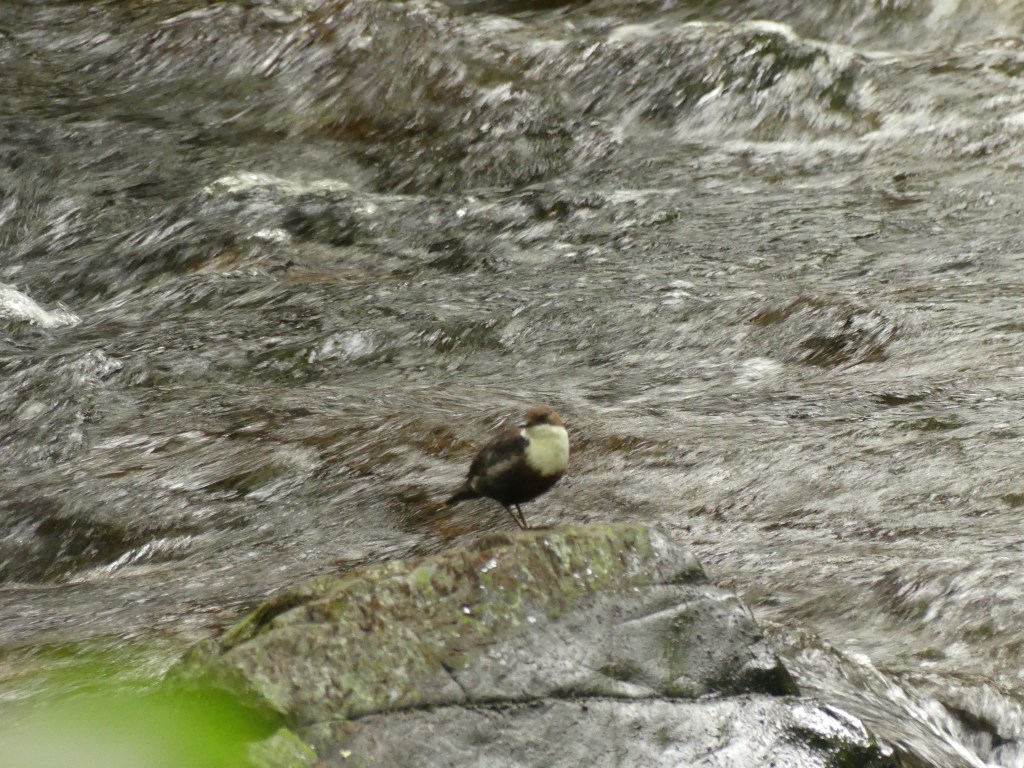
I have never managed to photograph a Dipper, but I swear before this encounter I had never taken so many photos of an individual bird! I must have taken at least 30! But the raging water behind it made for the perfect shot. We continued up the dusty path, interspersed with roots and stones. The Dipper came flying up again, and the routine was followed to the letter! Locate, crouch, photograph. The thing is though, this might just have been the same bird! We were in such close proximity to the last sighting that it just made sense! Dipper, Dipper, Dipper.
The Dipper, in a somewhat riskier position than previously.
We kept eyes and ears open for Kingfishers as well as we made our way along the river, occasionally stopping for a drink and a biscuit (courtesy of Daddy) on the benches placed at strategic positions along the riverbank. You could see why Kingfishers would make their home here, as there was definitely fish in the river, and there were many nooks and crannies in the exposed far bank for nesting sites. We didn’t end up seeing a Kingfisher, but some of the scenery we witnessed along the way was brilliant.
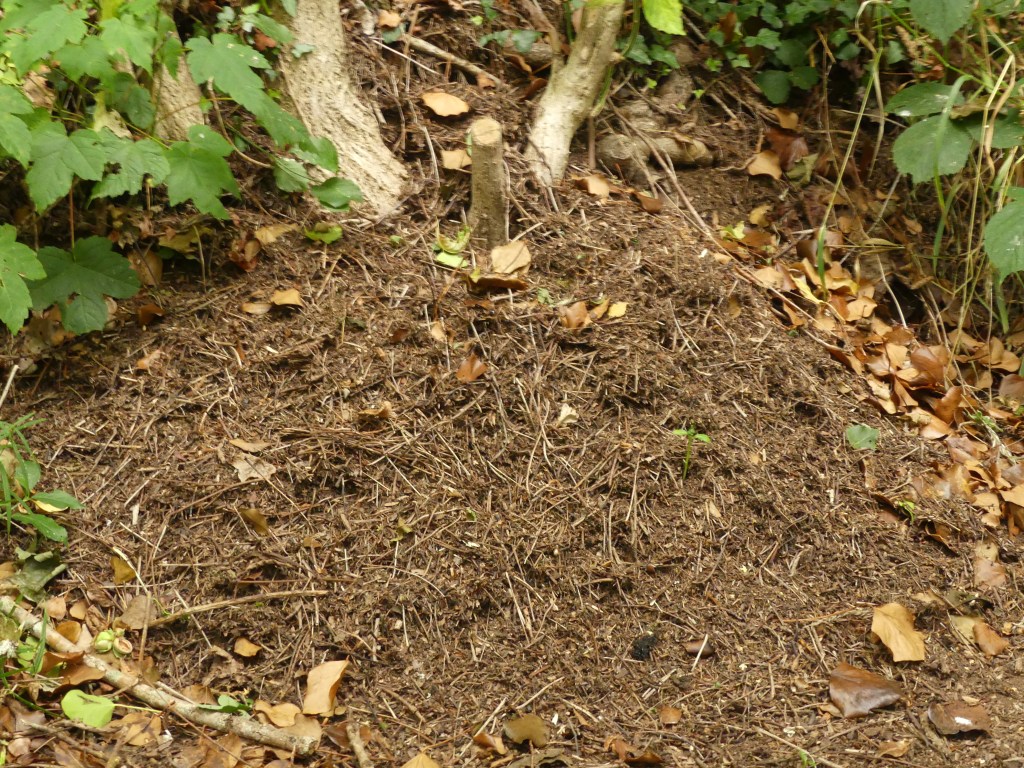
And there were also some giant ant nests…
A thriving ant nest.
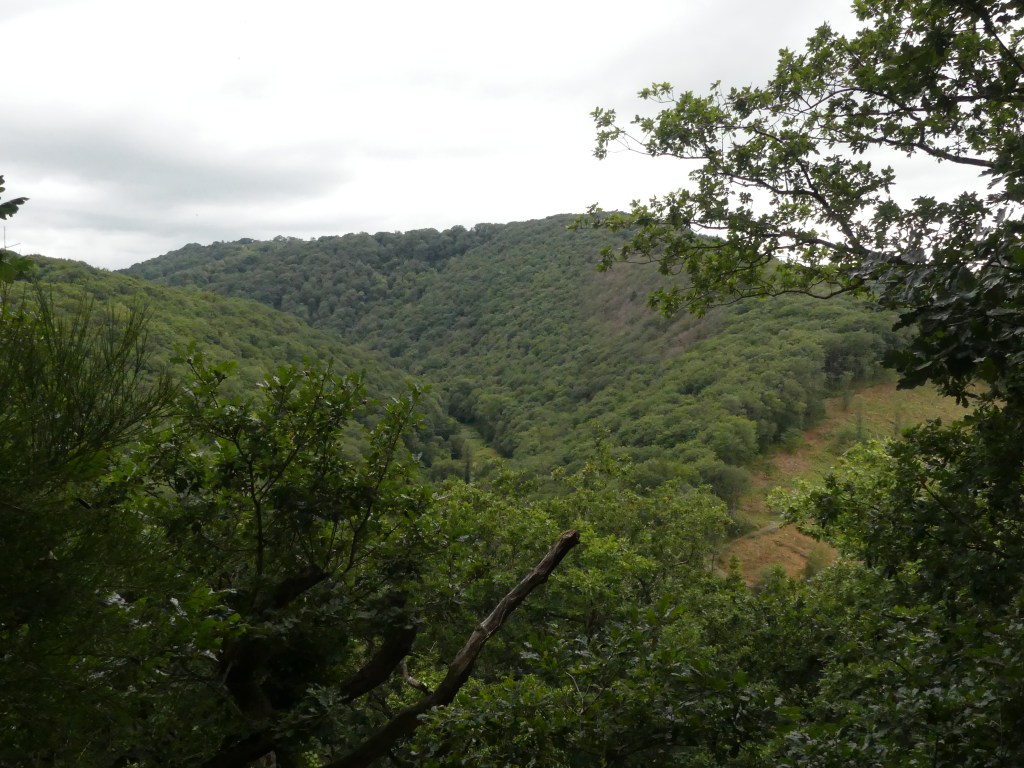
The story was the same for a while, until we came to a shockingly steep incline that led up to the top of the valley. We are just stood down at the foot of that hill, wondering whether to take it on or continue down along the river. But Daddy talked of a viewpoint at the crest of the hill, so we started on up. It was the single steepest slope I have personally ever climbed. Starting off straight, but then winding off into the valley walls, evening out but then surprising you with yet another incline. There were dips as well, but these were shallow, and all the time the river and the path shrunk smaller and smaller below us.
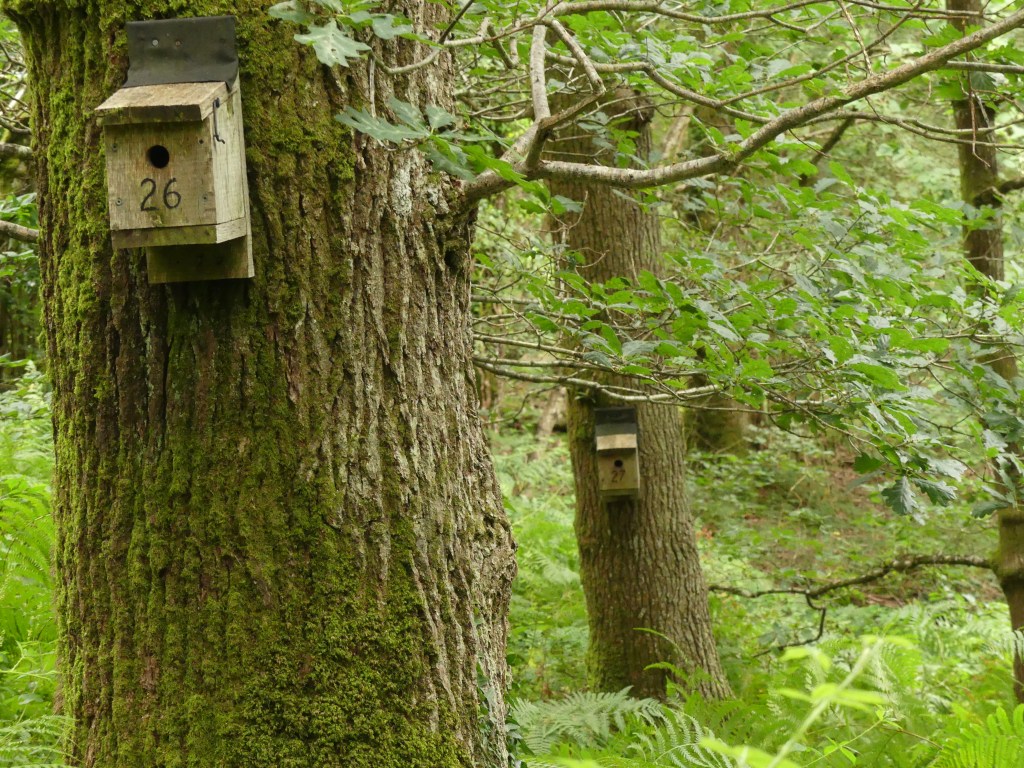
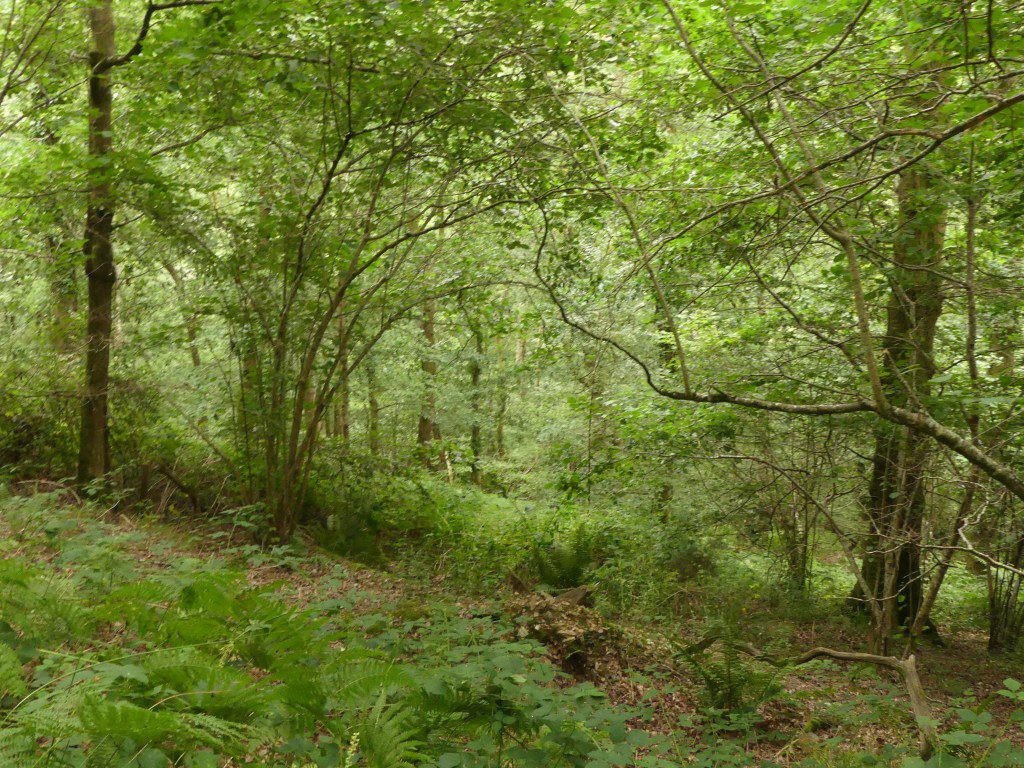
But from up here, you could see the effects of coppicing and management. All the trees on the side of the valley were the same age, many of the trunks almost identical. Many of them the same shade of brown, many of them with similar numbers of branches and leaves. There is, of course, nothing wrong with this, but for woodlands to support the maximum population of nature, you need a variety of tree ages. But distractions from this were common. Many nest boxes were placed in these trees, and it made me wonder: how on earth had people somehow got halfway down the crazy steep, crazy high slope, carrying nest boxes and things to put them up with (equipment), and then got back up again? It was certainly quite the achievement.
The nestboxes.Maybe this will show you just how high we were!
Eventually, we came to the viewpoint. And the view was absolutely breathtaking! A bench with (of course) a Dipper engraved on the side provided the perfect vantage point to stare out across the valley that held the River Teign. And something that had been calling all afternoon, finally decided to put in an appearance. A young Buzzard, partly obscured by the tree cover, glided past, before doubling back and swooping lower into the woods, all the time mewing its famous call.
We sat in awe for about ten minutes more, before deciding to press on along the final stretch back to the car. What goes up must come down, and surely getting down the valley was easier than getting up had been?
Answer: yes, it was easier. The paths were a little better and less steep as we cautiously walked down the valley. But just as we disappeared under the trees again, Daddy called me back. Around 10 small birds were flitting about above us, one slightly bigger than the others! Most of them were Goldcrests, and their calls betrayed them further. But Daddy said he recognised the other bird as a first for my British list. A Spotted Flycatcher. We caught brief glimpses of it, but only fleeting views until it eventually moved on. It had appeared to be rather agitated by the Goldcrests, and seemed to attempt to chase them away. But it was a really cool encounter, and great to see.
The trees where we saw the Spotted Flycatcher.
We continued on, and that would prove to be our final sighting of the trip as we came to the foot of the hill and the car. It had been productive, with some great photograph opportunities, but on top of that all, a great birding spot.
The gravel crunched underfoot as we ambled across the car park towards the main track. A rustle, and then a burst of beating wings announced a Woodpigeon appearing ahead of us, and it quickly flew back into the undergrowth when it saw us. The sound of many raucous Mallards filled the air, drowning all else, except for a high pitched tsee from somewhere in the trees to our left, proving a Goldcrest inhabited these trees somewhere. A small group of Chaffinches and Sparrows moved as one across the path, and eventually all 12 of them darted up into the overhanging willows.
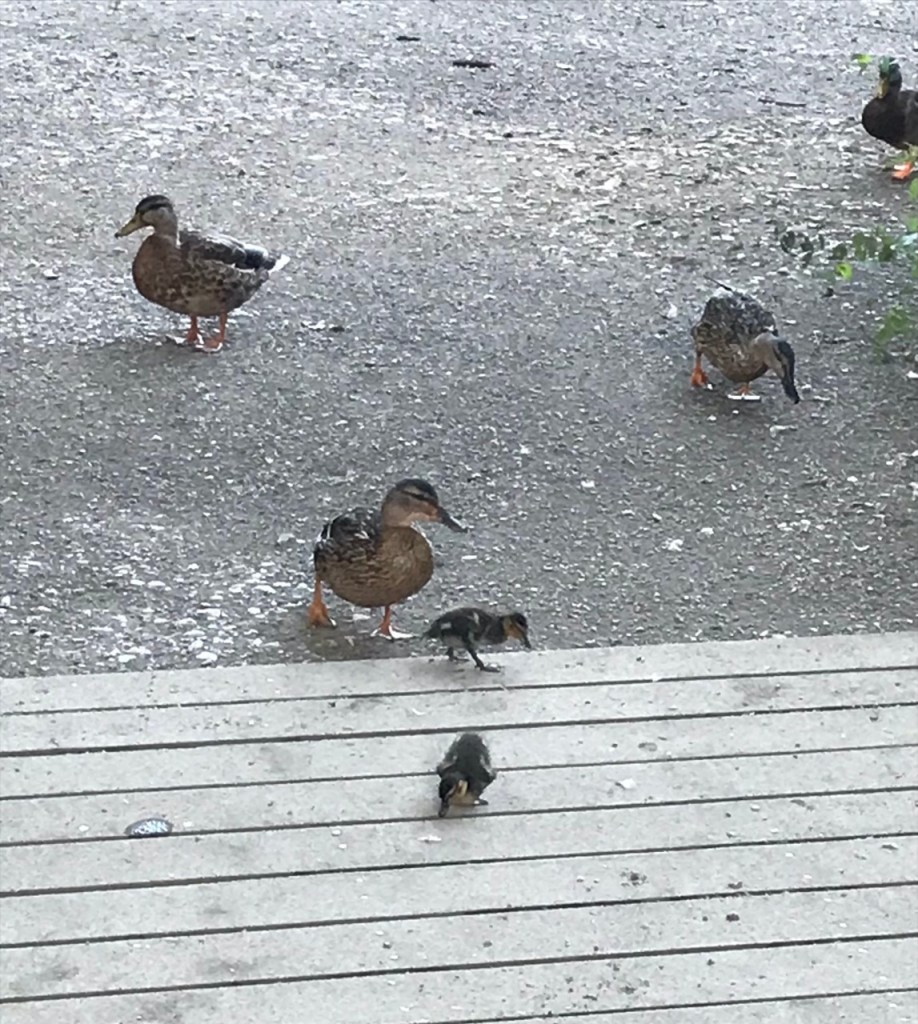
The drab grey female Mandarin Ducks struggled to blend in with the abundant Mallards, being very different in size, build and plumage. And the Mallards were everywhere, emerging from the shrubs about the lakes edge, swimming and tussling in the shallows, perching and overseeing from the branches stretching out into the water or just lazily strolling about around the bench. Ducklings, all yellow, brown and fluffy, followed their parents obediently. Coots, with their white-knobbed foreheads and jet black bodies, darted in between the ducks, and a Moorhens bubbling call declaring its arrival. And there must have been about 20 Coots just paddling about the central water, milling about while a pair of Great Crested Grebes fished in the deeper water, one adult and one younger bird, with the striped head that made it so appealing.
The Mallards with their young
Just then, a flash of blue streaked through the view of my binoculars, and they flew from my eyes; just as a Kingfisher zoomed out of view behind the reeds, its blue plumage looking surprisingly like the House Martins backs thanks to the suns light. The binoculars I carried currently had no strap, owing to them only being unboxed a couple of days ago, my prize for the Zeiss Young Birder Awards. They were compact and light, with good grip, and the focusing wheel was slick and easy to rotate. The field of view was shockingly wide, making it a lot easier to scan the trees and the lake. Long story short, they were brilliant, a huge upgrade to what I had before. The Zeiss Terra EDs are a good all-round binocular , and highly recommended from me.
Photo from Zeiss
We continued down the path, attempting to keep footsteps quiet. But it wouldn’t have mattered, as the Drumbridges Roundabout was as busy as ever, just across the country park. But one bird managed to make itself heard over the racket, one so secretive it never revealed itself. But the harsh squawking was easily identified as Britains most cautious corvid, the Jay. And we immediately saw the reason for its alarming calls, as we were stopped in our tracks and stared at an adult Buzzard, just sat right in front of us, on a prominent tree stump that rose above the undergrowth. Now we understood why the Jay was calling, because of this monstrous yet elegant raptor that was now taking flight! It spread its rich brown wings and glided away over the trees. And finally, the Jay fell silent. Quite the encounter!
As we crossed the bridge over one of the many streams that fed the lake, a couple told us that they had sighted the Kingfisher once again, down on the far side of the lake, with two youngsters that were being taught how to fish! I went ahead, walking as quickly and quietly as I could but when I got there, the corner of the lake where a huge fallen tree dominated the shallows, they were nowhere to be seen. Oh, well. At least we had seen it briefly at the start.
We continued on, but failed to see much else of note, excepting the huge numbers of Coots out there. If I had stopped to count them all, I bet I would have gone past 40! The feeder was empty, so nothing much stirred up on the boardwalk except for a Magpie that hopped from branch to branch, squawking savagely. But something seemed a little off. We had gone through this whole trip without seeing a single Mute Swan, when at this time of year they should be out on the lake with their cygnets. But the riddle was soon solved as we watched a lone female Tufted Duck swagger amongst the Coots.
A huge white bird was squatting among the reeds, and soon put in an appearance, but with no others in sight. It was concerning, but in the end, everything turned out to be okay, as we rediscovered another adult with six cygnets paddling about a quiet corner of the lake, almost out of view to the naked eye. And we were put at ease as we walked to our final destination, the hide. The Kingfisher failed to put in another appearance, but just as we watched the distant Grebes, a large Grey Heron flew at eye level past the wooden room, before dropping into the reeds.
Rather a good way to round off such a productive trip, wouldn’t you say? Although, most of our trips to Stover have been productive. My life list for the place is now at 59 species, which is not bad for a lake and some woods, next to a main road and nearly always filled with busy people on trips and picnics. Hopefully I will be able to grow this list as we continue to go to Stover Country Park.
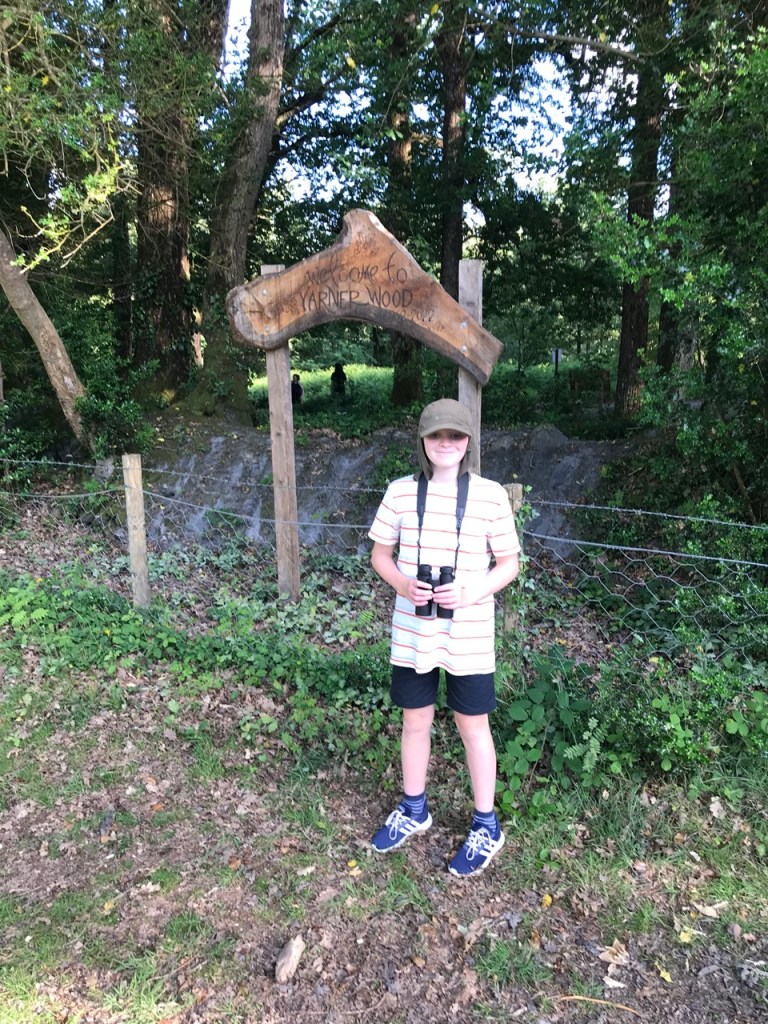
The gate creaked slightly as it was pushed open, and our feet almost made no sound on the wood-chip covered path. The sun was low in the sky, and it was around 5:00PM. Flies almost ate us alive as we walked down the side of the valley, towards the brook at the bottom. The path was steep and fun, and the water grew ever louder. A Great Spotted Woodpecker chirped above us, and a Blackbird called from the undergrowth, but the choir was minimal as we continued on, many of the quieter sounds drowned out by the thunderous stream.
Arrival at Yarner Wood.
We all tripped once or twice before we reached the flatter, more even track at the heart of the valley. A Blue Tit hopped about in the boughs of a holly tree, making little noise thanks to the restless gush beneath it. At this point, the stream was spanned by two bridges just 10 metres from each other, each with a railing on one side and wire mesh coating the wooden boards that made up the floor. We crossed and began heading slowly up the other side of the valley, this one less steep and with better routes. We stopped for a breather on a carved bench, and scanned the woodland around us with the Merlin app, which could identify any bird by its calls. It could become confused, however, as it befuddled itself into thinking a particularly crunching set of footsteps was the hiss of a Mute Swan. But it did correctly pick out both a Goldcrest and four Goldfinches. I highly recommend this app, free on the App Store.
The path up the side of the valley led us further away from the car, and the sun was always getting lower; gradually, but all the time declining. So we headed back down into the valley, and decided to check out the open heathland that cloaked the hill on the other side. We stumbled upon a bustling Wood Ant nest while on our way, and watched as they scurried across the wood-chip, and sometimes even over our shoes, as long as we kept still! And still the flies assaulted our bare arms and legs, and I think we all realised we should wear longer clothing when we visit these sorts of places.
Heading for the heathland hill.
We came out onto the hill, and the breeze was chilled and refreshing. A few Gatekeeper butterflies fluttered about the gorse flowers, along with a glorious Red Admiral. I was watching the horses in the distant field when Daddy shouted and pointed upwards: a Jay glided low over the heath, before disappearing again and being lost in the woods. Suddenly, a cheep and a chirp floated towards us on the wind, repetitive and tuneful. A roaming finch flock flew lazily across the gorse and the heather, mostly made up of Goldfinches, with some of the younger browner birds, mixed in with the pristine adults. But on closer inspection, some of them seemed to have a bit too much red…
Four Common Linnets ate happily with their finch family counterparts, occasionally alighting on a twig to sing its heart out to the evening air. The rich golden brown on their backs blended perfectly with the stark contrast of the red breast and forehead. Linnets were not birds we saw often, and always a real treat. They are birds that rely on farmland in winter, feeding in mixed flocks on the seed stubble. It was also once very popular as a cage bird, thanks to its tuneful song. However, it has declined in the UK by 57%, and is currently red-listed. Great to see, though. And then yet another song sailed into our eardrums, until they were fit to burst! A Willow Warbler actually sat in a spindly Willow tree, warbling and trilling with its muted yellow and green friends. One of these seemed a bit scruffier than the others, and had a completely different call, not to mention being a smidge darker and browner than the others. This was a Common Chiffchaff, with possibly one of THE most famous calls in the UKs avian fauna, a repetitive cheep-chirp-cheep-chirp.
And then we were strolling quickly back to the car as the sun declined some more, and we drove off down the empty lane into the evening sunset.
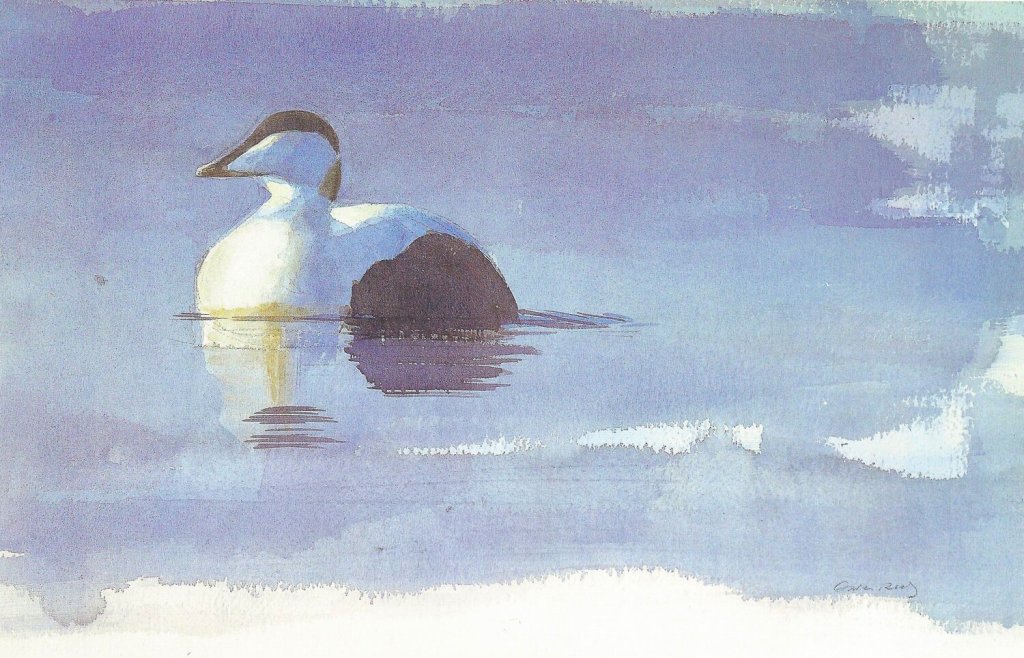
On my Sunday post, I mentioned the brilliant Darren Rees, a talented wildlife painter. His works were amazing, the detail captured so well. We had a lengthy chat, about somethings that had happened before and after Birdfair. He was great to talk to, and there was no shortage of subjects either. Birds and art always combine to make the perfect mix.
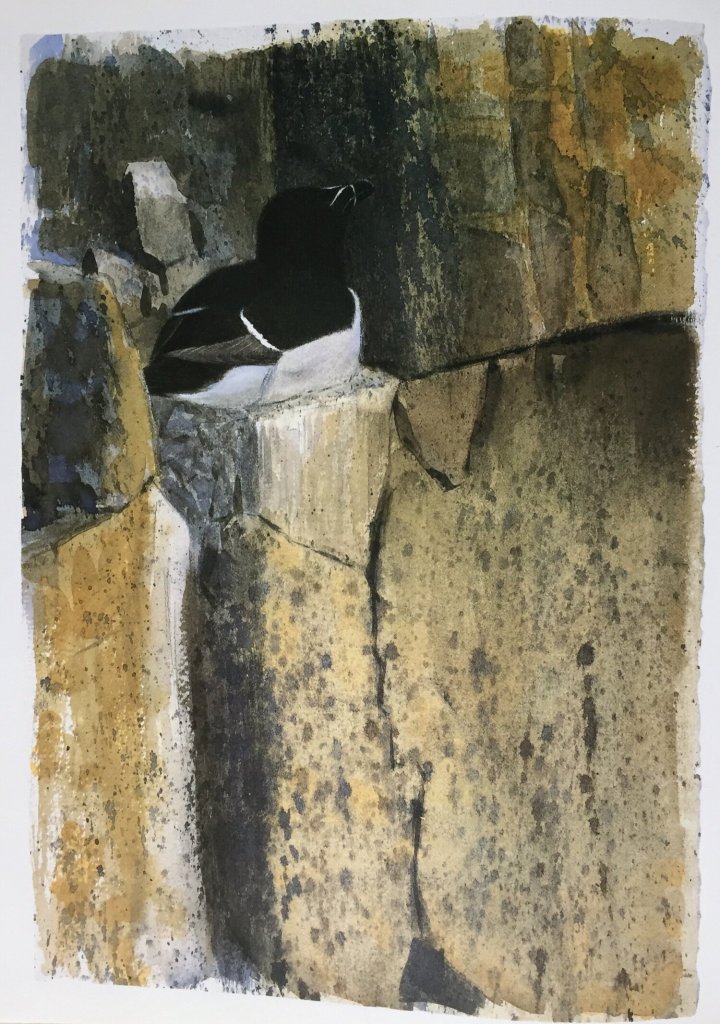
Darren Rees has painted wildlife for over thirty years now, and has also written a few books, some collaborative, some solo. He has won many awards, and if anyone reading this watched Chris Packham’s Bioblitz back in 2018, he was part of the team, producing artworks at every site visited.
I discovered Darren during Lockdown, where he was also part of the Self Isolating Bird Club team with Chris Packham and Megan McCubbin. During the strange times when we were forced to be at home, I really enjoyed the self isolating bird club – it made those long strange days enjoyable, and kept my birding love going when we couldn’t travel very far. in the self isolating bird club, Darren created a printable pack on how to sketch birds using shadows, which was really cool and fun to attempt and kept me and Bertie entertained for many hours!!
What is refreshing and important about his works is he makes them from life, as in he draws from things he actually sees, and then paints that sketch. I know that many artists work from photos or memory and his method makes it relatable to what you might see when out and about birdwatching.
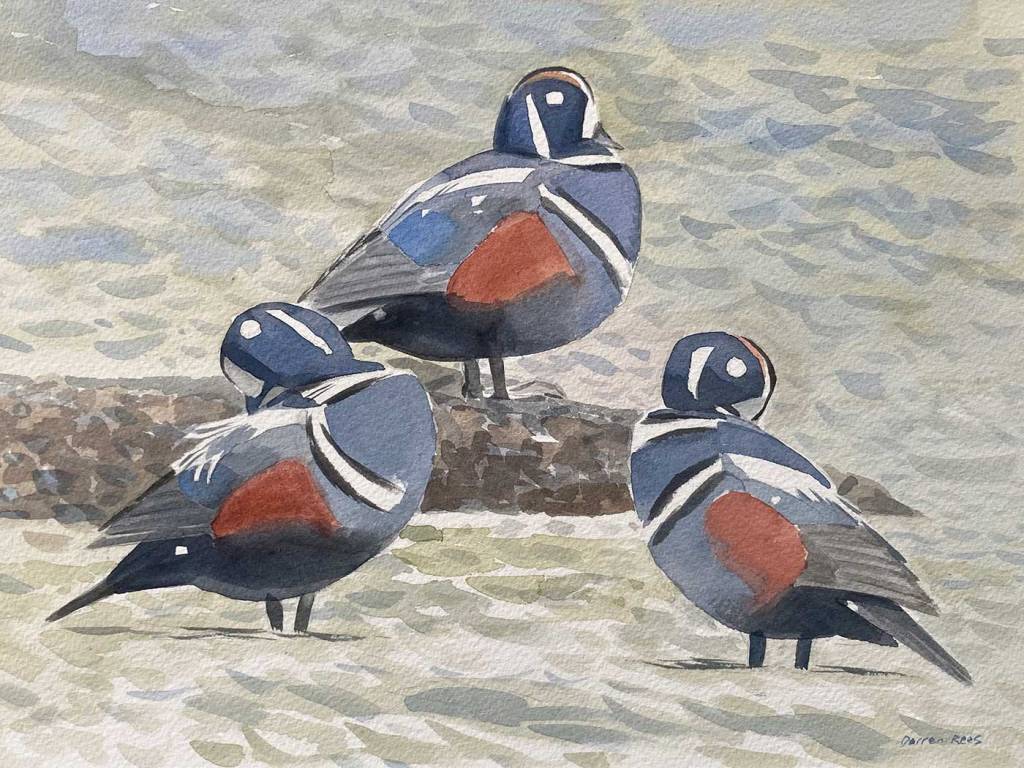
Harlequin Trio, by Darren Rees
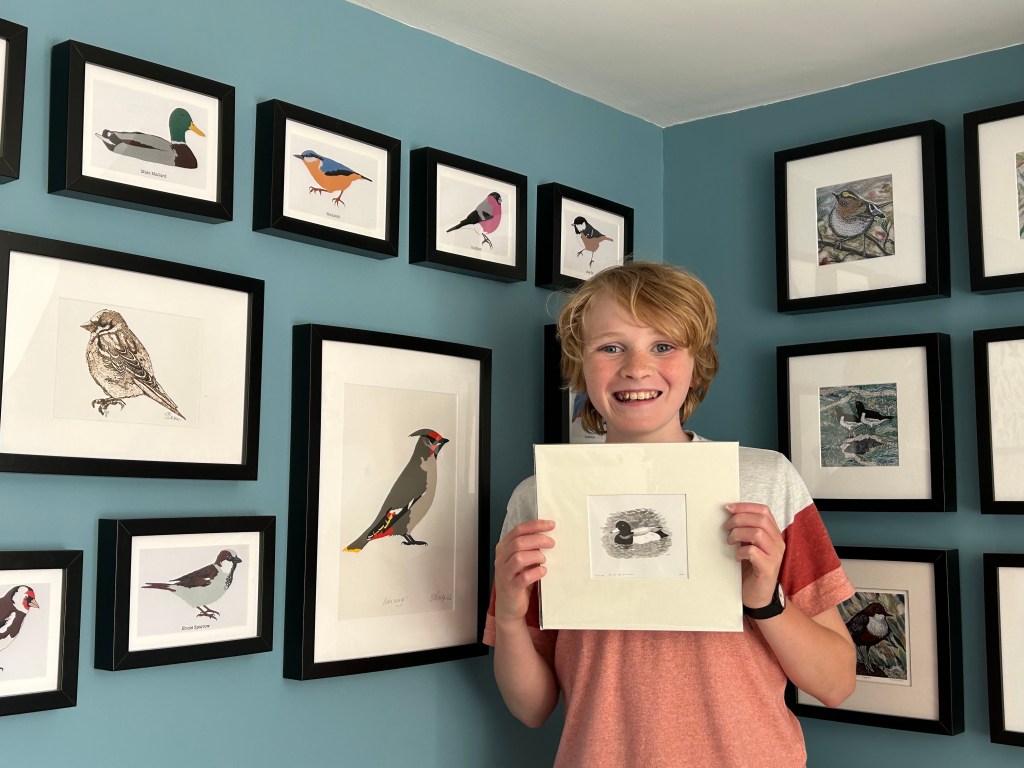
Whilst we chatted at Birdfair, we explained that while I was the keen birder, my brother Bertie was the resident artist in our house, and with that he reached under one of the display tables and brought out a metal box. Inside were many prints of the original sketches he had drawn to form a base for his works. And he took out two with a flourish and handed one to each of us! Bertie received an Egyptian Goose, and me a Greater Scaup. It was an incredible gift, that I was blown away to receive! I’m very excited to add it to my bird gallery in my bedroom – I think it will fit in very well!
So I told him about this blog, and we swapped cards and promised to keep in touch. He was brilliant to meet, and hopefully we bump into each other again in the future.
I will certainly be following Darren’s work – you can find him on Instagram at @darrenreesartist and visit his website at http://www.darrenrees.com.
Don’t forget you can also find me over on instagram at @theboveybirder