
Feeding
Feeding the birds is a great place to start, with a wide variety of birds to attract and also foods to choose from. Before you set up your feeding station, I would recommend scouting out your local area, and seeing what birds you can find near your garden. For example, if you count a good number of finches, you could try nyjer seed or sunflower hearts. What type of food can also depend on the season. In the colder months, suet balls and cakes provide much needed fat and energy for our avian friends, but others such as sunflower hearts can provide an oil rich snack for the breeding season.
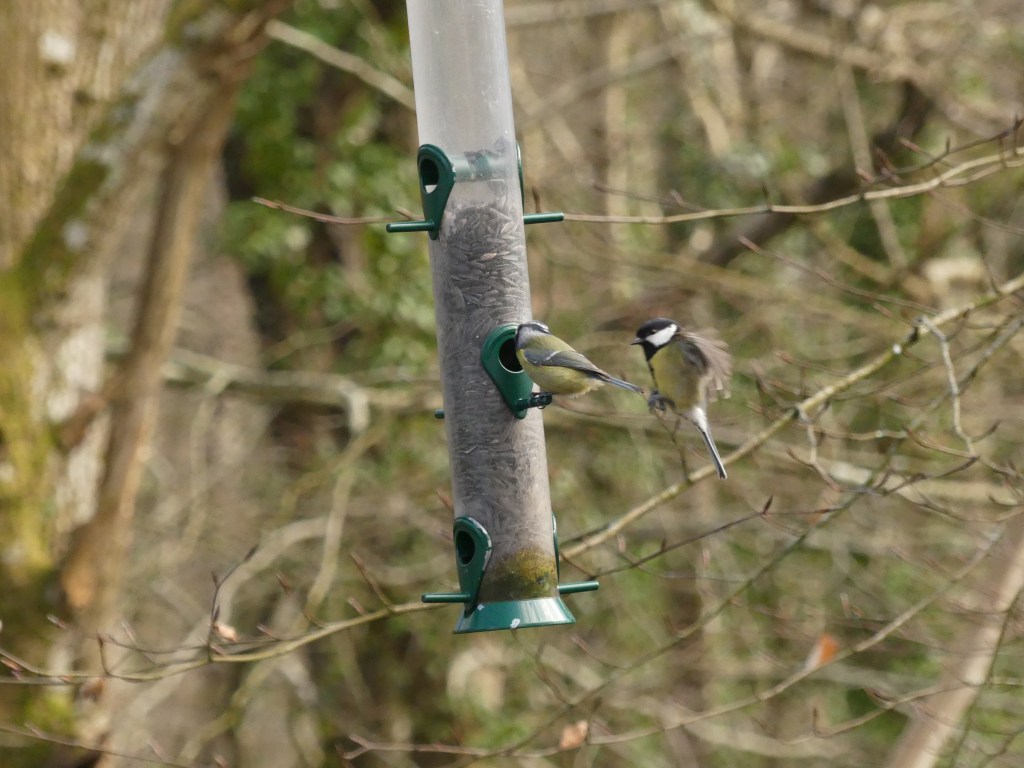
When you place your feeders, try not to position it right next to a fence or wall, and try to make sure that there is sufficient cover nearby. These measures can be taken to protect your feeders from squirrels and cats. Another tip I would like to share is if you are first starting out or have not fed for a while, only put out small amounts to begin with, as if the birds are unaware that the food source exists for a period of time, the food is likely to spoil. Remember to clean your feeders regularly, and putting out water is another great way to give your birds what they need. Remember to change the water regularly, and be prepared to break some ice in the winter!
Nestboxes
In the breeding season, putting out nestboxes can be a great way to grab an insight into the world of birds. The entire story can be watched live from your kitchen window, from visitations to the property, to the leap of faith known as fledging, you’ll never miss a thing! Different species have very different preferences, however. Some species will want to nest in cover, others will want to be up high and open. Some will want an open-fronted box, other prefer one with a single hole. Some species, such as House Sparrows, prefer to nest communally, while others such as robins can get very frustrated with neighbours. Its important to find the balance.
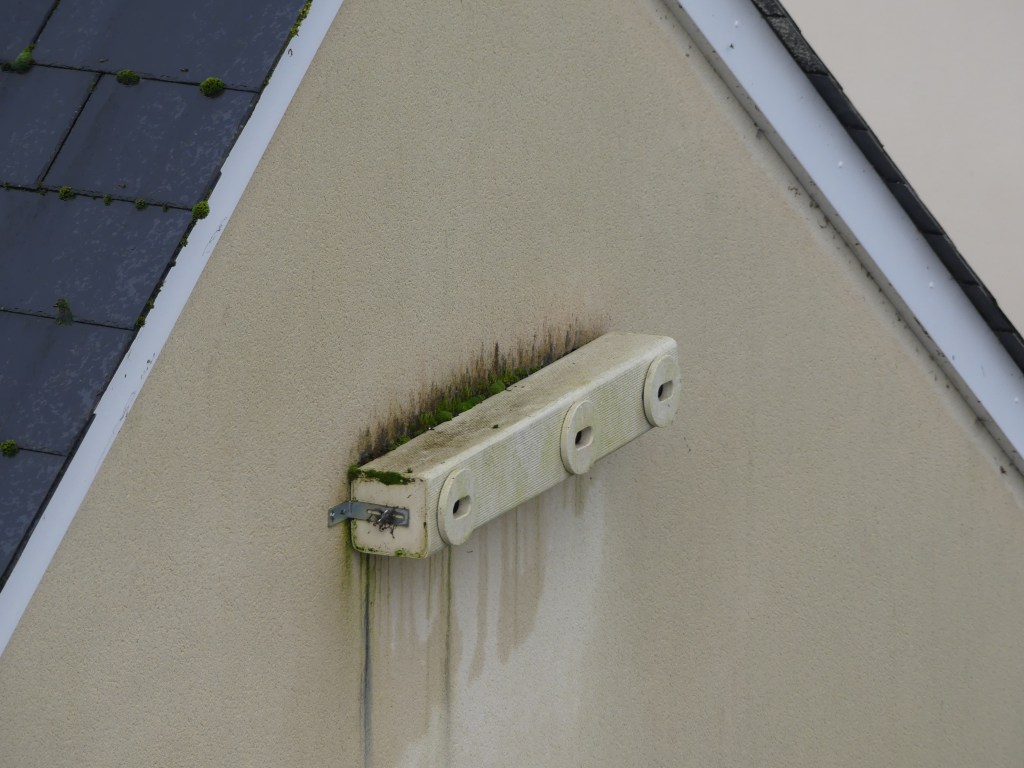
Its hard to believe how picky birds can get. Many even prefer a specific nest hole diameter! Its important not to place boxes in direct sunlight, and to make sure the roof is watertight. Remember to do your research on what birds you wish to attract, and to tailor your box to that species. Looking up particular needs is the most crucial part of nestboxes, remember!
Its hard to believe how picky birds can get. Many even prefer a specific nest hole diameter! Its important not to place boxes in direct sunlight, and to make sure the roof is watertight. Remember to do your research on what birds you wish to attract, and to tailor your box to that species. Tailoring to individual needs is the most crucial part of nestboxes, remember!
Planting
Plants are probably one of the easiest ways to attract birds to your garden, but it may not be as quick as say bird feeders. Before I carry on, the most important rule; PLANTS OR TREES SHOULD BE NATIVE TO THIS COUNTRY!!! (there are some exceptions). This is so important when planting for wildlife, as non-native species can easily take over and deny the native plants that were here first. Take Rhododendron, for example. It may be pretty, but among native plants and shrubs, it can truly take over if left unchecked, allowing little light and water to get through. They are not necessarily a bad thing, but its important to bear these things in mind.
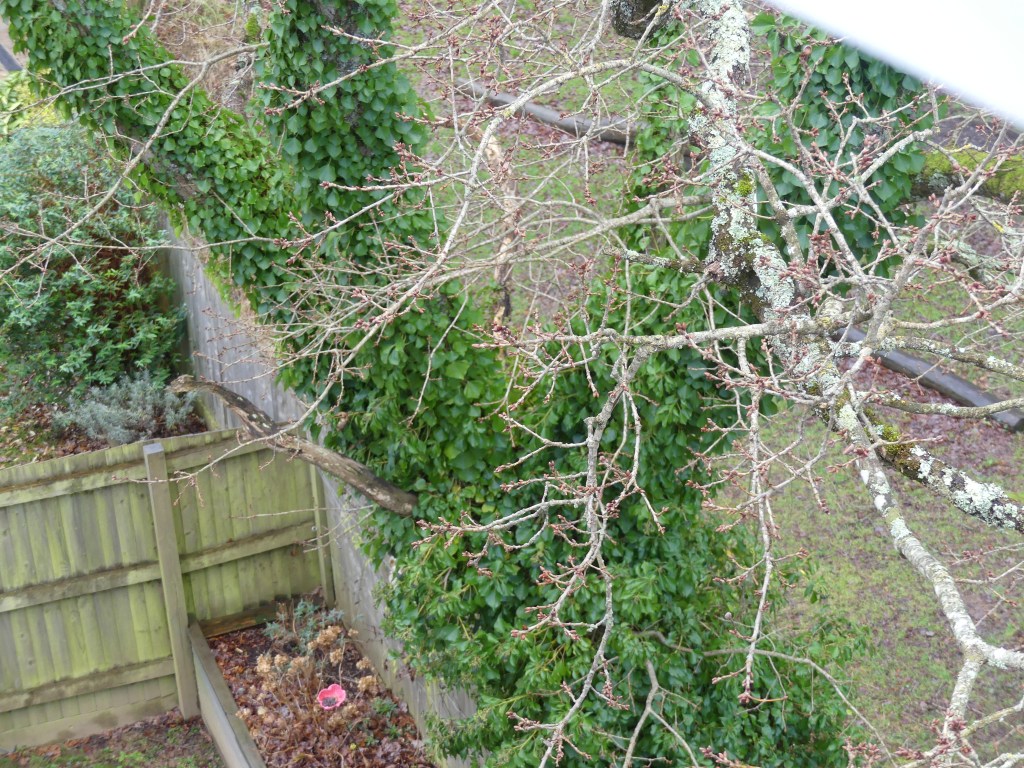
One of the best flowers may be a childhood memory for many (it certainly is for me!), and it is the sunflower. They’re great to plant with the children, and when the seeds come out, the birds will be queuing up to visit! As a plus, this is a great way to grow your own bird feed, as in the sunflower seeds is a great nutritious, oily food. Also, don’t hate the ivy! I’ve seen people tearing it off the trees, stamping on it and ripping it to shreds with secateurs. The truth is, it is one of THE most important plants for both birds and pollinators. It is one of the latest flowering plants, so therefore provides a great option for bees, butterflies and hoverflies just before the colder months, when lots of the usual supplements have gone to seed. IT DOES NOT STRANGLE TREES! GET THIS RIGHT PEOPLE!
Going Wild
Its always good to give nature some freedom in your garden. Try it. Cordon off a corner of your garden, and don’t take the lawnmower anywhere near it for a few months. You will be pleasantly surprised by the transformation. In the right hands, this corner of your garden could become your own patch of wildflower meadow, if you give it over to Mother Nature. Wildflower seeds are harmless, and can speed things up a little. But remember, NATIVE SPECIES! Poppies, Cornflowers and Teasel are always great, but make sure your choices are varied. And if the grass grows long, then great! More cover for birds, better habitat for pollinators and insects. What’s not to like?
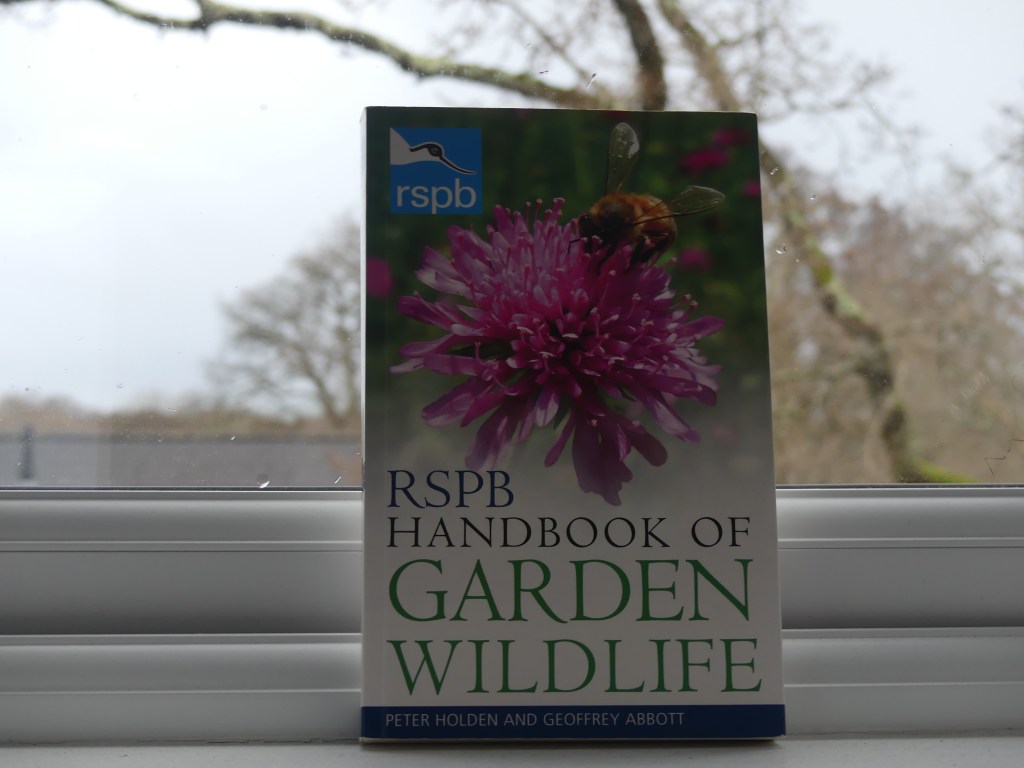
I hope this guide proves helpful, and if any if my facts need double-checking, leave a comment and I shall get to it right away. Do try some of these tactics, as they do work with a great success rate. Thank you!

