Invasive Species

In the corner of the garden lies a pond. At first glance, it appears modest and slightly shaded from the overhanging tree next door. But a cluster of tall, stout-stemmed plants clings to the far edge. Your eyes are immediately drawn to, not their unflattering bulbous joints, but to their dazzling pink flowerheads, resplendent and incongruous against the overcast English skies. And yes, the Himalayan Balsam is a stunning plant, and you can see why the Victorians introduced it to Britain in the first place.
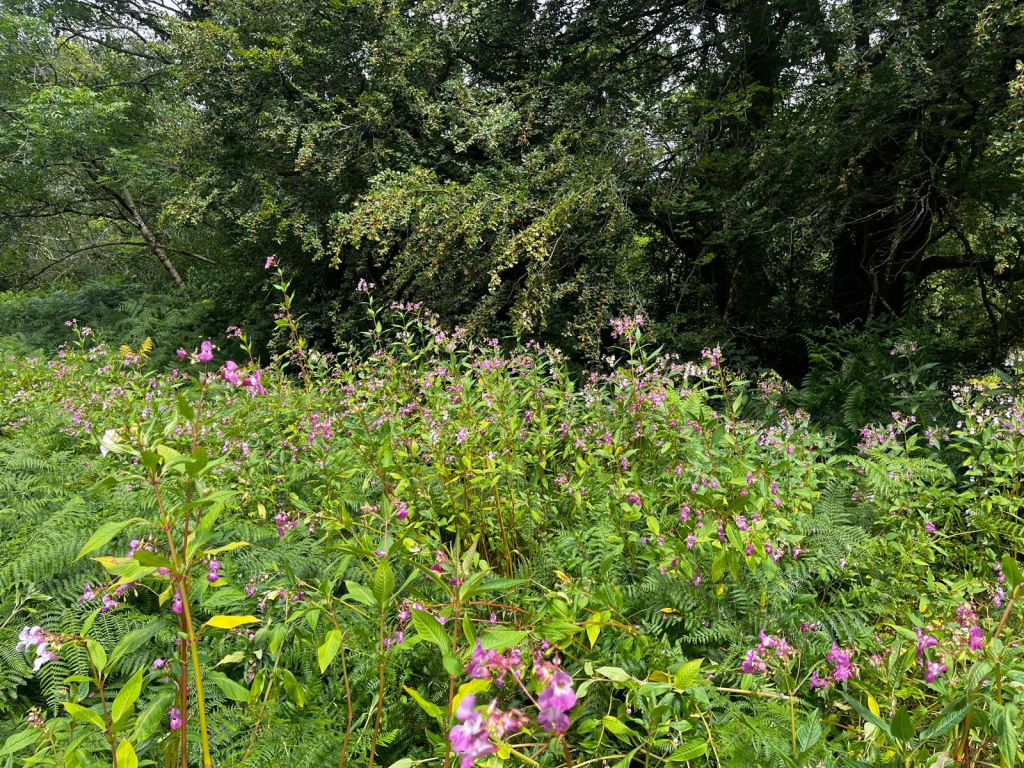
The sad truth is that it is an impostor, one that wreaks havoc for our waterways and native plant species. And it’s not alone, with around 2,000 non-native species having established breeding populations in the UK according to the Non-Native Species Secretariat. They’re not all negative, of course. Species like the Rabbit have been here long enough to have integrated into our environment and now play a key role in the maintenance of rare open habitats. And there are several positive stories of non-native species on our shores, one of which I guarantee you have never heard of and I can’t wait to tell you about. But I also have to cover some significantly negative invasive species in this blog, and ponder whether, in time, they ever really could become a functioning part of the UK’s mosaic of ecosystems.

In the past year or so, with the Dartmoor Youth Rangers, I’ve done a fair bit of volunteer work to remove invasive species, mostly Himalayan Balsam and Western Skunk Cabbage, which like the Balsam was introduced to the UK as an ornamental species for gardens, and escaped to aggressively dominate some of our fragile wetland habitats. Pulling up Balsam is an addictively satisfying practise; I highly recommend it to anybody who would like a less mainstream form of stress release.

They pull up with little resistance, and their scarlet roots, usually hidden in the soil, emerge looking like alien fingers. What gave me the idea for this blog was the amount of bees and wasps I saw feeding on the nectar from the plant. Initially it frustrated me; don’t pollinate what I’m trying to remove! But if it’s supporting so many of these pollinators, then might it have a place somewhere here, in much smaller and controlled numbers? And so I did some digging, deciding to write up a showcase of some of the UK’s most detrimental invasive species and see if I could find some benefits to them. I even threw in a completely positive one towards the end, just to keep you hooked!

Before we go any further, we need to come up with a definition for an invasive species. In light of this revelation, I propose ‘a non-native species that causes harm to or alters an environment, either negatively or positively’. The word invasive immediately screams of harmful connotations, but in this context it simply means it wouldn’t be here without human introduction. This can come in many forms, for example cagebirds or house plants. If they find a way to escape or simply spread out of their designated purpose or area, as it is their instinct to do, they often find they can multiply fairly rapidly, usually because they can outcompete a native species or have no natural predators here.

Starting off with a bang, I give you the American Signal Crayfish. Being honest, it’s a beastly thing and one I struggled to find any true benefits for. It was introduced to the UK in the 1970s for the restaurant industry, but their populations quickly grew out of hand, and heavy floods damaging enclosure ponds allowed them to crawl right into adjacent waterways. They’ve proved incredibly destructive, feeding voraciously on native fish and invertebrates. Their tunnels erode and undermine river banks, and more still, they spread a deadly plague to our native but hugely threatened White-Clawed Crayfish, who have halved in number since the 1970s, roughly the time when the Signal Crayfish were introduced.
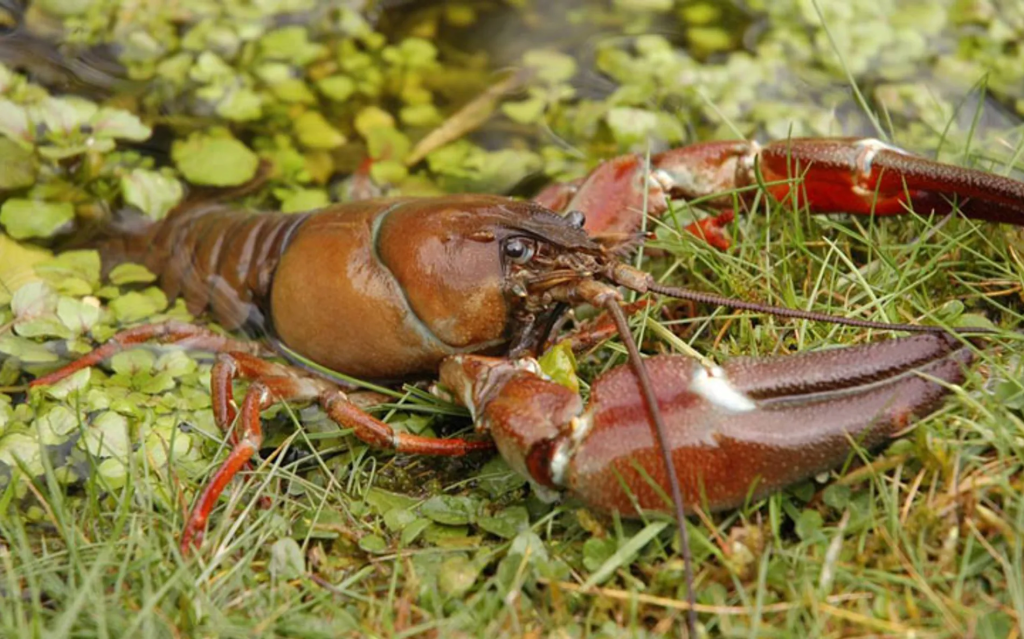
American Signal Crayfish (Photo Credit: Canal and River Trust)

If you’ve been paying attention, you’ll know at least a little about Himalayan Balsam. As the name suggests, the plant originates from Asia, where it is a highly successful species due to its ability to block out light for other species and eliminate competition. Frustratingly, it’s also very good at doing that here in the UK, after being introduced by the Victorians as an ornamental garden plant. Clustering along water edges, meadows and floodplains, it can entirely eliminate other native flowering plants such as Meadowsweet and Bluebells, posing a huge problem for many already struggling species. It’s also a perennial species, meaning that it dies back in the winter, and then you can properly realise the damage large swathes of Balsam can do; it leaves everything bare, devoid of life. And it has no chance to recover, because by the time native flowering species and even the grass itself begin to return in the Spring, the Balsam is already there and dominant.
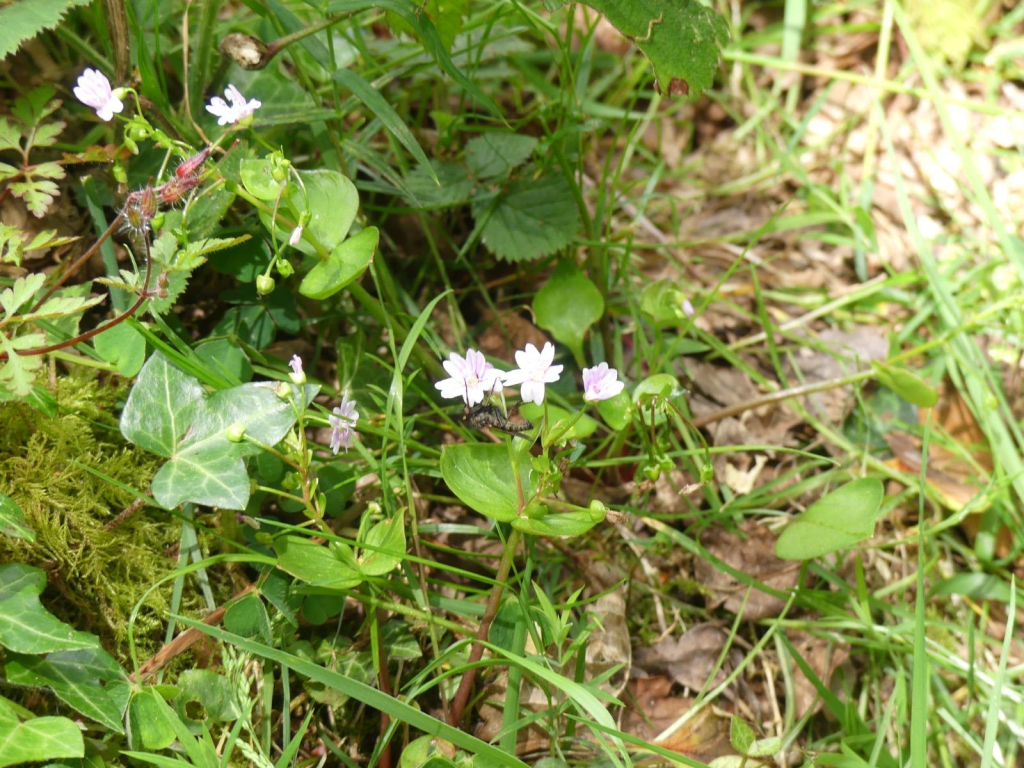
Blocking out light for native species such as these Herb Robert

When it dies back, it can even cause heavy erosion of riverbanks. Without roots of any kind in the ground, the soil is literally just balanced there, and with rivers rising with heavy rainfall in the colder months, it just gets pulled away. The eroded soil, carried on by the water, can choke aquatic habitats, bury fish spawn and alter the water depth, leaving fragile freshwater ecoystems in ruin. And this cycle continues without intervention, because the balsam’s seeds are also carried in that water, washing up all over the place and spreading this demonic species.

Now I’ll admit, it’s hard to find a silver lining in such an ecological mess, but as I mentioned earlier, the flowers do support our pollinators. They can produce massive amounts of nectar at faster rates than most of our native flowering species, and it flowers well into summer and autumn, when other food sources are dwindling for our struggling pollinator populations. The only problem with this is that conservationists believe that the balsam is distracting bees, butterflies, moths and other groups from our local flowers, ones we’ve grown up with like the Forget-Me-Not and the Cuckoo Flower; currently, thanks to the invasive Balsam, they’re not getting pollinated at the rates they should, and over time that could be highly damaging, not just to the flowers but for other species that rely on them, such as the Orange-Tip Butterfly, for whom the Cuckoo Flower is the foodplant of their caterpillars.
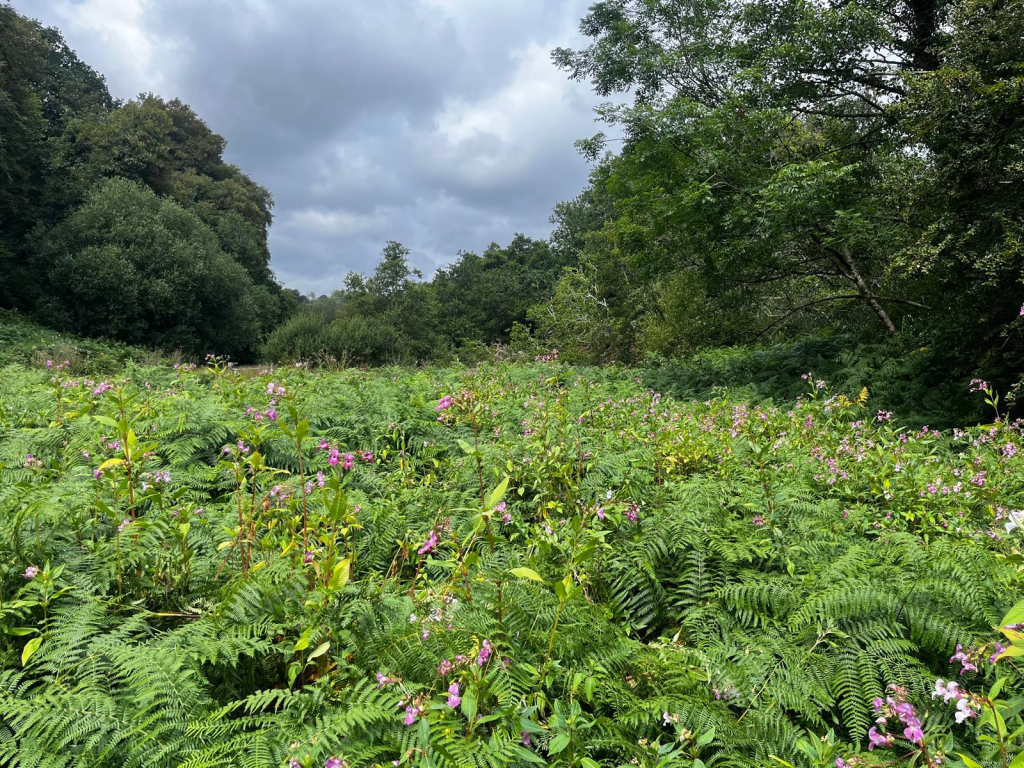
Don’t let the Balsam spread!

Moving on, most people in the UK will have some sort of connection with the Grey Squirrel. Shock horror, it’s North American and shouldn’t exactly be here, but to the Victorians (seeing a connection here?) they were considered fashionable and sought-after additions to manor gardens and parks. It’s very hard to imagine them being a status symbol today, for the obvious reason that they are almost everywhere. In fact, there are around 2.7 million living here, almost as many as the 3.5 million Red Squirrels that once called these shores home. Now there are between 140,000 and 290,000 of these cuter, much less destructive squirrels left, having been driven by the savage and intimidating Greys to the edges of their range here, for example in Scotland, on the Isle of Wight and the Isle of Man.

So, just how did they do it? The bigger, stronger Greys outcompete the Reds for just about everything. They eat all the acorns while they’re still green, while the Reds have to wait until the food matures; the Greys carry the squirrelpox virus, which is almost entirely fatal to their rusty cousins; and the Greys are needlessly destructive, stripping the bark from broadleaf trees to feed on the inner layers, and this will often consign the tree to its death. On a side note, they can also create standing deadwood through this process, benefitting many insects and species like the Lesser Spotted Woodpecker. But, to summarise, by simply existing in the wrong place, the Greys have caused huge amounts of damage, that currently it’s hard to imagine we can fully reverse.

Onto a species whose being here makes even less sense at first glance than the Squirrels, the Ring-Necked Parakeet. That’s right, Parakeets. In London. While you let that sink in, let me tell you exactly how this came to fruition. To be honest, it’s probably more obvious than it seems! Native to central Africa and South Asia, they were brought over as cagebirds and pets in the 1960s, and escaped through random, erratic releases throughout the late 1900s. Since then their numbers have grown to over 30,000 according to the BTO, with our increasingly mild winters and plentiful urban food aiding their meteoric rise. Recently they have been showing signs of spread, with sightings as far north as Manchester and Newcastle. So, why are they considered invasive, apart from the fact that they shouldn’t really be here? Well, have you ever seen a Parakeet on a bird feeder? As unwieldy and unflattering as they look hanging from a cylinder slung over a tree branch, they tend to dominate feeding stations where they’re present, and often outcompete species such as the Nuthatch and the Great Spotted Woodpecker for increasingly scarce tree-hole nesting sites. They’re also considered an agricultural pest in some areas, with flocks of the birds moving through and demolishing fruit orchards and crops.

However, they do directly benefit a couple of species, one of which being what I believe is the most overlooked species of bird in the UK. In case you forgot about it, it is, of course, the Stock Dove. By enlarging existing tree holes and cavities for themselves, the Parakeets also create more suitable nesting habitat for the Doves. Any birds breeding near a Parakeet nest would also benefit from their obsessive mobbing of potential predators, and when you really think about it, these Parakeets are rather imposing birds when chasing after you, screeching and squawking their heads off.

And finally, I told you I’d have an entirely positive invader, although this one’s slightly different. The Azolla Weevil was introduced to the UK by ecologists themselves, in order to control another, more damaging invasive species. The Water Fern, whose thick red and green surfaces carpet bodies of water, can deoxygenate the water and suffocate fish, invertebrates and water plants. There are even several cases of livestock mistaking large swathes of the plant for solid ground, stepping onto it and falling into deep water. The Weevil’s release and populations are strictly controlled by the Environmental Agency, but it is still highly effective in controlling the Water Fern numbers, as, back home, it’s sole food plant is the latter. Without the use of damaging chemicals and pesticides, the risk of harming the ecosystem is low. A positive invasive species then!
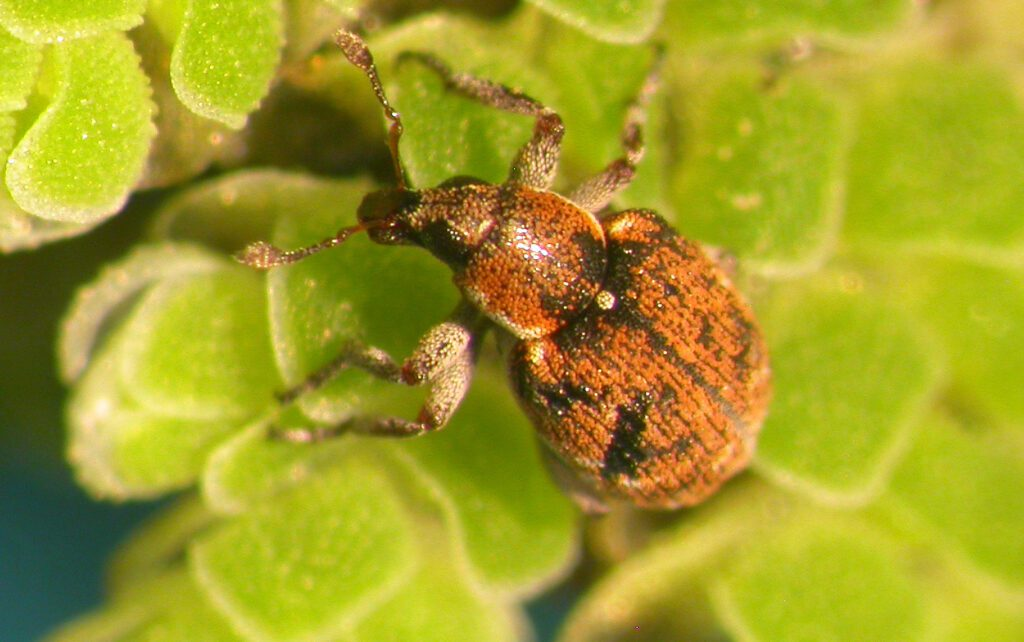
Azolla Weevil (photo credit: CABI)

All of the species I’ve showcased here, with the exception of the Azolla Weevil, are highly damaging to our ecosystems and native wildlife, despite any benefits and positive effects they may have on the side. Invasive species in the UK are controlled through a number of methods, such as widespread trapping for creatures like the Grey Squirrel and mass hand pulling, often by volunteers, for plant species with shallow roots, such as Himalayan Balsam. Most of these species will likely never be fully eradicated from our shores; regrettably, that ship has sailed. But we can signifcantly control their negative impacts through methods such as these.

Due to Climate Change, Britain can expect, especially in the south, to an increasingly warm climate within the next few decades, not dissimilar to that of the Mediterranean. Naturally, species that traditionally are adapted to living in these sorts of environments such as the Holm Oak and the Bee-Eater are likely to, and in some cases have already begun, colonising. Meanwhile, traditionally migratory species such as the Swallow have already begun to take advantage of our milder winters, with several individuals having been found to overwinter in Cornwall in recent years. There’s going to be a lot more competition for our native species soon, and some of them are likely to be pushed out of certain areas. My reasons for ending on this point is that these new arrivals could have an effect rather similar to what invasive species are doing here at the minute. One thing’s for sure, the next few decades are going to be very interesting for our biodiversity.
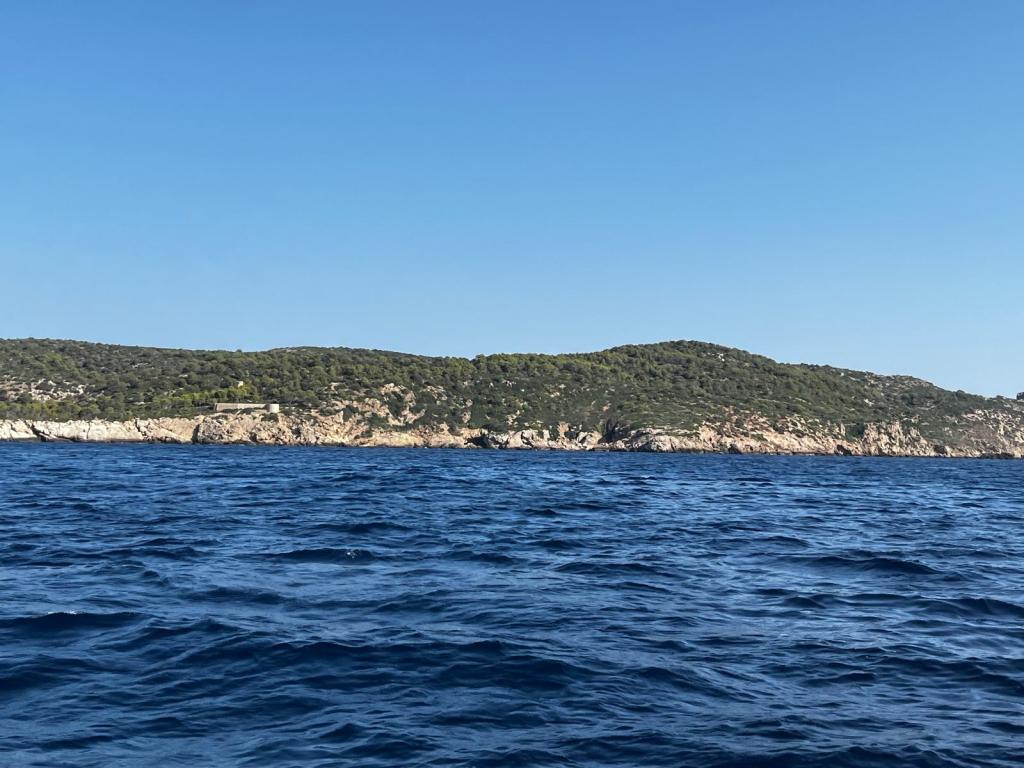
Parc Natural Sa Dragonera

Named for it’s shape akin to that of a certain mythical creature, Dragonera lies off the south-west coast of Mallorca, a stones throw from the picturesque coastal Balearic town of Sant Elm. It’s roots run deep into it’s rugged, uninhabited cliffs, and it’s relationship with people has proven rather complicated over the years. But it’s a major hotspot for biodiversity, hosting over 361 species of plant and endemic animals galore. Welcome to the Dragon Isle.

The Dragon Isle

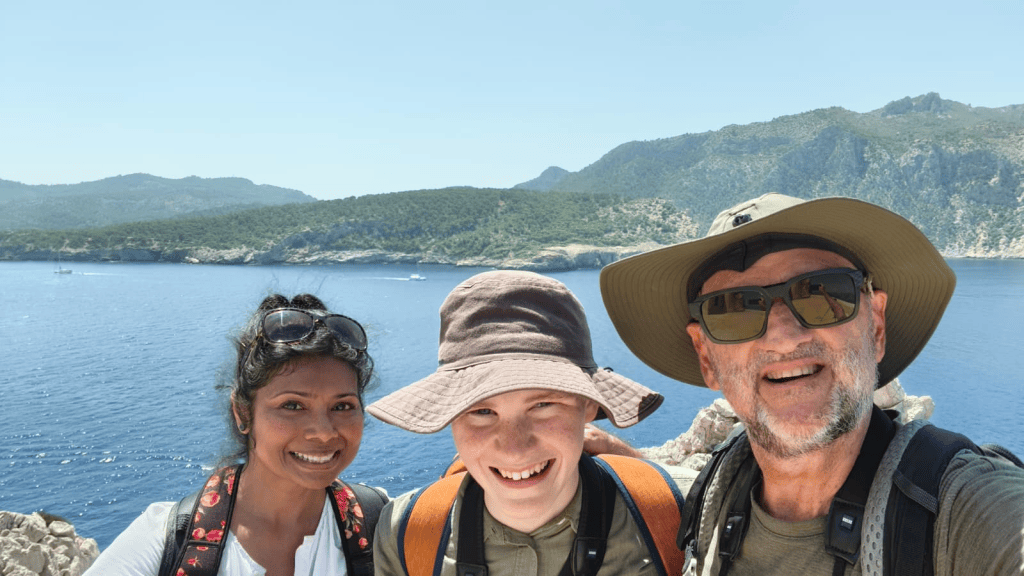
To give some context after what I hope was quite a dramatic entrance to this blog, I’ve recently returned from a family holiday in Mallorca, where I’ve done my best to make the most of some of the brilliant birding on offer. Whether that’s photographing the many juvenile Mediterranean Flycatchers around our villa or traversing mountain ranges in search of vultures, it was a blast. And on the last full day of our trip, I was lucky enough to strike out via a 15 minute boat trip for a spot that’s been on my bucket list for years now, ready to dive into this amazing place alongside my old friend Pere Tomàs of Mallorca Nature Tours, and the brilliant Tahmina Watson.

Tahmina, me and Pere

As I’ve mentioned, the island’s history is long, sometimes treacherous and deeply intrigueing. From the 16th to the 18th centuries, the island was used as a hideout for pirates and smugglers, the perfect pinpoint from which to target Mallorca’s main trading harbour, Port de Palma. The island has also hosted three historic lighthouses, two of which are active currently. These have proved crucial lifelines since their construction and remain so for ships passing through the surrounding seas, especially in perilous weather conditions.

The original lighthouse was built at the peak of Na Pópia, the highest point of the island, reaching heights of around 350-360 metres above sea level. It was dismantled in 1910, and far vell (the old lighthouse) still remains a popular destination for hikers taking the trail to the summit. Llebeig, at the southwestern tip of the island, was constructed between 1905 and 1910, alongside Tramuntana, built between 1907 and 1910, on the northern point. This was done because far vell, at the time the highest lighthouse in Spain, had its light constantly blocked from the view of ships by mist and fog.

Then, in 1974, the island was bought by a private company looking to turn it into a luxury resort. Naturally, there was lots of opposition to this from the ecology sector, with the island being a crucial stronghold for so many different species. So much so, that in 1977, the island started being occupied by activists and ecologists to protest the development. Their food and water shipments, provided by local fishermen, were even cut off at one point by the Guardia Civil. But the community was unmoved, and the Consell de Mallorca eventually bought it in 1987, declaring it a Natural Park in 1995. The duel for Dragonera is now considered the birthplace of modern Balearic activism and environmentalism, and just goes to show what a determined group of people can do in the name of conservation.

Today, the island and surrounding marine protected area support all manner of flora and fauna, with pressure on the delicate ecosystem minimised by the Parc’s rule of only 150 people being allowed on the island at a time. It’s sheer coastal cliffs and rocky sloped landscapes provide a home for animals such as the unique Dragonera Lilford’s Wall Lizard subspecies (more on them later, they’re really cool), Eleonora’s Falcon and Balearic Shearwater in the breeding season, Shag and Audouin’s Gull, while the seagrass meadows and coral surrounding the island host hugely diverse fish and invertebrate populations.

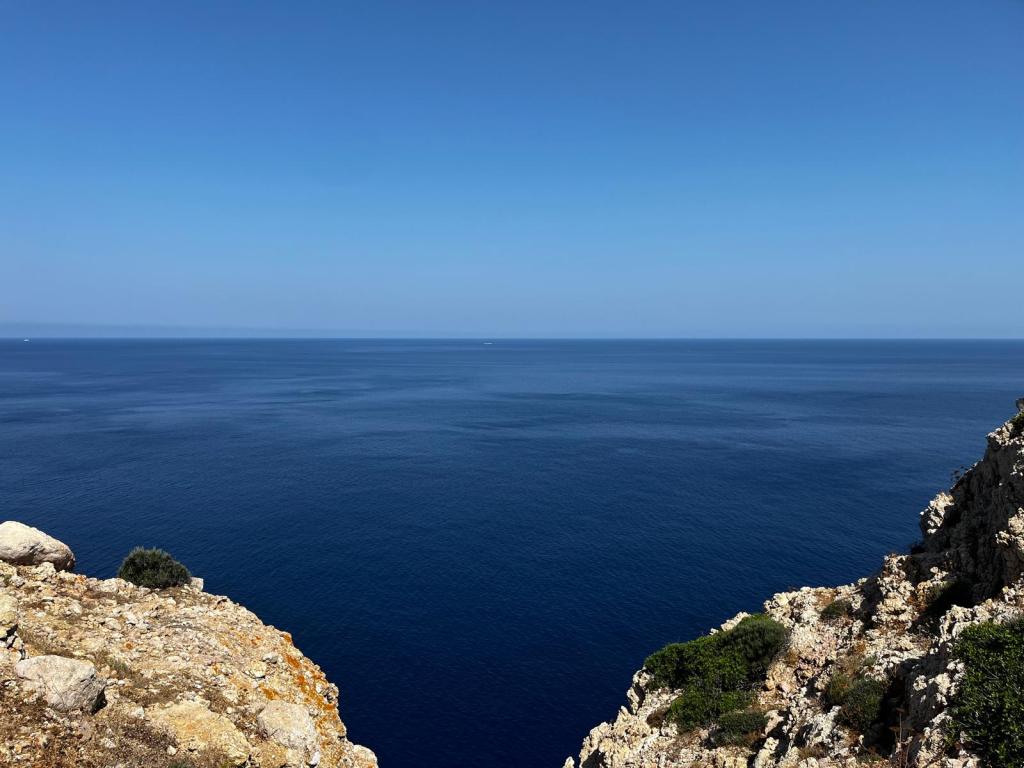
What a view!

The Mediterranean scrub and resilient, stunted trees that cover the island also host species like the Balearic Warbler, a notoriously shy bird and many, many Mediterranean Flycatchers. The island is also a crucial stopover for migratory birds making their way between Europe and Africa in Spring and Autumn, and can see a huge variety of species make their way through on passage.

But the Natural Park doesn’t just carry benefits for the wildlife. The Marine Protected Area creates crystal-clear water all around the area and decreasing pollution. The island is also great for hikers, with several routes of varying difficulty traversing the island. It’s incredible, panoramic views of the surrounding seas and coastline are a hook for locals and tourists alike, and the island being vehicle free brings cleaner air and more space for nature. The very existence of the Natural Park is a monument to a massive local civic triumph, and there are many structural remnants on the island which hold the key to some historical heritage.

So, Dragonera’s a win-win for all of us, but especially the endemic species it supports. The word endemic means a species or subspecies that can’t be found anywhere else in the world, and Dragonera is a haven for not just plants and animals endemic to the Balearics, but also a select few endemic to just the island. The explanation for this is that geographical isolation has caused the flora and fauna of Dragonera to develop specific and unique traits.

For example, Dragonera hosts 361 species of plants, 18 of which are endemic to the Balearics. A large proportion of these have been forced to adapt to the windy, sea-salt-filled conditions, especially those around the cliffs. Intensive conservation projects, such as the eradication of invasive mice and rats from the island in 2011, led to the resident Lilford’s Wall Lizards (Dragonera subspecies) gaining some very curious tendencies. Breeding seabird populations, such as that of the endemic Balearic Shearwater, also boomed as a result of the project, demonstrating the impact invasive species can have and how nature can thrive with their removal.

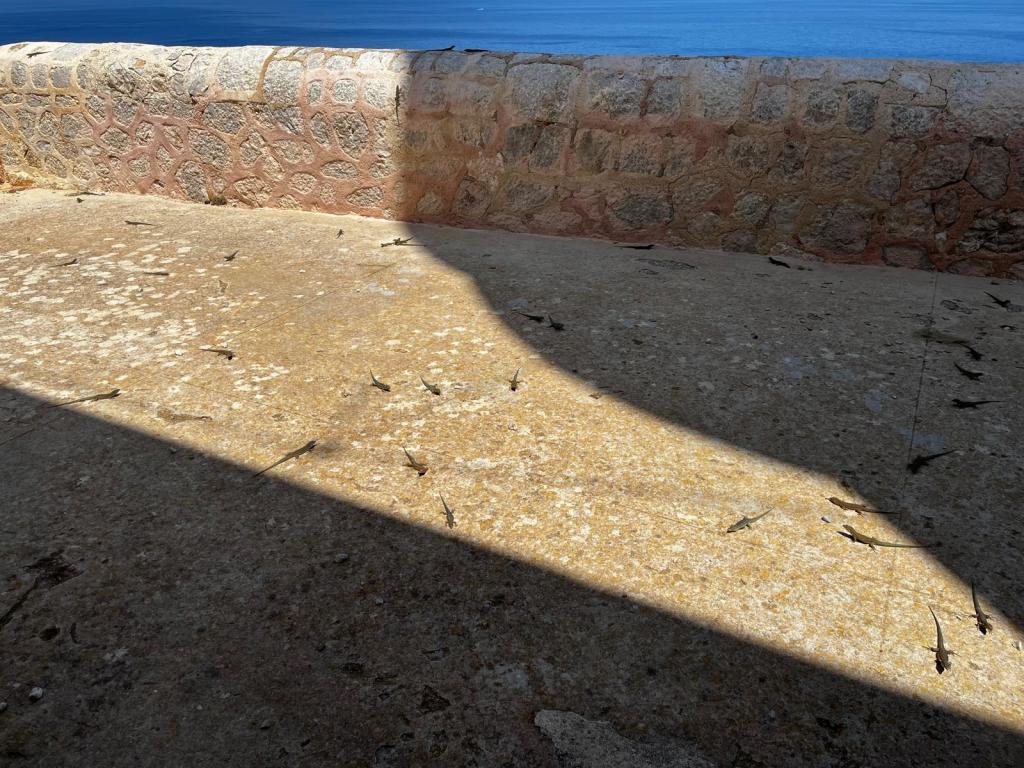
Lizards everywhere!

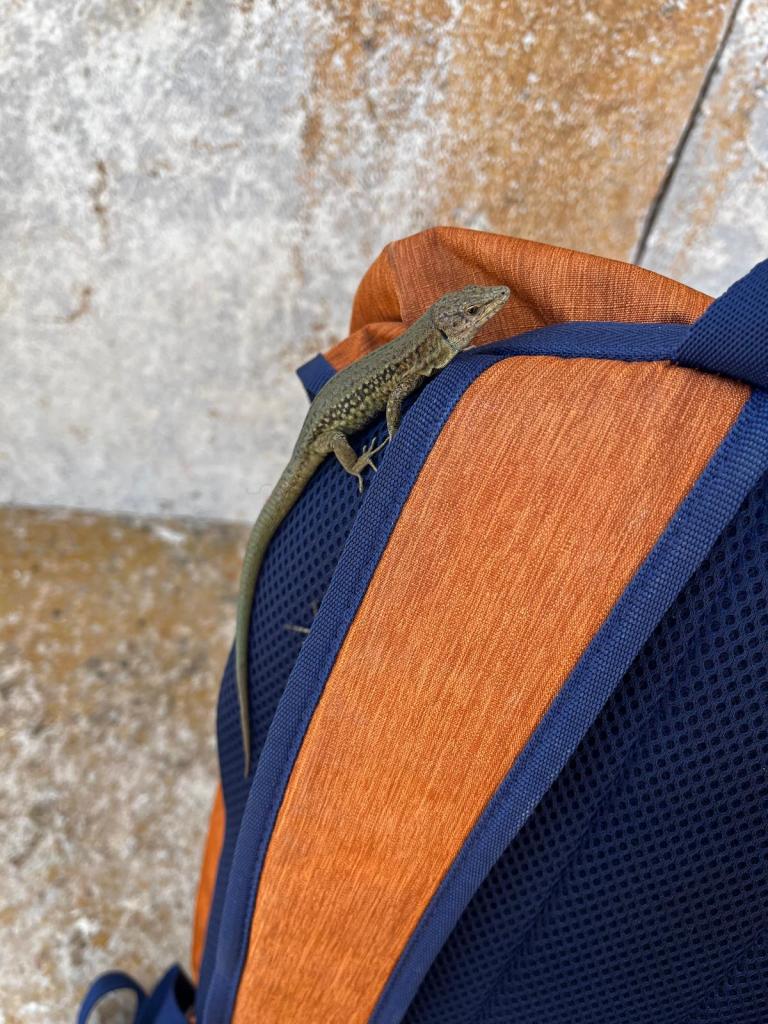
A bit more on those Lizards, then. As I’ve mentioned, Dragonera hosts a unique subspecies of Lilford’s Wall Lizard (Podarcis lilfordi gigliolii), and they are among some of the most curious wild animals I have ever come across. With no natural predators on the island, they don’t fear human visitors either, and during our lunch stop at Llebeig lighthouse, they were everywhere. Dozens of them, crawling over our feet and bags. I had to keep mine tightly zipped closed, or else I might get back on the boat later with a rare lizard on me! These charismatic reptiles evolved from the original Lilford’s Wall Lizard, which went extinct on mainland Mallorca with the introduction of feral cats and rats. As a result, each island has its own subspecies, having been genetically isolated for over two thousand years.

Hello there!

There are also two Shearwater species that nest within the Natural Park, the endemic Balearic Shearwater and the larger Scopoli’s. The Balearics are critically endangered, with roughly 1800 to 3000 breeding pairs remaining. They nest on the rugged cliffs around Dragonera, feeding in the marine protected area and surrounding waters. In winter, however, they become a largely pelagic species, spending their time out at sea in the northeast Atlantic and the English Channel, resulting in many sightings in UK waters during the colder months. The larger Scopoli’s feeds out on the open sea during the breeding season, and nests on a smaller island close to the Sant Elm Harbour. It also happened to be the only lifer of the day’s trip for me, with one flashing right by the boat on our way back to the mainland. Just to clarify, the Balearics had already finished breeding and left out to sea, so it was just the Scopoli’s around when we were there.

Dragonera also hosts one of the largest breeding colonies of Eleonora’s Falcon in the Mediterranean. These amazing raptors arrive to breed during late summer to nest on the limestone cliffs. They tend to arrive around July and August, raising their young until October. You’re probably thinking that, compared to most birds, this is a strangely timed breeding season, but that’s the genius of it. Colonies perfectly time the hatching of their chicks with the passerine migration season, changing their diet from insects and giving the falcons a bounty of prey passing through with which to raise their young. They’re among the more social of raptors, engaging in social mobbing of potential predators around their colonies and nesting just metres away from each other. Don’t let that fool you, though; they defend these small territories fiercely!

For my final species spotlight sort of paragraph, I give you the Balearic Warbler. Can’t see it? Don’t worry, we didn’t either. It’s one of the hardest birds to see in Europe, not just because you have to travel to Mallorca, but because of its shy, skulking nature. Pere told stories of birders who had noticed a possible warbler fly into a bush, and stand by that same area for over an hour, seeing nothing. Dragonera, however, is one of the best places to see it, although the time of year of our visit was hardly perfect. The birds wouldn’t be singing anymore, and we could search every bit of scrub on the island and still not see anything. We’d have to rely on luck, which sadly we had little of that day.

Mine, Pere’s and Tahmina’s trip to Dragonera together was, quite possibly, one of the most amazing days I’ve had birding. The breathtaking landscape, the panoramic views and the lizards, combined with some great views of Eleonora’s Falcon and Scopoli’s Shearwater, made for a great time. Mallorca Nature Tours, Pere’s company, run tours like this to sites all over the island, and we’ve never not had a good time together yet. I highly recommend you look him up if you’re ever headed out there; tell him Henry sent you!

A Nature Walk and a Natter

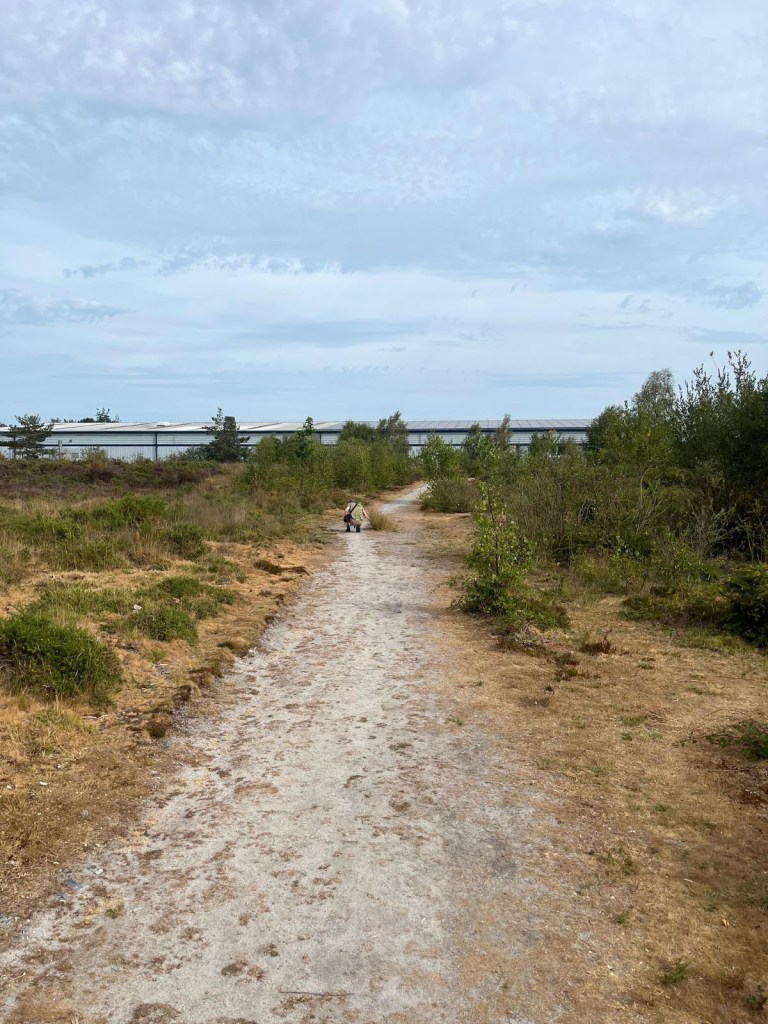
A nature walk with young children is guaranteed to feel really special. Those were my thoughts, anyway, after our walk around Bovey Heathfield. A few days ago, I was lucky enough to be asked to help lead a nature walk for young families, organised by Better Places and the Devon Wildlife Trust. It was my first time being involved in an event like this, and I left with not just valuable experience, but a feeling of wanting to do more. So, here’s the story of how I found that feeling.

To begin with, I’m sure you’ve read somewhere over the past few years that slowing down and connecting with nature can be hugely beneficial for us. Scientific studies have shown that it can directly improve both our mental and physical well-being, lower stress and anxiety, and can boost our resilience and attention spans. And this understanding and interest in the natural environment is best to be fostered young, because that emotional attachment to it can amplify these kinds of traits, so sought-after in this busy modern world, later in life.

Immersed in nature, time tends to slow down and become less of a burden on our daily lives. You take a walk to your local lake or woods, tell yourself you’re just going to be quick, and then stroll right out of there with a huge grin on your face and less weight on your shoulders, an hour later than you told yourself you would leave. You’re slightly poorer in time, but emotionally richer. The time you’ve just spent releases more dopamine and serotonin (the happy hormones) than any doomscroll can, at a steadier rate. No spikes to leave you down in the dumps afterwards.

During the nature walk, you could see in people’s faces and body language just how relaxed they were. Sure, it took a few minutes to set in, but for the children crouching in gorse searching for Seven-Spot Ladybirds and Nursery Web Spiders, and for the parents chatting away happily as they watch their kids lose themselves in exploration and discovery, the positive effects would have been endless. It was amazing to be able to give people this feeling, all while showing them the dimension that I’ve loved since, well, forever.

Our group spent a happy hour ambling about the heath, a section of one of the UK’s rarest habitats that was home to so many scarce and rare species. I didn’t expect the avalanche of enthusiastic questions I received, and teaching young faces about some of my favourite species in an impromptu gorse-ringed classroom is an experience I recommend everyone should try in their lifetime.

It brought back memories of when I was that age, rushing about, searching for birds, insects, anything I could find and either happily watch or meticulously examine. You don’t expect to, but you find yourself learning from your students. In today’s society, it’s a common misconception that you can only learn from those older, smarter or with more life experience than you, but this simply isn’t true.

I think it’s safe to say that I’m not the most social of people. Luckily for me, these events are the kind of places I thrive in, knowing that people will respect me and listen to what I have to say. But that goes both ways, and it was incredible to speak to those who came along, young and old. Your creativity and enthusiasm really came to the fore, and through that, I’m sure I’m not the only one who felt their confidence and social connection increase as well.

Thanks so much to everyone who came along and made the walk so special. As I’ve mentioned, it was organised by Better Places and the Devon Wildlife Trust, the former of which have created an amazing schedule of events for young families during the school holidays, around Bovey and beyond. Local Wildlife Trusts volunteer groups such as the Bovey Tracey Local Group, also run walks, workshops and other activities, both for children and adults, aimed at any ability or knowledge level. I highly recommend you check these out!

Mountain Management in Mallorca

The Black (or Cinereous) Vulture is Europe’s largest raptor, and an iconic species in Mallorca. It thrives in the northwest mountain range, the Serra de Tramuntana, and has recently been showing signs of expansion in its breeding range, putting the exclamation point on an awe-inspiring conservation success story that brought the birds back from the brink of Balearic extinction. Human activity, changes in our habits and management have helped hugely, but not just with the vulture. Many other species, from the Bonelli’s Eagle to Iberian Water Frogs, have indirectly benefitted hugely from measures put in place with the Black Vulture in mind. So just how have they done it? 

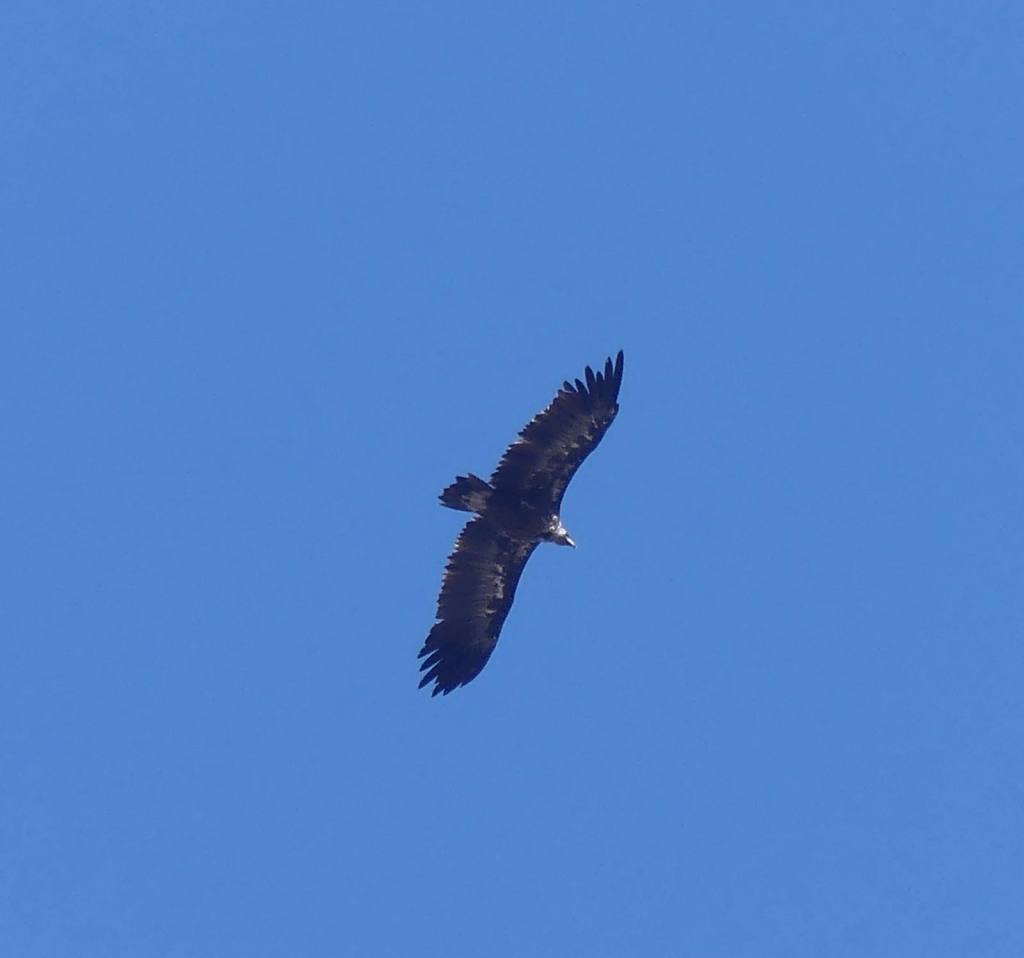
A slightly tattered Black Vulture

To give some context, I recently visited Mallorca for a family holiday, and we have been regularly for a few years now. I always try to get as much birding in as possible, and this time was no different. Mallorca is famed for hosting the only island-based breeding population of Black Vulture in the world, and true to form we saw several, both above the villa we were staying in and out birding in the mountains with my good friend, the incredibly knowledgeable Pere Tomás of Mallorca Nature Tours. We even saw one being mobbed by a seemingly tiny (in comparison) Booted Eagle, and the size difference alone was enough to make you fear for the pale-morph eagle’s safety. Luckily for it though, it came up against a gentle, scavenging behemoth. Black Vultures are an amazing species and have intrigued me since I first laid eyes on one. 

So, a bit more on this majestic bird. It boasts (I can’t imagine this raptor being anything but humble however; leave that to the Griffon Vultures) a wingspan of almost 3 metres, which is taller than my dad. It can also weigh up to 14kg, about as heavy as a large kitchen microwave. They scavenge and feed on carcasses of animals, in Mallorca largely wild goats and the occasional sheep. They’re crucial to the ecosystem, acting as cleaners to prevent the spread of disease and maintain natural beauty. After all, tourism would greatly decrease if there were dead, rotting things everywhere.  

They’re even the tidiest vulture on the island, taking care not to get their majestic, feathered necks sticky with blood while feeding, which could impede their flight. Their size lends them a big advantage too, often being the first bird to begin their meal. Ravens, Griffon Vultures, Kites and Gulls wait patiently for their turn while the Black feeds; when, and only when, they’ve had their fill, they stalk off to digest their meal (vultures have a slower metabolism than most birds of prey, as the timing of their meals are unpredictable and can be days apart), in plunge the bare-necked Griffons, not afraid to get their skin coated in blood and gore. 

As I’ve mentioned, Mallorca hosts the world’s only island-based breeding population of these birds. As such, farmers and goat cullers in the north of the island will sometimes leave carcasses for the vultures to deal with, which suits them very well. They numbered just 20 birds on the island in the 1980s according to the Vulture Conservation Foundation (VCF), declining heavily due to them inadvertently feeding on illegally poisoned bait left by farmers to kill foxes and feral dogs. It’s the equivalent of leaving a highly venomous and aggravated snake in the green bin for the binmen, but who in their right mind would do that? This was a reactionary measure taken to protect livestock, and it was even believed that the vultures themselves would take live lambs and calves! Luckily, this theory has been widely disproved, and today many landowners and farmers respect the vultures for their role in the ecosystem.  

Going back to the vulture’s decline, it was important that the birds didn’t disappear from the island, for such reasons as their crucial role as environmental cleaners, and to preserve a unique natural heritage. These vultures had lived on the island for 5 million years, seeing millennia come and go. Losing them would carve a jagged hole in the heart of Mallorca’s proud history. Illegal poisoning on the island was controlled, and according to the VCF is now unheard of here. Furthermore, feeding stations were set up to support the species’ recovery, and then between 1984-1992, 35 Vultures from captive-breeding programmes in zoos around the world were released, boosting the population at a critical time. This project even led to the founding of the Black Vulture Captive Breeding Network, which helps reverse declines in other Black Vulture populations across Europe. The Black Vulture is now thriving on Mallorca, with between 300-400 individuals calling the island home and around 35 breeding pairs in the Serra de Tramuntana according to the VCF, and it goes to show just what can be achieved when conservationists, governments and local people band together with a common goal. 

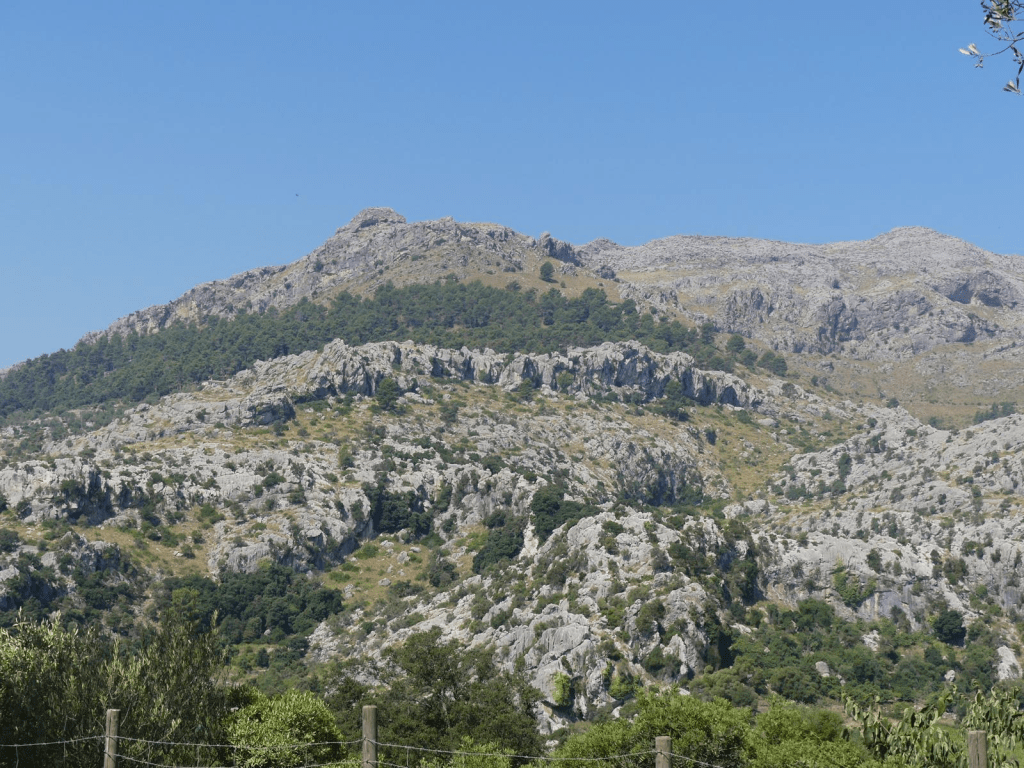
Today, the Vultures mostly live in the rugged Serra de Tramuntana, in the north-west of the island (although there have been recent signs of expansion in their range). The feeding stations have been closed now, as the population is no longer needs them, and can support itself. They build their nests in pine-trees on the mountainous coast, and feed in the valleys and gorges. But another of the reasons they’ve been able enjoy such an increase in their population is the creation of no-go areas for humans, made possible by the Mallorca tourist tax. 

Serra de Tramuntana

It was introduced in July 2016, ranging from €1- €4 per night. Children under 16 are exempt from it, and long-term stays receive a 50% discount from the ninth night onwards. In the off season (November to April), the tax rates are reduced by 75%. Both locals and tourists generally view it as a fair price to pay, small enough to not deter visitors completely from visiting the island but enough to fund public infrastructure upgrades and conserving the environment and cultural heritage. The money goes into the Sustainable Tourism Impulse Fund, and projects to help the island become more sustainable in categories such as water management, heritage preservation and nature conservation are allocated funding on an annual basis. 

A portion of this funding was used to purchase privately-owned land in the Serra de Tramuntana, and to turn them into no-go areas, where only certain people such as scientists, surveyors and conservationists were allowed to enter. These areas were essentially left for the wildlife, and without disturbance and constant human pressure, the ecosystem is thriving. One such species is the Bonelli’s Eagle, who like the Black Vulture, has been the beneficiary of another hugely successful conservation project. The highly territorial raptor disappeared from the island in the 1970s, collisions with power lines and illegal persecution playing huge parts. Thanks to conservation efforts, there were around 40 birds on the island in 2021 according to the University of Barcelona, with breeding pairs taking up territories in mountain valleys and gorges. Highly territorial, they don’t allow other potential competition species to exist alongside them. Since the reintroduction of these birds, Booted Eagles have almost completely vanished from the Bonelli’s favoured areas, and Bonelli’s Eagles have even been reported to attack, kill and feed the Booted to their young.  

The Bonelli’s Eagle is currently doing well on Mallorca, but here we unearth a centuries-old issue. Raptor persecution happens every day, across the globe. The Peregrine Fund estimates that more than half of the world’s raptor species are in decline, and persecution holds a huge amount of responsibility for this. Here in the UK, species such as the Hen Harrier are blatantly shot and killed; the RSPB recorded 102 confirmed or suspected illegal persecution incidents involving the birds between 2020 and 2024, with many more believed to have happened. Their protected species status receives complete disregard from landowners who believe that by illegally shooting or poisoning these birds, they are protecting their own livestock or grouse (for hunting). Human-wildlife conflict is brought to the fore again here, and it’s up for debate the effect birds like the Hen Harrier actually have on the grouse-shooting industry. Once again, it’s something that we have to find a solution to, and to restore balance, everyone needs to be on board with it. By educating farmers and landowners, reducing the use of lead-shot in the hunting industry, and looking after these birds while also looking out for economic interests, we can help raptors such as the Hen Harrier, the Black Vulture and the Bonelli’s Eagle thrive. 

Anyway, back to the no-go areas. Think back to the Covid Lockdown in 2020. It was widely reported that nature, with all the humans at home and no pressure, reclaimed areas and became bolder, with traditionally non-urban species such as badgers and deer wandering the streets of big cities. The creation of these no-go areas have had a similar effect, although on a much smaller scale, allowing species such as Crag Martins, Pine Martens, vultures, eagles, falcons, Iberian Water Frogs and more to thrive in the way they should be allowed to.  

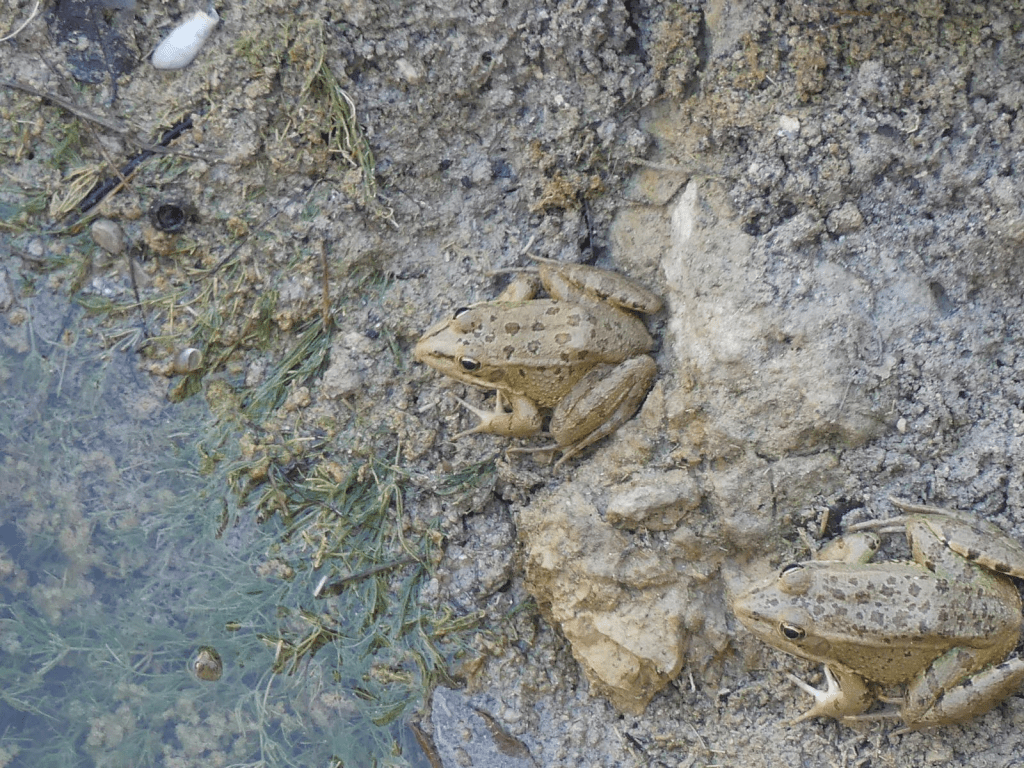
Iberian Water Frogs

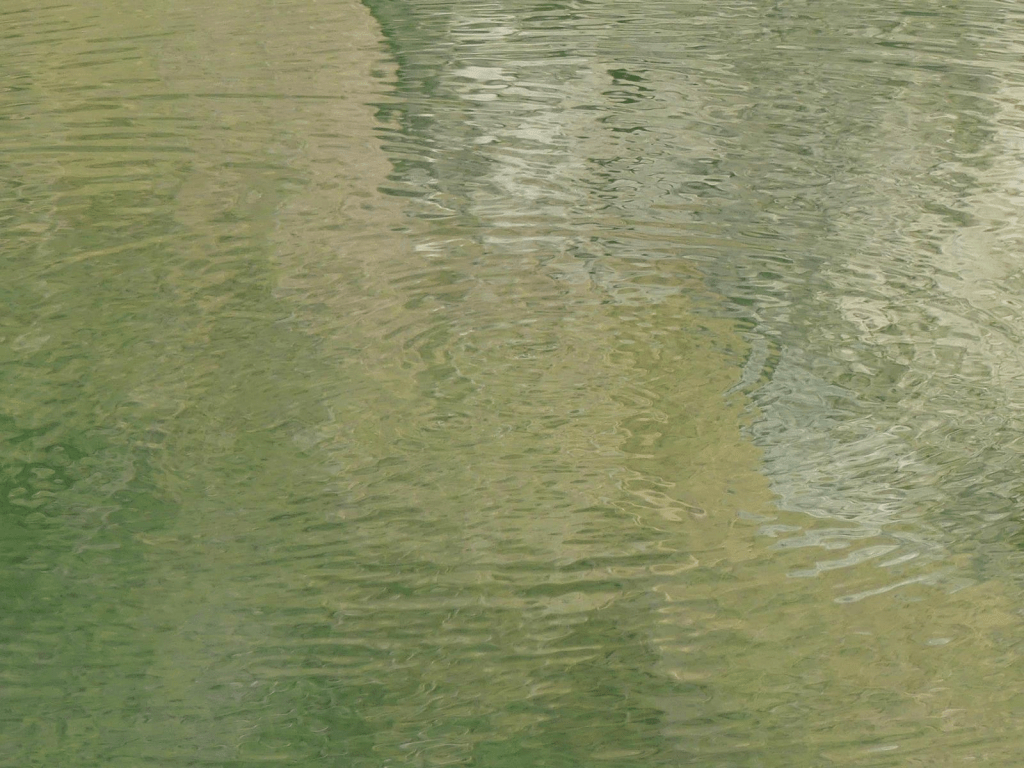
During our visit to the Mortitx valley alongside Pere, we came across a small, man-made reservoir fed by rainfall and a small river, used to irrigate the vineyards further down the mountains. A dam had been built, and a bridge on top, but not many people really came up here. And you could tell, because even with the water levels fairly low, it was still full of life. The water was brimming with fish, and several Iberian Water Frogs, khaki green and brown against the dusty banks, watched on as a Viperine Water Snake wormed its way through the rippling water. Mediterranean Flycatchers and Crag Martins, greatly different in their approach, filled their beaks, staying hydrated in the heat. Pere had seen both Grey Herons and Kingfisher feeding here, and it was likely that vultures drunk here too. 

 It just goes to show what a decrease in human activity, even around a man-made structure still in use, can do for wildlife, emboldened and with a greater sense of freedom. I could only imagine what it would look like in the winter, with even less people about and higher water levels; you could see the ghost of where the water reached in the colder months, a faint line the only clue to a winter wildlife wonderland. There was even another, even more isolated reservoir, fulfilling the same role as this one, both as an irrigation system for the humans and as a crucial water source in the searing mountain heat. We couldn’t reach it via the dusty paths, but it’s something I’d love to see, as it stands to reason that it would be buzzing, more than the one we looked into now.  

The ecosystem in the mountains is delicately balanced and provides for many species, as partly demonstrated above. The vineyards the reservoir fed were sustainably farmed and with nature in mind, using minimal pesticides and providing food, cover and nesting sites for smaller birds. We actually had to stop and scan the vineyards through our binoculars, in order to take in the array of species in offer. Flocks of 40+ Goldfinches, with the odd Serin or Greenfinch mixed in, roved through the greenery, and there were several Hoopoe and Cirl Bunting. It was, put quite simply, alive, and apparently the wine isn’t half bad either (not that I’ve tried it).  

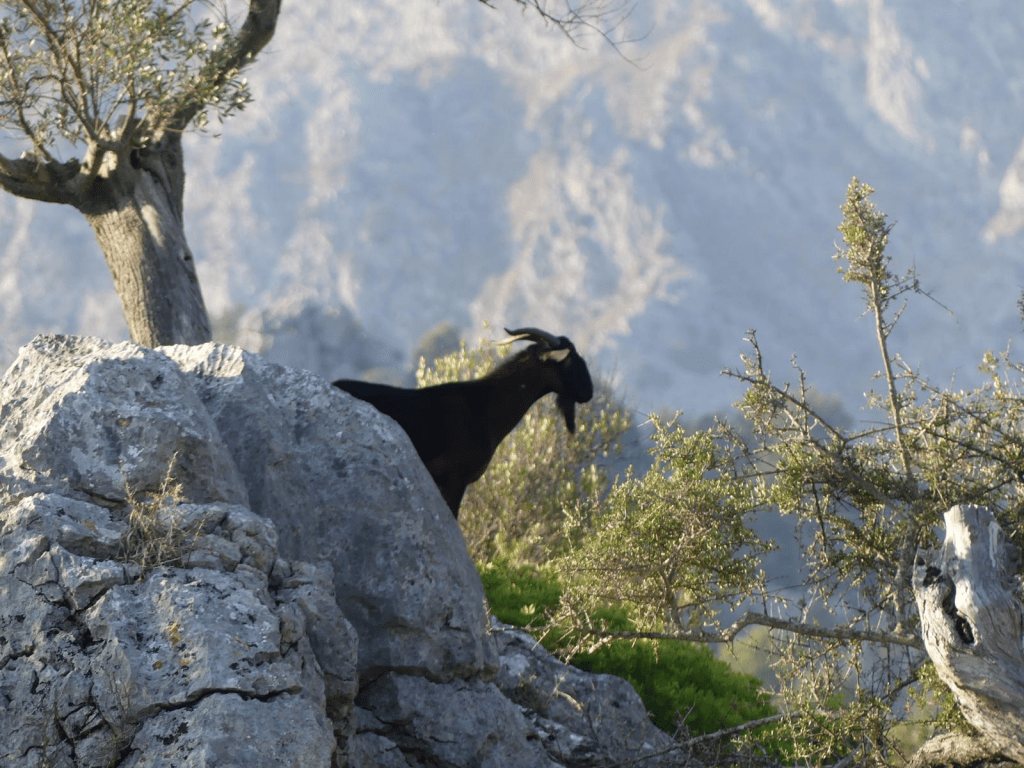
We also encountered several Mallorcan Wild Goats during our walk through Mortitx, who have no natural predators on the island. As a result, they are culled to prevent overgrazing and destruction of crucial habitats for other species, but also to preserve the genetics of an endemic breed, reddish-brown in colour with a black stripe down its back. This breed was quickly becoming rarer, so the cullers always looked to hunt other goats, in order to both preserve habitat and heritage. It just goes to show that management is often needed to allow nature to thrive, but conservation comes in many different forms. Controlling the numbers of one species is often integral to allowing the recovery of another. 

Mallorcan Wild Goat

To conclude, Mallorca is a very special place to me. It is home to one of my most important mentors and friends, Pere, and I have many special birding memories from out there. It’s both interesting and exciting to learn about it’s ecosystems and the relationships between humans and nature. The main takeaway here is that balance, however fragile, is key, and if maintained, wildlife and humans can thrive alongside each other with no quarrel for years to come. 

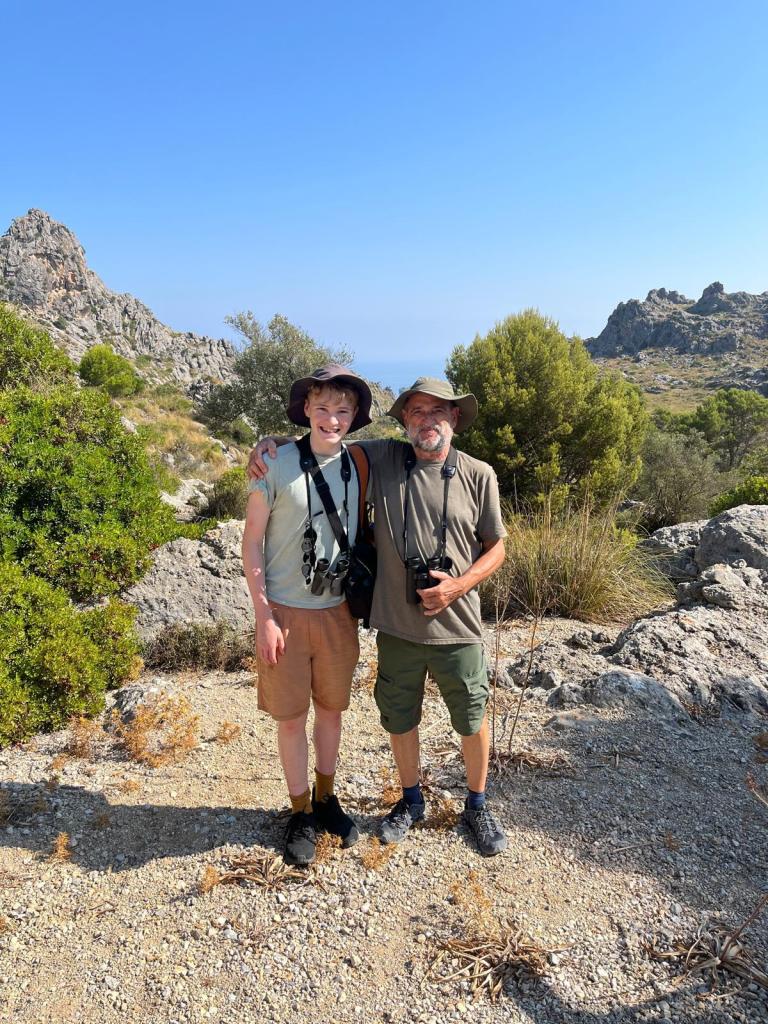
Me and Pere at Mortitx

Acting Swiftly

Swifts are a special species of bird, remaining airborne for ten straight months each year and not landing for the first three years of their life. Their committed avoidance of the ground has led to them having one of the fastest level flight speeds of any bird, but also tiny feet that aren’t much good for walking anyway. They’ve captivated many a creative mind throughout history, providing food for thought for renowned poets such as Ted Hughes and Anne Stevenson, but frustratingly, these birds have experienced steep population declines in the UK of up to 60% in the last 20 years, largely due to the loss of their traditional nesting sites in the eaves of buildings; modern homes using new construction methods have sealed up these nooks and crannies. However, it’s not all doom and gloom, and there are many ways that people are helping Swifts.

The Devon Swift Project was set up with the aim of increasing the population of Swifts in Devon, supported generously by organisations such as Devon Birds. They install and teach people how to make Swift nest boxes, provide information on call lures to attract Swifts to nest in these boxes, plant wildflowers to attract insect food for the birds and comment on planning applications to include provision for Swifts in new builds.

Swift Boxes

Kingsteignton Swifts was set up by one of Devon’s top Swift experts, Alistair Whybrow, and holds the same values and aims as the Devon Project. There’s currently about 30 pairs nesting in the town of Kingsteignton, and the group helps to install nest boxes, monitor colonies and populations, spreads awareness of the birds’ plight and lobby councils to include Swift provision in planning for new buildings.

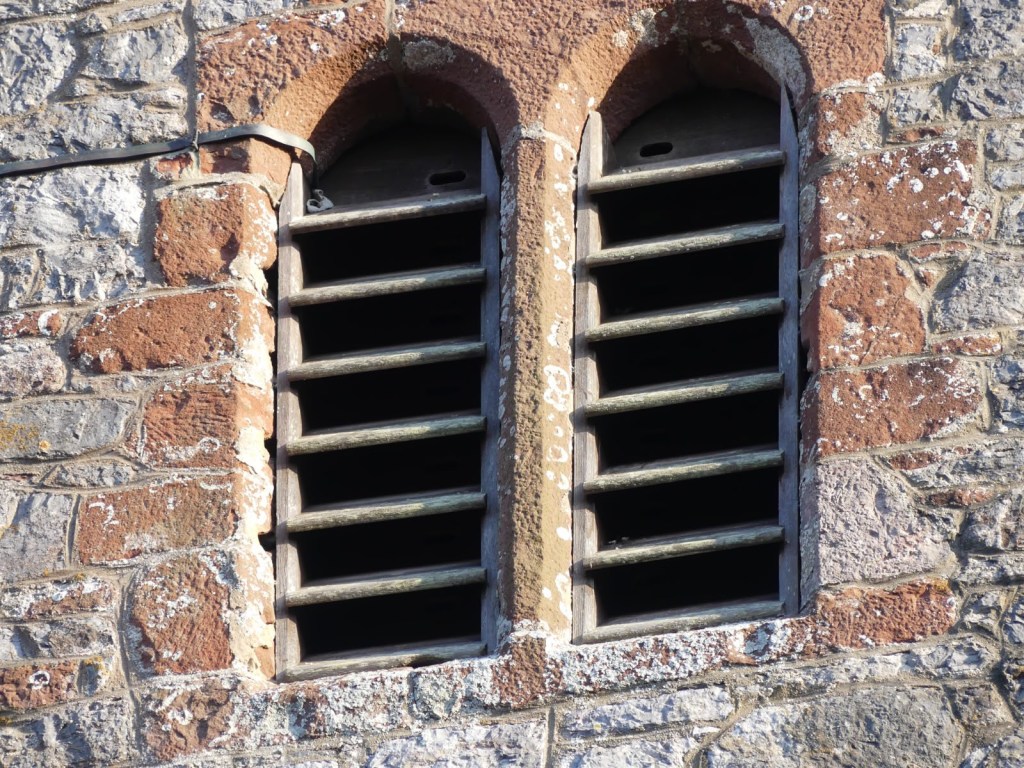
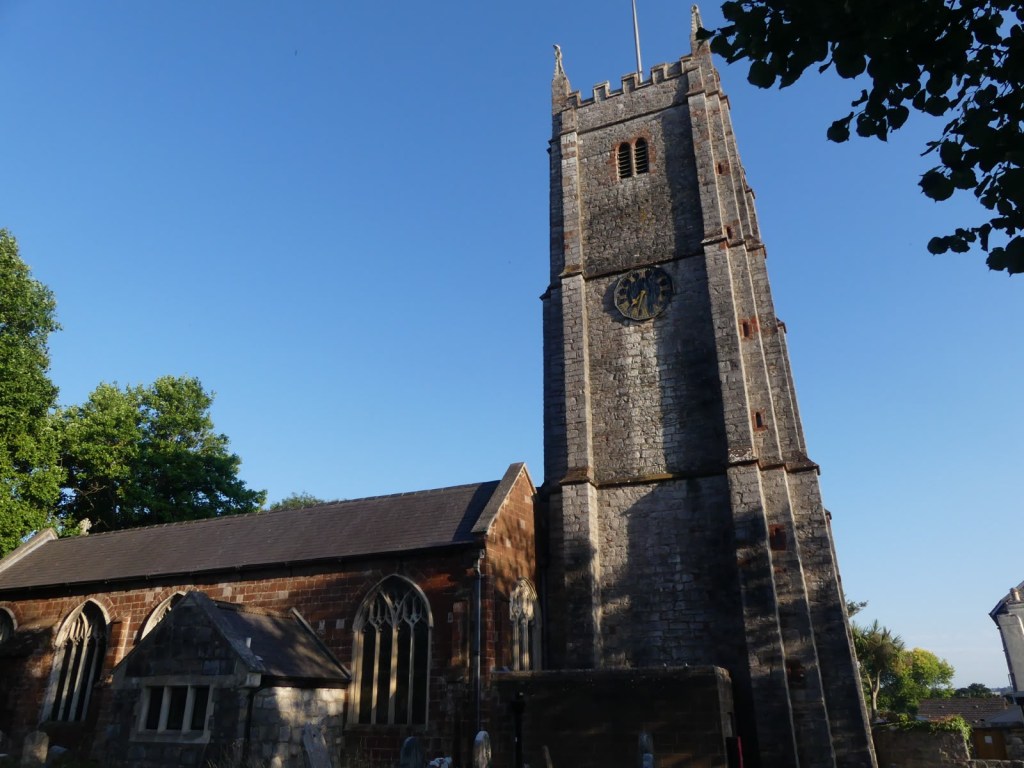
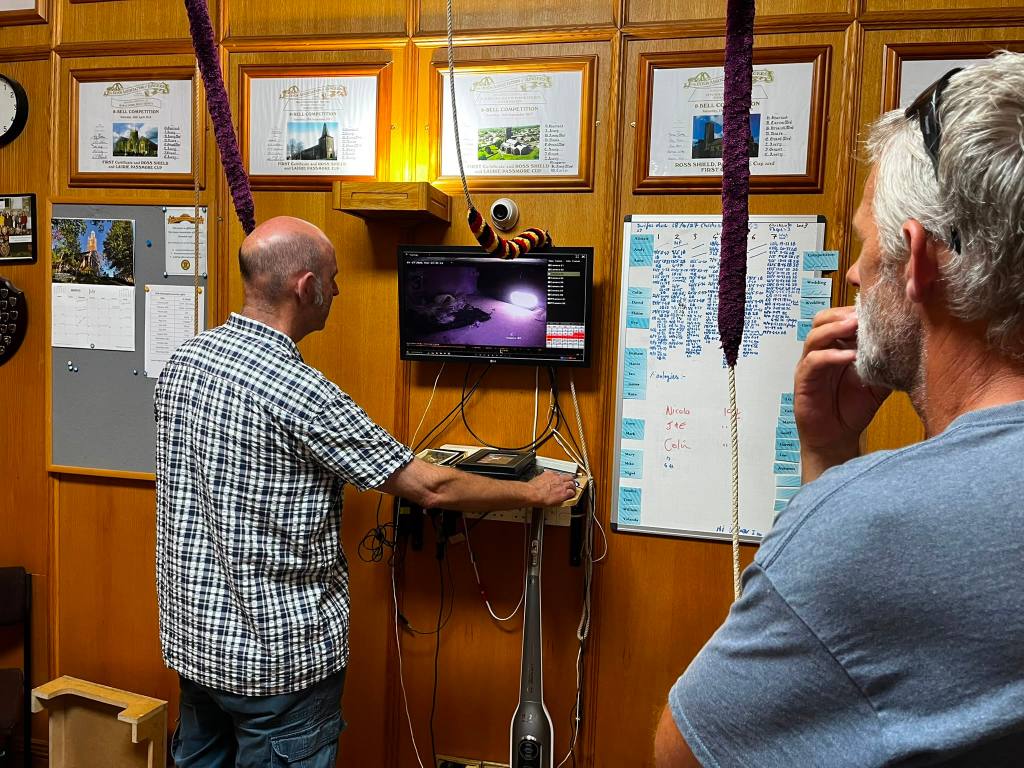
St Michael’s Church is a great example of how space can be made for Swifts in order to thrive, while engaging the community and generally creating a win-win situation. Several boxes have been installed in the church tower, and a camera system set up to show on screens both in the bell-ringing room and the main entrance room, allowing the public to keep an eye on how the birds are doing and feel part of the project. The birds have been welcomed warmly by the St Michael’s community, and many have taken an interest. Just as well, because 43 chicks have been fledged since 2019, so it looks like the birds are here to stay!

St Michael’s Church

Alistair played a huge part in this; he was instrumental in the idea of and installing the boxes in the church tower. He also monitors two other colonies around the south of Devon, and has travelled to several international Swift conservation conferences in places such as Segovia in Spain and Trieste in Italy. He is a gold mine full of knowledge about these incredible birds, and his passion for protecting them is infectious. It’s certainly rubbed off on me after meeting him the other night!

Checking the cameras in the bell-ringing room

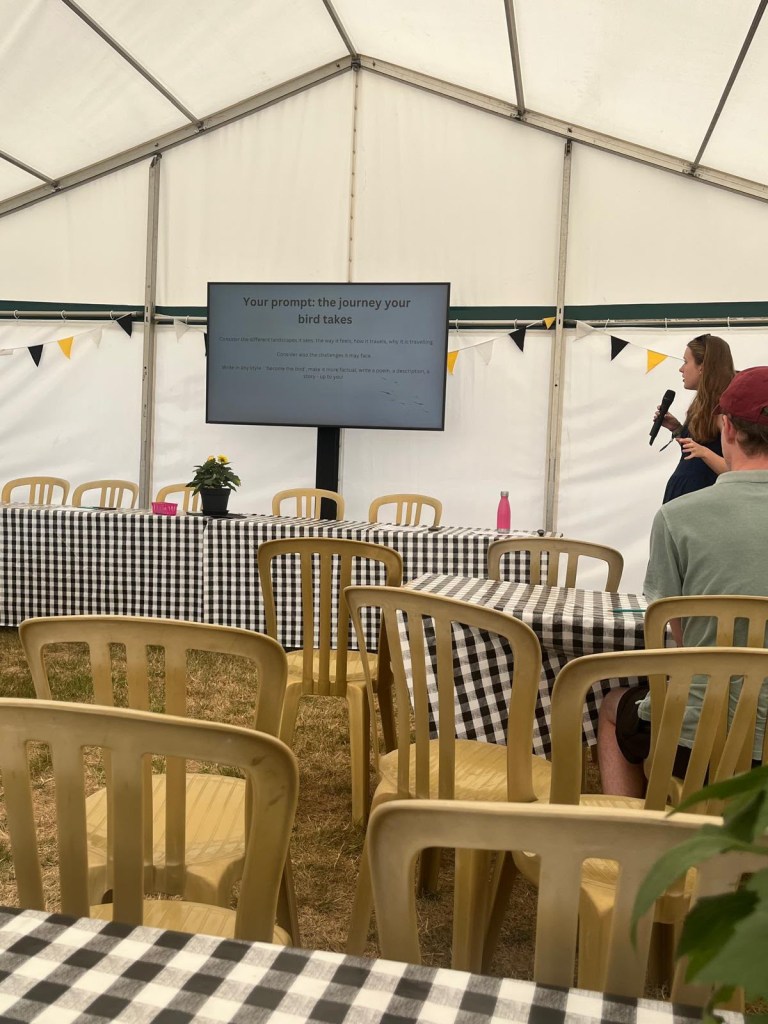
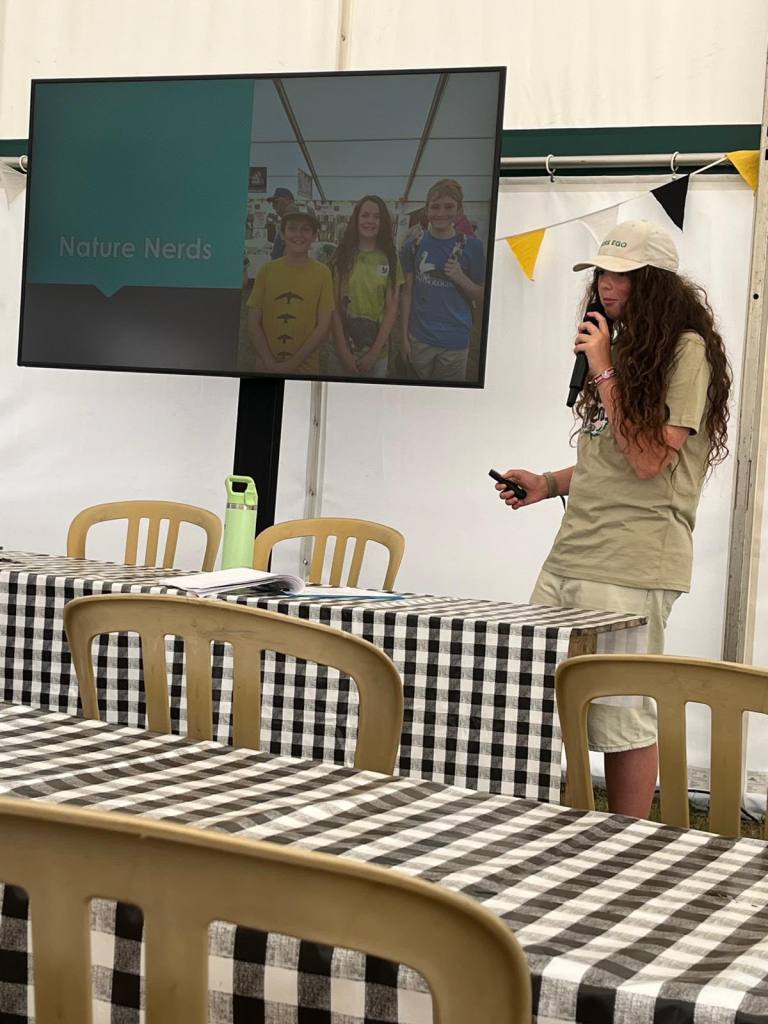
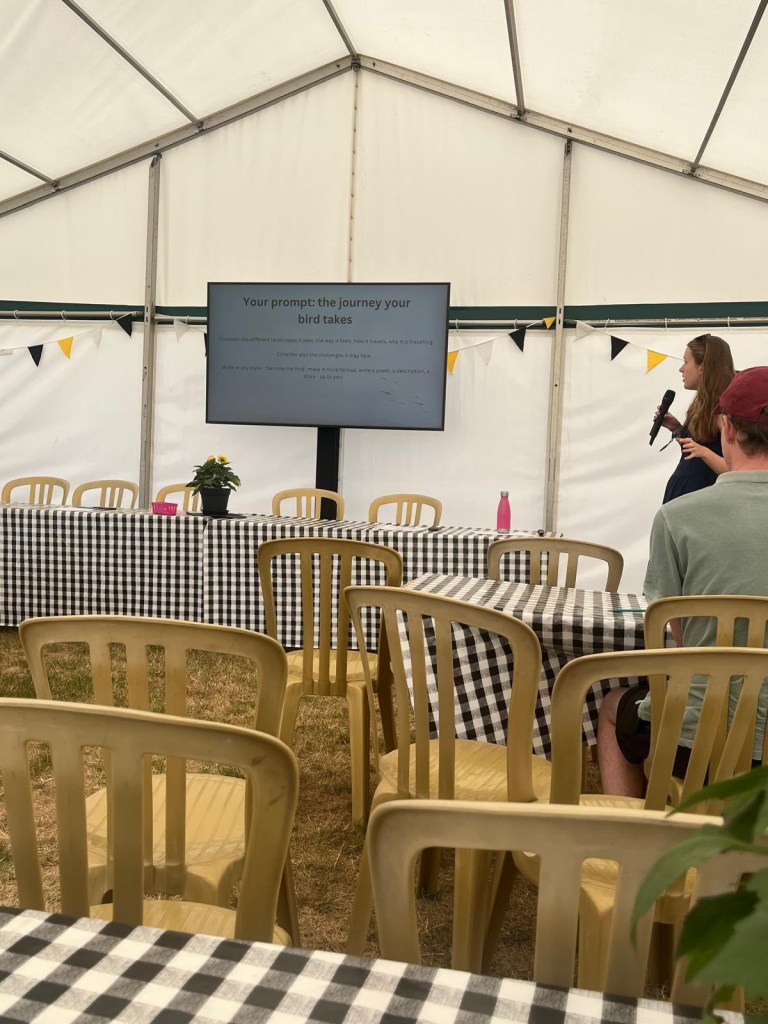
Swifts have always held a special place in my heart, and are naturally in my top five favourite birds. I’ve grown up alongside them in Bovey Tracey, and hearing their haunting yet comforting screaming calls on evening strolls was a staple of my younger years. I even wrote my poem at Emily Hunt’s Creative Writing Workshop at Birdfair on Swifts!

Emily’s writing workshop from Birdfair

My long-standing affinity with them has led me to be involved with the Bovey Swift Project, a group very much in its infancy stage and inspired by other groups such as Kingsteignton Swifts and Chudleigh Swift Group. At the minute, it’s just Janet Miller (Wildlife Warden for Bovey Tracey) and me, and our aims at the minute are to gauge where the main colonies are in the town, in order to survey them in the future and build a bigger picture of Swifts in Bovey. They’ve always been a fixture of the town, but with their numbers declining nationally, it’s important that we can monitor these birds on a more local scale.

That’s it for now, but to finish I want to tell you some quirky Swift facts, the ones you won’t find too easily! You probably know (maybe because I mentioned it earlier) that Swifts hardly ever land, and sleep, eat and drink on the wing, but did you know that some Swift couples keep their nest sites neat and tidy, whilst some don’t bother with clearing up mess at all? Similar variation in attitudes to us humans! Furthermore, how do you think they sleep in mid-air? Well, Swifts are able to switch off half of their brain while in flight, getting the benefits of rest while never stopping to land! This is called unihemispheric sleep, and is just another reason that we should be concentrating on looking after these birds!

Global Birdfair 2026

The pinnacle of the birding year, a birder’s Glastonbury, has been and gone once again. And what an event it was, brimming with talks, walks, workshops and showcases. I’m going to need some convincing that there is another event that brings naturalists, conservationists, ornithologists and just general nature enthusiasts together quite like this. For me, it’s an amazing opportunity to meet new people, grow my confidence and look to advance my career in writing and conservation, and of course to have a load of fun.

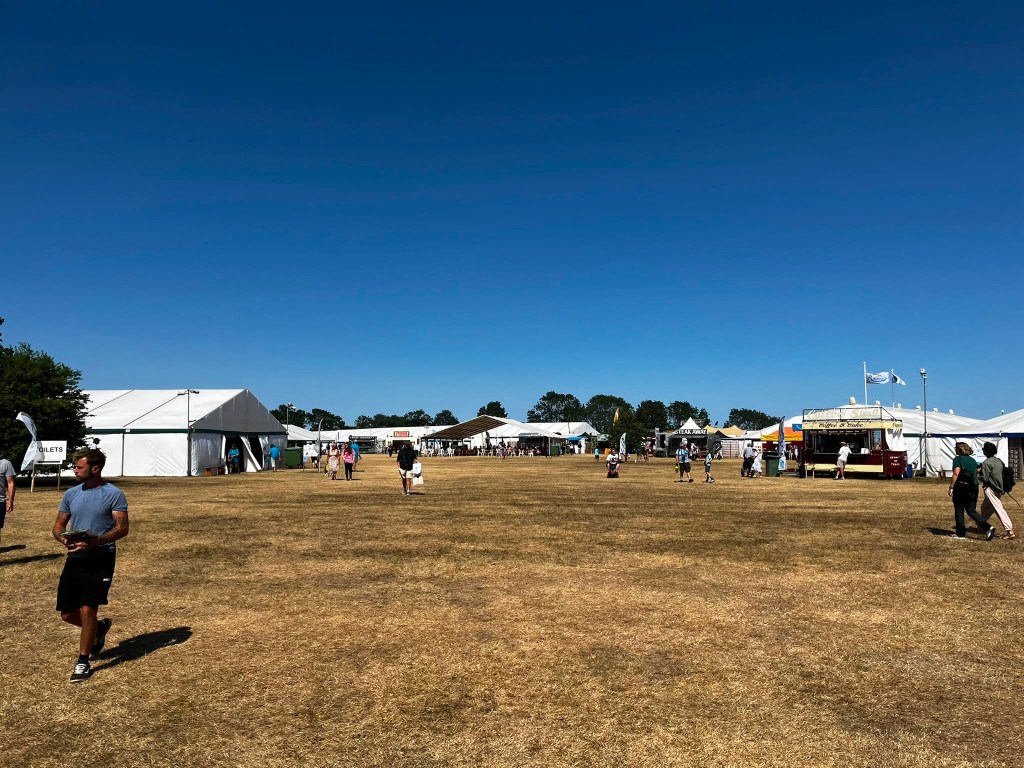
Welcome to Birdfair!

Indeed, my whole year essentially leads up to it. It’s a fairly big undertaking for us, a family of five living in south-east Devon, but the 4-hour trip hasn’t failed to be worth it yet, and I doubt it will for a long time. Old-hand readers of the Bovey Birder will know the incredible things I’ve been able to do as a result of Global Birdfair, such as my trip to the Scottish Highlands two years ago, which still remains one of the best weeks of my birding life, maybe my entire life. It all happened thanks to Simon and Marion from the Grant Arms Hotel, who fate had me strike up a conversation with back in 2023, my first Birdfair.

Speaking of Scotland, Simon, Marion and Mark Pearson, who alongside Simon runs the acclaimed School of Birding at the Hotel, were the first people I met this year. As I’ve mentioned, they’ve been some of my biggest supporters for several years now, behind me for every step of the way, as I look to carve a career in nature writing and conservation. The Grant Arms, for anyone who’s wondering, is a magical place. It holds some of my fondest memories, and I only spent five days there! It’s not only a hotel designed specifically for birders, but it also puts on talks, offers guided walks and tours, and is well-placed to access some of Scotland’s prime birding spots.

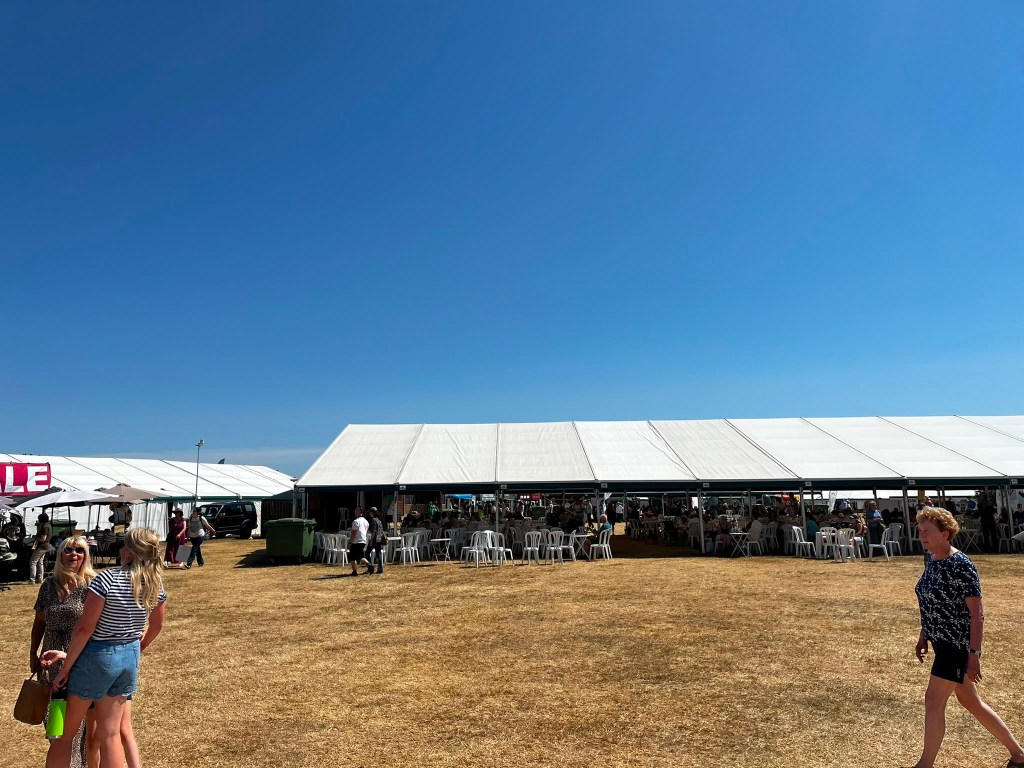
It’s tricky to explore everything Global Birdfair has to offer in just two days, but we certainly gave it a good go! Wandering through the marquees peaked my child-like love of exploration, to the point that my senses’ defences were overwhelmed, sights, sounds and smells flooding over the battlements. Despite my wartime analogy, the atmosphere was one of welcome, likely because I knew that everyone around me shared my interest, my passion for the avian world. Bright, mosaics of colour covered some stands, others were more muted in their approach, but all waved you towards them, with the promise of either a friendly chat, a learning opportunity or a purchase.

View from the entrance

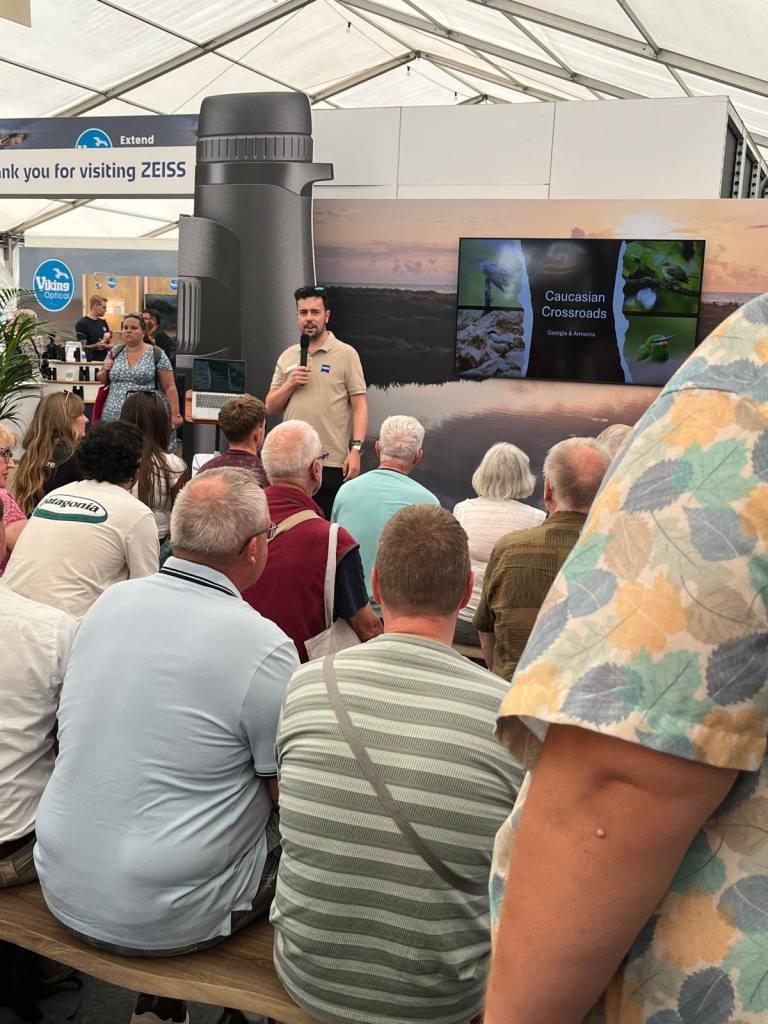
One of the biggest and most inviting stands was the Zeiss section of the Falcon Marquee. An action-packed talk schedule, guided walks and the chance to try out their new, top of the range Apia 65 Scope, which is fantastic by the way. Don’t let its compact size fool you, it’s image quality and clear vision surpass many bulkier options on the market. It was also great to catch up with Zeiss ambassador Toby Carter, whom I was lucky enough to meet at a previous Birdfair. His talk on his trip to Georgia and Armenia was highly absorbing, and drew quite a crowd to the Zeiss tent! Still jealous of the Crimson-Winged Finch, which was only the 25th Ebird record for the area!

Toby’s talk

Speaking of Ebird, it’s an amazing tool for bird conservation across the world, creating pinpoint accurate maps of species distribution, population density and migration. It all comes from harnessing the power of the global birding community, showing how powerful citizen science can really be. The data is all open to the public in the Ebird website’s science tab, and advanced scientific visualisations for factors such as relative abundance and population trends are shown for over 3,000 species of bird. As birders globally continue to submit more checklists when they go birding, this picture will continue to be built up and to aid conservation efforts. That’s not the only appeal for birders, though. Ebird also allows people to track their life lists, year lists, or even their June 8th 1994 list! There are so many ways to organise your birding data, find new places to go birding and even meet new people in the global birding community that ebird creates!

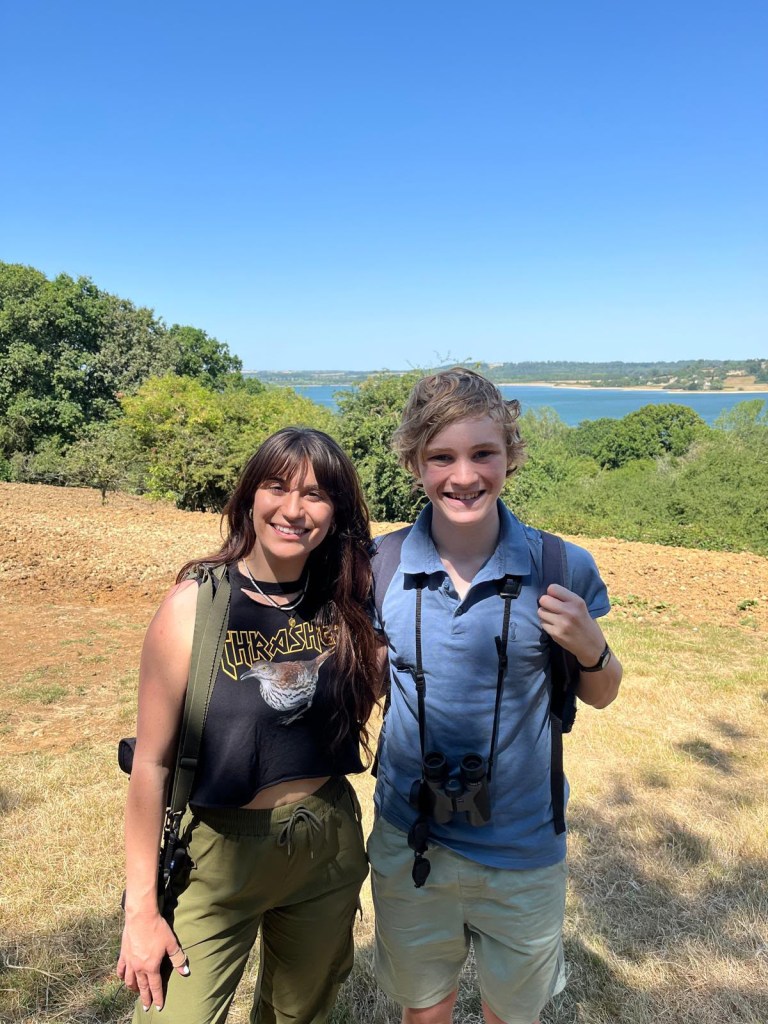
One of my good friends, Dexter, is a brilliant young, knowledgeable conservationist (you might know him as the Mustelid Man from Instagram) who does everything from Adder surveys to sticking his hands in holes to check what small mammals are using them. His hands-on wildlife skills are second to none, and if you need any more convincing, he won the Mammal Society’s Young Mammal Champion Award this year. His talk on the teenage years and nature was thoroughly inspiring, demonstrating the good work that he, alongside local groups and organisations, does for nature in and around Wiltshire. We spent the afternoon on Saturday enjoying the wonders of a very warm Rutland Water reserve, alongside Harriet, another young nature lover who knew the reserve like the back of her hand, on account of her volunteering work there. We also beat her team in the pub quiz (more on that later!).

Dexter’s talk

Rutland Water is one of the largest man-made bodies of water in Europe, and is nationally important for winter wildfowl numbers, and it’s also famous for a particular fish-eating raptor. 2026 celebrated 30 years since the Rutland Osprey reintroduction scheme began. 300 Osprey chicks have fledged from the area since 2001, a huge milestone following their extinction in England in 1847. Thanks to the efforts of organisations such as the Wildlife Trusts, we now have a small but self-sustaining population of these phenomenally piebald birds in central England.

This has even paved the way for other Osprey reintroduction projects in England, with a Poole Harbour edition beginning in 2017. There are now two breeding pairs of Osprey in the area, with CJ7 and 022 having fledged four chicks last year at Carey’s Secret Garden. Such a milestone was a huge boost for the project, with Ospreys only usually fledging 1 or 2 chicks in a season. 3 is very good going, but 4? I tip my hat to those birds. It’s even paved the way for a Devon Osprey project! Starting very recently in late 2024, the Devon Osprey Partnership has built several tall nesting platforms like those in Poole Harbour, and migrating birds passing through have been seen landing and investigating these potential new nesting sites. Fingers crossed we’ll have breeding Osprey soaring in Devon skies once more very soon!

On a quick trip to refill water bottles, me and Dex bumped into someone I hadn’t seen since the Nature Writing Retreat at Cameron’s Cottage last year. Kabir Kaul is a wildlife conservationist and writer, who’s done so much to advocate for urban nature and green spaces, especially in the capital, London. He’s been an inspiration to me for a while now, somebody I can relate to, and it was amazing to catch up with him. I was on a roll with meeting old hands from the Writing Retreat now, Emily Hunt up next. The highly skilled writer and poet led a workshop on creative writing all about migratory birds. Several brilliant pieces of writing, about species such as the Arctic Tern, Cuckoo and Swift emerged from the session, and it was great to catch up with Emily too!

Emily’s Writing Workshop

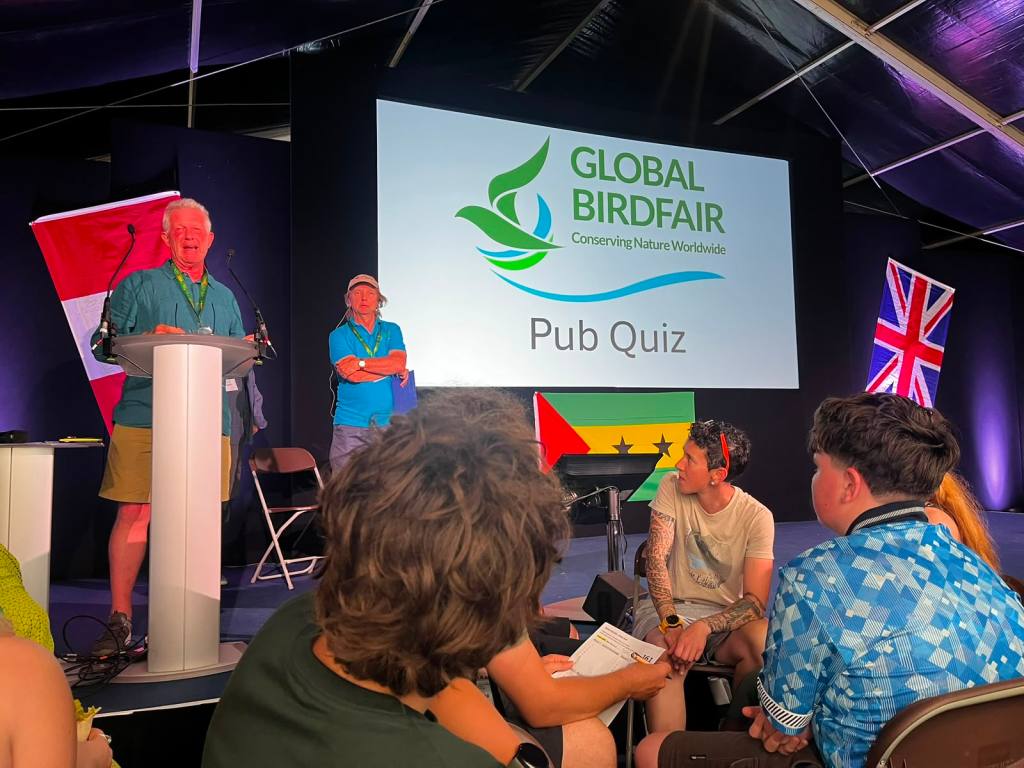
On our return from Rutland Water, Birdfair was on the countdown to one of its main events, the 7:30PM Pub Quiz. Hosted by Stephen Moss and Neil Glenn, and helped to cultivate some ‘friendly’ competition between the incredibly knowledgeable attendees this year. We even managed to make up a five-strong team with an average age of around 13, and we still beat a fair few of the more experienced groups! Given the quiz was very much aimed at the older generations, with some questions on topics such as 1960s music involving birds, I feel like we did quite well! It’s always a highlight of the show, and I can’t wait for next year! I’d hardly seen Henry Day (Naturetastic, two Henrys does get a bit confusing) all show, but he came up clutch brilliantly here, managing to recognise several bird calls half of the adults in the room had no clue about.

The famous Birdfair Pub Quiz

On Sunday morning, we embarked on a Zeiss nature walk led by Toby Carter (who I mentioned earlier) and Bonner Black, a spectacular singer-songwriter and also an ambassador for Zeiss nature. She had performed a brilliant acoustic set the night before on the Osprey stage, leading seamlessly into the aforementioned Pub Quiz. The way she blends her music career and her birding together is an inspiration to everybody who comes across her, and it was amazing to finally meet her, having followed her journey for a long time.

Bonner Black and Me

The walk didn’t lead to much, with most of the birds around sheltering from the now scorching sunshine. However, the butterflies, damselflies, dragonflies, crickets and grasshoppers were all out in force. You couldn’t walk through the long grass for more than five paces before seeing a grasshopper or catching one on your trouser leg. A huge Emperor Dragonfly came soaring over a bramble bush, seemingly investigating our group before whizzing off up the hill. Common Blue Damselflies were everywhere, and even a few Large Reds attempted to blend in with their different-coloured cousins. At least they were enjoying the immense heat!

I met several other phenomenal people during the last day of the show, one of them being Jon Mason, AKA the Early Birder. Another person who I’d followed on Instagram since the beginning, it was fulfilling to finally meet him in person. He’s also supported me since I started out on social media, commenting on some of my earliest posts and driving me on! Thanks Jon! Someone who I’d met several Birdfairs before, and had been looking forward to seeing this year, was Harry Read, a wildlife photographer and filmmaker who works with Leica. I was unable to join him for his nature walk this year, so I only bumped into him on Sunday, but it was still great to catch up!

I hope that I’ve managed to prove to you that Global Birdfair might just be the greatest event that’s ever existed. The sheer amount of people I met, talks I watched and fun I had; I’ve hardly scratched the surface here! Huge thanks to everybody who made it happen. It’s the equivalent of a second Christmas for me, and something I look forward to every year. It was warm, almost too warm this year, but in previous years we’ve had thunderstorms, downpours of rain and just mild, overcast weather, the sort you’d expect from Britain. Wonder what it’ll be like next year? Anyone for snow?

Nightjars on Dartmoor

Nightjars are a wondrous species. Fern Owls, we used to call them, a beautiful traditional name that is a nod to our long-standing fascination with them. Their mottled, cryptic plumage gives them a ghost-like quality, combined with the fact that they’re crepuscular, which means they’re only active at dawn and dusk. Their churring, mechanical song has inspired curiosity, fear and awe for generations, and their silent flight inspires the owl part of their nickname.

Dartmoor has hosted Nightjar populations for hundreds of years, and they’ve developed quite the relationship over that time. Habitat such as heathland and young plantations are perfect for the ground-nesting birds, and as such Dartmoor’s populations are of national significance. But people on Dartmoor have inadvertently damaged this bond in more ways than one. Local superstition labelled them ‘goatsuckers’, telling stories of them sucking on the teets of goats and poisoning their milk. They were also seen as omens of death, leading to their persecution in previous centuries. Even in the modern day, they are highly vulnerable to disturbance, and nests can be pushed to failure by dogs off leads or walkers straying from paths. The key to maintaining a positive relationship between Dartmoor and these birds is to strike a balance between allowing people to enjoy the National Park and preserving their habitat.

So, what do we know about Nightjar populations on Dartmoor? They arrive here from Sub-Saharan Africa in the Spring, and usually stay from late-April to September to breed. In the 20th century, there were huge declines in populations due to fragmentation of their heathland habitat, but populations have since partially recovered, to the point that they are now on the Amber list of conservation concern in the UK. Dartmoor is a crucial area for these birds, with strongholds including Fernworthy and Bellever Forest. They’re notoriously difficult to survey, so exact numbers are hard to estimate across the country (more details on that later).

UK numbers have been on the rise in recent years. In 2023, there were just under 5000 breeding males in the UK according to the Wildlife Trusts, with that number steadily increasing due to conservation efforts. Haldon Forest, a crucial site for them on Dartmoor, hosts about 40-50 pairs. However, it’s really tricky to estimate a population on Dartmoor, because of how hard these birds are to survey and survey accurately. Numbers of volunteers are still fairly small, which means manpower is used up counting birds in the known strongholds, where we know where they breed and where they feed. For example, Brimpts Wood has some great breeding habitat and a river next door to attract insects for the Nightjars to feed on.

There are always going to be other, lesser known sites, where the Nightjars are definitely nesting, Rippen Tor being one of them (where I was lucky enough to survey; read on for more!), but where we know less about their breeding and feeding habits. Nightjars will regularly travel average distances of 3km from their breeding sites to feed, and knowing where this is could help the conservation picture enormously. But to do this, we need more volunteers and more people to help search and survey. Another way we can figure out where birds are feeding is by satellite tagging chicks. For this, trained ringers need to find nests, which volunteer surveyors can help pinpoint the rough location of.

Dartmoor’s so important for them because of it’s wide availability of perfect breeding habitat, such as heathlands and young coniferous forests. Nightjars need vegetated land with some open areas, in order for them to be able to feed on insects easily but also for their cryptic camouflage to protect them from predators while roosting and nesting. Speaking of nesting, Nightjars don’t actually build a nest. Instead, they lay their eggs in a shallow scrape on the ground. Dartmoor, with its huge range of different habitats, is obviously not all suitable Nightjar habitat, but there are large swathes of it, which shows it’s importance for the species.

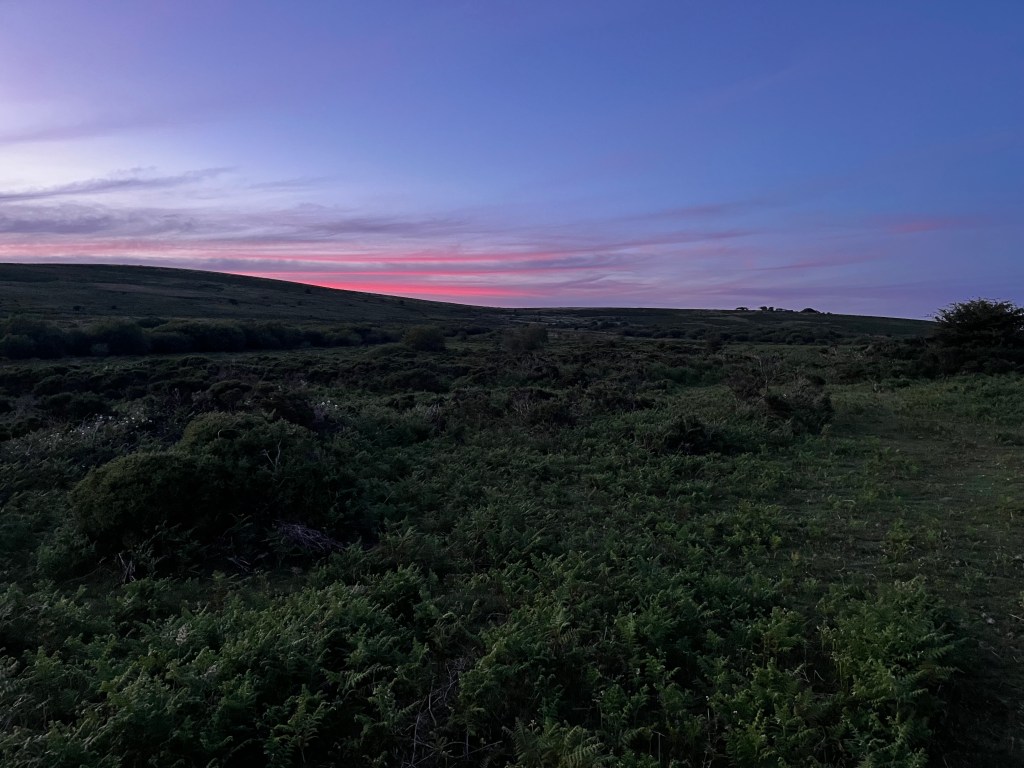
Nightjar surveys on Dartmoor usually take place between May and August, when the breeding season is at its peak. Nightjars are crepuscular, meaning they are only active at dawn and dusk. This is why Nightjar surveys are not for those who require decent sleep, as they often involve very early starts or very late finishes. It’s also important to survey areas where not all of the habitat is suitable for Nightjars. Recently, I went on a Nightjar survey around the Rippen Tor Area alongside avid birder and Nightjar enthusiast Vince Pipe, and our survey route’s kilometre square only consisted of about one third suitable habitat. This is another reason why Nightjars are so hard to survey, because covering the right habitat at the peak churring time (Nightjars usually only churr for twenty minutes before beginnign feeding) is difficult but really important. A route must be planned out beforehand, and executed to perfection. We still found a healthy amount of territories, and had some amazing encounters with these birds. Huge thanks to Vince for taking me out that night, and teaching me some Nightjar survey techniques!

So let me pass on some of that information. First of all, a survey is never going to be entirely accurate, because they count calling birds as territories, and both males and females call. If you hear a churring bird on your first visit, you mark it down. But only if you hear it again in a similar area on your second visit can you count it as a territory. This way, we can put together a pretty good picture. We probably started our visit a little early, so we didn’t see or hear any birds until after around half an hour. We marked our sightings on the route map, with different codes; for example, you’d put a circle around if you heard it churring, but just note the code if you just saw it. There’s also a neat little trick that Vince taught me that can be very useful for figuring out the location of territories; a churr with a higher tempo usually indicates a bird more eager to attract a female. It’s tempo slows slightly when a female is on the nest within the territory, which often indicates breeding.

It’s really important work, and is often completed by volunteers. But why do we survey Nightjars? The most obvious reason is to monitor populations, and check in on how they are doing after their recent declines. Nightjars on Dartmoor appear to be doing quite well at the minute, although populations can fluctuate due to factors such as the weather. Surveying Nightjars also helps us to track the success of local conservation efforts, and see if they’re working or if a different approach is needed. A healthy presence of Nightjars also shows a well-balanced ecosystem, which can show us how newly restored habitat is getting on.

We use this data to help conserve our Nightjar populations for years to come. We want superstitious stories about them to keep coming, as long as they don’t negatively affect people’s views of the birds. The National Park aims to educate people about the Nightjars and other ground-nesting birds, and the importance of sticking to paths and keeping dogs on leads to avoid disturbance in the breeding season. They also manage habitat for Nightjars and conduct public awareness campaigns about the species and other birds too. Let’s hope that we can keep our Nightjar populations for years to come.

Back at the Cottage

I’ve just got back from another amazing weekend at Cameron’s Cottage in the New Forest, on a Wild New Forest wildlife camp. These camps happen twice yearly, both in Spring and Autumn, and I’ve been lucky enough to go on five over the last few years. The importance for a young naturalist to be among other young people with the same interest, the same passion, cannot be understated; the world of nature and conservation can sometimes be a lonely one, but it can also be a wonderful community of kindred souls.

For me, it’s always been a struggle to find people my age who share my interest in the natural world. Many of the people I know in this field are adults, and it’s brilliant, they are my friends and mentors, able to share experience and knowledge that has propelled me to where I am now. However, there’s something different that can be brought to the table by spending time with other young nature enthusiasts, and it’s been just as crucial to me.

I always go into these camps excited and slightly nervous, but my fears have always been unfounded so far, simply because the transition going into the weekend is always seamless. I just seem to slot in with everybody else, and we pick up where we left off last camp. There’s such a range of ages there, and there’s so much experience and knowledge within the group. I never seem to feel more confident in myself than at these camps, and that just means I look forward to them even more. Because of this though, the readjustment to life at home after camp takes a bit longer. It’s just not the same, although I always leave these camps happy and enthusiastic (not that I wasn’t beforehand).

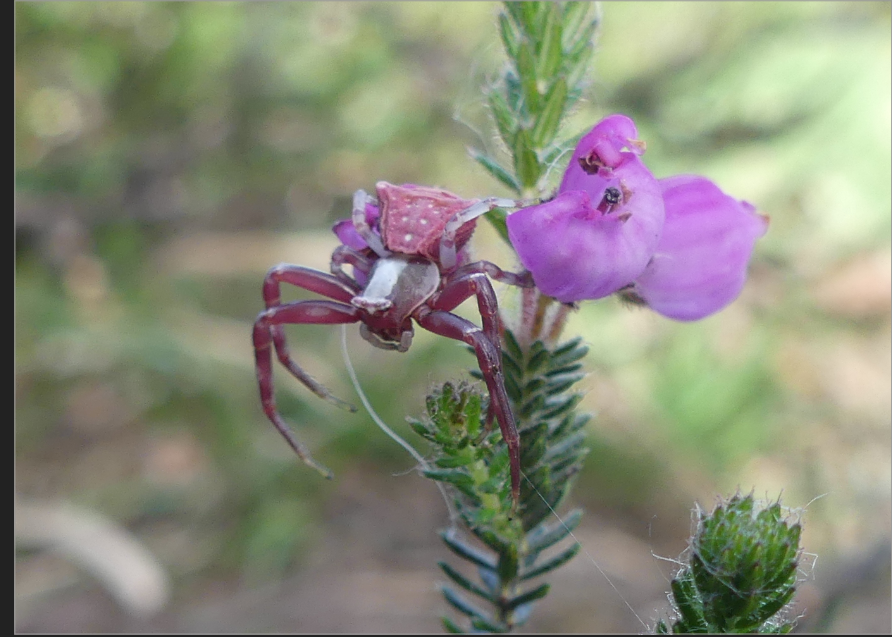
Pink Heather Crab Spider

Frustratingly, they always go so quickly; time really does fly by when you’re having fun. The wildlife camps are also an amazing way to learn something new. My main area of expertise is, of course, birds, but at Cameron’s Cottage I can learn from other people, both the young participants and the older leaders there, who maybe have a different speciality, such as insects or plants. I’d also like to think that they might have learnt something from me. By spending time with other young people, I can directly become a more well-rounded naturalist with knowledge of families from reptiles to trees, which will help me hugely in the long-term.

I tend to think of the wildlife camps as a weekend away in a bubble. Within that bubble is the Cottage, woodlands and heathlands and of course, loads of amazing, knowledgeable young people and adults that come together to learn from each other and have a good time. I feel so lucky to enter that bubble and when I do, it’s like my brain switches from outside world mode to relaxed. It’s truly therapeutic.

So, I fully plan to tell you more about the camp I’ve just been to in the future. I just thought it would be a good idea to tell you of my emotions and thoughts about just how incredible these camps are, and how important they are to me. They have genuinely changed my life and my outlook on the world, and it’s near impossible to feel alone as a young naturalist when I know all these amazing people exist, and it’s just a matter of months before I can enter that special bubble again.

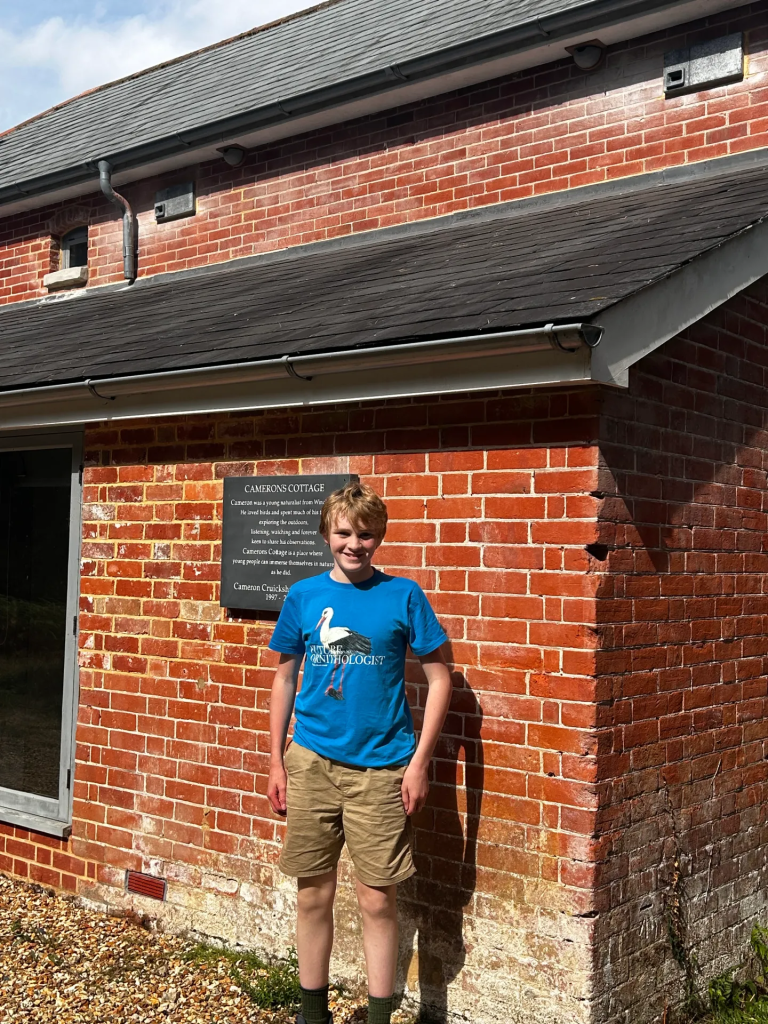
Cameron’s Cottage!

None of this could be possible without the dedicated commitment of those at Wild New Forest Guided Tours running the camps. Huge thanks has to go out to Marcus, Emily and the whole team. I cannot stress enough to positive impact you’ve had on me and so many other young people. I also have to thank the Cameron Bespolka Trust, who do so much to support the camps and make this possible. I had a lot of fun this camp, and we had several unexpected encounters, from photography opportunities with some colourful spiders, to a glimpse of a rare mammal in broad daylight. The countdown to the October camp begins now!

The Forgotten Generation?

Gen Z and birding are, according to certain outdated stereotypes, not a common mix. Birding is traditionally a hobby for older people. A common misconception is that a lot of time and money is needed to fund such a hobby. But this could not be further from the truth, and there are many young Gen Zs going against the tide and reshaping modern birding. Take the Global Birdfair Fledglings, a quickly growing group of young people who together will take on Global Big Day on 9th May and look to build a massive global checklist to contribute to citizen science and create a long-lasting community of young, like-minded birders that can transcend continents (read on for further instructions if you’d like to join in).

Two young nature enthusiasts out birding, namely me and Dexter at Bowling Green Marsh

Much has been said about Gen Z as a generation, a group of younger people typically under 25. We’re lazy, we overspend, we have a poor work ethic and we can’t focus on anything. This is usually blamed on digital habits, us being the first generation really to have unlimited access to the internet, AI and social media. And, apparently, we haven’t really used this privilege well, to the point that it has taken over our lives, causing us to shun 9-5 work days and increasing our likelihood of having mental health issues. But are there any benefits to digital and traditional worlds colliding?

Truly, what sort of person comes to mind when you hear the word birdwatcher? I’m willing to bet it’s not a teenager or a young adult. Maybe you know them as twitchers, or even the crazy old man who can be seen feeding pigeons in the car park, reliably every day? Birders (the correct term) are often painted as older, eccentric men in green vests and anoraks; granted, some birders do fit this description quite uncannily. However, I’d argue this is one of the most outdated stereotypes currently existing today. Birding is evolving, even in something as simple as the transition from trusty notebooks to digital records.

The truth is, Gen Z birdwatching numbers have risen tenfold since 2018, with almost three quarters of a million young people regularly donning a pair of binoculars and heading out birding. There are now ten times the amount of 16-29 year olds out in nature enjoying what is now one of the fastest growing hobbies within Generation Z, all according to a recent study conducted by the RSPB. Despite popular opinion, it’s hard to argue that birders can be called niche or odd anymore.  

So, how has this come about? During the Covid-19 Pandemic that has led to Gen Z being dubbed ‘the Forgotten Generation’ simply because we missed out on a year of face to face education, many found that simply going outside and listening to the Great Tit’s call was a brilliant substitute for a history or maths teacher (see what I did there?). Birdwatching acts as a mindful, grounding activity, fostering a sense of peace and boosting happy hormones and mental health.

And people on social media (that dreaded thing that has made us all lazy) have proven that birding is cool, for anyone that wants to get involved. It’s provided a platform for young people to try something that previously they might never even have considered, and this has been a big factor leading to the boom in Gen Z birders. Birding has been redefined by Tiktok, Instagram and Youtube, for the better, and this can only be a good thing for one of the world’s favourite pastimes.

People like Matt Spracklen (AKA the Rock N Roll Birder) and Bonner Black have been using their platforms to show the world that birding is cool again. They’re both successful musicians, and their social media content brilliantly blends birding and music to inspire, amuse and amaze. Even celebrities more from my parent’s time, such as Jim Moir, have moved into birds. Widely known by his stage name Vic Reeves, Jim is a household name in British comedy, but also co-hosts ‘Painting Birds with Jim and Nancy’ alongside his wife on Sky Arts. He has hosted several exhibitions, including Dawn to Dusk: Birds by Jim Moir, at National Museums Liverpool. We were lucky enough to see some of his work at the Royal Academy in London.

Another trailblazer in the exclusive celebrities turned birders group is Ade Edmondson, a comedian and actor who explored birding alongside friend and RSPB Ambassador Samuel West, in the 2026 Channel Five series Sam and Ade Go Birding. Sean Bean, an actor who featured in films and shows such as Game of Thrones and Troy, hosts the Get Birding Podcast, helping people everywhere connect with nature and birds.

This digitalisation of birding has brought so much to the table. With social media, the benefits speak for themselves, bringing like-minded people together in ways that otherwise wouldn’t have been possible. But also apps like eBird, Birda and Birdtrack provide a feel-good factor by contributing directly to citizen science and conservation. Birdtrack checklists are sent directly to county recorders who work closely with the BTO to build a picture of bird populations across the country, and eBird is an ongoing project run by the Cornell Lab that also aims to use birders’ sightings to build a picture of bird populations, but on a global scale.

Also, by providing apps to easily record birds, it appeals to the nature of a generation of digital natives. The shift from notebooks to online records has been highly noticeable in not just birdwatching, but many other activities. These apps allow people to share their birding with others and to contribute to conservation, building connections and opening up birding to more people than ever before.

It’s common knowledge that our bird populations are not in the best state. The UK has been declared one of the world’s most nature deprived countries, and there are now 73 bird species on the UK Red List of Conservation Concern. However, this boom in interest and a willingness to get involved in conservation among young people could not have come at a better time. We’re going to need all the help we can get as the world faces the biggest nature extinction crisis since the dinosaurs.

But if anyone can do it, surely it’s this incredible generation that has already overcome so much adversity. Hundreds of brilliant young people have already started fighting back for nature, and the more that take an interest and foster a passion for our feathered friends, the better a chance we’ve got at preserving them for years to come. That’s how birdwatching, as a hobby, will survive for thousands of years from now.
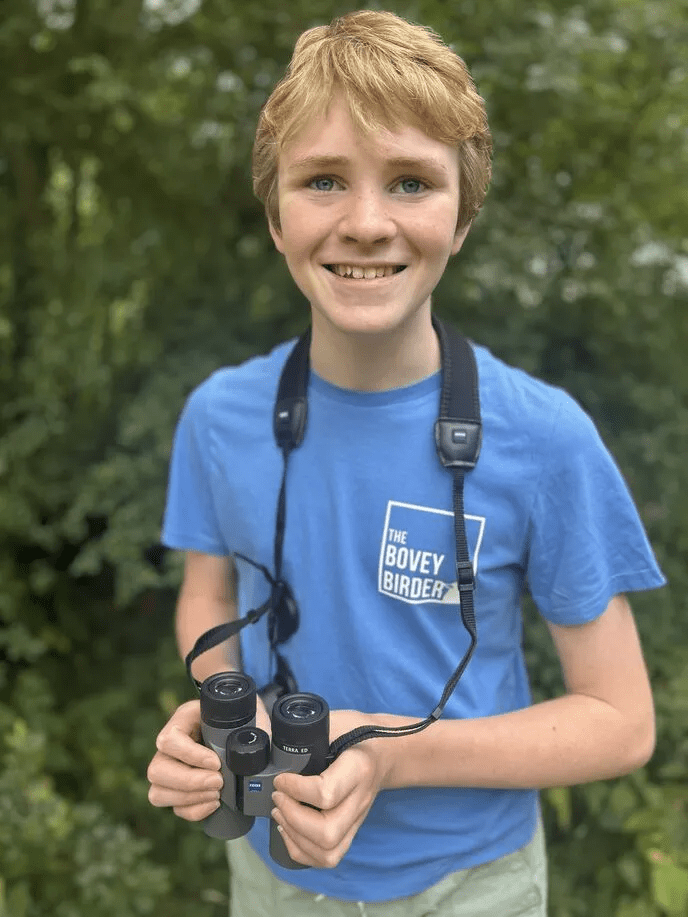
As I mentioned earlier, the 9th May is Global Big Day 2026, an annual event where people across the globe try to record as many bird species as possible to support eBird’s scientific understanding and increase their amounts of crucial data. This will then help inform conservation efforts. I’m a member of a the Global Birdfair Fledglings team, or GBFF for short, and we’re looking to recruit young birders who would be interested in contributing to our team’s total on the Big Day. All you’d have to do is go birding on the 9th, record your checklist as normal, but then click share and enter our team name ‘GlobalBirdFairFledglings’. There are so many amazing young people already raring to go and build this huge species list from across the globe, so why not join in?

Note: the Great Tit’s call is often described as sounding like ‘teacher, teacher’ on repeat. This is why my earlier joke was extremely witty and hilarious.

Source List:

Rare Bird Alert

The Guardian

Impactful Ninja

The Times

Bird-Watchers.com

ebird.org

BTO

On Peatlands and Humans

Dartmoor National Park’s Peatlands have always been intertwined with the people that live and work in the vicinity, a relationship that has stood the test of time. But recently, the strings joining us to these magical bogs have been somewhat weakened, and lots of people don’t know much about them. I’ve been exploring what brings humans and peat together, and why it’s more important now than ever.

Stepping foot on one of Dartmoor’s peatland blanket bogs can be a powerful experience. Looking out over a dramatic, rolling landscape, you take your first step onto the springy sphagnum moss, feeling your foot sink slightly. Bright green tufts dot the ground before you, with the flat, squishy land stretching off into the distance. What many people don’t realise is that by walking on a peat bog, you’re walking on the past, the present and potentially the key to the future too. People have had a connection to Dartmoor’s peat for hundreds of years, and this relationship, like all, has had its ups and downs. But increasingly, it looks like this spongy, rich ground will have a huge part to play in the longevity of those who live alongside it, whether human, plant or animal.

I’ve had a special connection to Dartmoor National Park for almost my entire life, which began with a love and passion for its avian residents. While I’m still a birder at heart, the Moor has done a great job at broadening my horizons, in that I am now fascinated by the entirety of its ecosystems, from its larger mammalian residents to the tiniest insects. The time I’ve spent hopping from tussock to tussock, often in that signature Dartmoor drizzle, with my binoculars swinging from my neck, trying not to lose my footing because I’m wearing what is probably inappropriate footwear for a bog, sticks in the memory, and I presume it will for a long time to come. 

Me!

As for their superpowers? Well, peatland may just hold the key to halting climate change, given that worldwide they hold twice as much carbon as all of the planet’s forests. Despite covering just over 3% of the Earth’s surface according to the IUCN UK Peatland Programme, they hold about 30% of the world’s soil carbon as stated by the Global Peatlands Initiative. These figures highlight the importance of peatlands to Earth, but just how do they do it? As I’ve already mentioned the plant matter that becomes peat only partially decays and holds water to create the waterlogged anoxic conditions of the peat bog. The waterlogged environment creates conditions void of oxygen, and decomposers such as fungi and microbes can’t live in the anoxic bogs, allowing the plant matter to only partially decompose and build up to form peat.

 But the peat bogs also trap the CO2 absorbed by these plants, and imprison it in the ground, preventing it from joining the atmosphere that’s already full to the brim with greenhouse gases. So, it’s quite clear that if we can keep our peatlands in good condition globally, it’s possible we could limit and slow global warming. 

But that’s not all this magical substance can do. What do you think peat and the Eurasian Beaver have in common? Well, they are both experts in natural flood management, with the water holding ability of partially decayed plants, in particular the multitalented sphagnum moss, able to slow the flow of rainwater from upland areas such as Dartmoor and greatly lower the risk of flooding further down the line. They also act as natural water filters, absorbing pollutants and improving water quality, as well as maintaining water supplies by staggering run-off. The problem is that, in England, 87% of peatlands are dried or damaged. Only 13% of our peatlands are in a near natural, healthy state, according to the England Peat Action Plan 2021.

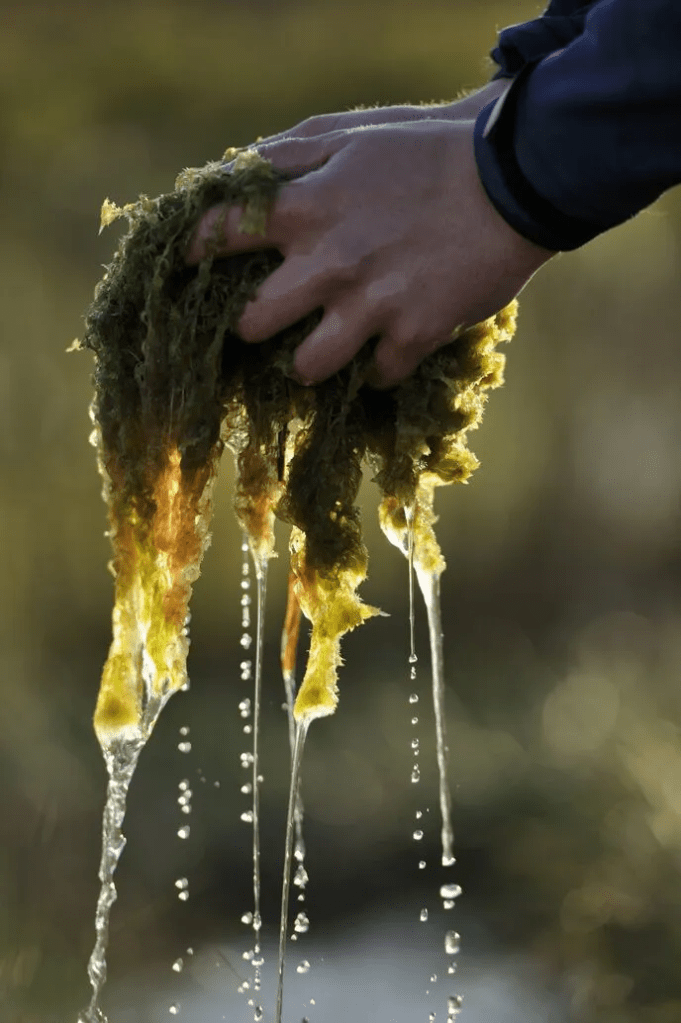
Squeezing water out of sphagnum moss (Credit Lorne Gill/NatureScot)

So, peat does a lot for us. And on Dartmoor, communities have had a relationship with it since the dawn of time. Primarily, it has been used as a fuel, burning well even in the cold winter months. From the Bronze Age to when electricity was first brought to the Moor, it’s been a popular choice to warm homes, whether a stone hut or a farmhouse. It was also used to smelt tin in Dartmoor’s mining age, as peat can be turned into charcoal, or peat coke. The peat was collected, dried and then heated in a confined space, often a furnace. But peatlands, despite giving so much to those communities who lived on the moor before us, were also drained for agriculture, and this, along with the constant removal of the peat, has severely damaged Dartmoor’s peatlands.

Thankfully, peat hasn’t been commercially dug on Dartmoor since the 1950s. But it is still collected in the UK, although on a smaller scale compared to previous decades. However, the use of peat commercially, especially in horticulture, is being phased out gradually. A ban on UK peat retail was set to come into force in 2024; however, it didn’t go ahead due to legislation not being completed before the deadline. Peat dug from the Northern Hemisphere’s globally significant bogs being used via ready-made compost mixes in British gardens has been a widespread thing for some time, thanks to its water-holding abilities helping flowerbeds flourish. It’s often included in compost and soil blends, but now people are becoming more aware of the problem and buying peat-free gardening supplements. By buying compost with peat in it, you worsen the problem.

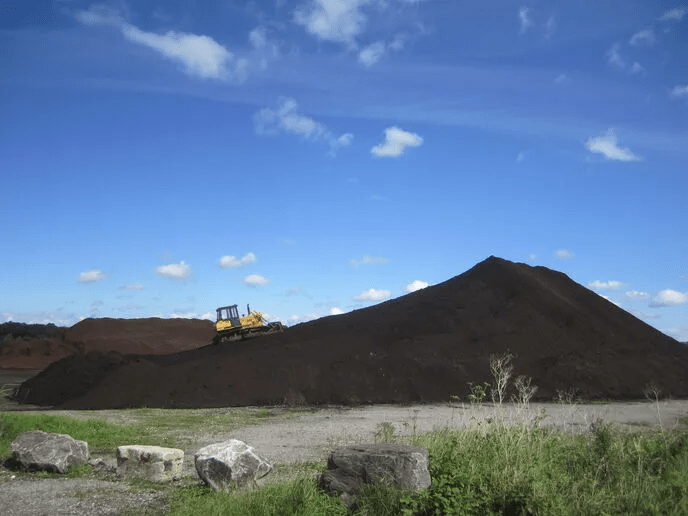
Sharpham Peat Extraction (2012) Somerset (Credit: Matthew Britton (Flickr Creative Commons))


The problem is, while the complete banning of peat collecting would help the cause hugely, Britain’s peatlands are still under threat, not just from commercial harvesting. When peat is damaged, dried or exposed, it releases the carbon it was storing out into the atmosphere, further fuelling global warming. And there’s no worse way to do all of these things than to drain peatland for agricultural and forestry use. The IUCN UK Peatland Programme UK Peatland Strategy highlighted that an estimated 80% of UK peatlands have been damaged by drainage, agricultural intensification and unsustainable practices. The amount of CO2 being released into the atmosphere from this is immense, and it shows the importance of these environments to the planet.

Another threat to UK peatlands is the burning of moorland, whether managed or accidental. Patches of heather, gorse and other vegetation are often burned to stimulate growth for livestock and game such as grouse. Accidental fires from cigarettes or disposable barbecues can be even worse for peatlands and their environments and can escalate quickly to wildfires that are dangerous for both nature and people. By removing vegetation and scorching the ground, the top layers of peat are exposed and quickly dehydrated, wreaking havoc on the bog. Overgrazing by livestock, in particular sheep, can also have a similar effect, removing vegetation and exposing the peat.

The actual bog can burn too. If the peat is dried by the scorching flames, there is no water to hold back the fire, and it will burn channels in the peat, drying it and releasing carbon as it digs deeper. Peat burns slowly and once ignited it’s not often obvious to the naked eye. It can go on smouldering for days, weeks or even months, damaging huge swathes of the bog. This is one of the many reasons not to damage the peatlands, as one little bit of peat in a compost bag can open up an opportunity for flames somewhere else.

Burning on peatland (Credit: North Pennines National Landscape)

So, almost all of British peatland is in need of restoration. Dartmoor is no different, and here there is a collective effort to restore not only the peatlands to full strength, but also the connection between peat and people, which it must be said has been damaged by time and advancements in technology. This has led people to no longer rely on the peat as they would have done only a couple of hundred years ago and weaken the strings that connect us to this mystical, spongy ecosystem. 2025 saw the inaugural Peat-Fest South-West, which aimed to raise awareness and foster that long-lost relationship between humans and peat bogs. It was an opportunity for people across the south-west to connect with the peatlands, running family-friendly workshops, volunteer days, creative activities and competitions, and even a young persons’ manifesto. Headed up by The Art and Energy Collective alongside partners including the National Trust, RE-PEAT, Exmoor National Park, the South West Peatland Partnership and Dartmoor National Park, it has afforded an avenue for many people to develop and foster a passion for what is often seen as an obscure habitat. But as with all ecosystems, there is always more than meets the eye, and this might just apply to peatlands more than any other environment. 

Having personally done volunteer work on one of Dartmoor’s peatlands with the Dartmoor Youth Rangers, it is a unique experience. Whatever the weather (in our case it was very soggy), being out in the wilderness overlooking the National Park is something else. We even got to ride offroad in the coveted Dartmoor Ranger Land Rovers, as our work site was so remote. Alongside the South West Peatland Partnership, we worked to repair peat bunds (dams of compacted peat) in order to re-wet the exposed and damaged peat, and restore it to its former boggy glory. A group of hard-working teenagers achieved a lot that day, and it provided me with a valuable insight into the daunting task of restoring blanket bogs not just on Dartmoor, but up and down the country. 

Dartmoor Youth Rangers at Rowtor for Peat Fest South West (Credit: Jim Wileman/ Peat Fest South West)

Above all, for me, peatlands are grounding, giving me a rare chance to reflect in such a busy world. There is nothing else like them on Earth, and to feel a connection to them is something uniquely special. Huge parts of our life on this planet rides on the health of our peatlands, and it’s of the utmost importance that we recognise that, and learn to love them, now more than ever. Because for once, they’re relying on us to pull them through a difficult time, as they have done many a time for humanity. Picture a person from 40 generations ago, sat shivering on a hillside, four stone walls their only protection from Dartmoor’s howling wind. Peat burns in the fireplace, giving off warmth so that the lean figure before it can survive another night. Now we need peat for a different reason, and for us it needs to stay in the ground putting its superpowers to good use. Some gardeners might not like me saying this, but the world needs peatlands in their natural state, and right now it needs to restore its connection with the only beings that can prevent it going from carbon sink to carbon emitter. In other words, hero to zero.