The family ambled down the gorse lined slope, with scores of sheep, confined to the next door field, making quite the racket. Buzzards wheeled around above, and unknown songbirds flitted above the undergrowth briefly. There seemed to be more people out than usual for the time (early evening), and we certainly had help achieving our goals that night. A sighting here, a pointer there. But so we pressed on into the moorland valley, the sun getting lower by the minute.
Both bluebells and pipits were out in force tonight, with much of the green grass stained indigo, and sweet scents floating on the air. Brown birds with speckled breasts undulated in flight, with both Meadow and Tree pipits featuring in the evening performance. Just darting out from cover, or showing off their extravagant parachuting display. Incredible to watch, and their constant presence was part of what drove us on in our search.
We stopped abruptly, to watch two buzzards grappling with each other. It certainly wasn’t pretty, with a third joining in and many grappling claws, and dangerously low swoops. Eventually, the ruckus died down, and we continued on.
As we headed towards the old barn, we heard for the first time. Faint. Distant. But there. A cuckoo, its voice carrying on the wind. I grinned. This proved to be a consistent soundtrack for around another ten minutes of our walk, seemingly edging closer. And closer. And closer. Jackdaws and Crows circled above us, guarding their nests from the apparently imminent threat. We stopped for a rest by a rock.
And suddenly, it materialised out of the hedgerow, making a beeline for a stunted holly tree, stark in the open. And it sat there. Calling. And calling…
And in swooped a second, diving at the first! The original bird, in shock and caught in the open, was dislodged, and threw itself towards the nearest outpost, a tiny tree surrounded by granite. It’s attacker sat calling smugly, perched right at the top of its new home. And then came the first bird, once again, targeting its assailant. They scuffled, and spent a while chasing each other off. But the first bird always circled around back to its holly. It would not budge. Except when mobbed by a stonechat. Taken completely by surprise, it flew off once agin, but this time, like the second one, did not return.
Happy, we strolled off back towards the car. At the little stream though, they turned up AGAIN! Pursuing each other off into the distance. That was the last we saw of them. Such magnificent birds, the cuckoos. Thats 4 years that we have seen them at the same place. Emsworthy Mire, in my opinion, is one of the most reliable places for Cuckoos in Devon. I highly recommend this Dartmoor site for birdwatching, especially in spring/summer time when everything is kicking off.
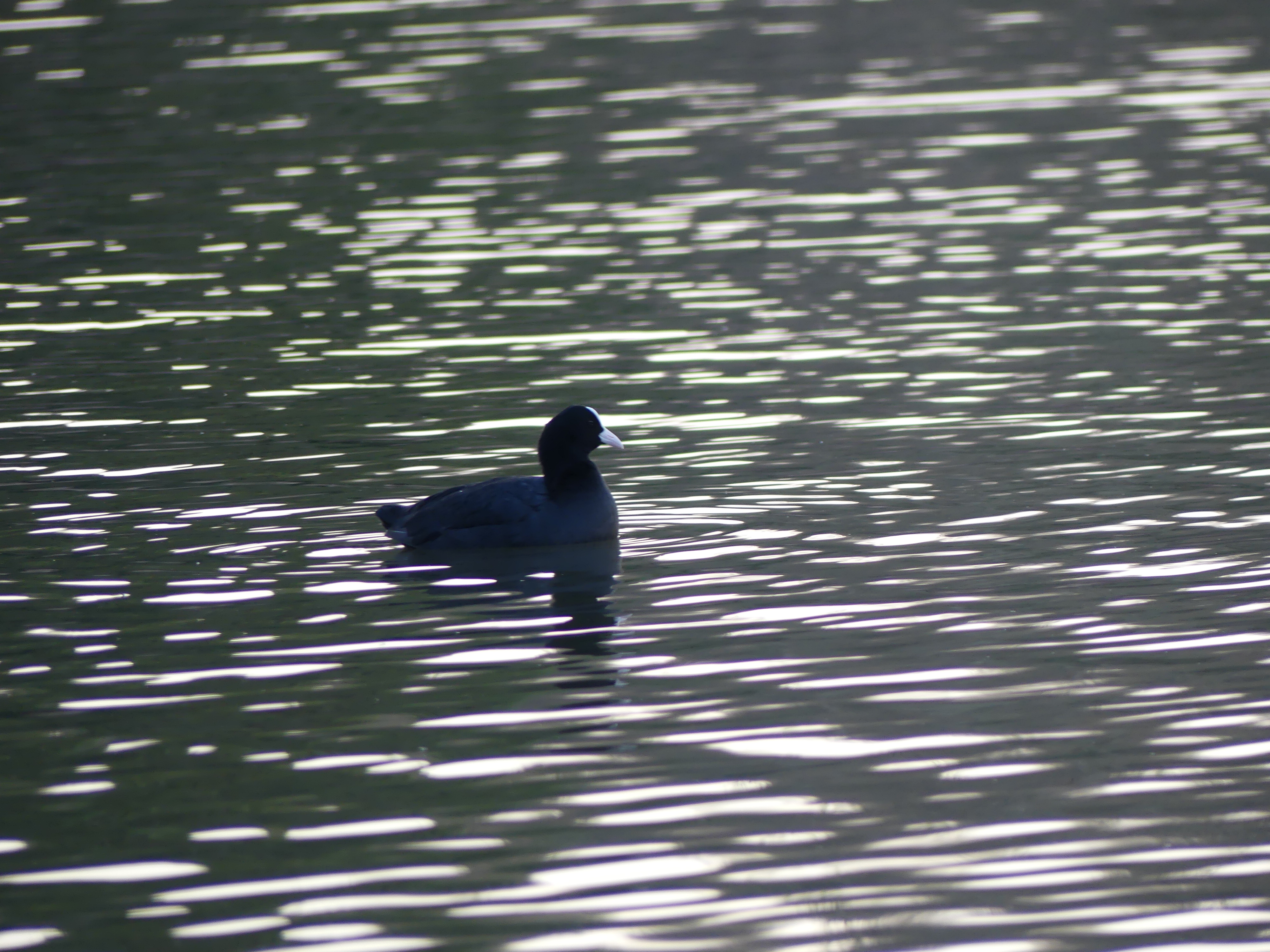
I crouched on the boardwalk, squinting through the viewfinder of my camera. As the picture came into view, I smiled. A coot perched precariously on a messy heap of sticks, weaving twigs twice its size into the structure. The bird seemed content enough, water droplets glistening on its back. Suddenly, it fluffed up its back feathers in alarm, and stared upwards… I took my camera from my eyes. And there, inches away, a Grey Heron glided silently past, so close I could almost reach out and touch it. It carried on towards the reedbeds, and dropped out of sight.
Around 10 minutes later:
We rounded the corner of the path, and stood before the totem pole that was Stover Country Parks intricately carved Wishing Tree. Walking up the raised wooden path, we headed through the door of the Visitor Centre. After another set of double doors, we stood in a quiet room filled with interactive, nature-themed displays. I was immediately drawn to a live feed of the lake, controllable by a joystick. After scanning through various gulls and ducks, I came across the same heron I had seen previously, jostling about in the reeds. I zoomed in, and the huge bird held a struggling fish in its beak, long, slender and flexible. It continued to coil itself in an effort to get away. Sometimes it did drop, only to be snatched up by the bird again.
I called everyone over, and we all marvelled at this conflict of nature. The herons bill was bloody and slimy, as when handling the creature, it stabbed its knife of a beak into the squirming fish. This happened continuously. Many times it looked as though the heron had won, but could not deliver that final blow in time, and the fish escaped its clutches, only to be captured once again. However, one time it looked as if the creature would escape. The beast of a bird did well to bring it back once again. This duel of wits went on for around fifteen minutes, but ended in a gruesome fashion for the struggling fish.
The heron had worn its hardy prisoner down until it was exhausted, and had lost a lot of blood. The bird threw back its head, and the creature slid down its gullet, a wriggling tail soon disappearing. The neck extended to full length, and a still moving lump slipped down into the stomach. The Grey Heron then proceeded to wash itself, and scrub the slime and blood off on the surrounding reeds, as if it had just completed a normal, everyday task.
We watched in silent admiration as it stalked out of view of the camera. Bertie (my brother) took my seat and angled the screen away from the bird, in search of another spectacle. But he wouldn’t find it, as we soon left the building in awe and headed towards the car.
The weather down in Bovey Tracey doesn’t seem to be able to make up its mind; one moment absolutely glorious, the next miserable. It seems hard to believe, but Spring is on its way. The birds are singing, the daffodils are in full bloom. The resident House Sparrows have returned to their nesting box (which was originally meant for swallows, but has been taken over). I often see their heads poking from the holes.
Daddy said recently that he saw two Robins feeding each other, a sign that the mating season is underway. These actions will strengthen the bond between a male and a female, and will also help the female prepare for incubation and laying. The trees are like a whole world that has hardly ever been noticed. Blue tits constantly flit in and out of the branches, and I have seen a group of Chaffinches roaming from tree to tree. However, the wood remains bare, without buds or leaves. But I am certain they will come in eventually.
Just a week ago, I heard my first Chiffchaff of this year, a telltale sign of Spring for me and Daddy. However, I struggled to hear it clearly due to the wind blowing the call away from us. Soon, I hope to travel to Emsworthy Mire once again and go in search of the birdlife that has provided an annual fixture for us over the years. Cuckoos, Willow Warblers, Skylarks and Meadow Pipits all feature, as well as the odd Redstart or Tree Pipit.
Signs of Spring are often different for different people. For example, many people find Skylarks a sign of a seasonal change. But one could argue that in many places in England, they are a resident bird, and do not migrate. These are unique to everyone, and are important to us, and to others.
Me and Bertie (my brother) darted and dodged about the field, Daddy chasing us, and not far behind. A gentle breeze swept the grass, and the sun sat low in the sky, watching us gleefully. We vaulted the stile, and ambled up the path, through the gate and past the minuscule car park. Ducks quacked and croaked in a throaty welcome as we ambled along the gravel path, surrounded by trees and bushy shrubs.
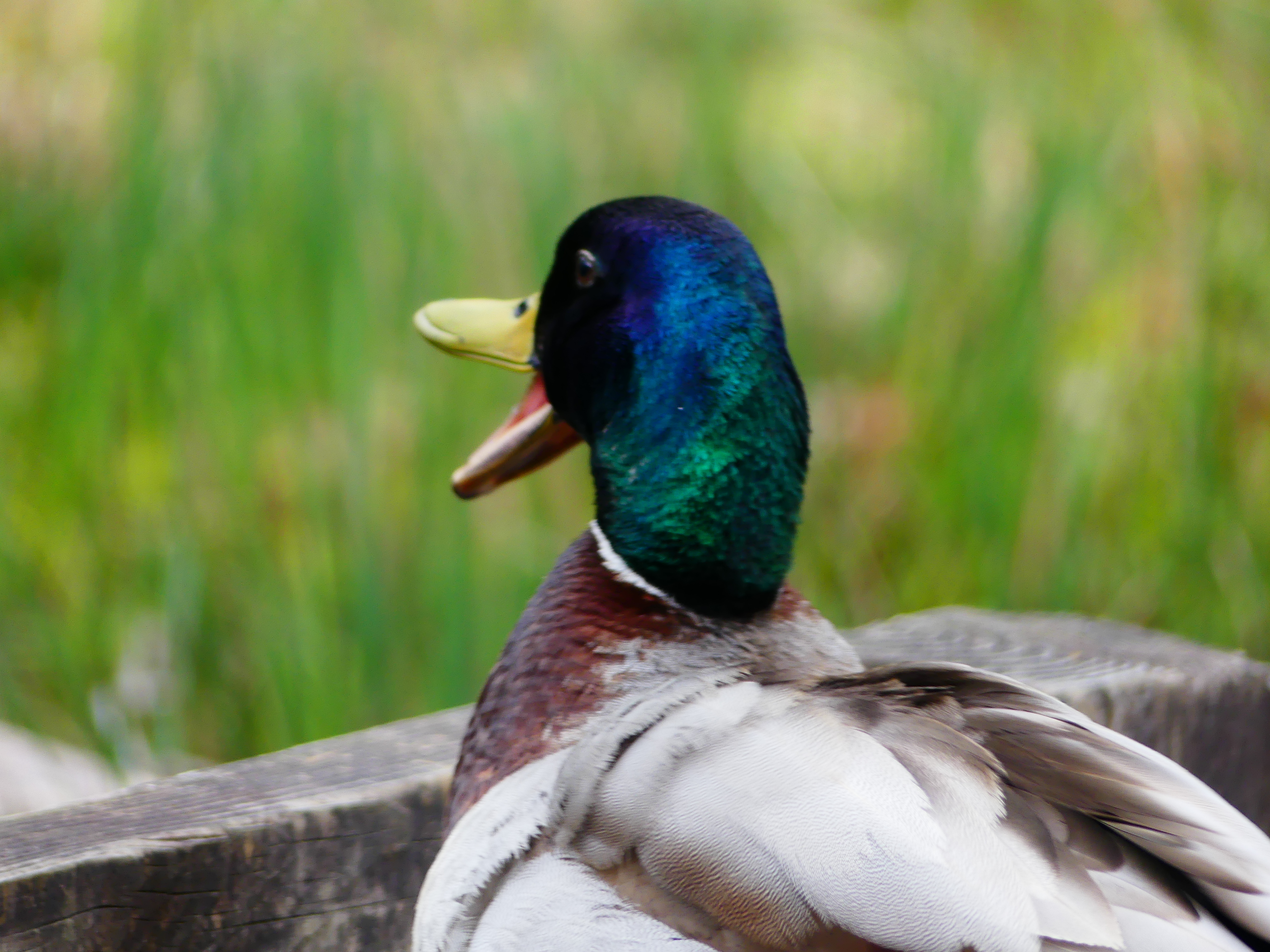
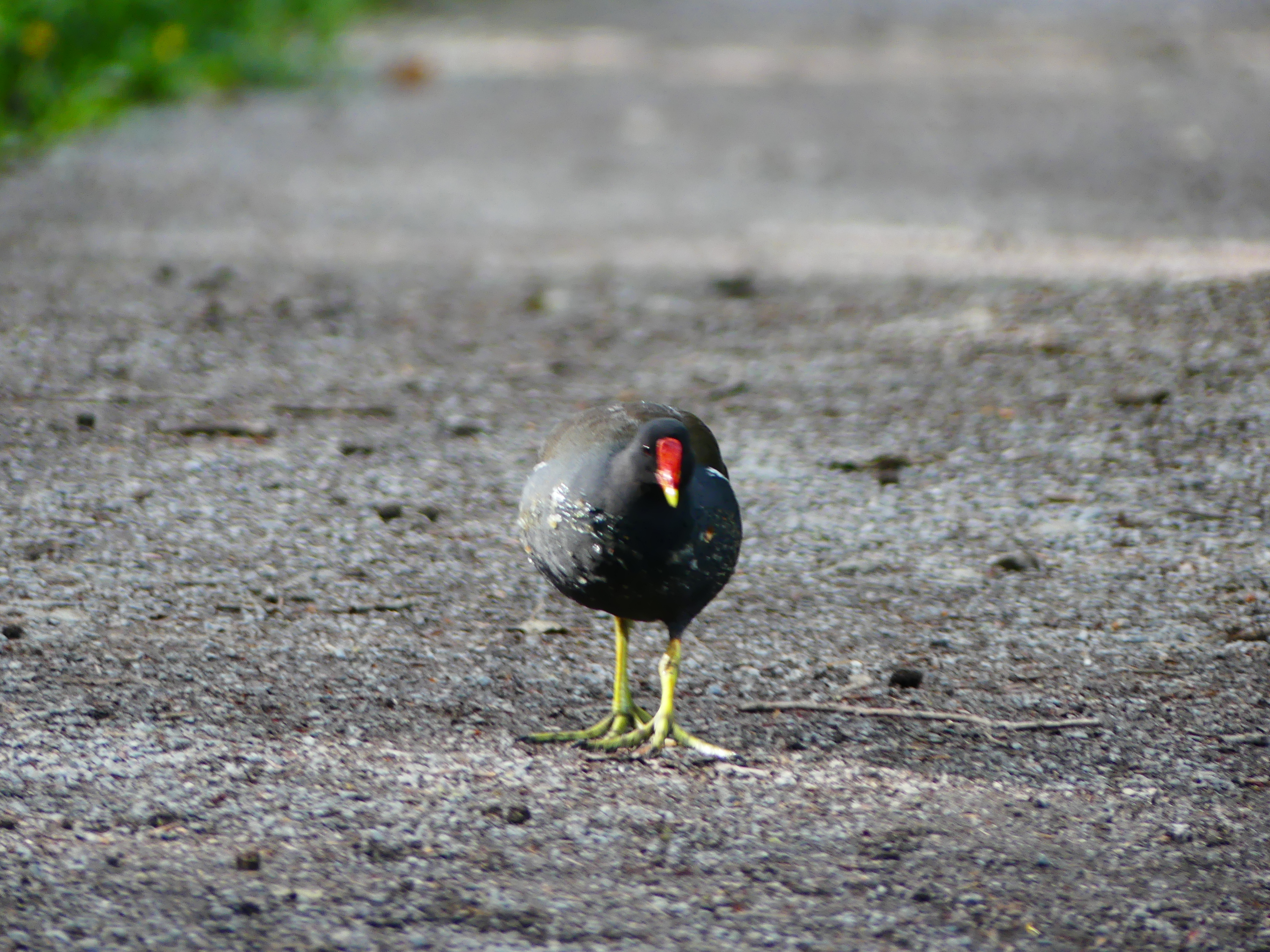
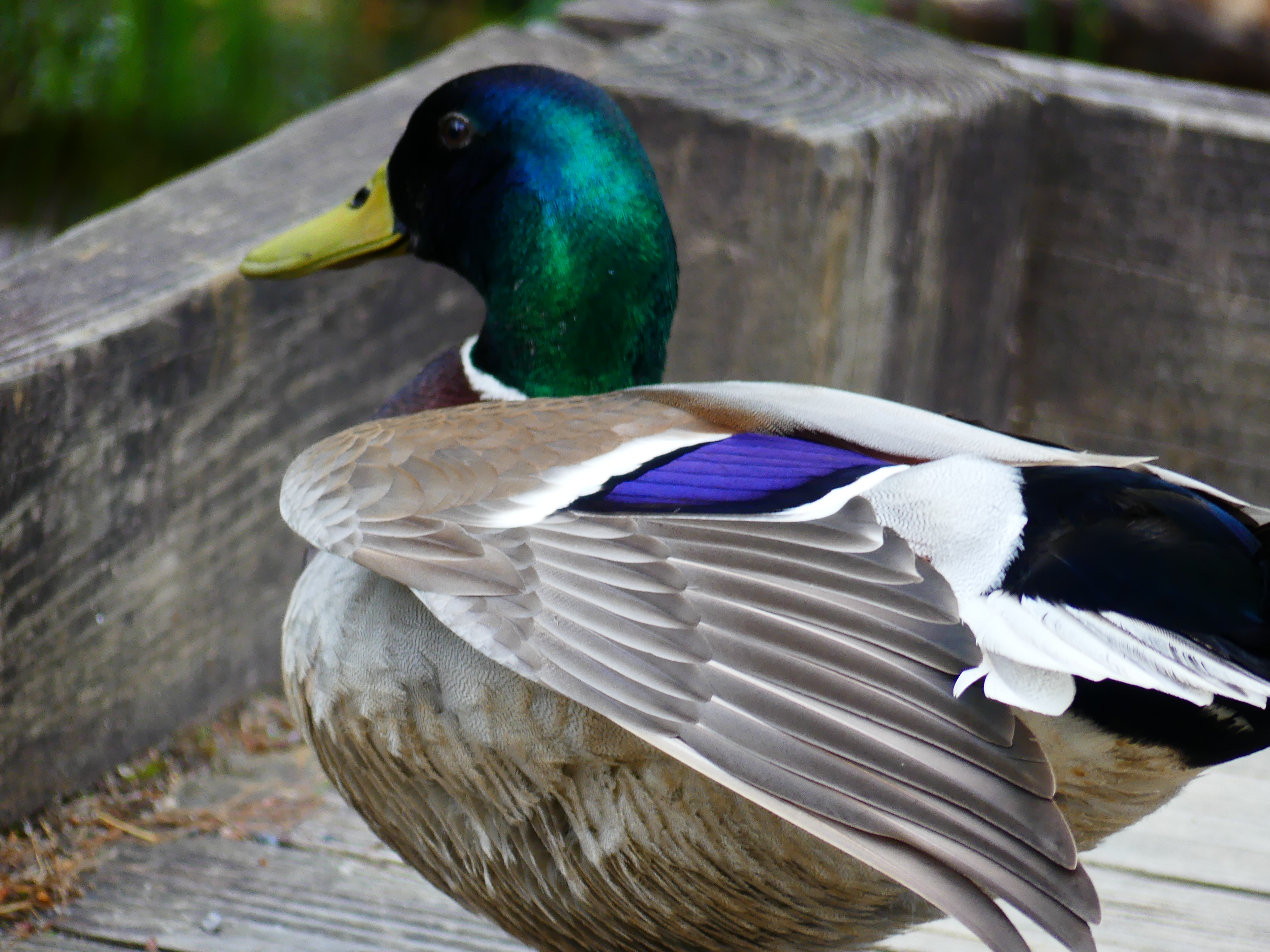
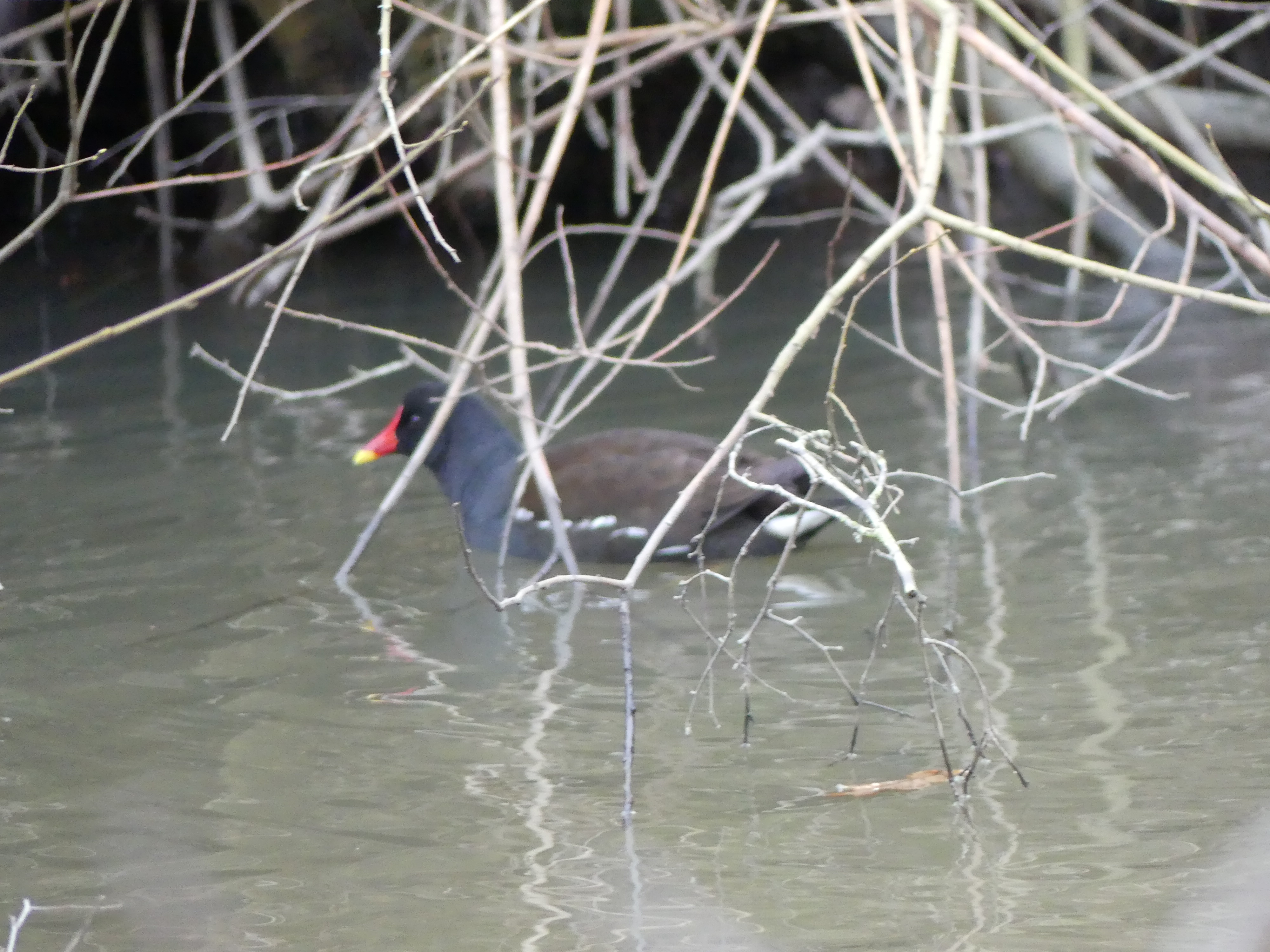
Bertie ran down to the first jetty, while we continued on, chatting merrily. The second jetty appeared round the slight corner and we strolled down to the edge. Mallards lined the far bank of the lake, and moorhens called from unknown locations. Gulls circled in the sky, and birdsong echoed from branch to branch. However, something didn’t seem quite right with the identification of a group of ducks out on open waters in the middle. They seemed too dark for mallards, but a certain ID could not be reached from our current position.
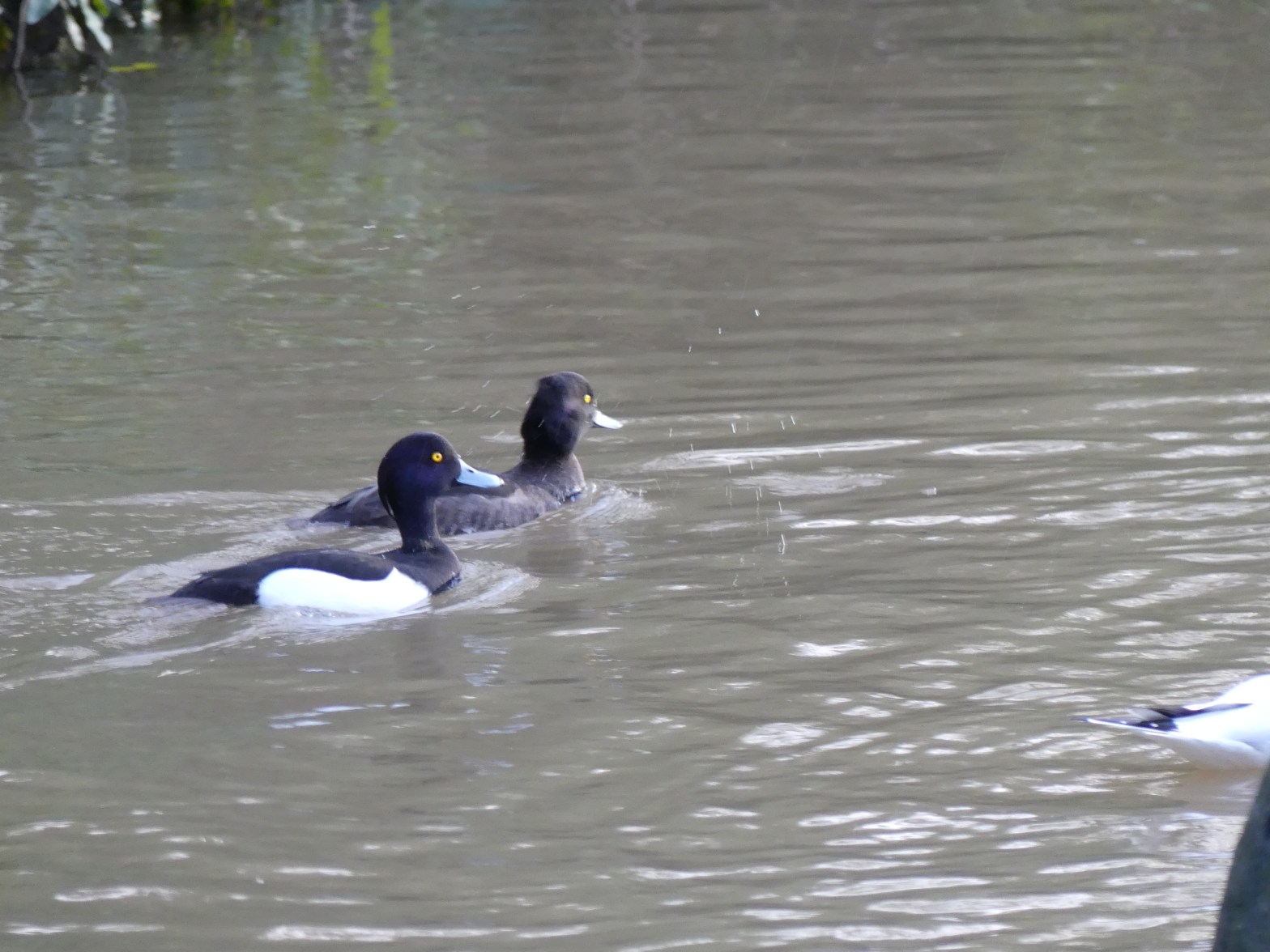
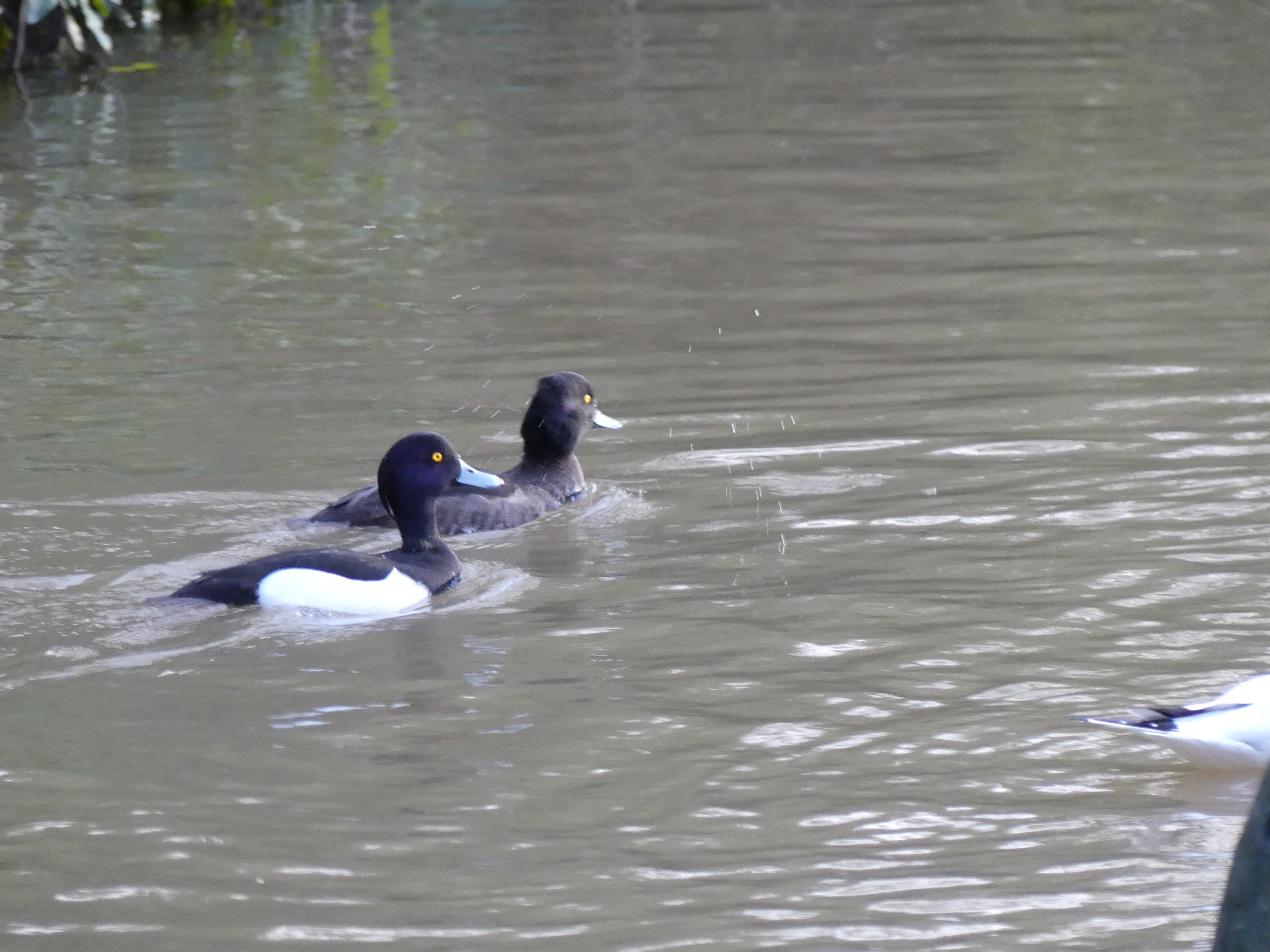
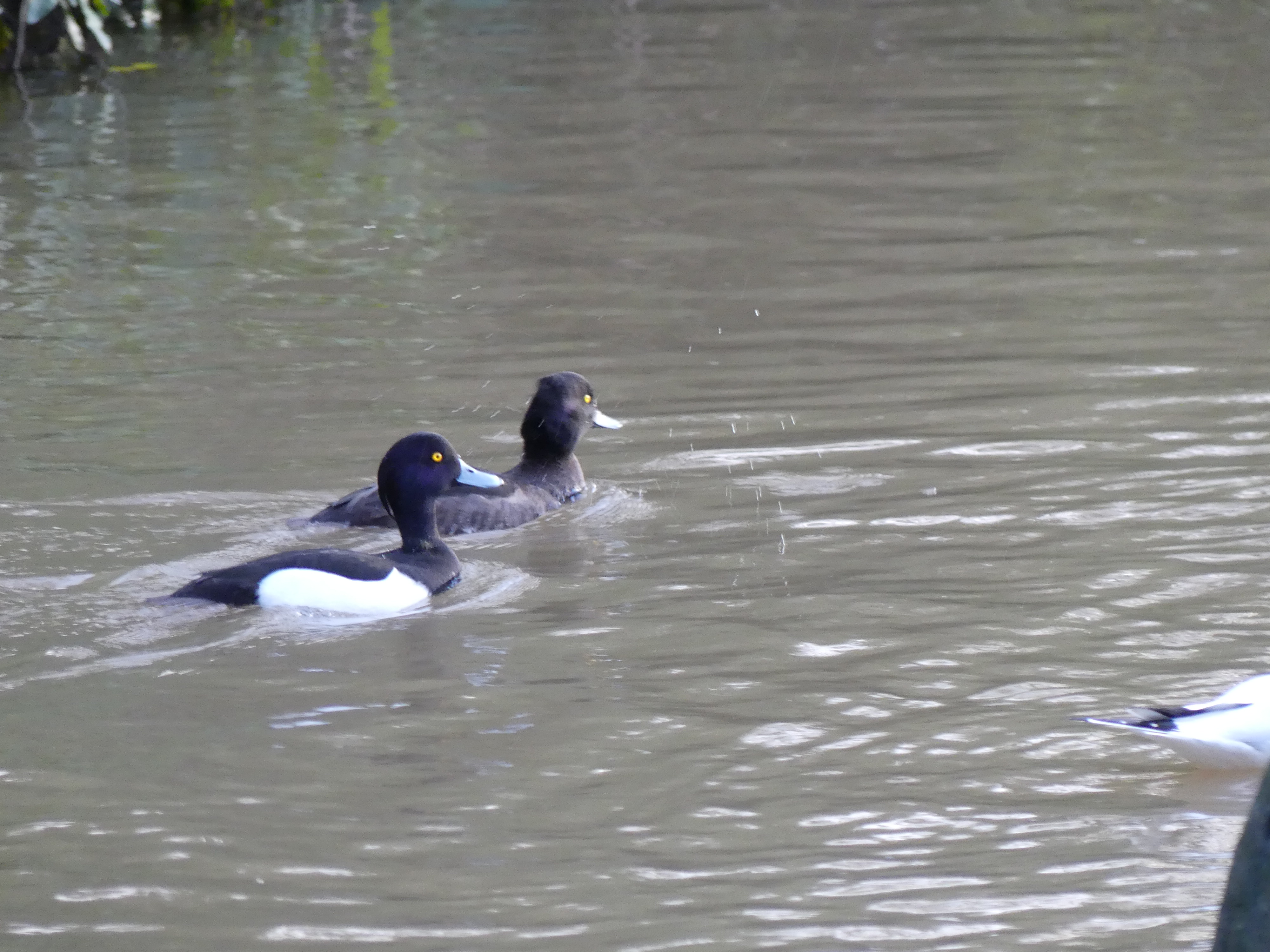
We continued on, with purpose in every pace, and me and Bertie, who had caught up a minute ago, ran the final few metres onto the next jetty. There was a better view here, and they were suspiciously unlike the usual crowd at Bradley Ponds. Three were black and white, the colours contrasting starkly. Two out of five, however, had the same build, but were a muddy shade of brown. And they all sported a tuft on the back of their heads, albeit the brown birds’ were almost indistinguishable.
These were none other than five Tufted Duck, and looked completely out of place on the mallard lined lake. It was a rare sight for these birds to appear here, and something I have never witnessed until now. Although, personally, I think Bradley has a bit of a reputation for turning out ducks that are rather uncommon in Bovey Tracey, such as Garganey and Goosander. Satisfied, we continued on our evening stroll as the sun dropped lower and lower. Eventually, we called it a night and set off for the field once again.
We clambered out of the car into the refreshing yet bitter dawn air, having woken at an ungodly hour. It was just the two of us [me and Daddy] and the alluring calls of geese and wildfowl rose up into the misty morning air. With all the equipment either hoisted onto shoulders or clutched in numb hands, we set off down the narrow road, bordered by overgrown hedges and a short metal fence. Robins and Blackbirds hopped about in front of us, or warbled from a bramble perch. In places, there were gaps in the hedge, allowing us to peer through and get an idea of what was to come. When we reached the hide, we stopped in our tracks. The marsh was breathtaking, though not in the usual way…
It was completely FROZEN OVER, all except for a patch of water no bigger than a small back garden. Crammed together across this patch of ice-cold water was all the birds usually seen on the marsh, in full view, all huddled together in a loosely spread bundle. Avocets, Black Tailed Godwits, Dunlin, Curlew, Lapwing, Redshank and Canada Geese were all lined up on the tussock-littered bank. Wigeon, Teal, Gadwall, Shoveler, Mallards and Pintail jostled for space to rest or feed. Two young Spoonbills showed no interest in the hustle and bustle around them, and snoozed on, only raising their heads slightly when a bullying Great Black Backed Gull put the flock of waders to flight.
This was a regular occurrence, with a Kestrel and a Grey Heron doing the same as time went on. As the sun rose higher and higher in the sky, Daddy drew my attention to a small brown bird hopping about on one of the islands closer to the hide. Left of a Lapwing, a lone pipit moved about the clumps of long grass, continually moving out of my field of view. It was unlikely to be a Meadow Pipit or Tree Pipit, and Rock Pipits stick to the coasts usually, plus it showed the identifying features of a Water Pipit. 143 and counting!
A nice man in the hide pointed a trio of Snipe out to our prying eyes, and told us about the Spotted Redshank that’s been hanging around for a while. He even showed us a few photos. However, after searching through the heaving masses of birds, we didn’t find it. On this note, we left the hide out into the bitter air, and started the trudge back up to the car. The air was cruelly chilled, the icy air attacking us in every place it could reach. Despite all my layers, I was shivering by the time we were driving home.
The Big Garden Birdwatch happens but once a year. Run by the RSPB, this citizen science project collects vital information for conservation. For example, it has revealed the catastrophic declines in House Sparrow and Starling populations, which we assume common. All you need to do is watch birds in your garden or local area for an hour, and count every species you see. It is accompanied by many LIVE videos, not to mention quizzes and activities. Last year, ONE MILLION people took part. Let’s see if we can beat that this year.
We did ours yesterday, and it included a lovely little surprise in the form of Europe’s smallest bird.
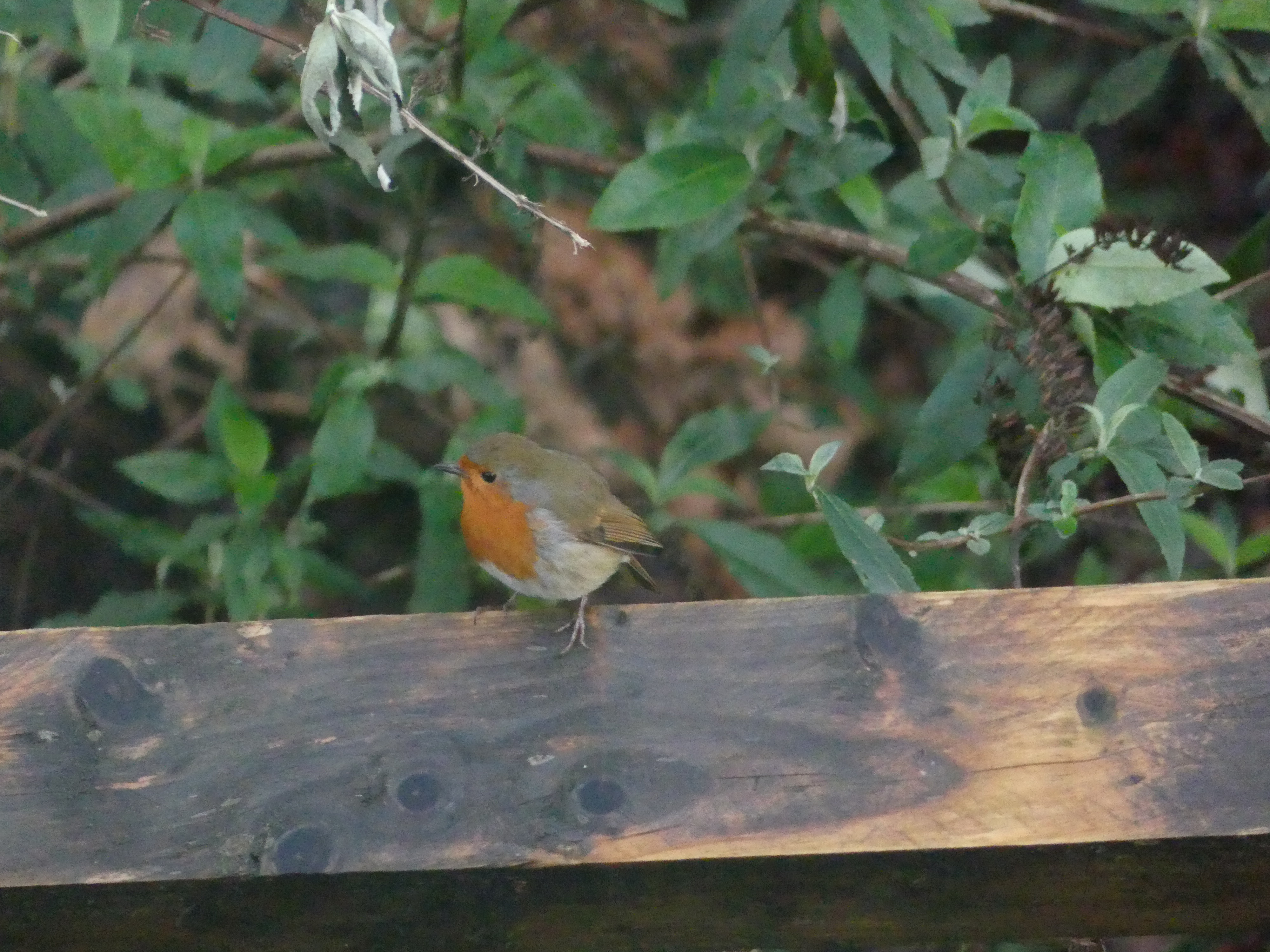
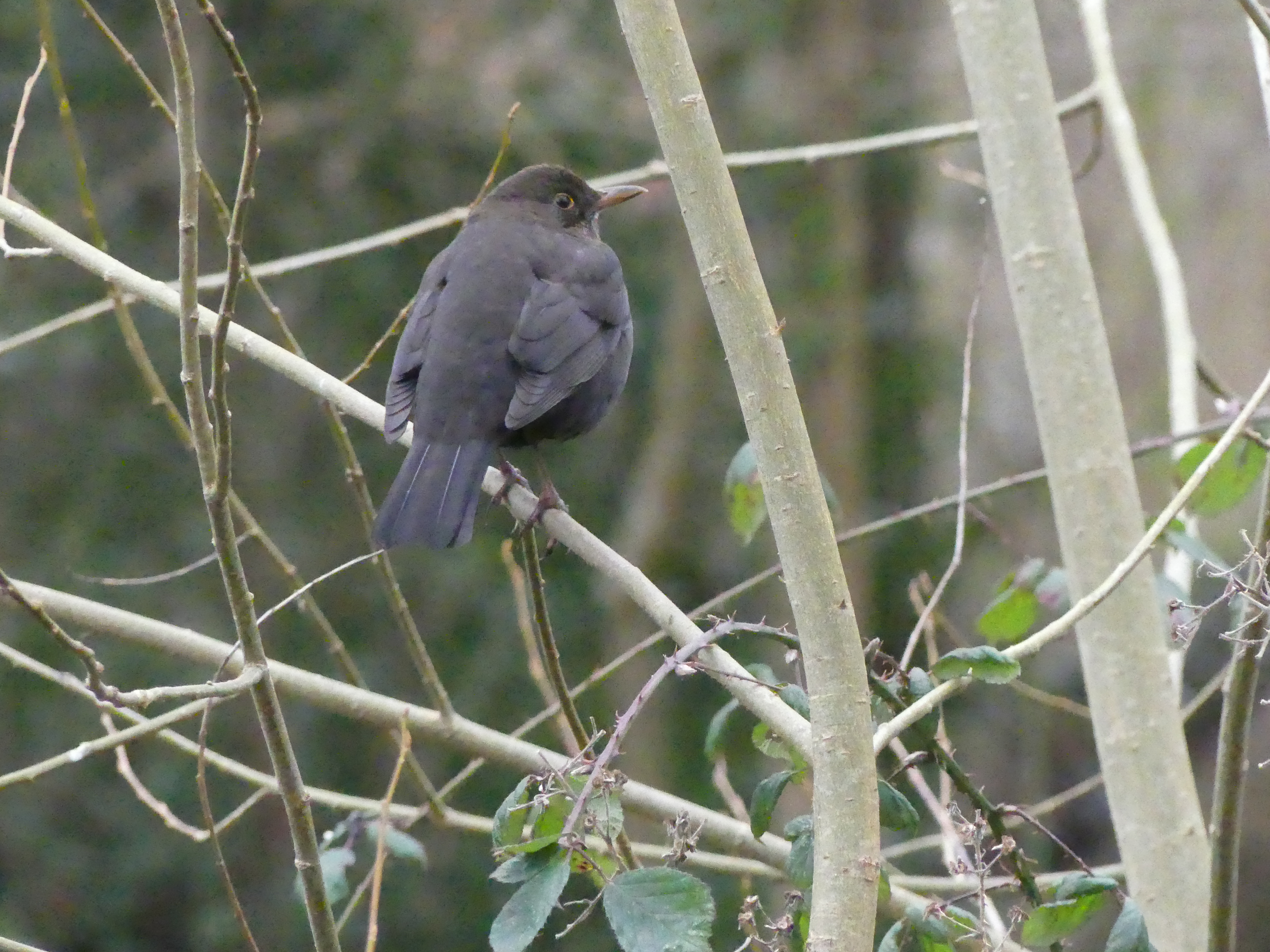
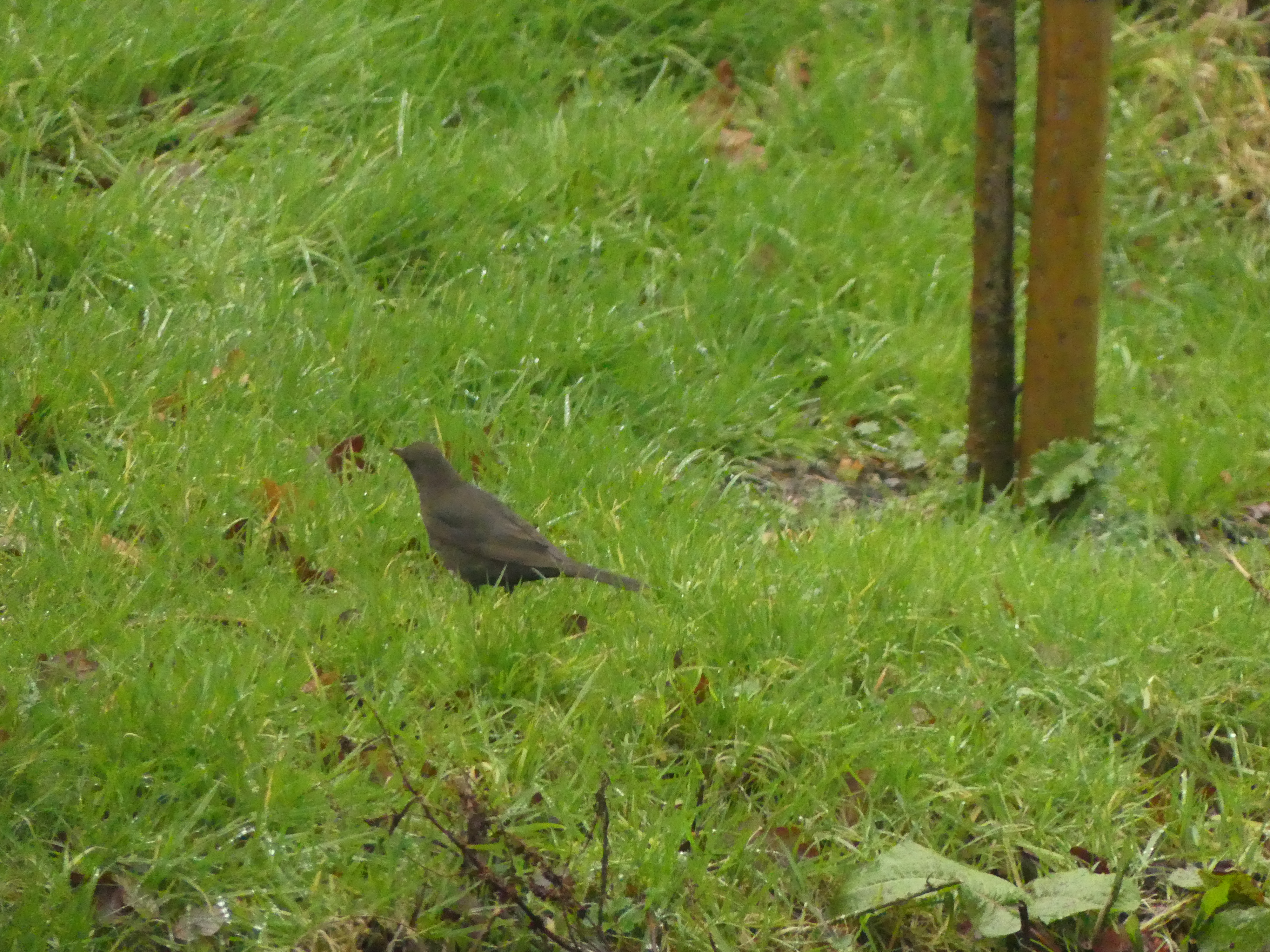
We perched by the windowsill, binoculars at the ready, pencils poised. A box of biscuits had been opened especially. And with that, the hour started. We begun with a Dunnock flying in to perch on the fence. It sat there for a while, watching 2 Robins come and go, before diving under the feeders for the sunflower hearts that had been dropped by our resident Goldfinches, who were jabbing greedily at the feeder’s ports. Suddenly, a glossy Blackbird alighted on the fence where the Dunnock had been minutes before. But this bird didn’t hesitate to charge down the hanging table, and to gulp down the mealworms we had put out. A second Blackbird, this time as brown as the muddy leaves, joined the first.
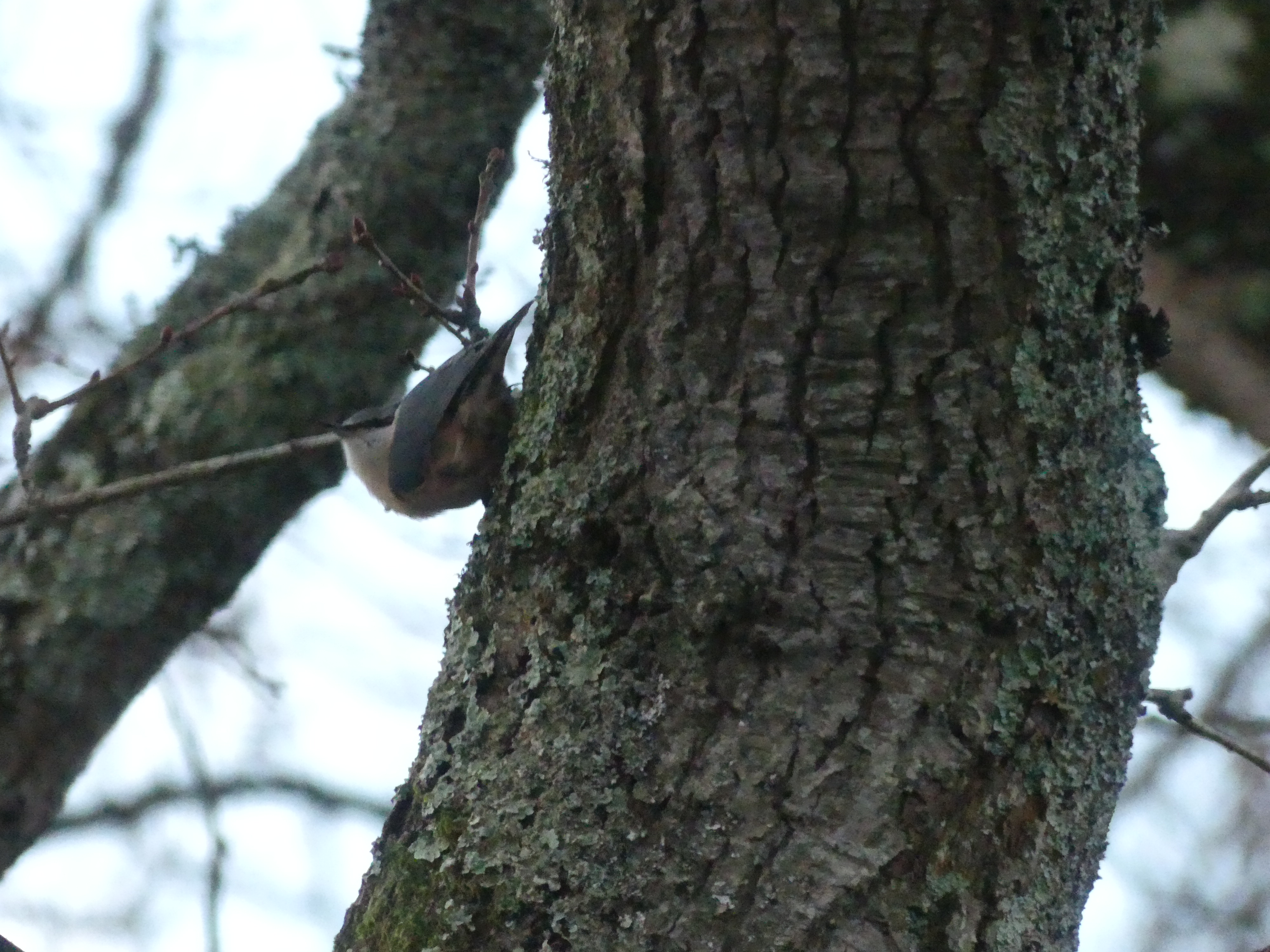
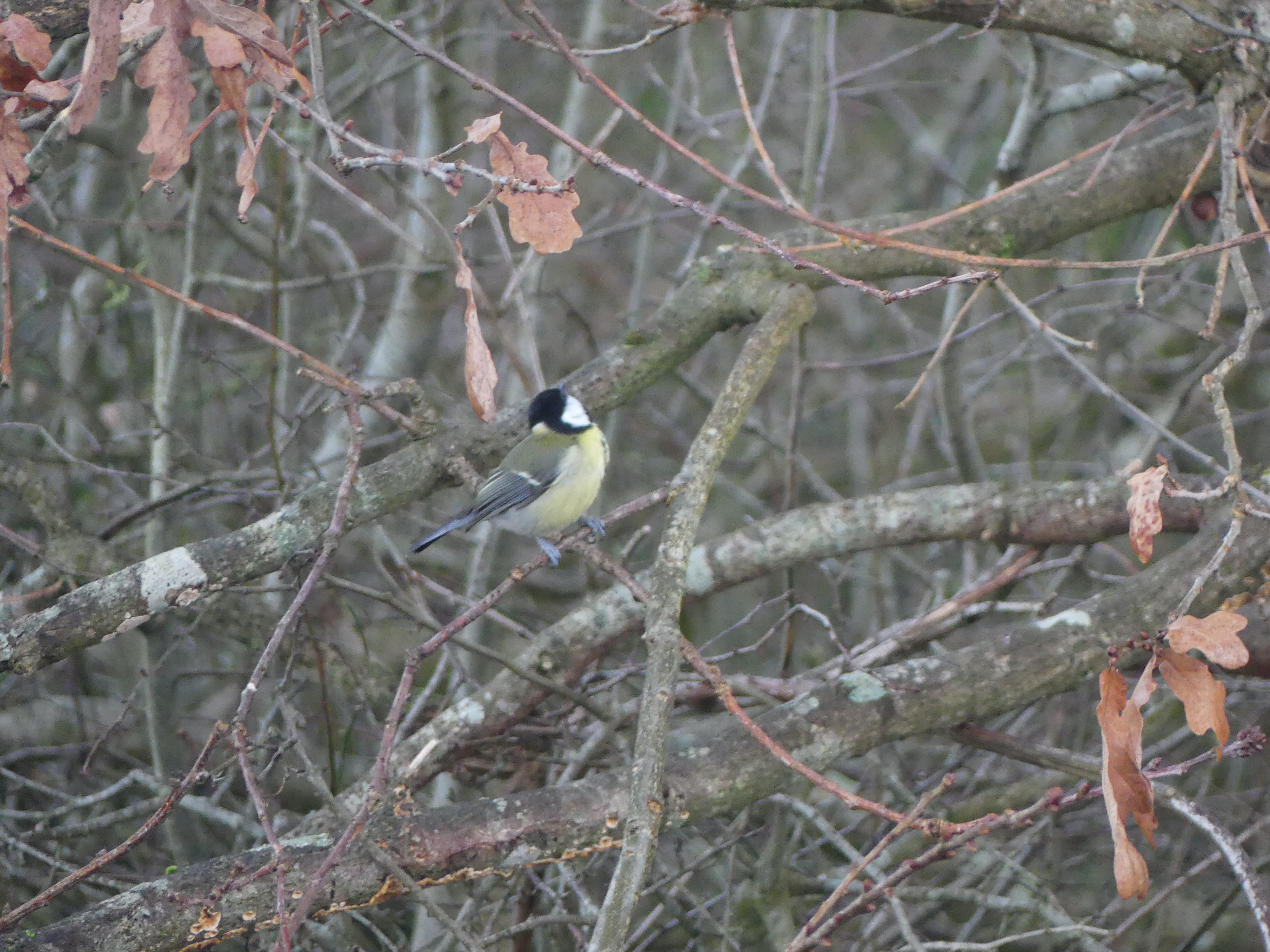
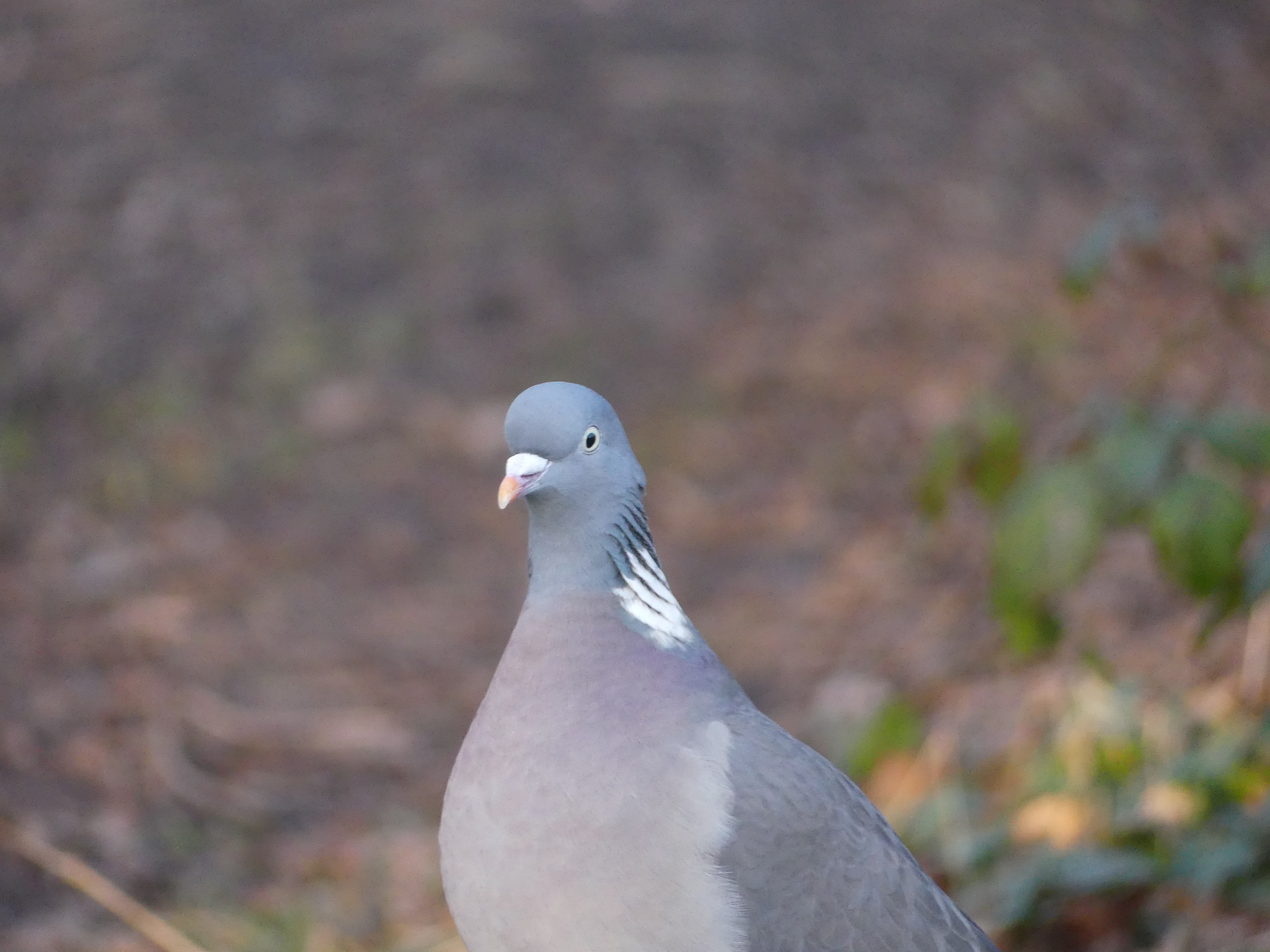
It seemed everyone had eaten their fill and all went quiet for about 10 minutes. But then one of our local Nuthatches dived for the suet and restarted the frenzy. A Great Tit alighted on the fence, closely followed by a Blue Tit. They both went for the black sunflower hearts, and started cracking open their shells. A group of Chaffinches kept on returning to grab a bite, before retreating to the shelter of the oak tree. House Sparrows went for the seed mix and a Woodpigeon thudded onto the fence. I tore my eyes away from the party and began to scan the trees. More Chaffinch, another Nuthatch and something else. It was so tiny it could have fit in the palm of my hand. It had a striking golden crown. A Goldcrest, Europe’s smallest bird. It flitted about the tree’s slimmest branches, before taking flight towards the undergrowth.
Before long, the hour was up. It had absolutely flown by, with plenty of entertainment to be enjoyed.
The Somerset Levels are a place I have been longing to visit for years. The Levels are an ancient wetland which have survived over the centuries. The Romans attempted to drain it, but did not prevail. However, they were drained eventually, and now lots of channels and lakes and reedbeds point to its former glory. And now here was my chance. RSPB Ham Wall is set in the heart of Somerset, a haven for birds and animals alike. We took a trip up there and it turned out brilliantly. We stayed over the night before in order to set off early. A light mist was rising off of the levels during the first few hours of our adventure, creating an air of mystery. And now, without further ado, enjoy…
I rushed across the car park towards the feeders. The feeding area was enclosed by a tall fence, with viewing ports cut out of the wood. I peered through the port closest to my height. 2 bird feeders, complete with guards, were hanging from a tree in the centre. Blue and Great Tits squabbled and jostled for places inside and outside the guards, while Chaffinches and a Blackbird hopped about beneath. A little Coal Tit was perched in the tree, waiting his turn. Suddenly, my ears were assaulted by loud voices from small birds. Looked like the Coal Tit would have to wait a little longer. The House Sparrows had arrived. They fought for space within the surrounding shrubs, and cheeped as loud as they can, some attacking the feeders, others waiting for the right moment.
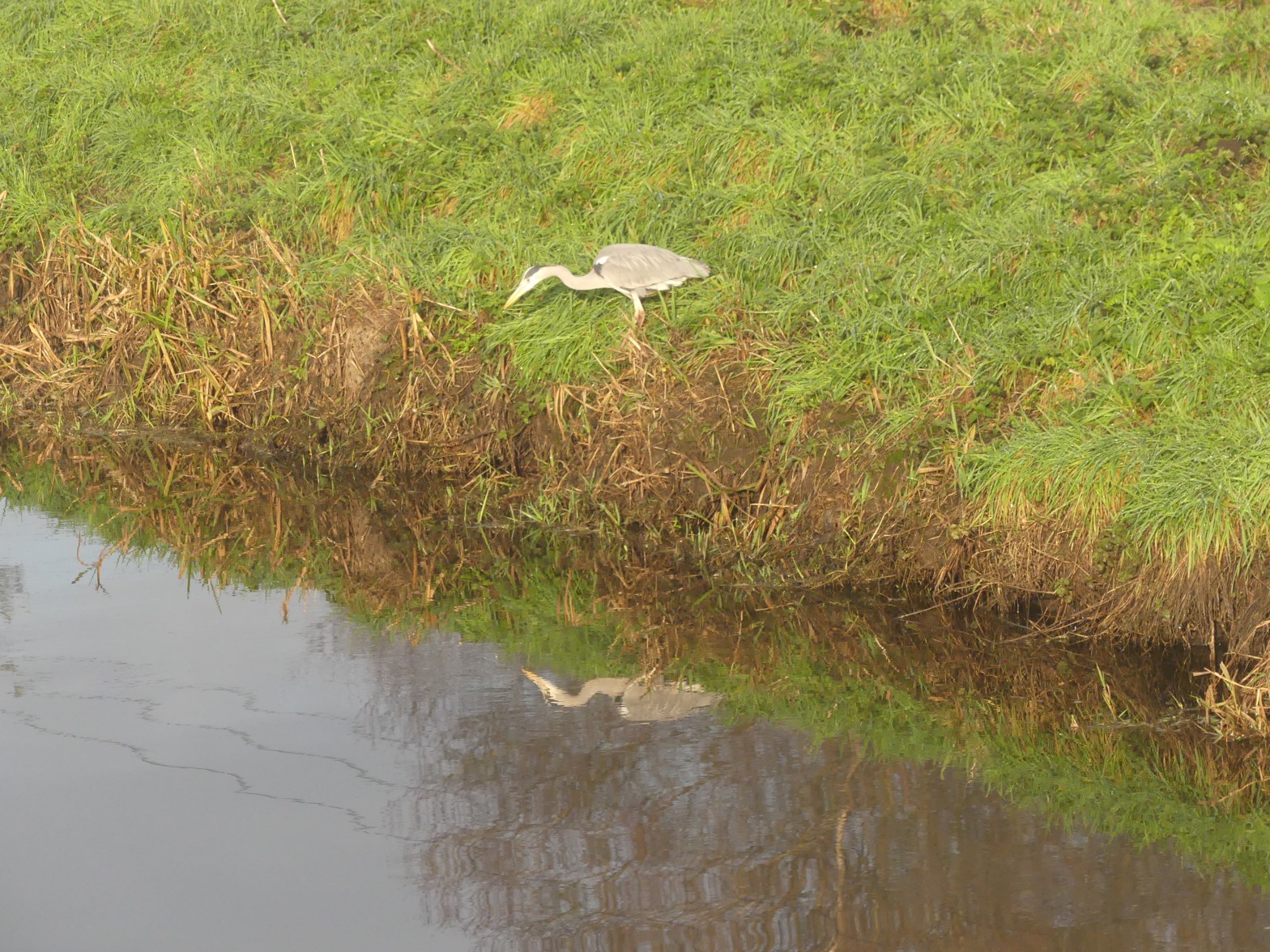
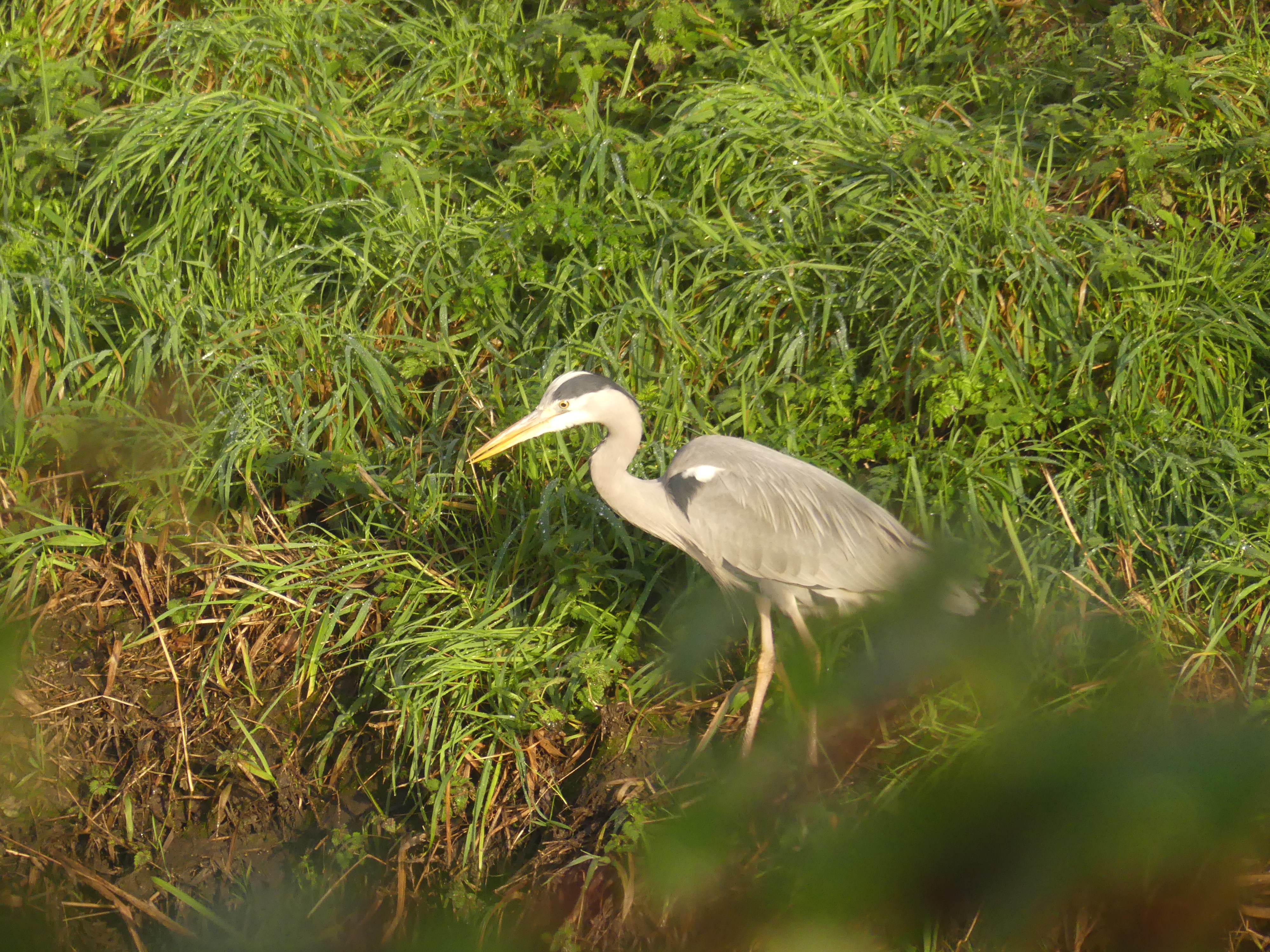
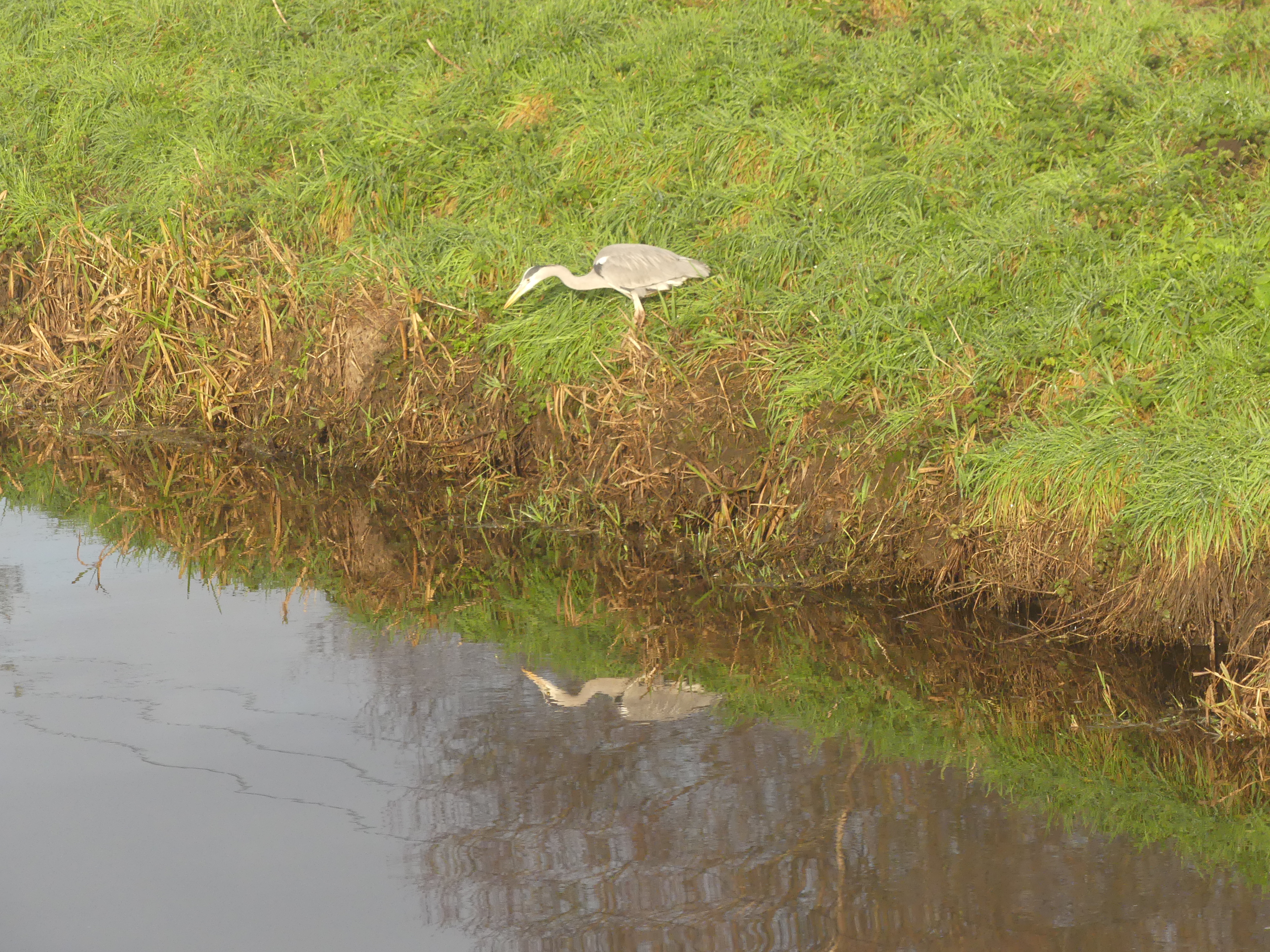
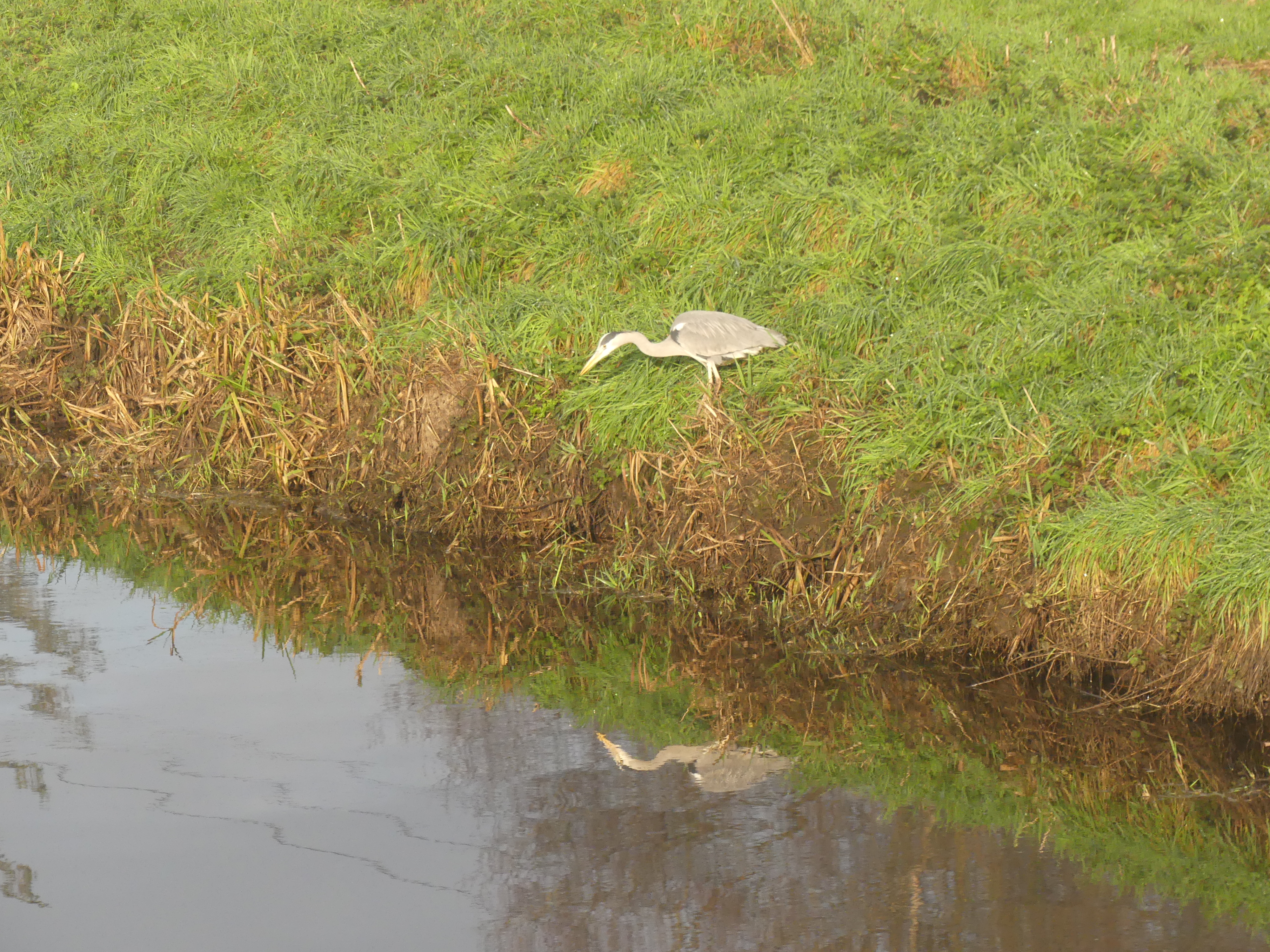
I kept watching, enthralled, until we had to start along the trail. The reeds around us swayed in the breeze, and ripples glided across the water that they concealed. Up ahead is a wooden walkway, which leads off to the left. We emerge on a broad, tarmac path leading up to a bridge. We stroll along for a few moments but then freeze in our tracks. A wide channel leads off below us and on the grassy bank stood a large bird, intent on its reflection. It’s dagger-like bill was a pronounced orange, protruding from a contrasting black and white face. It had a long, flexible neck which led to a strong grey back. A Grey Heron, stood proudly on the bank.
We carry on up the track, Robins often popping up in front of us. Lapwings swirled above us, not in huge numbers, but about 50. A viewpoint looms out of the early morning sun, and we then get our first glimpse of a large lake, surrounded by reedbeds. Lowering the scope off my back, we extend the tripod to see over the low wooden fence. A snowy-white bird suddenly glides low over the lake and alights on one of many tiny islets protruding from the water’s surface. It is not unlike the Grey Heron we saw earlier. But this was a Great White Egret. Its sharp orange bill jutted from it’s pure white face. These birds are recent colonisers, having moved north throughout Europe into Southern England. I tear myself away from the Egret, and scan the lake. Tufted Duck and Lapwing are everywhere you look, and Wigeon, Teal, Pochards and Mallards are dotted around. A deafening honking, and then a group of Canada Geese skim the water, before coming to a halt. From here they sail lazily around the lake. The variety of species on this one body of water excite me, and I soon begin to wonder what could be next.
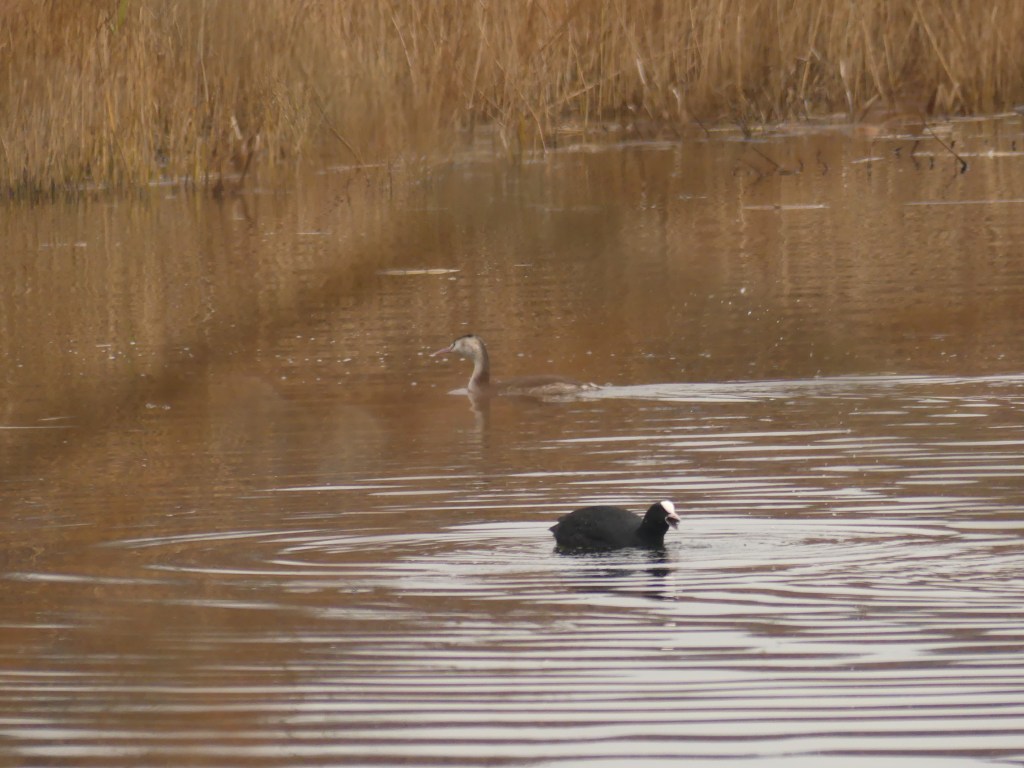
We carry on through a kissing gate where I have to be careful not to bash the tripod and scope and take a track which leads to several viewpoints teetering on the water’s edge. I lower the scope again and begin to scan with my binoculars, looking at the mass of ducks sitting on this lake. A close-by bird catches my eye, and I find it to be a Gadwall, and as I look further, it is revealed that there are at least 10 Gadwall in this duck flock. Again, Wigeon, Teal, Pochard and Tufted Ducks are here in force and another Great White Egret flies low over the far end of the lake but doesn’t drop in. A group of about 15 Shovelers appears overhead and begins to drop towards us. They skim the lake before coming to a stop with a large splash from each bird. Their bills are ginormous! Another bird catches my eye, and I train the scope on it. This bird was slim and looked as if it was wearing a very fancy crown! It had large black tufts protruding from its crown and deep chestnut all over it’s cheeks. A Great Crested Grebe, already in its breeding plumage!
A winter plumaged Great Crested Grebe
Leaving on a high note, we strolled along a rather muddy track to a small bird hide. it had great views of the lakes and reedbeds. We set up the scope and I then trained it on a nearby female Shoveler. There were many lapwing on an islet and Tufted Duck were swimming near the reeds. We’d been in the hide for about 20 minutes when the man next to us shouted “Bittern!”. I raced to the other side and saw a great speckled brown bird rising from the reedbeds. It flew fast and soon dropped down into the reeds once again. We then spent another half-hour fruitlessly searching. But it didn’t matter that we couldn’t find it again. I had seen a Bittern. An actual Bittern! One of Britain’s rarest birds, and I had seen one! The reason they’re so rare is the destruction of their preferred habitat, extensive reedbeds. Due to this special need, they are limited to a few, precious sites scattered across Britain. And Ham Wall is one of those places. Bitterns, when breeding, make a booming sound, which led to the title of this blog. Such a majestic bird. BRILLIANT!!!!!!!!!!!!!!!!!!!!!!!!!!!!!!!!
We stayed in the hide to search for the reported Ring Necked Duck, which is sort of the American version of a Tufted Duck. Occasionally, a bird from another area will get lost in a storm or on migration and wind up here. A good example of what we call vagrants is the Ring Necked Duck. It appears regularly in Britain, though it is rare nevertheless. When a big storm blows across the Atlantic, it is likely we can expect some American visitors. We spotted it, but it only showed distantly. With the scope, however, it proved no problem. Suddenly, a bird of prey rose from the reedbeds and soared low over the lake. A Marsh Harrier. It flew effortlessly, and glided over the hide to the other side before alighting in the reeds once again. We spent at least an hour in that hide, and it proved incredible.
We headed back to the main path, from which we had good views of another Egret. Yet this one was smaller than the Great White, and had a black bill. This was a Little Egret. This bird was a bit more common than the Great White, but beautiful none the less. After about half an hour across the track, we came to a second viewpoint. From here we had great views across yet another lake. All the birds from the first viewpoint were there. But then a sight so glorious rose from the reeds. 1, no, 2 Marsh Harriers were gliding above the reedbed. They twisted and soared through the air, intent on each other. These aerial acrobatics carried on for a while until they both dropped back into the reedbed. What a magical sight that had been, and a wonderful way to end our trip.
On returning home from an enjoyable day out, I head for the stairs and into my room. By default, I glance down through the window. A few birds were hopping about, occasionally turning over grass with their beaks. One was definitely a blackbird and the next caught my eye. Clutching my binoculars, I focus in but the bird had turned around so all I could see was it’s back and tail. However, it soon bounded around in an arc and began savaging the soil. It had a spotted breast. Except the speckles were not rounded, but in the form of arrows. It was a Song Thrush, one of the birds I don’t often see near my house.
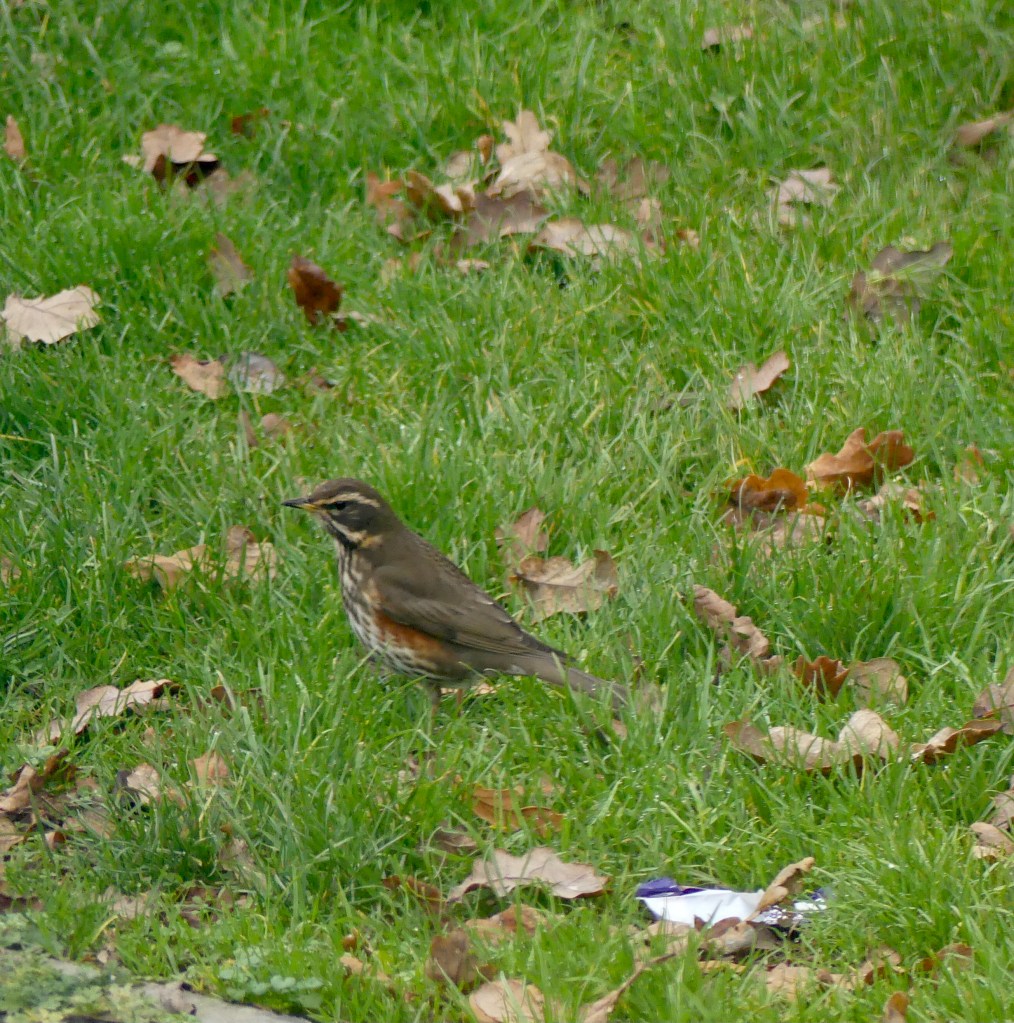
The third one bore some resemblance to the Song Thrush, until it showed a rust-coloured segment of its wing. A tell-tale feature of none other than the Redwing. At first this came as a bit of a shock. I knew they were in the area, having found one dead some time ago. But I had never seen one alive! Arriving along with Fieldfares from the north, they stay in Britain for this part of the year due to our milder winters. There is a minute breeding population.the plumage difference between the Fieldfare and the Redwing is striking. The Redwing bears similarity to the Song Thrush, whereas the Fieldfare has proportions of its plumage coloured grey.
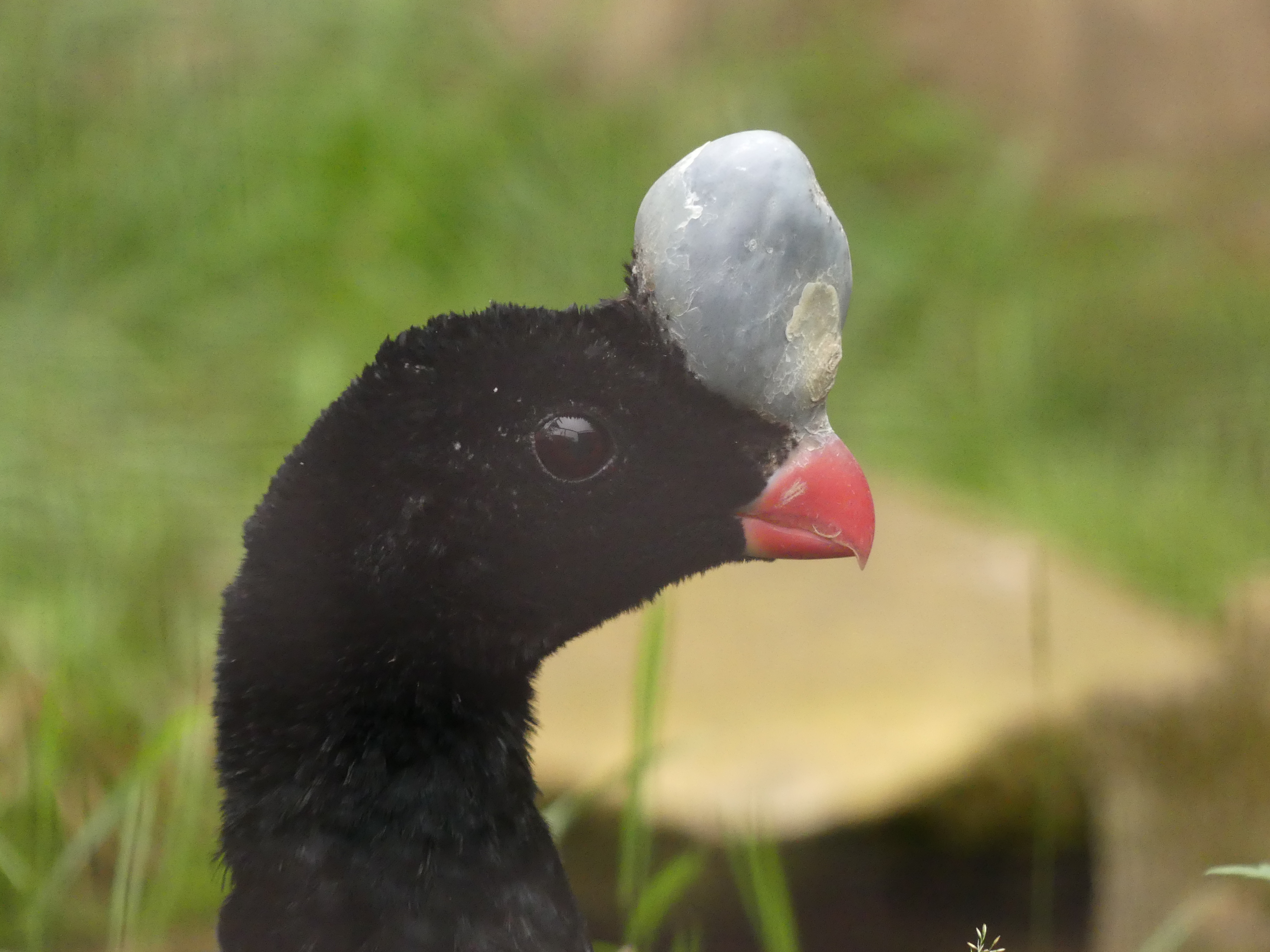
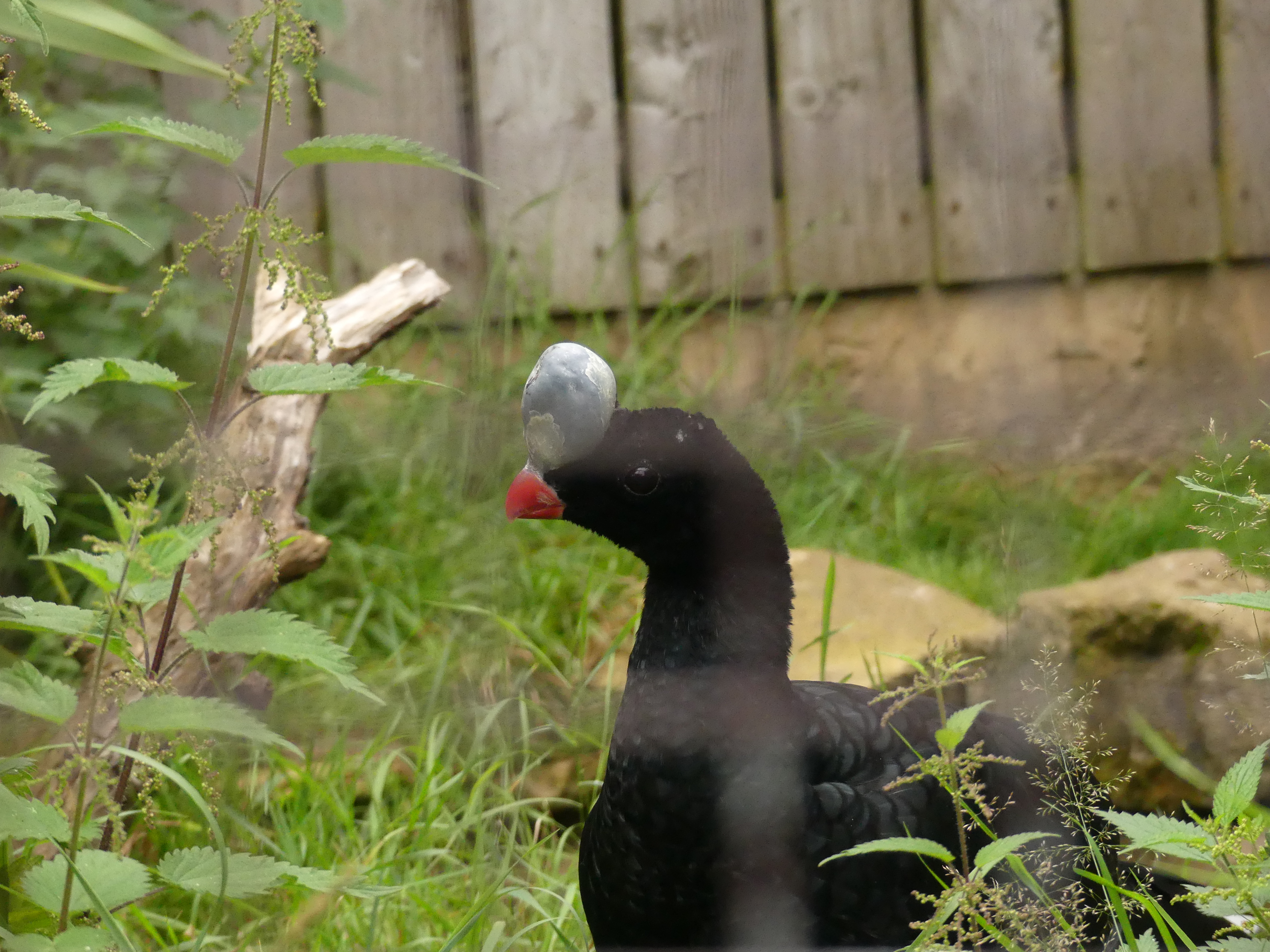
The Red Legged Seriema stalked away gradually to join its fellows. In an adjacent aviary, a black plumaged bird wandered around. It had a short, red bill and looked as if it had a pale blue stone perched on it’s forehead. A text attached to cage, complete with distribution map and photo, read Northern Helmeted Curassow. A beady black eye fixed on my lens as I clicked the shutter. He posed admirably. These birds live throughout the cloud forests of West Venezuela and North Colombia, and have a habit of eating stones and pebbles to help the digestive system. These birds consume a large number of thick and layered nuts and strong seeds which is why they swallow the pebbles to reinforce their stomach acids.
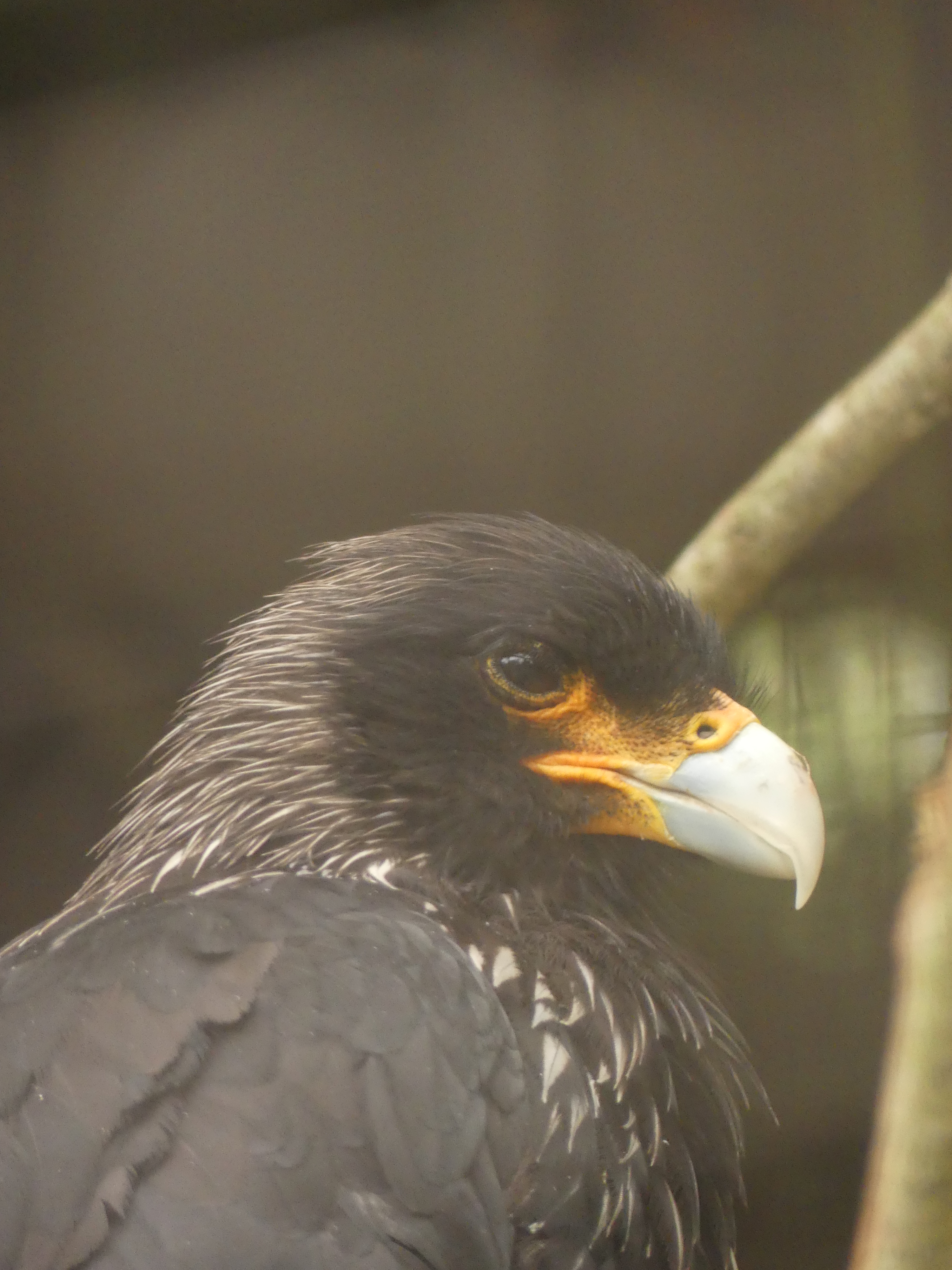
A lake was stretched out on the left side of the path, the river and the Caribbean flamingos on the right. A spacious aviary facing the lake held all sorts of perches and branches. Talons digging into the wood, a Striated Caracara, Birdland’s only bird of prey, perched. A mix of black and other colours blended into the plumage, and the yellow feet and bill contrasted with the bird. The species is classed as Near Threatened and it’s stronghold is the Falkland Islands. On the islands, they breed near albatross and penguin colonies, which provide a good supply of food.
On the lake were many mallards and a couple of swans. But these weren’t the normal white mute swans. These were red billed and black – feathered. These Black Swans originate from Australia, not including The Cape York Peninsula.
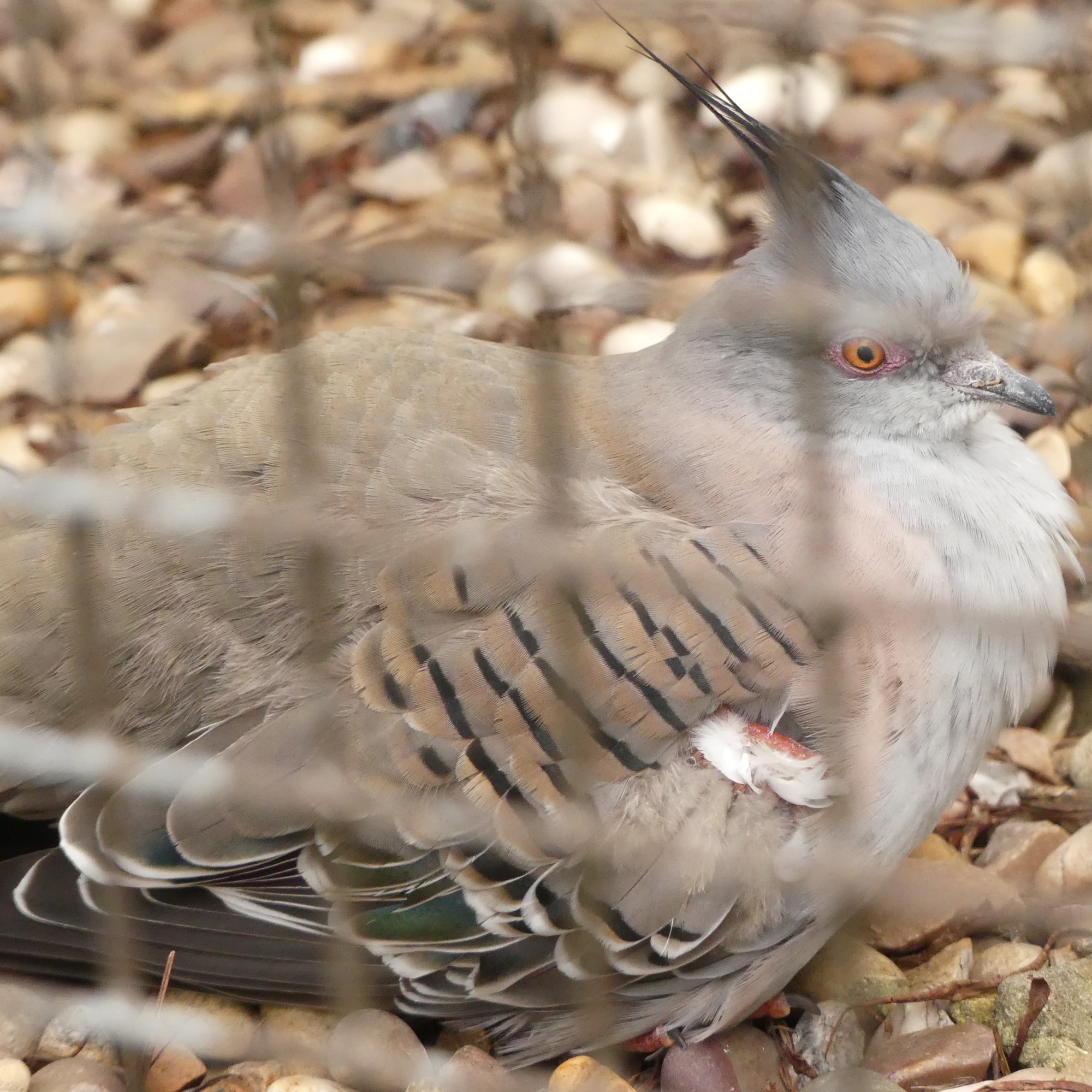
At the section where the detour re-joined the main path, there was a cylinder shaped enclosure filled with dove like birds with pointed crests, snuggling up in twiggy branches. A shallow, pebble enclosed pond held water that one bird was sipping from. These Crested Pigeons, like the Black Swans, originate from Australia but avoid the northern tropical parts.
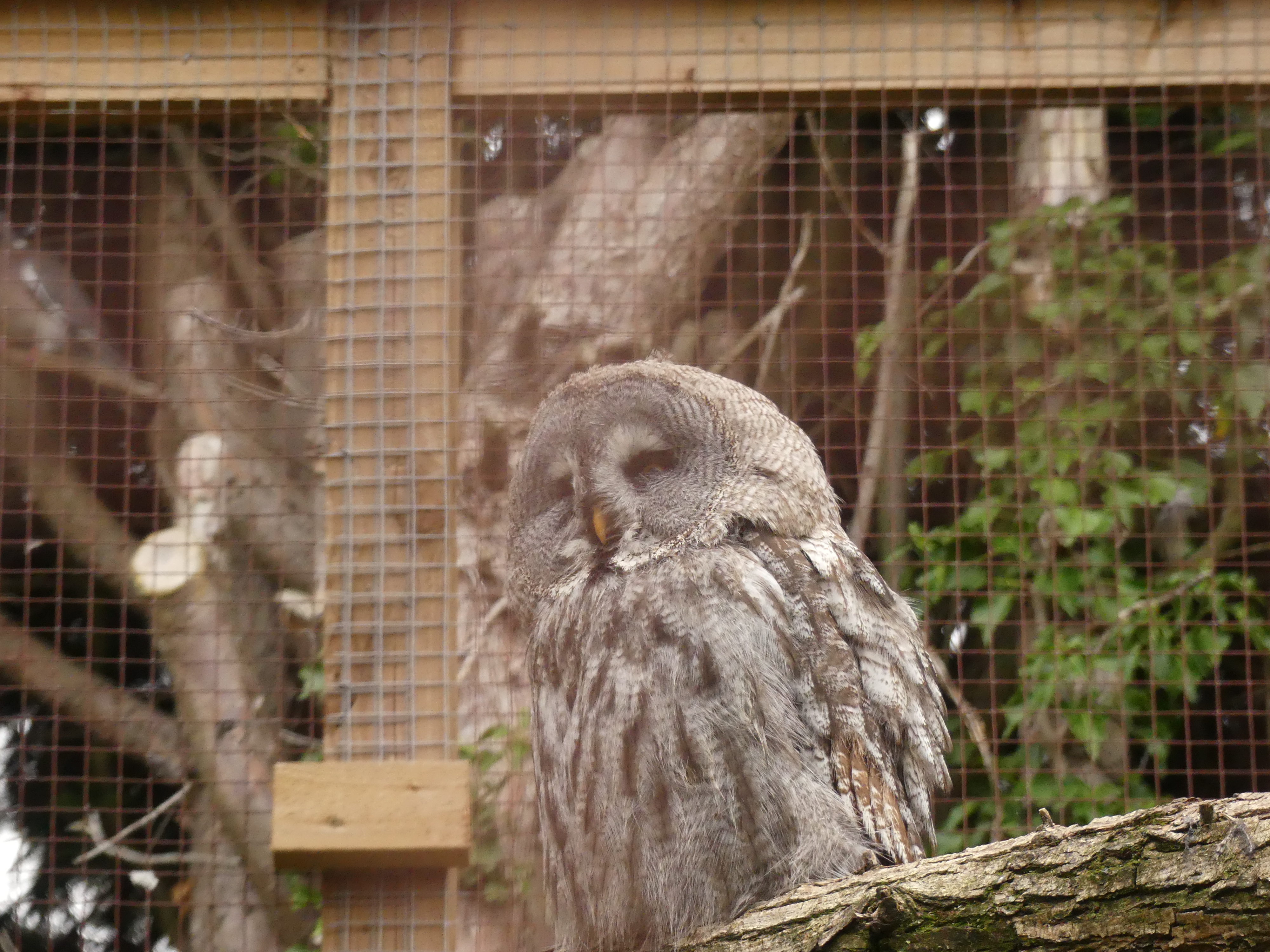
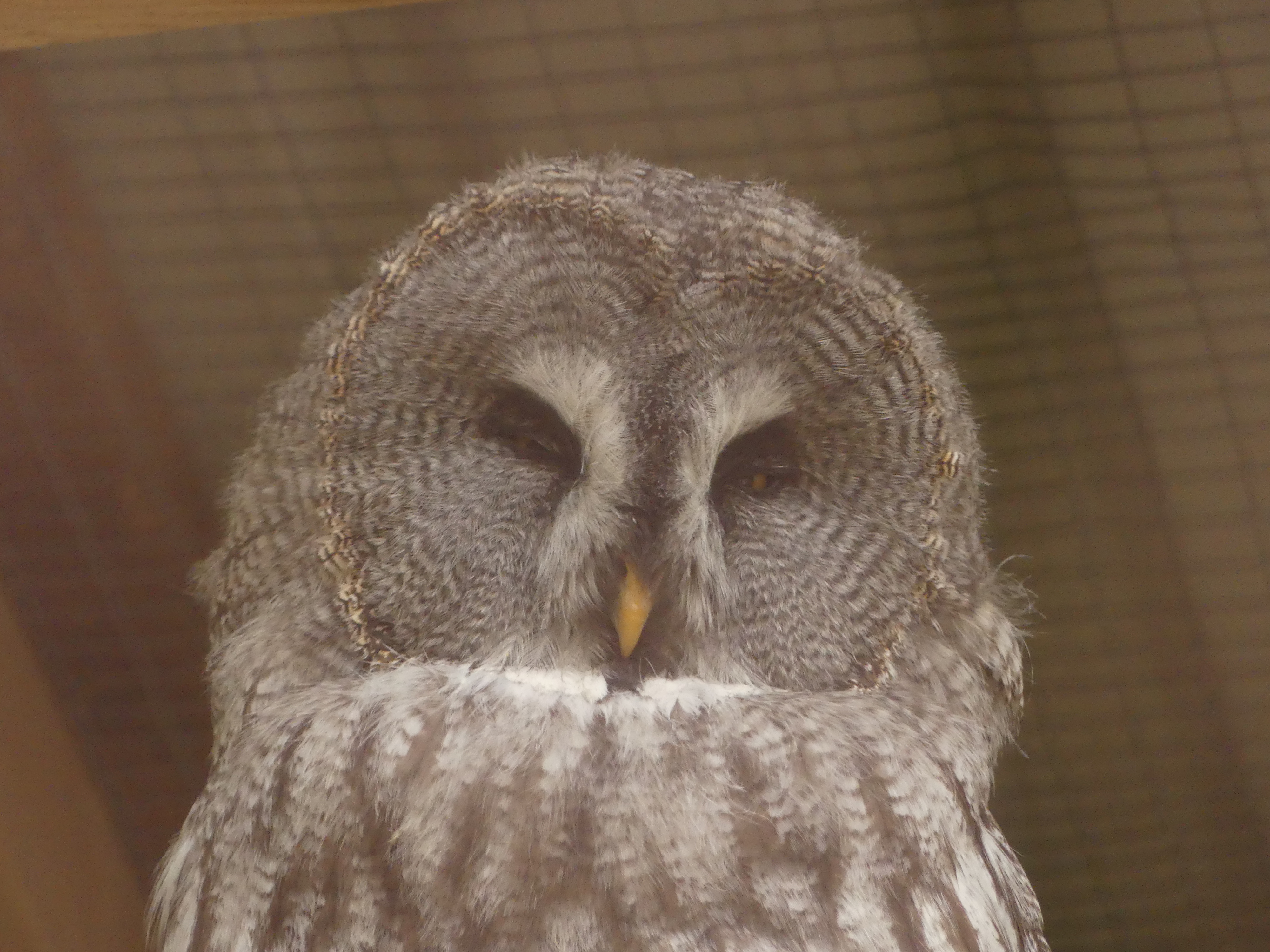
On the opposite side from the pigeons, a bird called an Occipital Blue Pie was being incredibly secretive and was only showing briefly and sparsely. Due to this, I was not able to capture a photograph. And so I proceeded past a small line of enclosures towards the Parliament of owls. The first enclosure held a couple of Great Grey Owls. Majestic, round faced and dark, slate grey, they all swivelled their heads to look at my lens. Large owls, their look pierced the photograph. When they hunt, they locate small animals burrowing in networks of tunnels beneath the snow. They then dive into the snow and can go as deep as their own body length. They lack ear tufts and have the biggest face disc of all raptors.
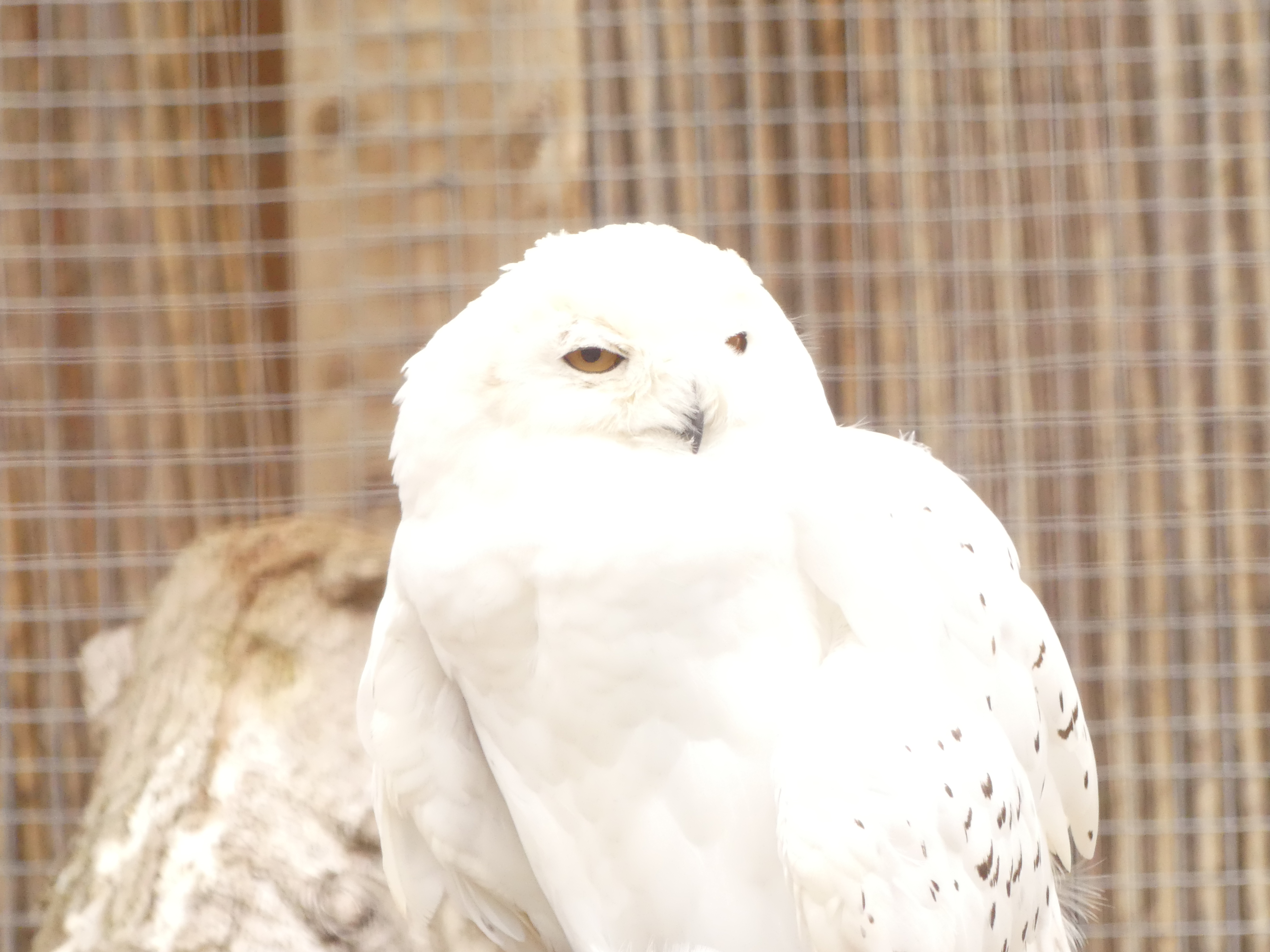
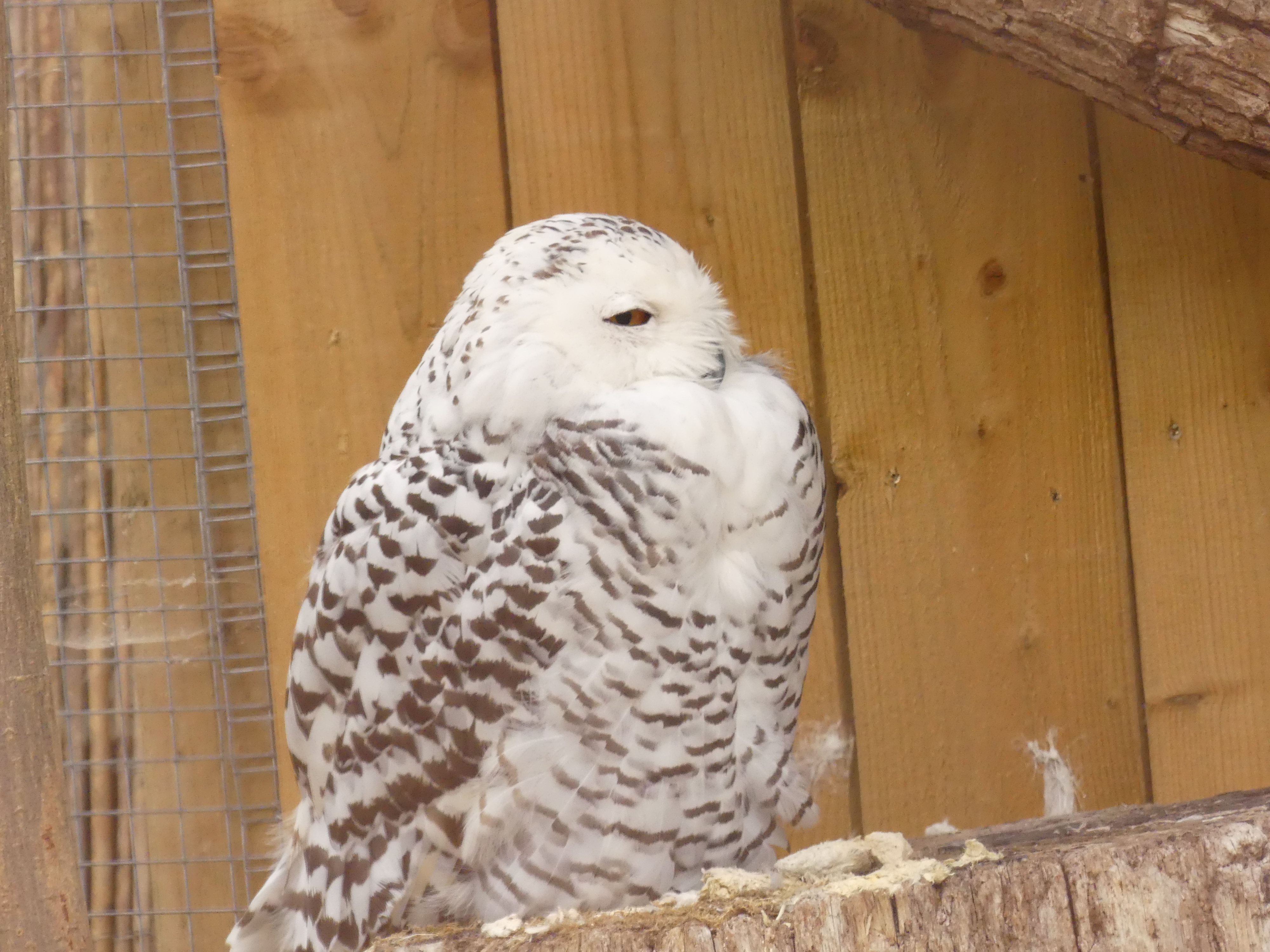
In an enclosure close by, glowing white snowy owls perched on stumps and their house. The males had small, raindrop like marks on their backs. The females, however, lacked these marks and were almost pure white. Nomadic birds, they hardly ever breed in the same place or partner up with the same owl. Some of the time, they wander down south in great numbers, in what is called an irruption.
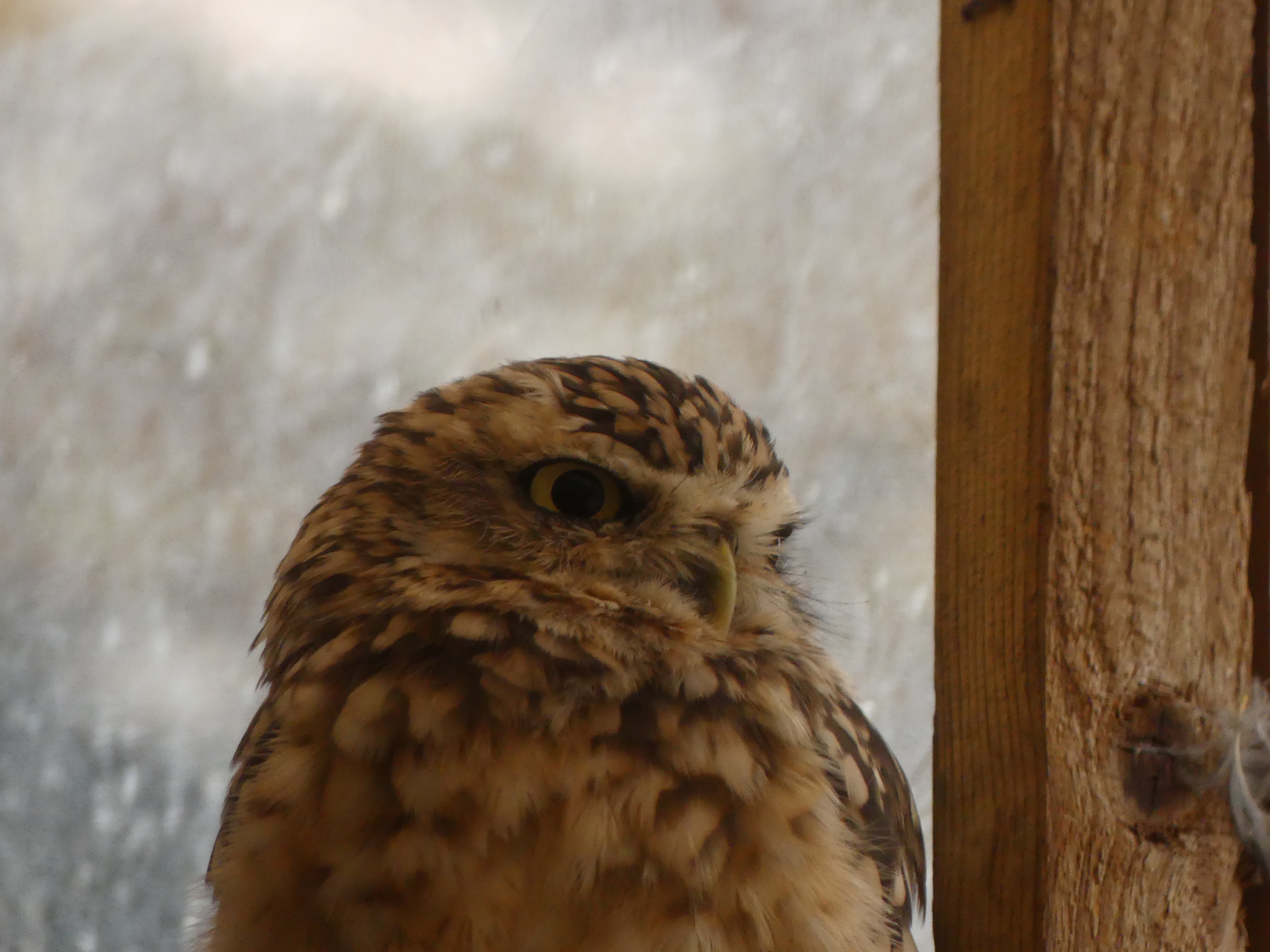
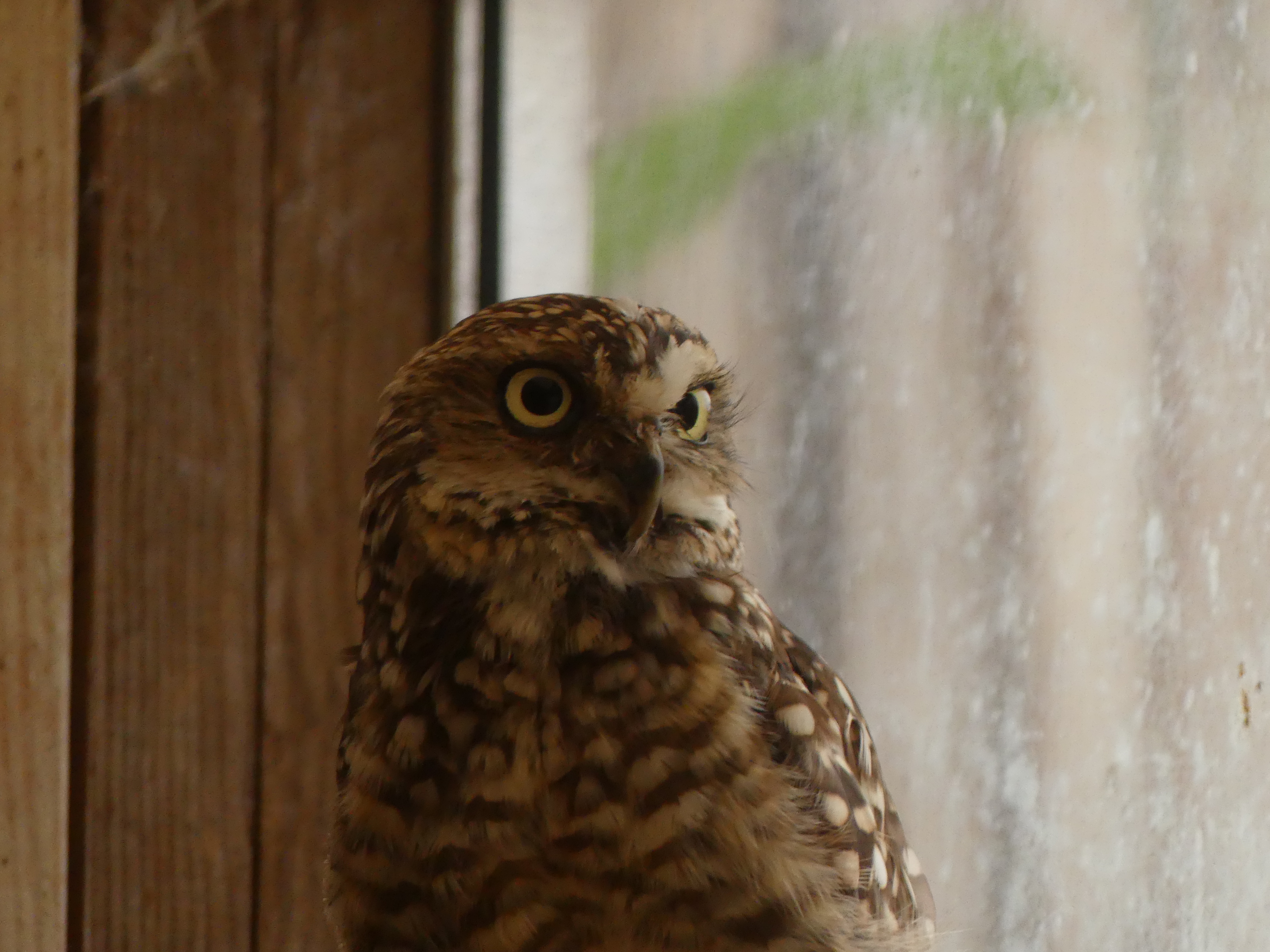
Finally, in the house separating the Great Grey and the snowy owls, there were cute little owls all perched up by the window, basking in the sun. Burrowing owls. Tiny little owls, they had pale yellow eyes, brown and white plumage and lives in open, dry parts of North and South America. Their brilliance stretches to a rather higher tolerance of Carbon Dioxide.
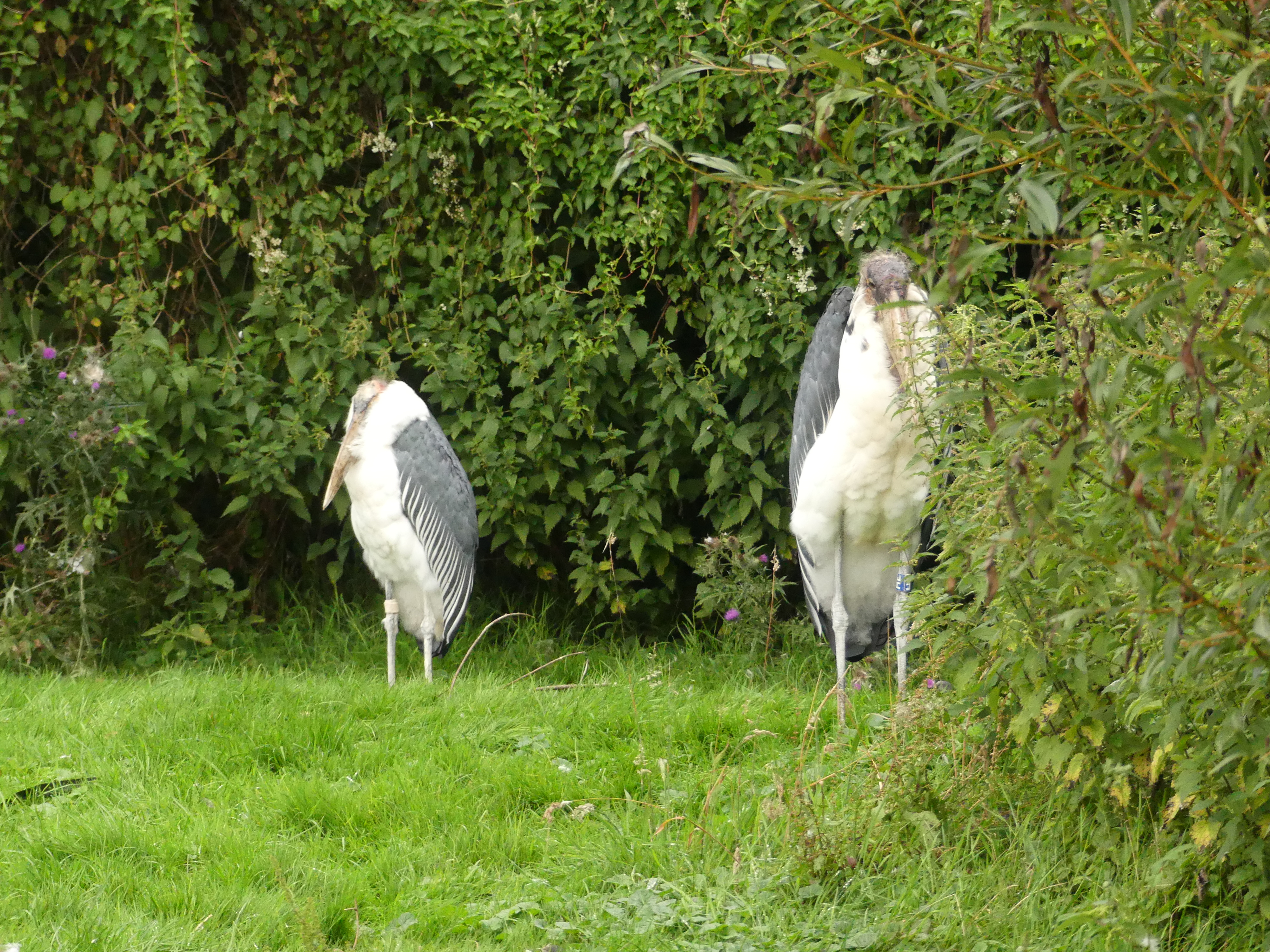
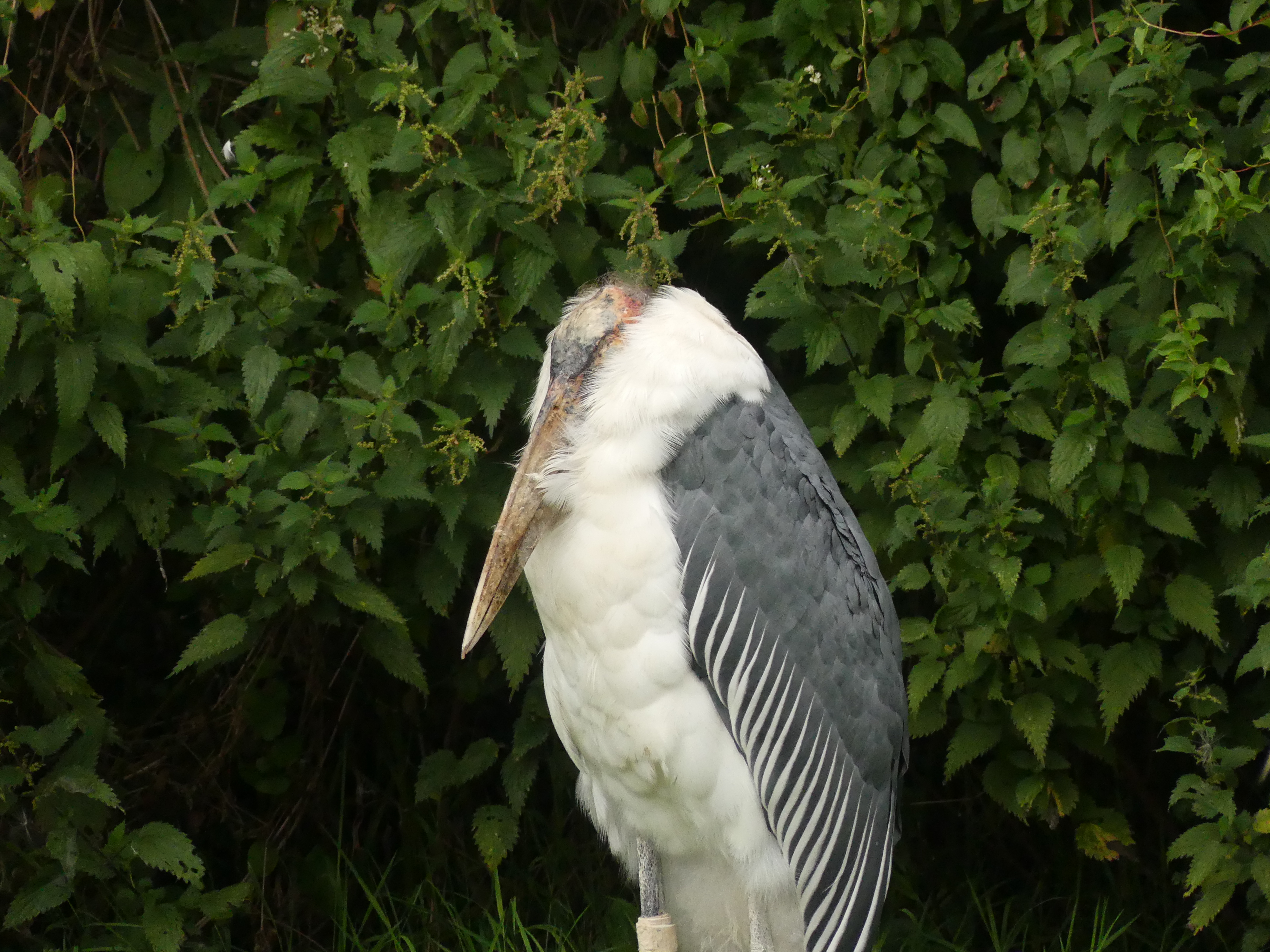
The air was thick with shrieks and chirps. A wide path leading from the open gates led down to a building built on the banks of a meandering river. Across from the building, on the opposite bank, stood 2 Marabou Storks, and beneath their feet lush green grass. Naked heads tucked into their fluffed up neck feathers, they seemed to be asleep. A bright white chest started off many white feathers down the storks’ front. Their backs were slate grey and contrasted perfectly with all their other plumage.
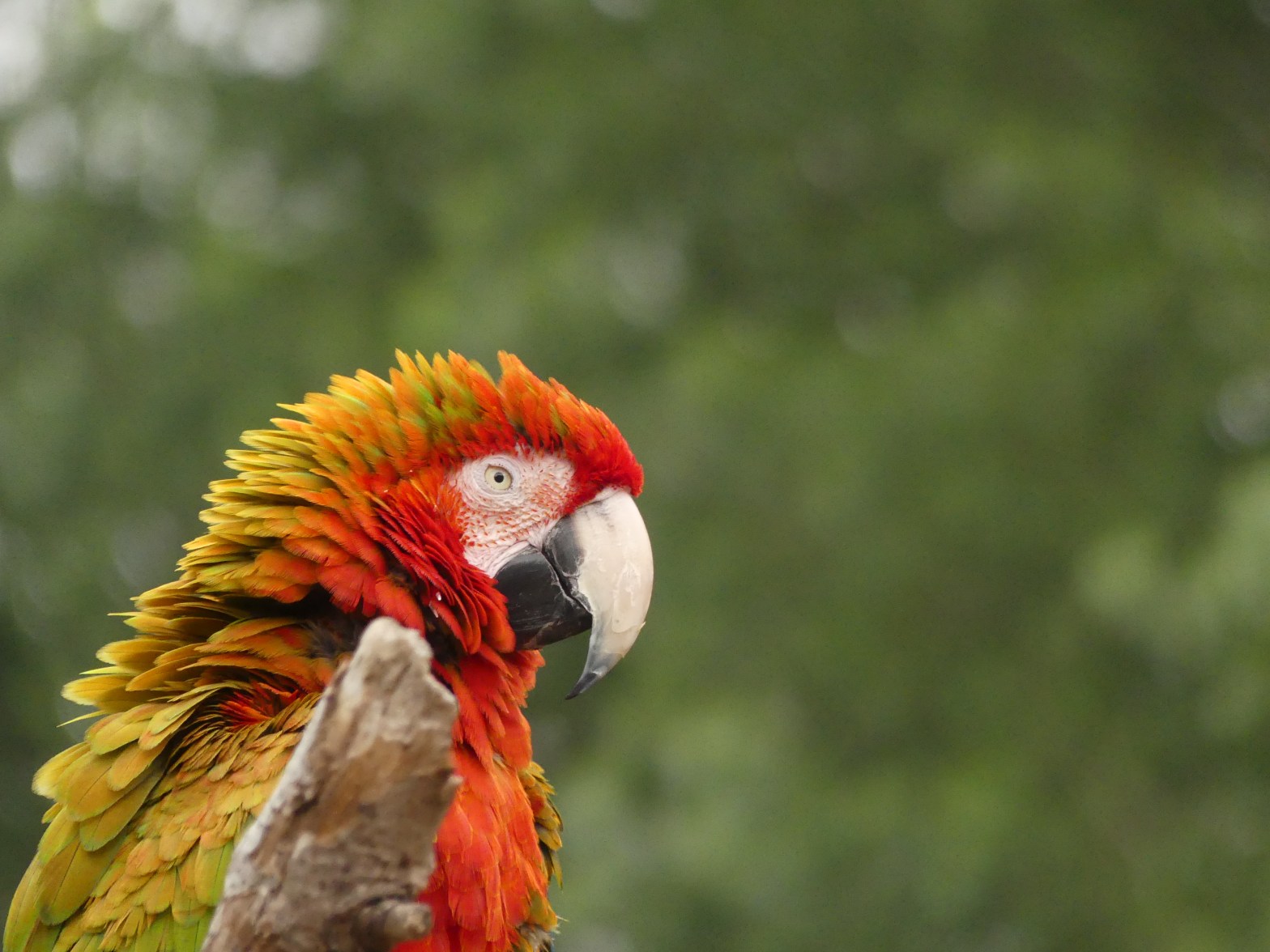
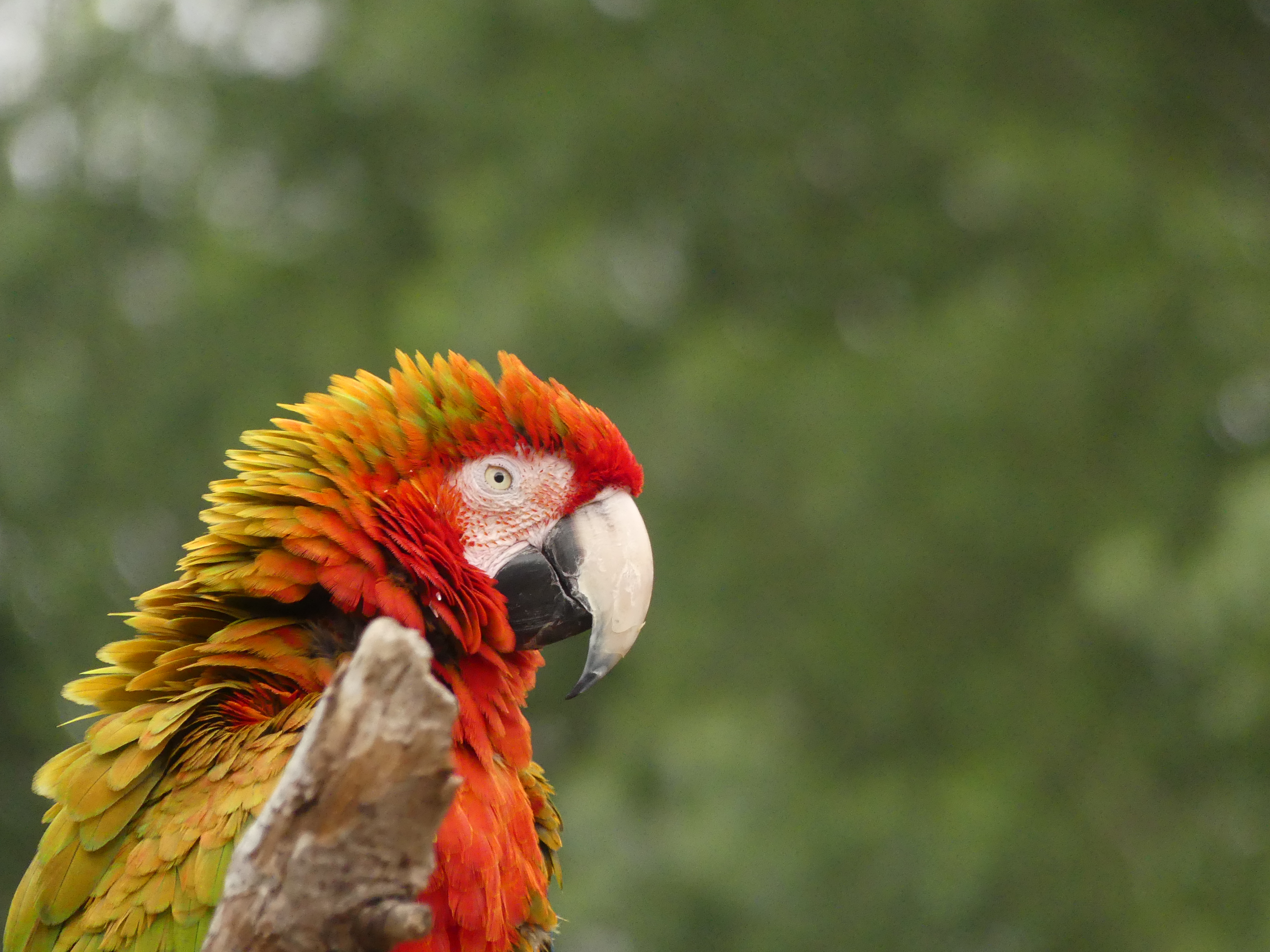
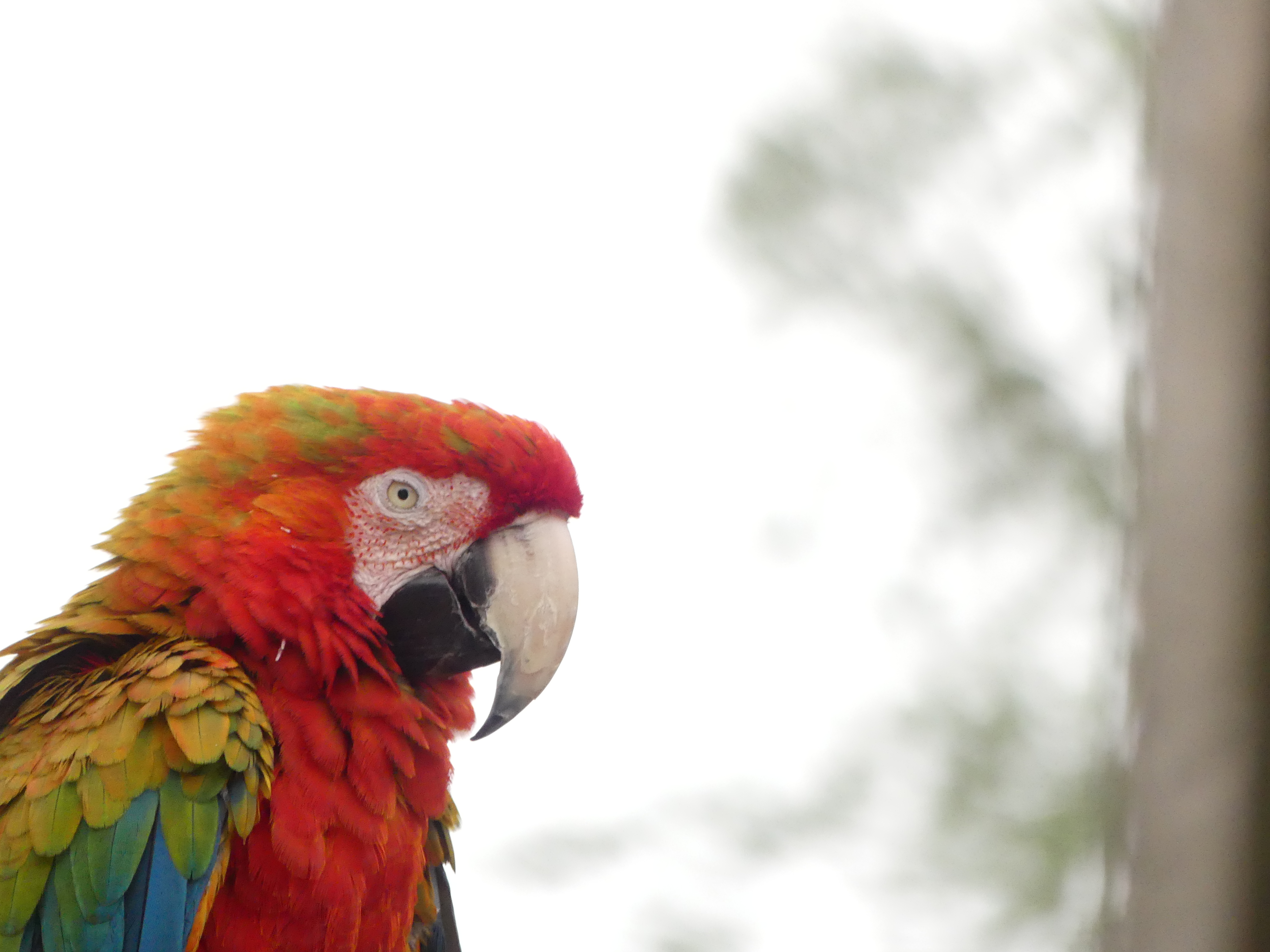
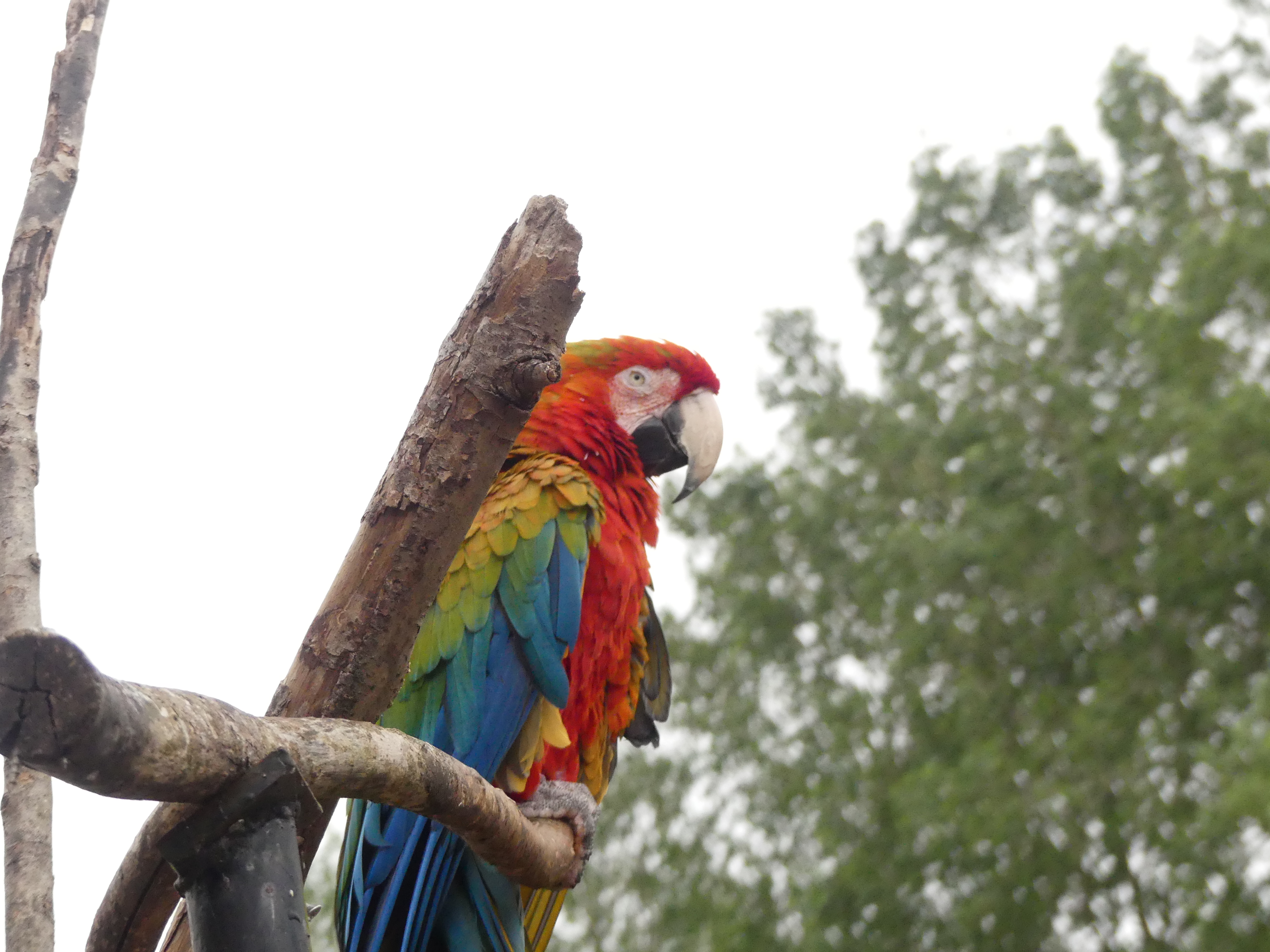
However, the path left the river for a bit and snaked to the other side of the building. Behind the structure, was a very clever treehouse. There was what looked like a barrel secured to a fork and various branches and bridges jutted out of it. On one of the higher branches, perched a brilliantly red bird, that seemed to almost glow! A red head blended with a yellow and green nape. The wings held pops of blue and orange and it’s chest was shining red. The wings became blue as you went down and extended into an elongated tail. A scarlet macaw lived in that incredible barrel.
These first few birds really prove the range of species here at Birdland in the village of Bourton on the Water. From storks to macaws, such different birds. The 500 birds in this wondrous place are an interlinked diversity, even though they all have separate enclosures. Birdland is the perfect frame for a stretch of the River Windrush.
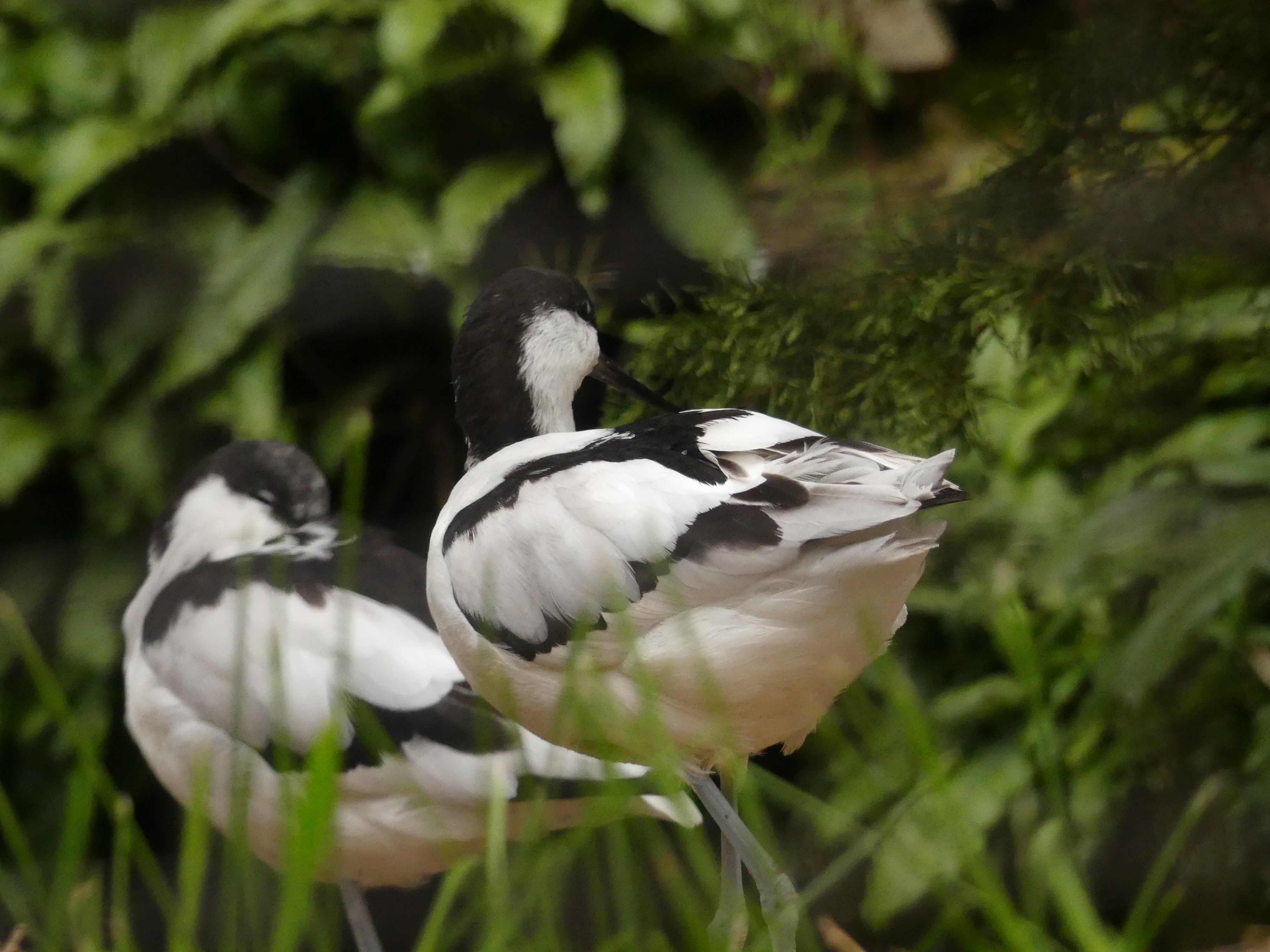
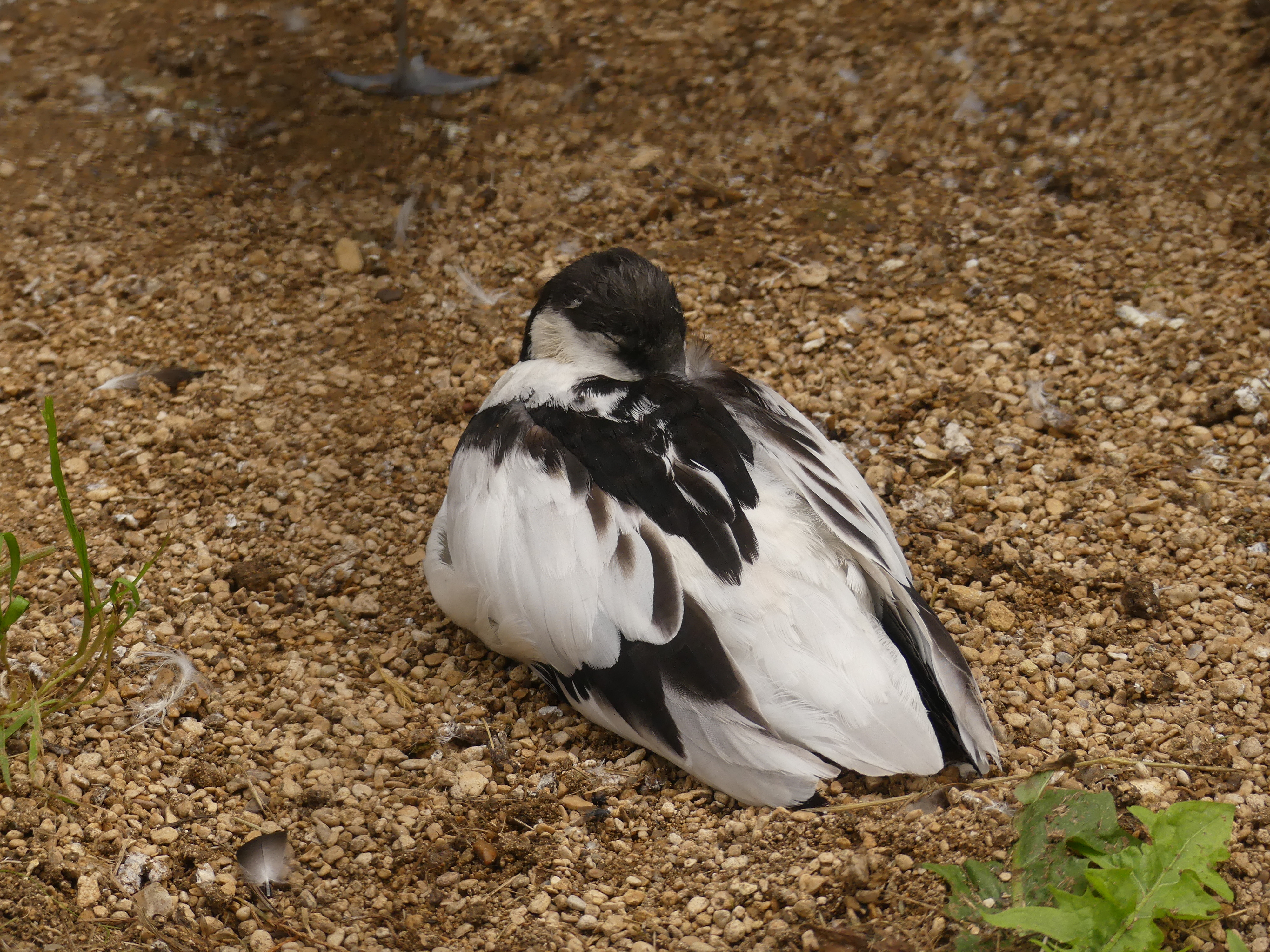
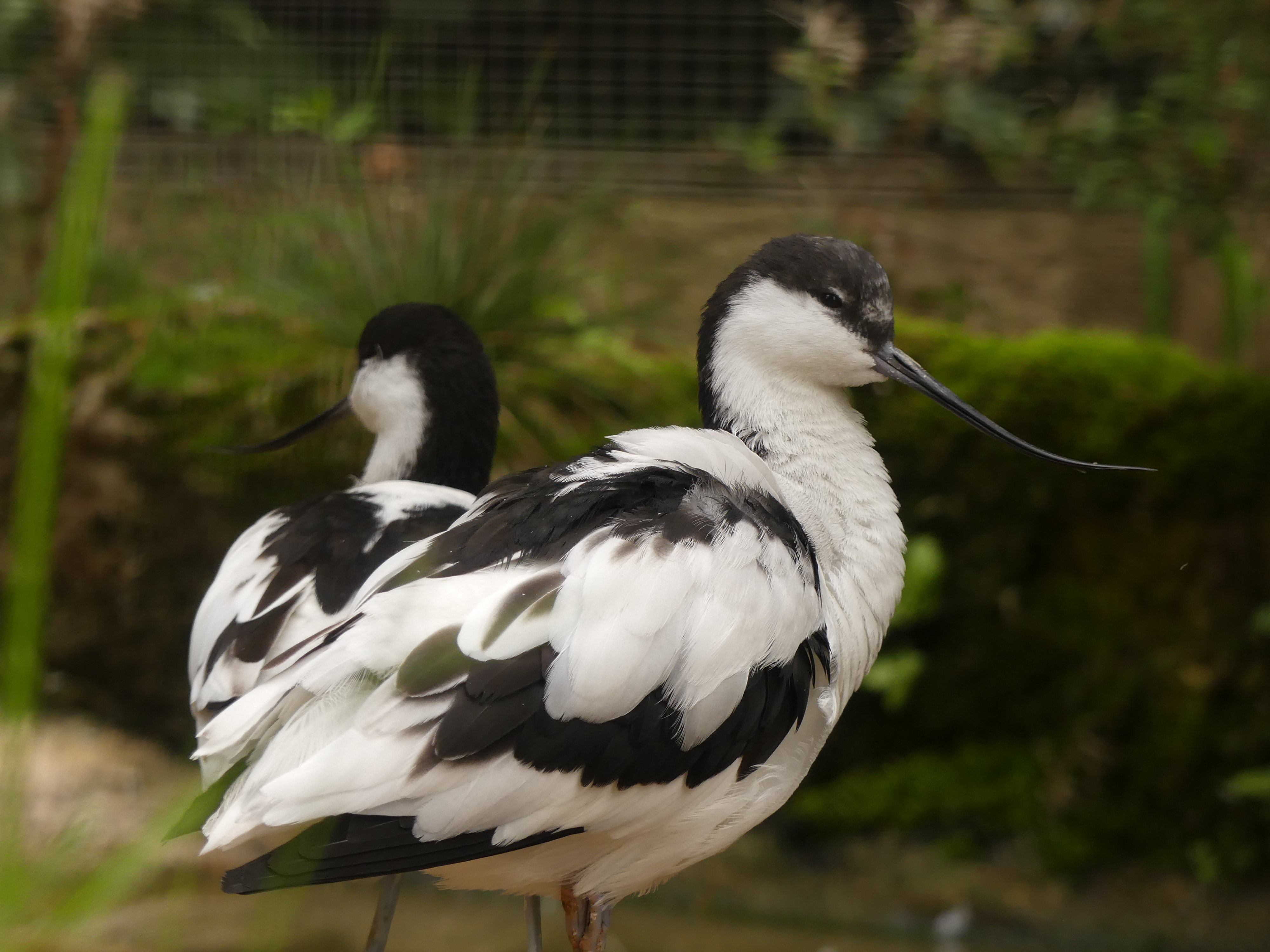
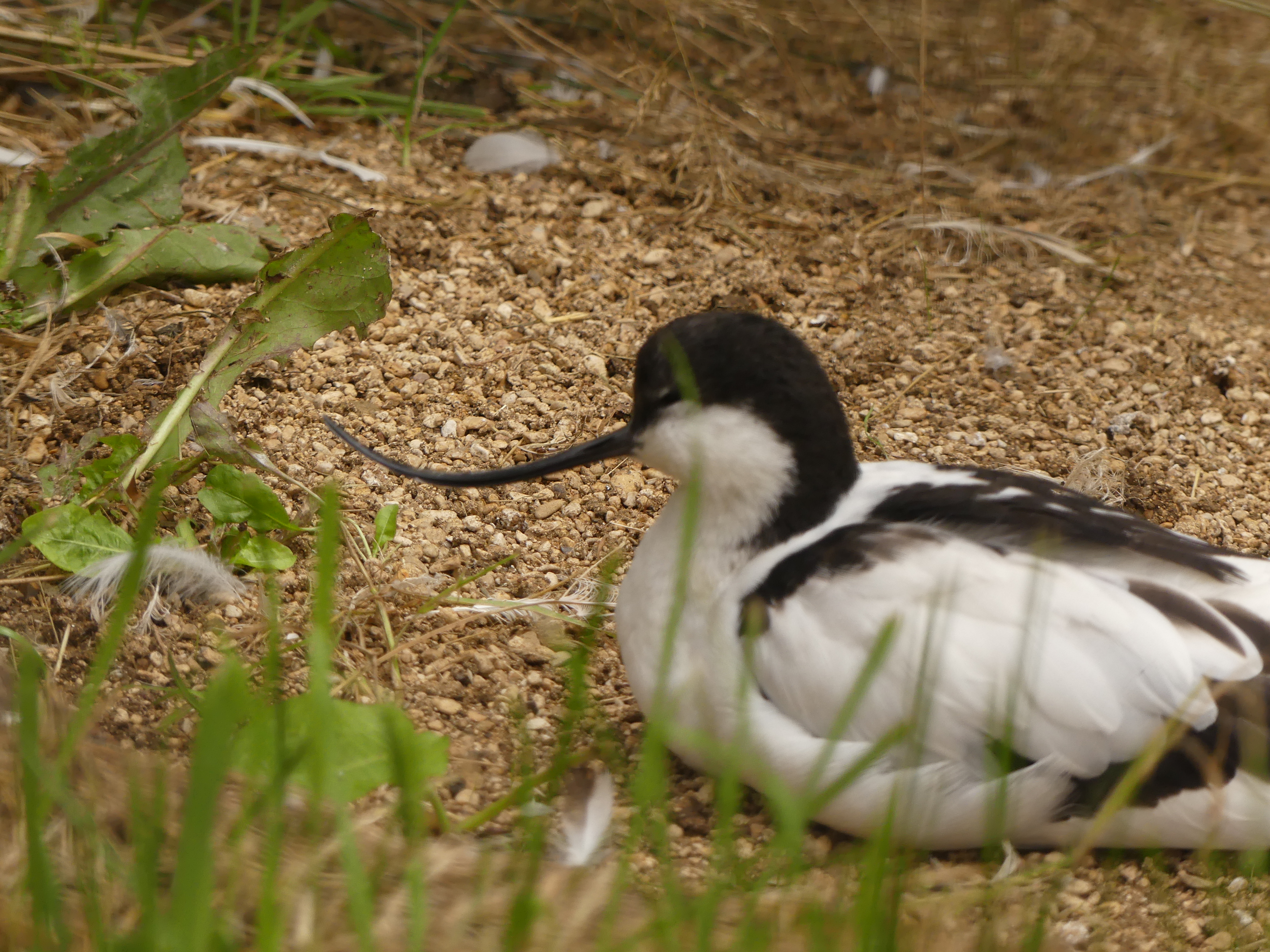
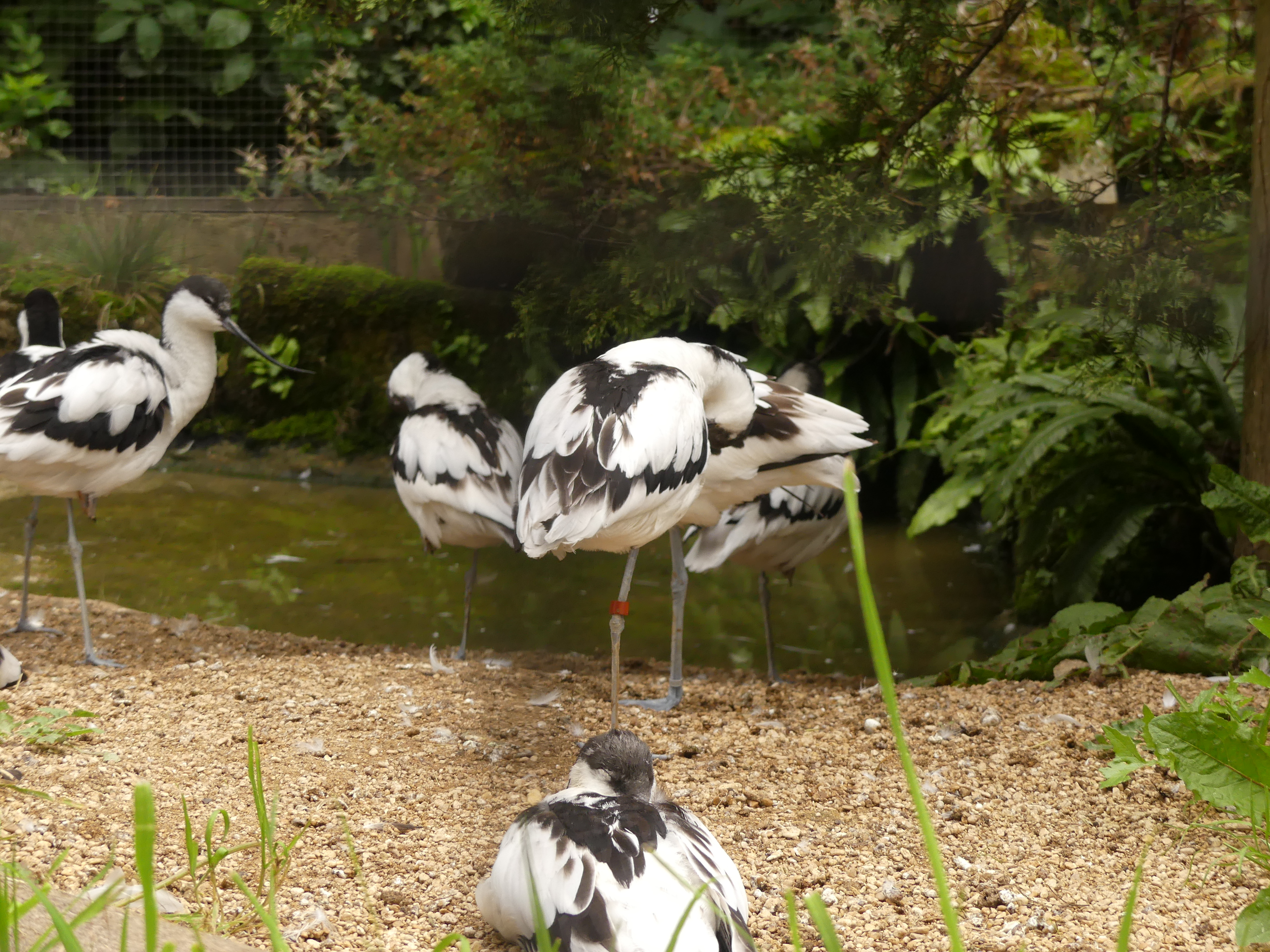
A fishy hint entered the air as we left the macaw to it’s own devices. A large tank and a sort of enclosed beach held the wondrous birds that everyone loved. But first, a cage filled with vegetation and a small, shingly pond. Stark black and white birds took long sips from the water’s edge, while others hopped around energetically, posing for photos. Avocets, the famous waders of the River Exe. Their bills were thin and curved upwards at the tip, which suited their feeding habits of sweeping it from side to side beneath the water.
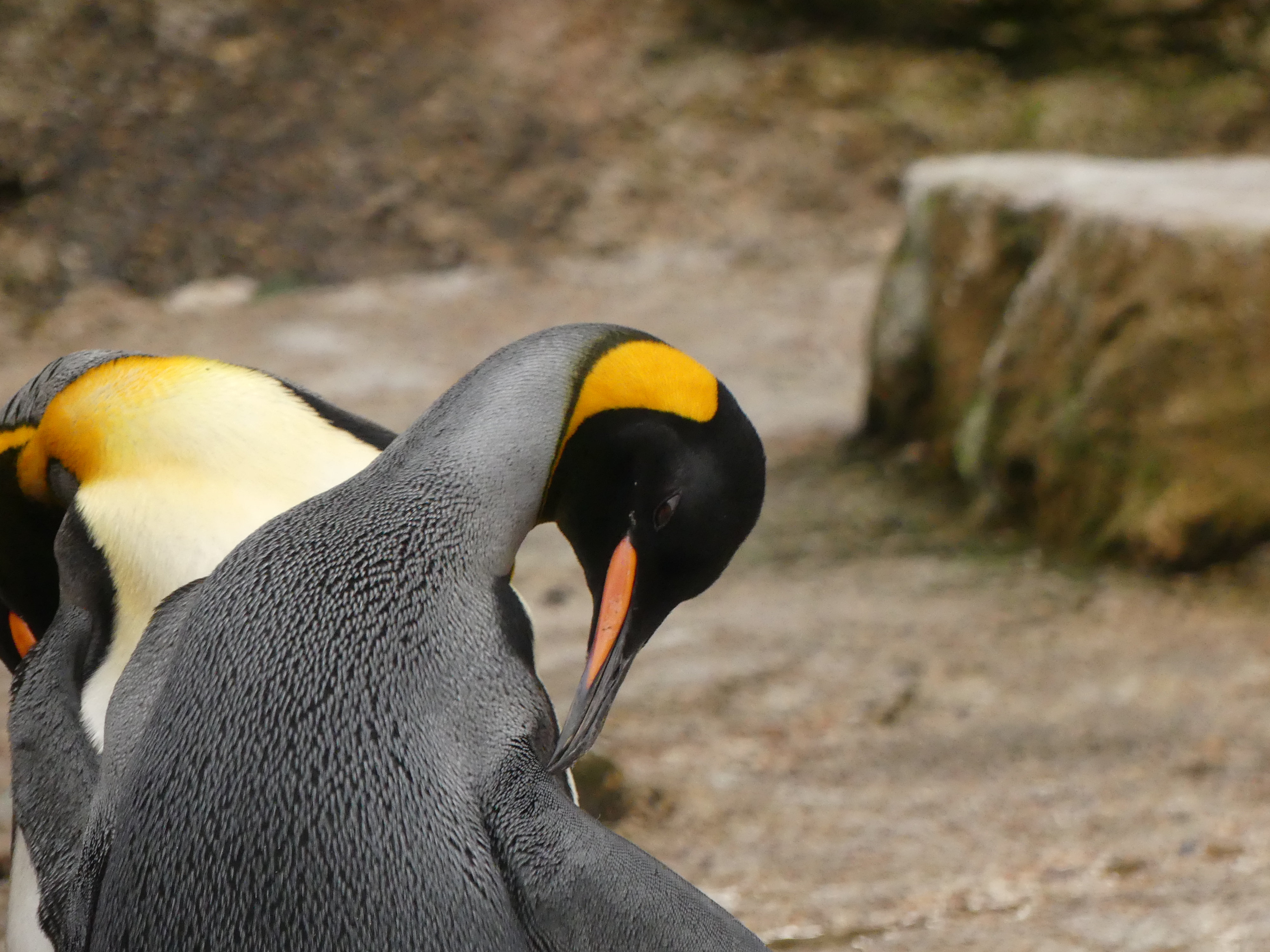
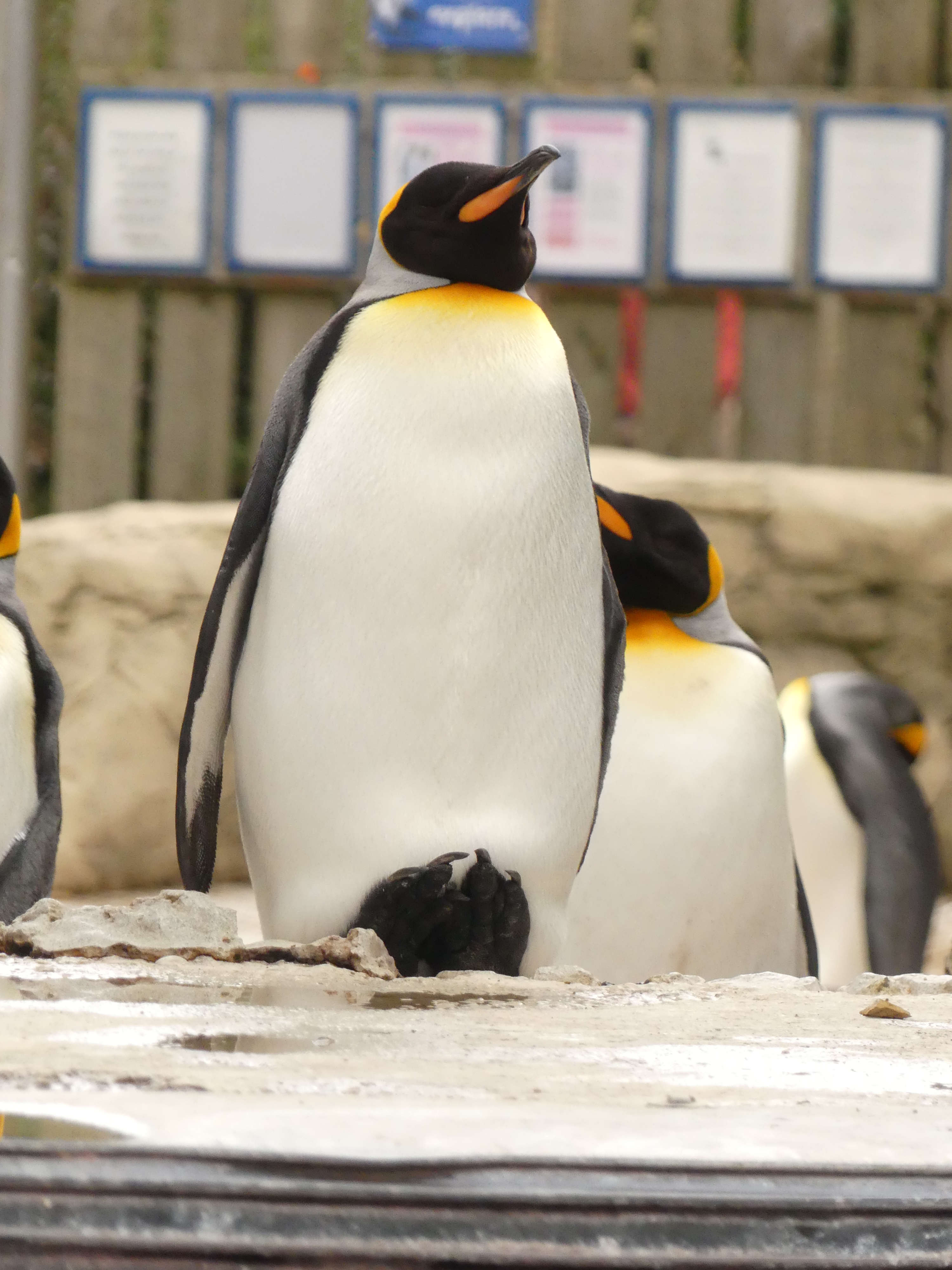
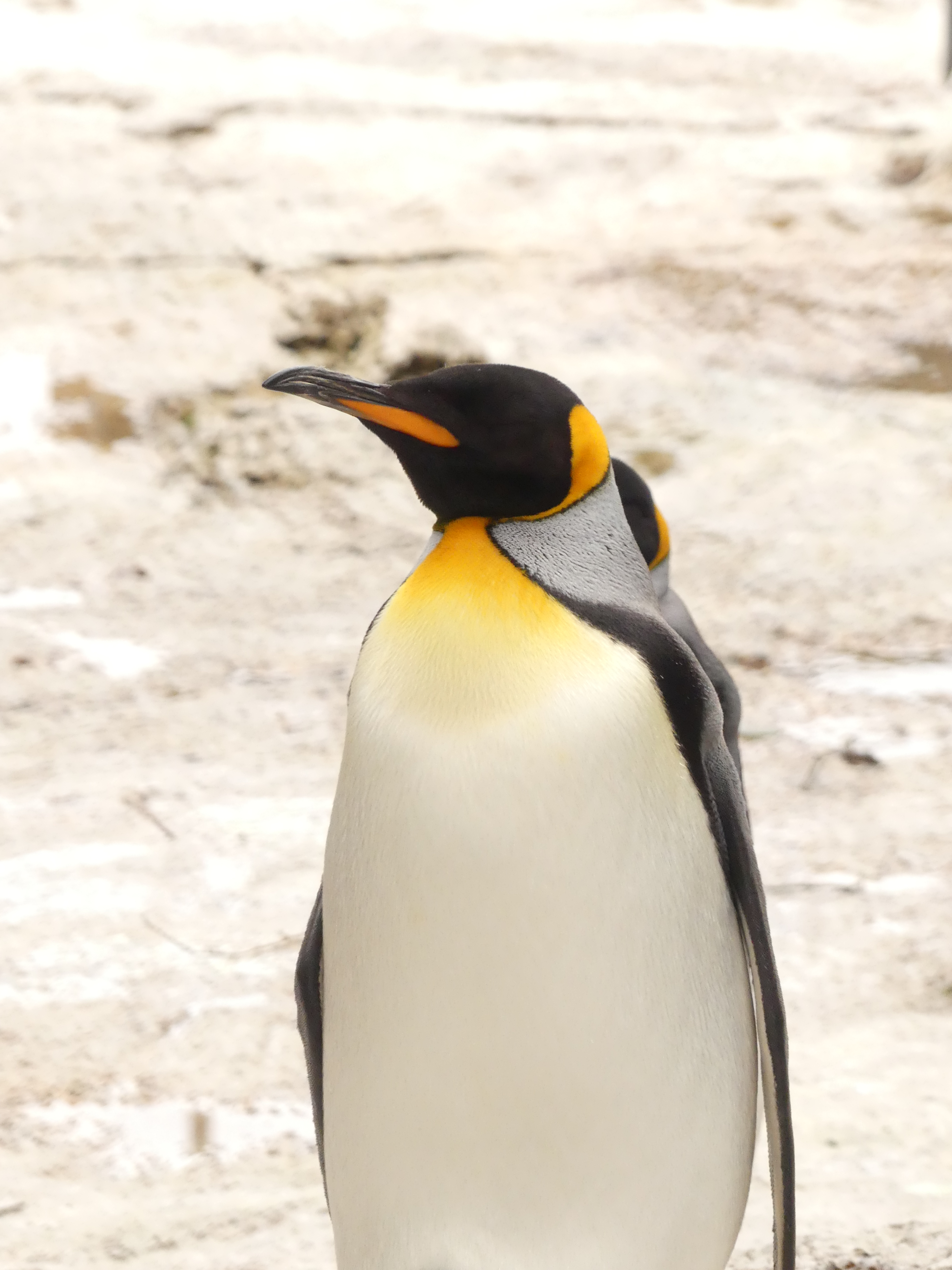
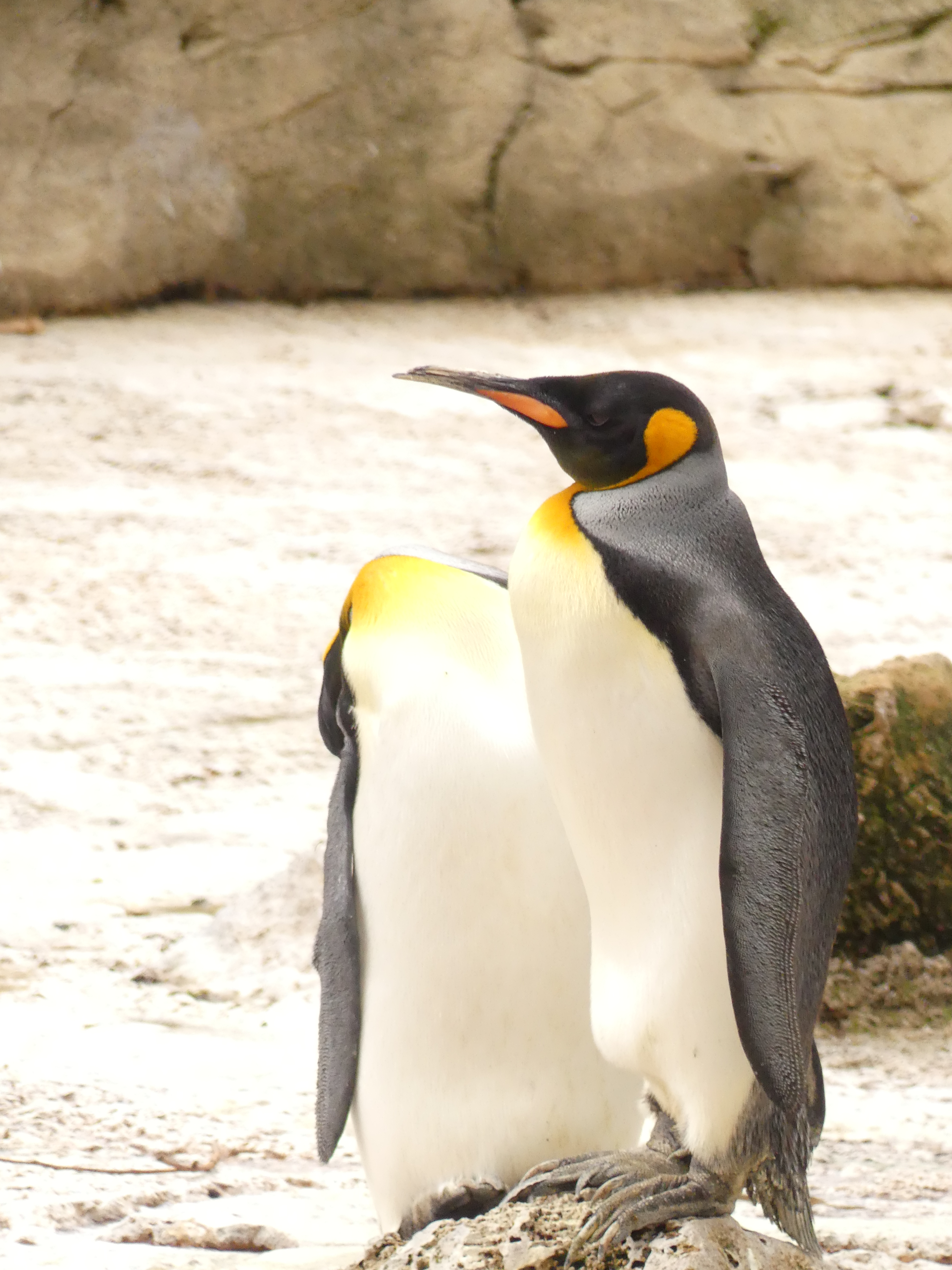
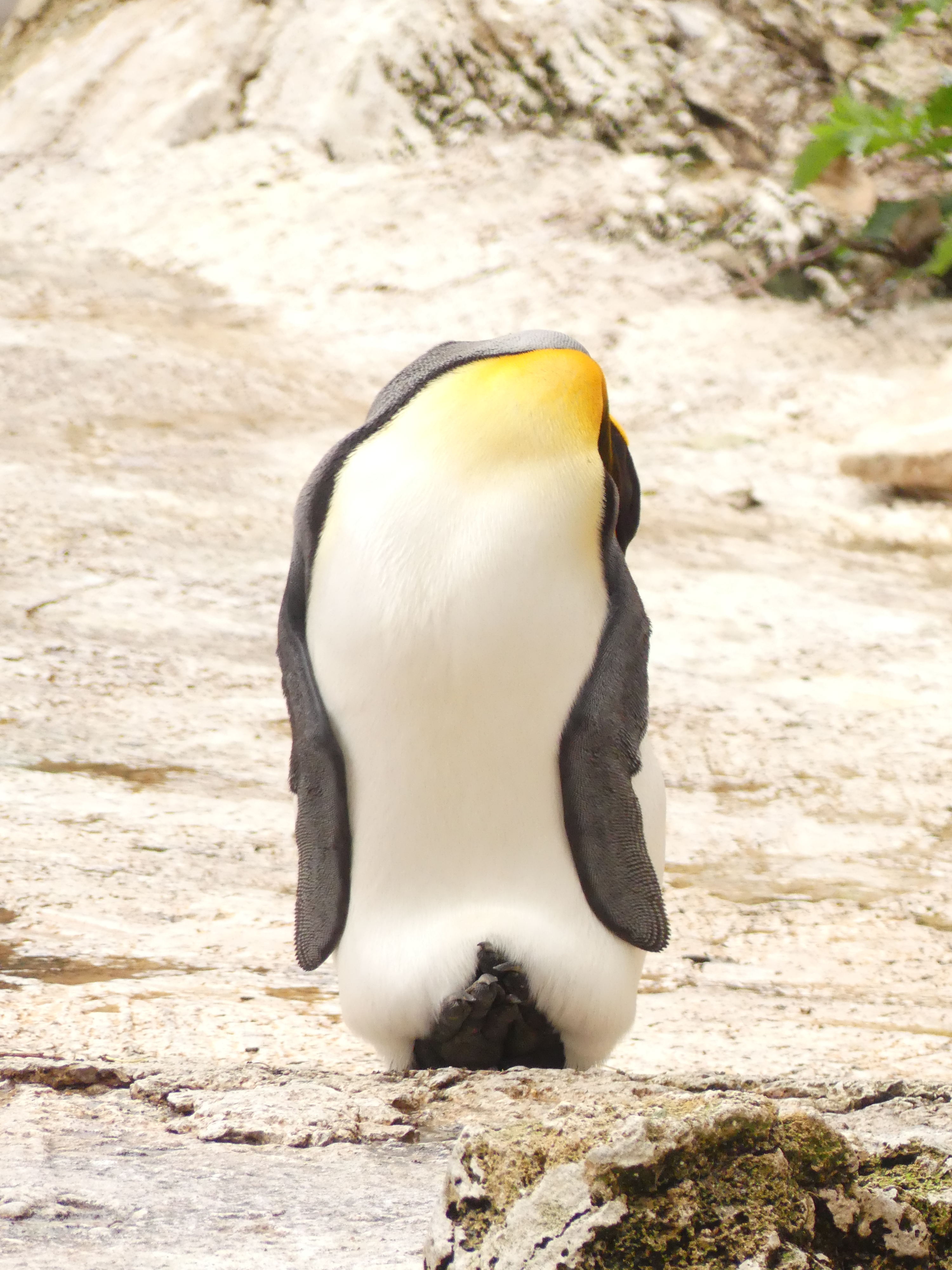
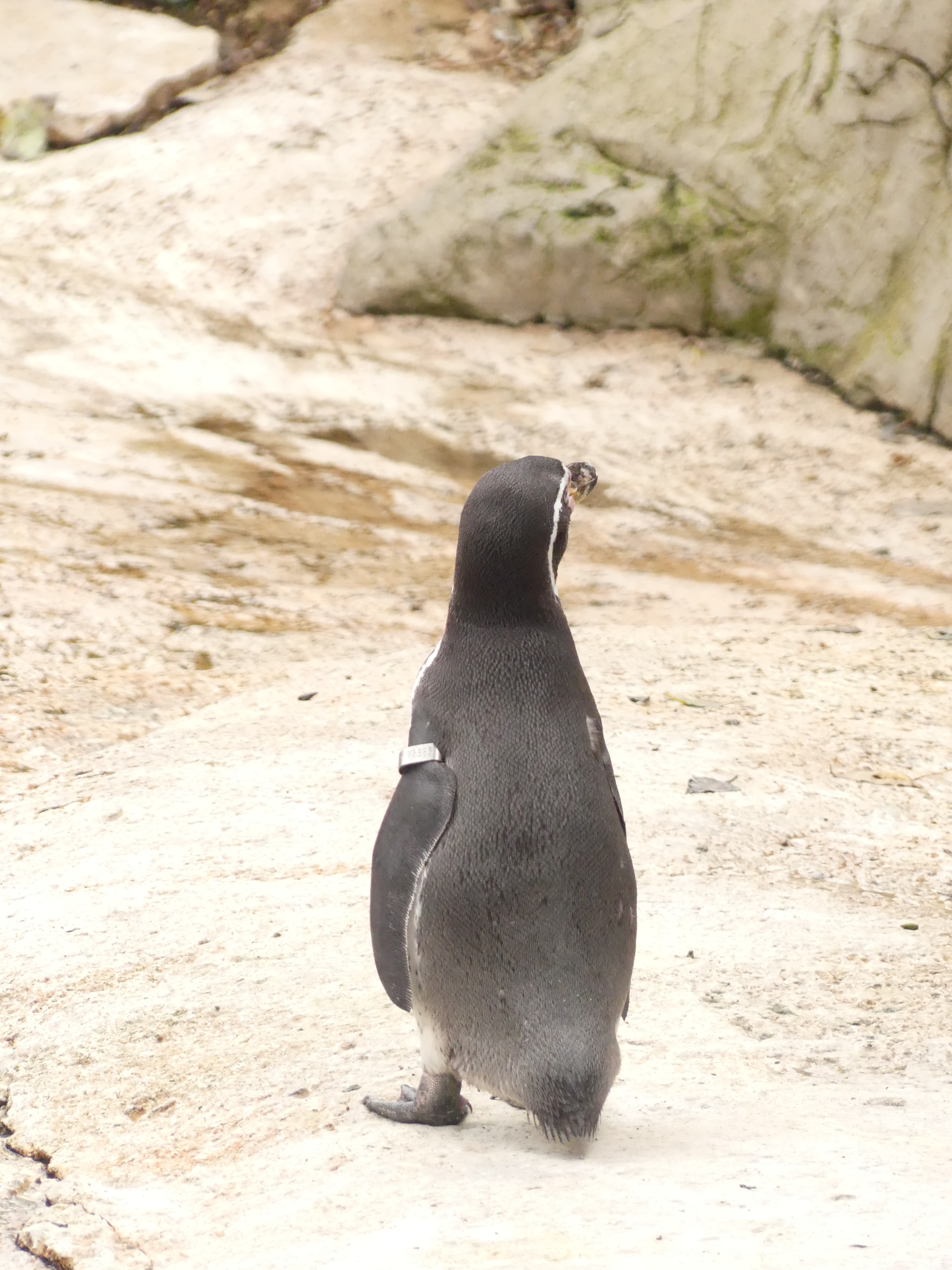
And now, the majestic penguins! The only group of King Penguins in England and a group of Humboldt Penguins. The King Penguins stood proudly, their waterproof feathers glimmering in the sun. The white fronts ended in orangey yellow at the necks, their jet black heads sat on top. Their flippers hung at their sides.
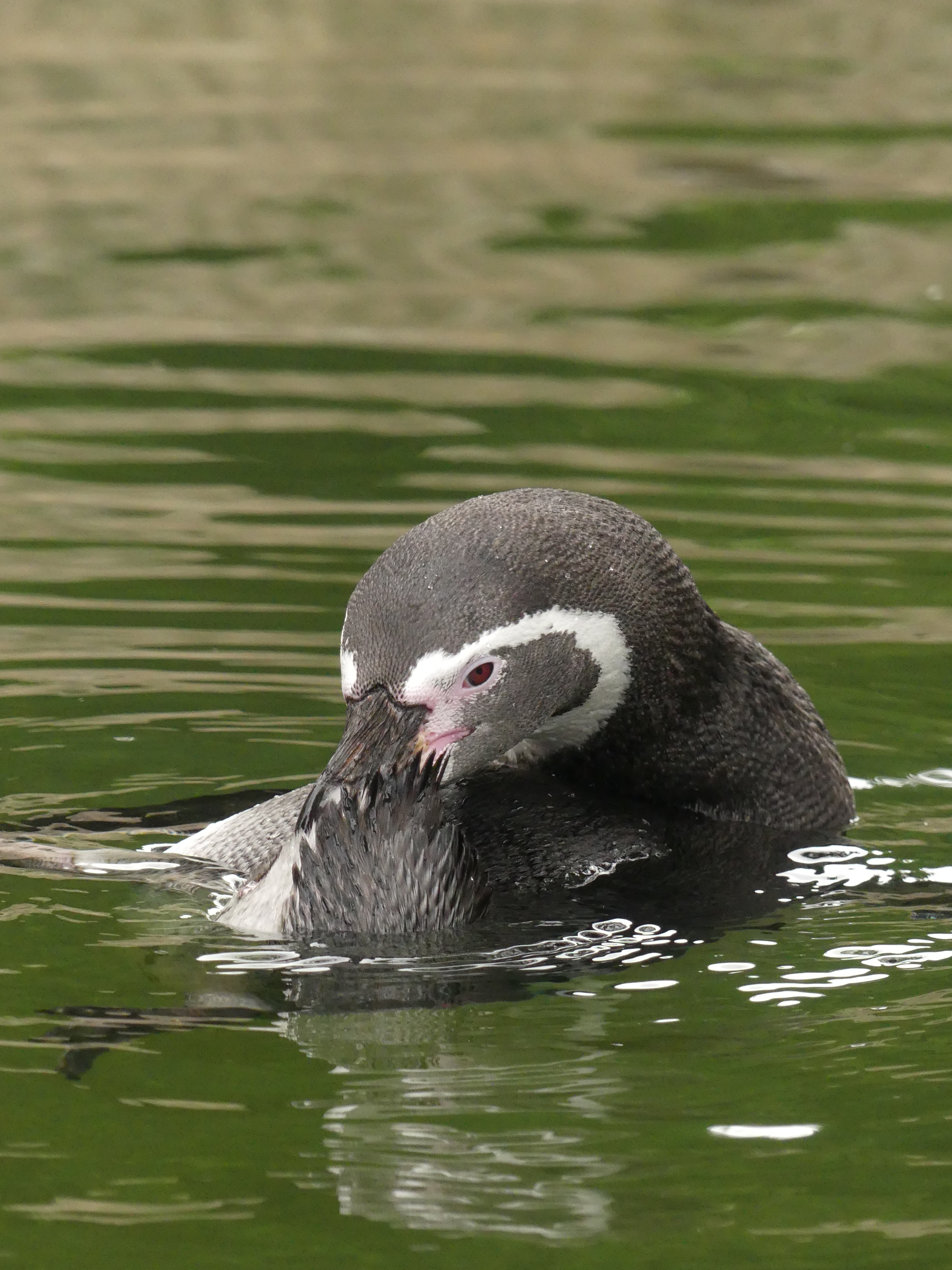
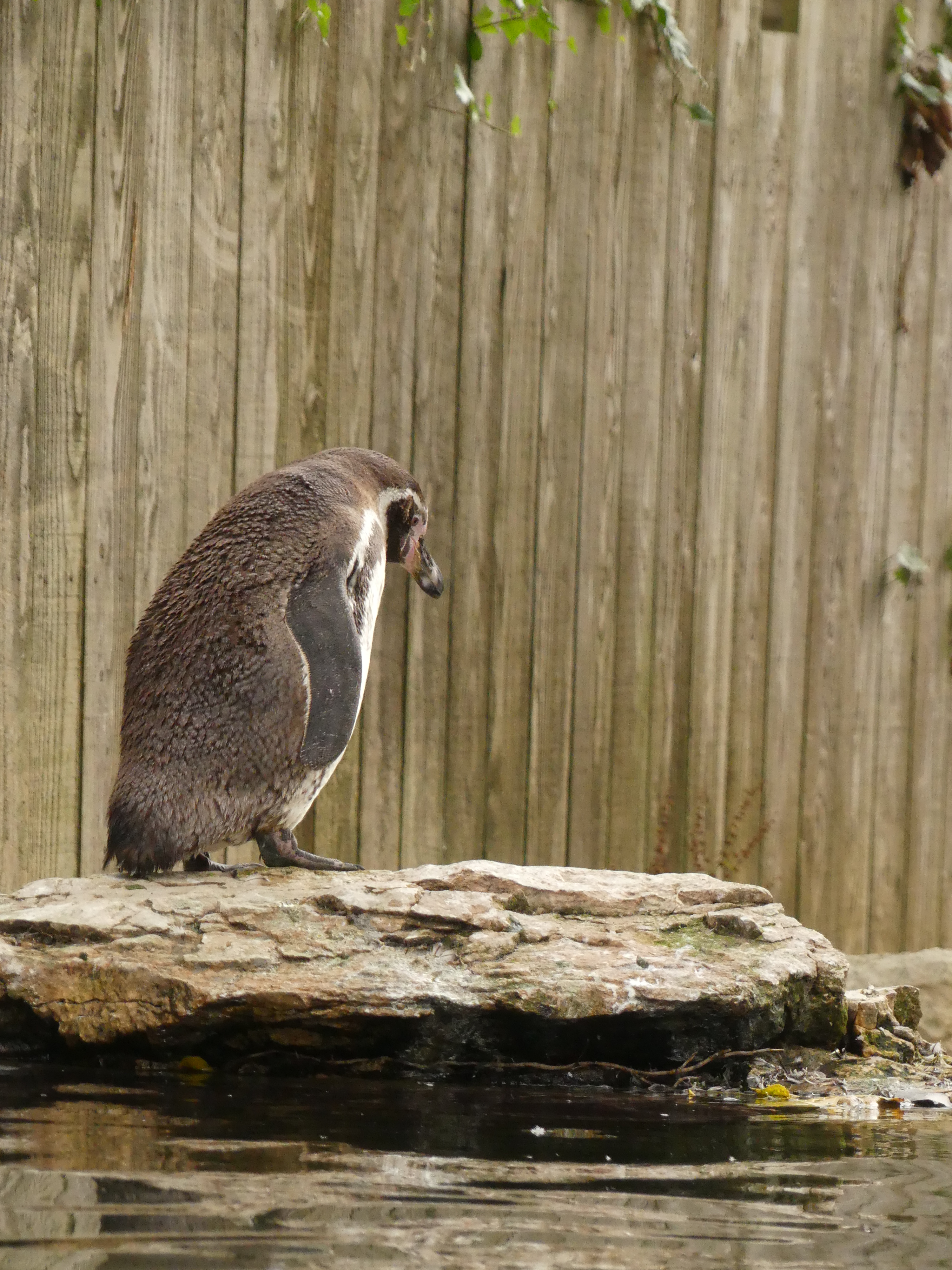
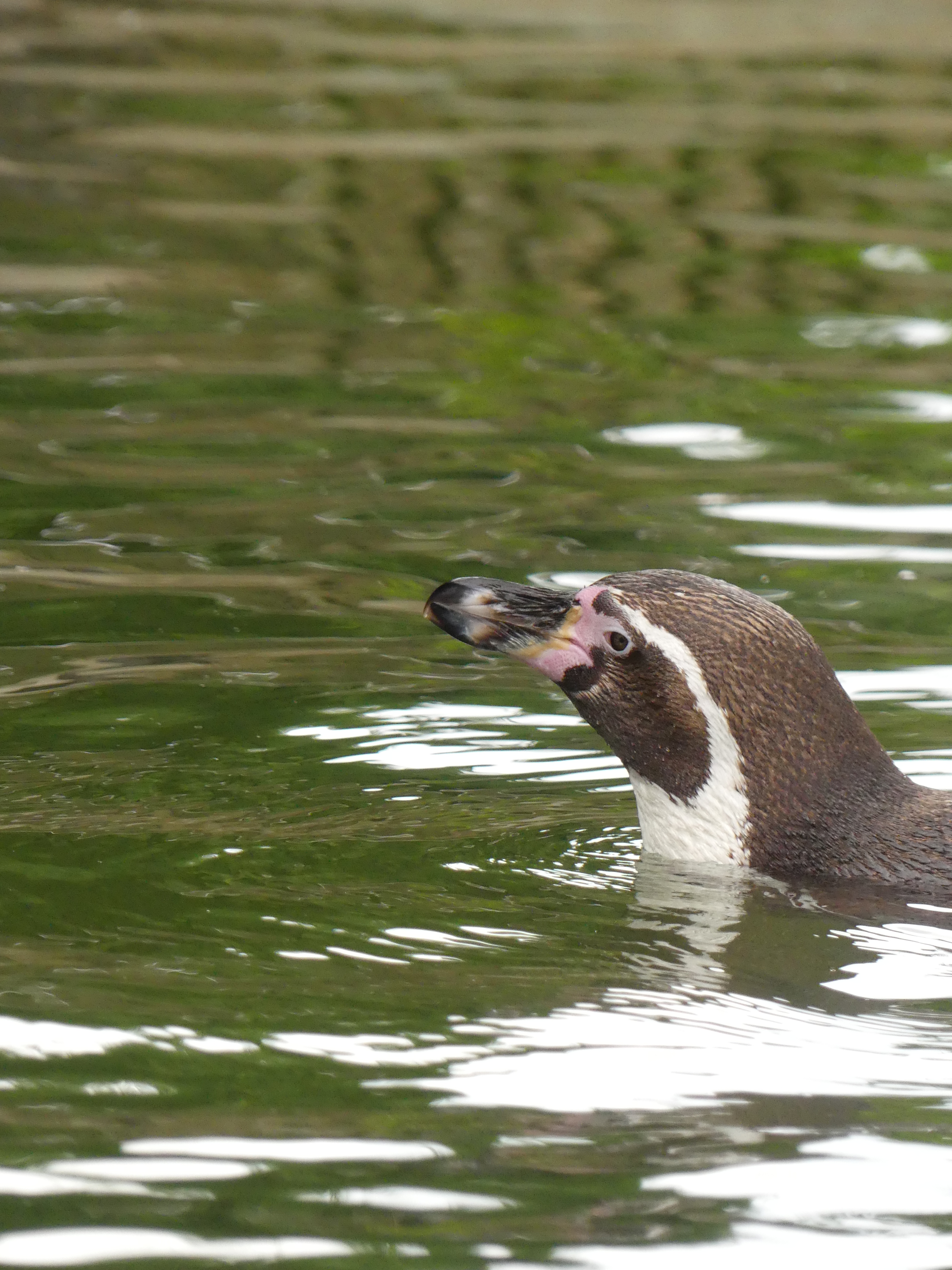
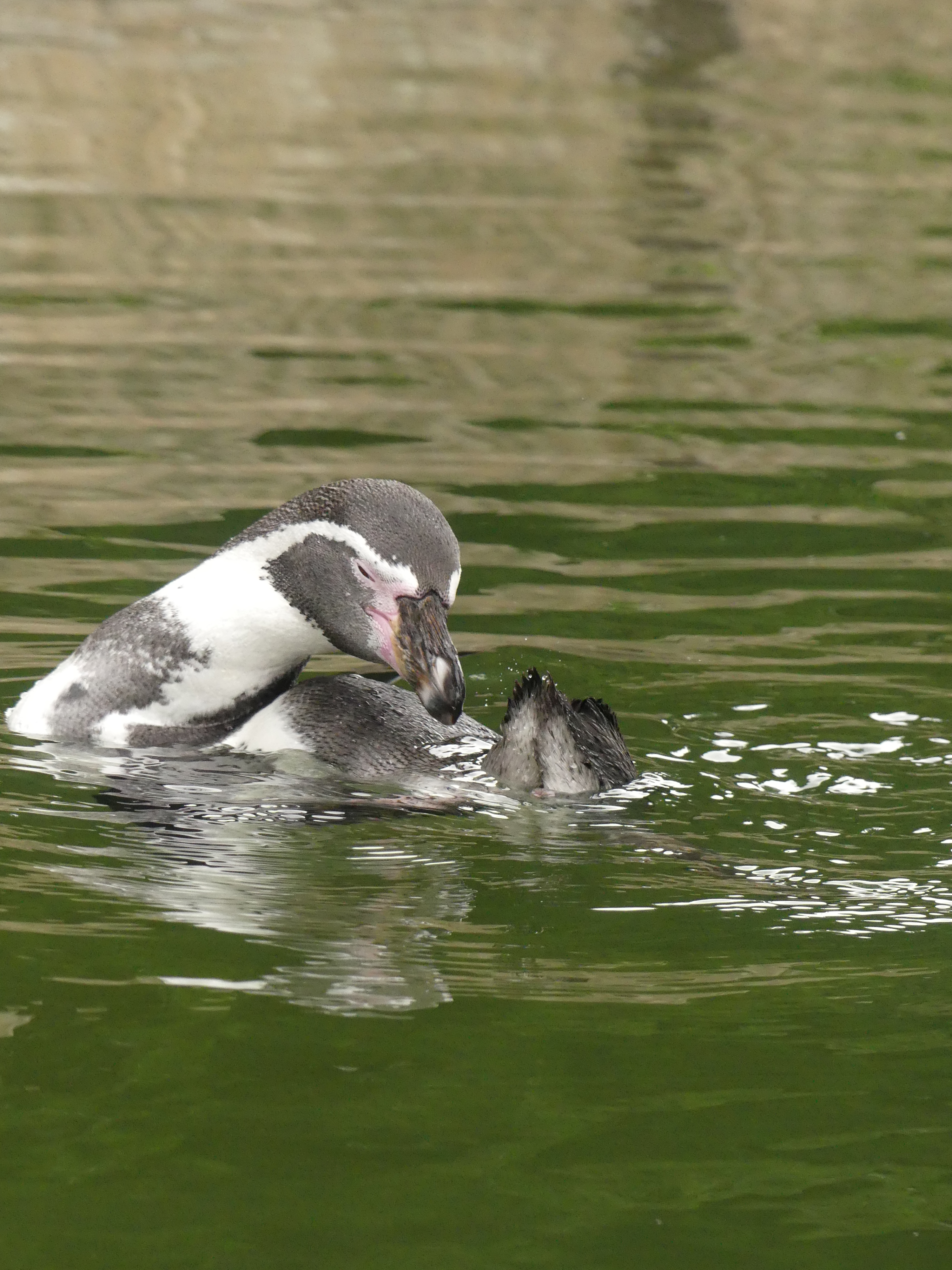
The Humboldts did all the swimming, diving beneath the surface, circling, and then resurfacing at the other end of the pool. A pink section of the bill covered part of the face near the eye and the rest of it was black. A white half ring around the front of the neck was where white lines started and ran all across the bird.
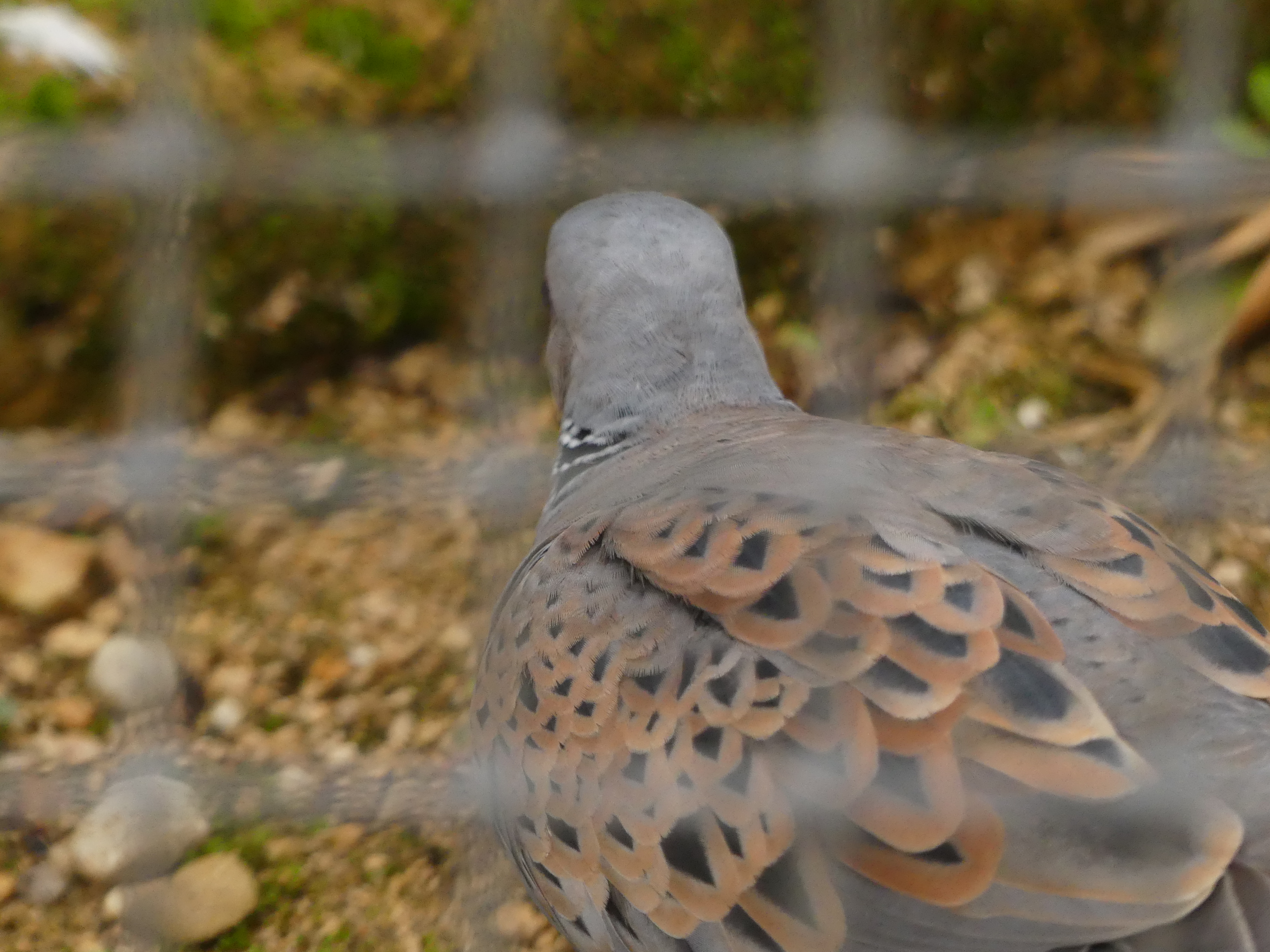
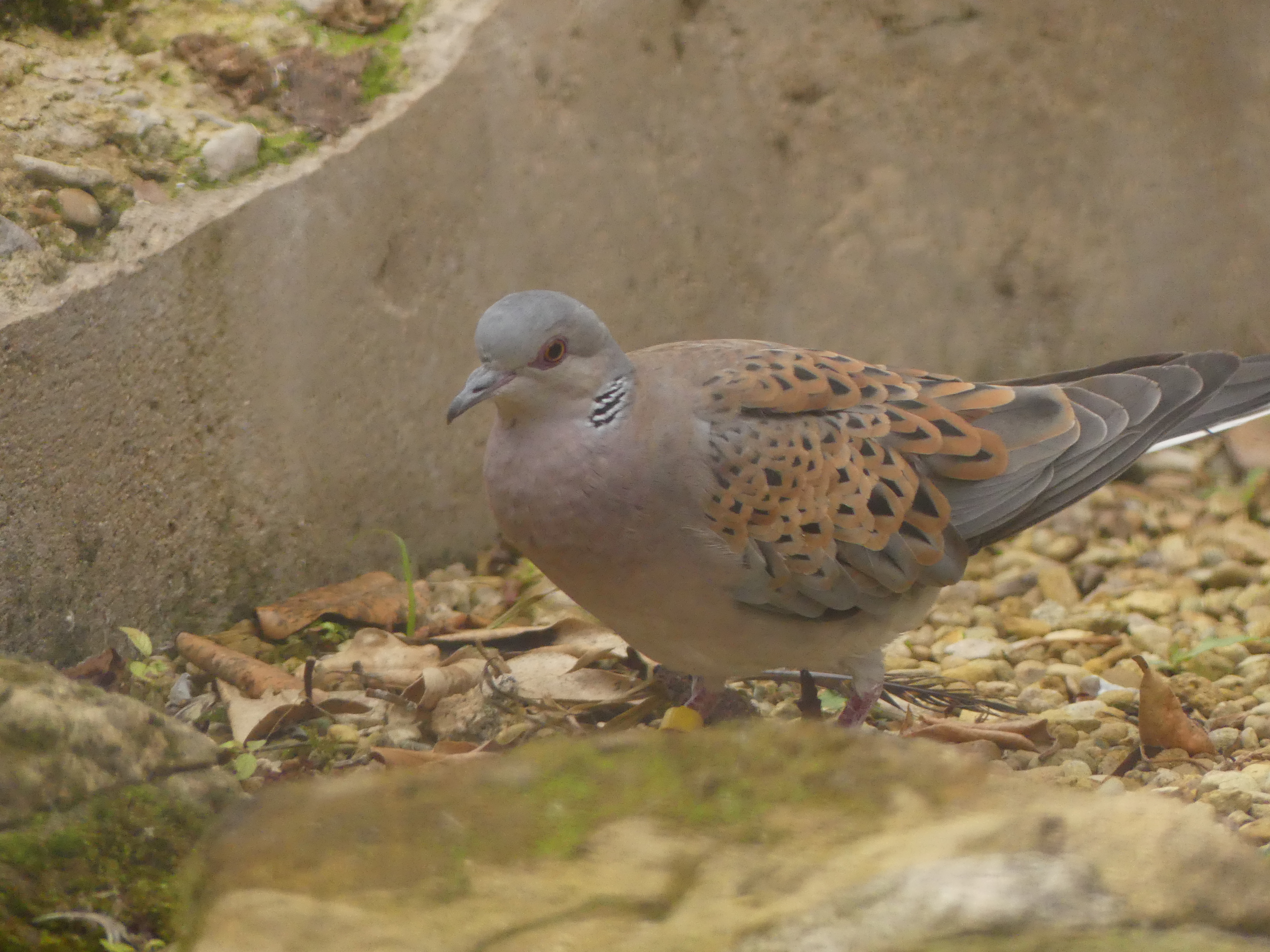
Across from the penguins, in another cage like the avocets’, a dove sized bird was walking around the edge of the aviary, performing to everyone that came that way. It had a black and white patch on it’s neck and sections of the wings looked like the pastry on a treacle tart. A turtle dove, known for it’s purring song.
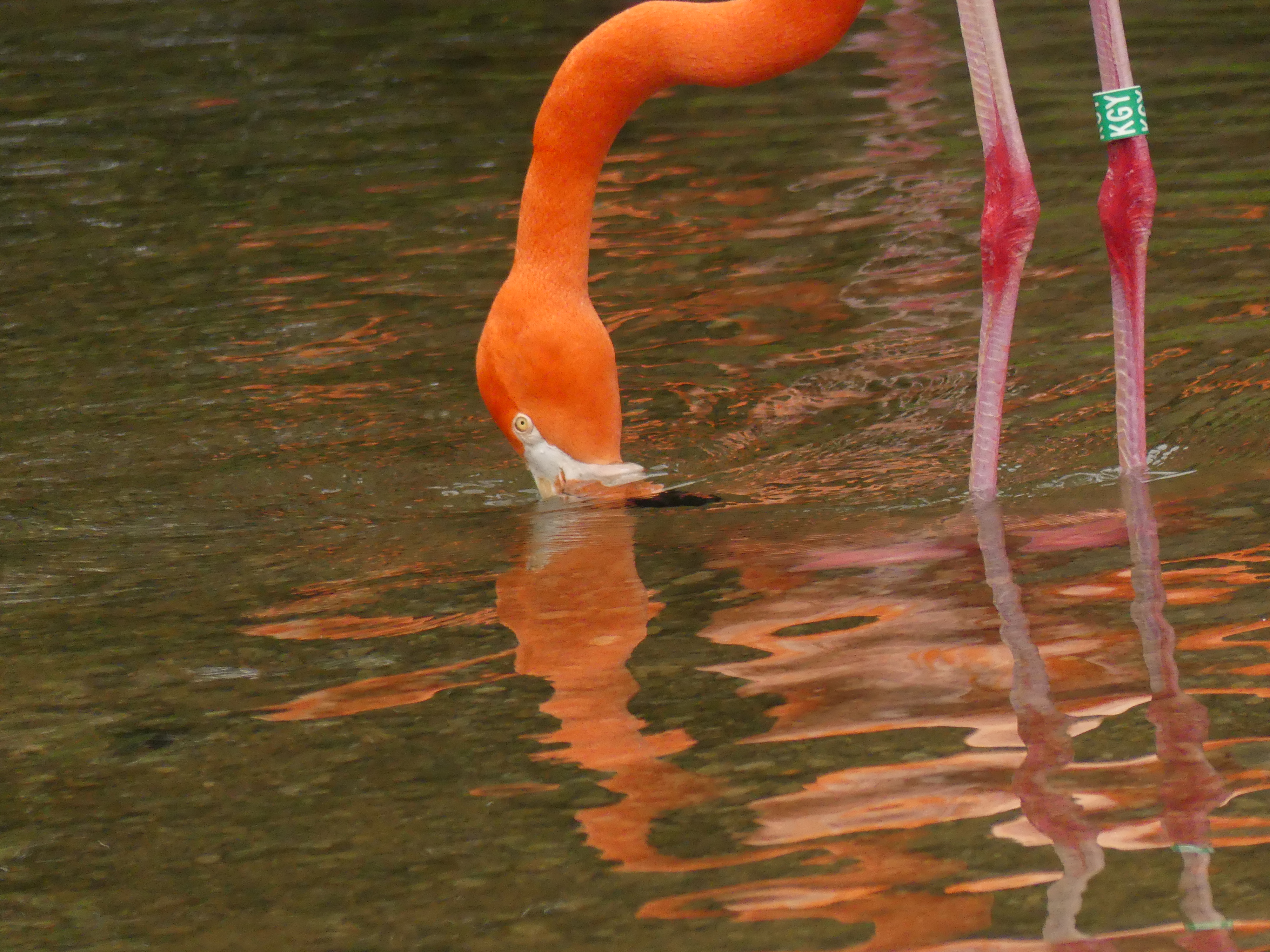
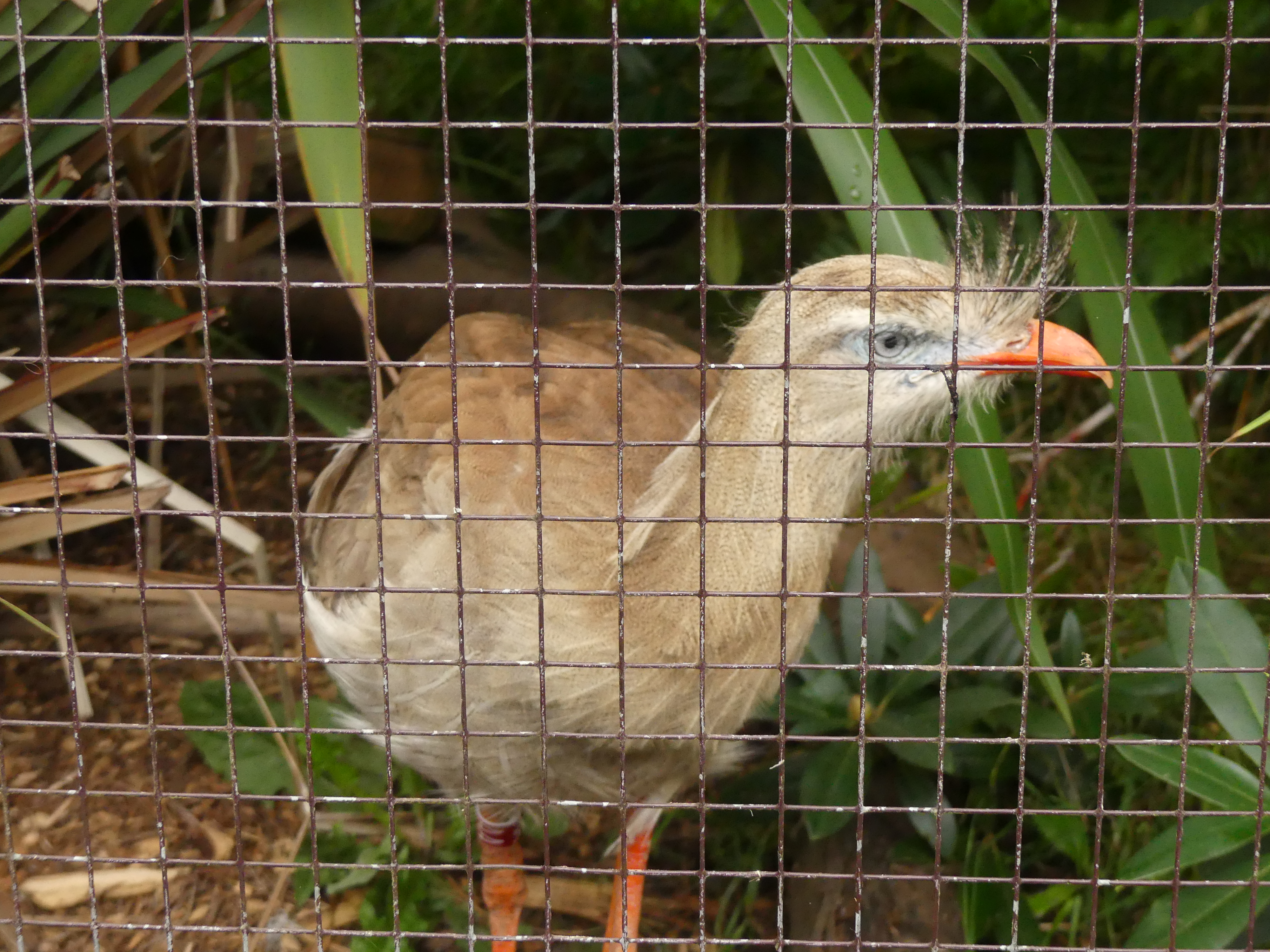
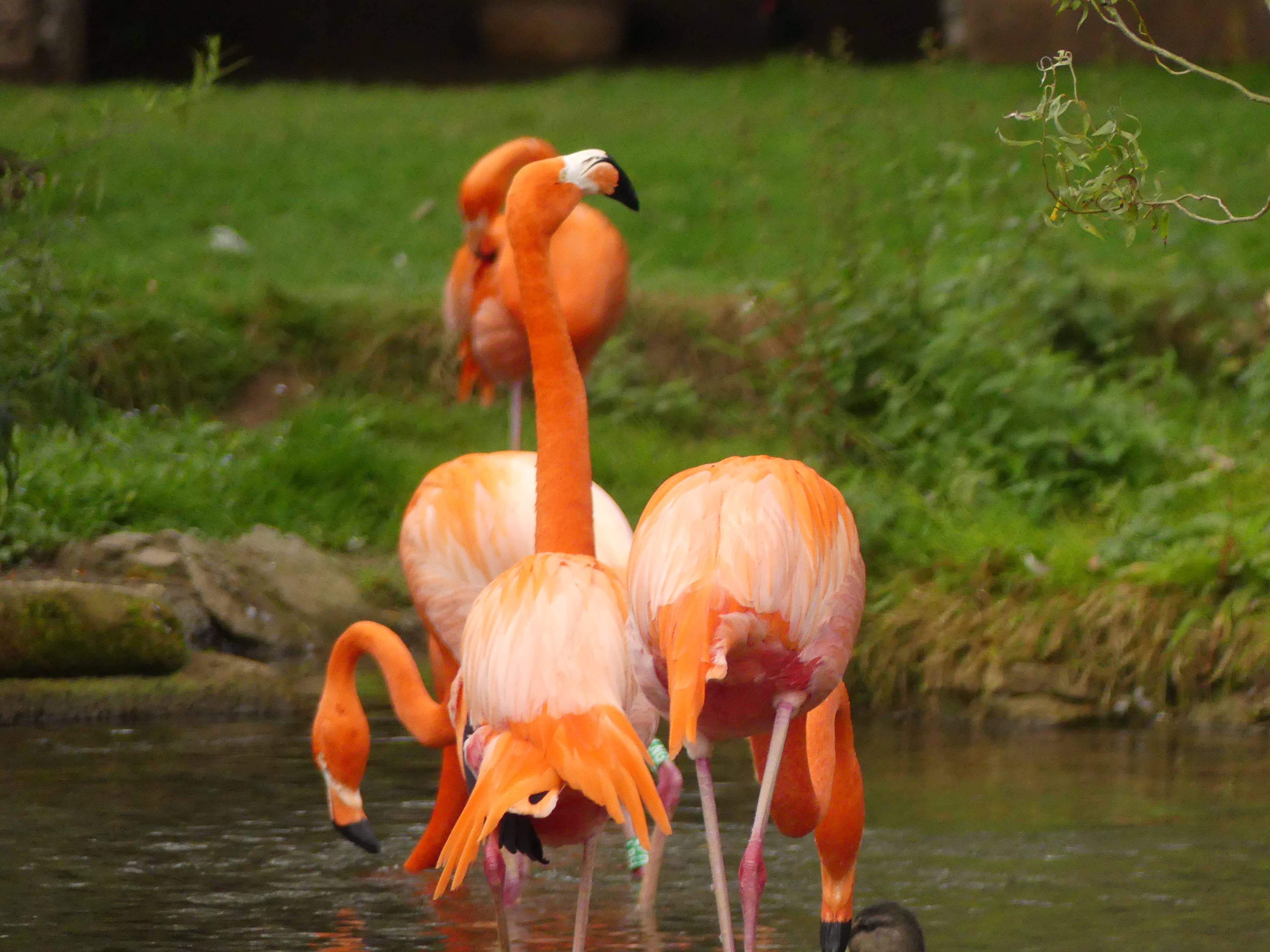
A path re-joined the river and gave a view of the Caribbean flamingos. Deep pink, they waded though the running water, stomping on the riverbed to stir up a snack. In one of the aviaries, on my other side, however, were the Red Legged Seriema. One came up close to fence, and allowed us to get a good look at him. A faded blue patch around the eye contrasted with the sandy brown feathers. A number of black hairs jutted from his head, and a bright red bill extended from the lores. As the name suggests, the bird also had red legs.
A good few aviaries and habitats still left to explore. These are just the tip of the iceberg.