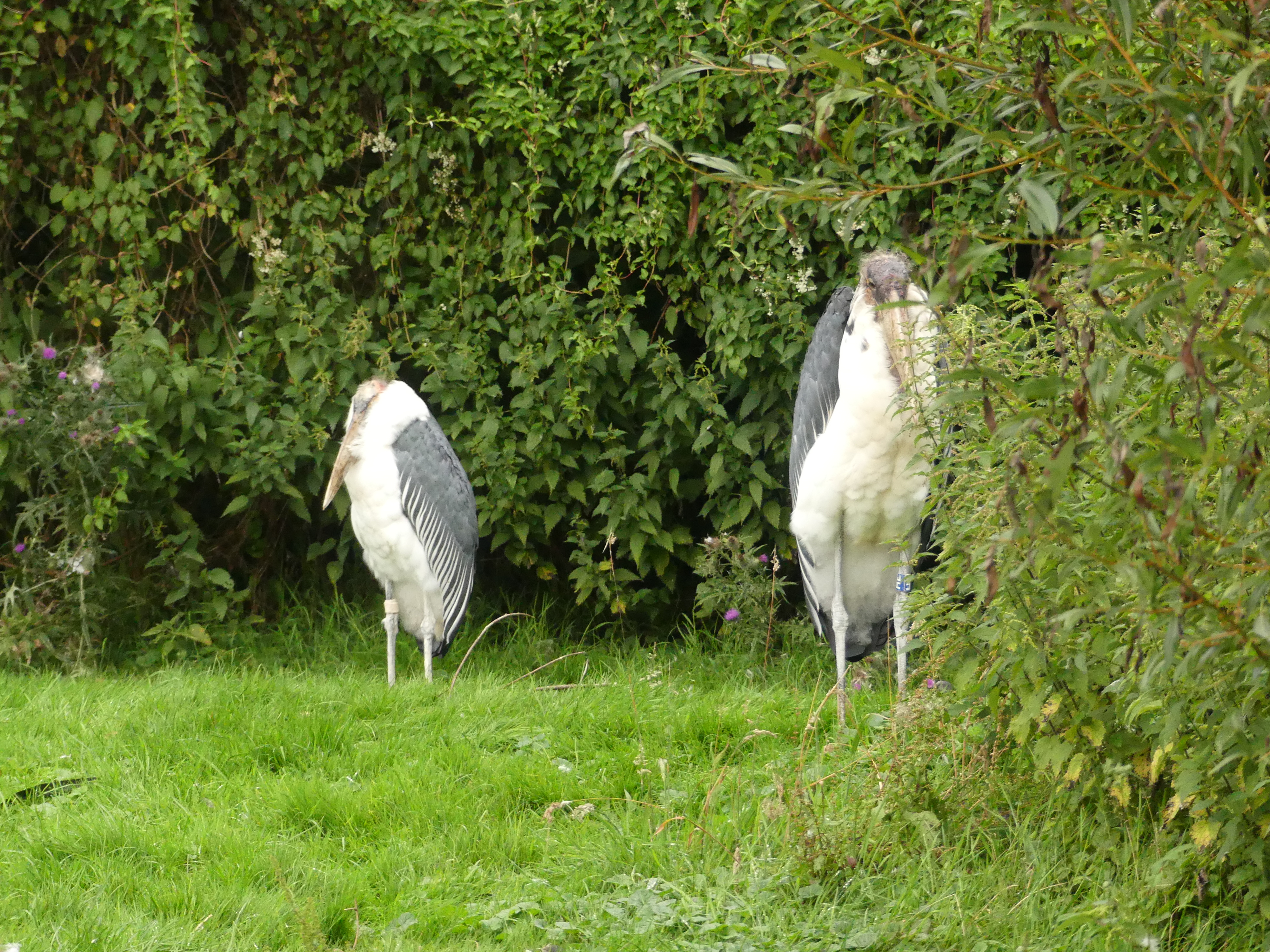
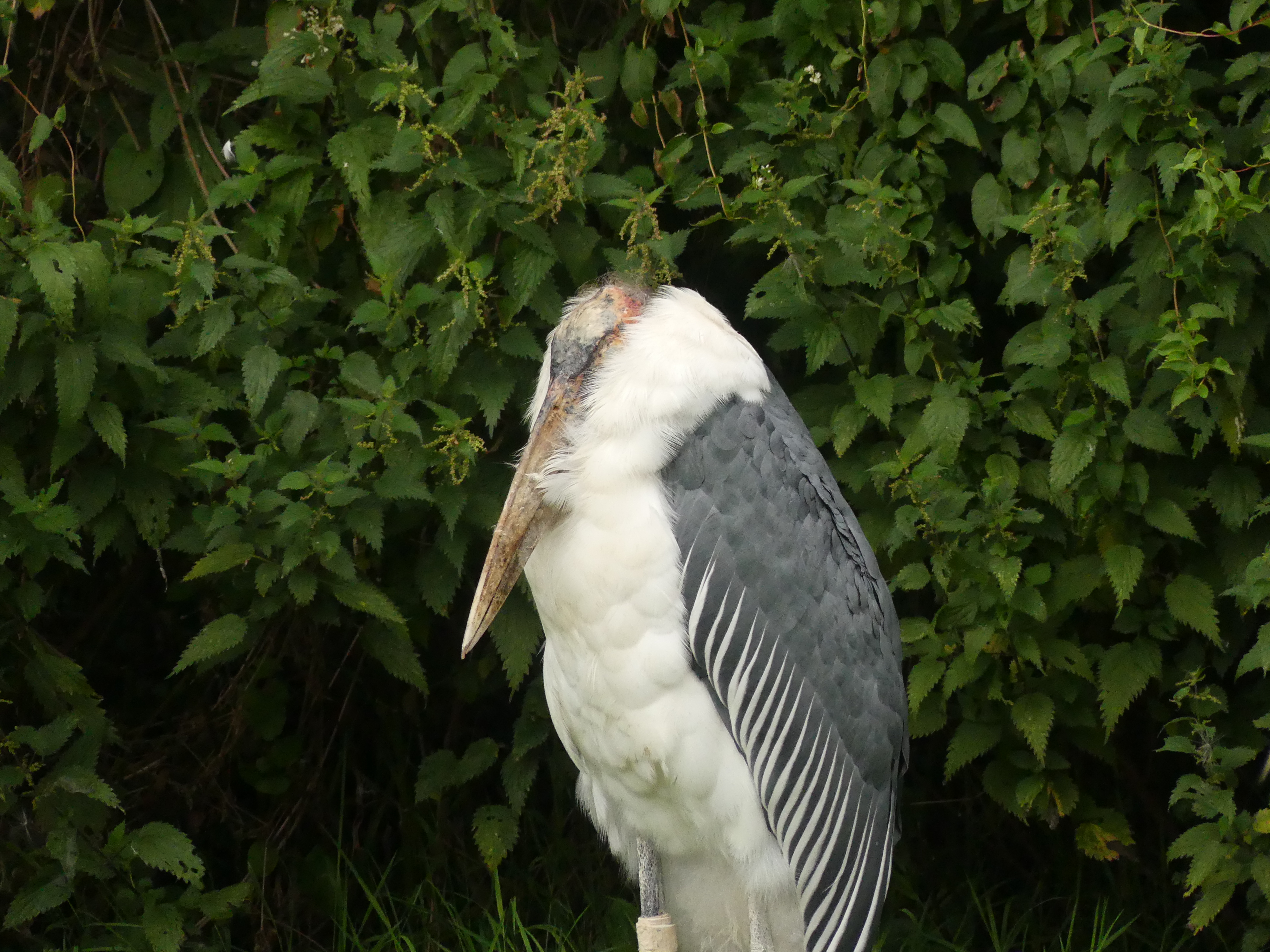
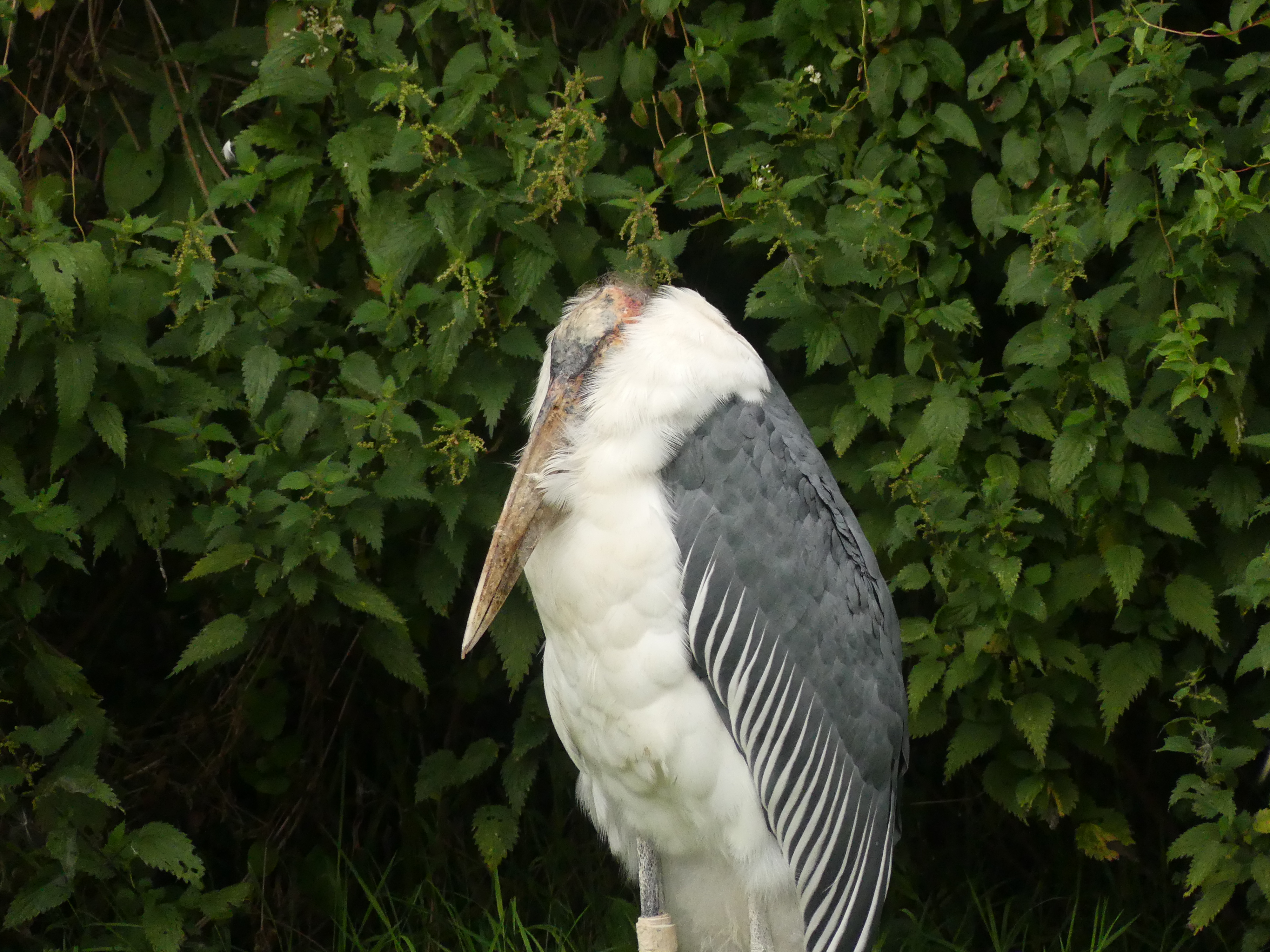
The air was thick with shrieks and chirps. A wide path leading from the open gates led down to a building built on the banks of a meandering river. Across from the building, on the opposite bank, stood 2 Marabou Storks, and beneath their feet lush green grass. Naked heads tucked into their fluffed up neck feathers, they seemed to be asleep. A bright white chest started off many white feathers down the storks’ front. Their backs were slate grey and contrasted perfectly with all their other plumage.
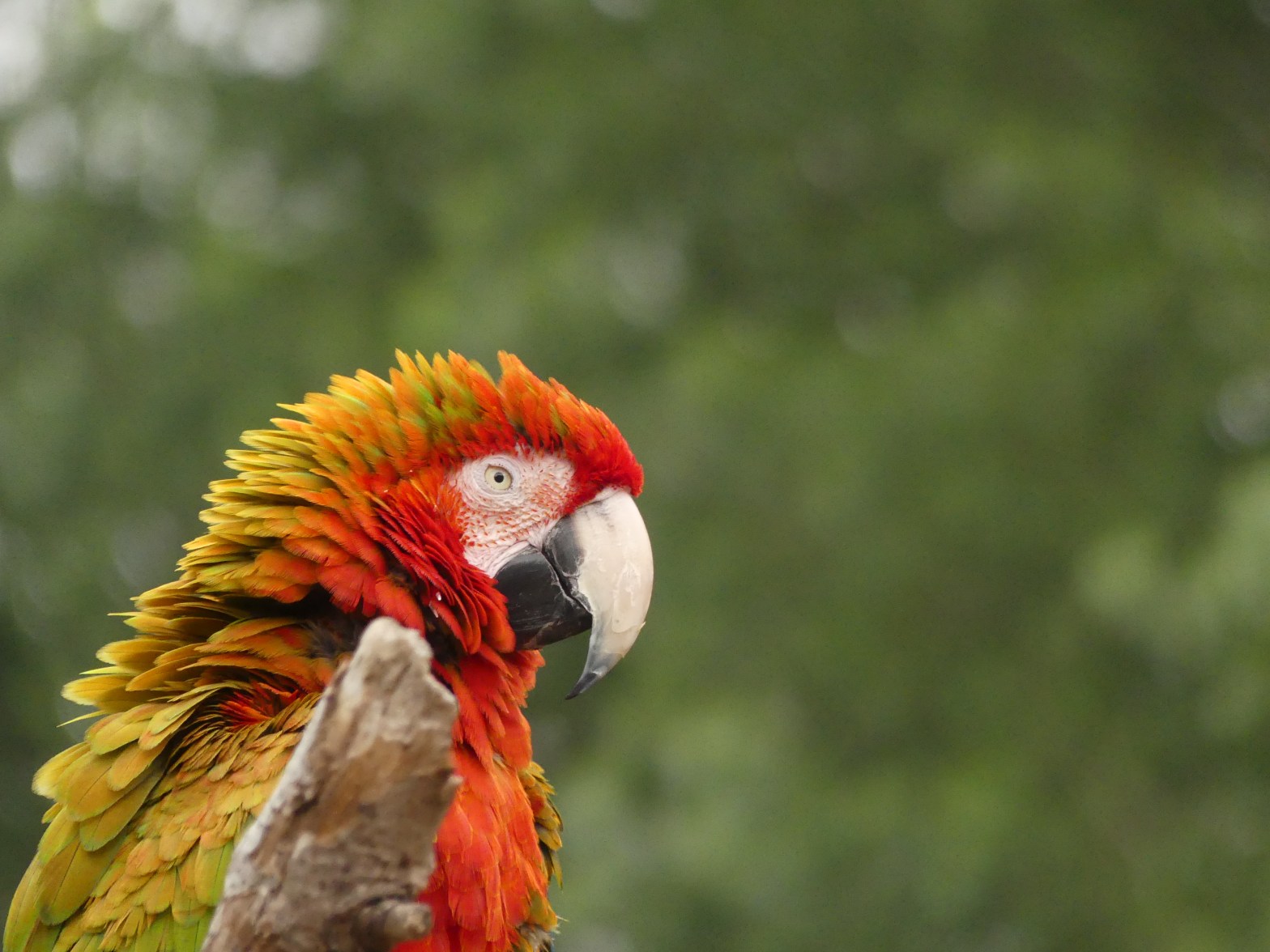
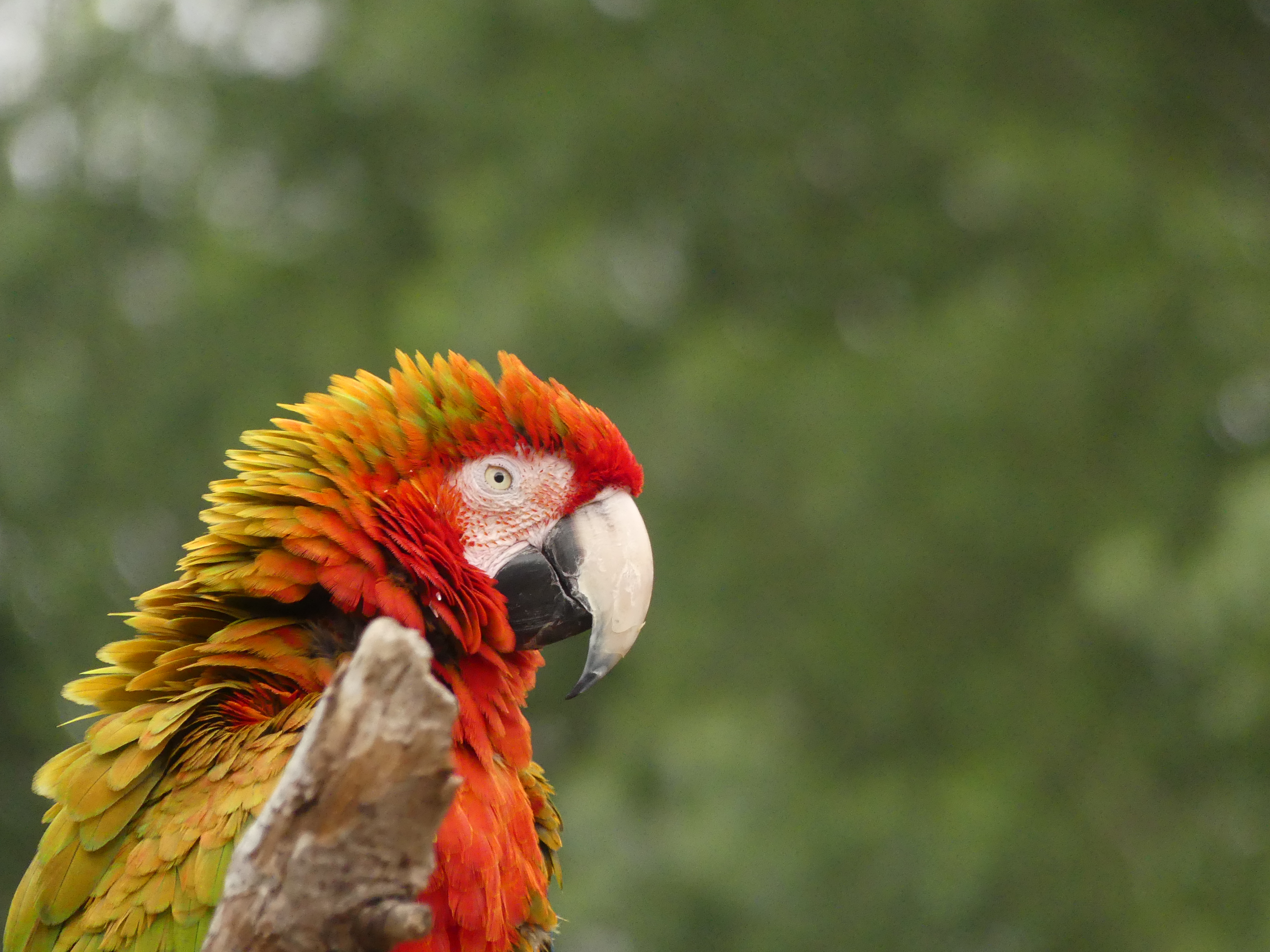
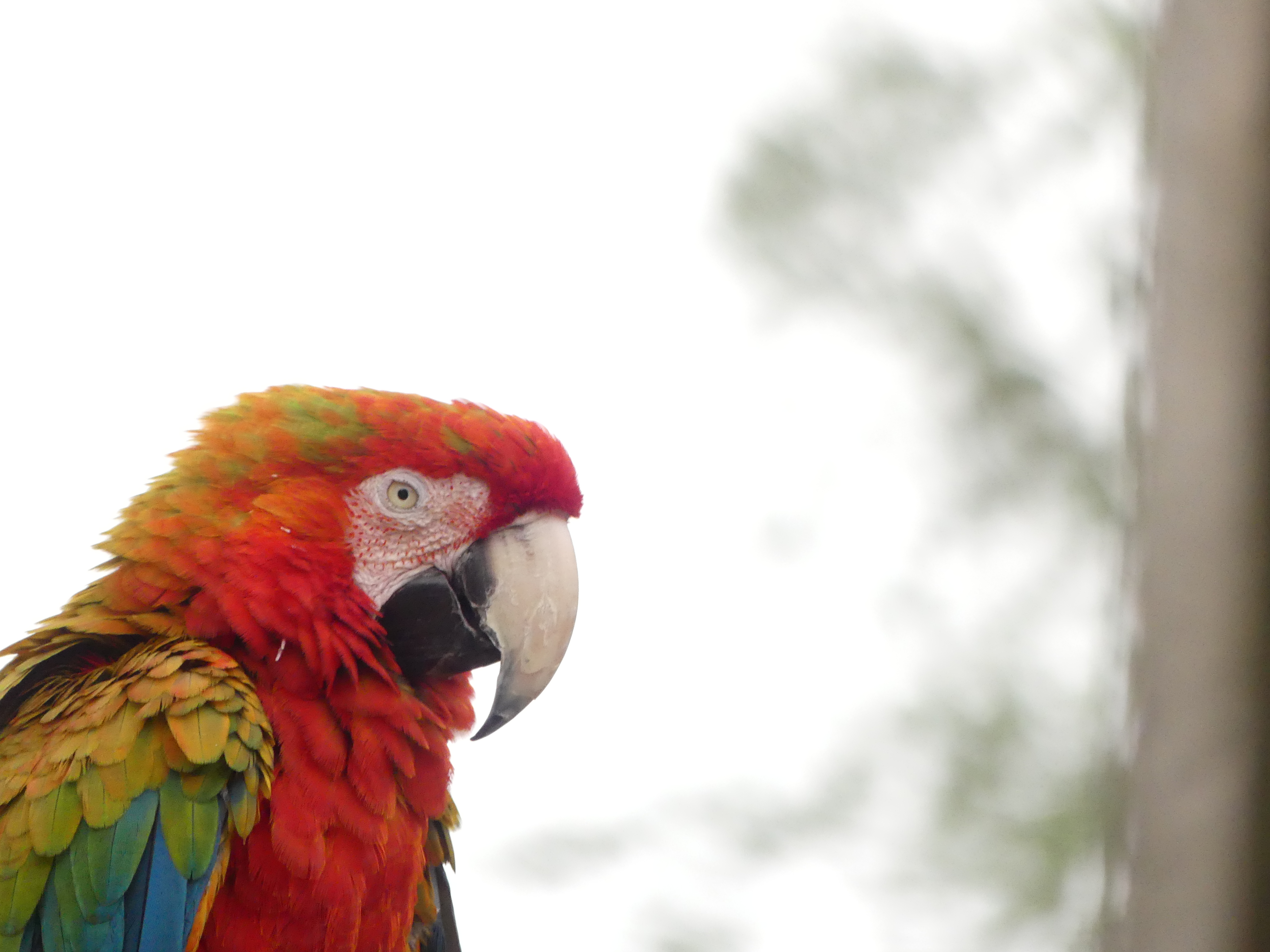
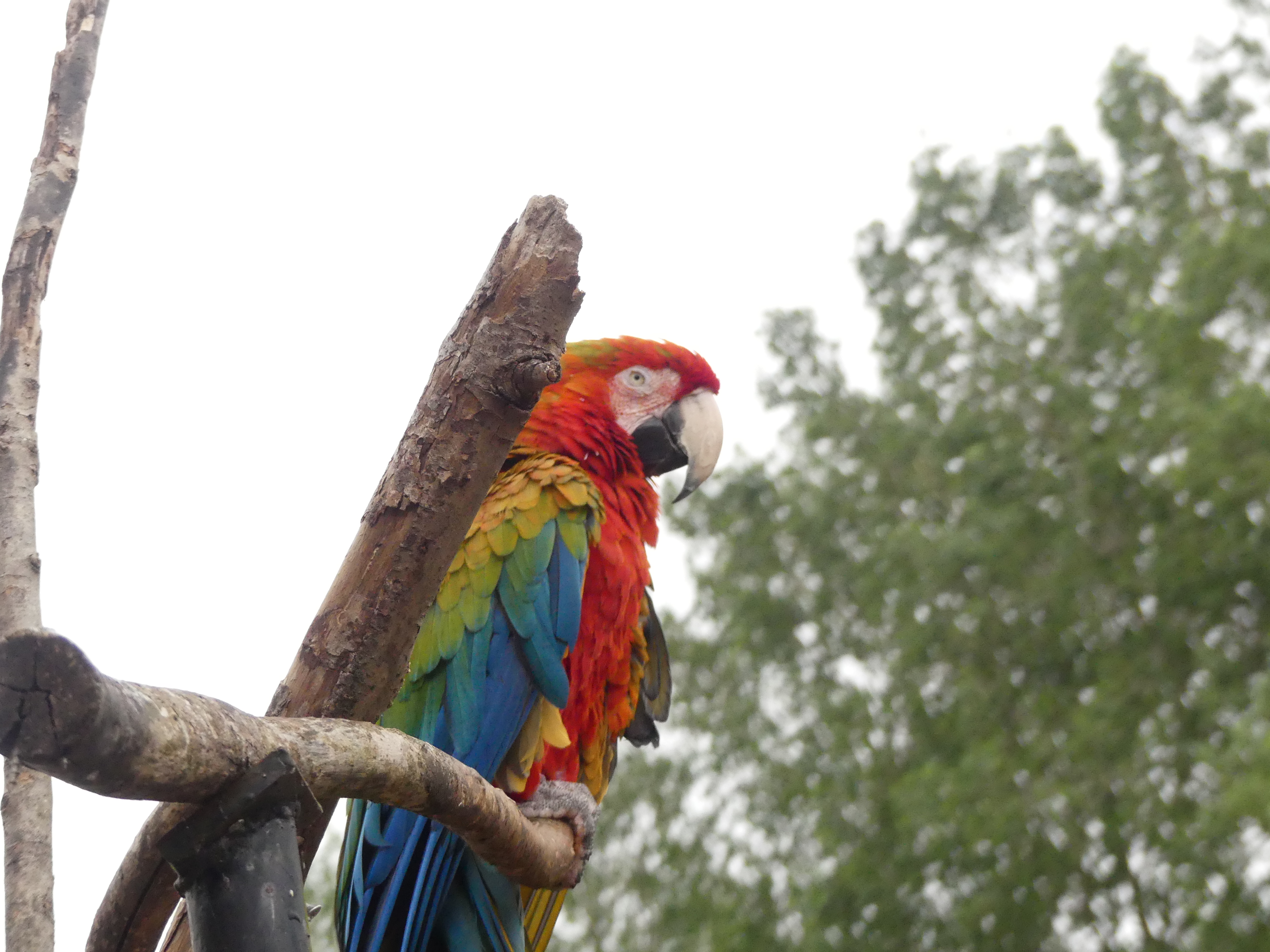
However, the path left the river for a bit and snaked to the other side of the building. Behind the structure, was a very clever treehouse. There was what looked like a barrel secured to a fork and various branches and bridges jutted out of it. On one of the higher branches, perched a brilliantly red bird, that seemed to almost glow! A red head blended with a yellow and green nape. The wings held pops of blue and orange and it’s chest was shining red. The wings became blue as you went down and extended into an elongated tail. A scarlet macaw lived in that incredible barrel.
These first few birds really prove the range of species here at Birdland in the village of Bourton on the Water. From storks to macaws, such different birds. The 500 birds in this wondrous place are an interlinked diversity, even though they all have separate enclosures. Birdland is the perfect frame for a stretch of the River Windrush.
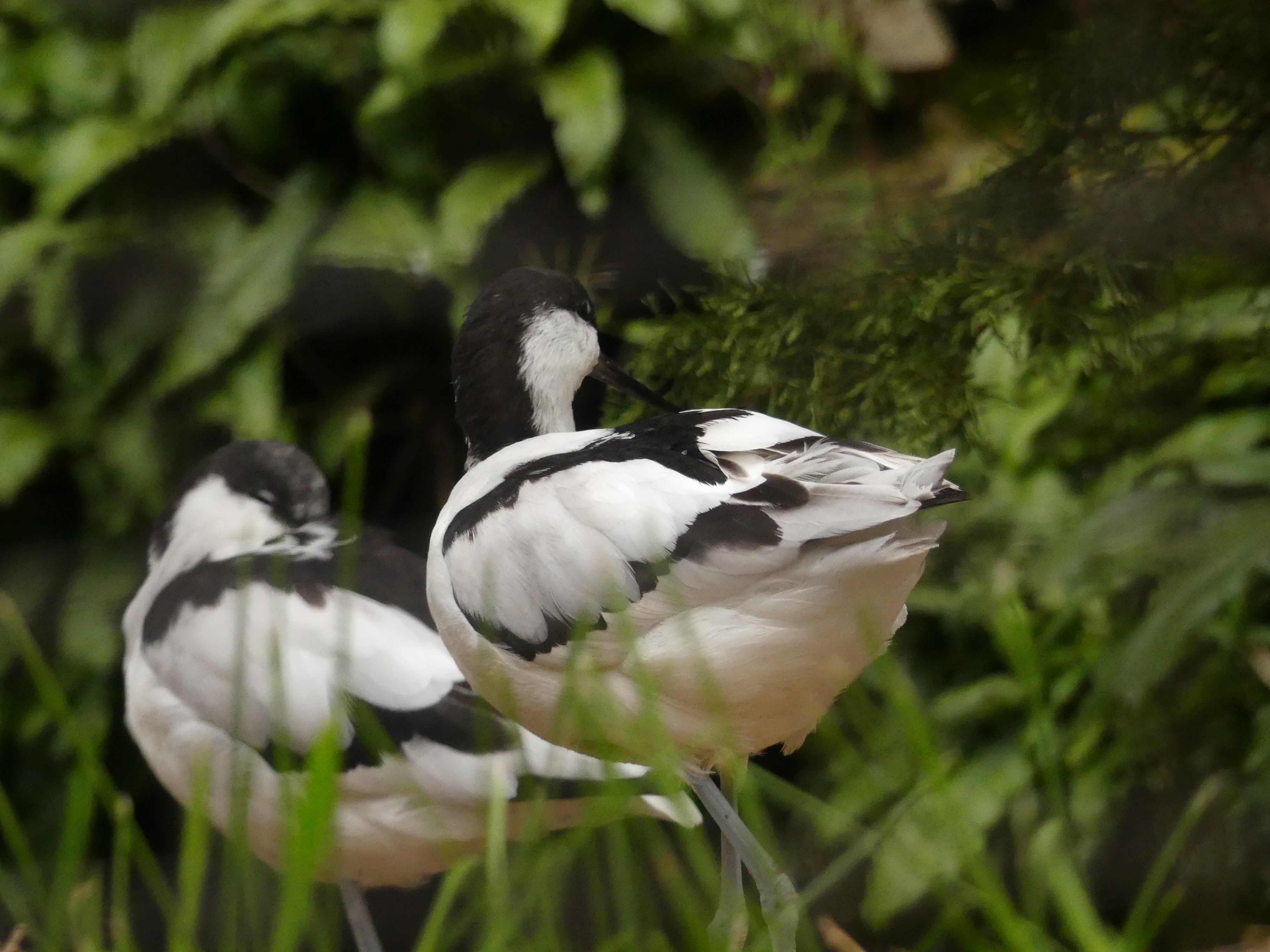
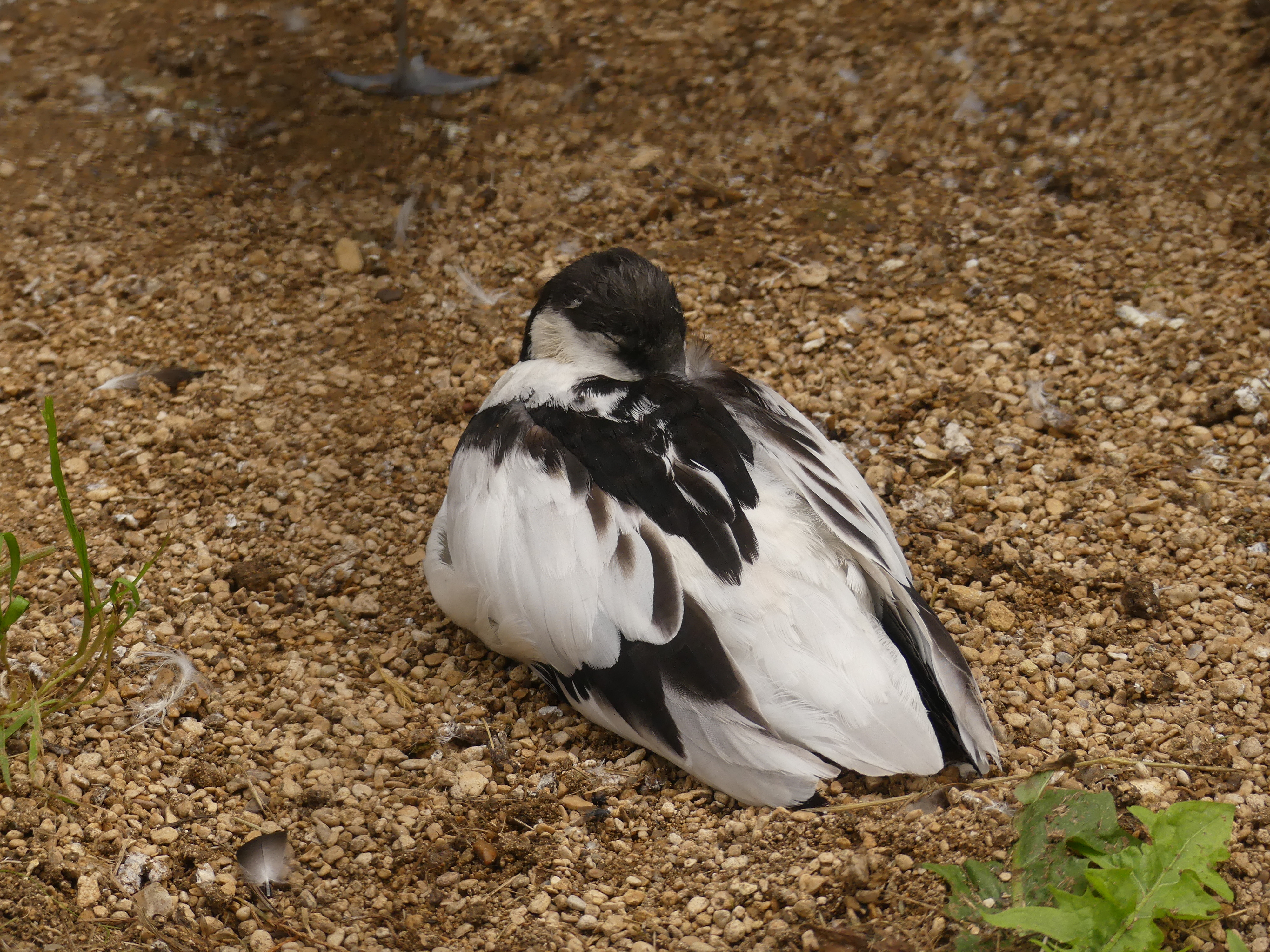
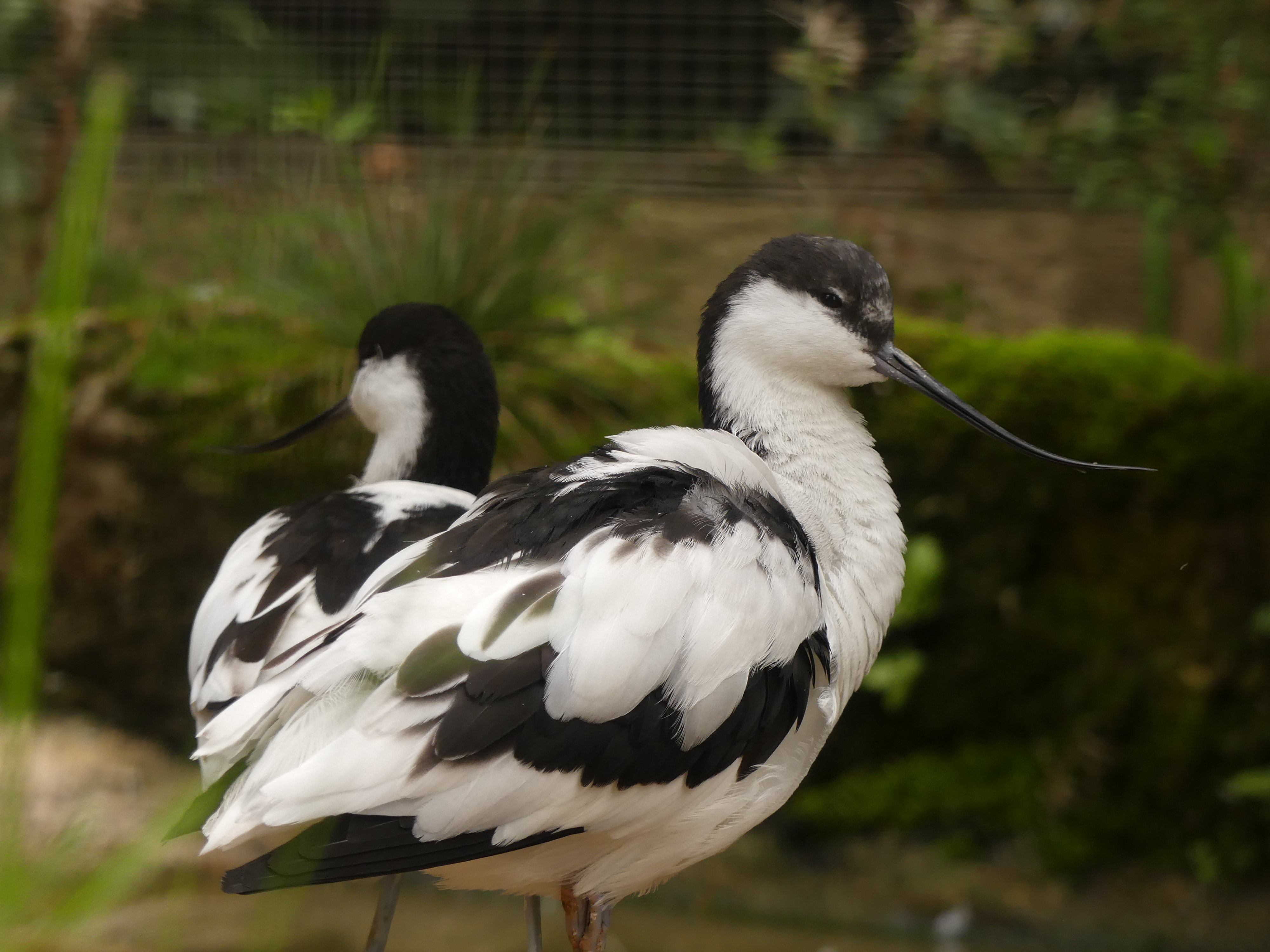
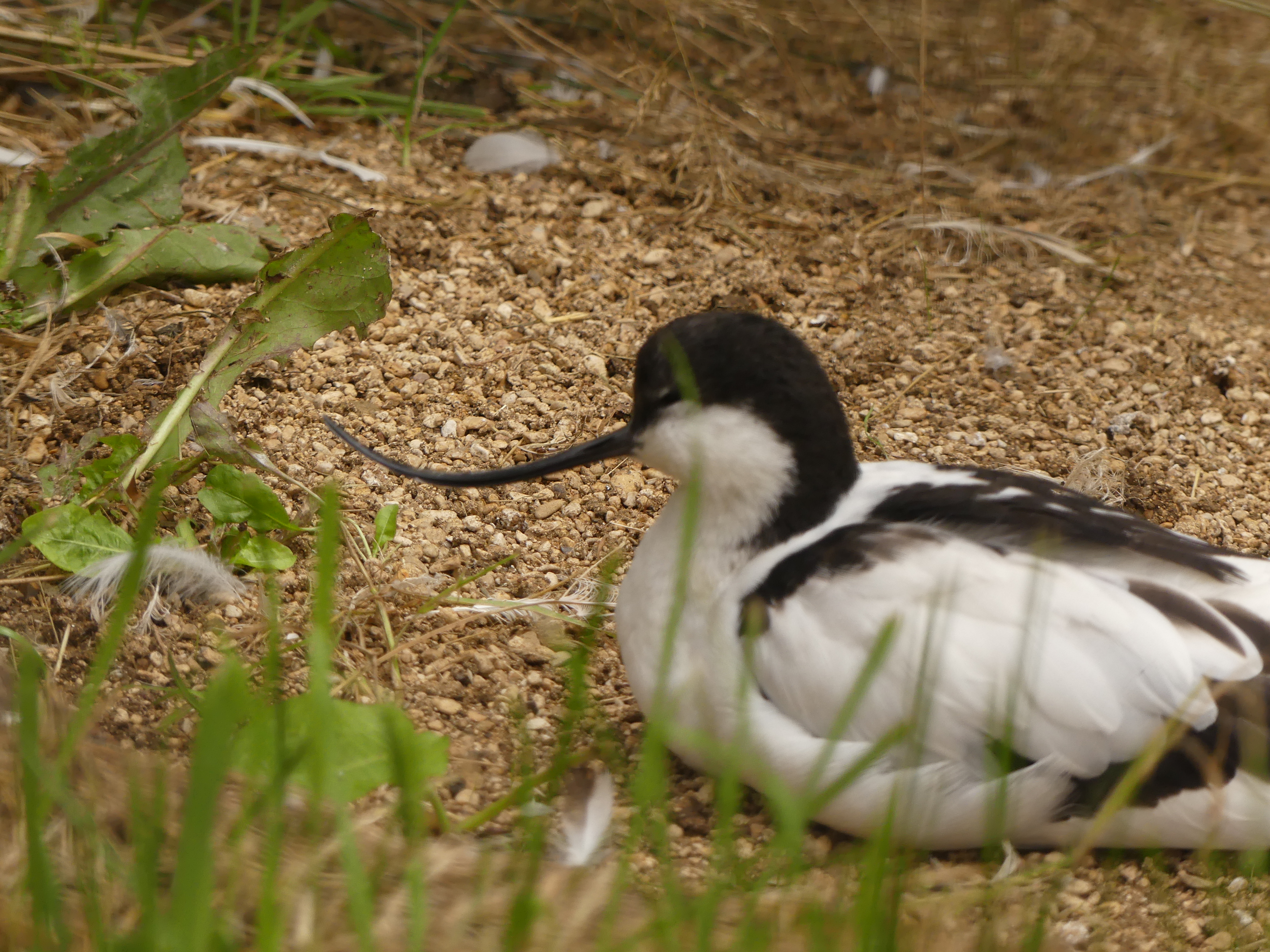
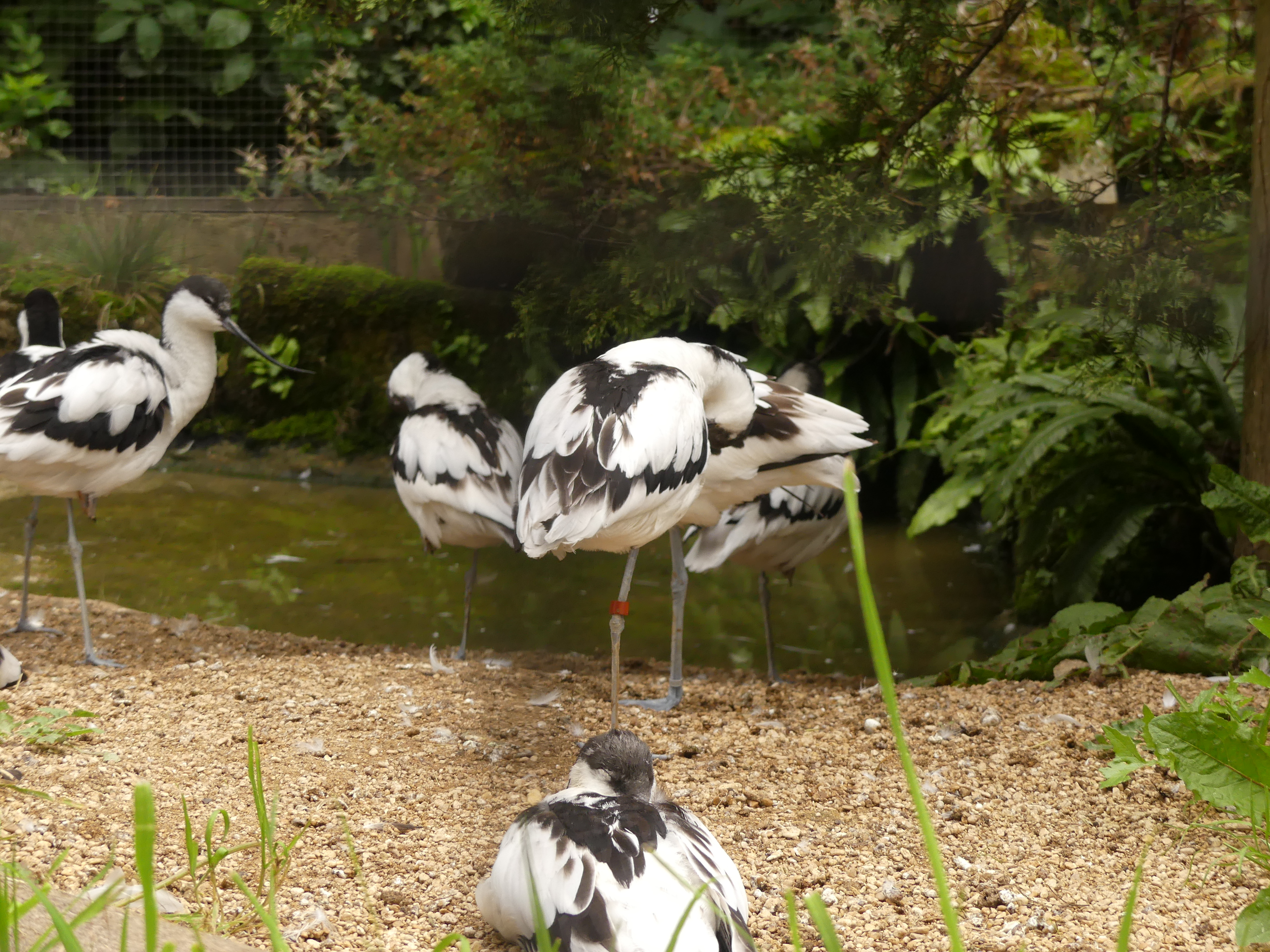
A fishy hint entered the air as we left the macaw to it’s own devices. A large tank and a sort of enclosed beach held the wondrous birds that everyone loved. But first, a cage filled with vegetation and a small, shingly pond. Stark black and white birds took long sips from the water’s edge, while others hopped around energetically, posing for photos. Avocets, the famous waders of the River Exe. Their bills were thin and curved upwards at the tip, which suited their feeding habits of sweeping it from side to side beneath the water.
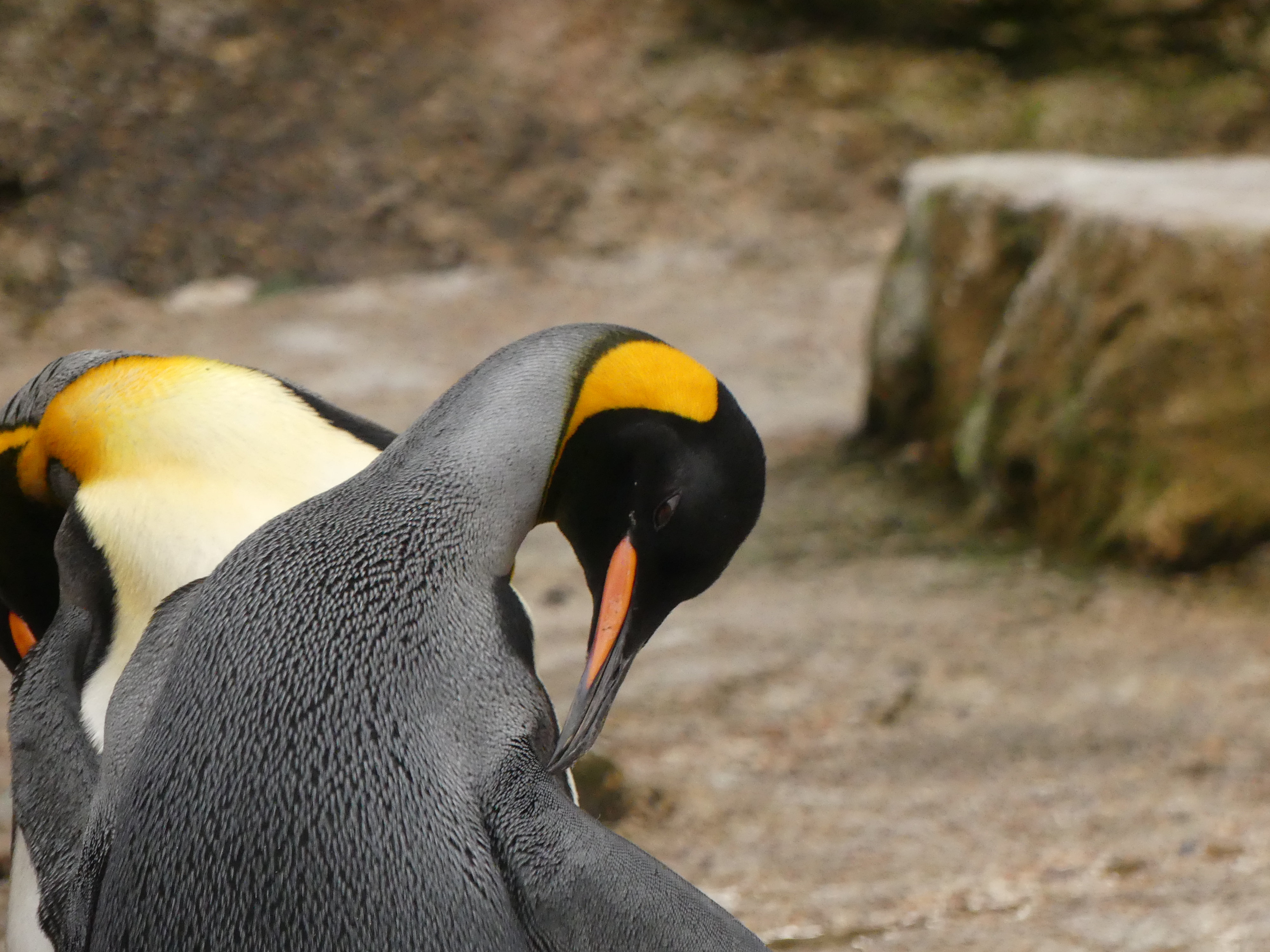
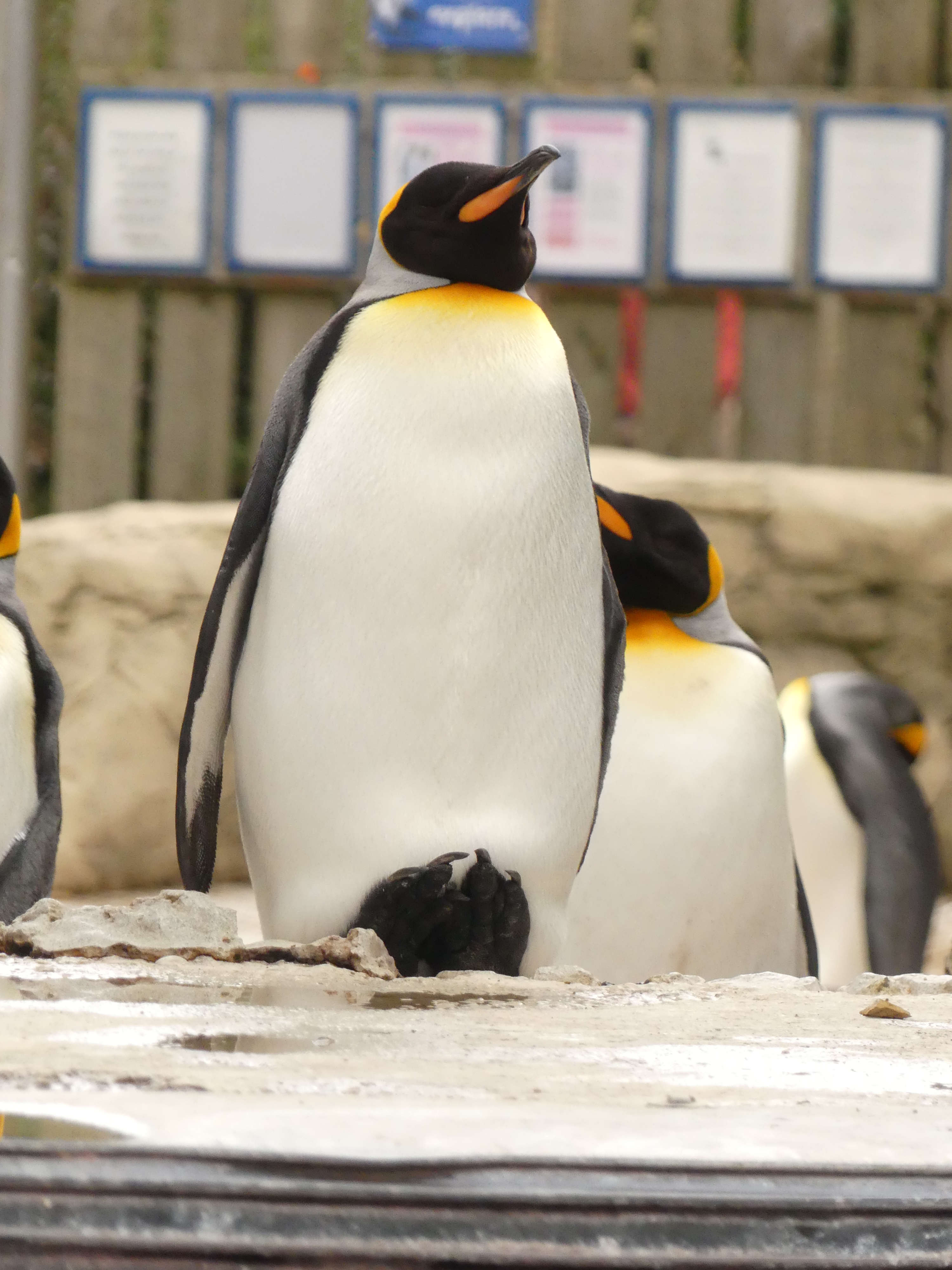
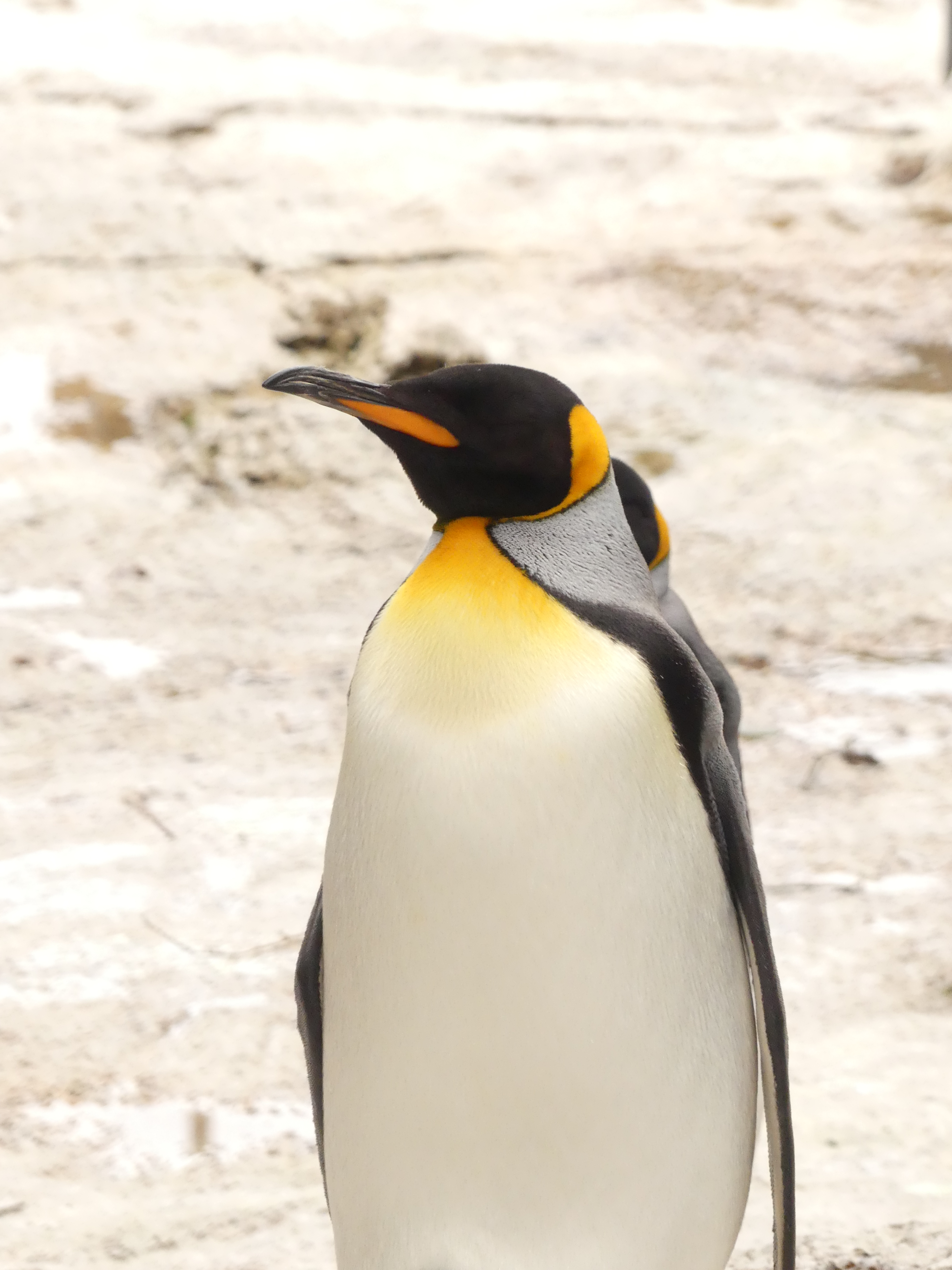
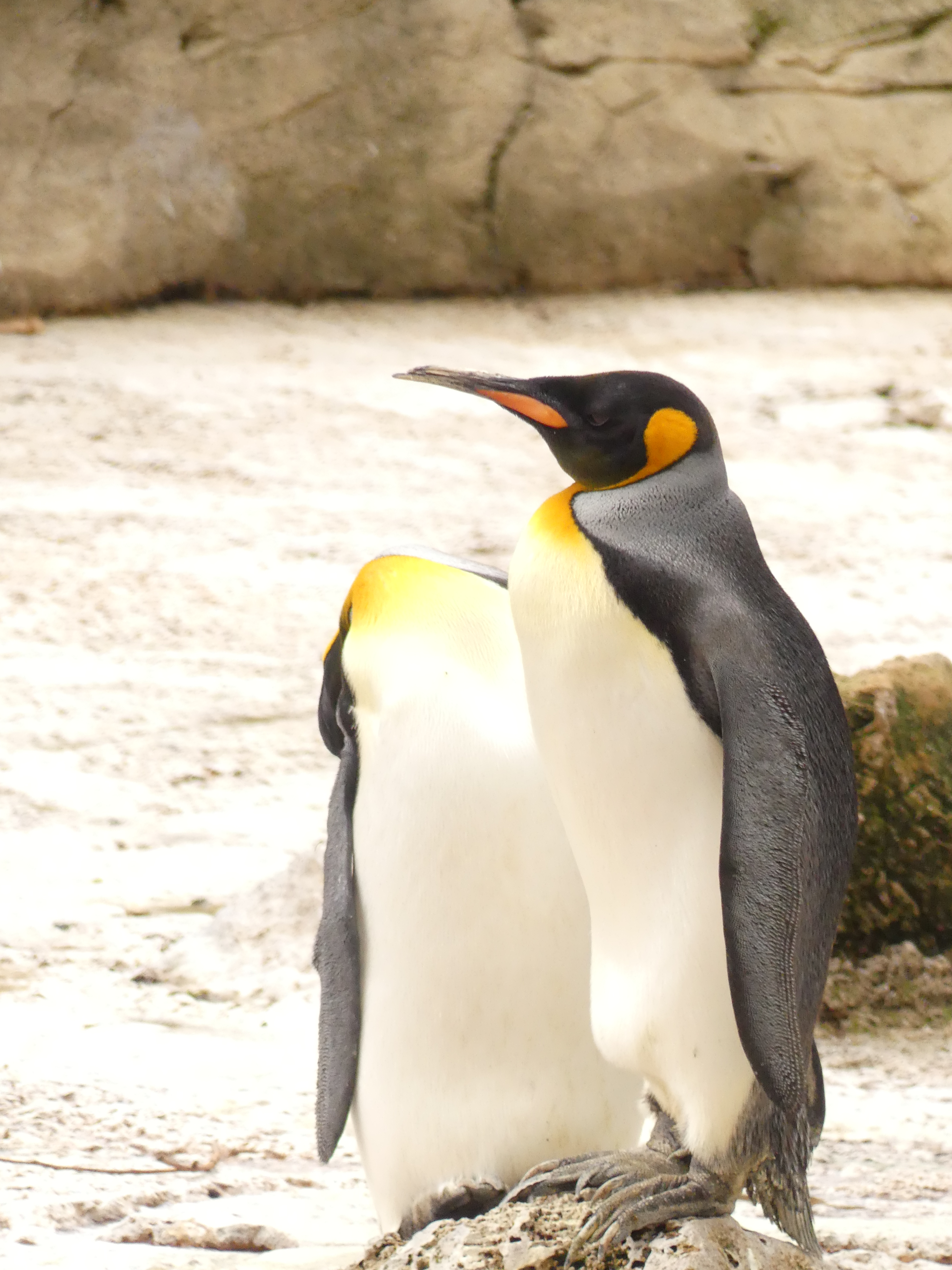
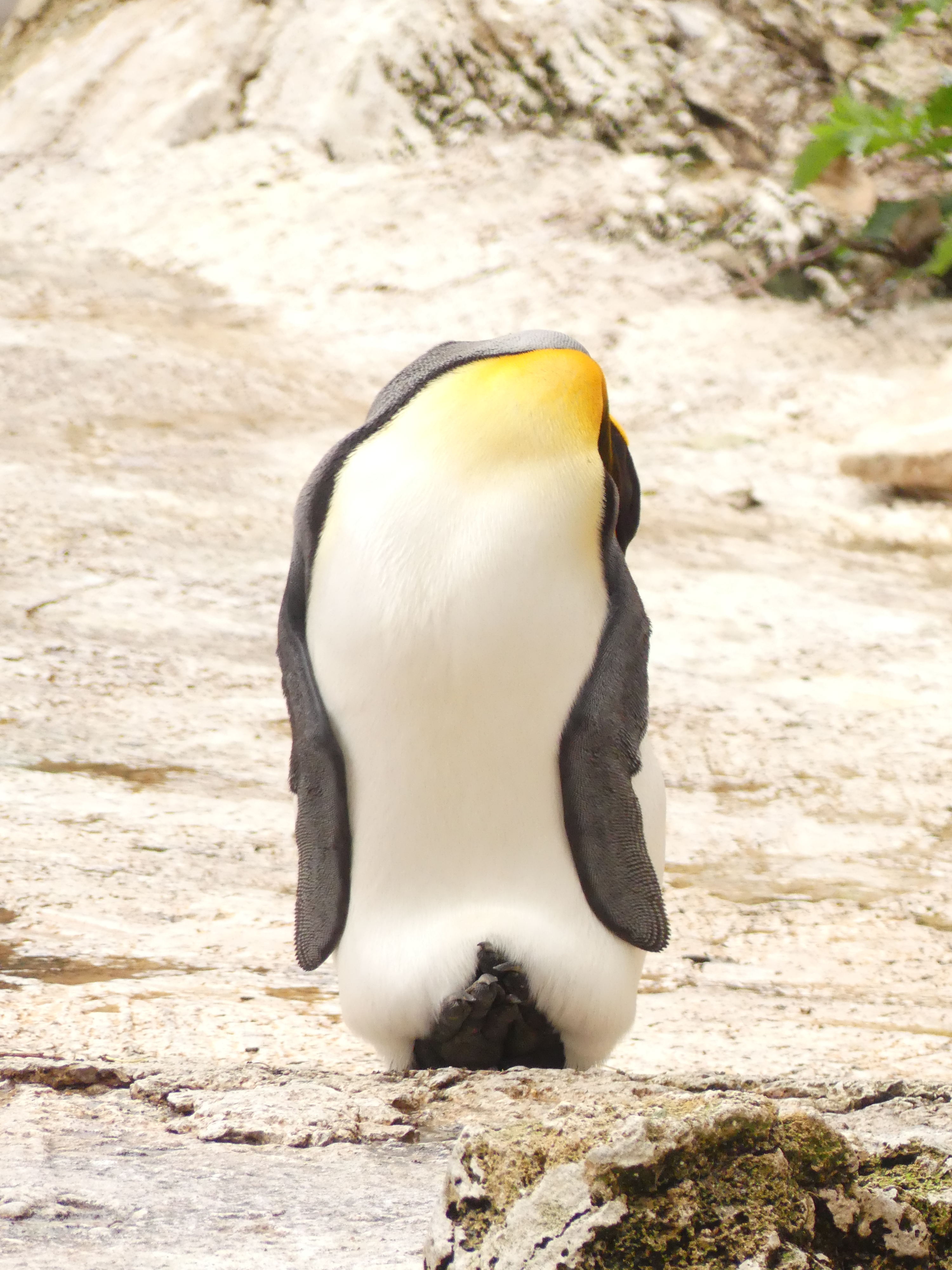
And now, the majestic penguins! The only group of King Penguins in England and a group of Humboldt Penguins. The King Penguins stood proudly, their waterproof feathers glimmering in the sun. The white fronts ended in orangey yellow at the necks, their jet black heads sat on top. Their flippers hung at their sides.
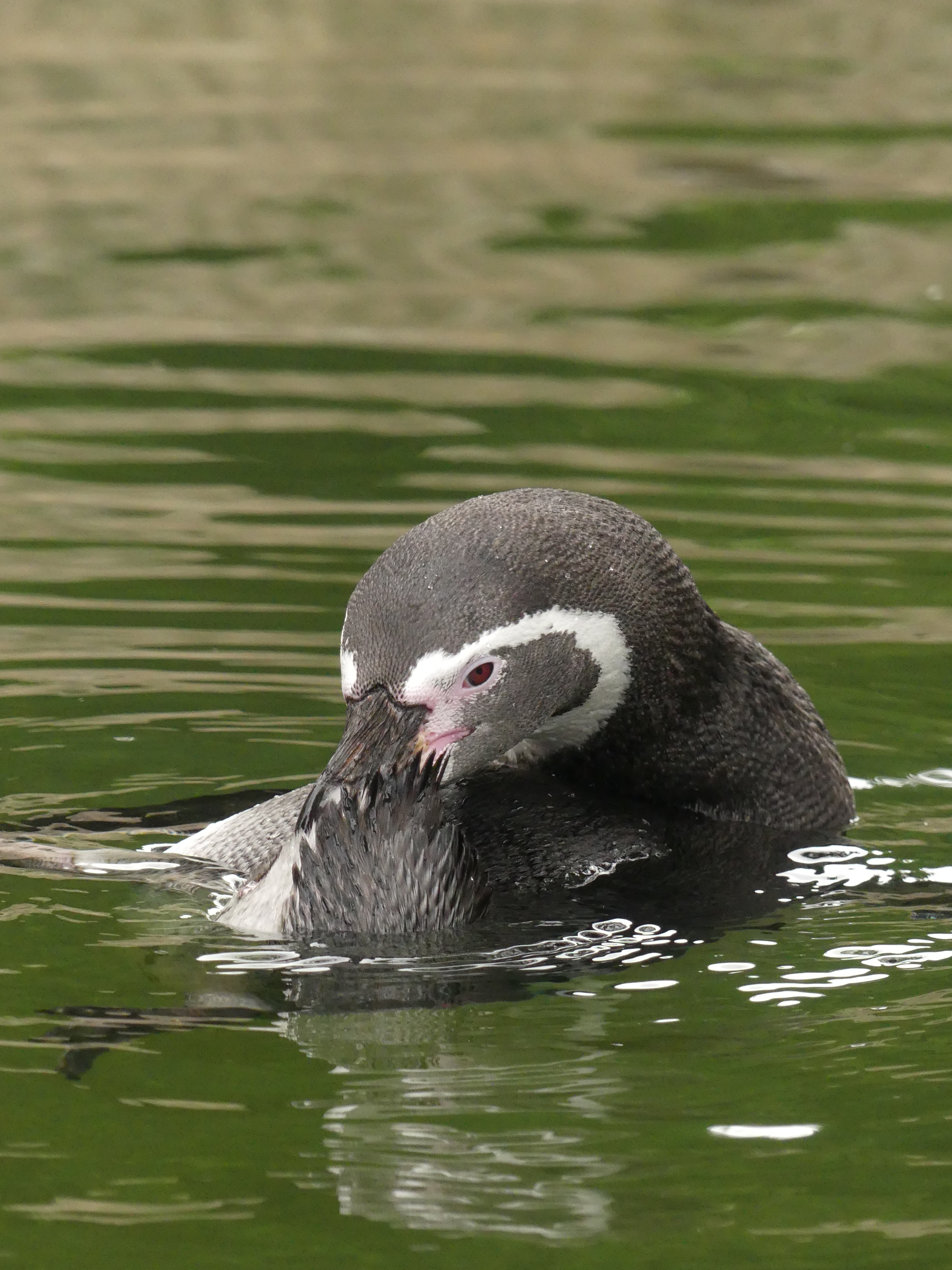
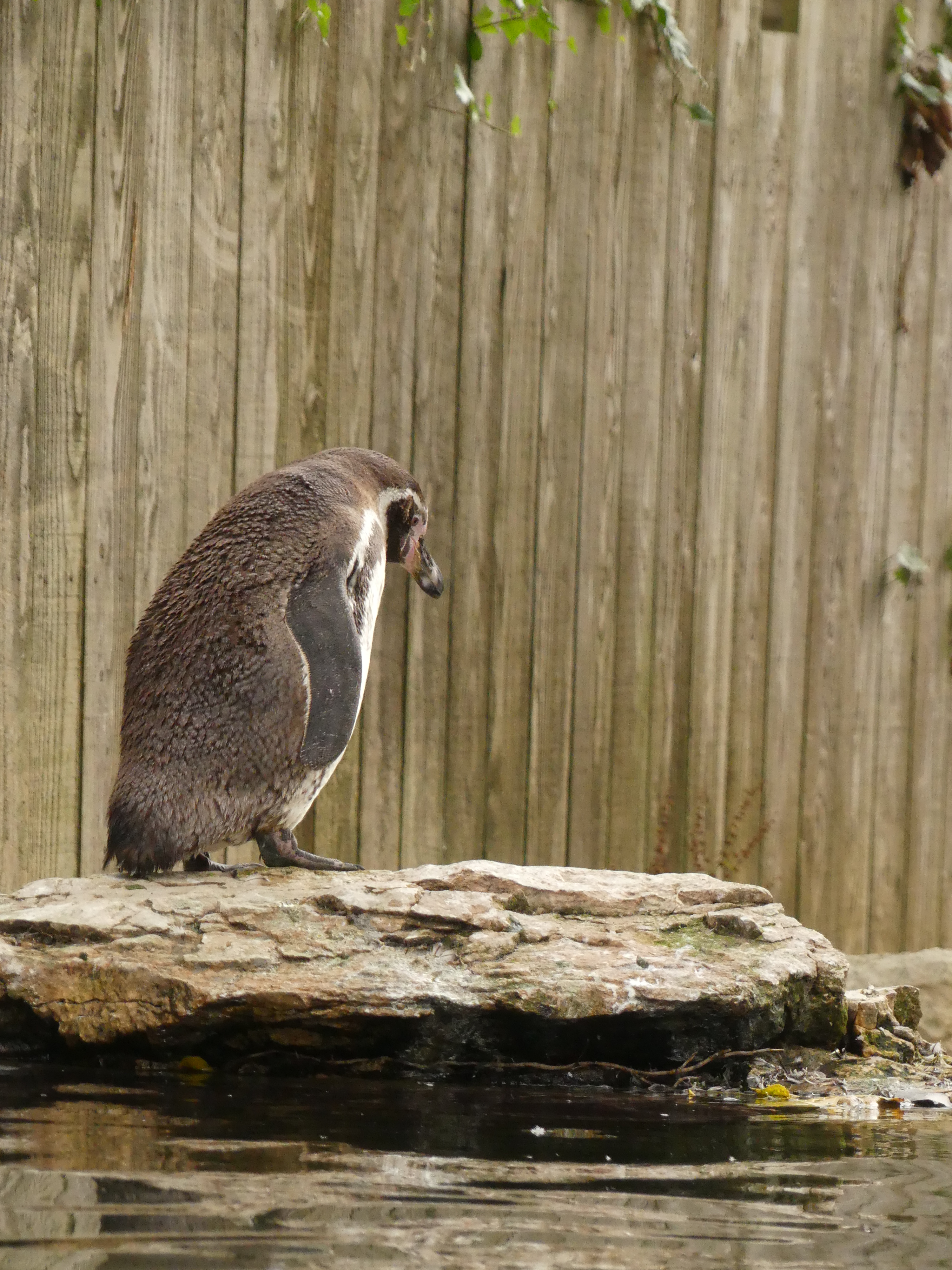
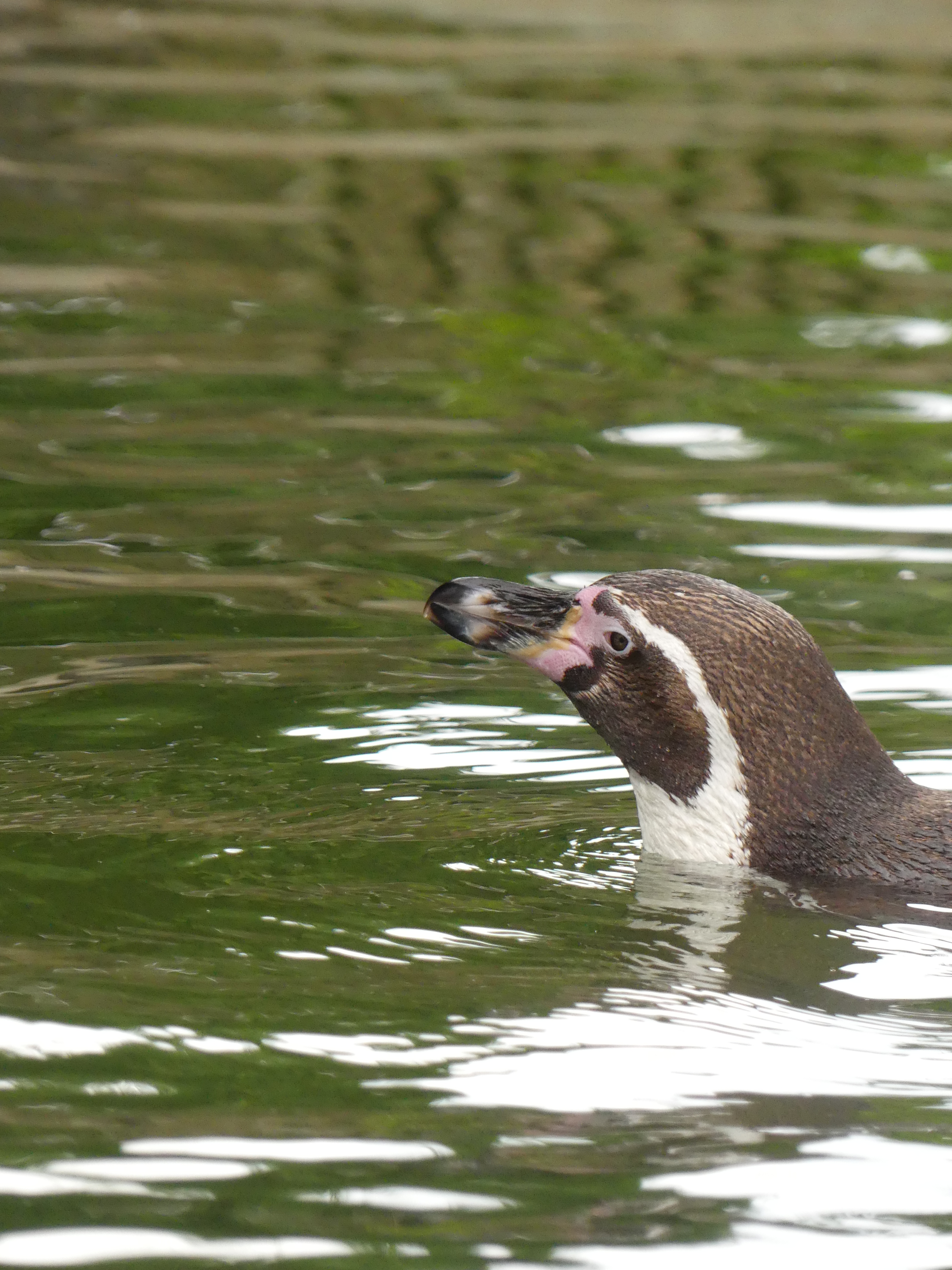
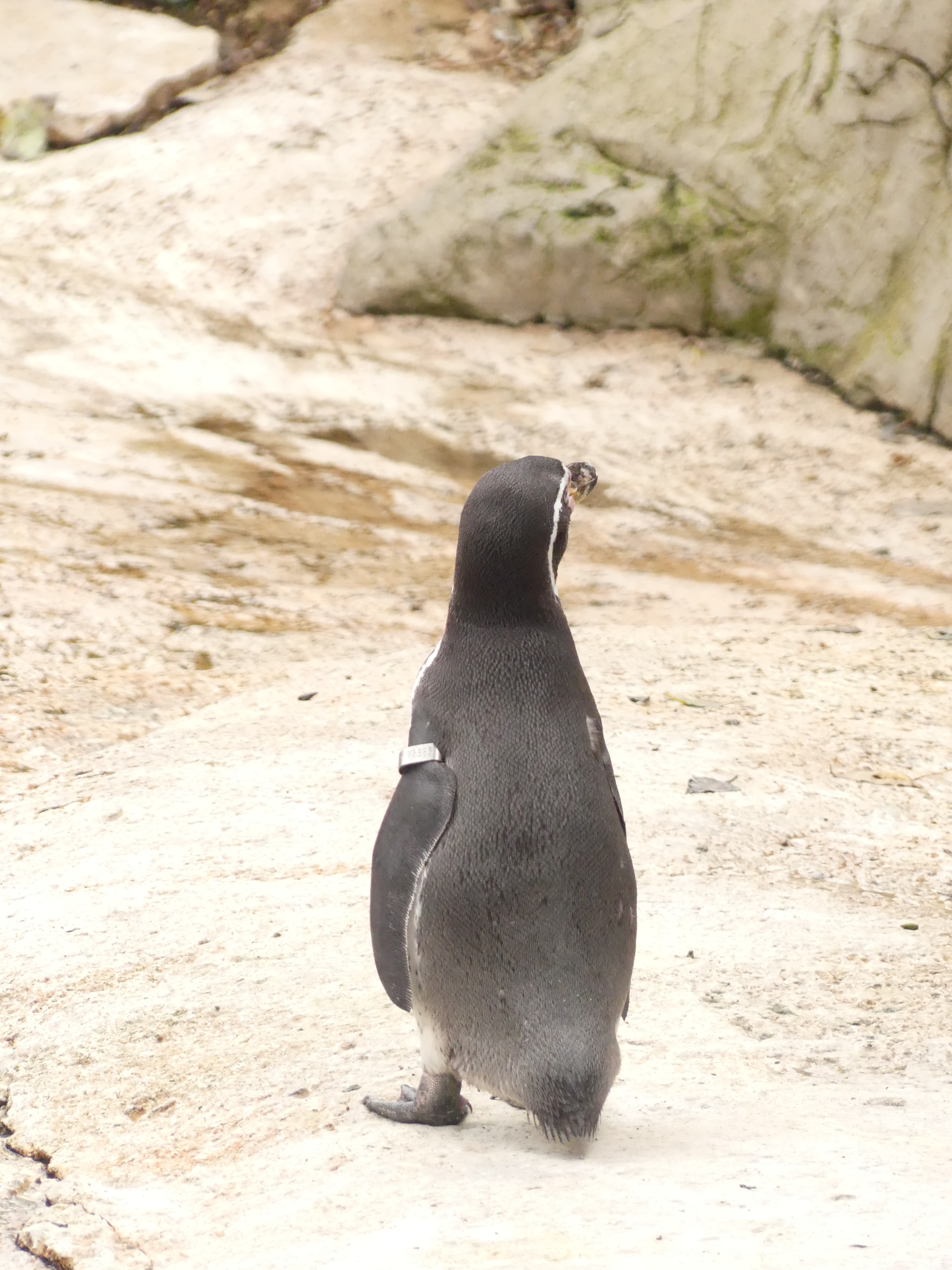
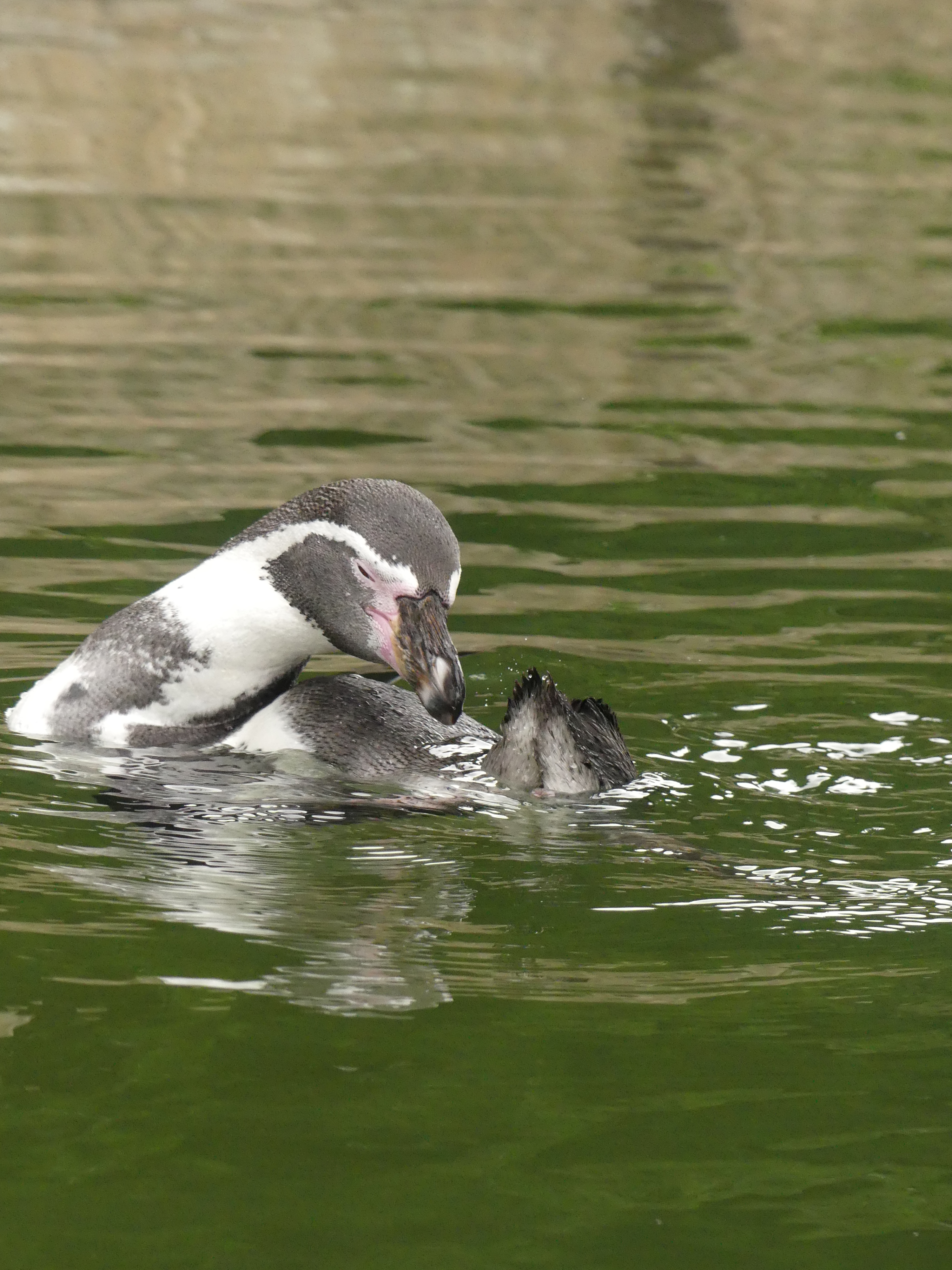
The Humboldts did all the swimming, diving beneath the surface, circling, and then resurfacing at the other end of the pool. A pink section of the bill covered part of the face near the eye and the rest of it was black. A white half ring around the front of the neck was where white lines started and ran all across the bird.
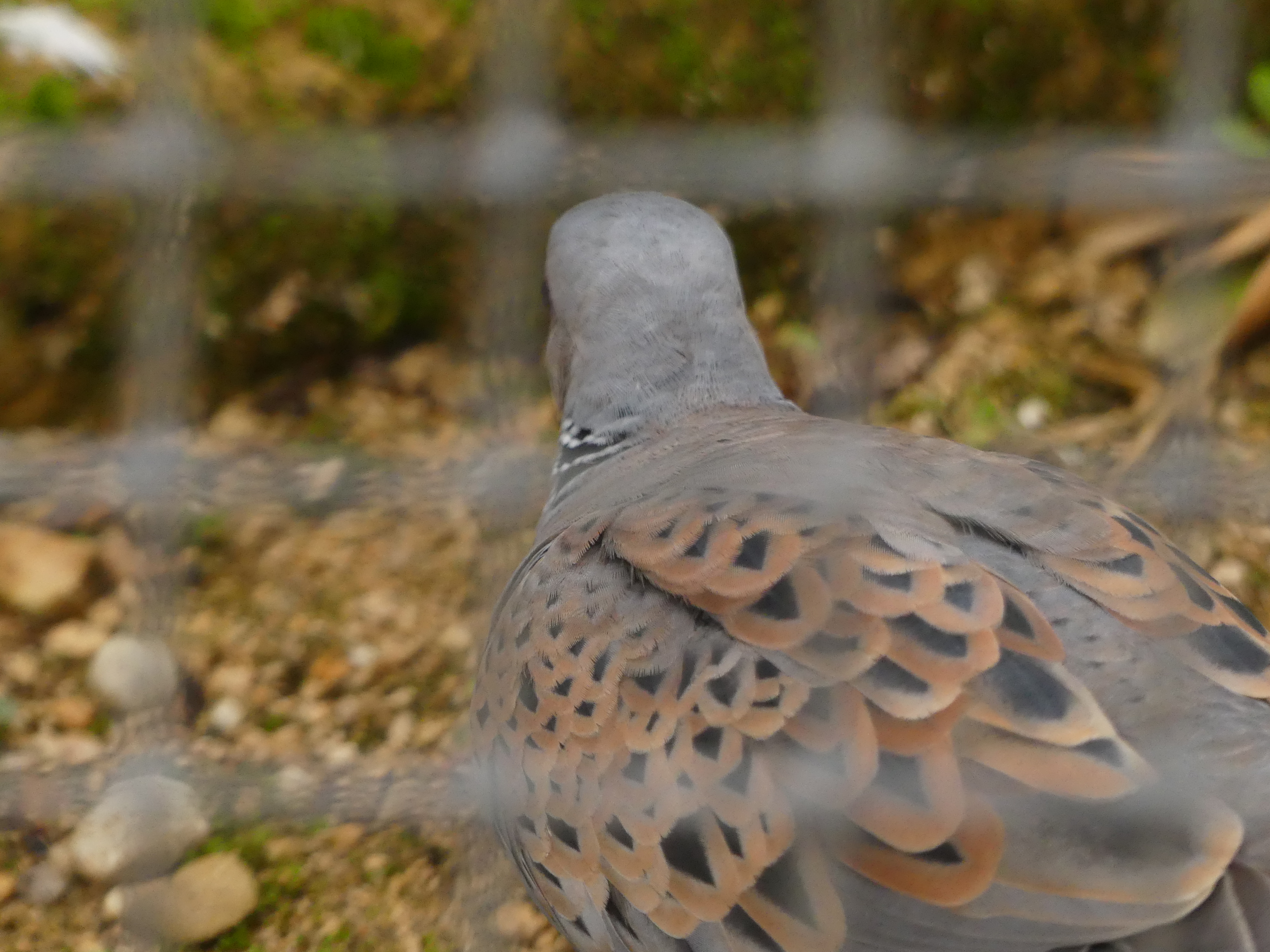
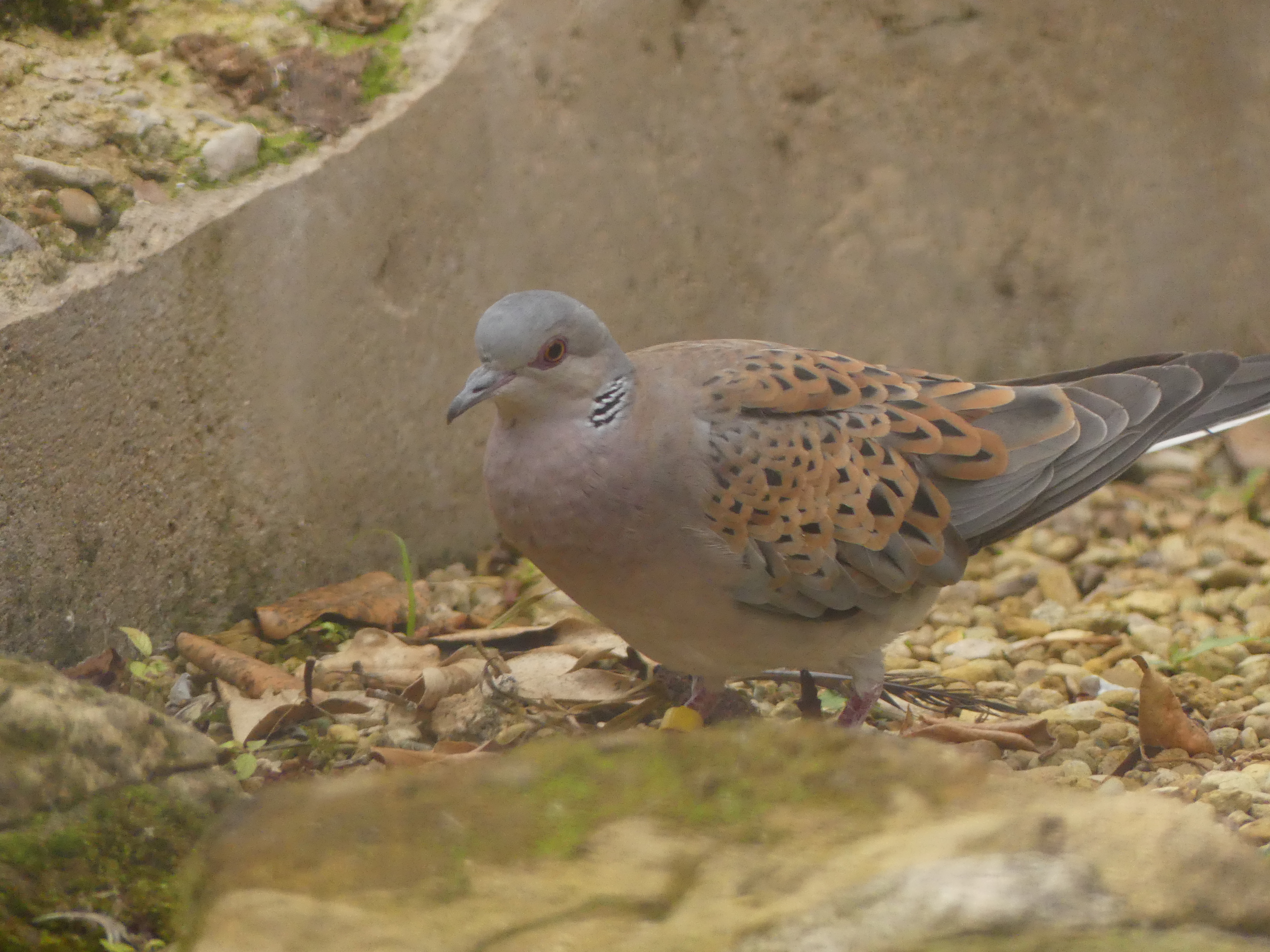
Across from the penguins, in another cage like the avocets’, a dove sized bird was walking around the edge of the aviary, performing to everyone that came that way. It had a black and white patch on it’s neck and sections of the wings looked like the pastry on a treacle tart. A turtle dove, known for it’s purring song.
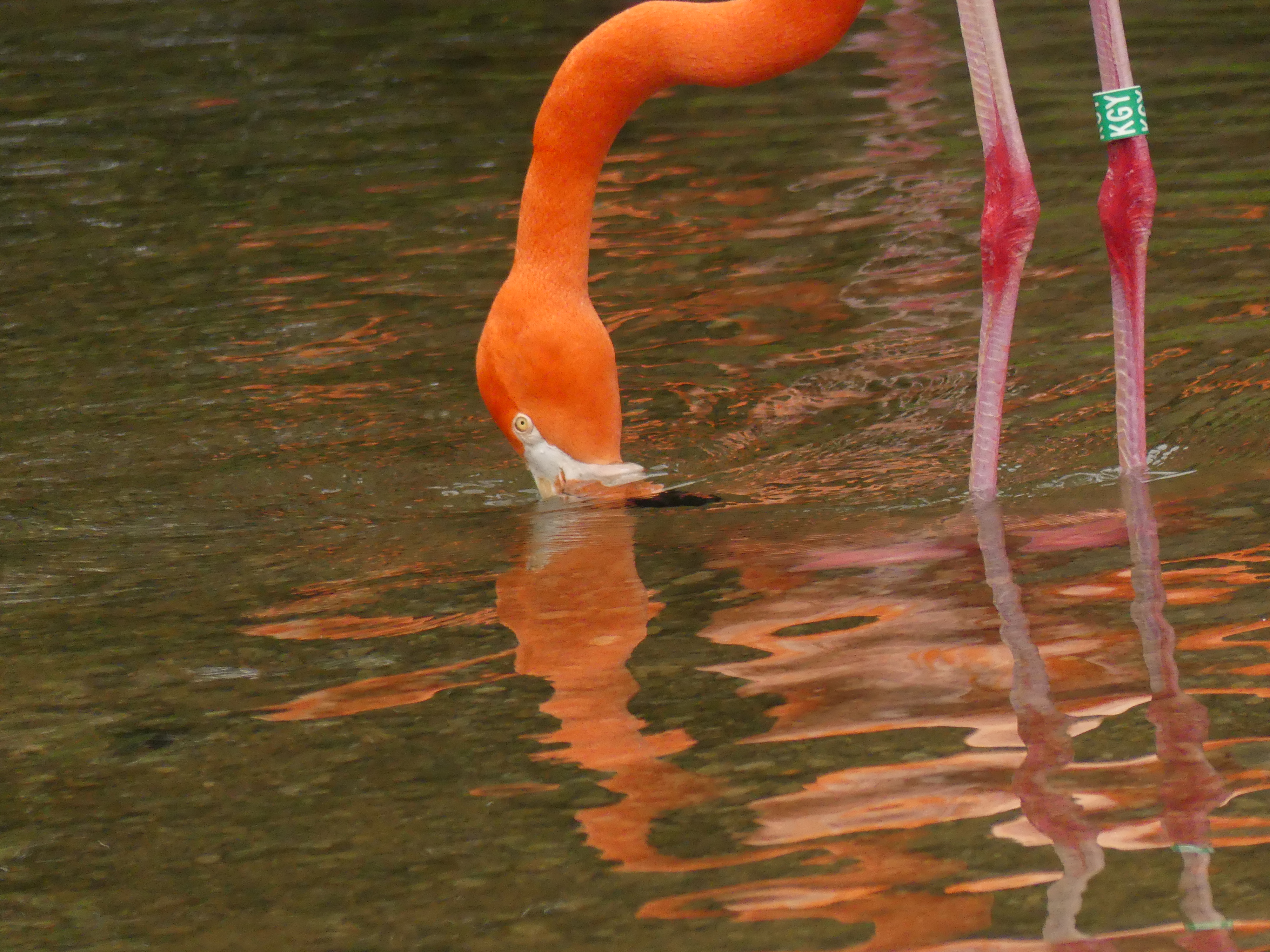
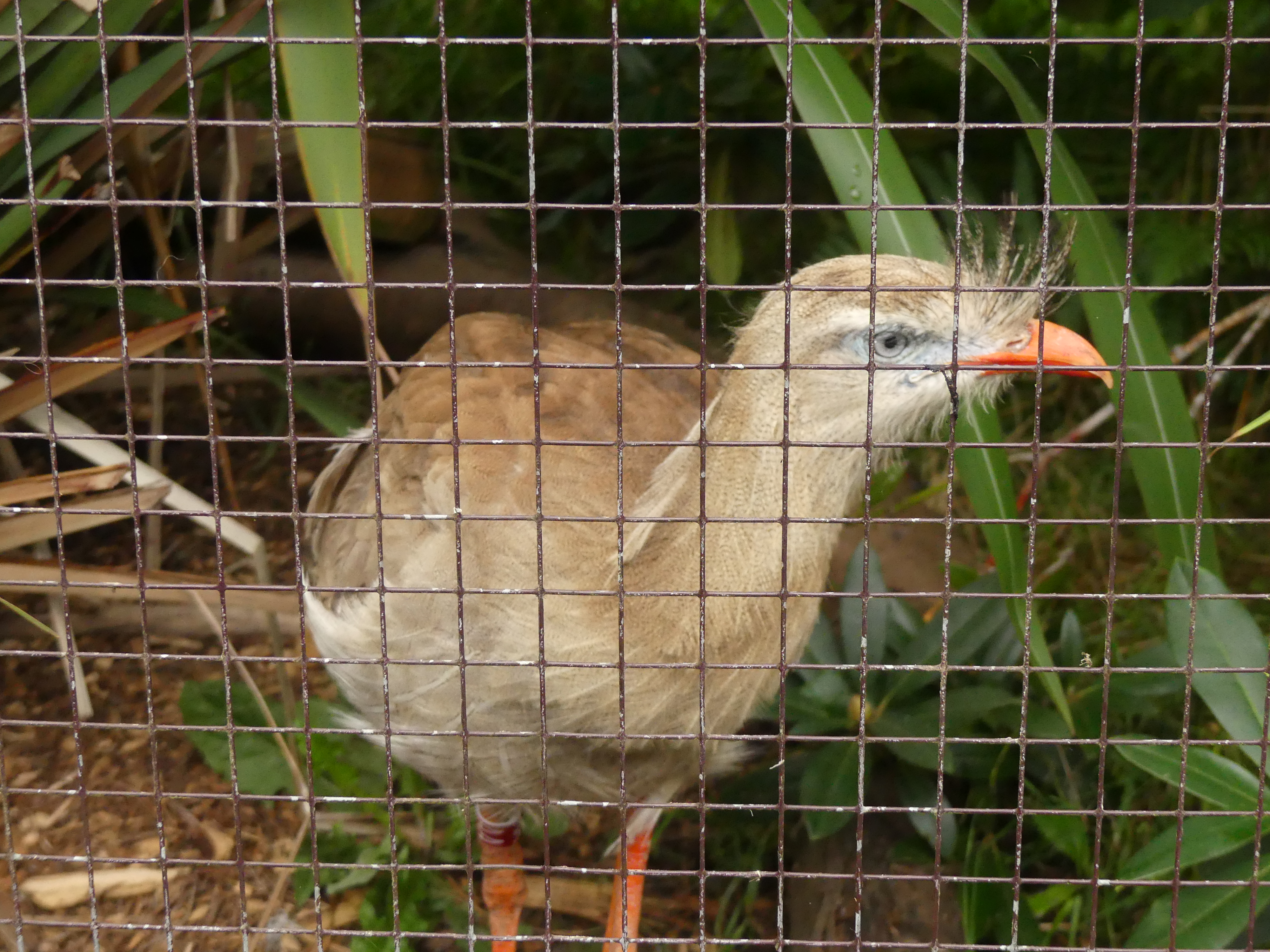
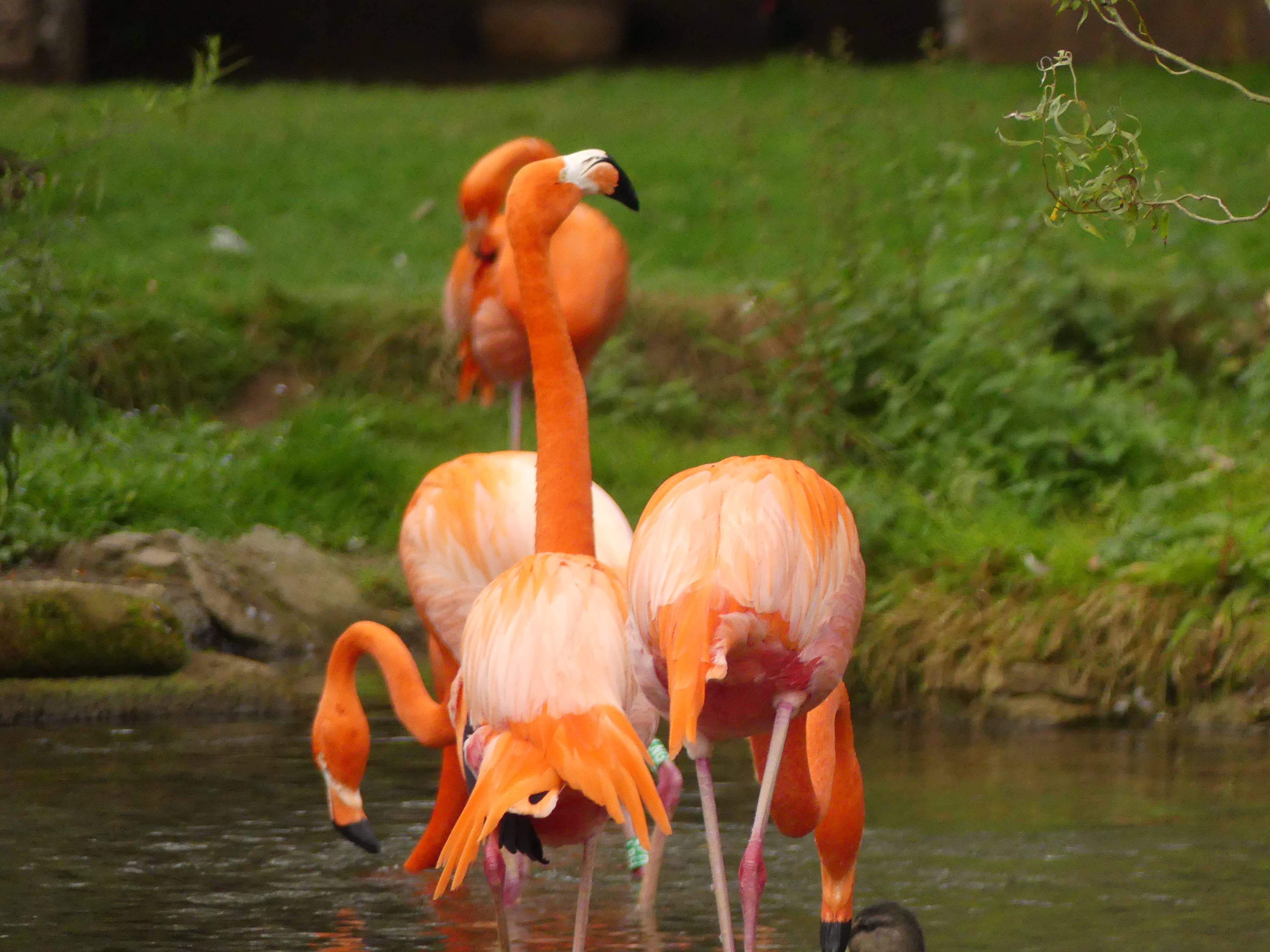
A path re-joined the river and gave a view of the Caribbean flamingos. Deep pink, they waded though the running water, stomping on the riverbed to stir up a snack. In one of the aviaries, on my other side, however, were the Red Legged Seriema. One came up close to fence, and allowed us to get a good look at him. A faded blue patch around the eye contrasted with the sandy brown feathers. A number of black hairs jutted from his head, and a bright red bill extended from the lores. As the name suggests, the bird also had red legs.
A good few aviaries and habitats still left to explore. These are just the tip of the iceberg.

