My Big Shock

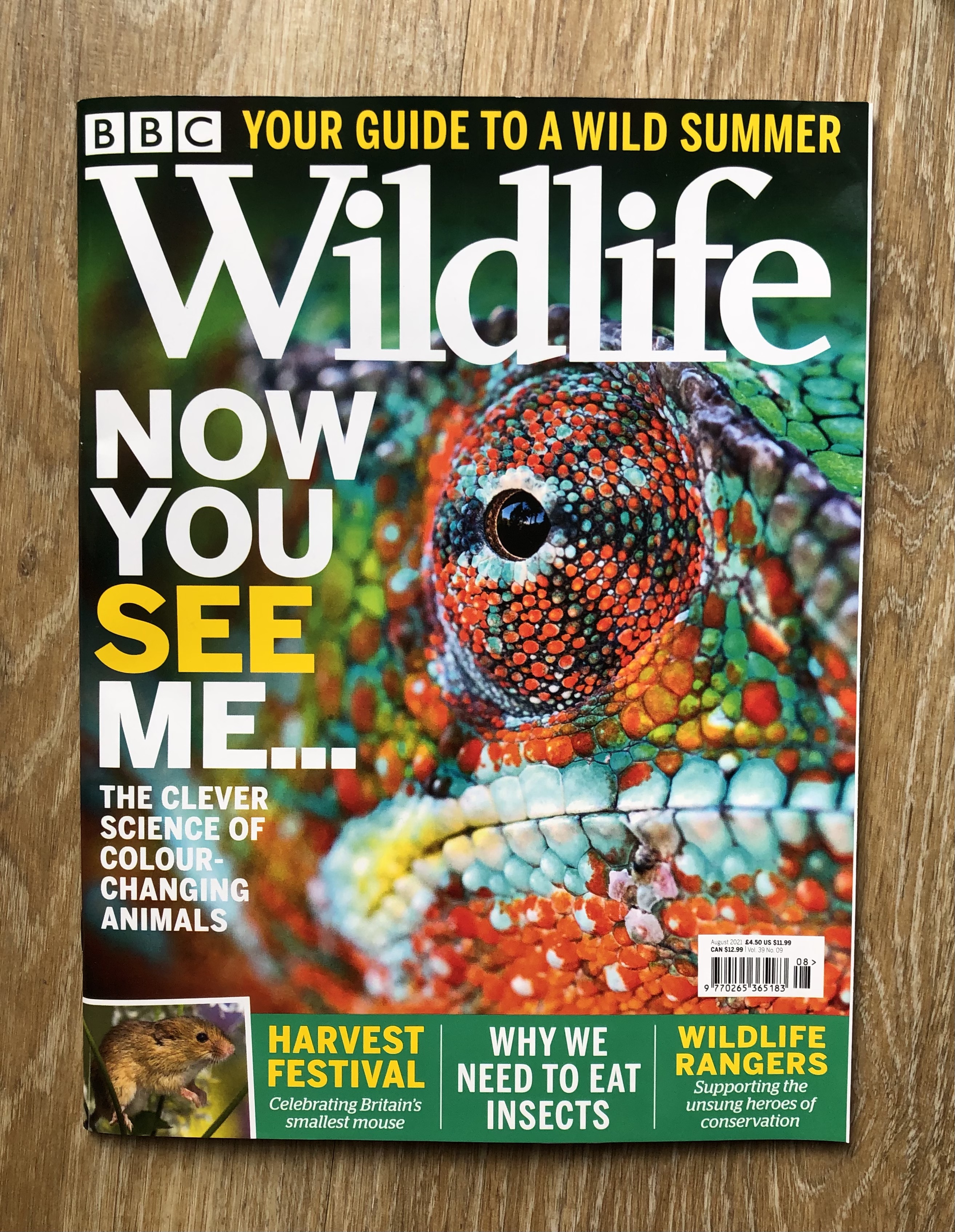
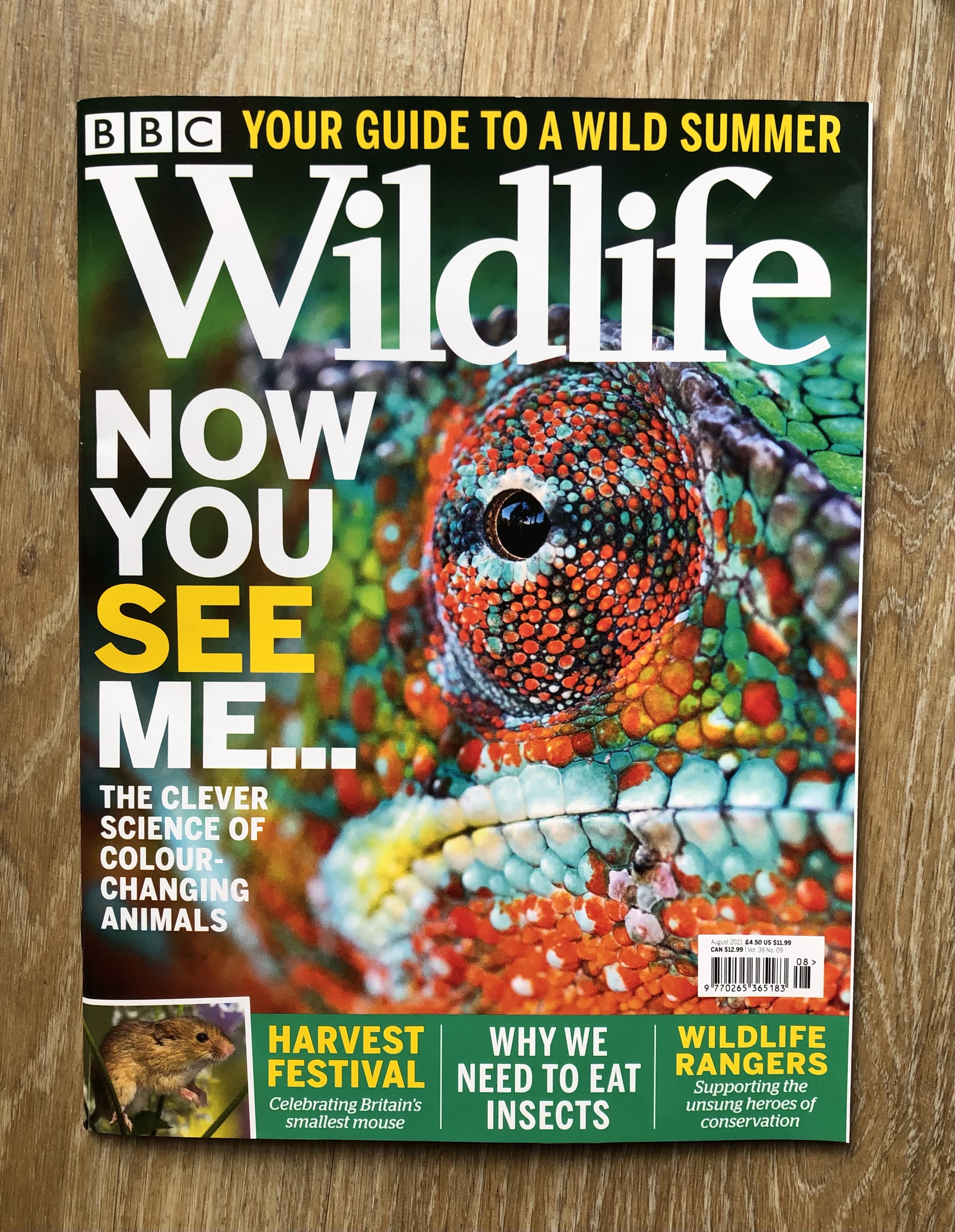
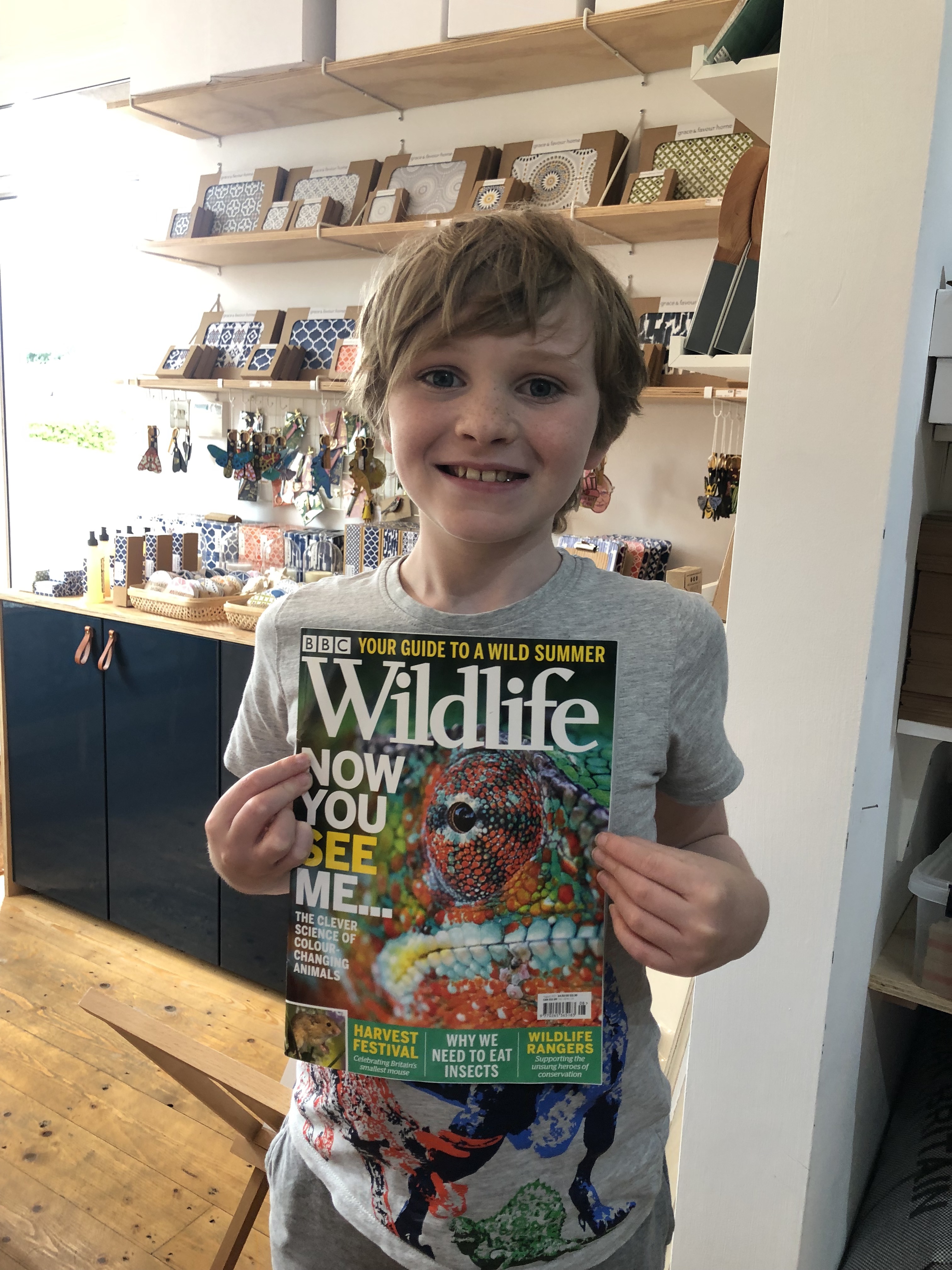
The BBC Wildlife Magazine is compelling, clever and informative. There are many other words I would use to describe it as well but I can’t really fit them all in. It is one of my absolute favourite magazines [It’s in the top 3] which I enjoy reading even if I miss a few of the issues. It is one of the biggest wildlife magazines in the UK and is filled with articles, photographs and diagrams alike by some of the world’s leading photographers and biologists.

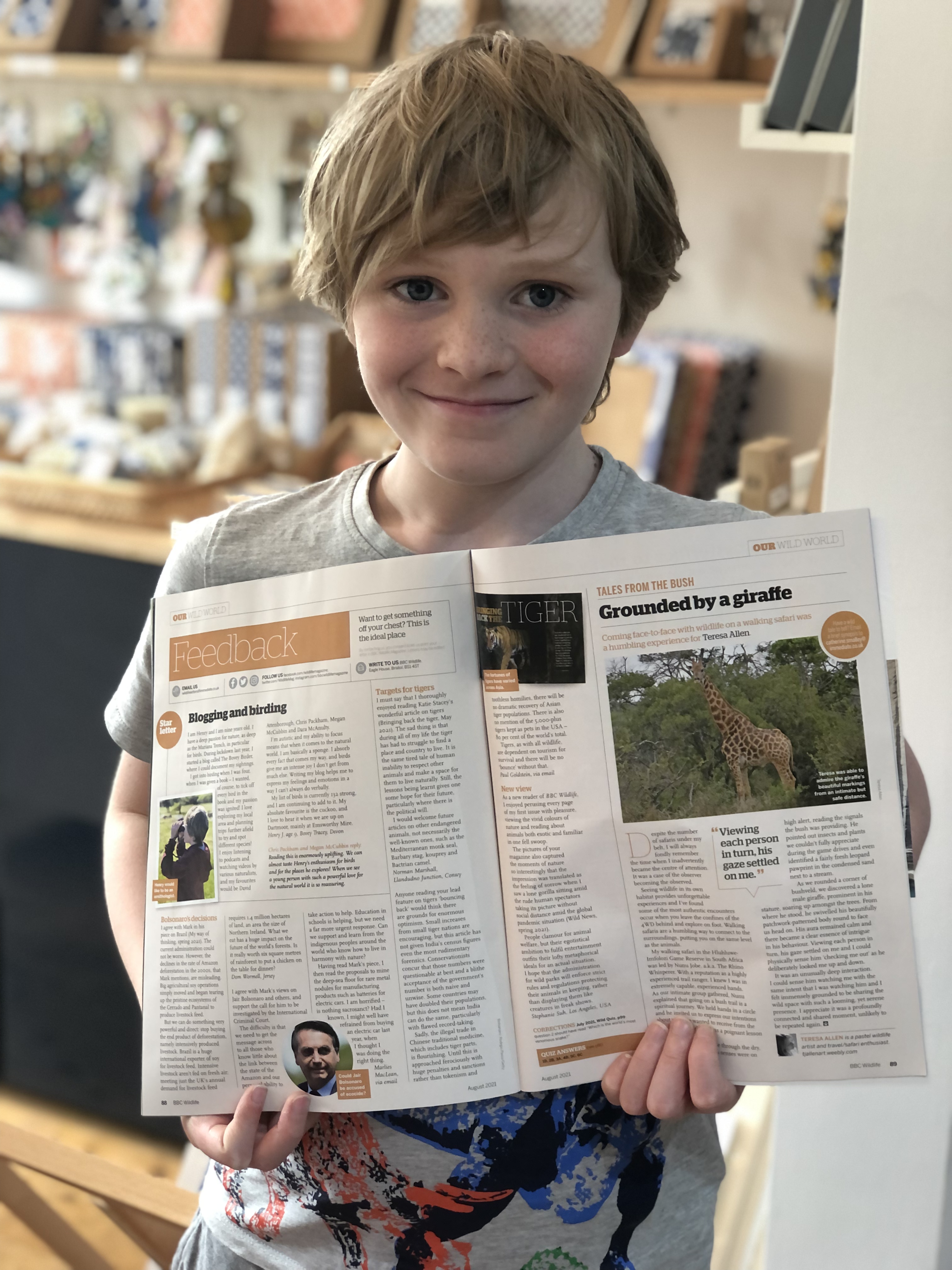
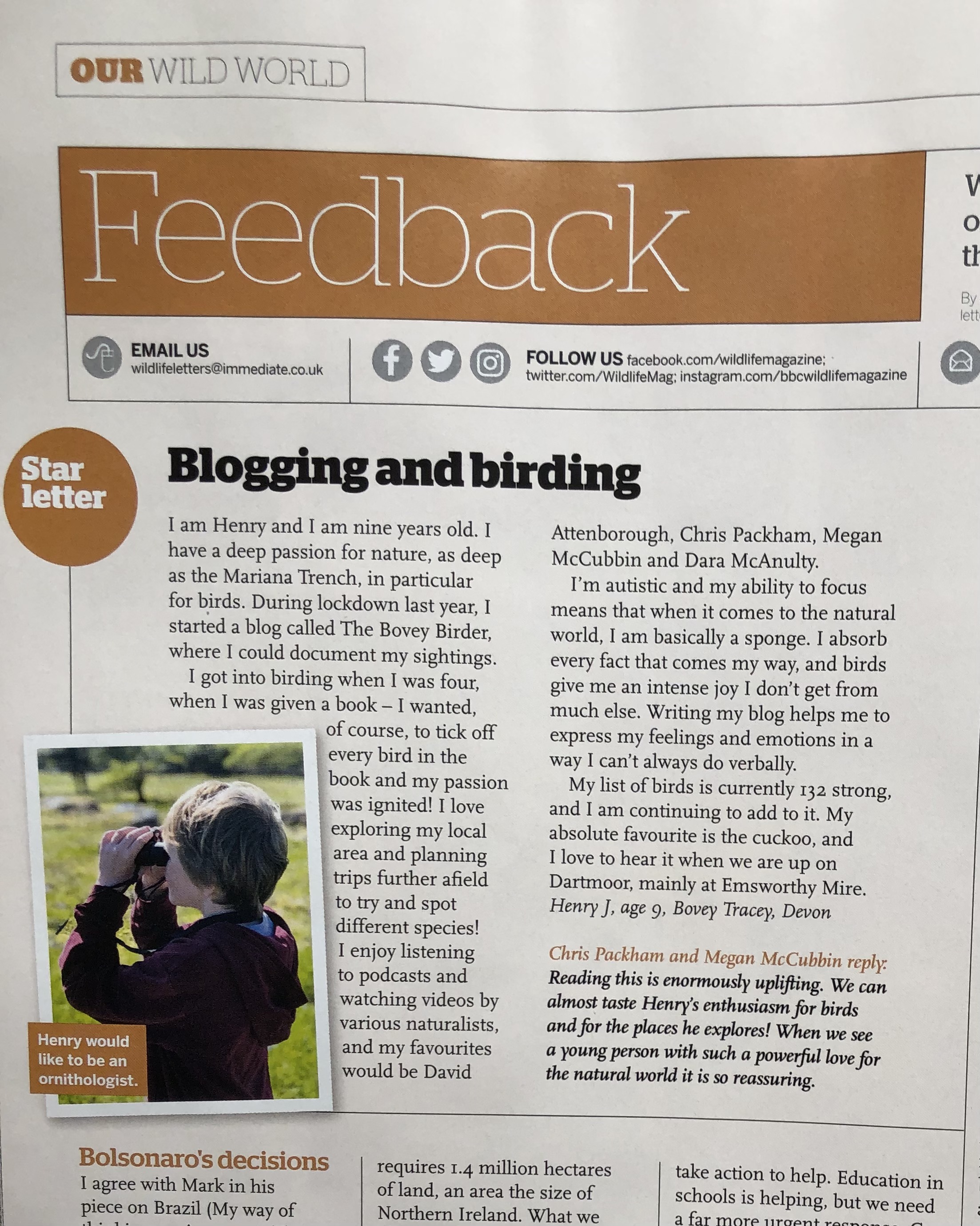
And now, my very own letter has been published on page 88 of the August issue of the magazine. It has been tagged as Star Letter and it engulfs me in a tidal wave of joy. One logo can make you feel like you can do anything in the world.

I find it hard to de – stress and relax but being out in nature keeps those feelings at bay as I immerse myself in the explosion of wingbeats that is a woodpigeon bursting from a great oak. And that is why I started my blog, to write about my own little natural world. But that is not all. It helps me to channel my feelings and emotions in a way I find complicated verbally.

However, one part of this multiplies the ecstasy of this whole thing by a huge amount. The letter has received a response, which is published in the magazine, from my idols, Chris Packham and Megan McCubbin, famous naturalists. This has really made my day [Or perhaps DECADE] and I am full of appreciation for this.

For anyone not familiar with his work, Chris Packham is a well known naturalist who has often appeared on and presented many series on the BBC. He has been on BBC Springwatch since 2009 and has also presented lots of other shows, for 35 years. Megan McCubbin is Chris Packham’s stepdaughter and has joined him on BBC Springwatch and other programmes. They both presented Wild Mornings with Chris and Megs during the first lockdown and they are some of my favourite naturalists.

If you do manage to pick up a copy, I’d love to hear your thoughts!

Now I feel is a good time to go back over some memories from past birding adventures but bear in mind, I won’t be going too far back because there isn’t enough space.

So here are a few memories…

Review: Stover Country Park

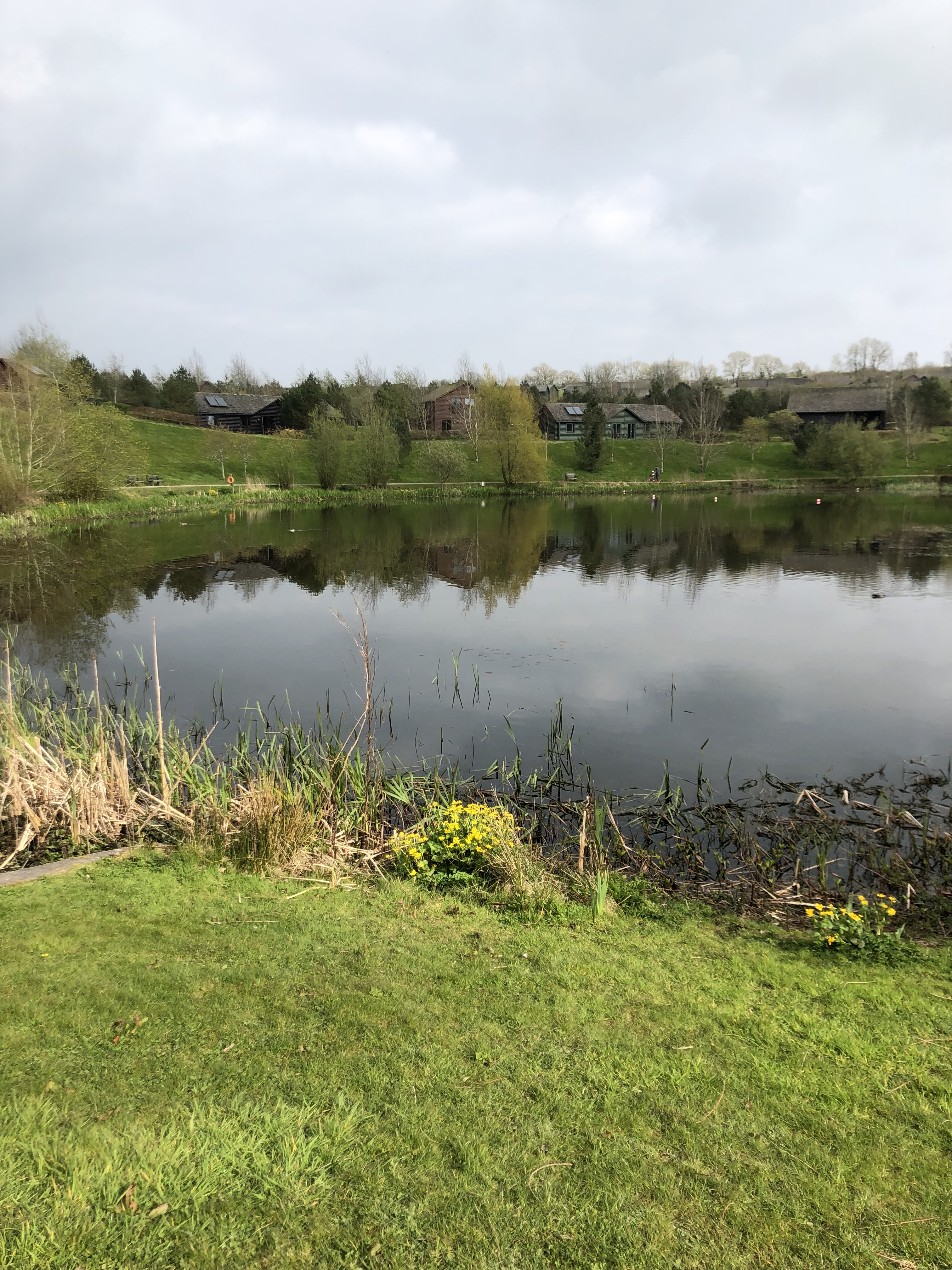
Stover Country Park is one of my personal favourite places to go birding. The variety of birds flickers back and forth over the course of a year. The mix of coniferous and deciduous woodland bordering a lake with many nooks and crannies, it’s hard not to love.

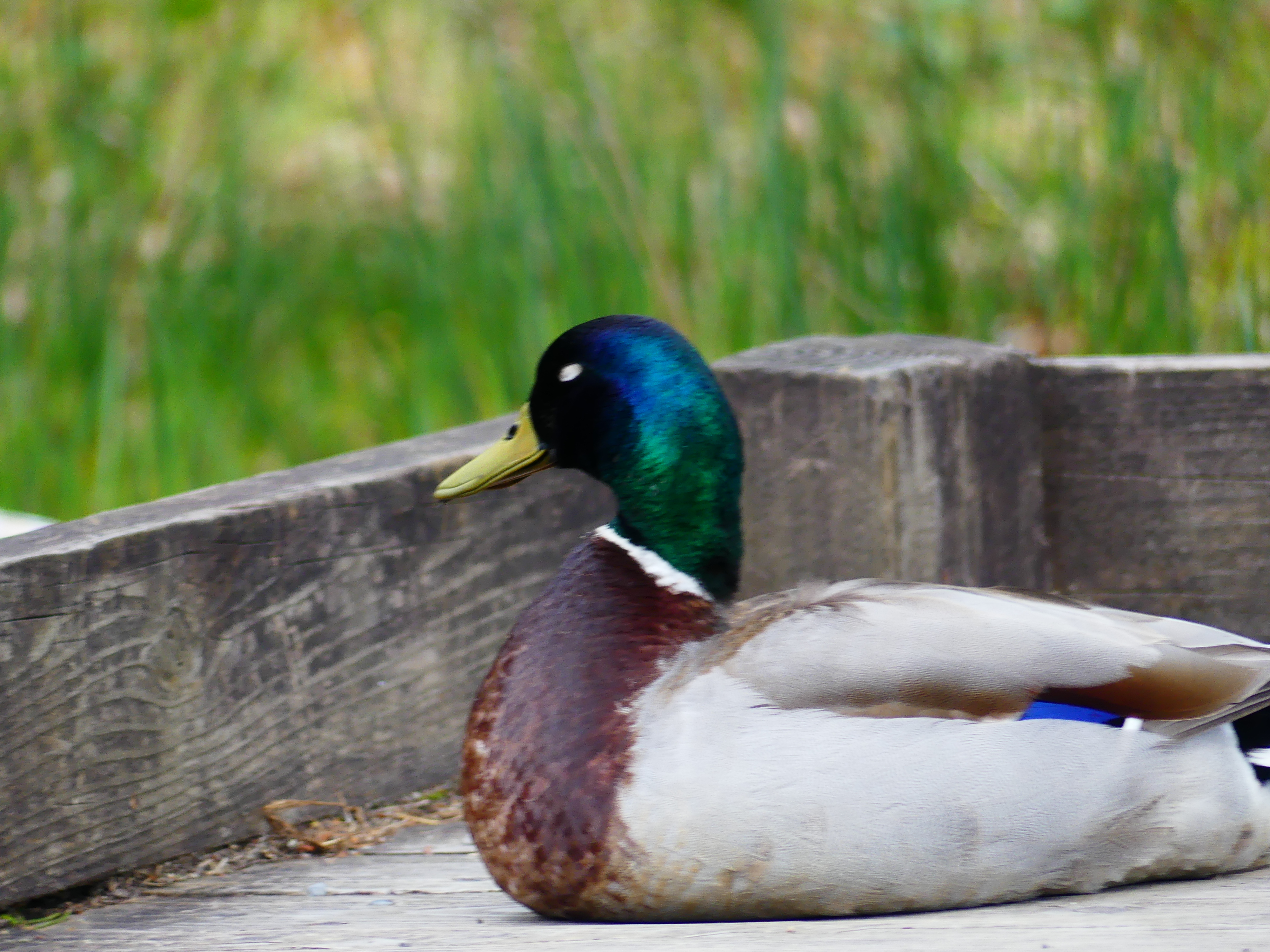
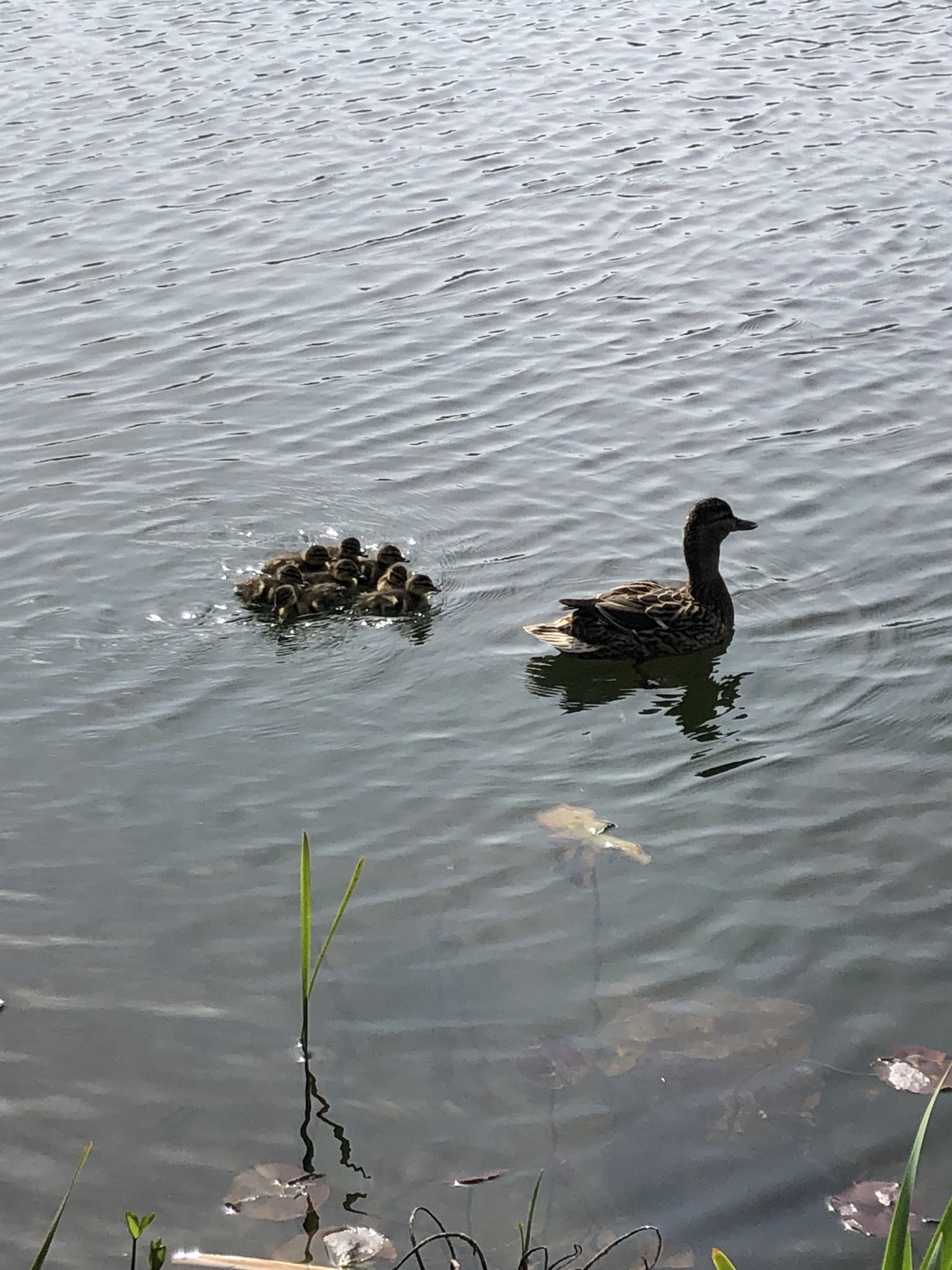
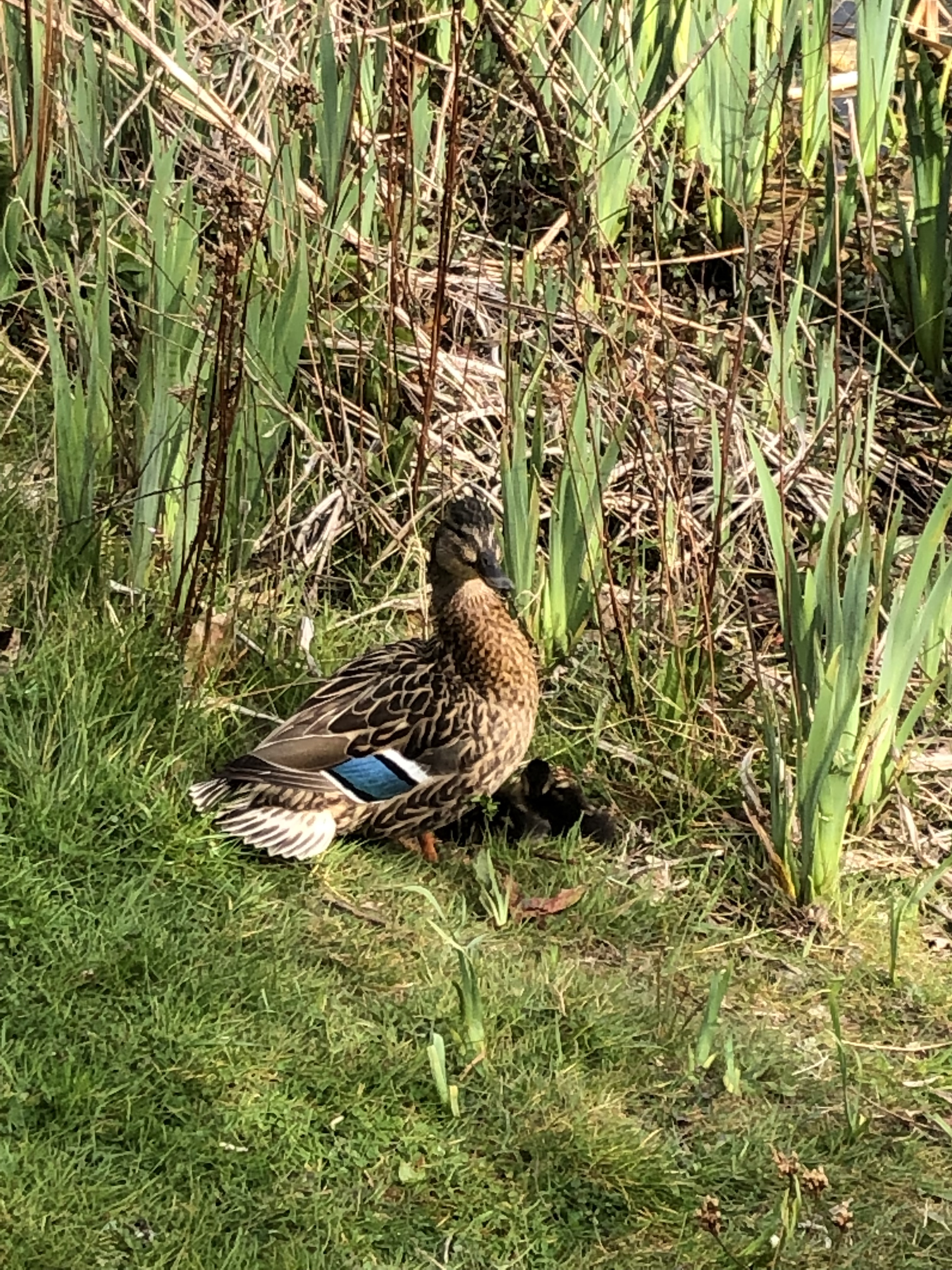
The car park is coated in towering pines, which sometimes hold a coal tit or goldcrest, but you often have to squint! As you stroll down the gravel track towards the lake, pigeons burst from birches and you occasionally find a jay or two. The first part of the lake appears but it seems quite compact, the dappled shade creating bars across the water. Coots, moorhens and mallards often find this a convenient spot to hang out.

On your left there is a wooden bridge over a stream flowing off from the little pond. Across this is a gravelly area that plays host to swans, ducks and gulls, all clamouring to gulp down a bit of the duck food that was tossed in to the lake.

As you carry on along the meandering path, little holes in the brambles hold benches giving views through the thicket growing out over the banks. Further along is a big wooden bridge. Ducks are often carried by the current up behind the bridge. It was here that I once had a memorable encounter with a rusty headed female goosander.

Hopping across the bridge, the rebellious looking goosander’s spiky head feathers stuck out at the nape. It followed the current quickly and then exploded in a flash of white water. It is here also that I have had a close encounter with a kingfisher perched in the reeds. A dazzling blue and orange bird swaying in the wind.

Not much appears as you stroll across the side of the lake. Winding paths lead off into the woodland carpeted in bogs. Once you reach a corner however it is wonderful. An aged, bare tree juts out across the surface of the water. Ducks are often sat on it’s upwards facing branches. Sometimes there are a few rats which scamper across the bench, scoffing bird seed.

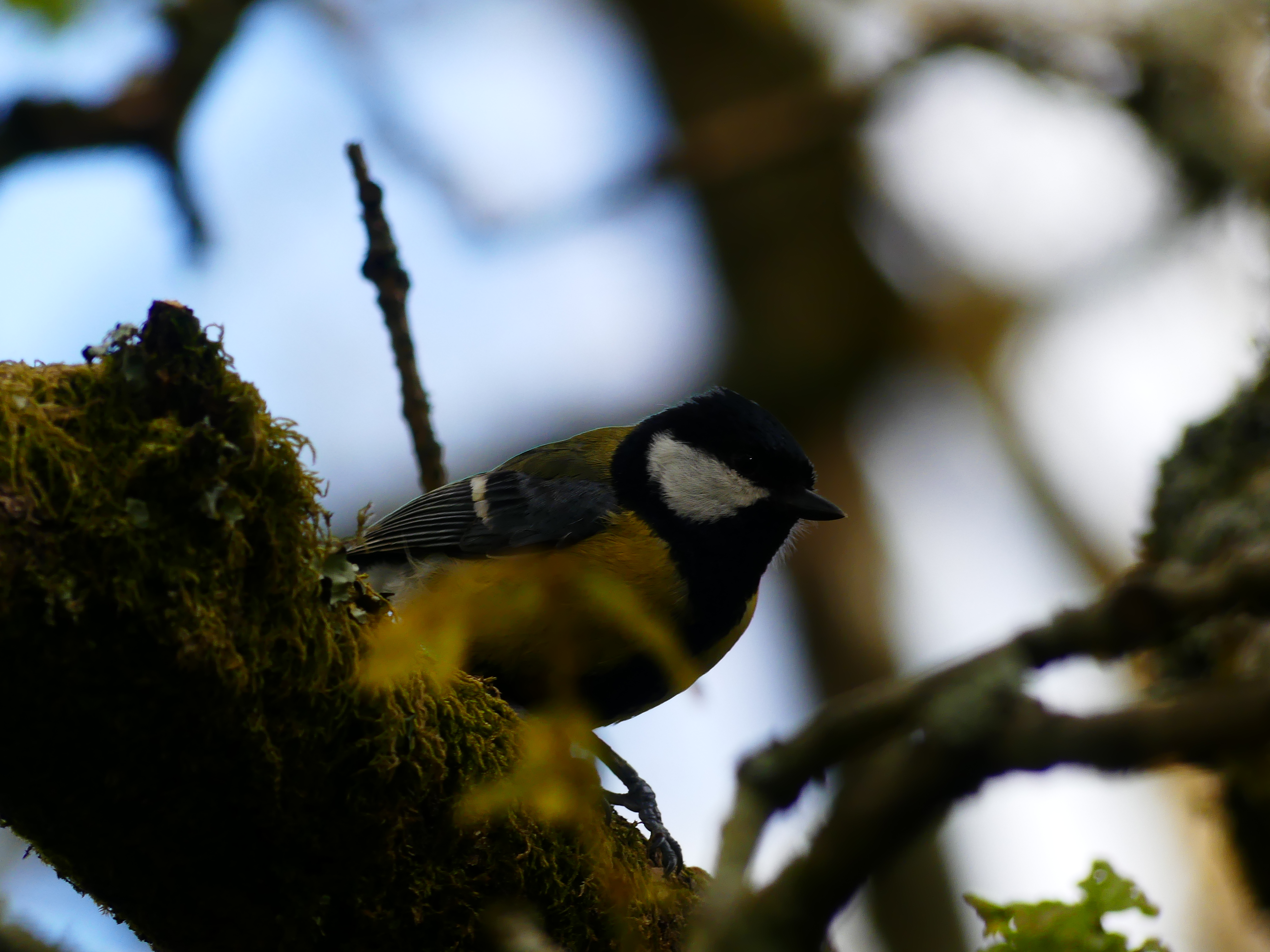
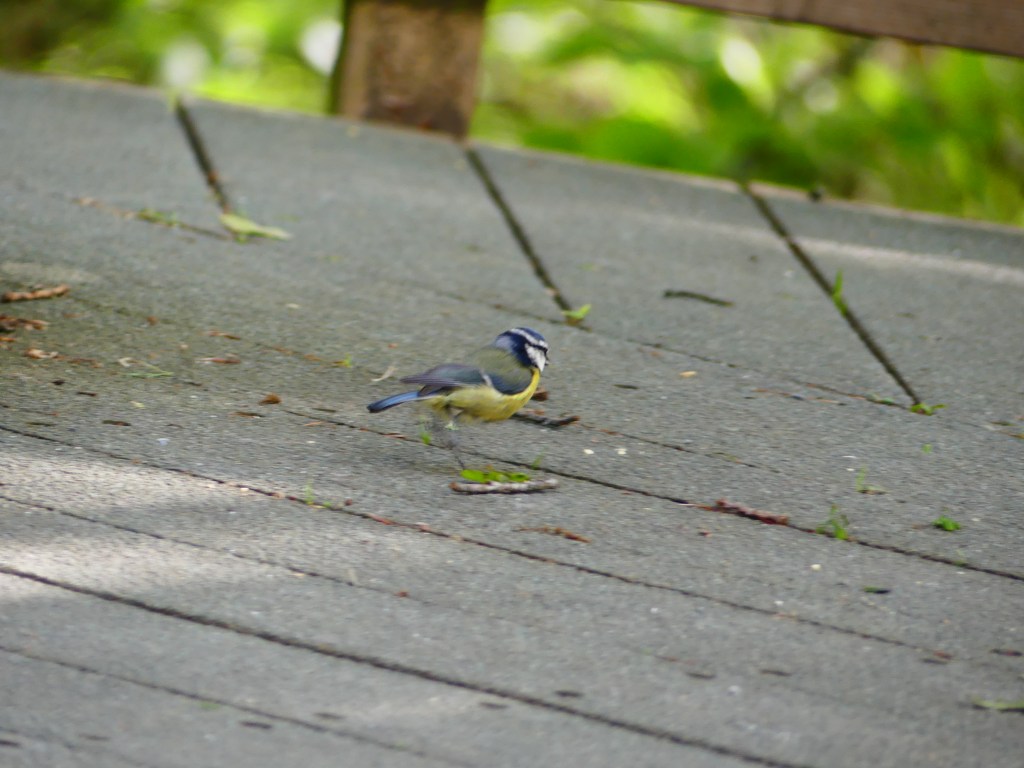
The Second to last main area is the bird feeders which are visible from the boardwalk. Chaffinches, nuthatches, blue great, coal and sometimes marsh tits, pigeons and stock doves. A buzzard has sometimes visited the feeders, perching on an overhanging branch. The boardwalk is on stilts, because of a dramatic change of level. At the time of building this boardwalk, they took the opportunity to rise it up into the canopy, giving a birds-eye view of the area.

Finally, there is a bird hide looking out over the lake. Swans, ducks, geese, gulls and everything in between.

Stover is a place I hold dearly in my heart. Though it may not be the best place for birding in the world, it has given me the gems of the crown that is the birds of Britain.

The Restless

The ‘Restless’ rocked from side to side in the moderate easterly winds. The rumble of the motor droned on as we cruised up the coast from Teignmouth. Caves, rock formations, beaches and trees hanging perilously close to the sheer cliffs. Spray sprung up over the gleaming red and white sides of the boat, soaking anything too close to the edge. The water churned as the magnificent vehicle veered to one side, then to the other, always sweeping along the seas.

A boat trip from Teignmouth quay led to a scenic search for birds around Labrador Bay, whilst at the same time enjoying a wonderful trip out to sea. Gulls wheeled above the cliffs, searching for their next meal. Cormorants skimmed the water heading in and out of the waters.

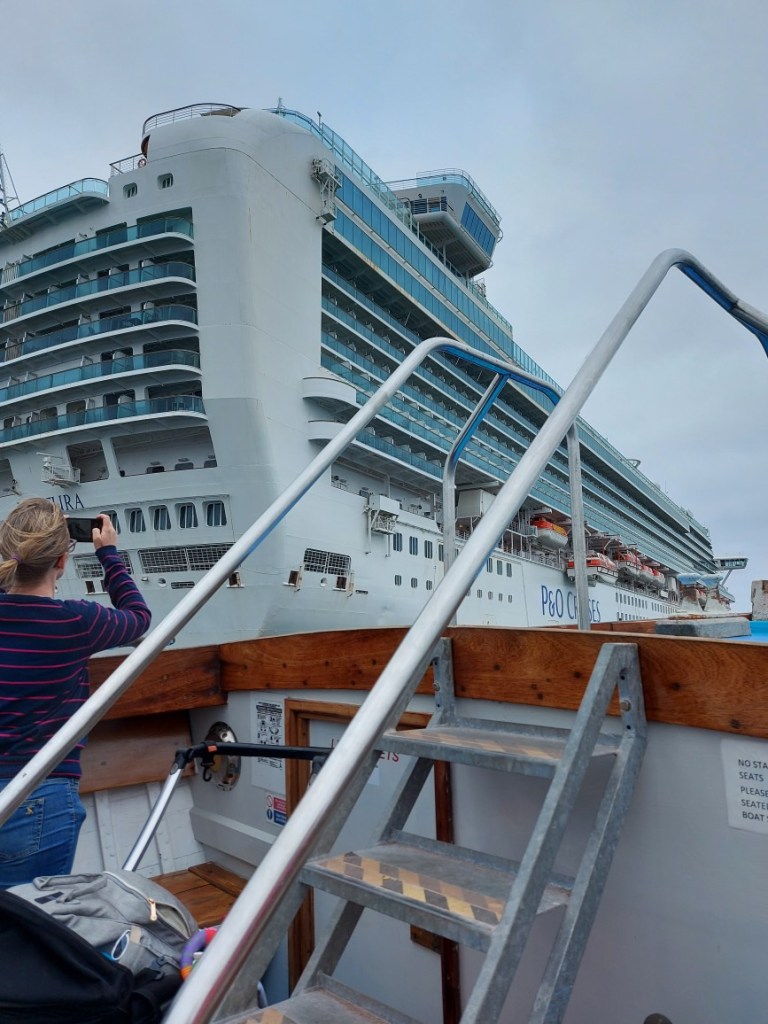
The boat dropped it’s speed slightly as it swung round and sailed off towards 2 ginormous cruise liners. The ‘Ventura’ stood anchored in it’s place. Steam issued from the 3 funnels on the very top of the ship. Many balconies lined the sides of the ship. Circular windows were situated across the ship. A marvel of engineering, the ‘Ventura’ dwarfed our little boat as we sailed past it.

We proceeded to skirt around the ‘Queen Mary 2’, another incredible cruise liner. Again, balconies were attached to the sides of the cruise and it looked amazing, silhouetted against the shimmering seas. Skimming the water, the ‘Restless’ set a course back for the quay.

Overall, not very productive from a birdy point of view, but still a very enjoyable trip. Thank you to my Grandad Nick for arranging the trip. A very good boat ride despite the absence of many birds. I shall keep trying.

A Wild Goose Chase (Or Is It?)

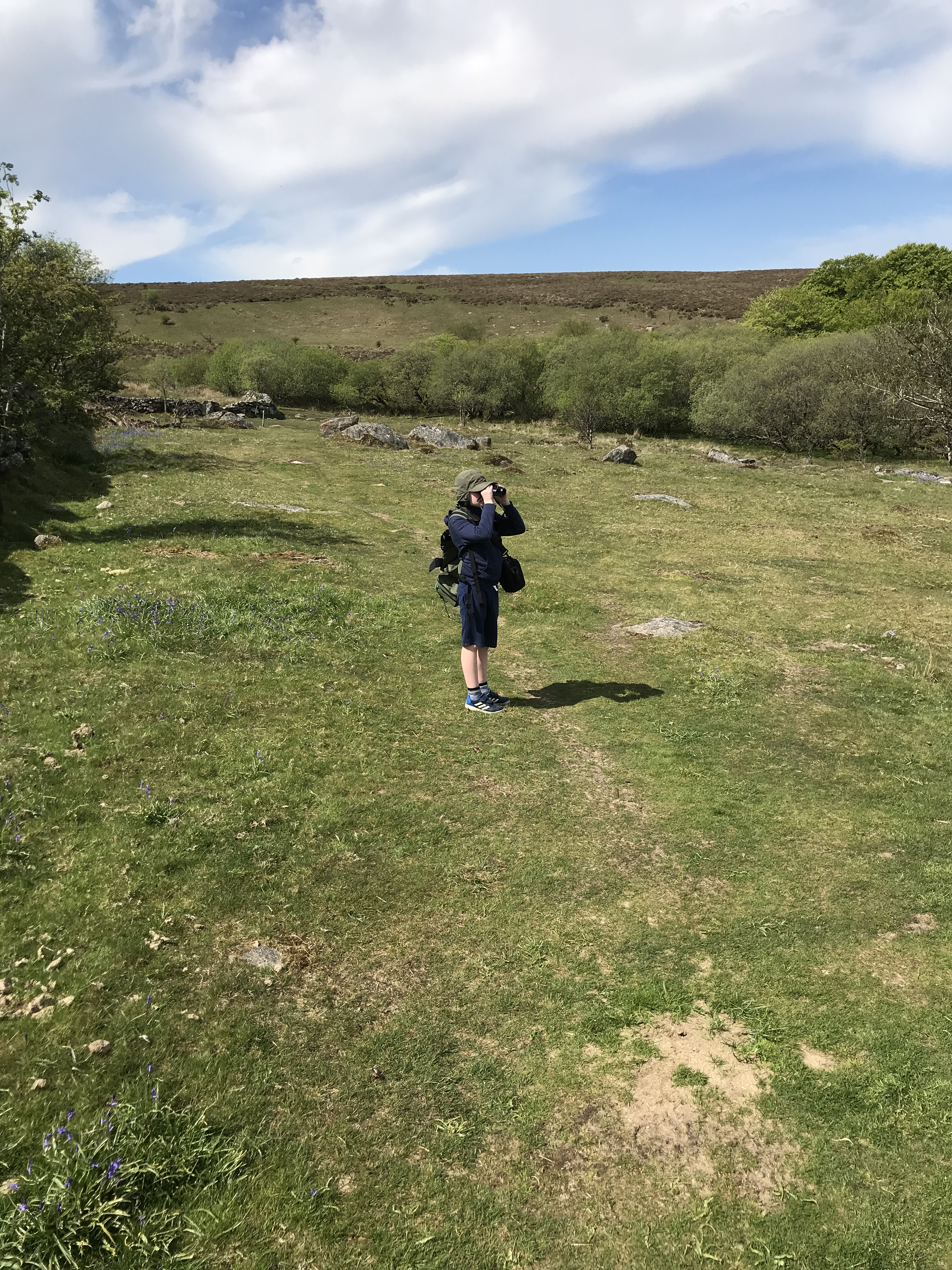
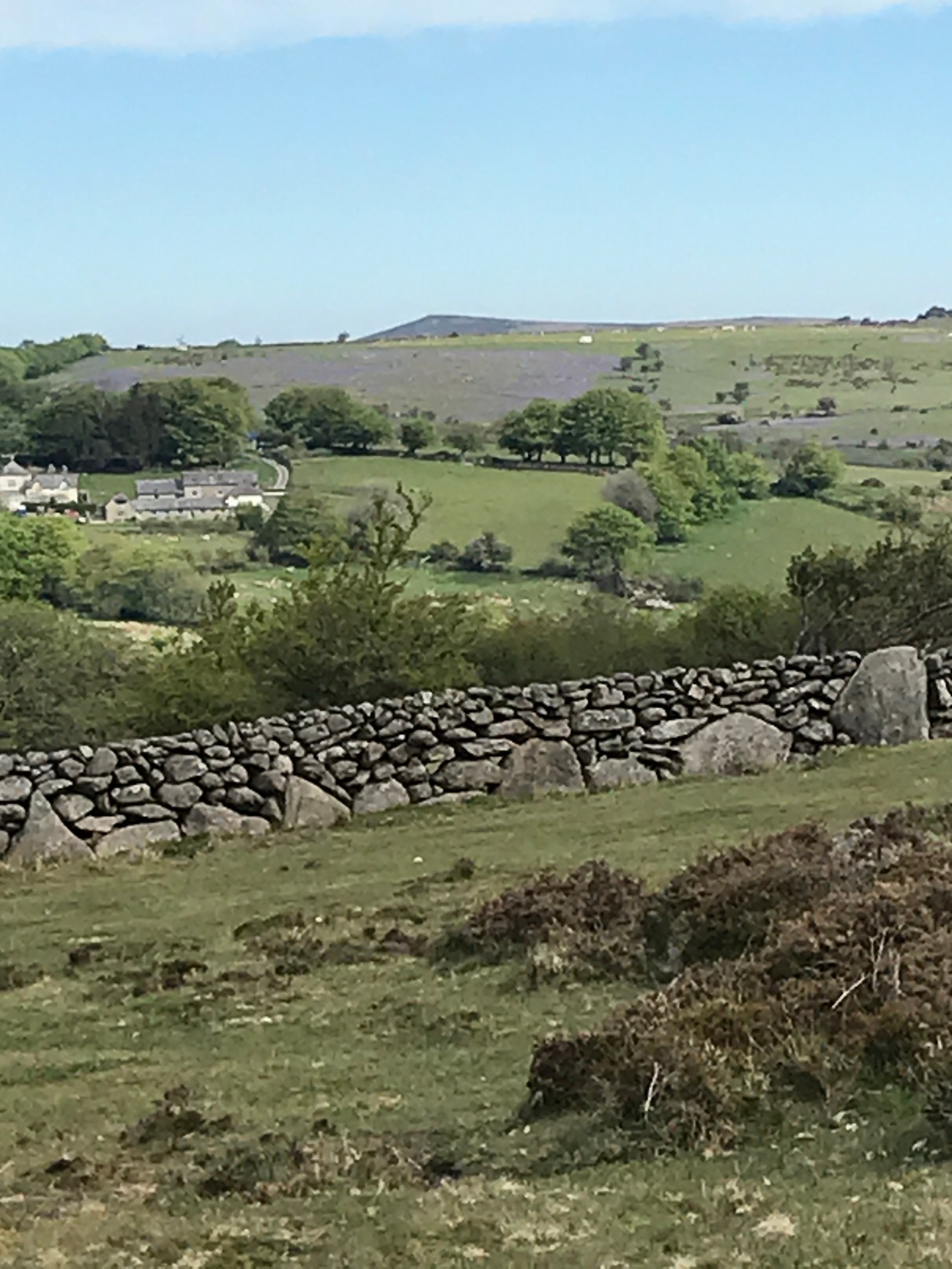
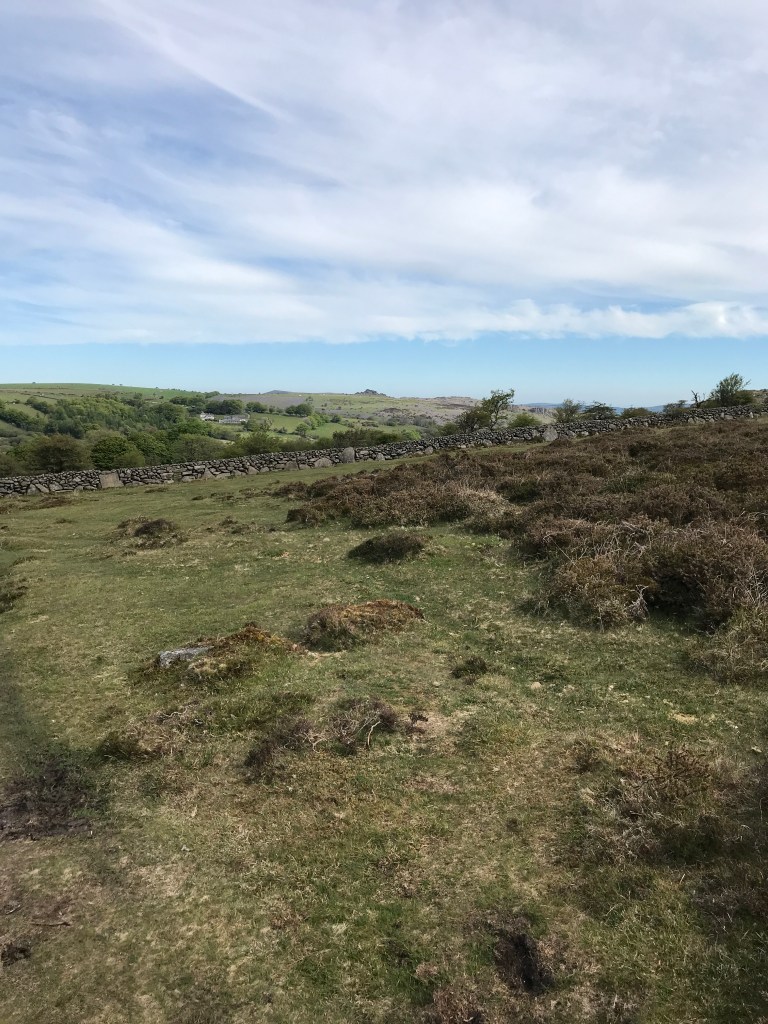
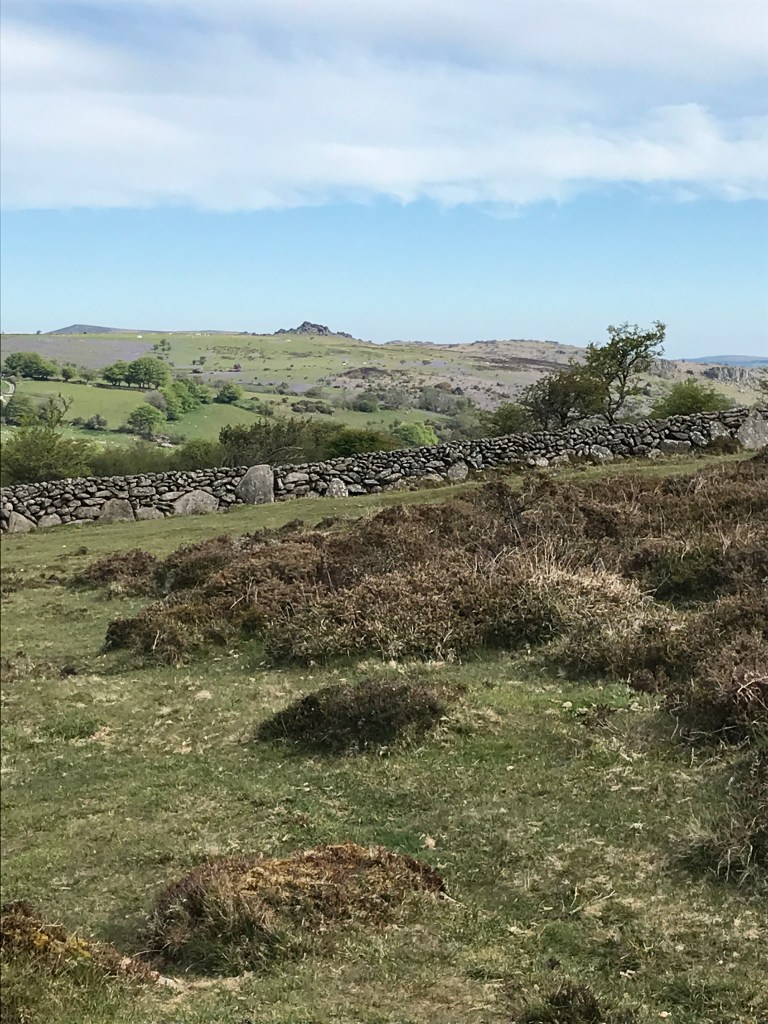
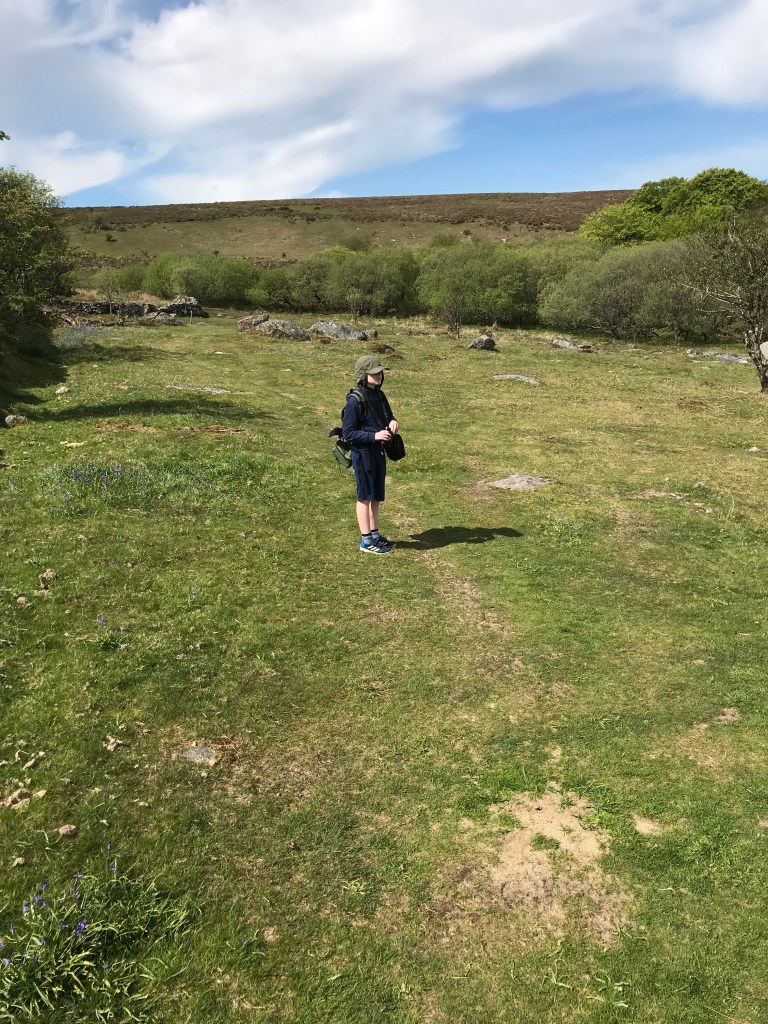
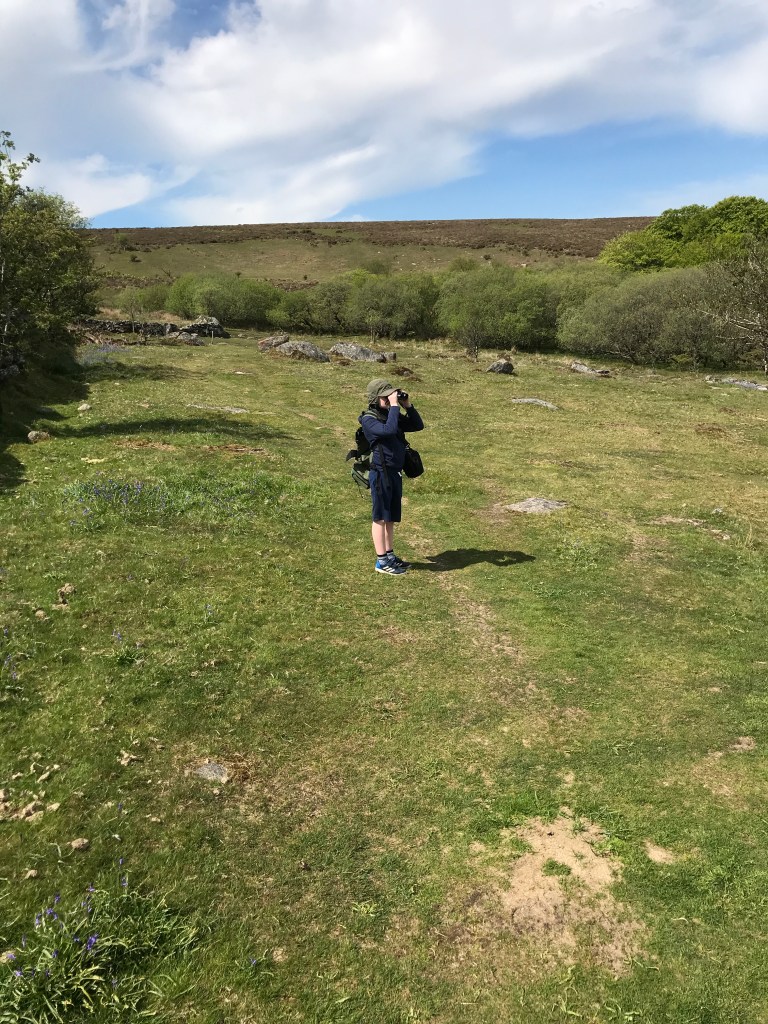
Wind breezy, sun shining. The perfect backdrop for a good day’s birding at Emsworthy Mire DWT Reserve. Kicking off with a tremendous tree pipit, these birds are well known for their parachuting display. As it climbed higher and higher, it then opened its wings and ‘parachuted’ down, only beginning to flap when inches above the heather and gorse. This was a wonder of nature, and a first for me (not the bird, the display. I’ve seen the bird before but not the display).

Down near the entrance gate, a wonderful wren hopped onto the granite wall and began to sing it’s amazingly loud song to anyone who could hear it. It continued as we walked further into the depths of the valley. It was about 20 or 25 metres from the mire when I started saying about how our chances of seeing a cuckoo didn’t look too good, as in the last 2 years, we’d already heard them way before here. Me and my big mouth. Just as I finished, an unexpected cuckoo started calling from somewhere near the old barn and I was instantly proved wrong!

From then on, it was a wild cuckoo stalking urge that kept us going, seeing plenty of other birds along the way. More tree pipits (and I mean a lot more!), a male and female stonechat, a redstart (more about that in a minute), and a buzzard.

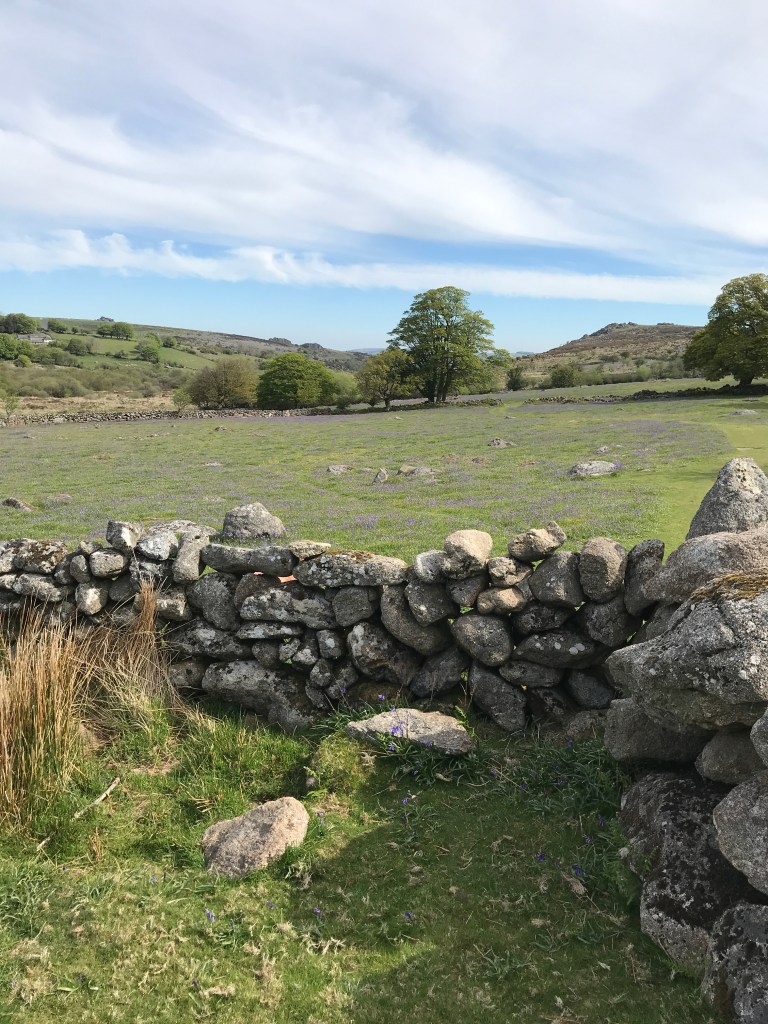
Keeping an eye on the crows as we went (they often chase and divebomb cuckoos), we stopped at a lump of granite large enough to sit on and stared out at the bluebell carpet. Now, about that redstart, I didn’t actually see it. My dad was with me and spotted it flying briefly, but unfortunately, I didn’t catch it.

Finally, just as we were heading back to the car, we found it. A cuckoo was perched on a bare branch, jutting from the edge of a thorny tree. This was the best view I’d ever had of one of them. You could make out all the plumage details, including the yellow eye ring. It was a great experience, but also at the same time saddening. This bird is in steep decline in the UK and today it’s just all too rare to hear one. This might just have been the last time I’d ever see one. Luckily, conservation work is intervening and hopefully, these organisations will stabilize the trend.

Fledgling Shock

In our garden and local area, we have discovered many different breeding birds, a lot of which we can completely confirm. House sparrows, wrens, blue tits and possibly long tailed tits, due to their numbers here. But this evening, we had a whopping new edition to the list.

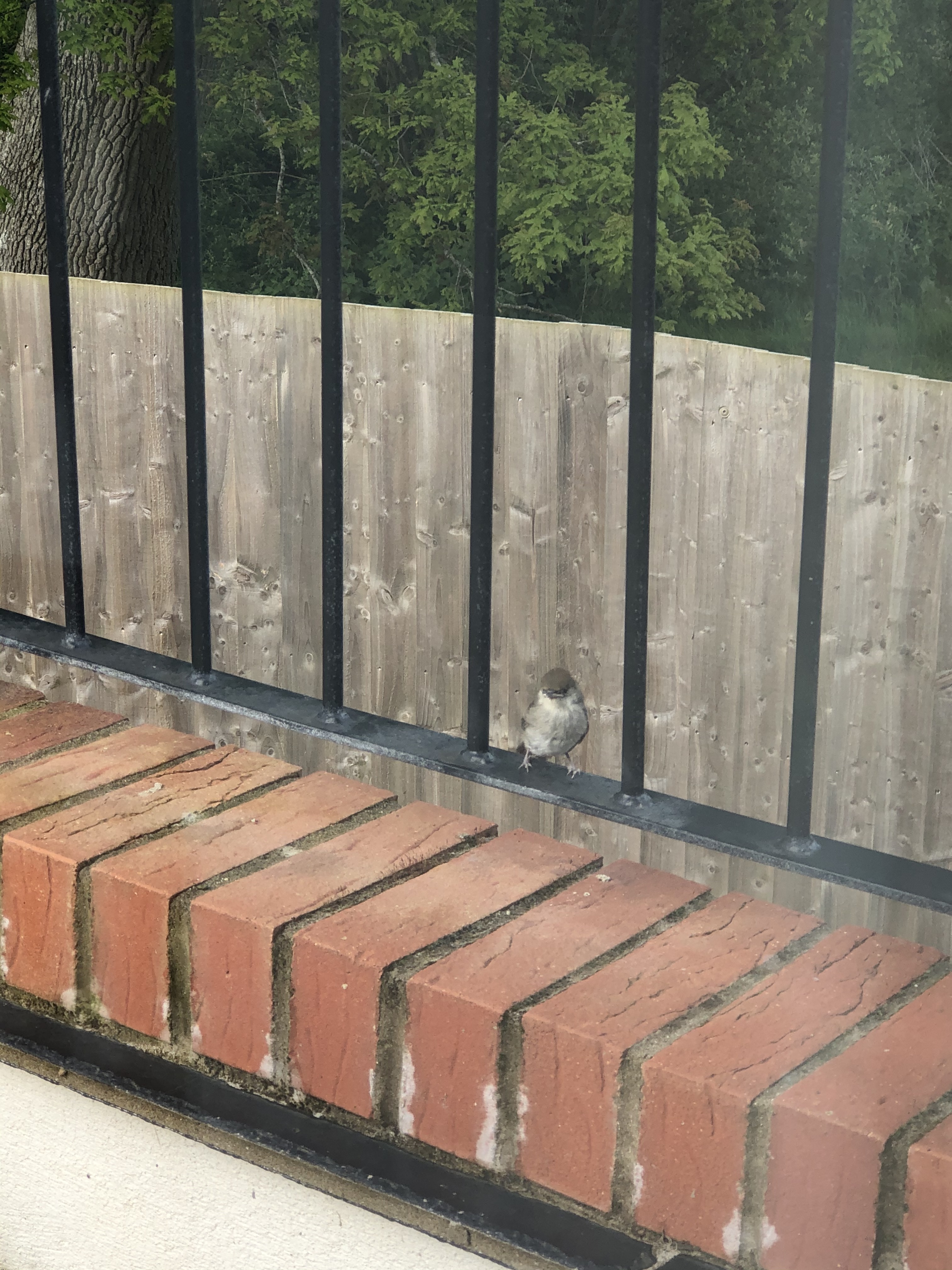
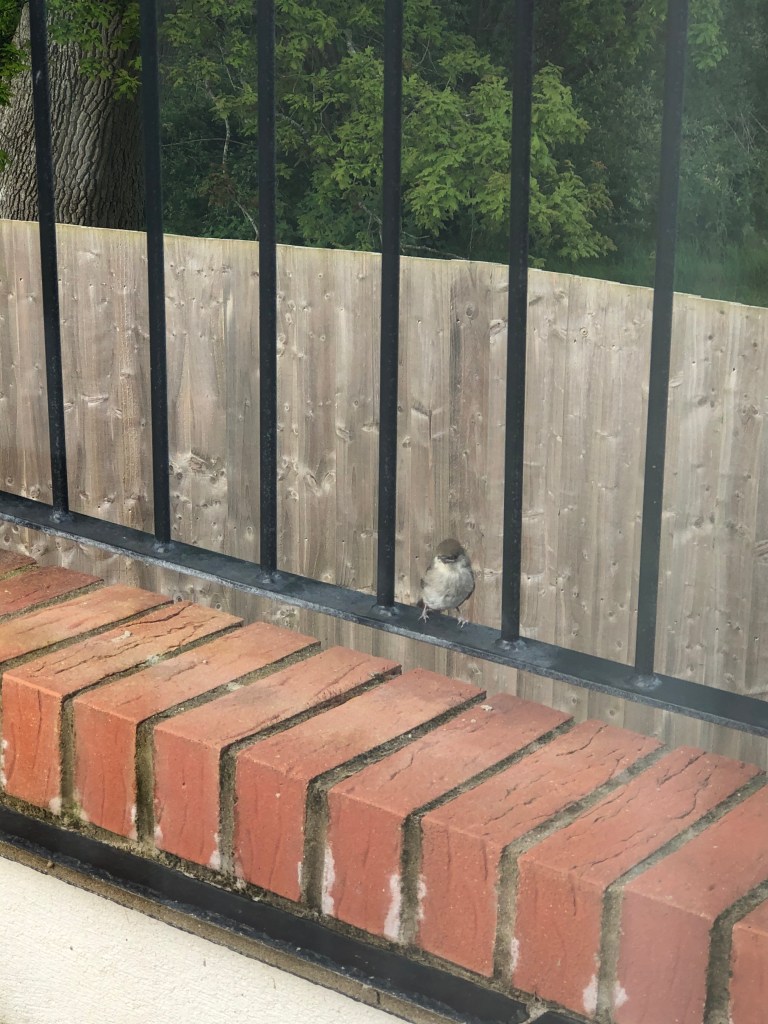
Earlier this season, we noticed a group of blackcaps being quite active in the ash tree. 2 males and a female. But then, we didn’t see them for a while. But now it seems, I can piece together the whole story. It seems one of the males won, and they’ve been keeping a low profile as they’ve been breeding. Annoyingly, I was at school when the fledgling showed up, but my Mum got a picture and we compared it with other fledgling photos. It was an almost perfect match.

So there we have it. A baby blackcap. Try saying that five times fast.

The Mistaken Moorhen

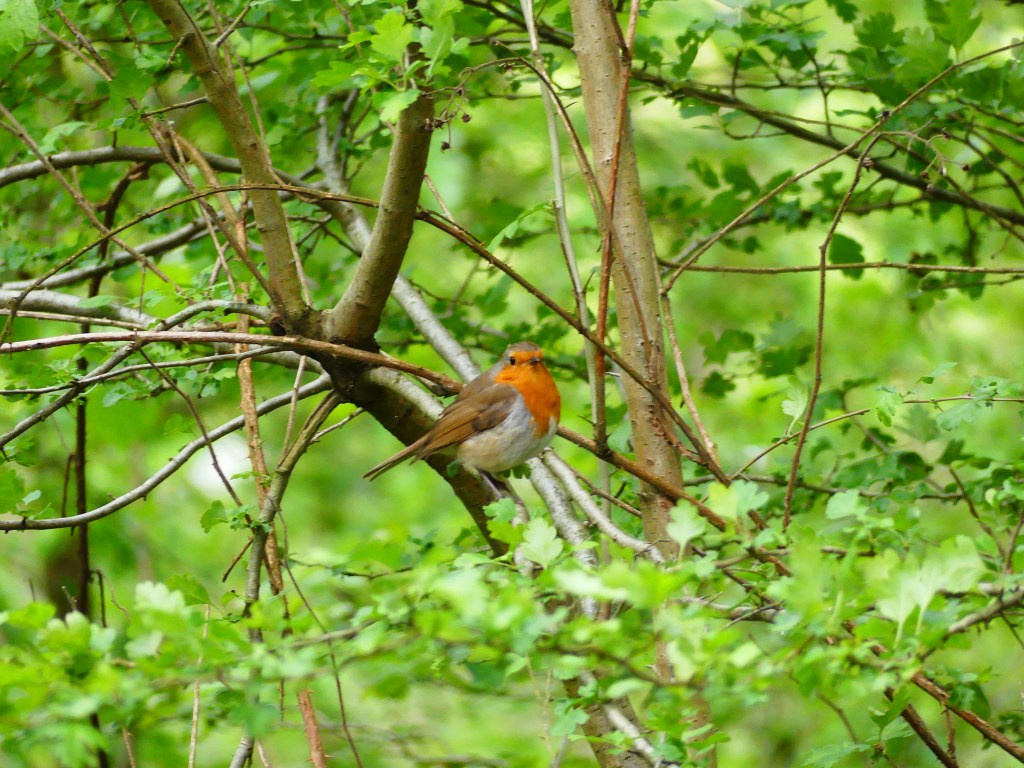
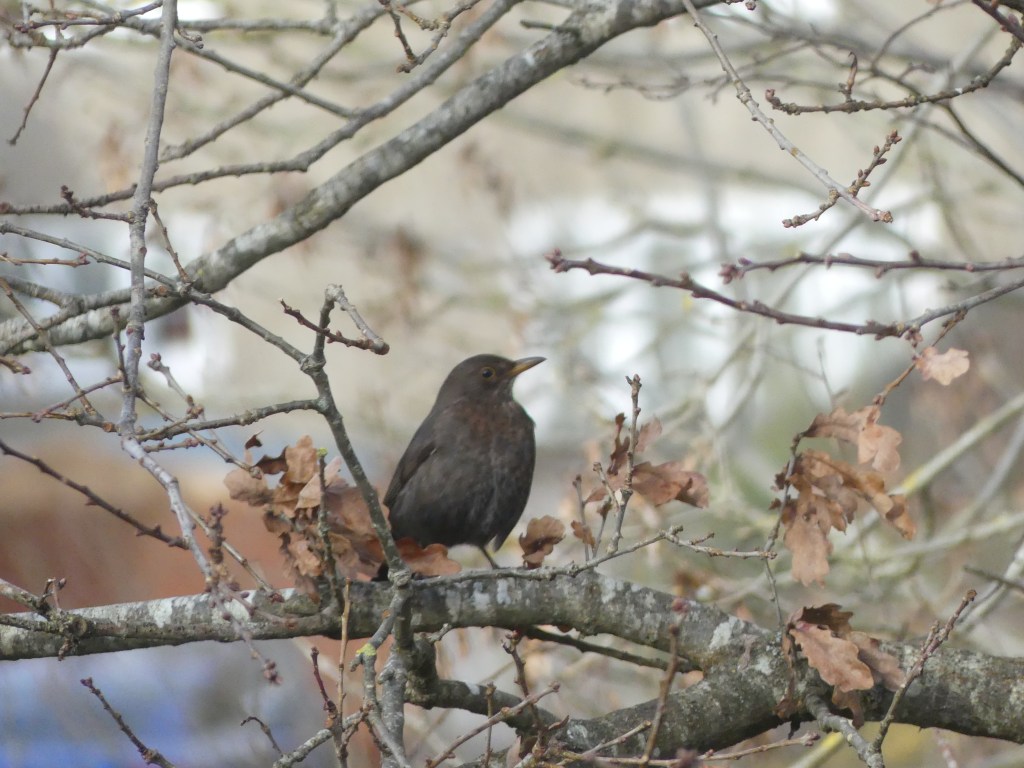
The constant rain showers had given up for an hour and we decided to head for Stover Park. As we exited the car park, a blackbird swooped low over the needle littered undergrowth and came to rest by a drainage ditch. Sticking it’s beak deep in the soil, dirt flew from the hole it had made but, even with it’s efforts, flapped back into the brambles with an empty beak.

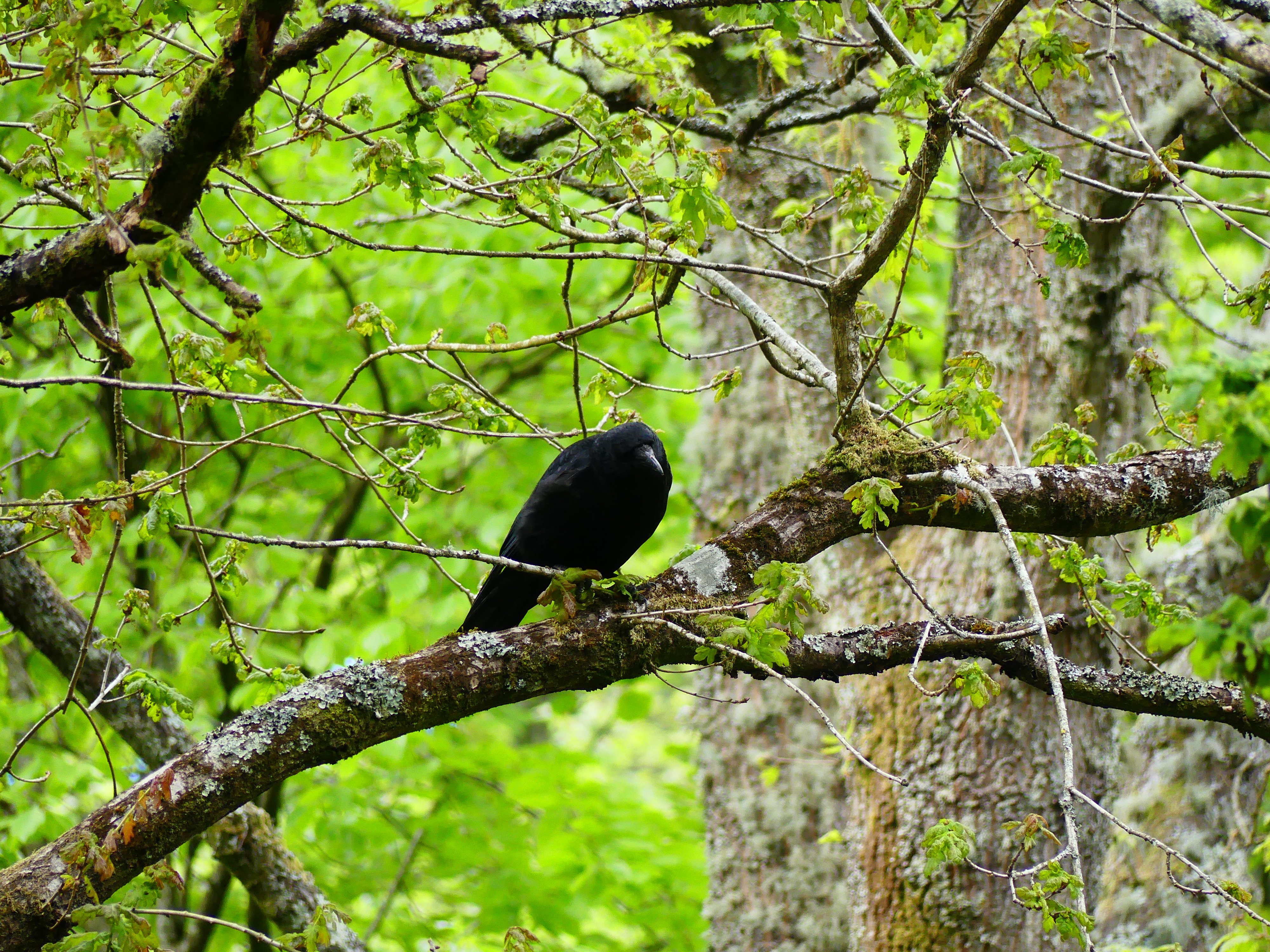
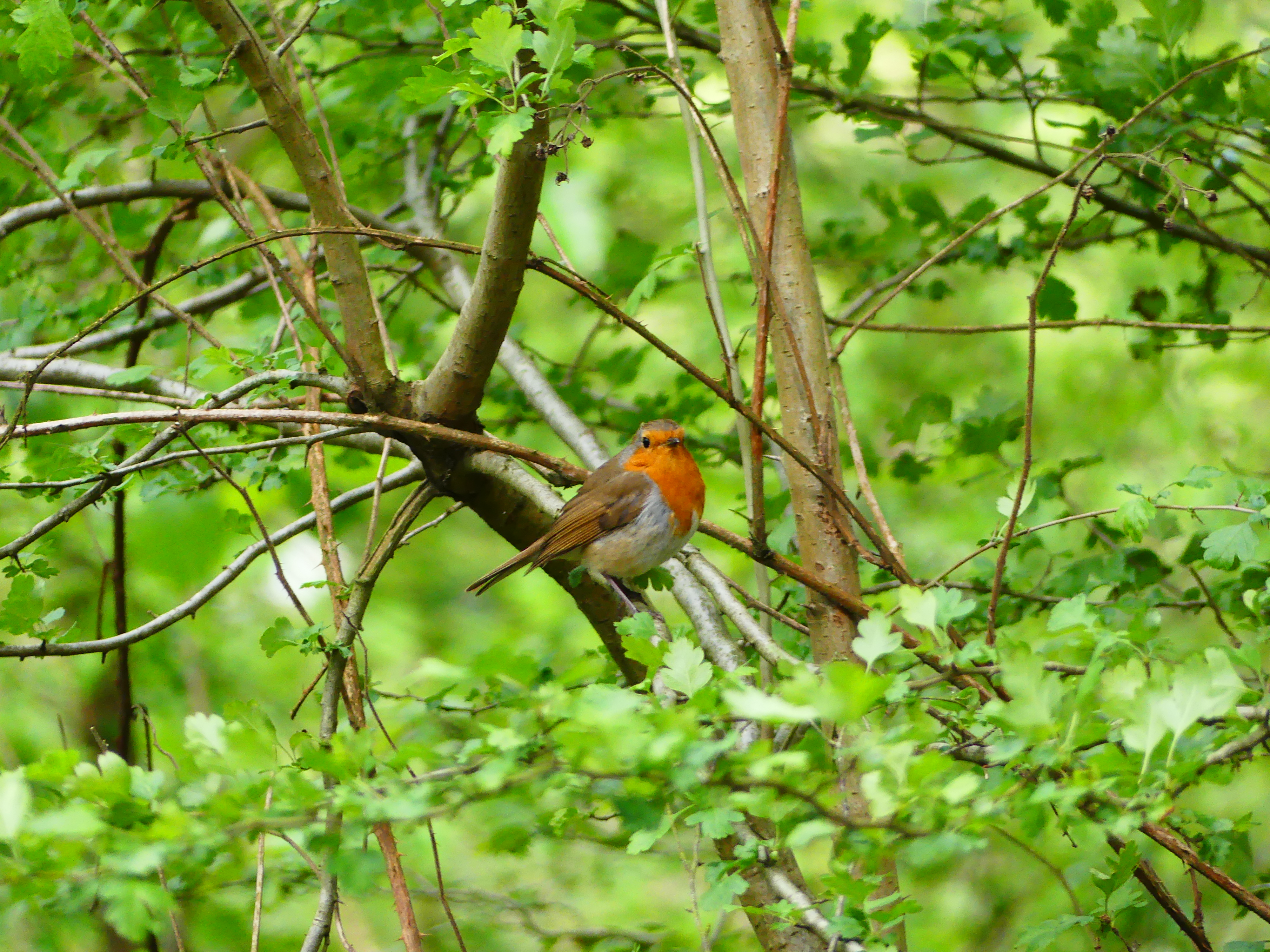
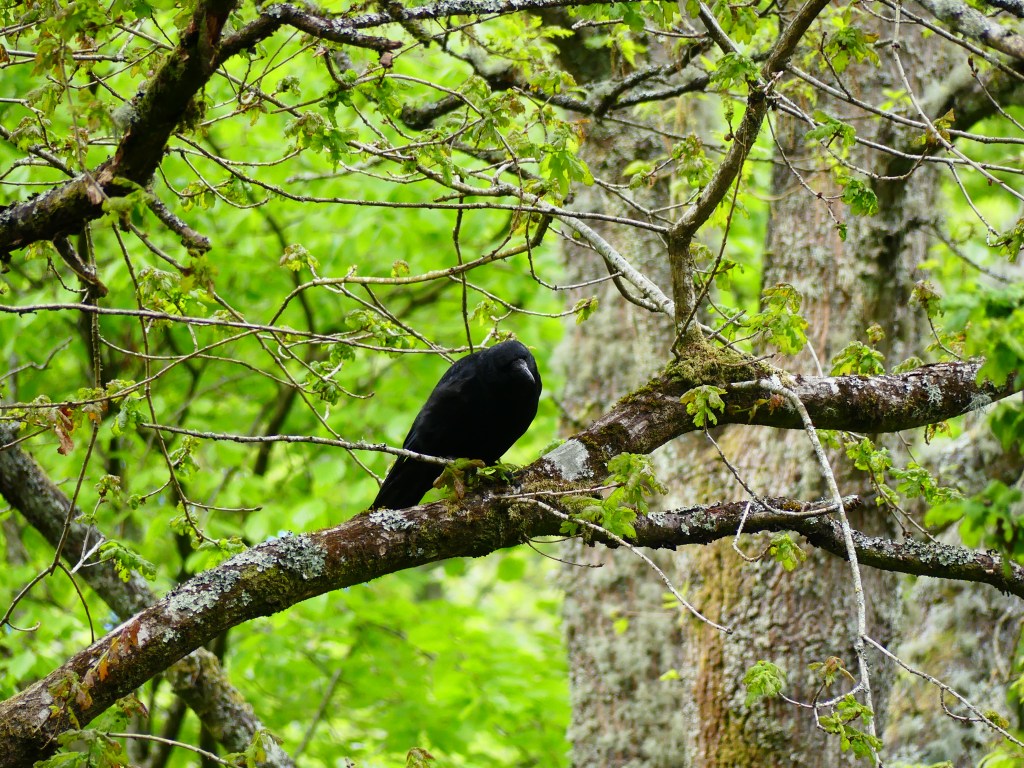
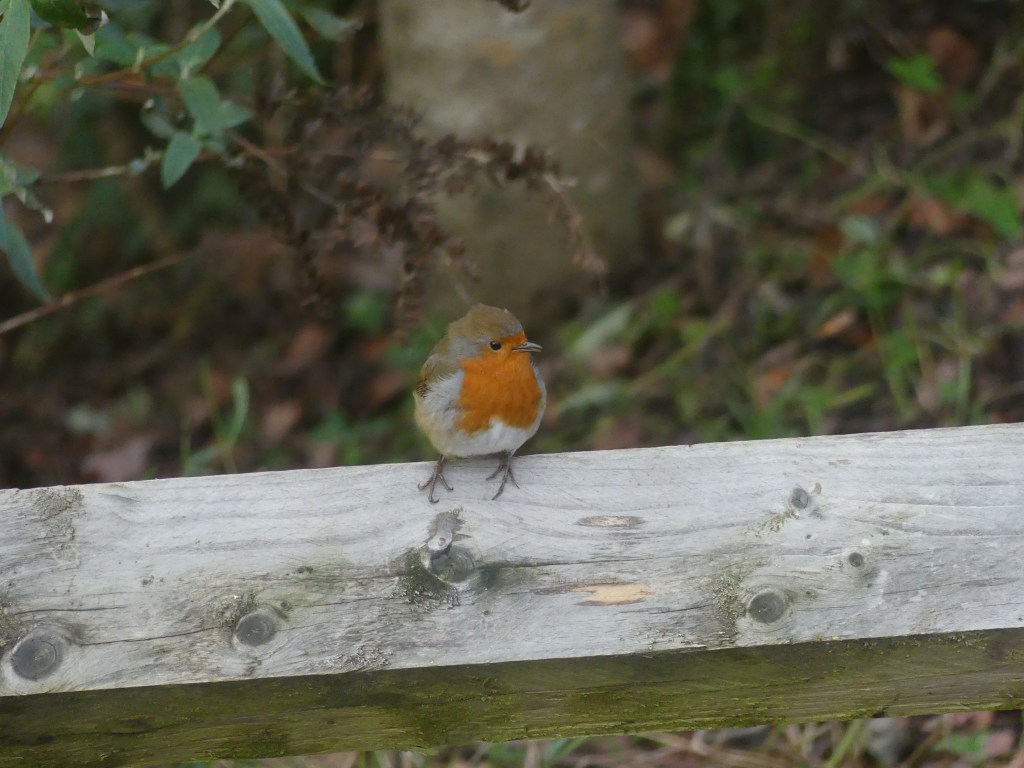
A great, glossy black crow tore it’s way through the towering conifer trees, then settled down in a dwarfed birch. Burying its enormous beak under it’s wing, it began to preen its shimmering feathers. A robin warbled from in the midst of a bush.

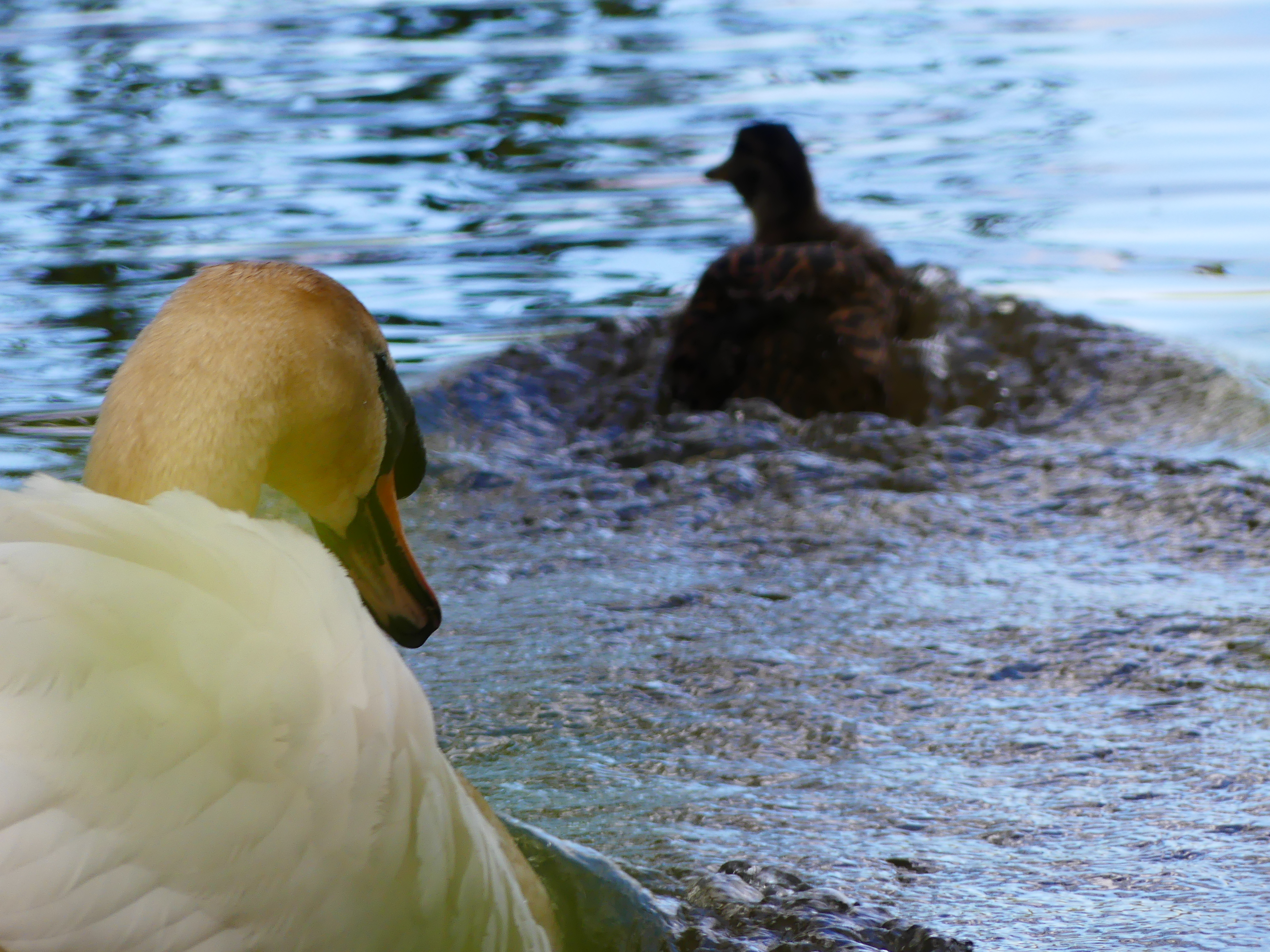
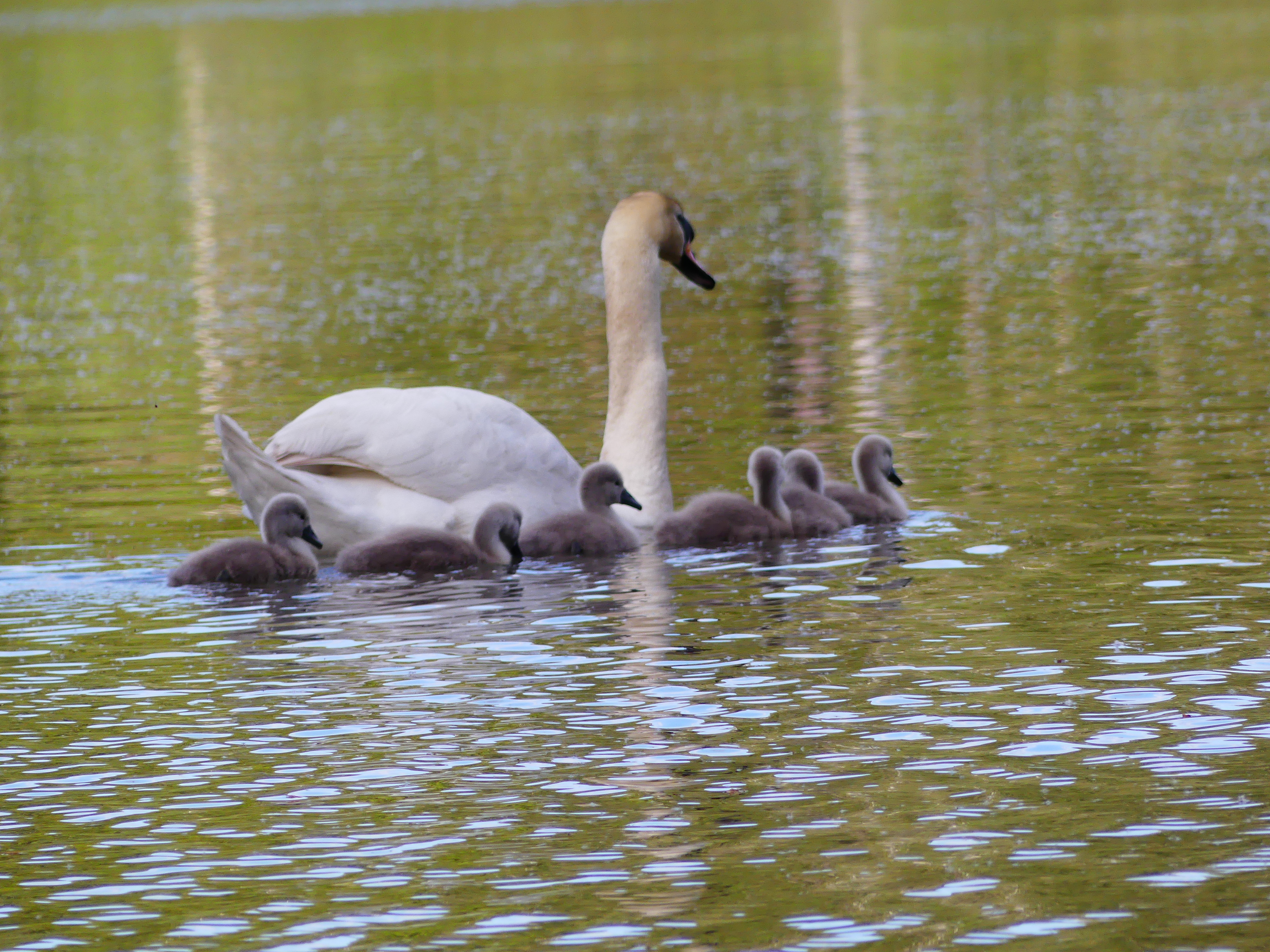
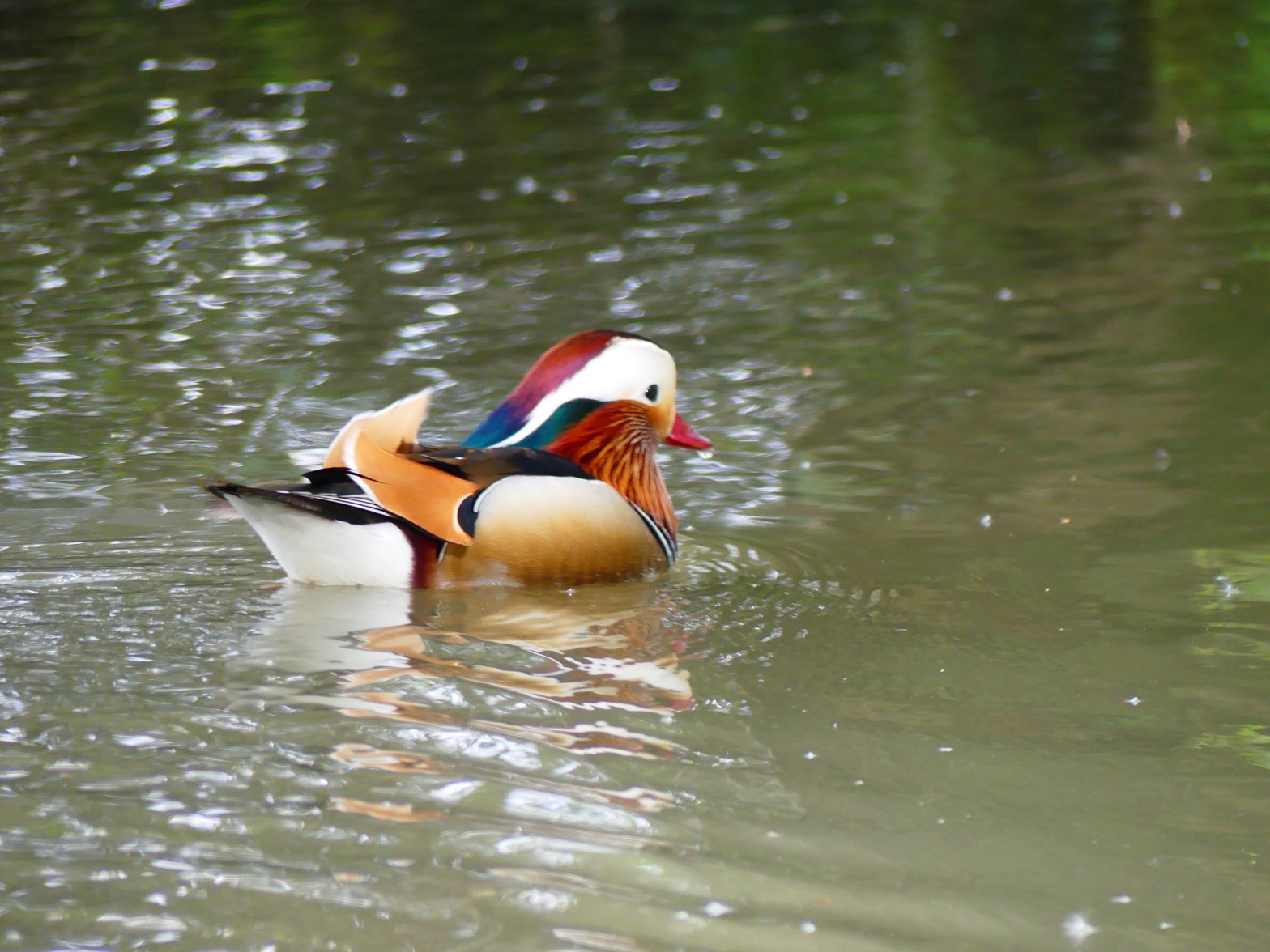
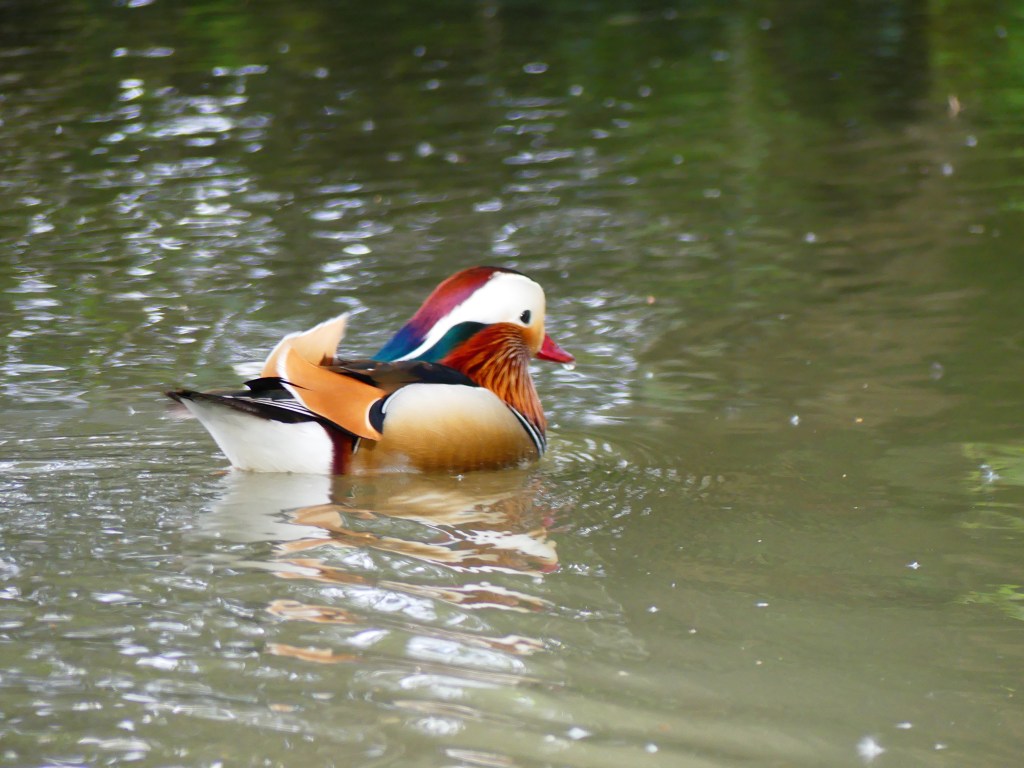
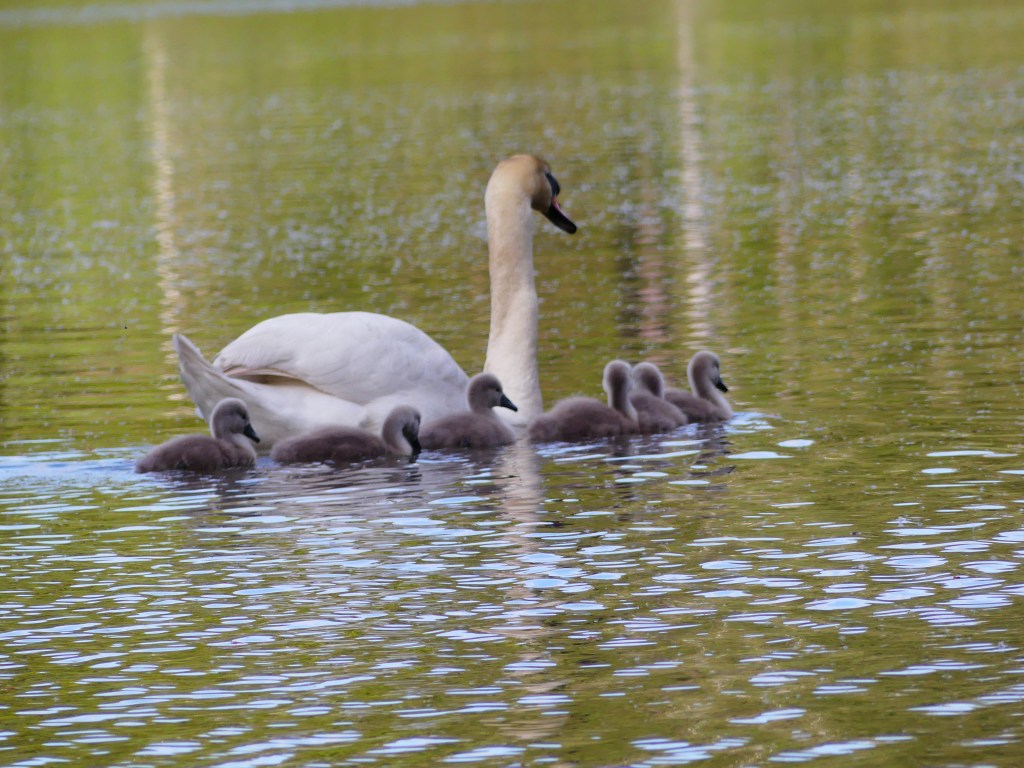
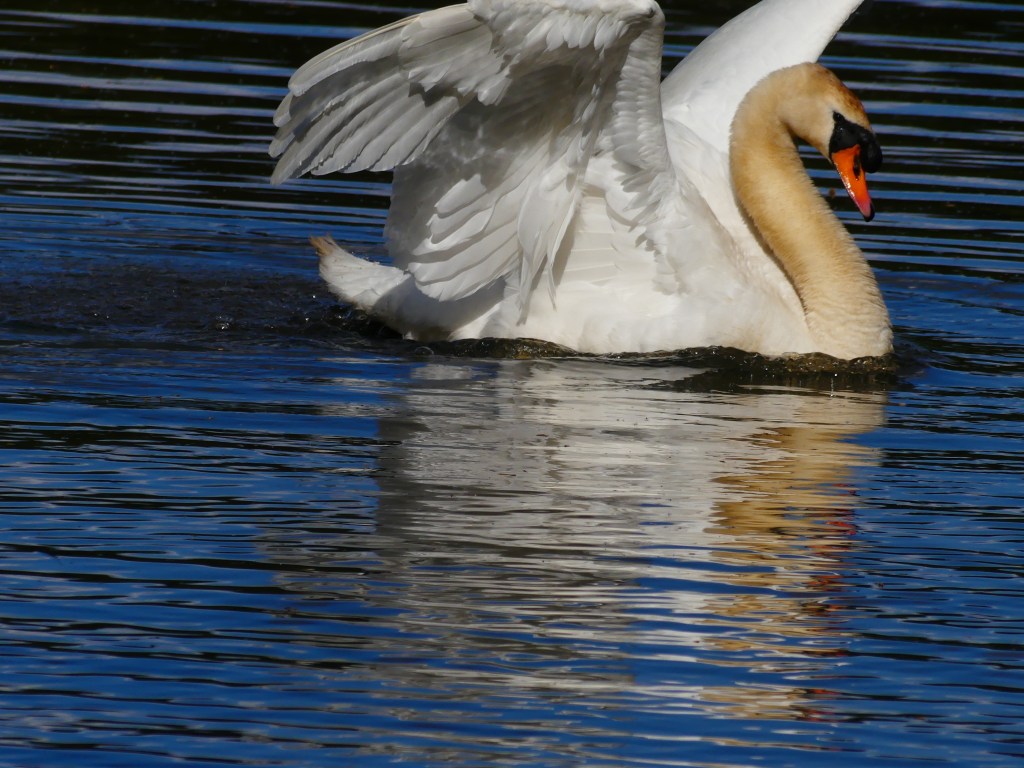
The quacks and honks of ducks and swans gradually grew louder and more distracting as we neared the lake. A mandarin duck plodded into the water and 2 mallards sat in the grass near the clump of ash trees. 2 gleaming white mute swans ploughed their way across the water with 8 cygnets, unchallenged as the male charged at any bird who was unfortunate enough to get caught near the cygnets.

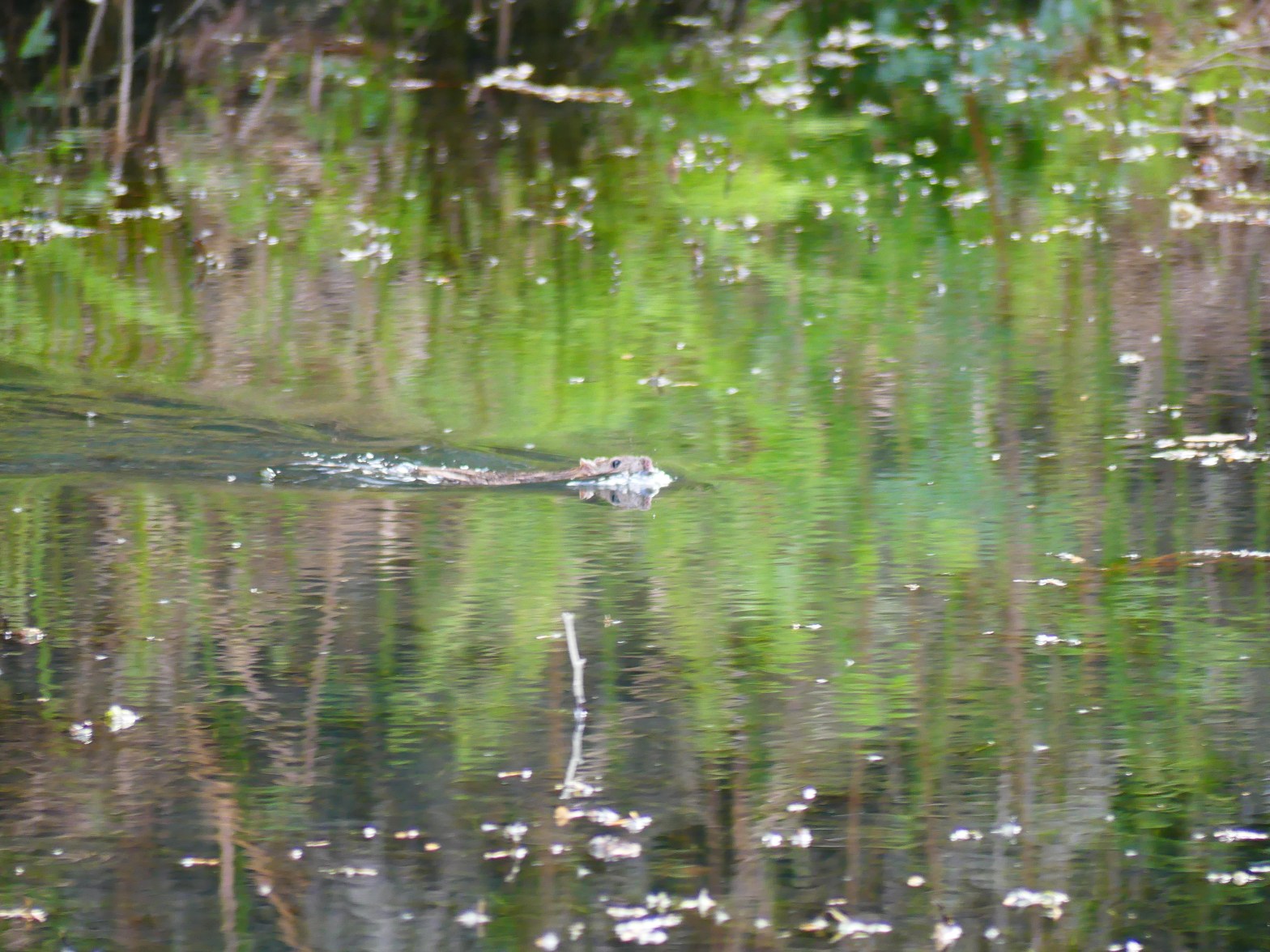
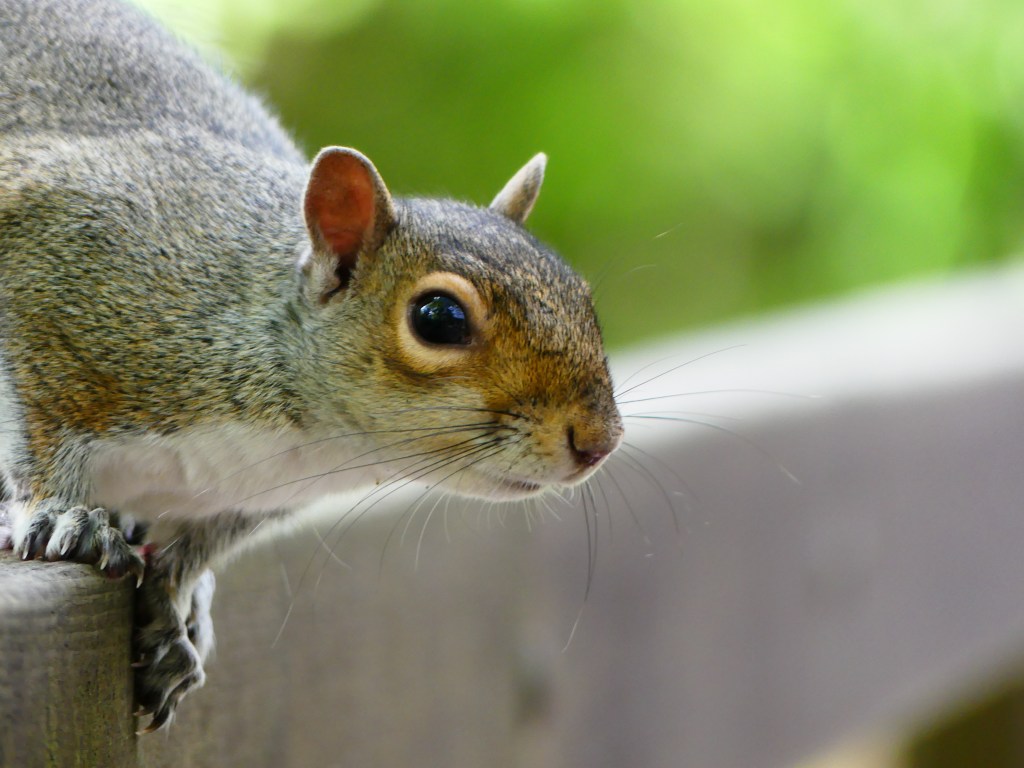
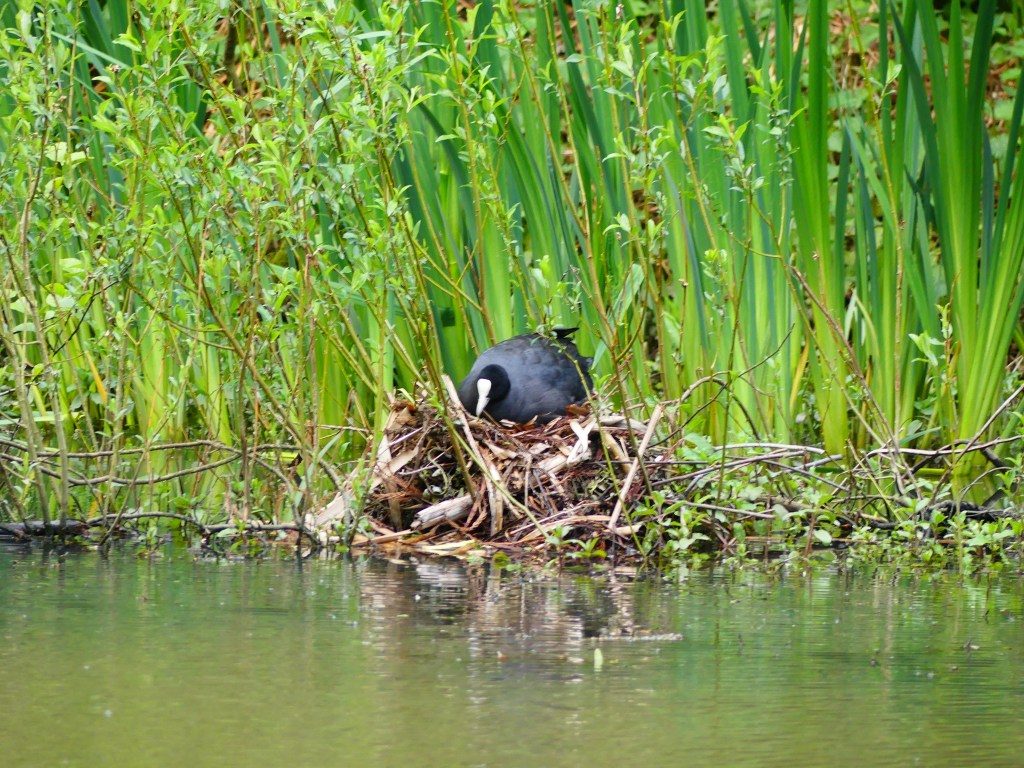
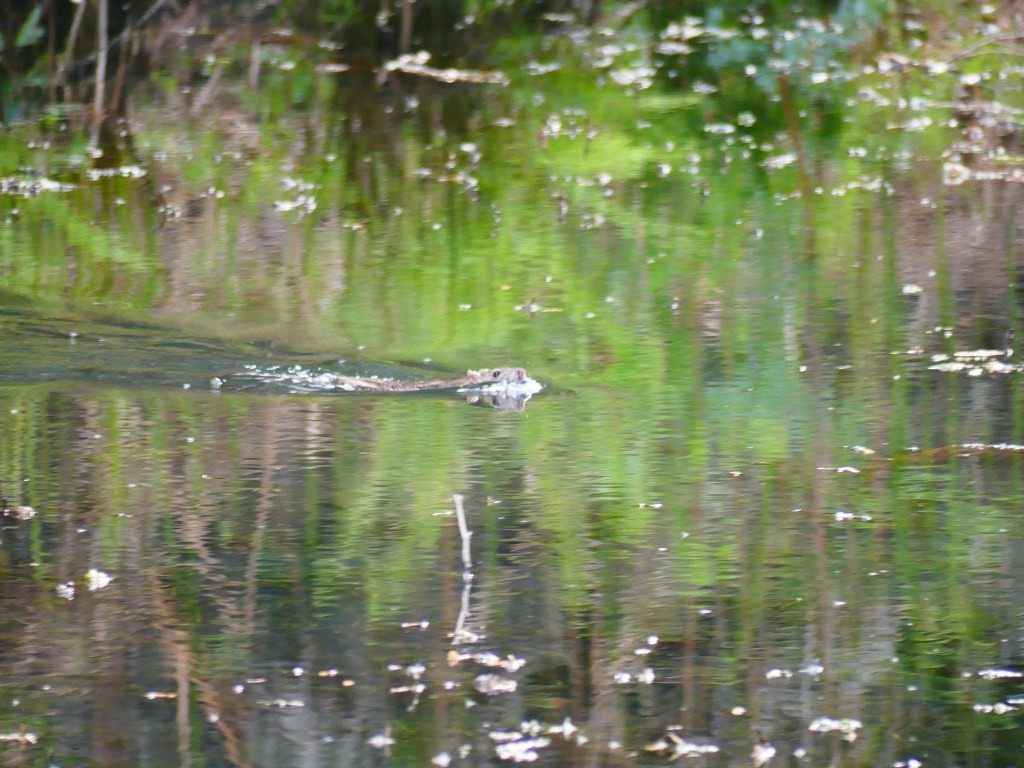
We continued up to the wooden bridge, ticking off more ducks on the way. Many squirrels scampered beneath the trees, and there was a coot on the nest on the other side of the channel. Nuthatches and tits flitted from tree to tree and a movement in the reeds struck me as a moorhen. I started clicking my camera shutter on the coot’s nest and then the moorhen began to swim. But I couldn’t see a moorhen. If it wasn’t disturbing the water, I wouldn’t have noticed. It kept so low down that I could barely see it. Then, as I zoomed in, a brown snout led onto a beady black eye. A brown rat was paddling under the bridge!

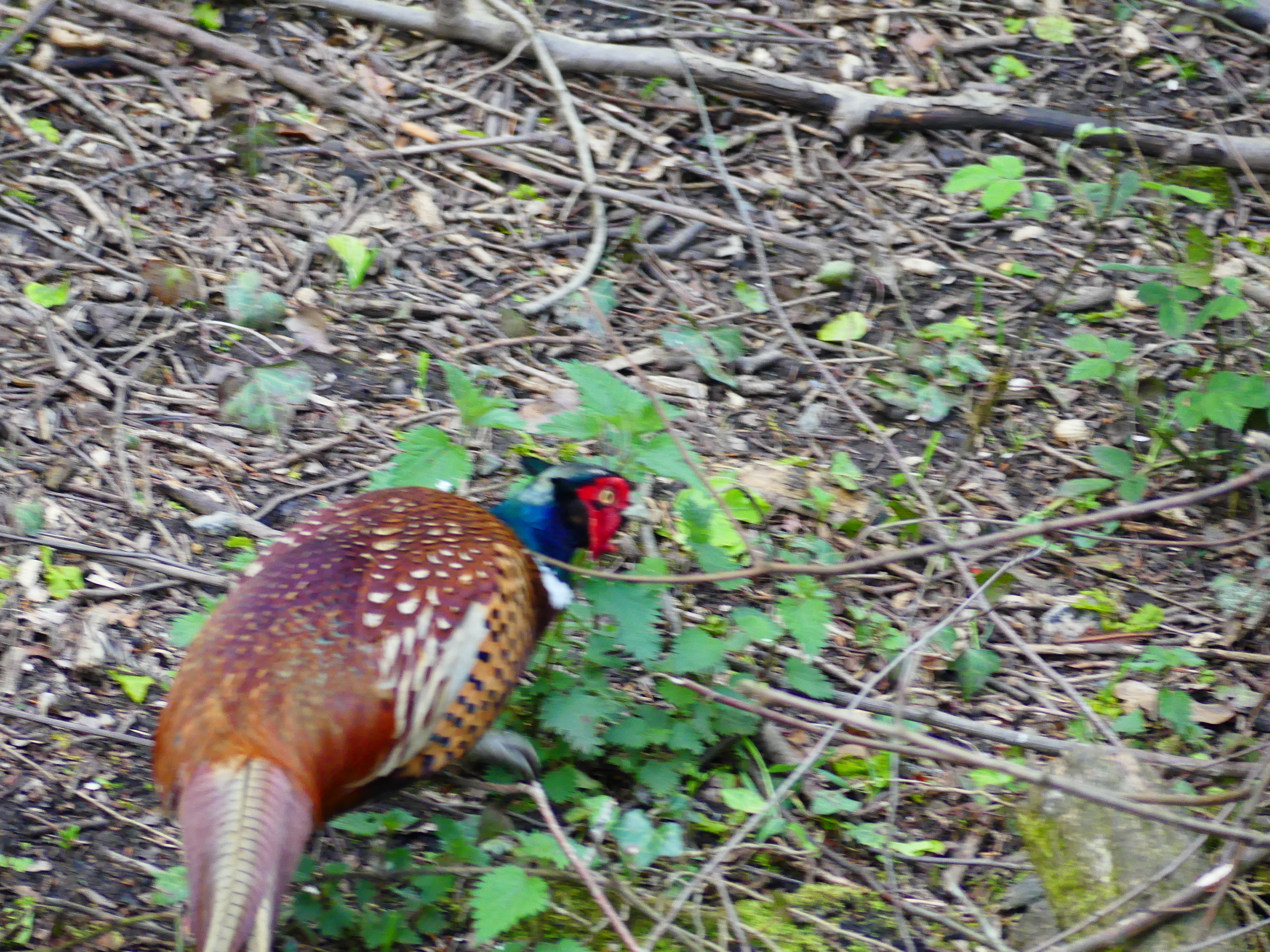
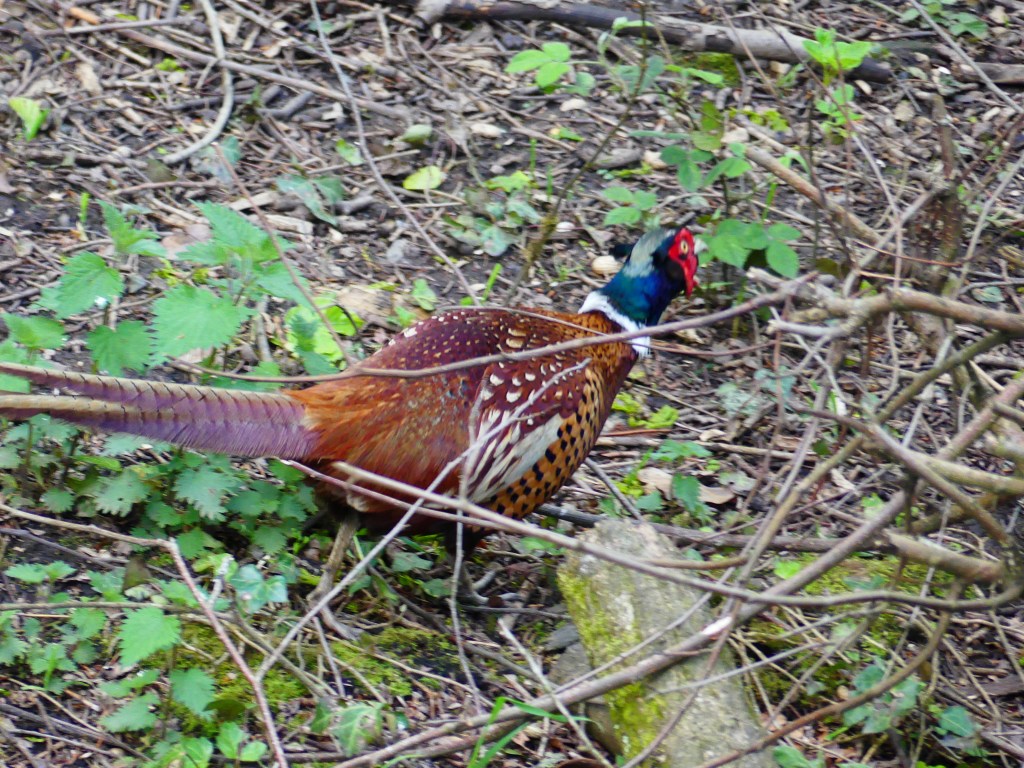
Ploughing on towards the feeding station, we’re joined by tits galore. Underneath the feeders, there were a couple of pheasants and chaffinches. A stock dove was curled up on a stout branch, and blue and coal tits were flitting from the trees to feeders.

Overall, an evening out that was worth it.

Garden Birds: Sunday 2nd May 2021

Discovering nesting birds is rapidly becoming more common here. The early nesters, such as the robins, have already fledged and the parents are being worked tremendously, feeding the ravenous balls of fluff. I am pleased to say that we have (possibly) got blue tits in one of our nest boxes, this fact based on 2 birds continuously bring clumps of moss and grass into the box. This has decreased over the last few weeks and the nest is probably complete. They have been very quiet over the last few days but you do regularly get one bird with possible food in its beak.

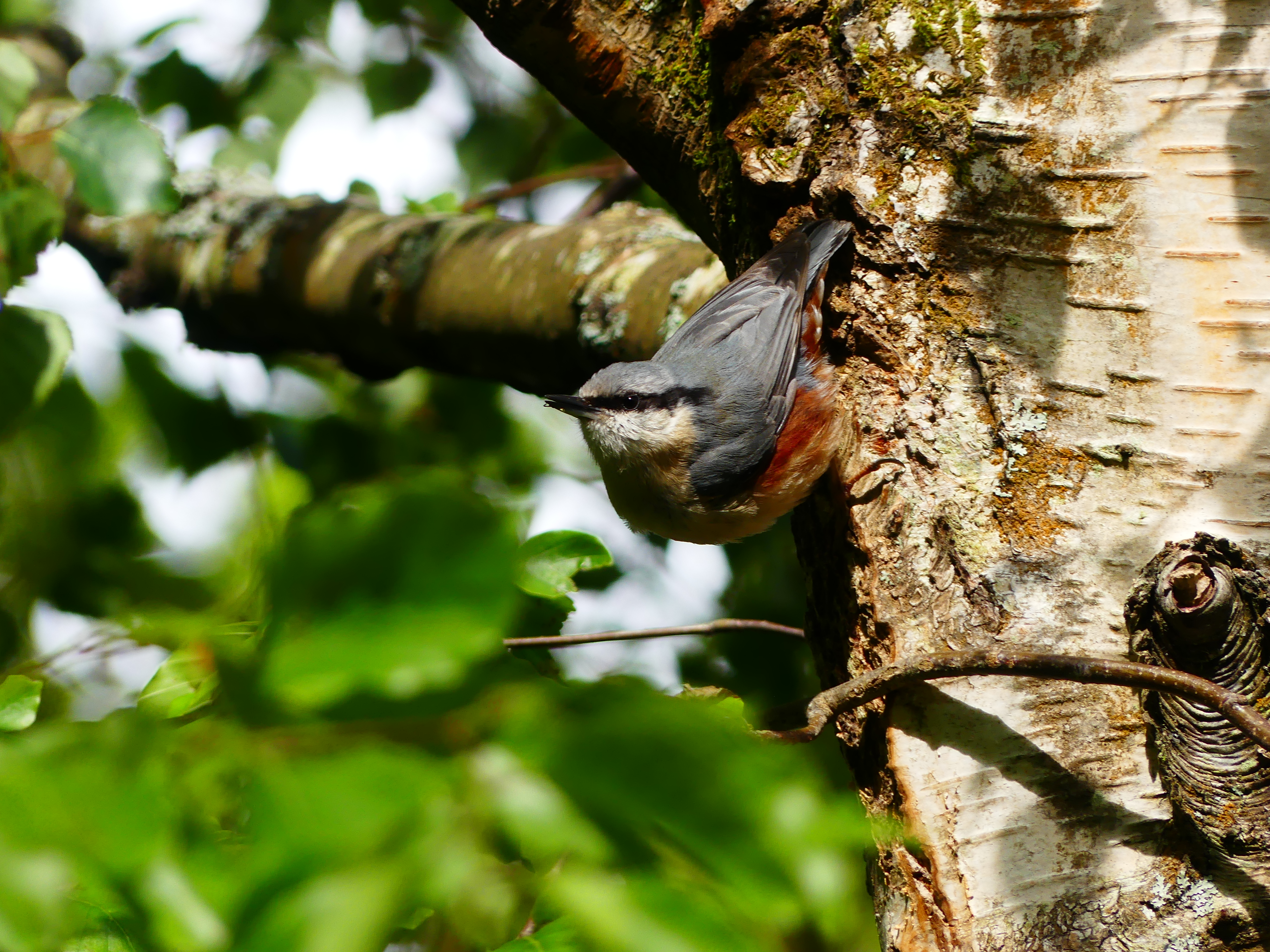
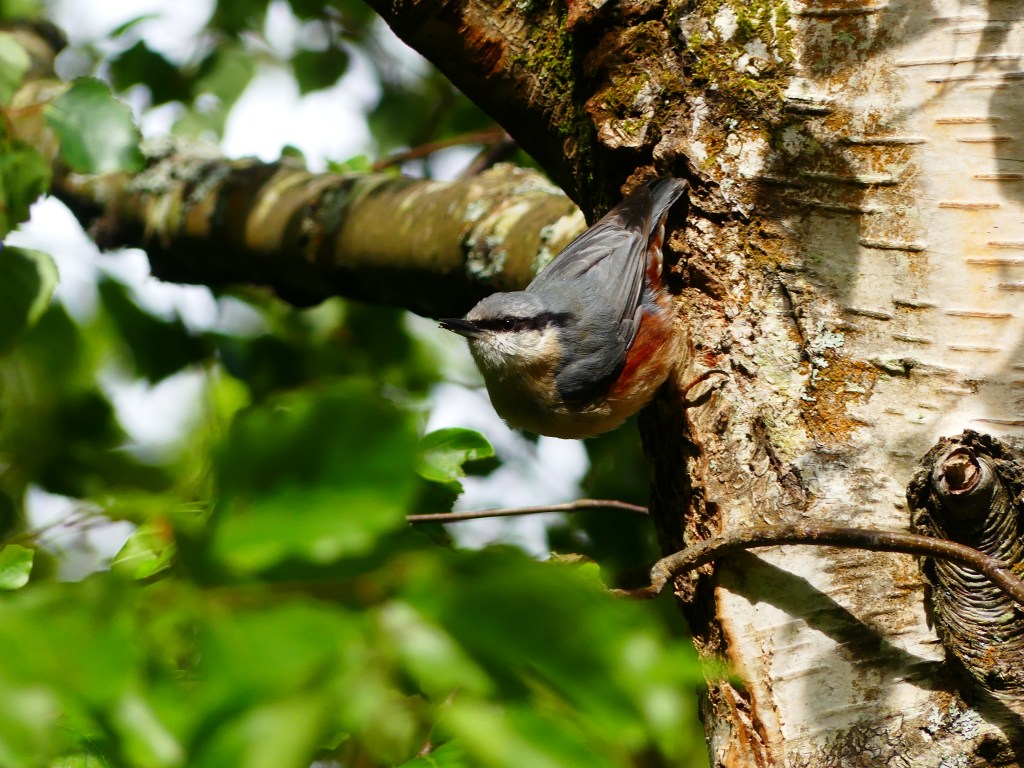
It is also likely that there are nesting nuthatches under a damaged part of one of the oaks, seeing them going in once or twice regularly. We haven’t seen much other evidence that could suggest nesting, but there has still been birds around. Blackbirds, great tits, woodpigeons, magpies, chiffchaffs, pheasants, long tailed tits and buzzards once or twice.

There’s so much to see in this area, especially during the breeding season. A perfect blend of habitats results in a wide variety of wildlife.

Brilliant Birds!

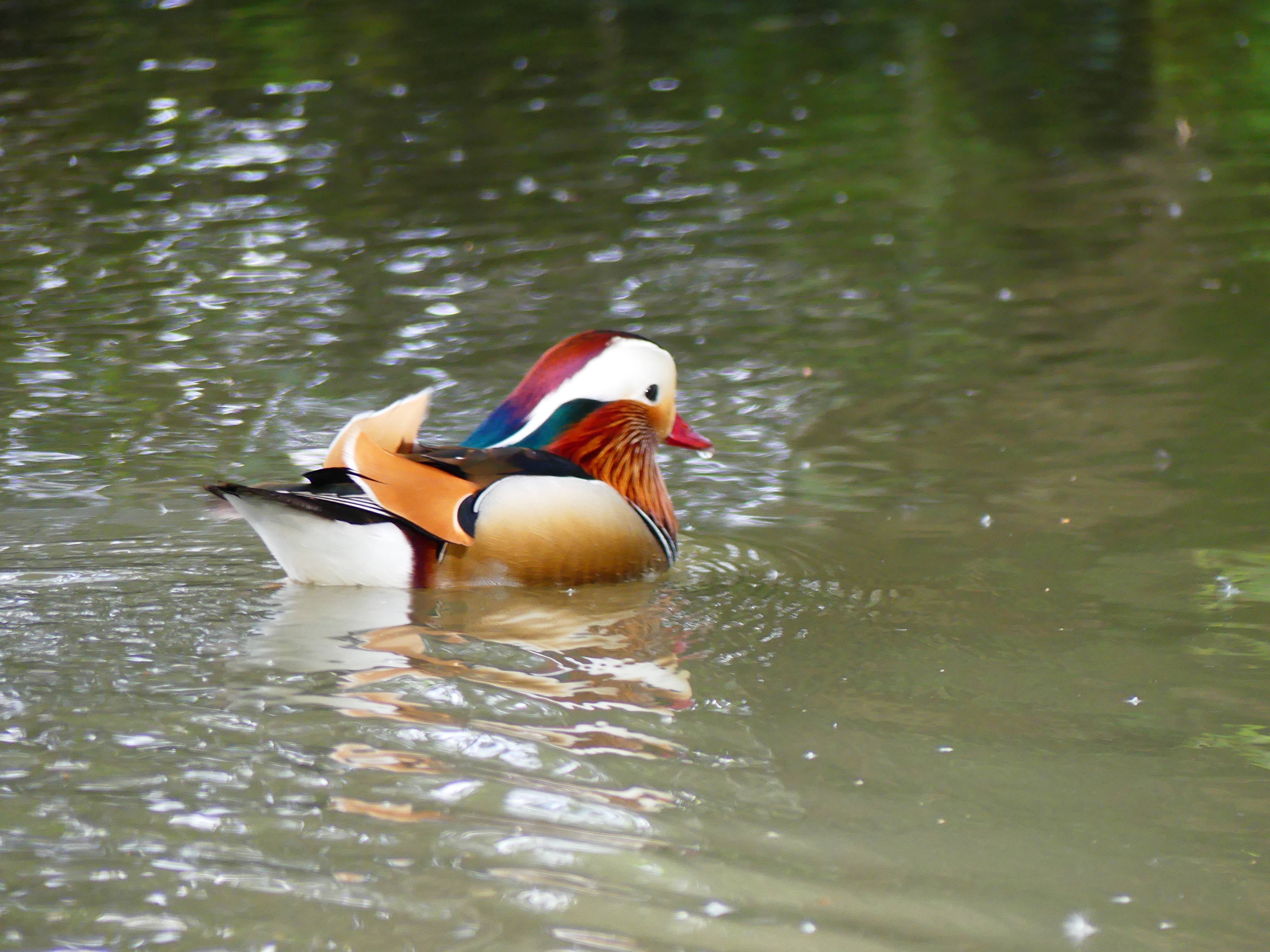
The rain had nearly ceased, so we decided to make the most of it. We pulled on our boots, grabbed the binoculars and off we went. We were at stover country park, one of my favourite places to be while we were in lockdown. The rain then had just about ceased, but then there was the odd drop left on the trees. We had the lake in our sight as we crept closer along the damp path. Always, the croaks and quacks of mallards were in our ears and soon we saw them. All sat on the banks, stabbing at some seed with their large bills. For a moment, the whir of wings drowned out everything else and then stopped, as abruptly as it had began. In a channel swam two gorgeous male mandarin ducks. Their brilliant orange plumage almost shone in the evening light and their green glossy crests met in contrast with their bright, rusty red crowns. What brilliant birds.

About 15 tufted ducks were wondering around in the shallows, diving for what ever they could find. At a distance they look simply black and white, but at close range, they’re much more. The black turns out to be glossy, oily green and it meets with a white area on each side. The long, wispy crest flows from the crown and curves down towards the back.

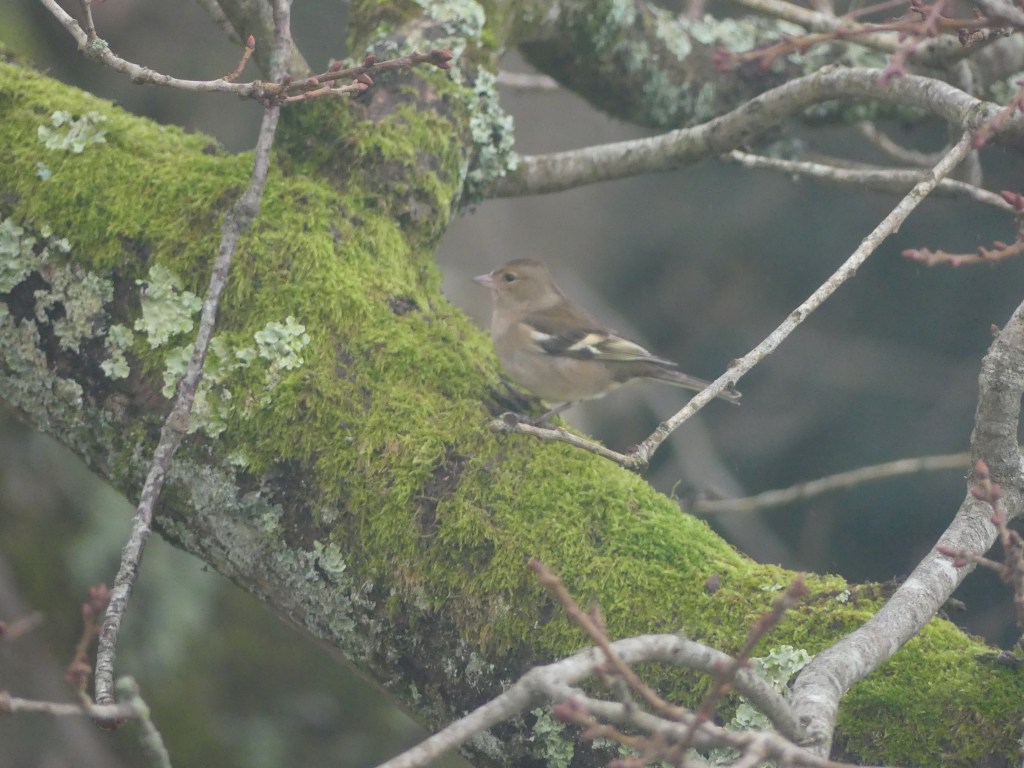
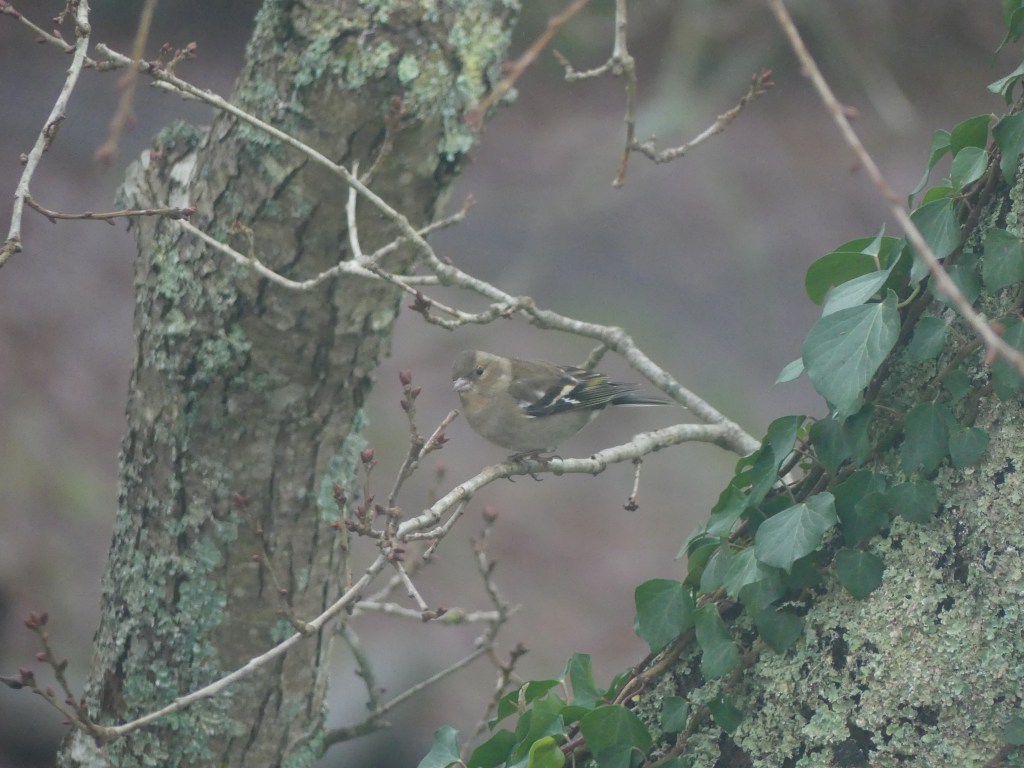
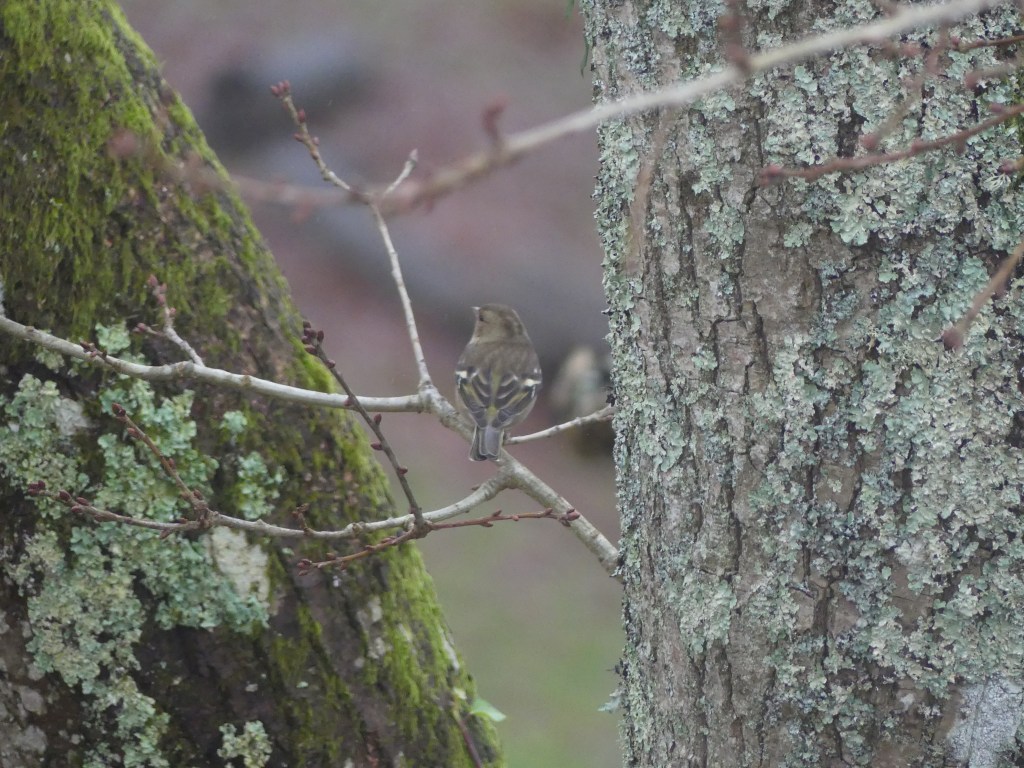
Another 6 birds gathered round in some spindly trees, staring at a pile of seed. Then, one took the great leap and landed, decided we weren’t a threat and started scoffing. But only one more joined him. The first bird had an odd green shade in with his plumage and the green-yellow wingbar said it all. A juvenile greenfinch. The second bird however, had a brown upper back and its wingbar was white. This one was a female chaffinch. Some of you reading might know that mixed finch flocks are quite abundant this time of year.

Through the binoculars, I noticed a large, white speck on the horizon. I focused in and saw an incredible sight. A male goosander. The sleek, oily head met at the lores [the area between a bird’s beak and eye] with the pinky-red, jagged ended bill. They’re not called sawbill ducks for nothing! On the other side of the head stretched a lengthy bright white back. Moving left from the male, two crazy haired females bobbed. The shade of rusty red was similar to the crown of the mandarin but that definitely doesn’t compare with the female goosander’s odd, spiky crest.

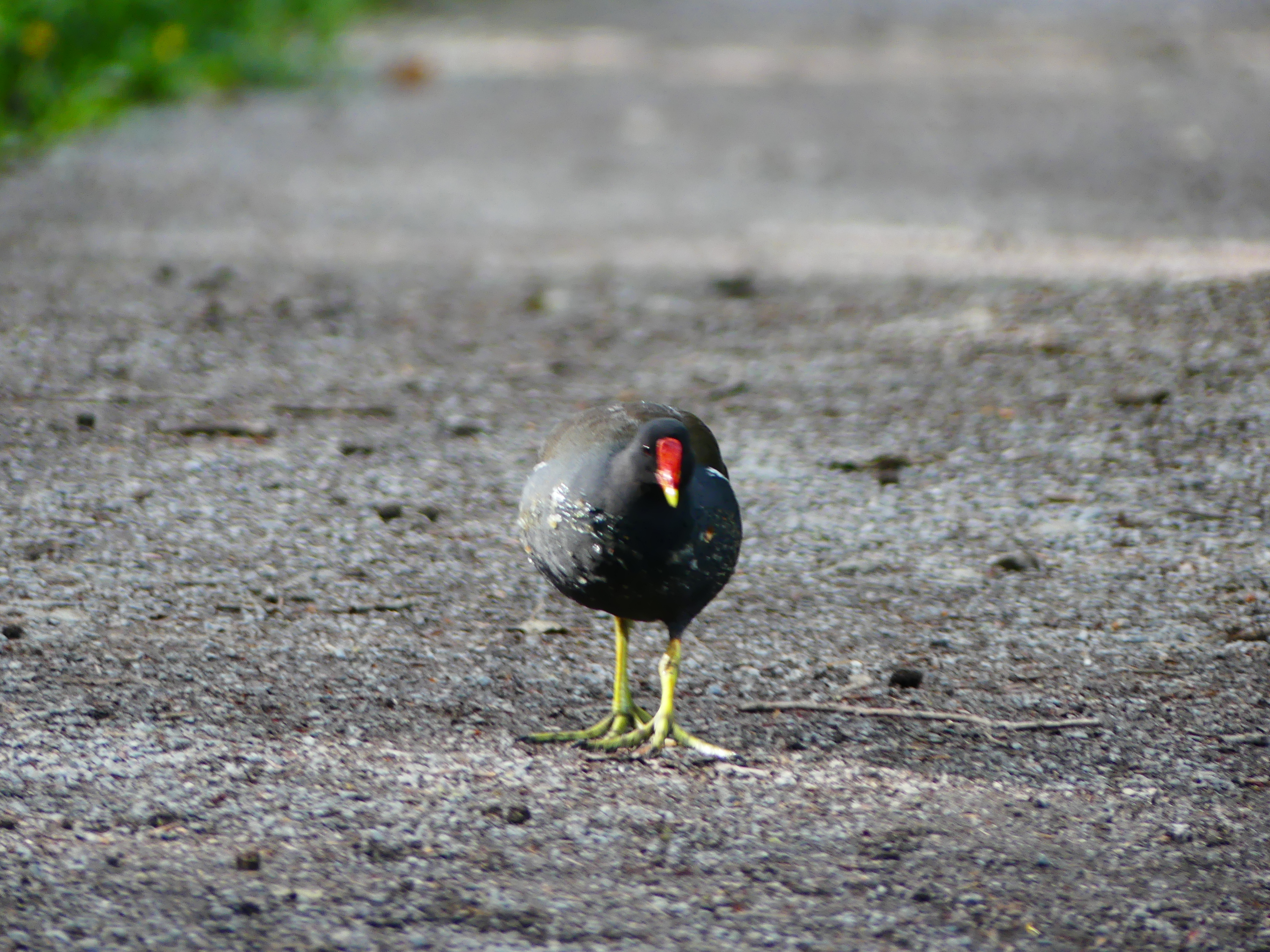
We began to wander slowly on the meandering path. A moorhen caught my eye, nestled under an overhang made of a tree and some twigs. The smooth, subtle mix of blue and black goes perfect with the white flash across its side. If you move up from the back, up the nape and down to the lores, you’ll notice a bright red forehead patch, which then extends down to a small beak tipped with the finest egg yolk-yellow. For now the bird looked quite comical as it jerked its head as it swam.

A similar species that always shows itself here in large numbers is the coot. Its overall colour isn’t glossy but black and instead of a red forehead patch, they have a white. But what strings both species together as rails is their toes! The coot’s toes are each made up of large white sacks that are strung together. The moorhen’s toes are a bit different. They don’t have the white sacks but they have a bit more expected type of feet. First of all, they’re yellow, not white and secondly, they’re a bit more like bird toes but are a bit larger. But whatever characteristics they both have, both of these sets of feet are perfectly adapted to walk through deep mud.

As we walked on, I thought about how lucky I had been so far. But the best was yet to come. We rounded a corner and had a good view of some reeds in the centre of a miniature pond fed by a compact channel. There was a small bird clinging to a reed, having an everlasting conflict with a coot. A wave of shock took over my body and suddenly I could only watch. A kingfisher. The vivid, intense blue on the back shined in the evening light. A sharpened, dagger-like bill jutted from the head and a small, black eye stared at me, gleaming with concentration. The orange belly was rich in colour like a tangerine held up to the sun. My word.

Unfortunately, I didn’t get long to enjoy it. A large heron darted in, causing the kingfisher to scatter out to the reedbed. We didn’t see him again. But still, the heron stood in the shallows, majestic and regal. The polished grey met in perfect contrast with its white belly stripe and the black eyebrowed face glared at me. I struggled to take this all in. The gigantic legs projected from the hunched underparts as the heron stood dead still, waiting for its moment to strike.

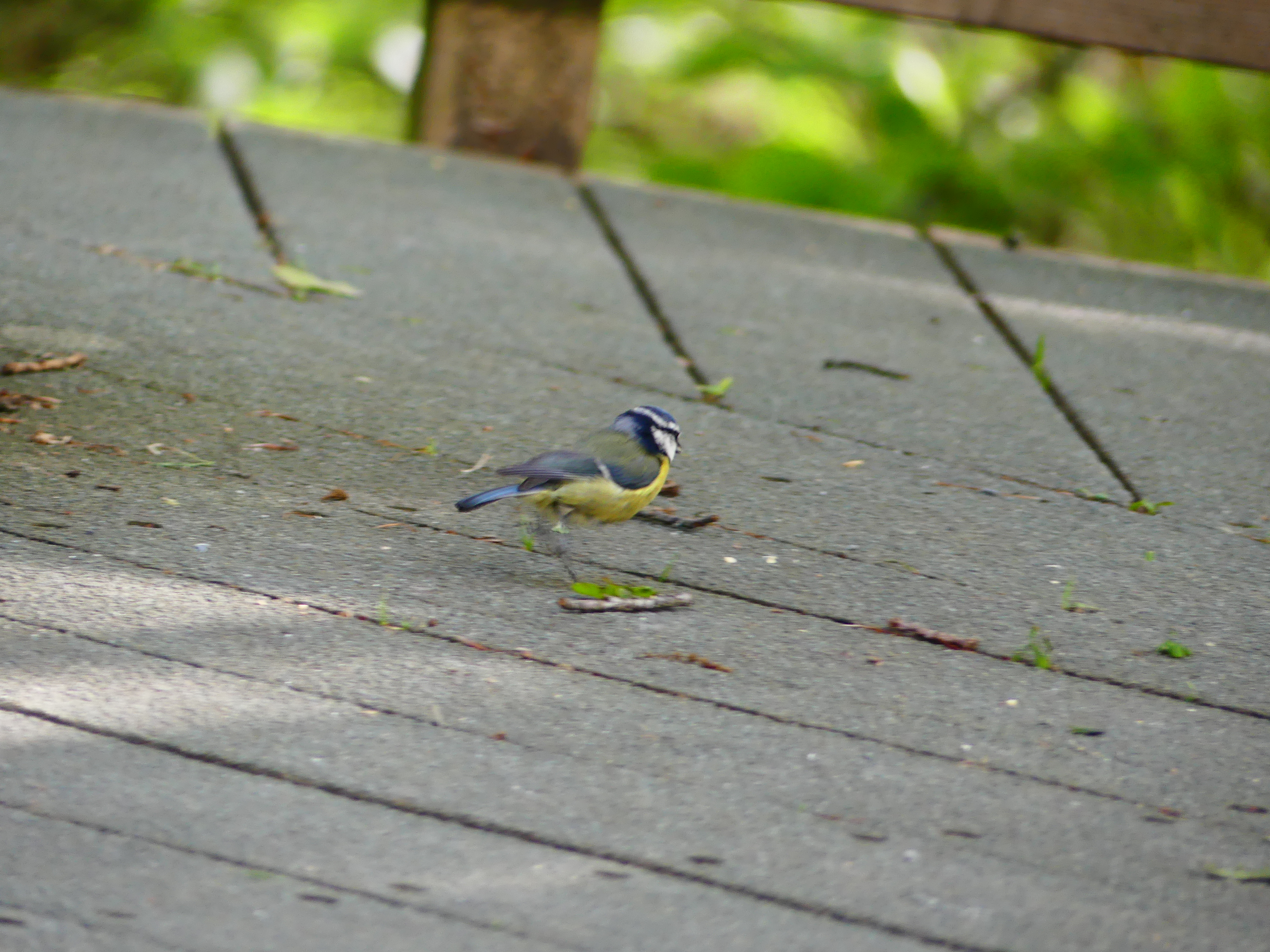
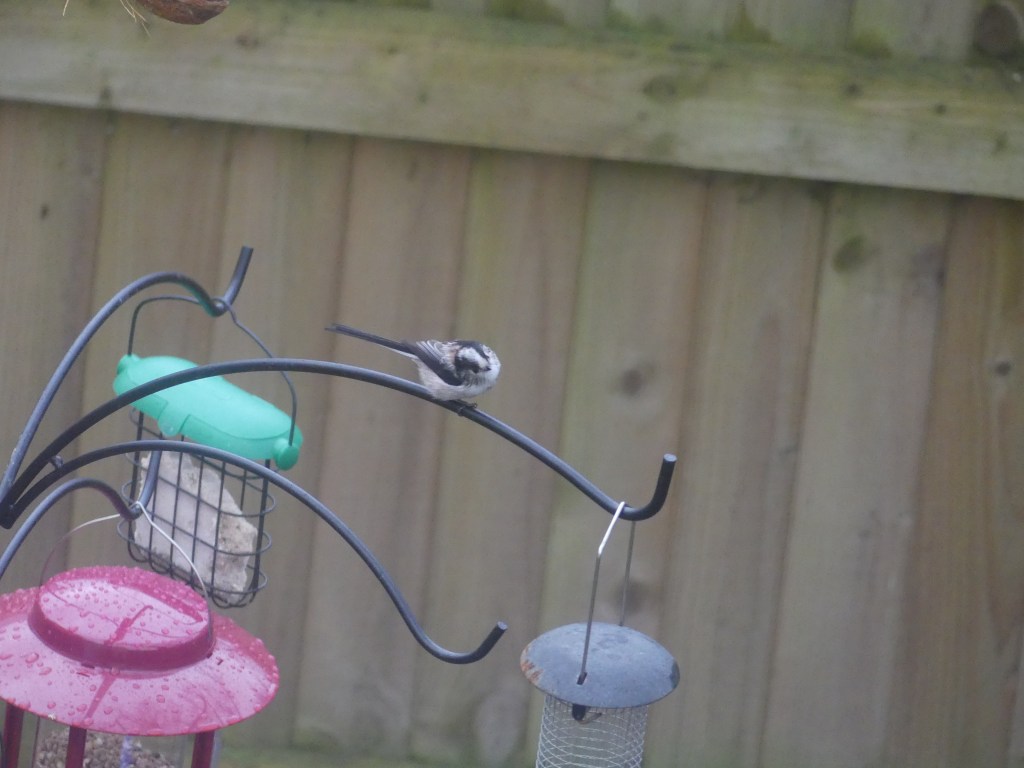
Swerving around the lake, we reached the bird feeding area. A wide, wooden plated boardwalk led up into the mixed woodland. Slim stilts jutted from the forest floor as we headed up silently. Two female pheasants stood, stabbing at seed left on the floor by the passerines. A gang of long tailed tits waited, scattered high and low in enormous oaks and slim silver birches. Suddenly, they all darted onto the feeder at once, stuffing their stubby bills into the feeder ports. Their long, slender tails extended from the ball shaped body and drooped down. Long tailed tits were always one of my favourite birds, mainly because they’re so sociable. They always turn up in groups of at least three and I guess I admire that. One of the true tits, the blue tit scouted out the black sunflower and then fluttered up with the long tailed tits.

What brilliant birds.

There’s also one more thing. I use a birding platform called Ebird to record my sightings and be part of a birding community. When I submitted this list to ebird, I then became second in number of species at this location. My stover life list now numbers 51 species and counting!

Garden Birdwatch Result: 22.1.21

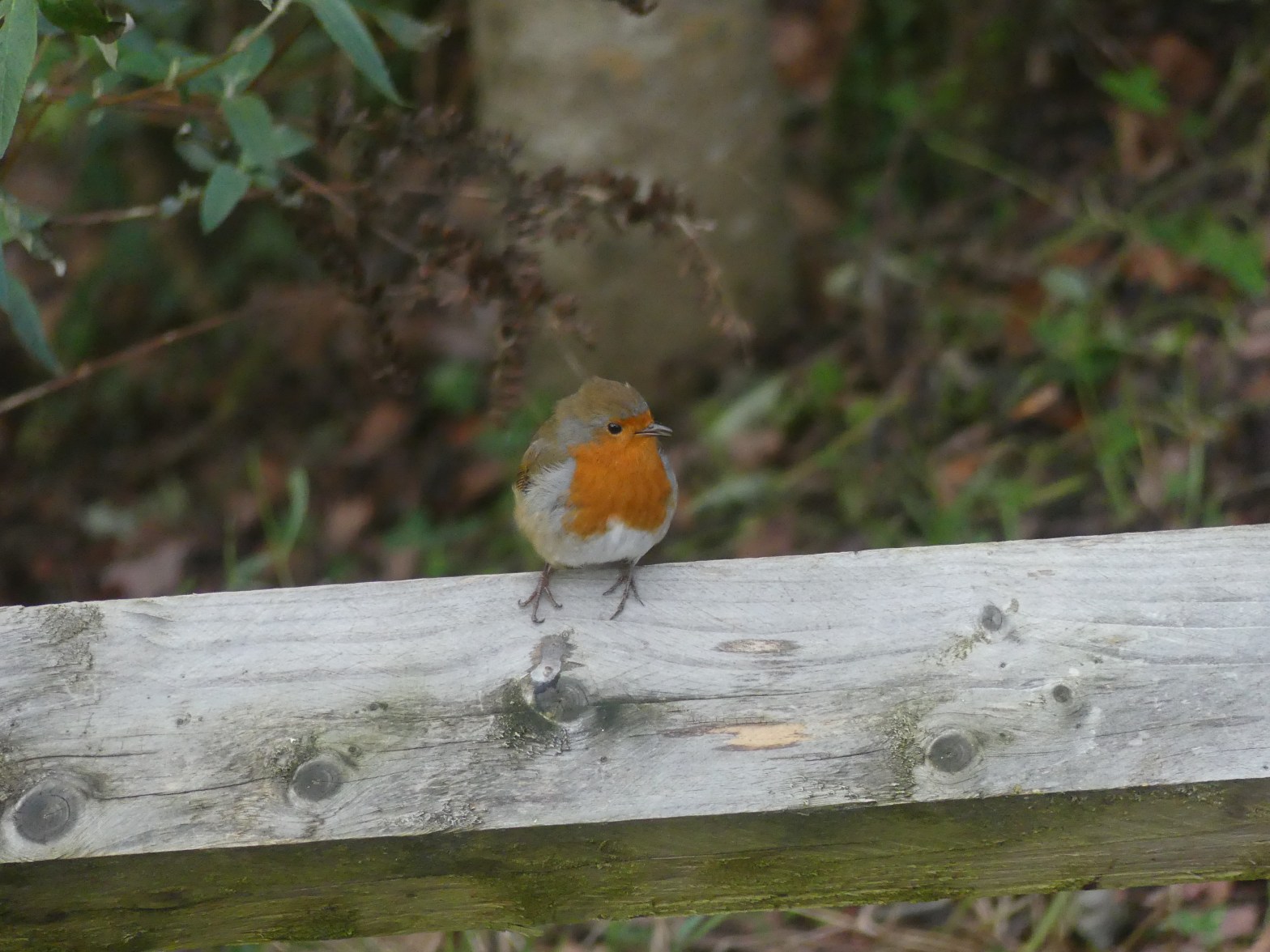
Usual species on the feeders today. With the weather though, quite a lot. The robin doing its regular hummingbird-like hovering around the suet cakes. The long tailed tit gang scouting the fat-balls. The nuthatches and tits gorging on the black sunflower.

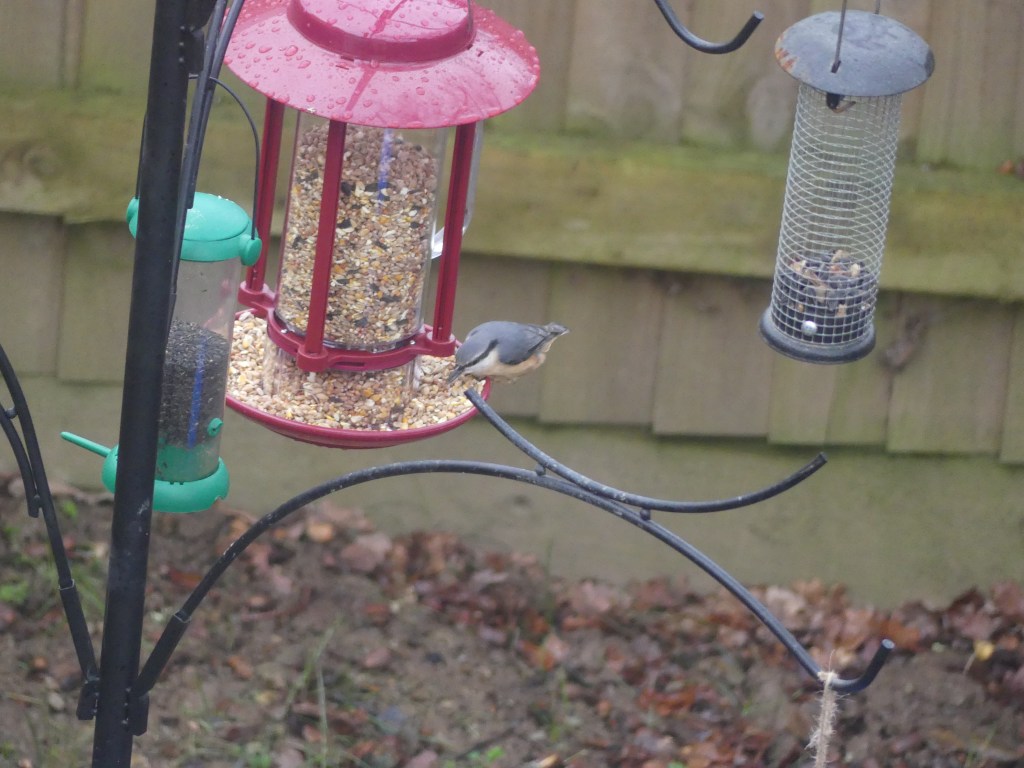
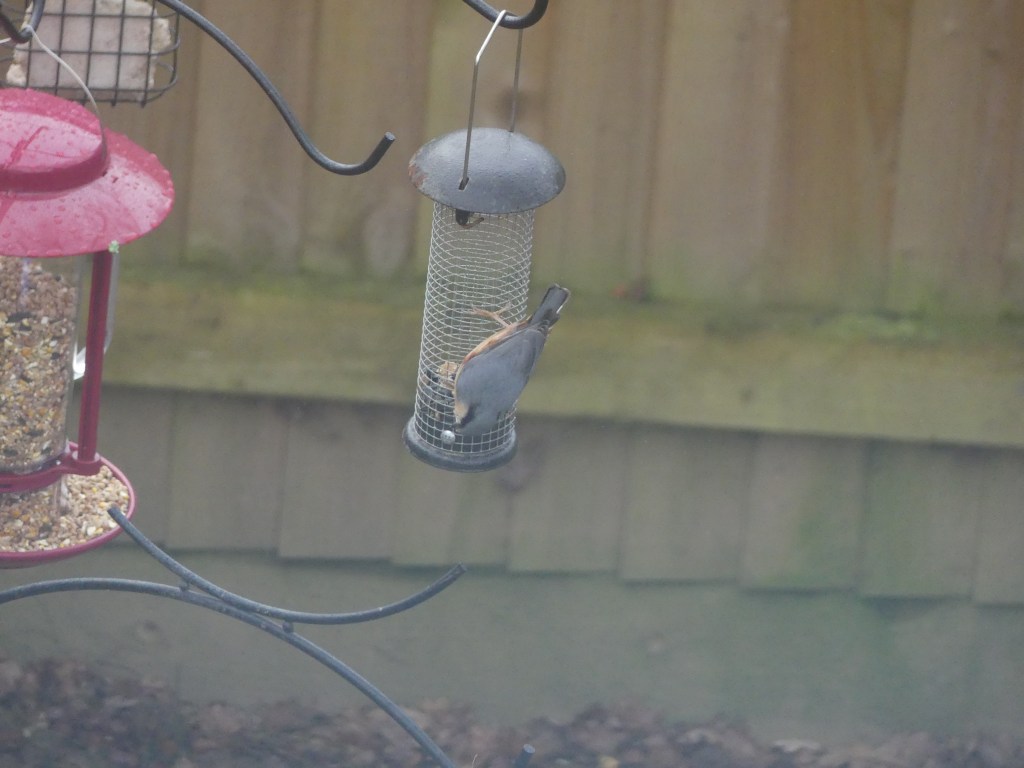
My brand new feeder have been coming into their own lately. I got it for my birthday and they’re very appealing to robins and blackbirds. With a bulky look, the feeder’s overall structure is interesting. A large, wide tube with a large tray on the bottom. The seed falls onto the tray and the birds that are used to feeding on the ground don’t have to cling precariously on the other hanging bird feeders.

Our local great spotted woodpeckers have been getting bolder about the new feeders we put up. In the end they got used to them and went back to their normal lives. Eat, Eat, Repeat. I’ve been noticing a build up of chaffinches in the area but only the bolder ones have been daring to visit the garden.

A more unusual visitor to our garden appeared amongst the regular blackbirds. A magpie investigating and eventually gulping down the fallen seed.

All in all, a very good day in the life of our garden birds.

After Christmas

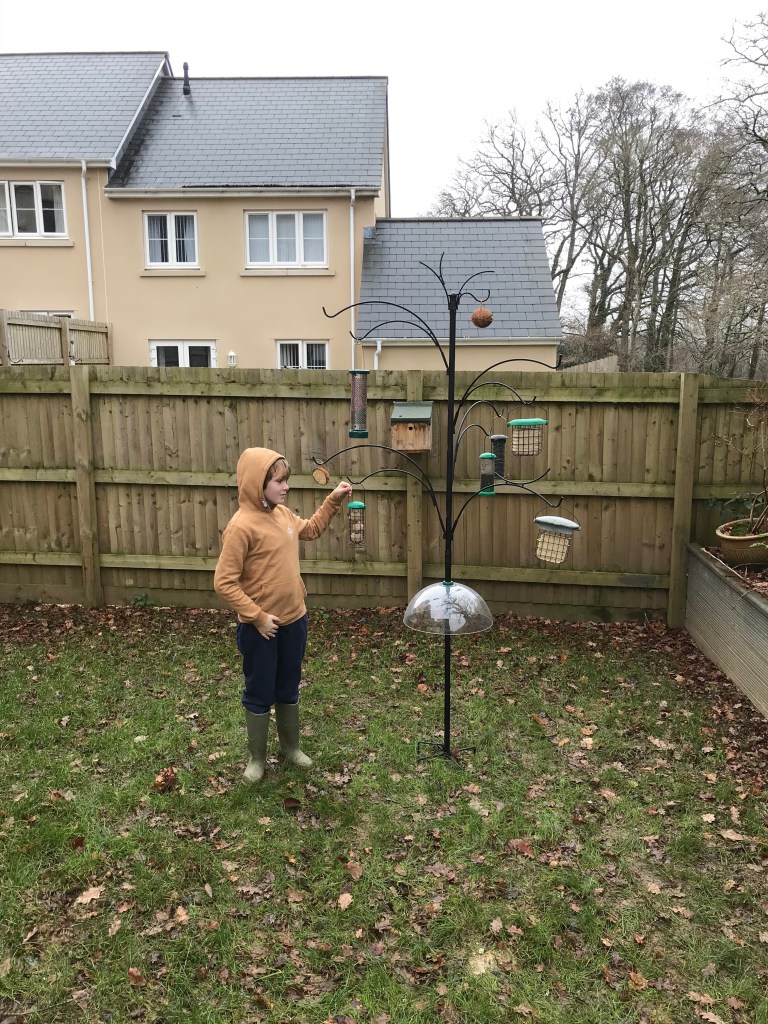
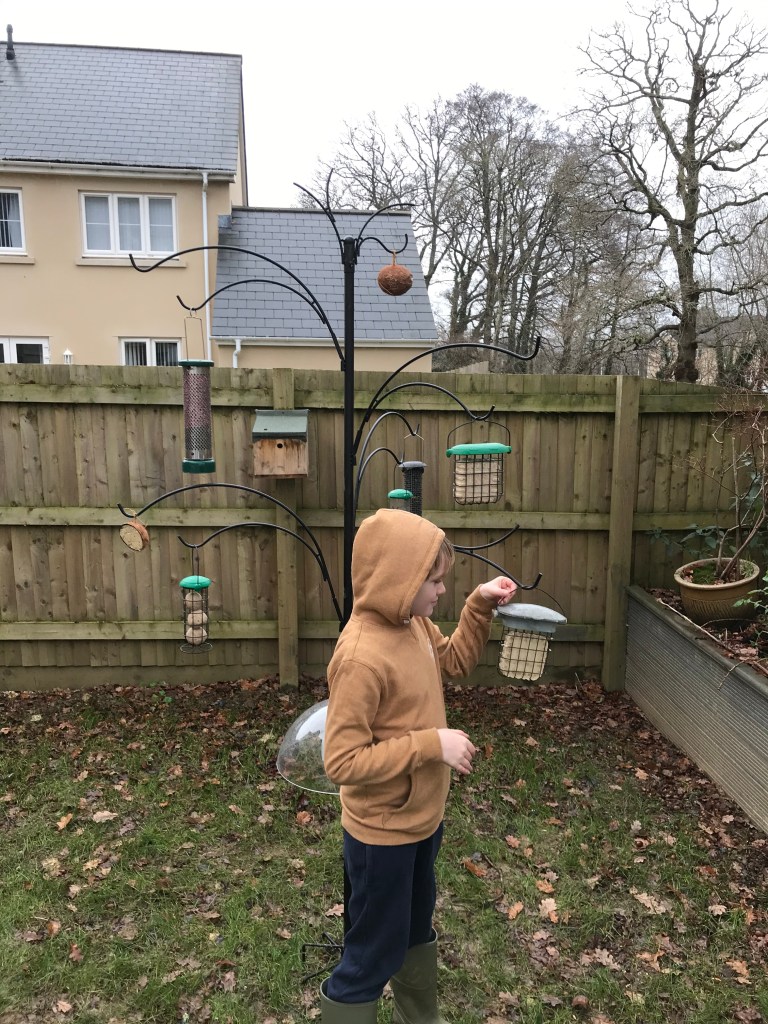
As a gift, I recieved a bird feeding station and some bird food for christmas. Since we hadn’t fed the birds for a while, I decided to put it up.

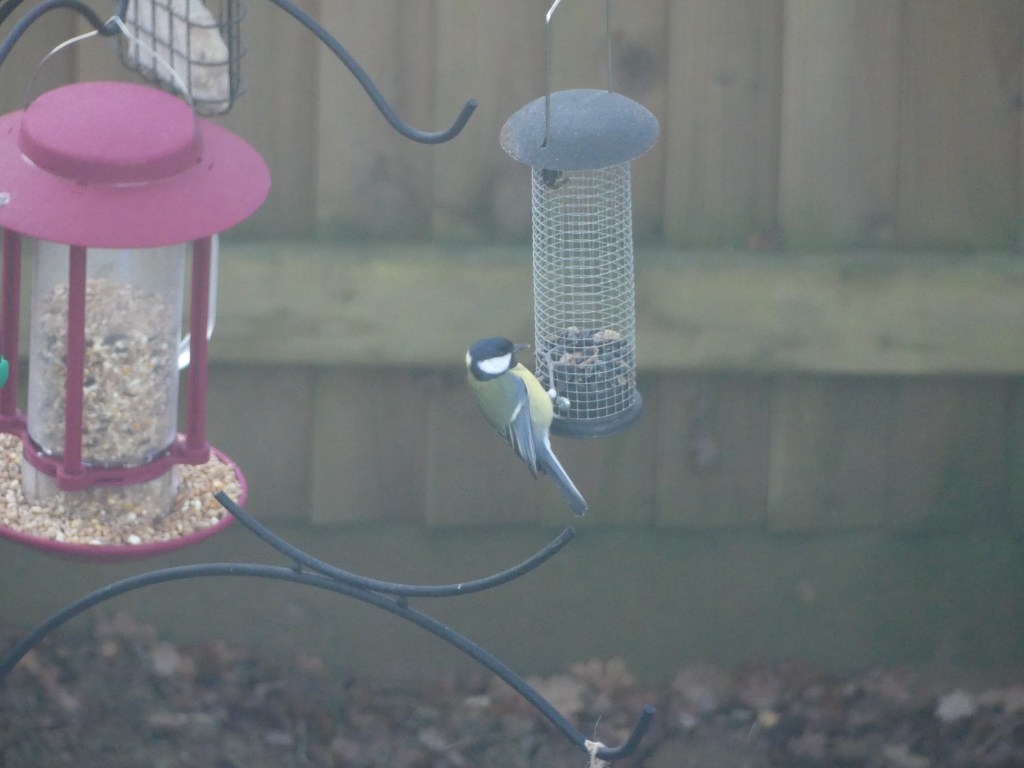
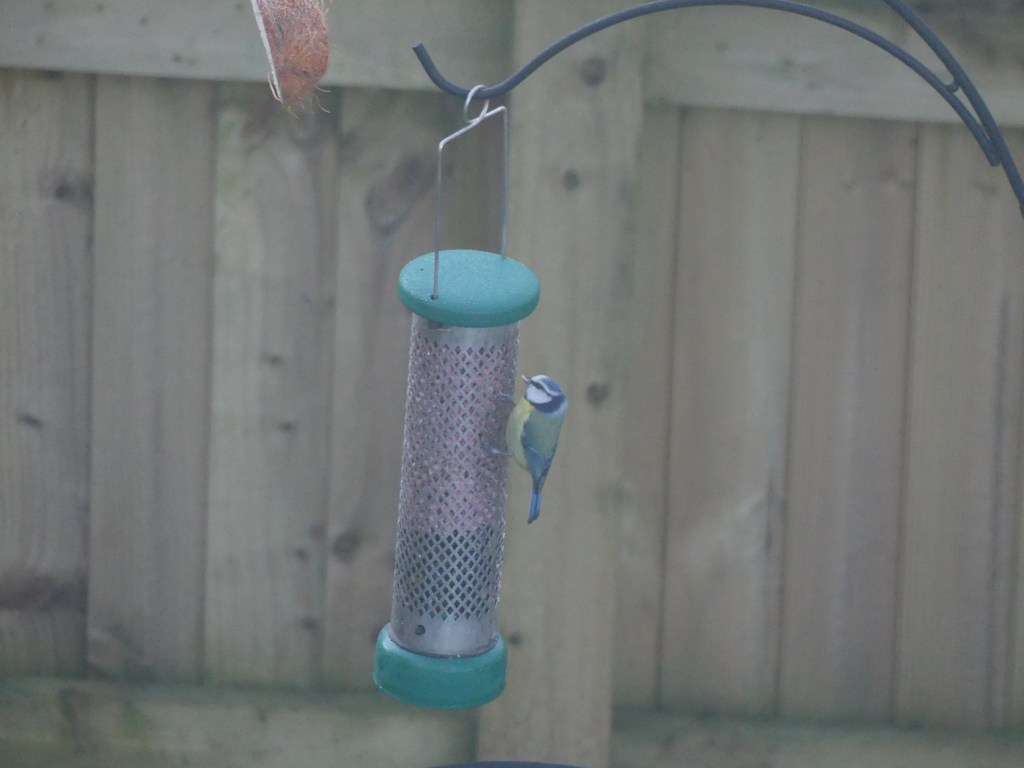
The pole now stands at the centre of the garden with 8 feeders hanging from it. Mainly suet with a couple of feeders with sunflower and nyjer. Since we put it up, the birds have come flocking back. Robins and sparrows, blue, great and coal tits, nuthatches and a woodpecker, woodpigeons and crows and a treecreeper.

Now, our garden list is nearly 50 strong and contains flyovers and birds in the garden and around the house.

  1. Goldfinch
  2. Chaffinch
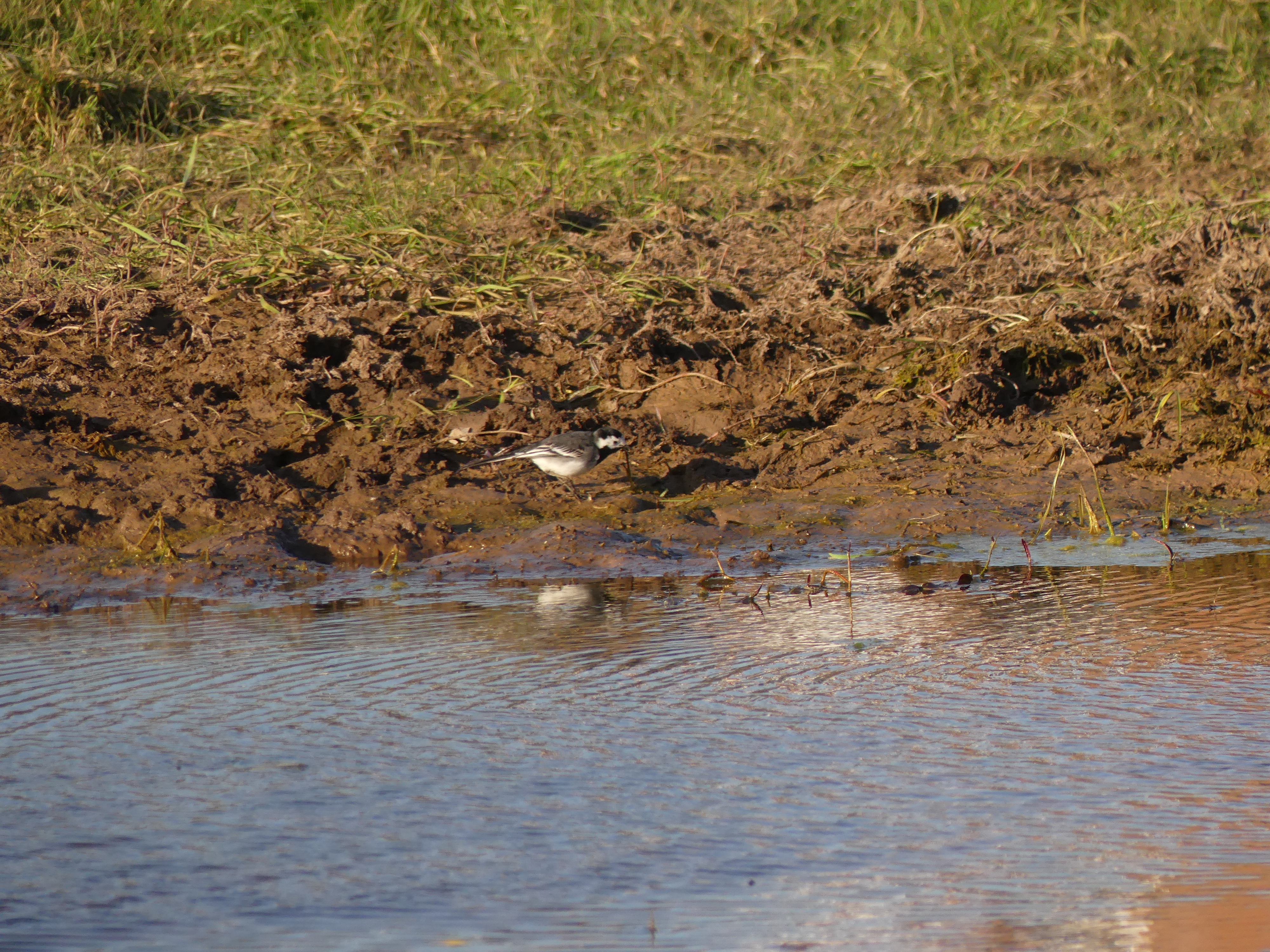
  3. Pied wagtail
  4. House sparrow
  5. Dunnock
  6. Robin
  7. Blackbird
  8. Song thrush
  9. Wren
  10. Treecreeper
  11. Nuthatch
  12. Goldcrest
  13. Long tailed tit
  14. Swallow
  15. Great tit
  16. Blue tit
  17. Carrion crow
  18. Jackdaw
  19. Magpie
  20. Jay
  21. Great spotted woodpecker
  22. Buzzard
  23. Sparrowhawk
  24. Grey heron
  25. Cormorant
  26. Herring gull
  27. Common gull
  28. Swift
  29. Collared dove
  30. Woodpigeon
  31. Pheasant
  32. Red legged partridge
  33. Mallard
  34. Canada goose
  35. House martin
  36. Rook
  37. Kestrel
  38. Lesser black backed gull
  39. Starling
  40. Coal tit
  41. Bullfinch
  42. Chiffchaff
  43. black headed gull
  44. Green woodpecker
  45. Willow warbler
  46. Blackcap
  47. Black tailed godwit

I am planning in the future to expand this feeding station with more various bird foods and feeders. I should like to try and attract some finches to the garden as they are in the area, but they only visit the garden occasionally. To achieve this,I think I should try and put more sunflower and nyjer feeders out. I would also like to buy a bird bath in the future to complete the mix.

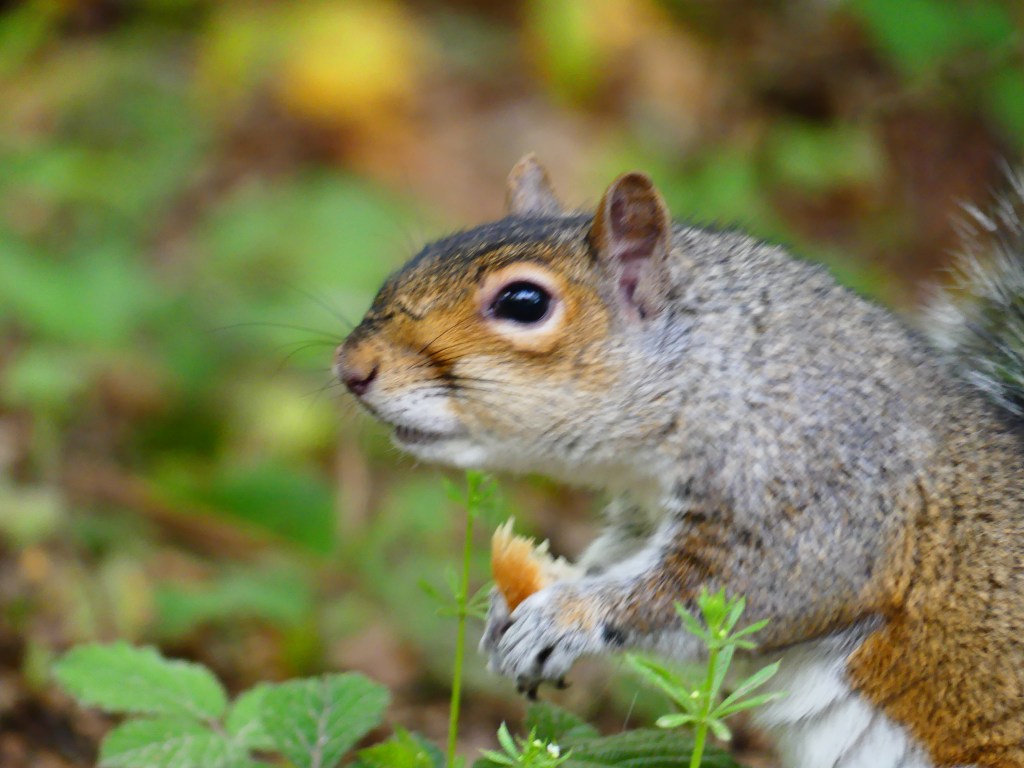
We have also observed squirrels trying to get to the food but being completely baffled by our squirrel baffle. They have now turned to snacking on wind fallen acorns.