And now, the answers you have all been waiting for…
Mystery Bird 1
I have small spots and I am a common garden bird in some places. I am very similar to a blackbird and I sometimes do something called a murmuration.
I am a starling!
Mystery Bird 2
I am often seen flying over places but not usually on the ground. I can be seen in the Uk in spring and summer and have a distinctive forked tail. I am also very similar to a swift.
I am a swallow!
Mystery Bird 3
I am a stark black and white bird and I like to eat insects. I am sometimes seen hopping on lawns and I like to bob my tail up and down.
I am a pied wagtail!
Did you get 100%? Let me know if you did. I would love to hear!
This post is a little different from my usual ones as I wanted to introduce you to one of my favorite nature based artists. I met Ben through some of the shows that my parents exhibit their work at and this sparked a great relationship. I am always excited to find out what he is doing next!
Ben is a product based printmaker and artist who works with Lino and Screen print media. He creates textiles, ceramics and paper products and prints using motifs and surface designs with just a touch of whimsy. More recently, Ben has been working on a series of fine art prints. Personally, Ben is my favourite nature based artist and his work is absolutely incredible!
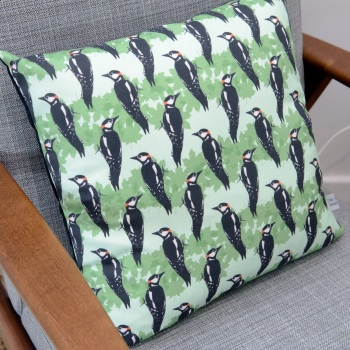
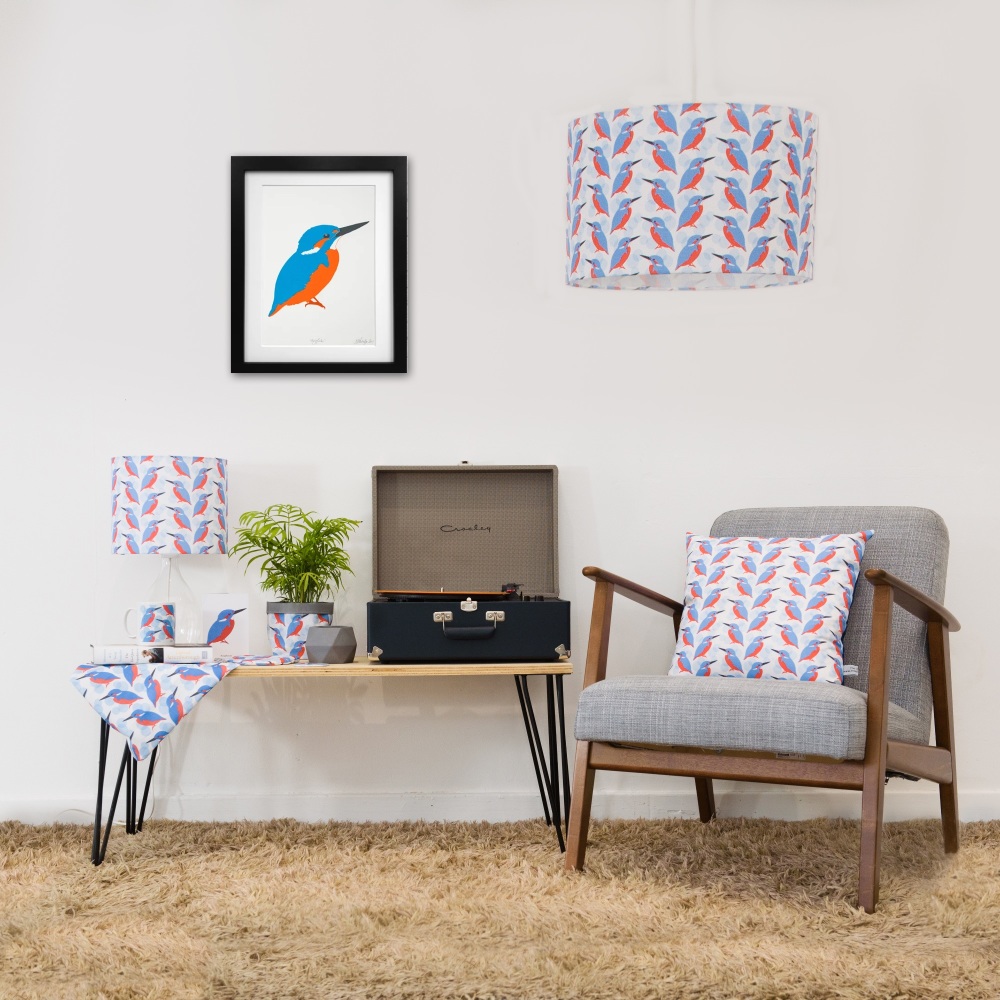
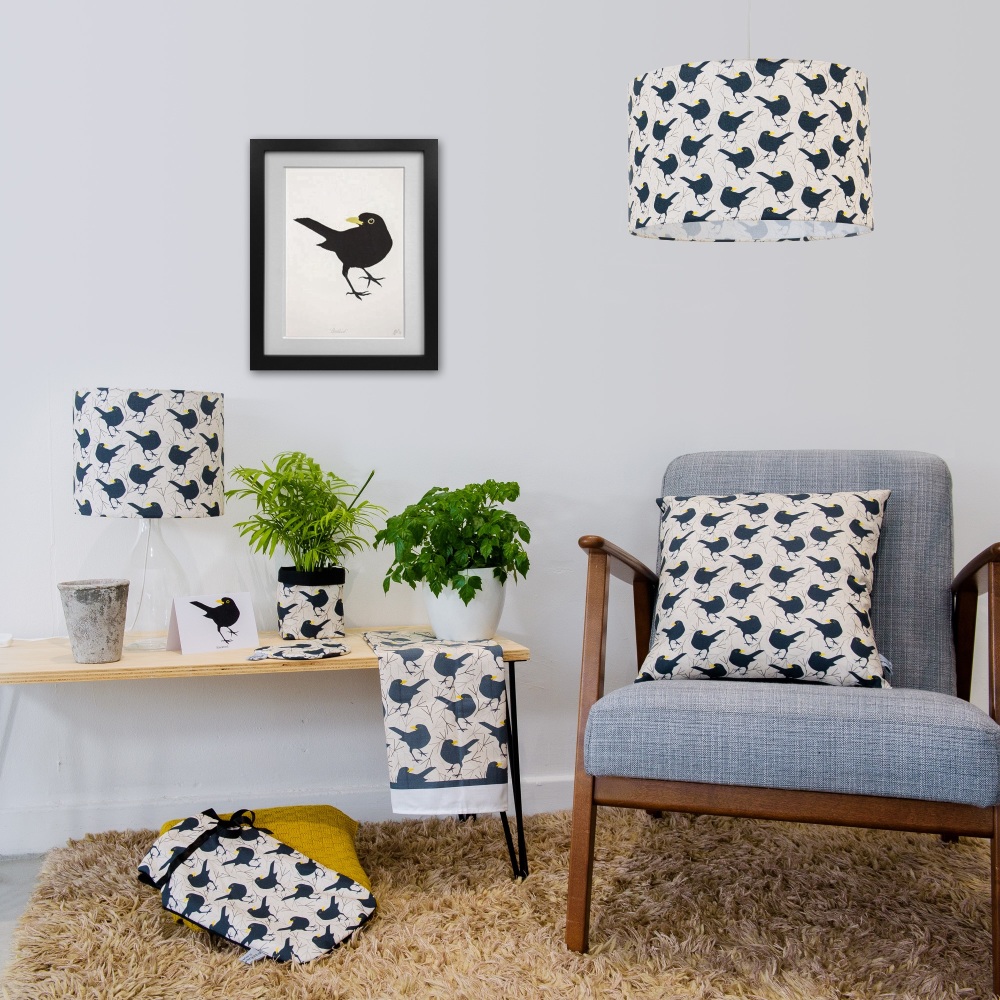
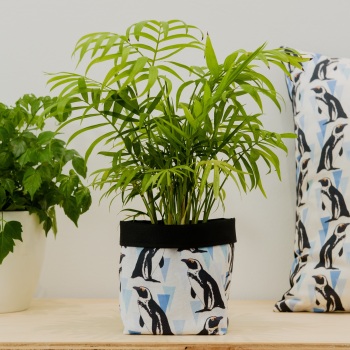
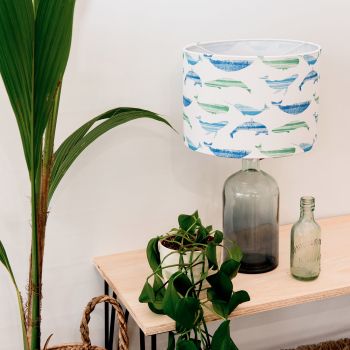
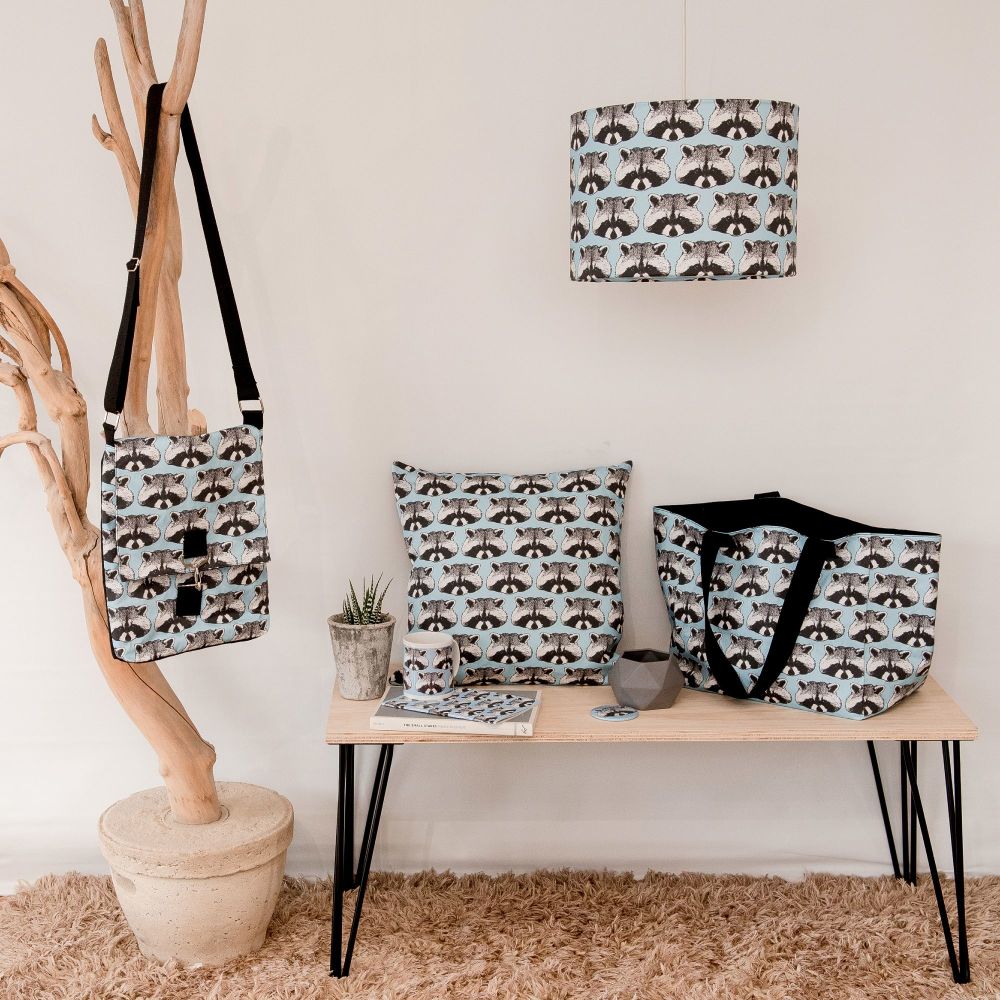
Ben makes a group of amazing products which include cushions, coasters and placemats, prints and more. Most of his products belong in a group that has its own theme. For example, Ben has kingfisher cushions, prints, lampshades, coasters and even plant pots! Other themes include great spotted woodpeckers, blackbirds, penguins, cetaceans and racoons.
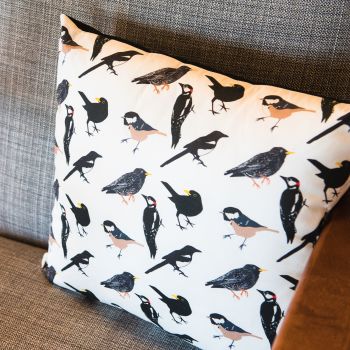
Ben is one of my online friends and I love his work. I collect his prints and I have a kingfisher coaster and a multi-bird cushion. I would recommend his kingfisher collection and all of his prints. The prints are so very detailed and colourful and he has a number of different birds and animals on them but personally, I think his bird prints are the best work he’s ever done. He even made some of my suggested bird prints.
Gallery
Ben’s Great Spotted Woodpecker CushionBen’s Blackbird CollectionBen’s African Penguin Plant PotBen’s cetacean LampshadeThis is Ben’s Racoon CollectionBen’s Multi Bird CushionThese photos are from the Owlery
Interview
I asked Ben some questions and here’s what he said:
The first question I asked him was what was his favourite bird. Here is his answer:
“My favourite bird is probably a hummingbird ( although I know it should be some sort of owl or at least British bird but alas, no!). The reason I like hummingbirds is firstly because of the huge array of variation in species. There are over 300 types of hummingbird which is pretty amazing and every time I go to the natural history museum in London, I love to look at the hummingbird display which must have been beautifully colourful back when it was made. Secondly I love the iridescent colours and how a hummingbird’s feathers change colours in different light. I have never printed a hummingbird because I would struggle with the metallic colours in the feathers.”
2. The second question I asked him was what is your favorite piece of work you have done. Here is what he said including an exclusive for the Bovey Birder announcing his new releases!:
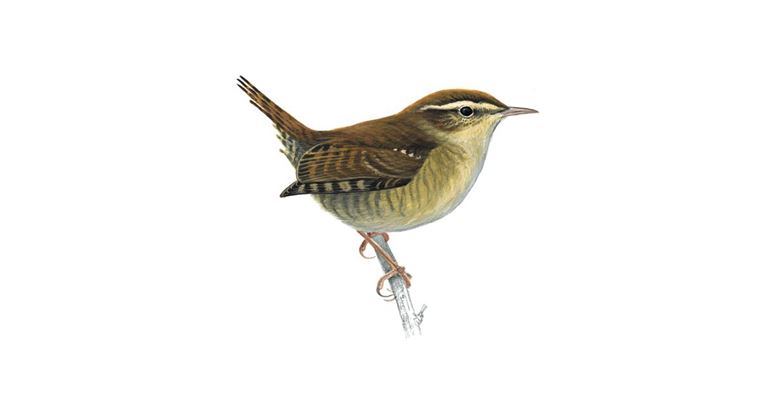
“My favourite designs are actually new design which I haven’t released yet. This year I am releasing 4 new design: blue jay, bullfinch, wren and waxwing. I think my favourite of the new designs has to be the waxwing and wren. I think these designs are more complex than my previous work and I happen to love both Wren’s and Waxwings. Wrens have a really distinctive tail shape and waxwings have a wonderful flash of yellow and orangey-red. To me, waxwings always look like they have wonderfully smooth feathers which makes then stand apart from most birds.”
3. The third question I asked him was what first got you into birds. Here is what he said:
“I started to illustrate and print birds because I became really fascinated with the variety of species, the array of amazing colours and the different shapes and sizes. Not only that but we see these wonderful creates every day and we can really take for granted how beautiful they are. One of my favourite British birds is the house sparrow and many of us take this amazing bird for granted. We see house sparrows around so often and we rarely stop to look at them but they are beautifully coloured in grey, black and shades of brown.”
4. The fourth question I asked him was at what point do you decide that one of your drawings is finished and does not need tweaks. Here is what he said:
“This is a tough decision! I create stylised prints with slightly exaggerated colours which means they are not totally true to life. I try and keep my prints as simple as possible and sometimes I work on a print for so long that I over work it and have to start from scratch. I usually ‘go with my gut’; it’s not easy to describe when a print is finished, I usually look at it and ‘feel’ that it is finished. Sometimes I go back to old work years later and realise that it was never finished and work on it again.”
5. The fifth question I asked him was what was your very first piece of work you made. Here is what he said:
“The very first print I made was a large 30cm square lino cut which is now my logo. The design was an Owl face and I made a very limited series of prints as well as a textile design. My work moved on very quickly and I haven’t produced the surface design for a long time but I still very much liked the design so adopted it as my logo.”
6. The sixth question I asked him was can he explain his printing process. Here’s what he said.
“I use a process called screen printing to print my work. I start by hand illustrating the image I want to print using a dip pen and acetate, separating each colour onto a different piece of acetate. I then transfer the image to a silk screen using a light sensitive emulsion, a silk screen and a 1000 watt bulb. Lastly I print my work by laying each colour down onto the paper one by one, pulling ink across the screen using a wood and rubber tool called a squeegee. I have a demonstration video on my website which can be found at www.theowlery.co.uk“
7. The seventh question I asked him was what his favourite nature based artist was. Here is what he said:
“Asking this question to a makers is really tricky because there are so many! I really love Folded Forest, they make beautiful screen prints and I have a few small wooden wall plaques with a range of woodland animals on. My good friend James Green is a really great printmaker who makes fantastic lino cut prints of donkeys. You never see many donkeys in prints and his prints are so fun, telling a story with each image. The last artist that I would recommend is Mister Berwyn. Me and Amy are really good friends and her paintings are so beautiful, I have a rabbit cushion in my bedroom and every rabbit has a different comical face, she paints with such character.”
8. The eighth question I asked him was if you could choose any bird, which would you draw. Here’s what he said:
“I am hoping to start some bigger tropical birds soon including a toucan, a quetzal and one of my all time favourite birds…a Hornbill. I have mainly printed domestic birds because they tend to be more popular and relevant to people in the UK but I love tropical birds and they are more challenging to print because of their size. Also some tropical birds when they display are very strange looking and therefore very challenging to draw and make them look realistic.”
9. The last question I asked him was what was his favourite bird joke! Here is what he said:
“I love this question! What do you call a Parrot that flew away? A Polygon!”
I really enjoyed asking the questions and Ben’s answers were great! I wanted to ask these questions as I like to focus on the tiny details as they are always what make a person.
I just want to say thank you to Ben for answering the questions. It was very kind to give up his time for this. I can’t wait to buy his new prints and put them up on my bird art wall where Ben’s work features heavily!
If you want to read more about Ben’s work here is a link- Owlery
If you want to look at more of Ben’s products, here is his etsy shop
I have realised I am using a lot of phrases and words that a lot of people don’t understand. Let me know if there are any words of phrases you would like me to add to the list.
lifer- a bird I have never seen before
RSPB- royal society for the protection of birds
Transatlantic- an Atlantic crossing
Vagrant- a bird that does not belong where it is
Migration- the spectacle where birds fly to somewhere for winter or summer
Rarity- a rare bird
Tidal Flat- a patch of mud covering a large area on the coast
Flock- a large group of birds
Bird Hide- a place where you can watch wild birds closely
Plumage- a bird’s feathers at different times of year
Juvenile- the third step in a bird life cycle
Immature- the fourth step in a bird life cycle
Eclipse plumage- a plumage that comes into view when a bird is in the middle of moulting
Moulting- When a bird or animal sheds its old coat and grows a new one.
We had parked the car and were getting out. We were at RSPB Arne in Dorset. Now I know I am usually based in Devon but we were on holiday for my birthday. We had started walking. One of the main RSPB reserves, Arne held the last population of dartford warblers in the UK back in the 1960s. The path took us to a section where there was heathland one side and a few fields on the other. On the heathland, I was hoping to see a dartford warbler as Arne is quite famous for them. In the field, there was a very dishevelled looking wood-pigeon.
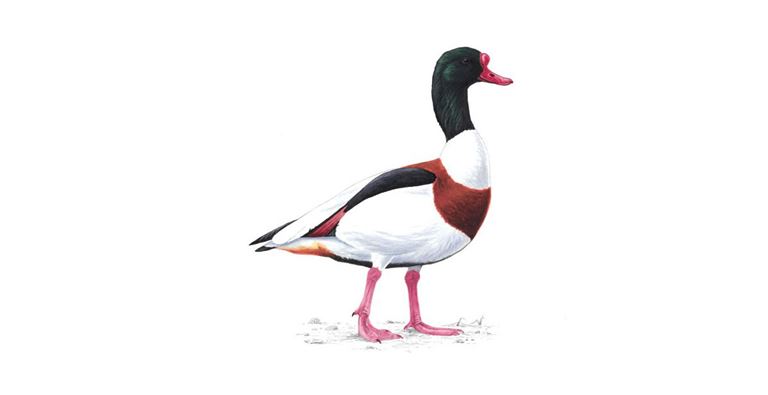
We carried on and found a good vantage point looking out over some tidal flats. We set up the scope and looked out. There were plenty of shelducks and groups of herring, common , lesser black backed and great black backed gulls. There weren’t any wading birds apart from a lone dunlin.
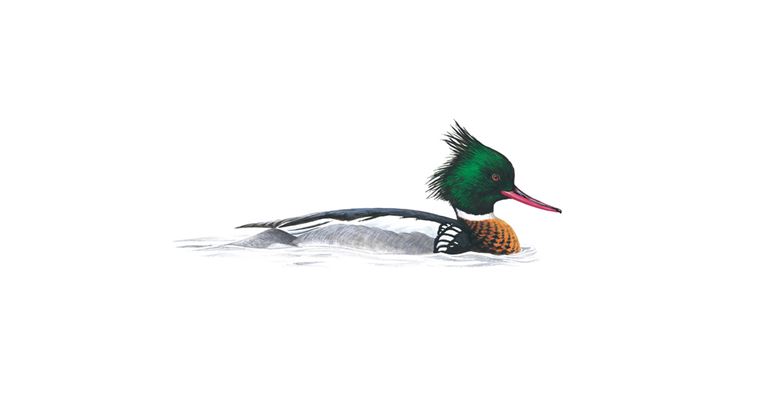
We carried on and the path took us to a sort of small beach. There was a cliff above it and a viewpoint not on the cliff but on a bank looking over a section of reeds. We could see brownsea island from there. Then, out of the reeds, 2 ducks swam. We got the scope on them quickly. They were some kind of merganser but they were not goosanders. We looked through the field guide and discovered they were red breasted mergansers. The first lifer of the trip. It was amazing to see them as they are not that common around here.
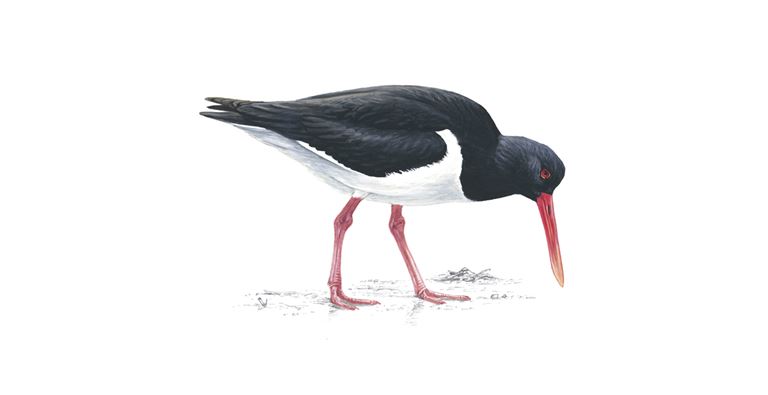
We walked down to the beach and sat on a beach. We were just by poole harbour and on the banks of brownsea, there was a group of roughly 60-70 oystercatchers. These wonderful black and orange birds were wading in the shallows.
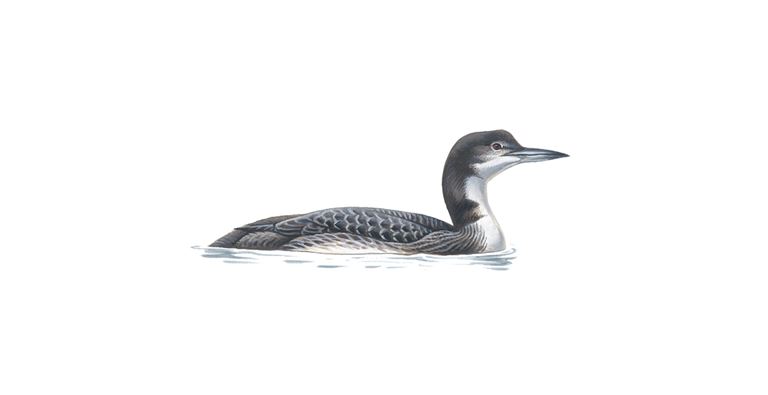
We climbed the path that led up the cliff and it turned out to be a really great vantage point out over the harbour. There was a group of ducks swimming about. We quickly got the scope on them and they turned out to be mallards. Then, we turned our sights to something else out on the water that kept diving under. We followed it with the scope until it came up again. It was some kind of diver in winter plumage. We looked through the field guide again and discovered it was a great northern diver. Amazing. I felt great to have seen 2 lifers already! In America, the great northern diver is called a common loon!
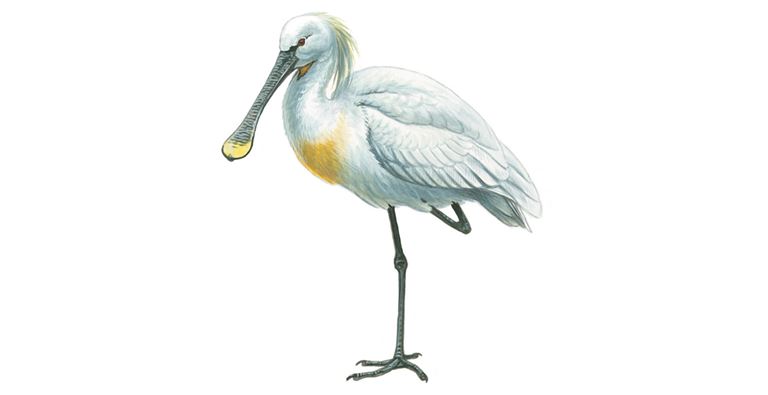
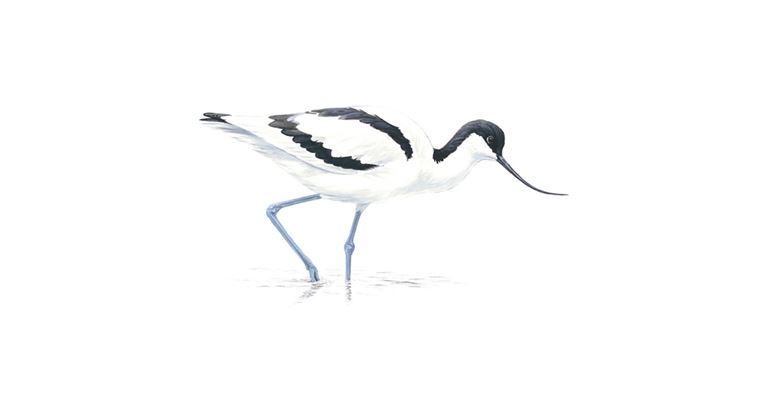
We carried on and eventually came to a boardwalk to a woodland. We carried on across it and found a bird hide! We went inside and found a great vantage point across a wetland! Firstly, there was a redshank really close to the hide and a few black tailed godwits further out. The gems of the crown were sat on an island out in the middle. Spoonbills. There were about 5 or 6 and there bills were unmistakable. A very scarce bird in the UK, the spoonbill has declined dramatically due to the drainage of wetlands. I was amazed to see that a population had survived here. There was also something else out in the middle, hidden behind some foliage. We waited for it to come out into the open. That stark black and white plumage suggested one bird. An avocet. Amazing.
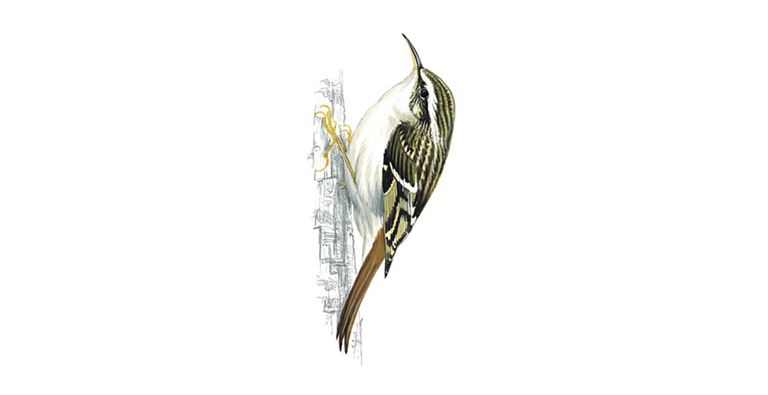
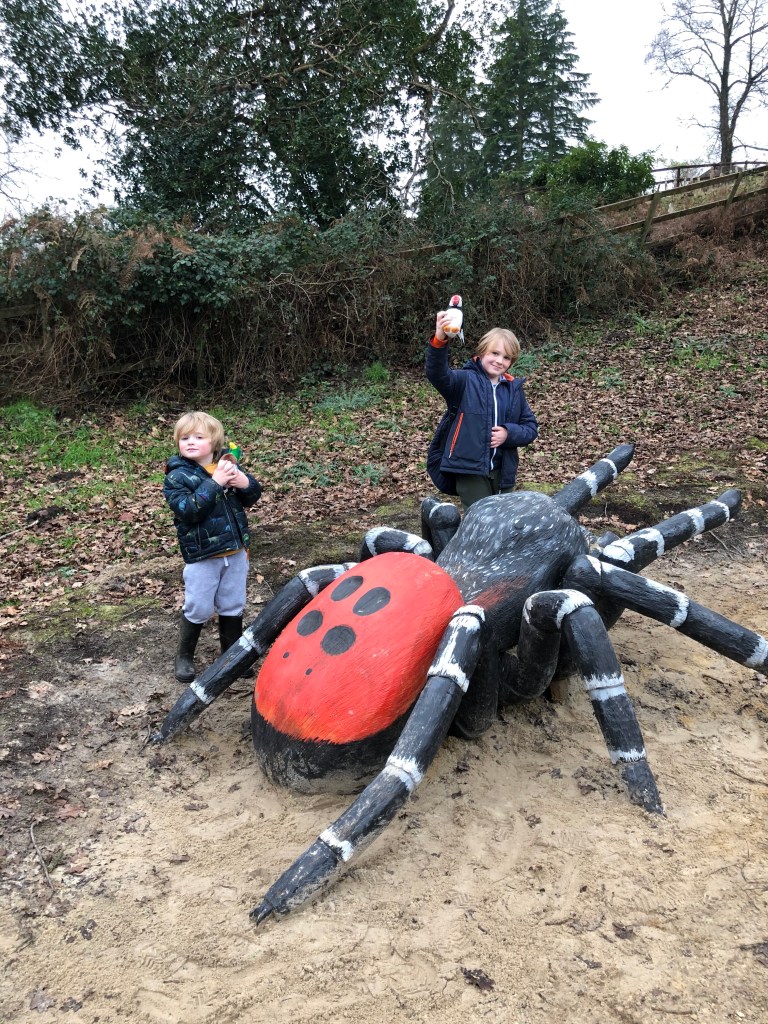
When we left the hide, we saw some other birders looking up at the trees. We asked them what they were looking at and they said that they had found a treecreeper. I lifted my binoculars and saw it. Very hard to see against the pine trunk. Wonderful. We stop at a playpark in a field so Bertie can have a run around but when we were making our way up, something very weird happened and I mean weird. We were climbing the hill and suddenly, out of nowhere, A cow came charging at us! We got through the gate quickly and he ran off into the middle of the field.
After this, we decided to make our way to the cafe to have some wind down time. After that, we popped into the visitor centre. There was a selection of bird skulls and feathers and there was a bird feeding station outside. I had a lovely long chat with an RSPB worker and in the end, I got a free book titled “Birds Of Britain”. I would recommend this book as it is quite informative and a very good field guide when you are out birding.
If you want to read more about RSPB Arne, here is a link: Arne
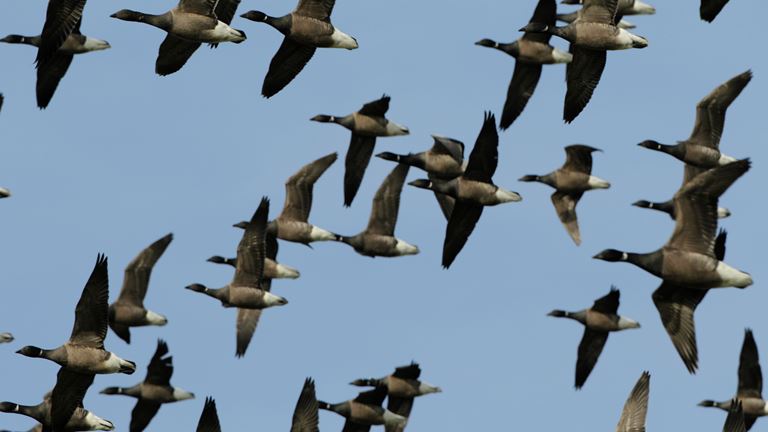
Today I am going to review the darts farm wetlands from my perspective. Address: RSPB darts farm, Topsham rd, Exeter EX3. This reserve is particularly good for brent geese.
When you reach the car park, there will be fields one side and a large shop on the other. Ignore the shop for now and head towards the doors, just don’t go in. When you get to the doors, turn left and you will see a hill. There is a path one side of the hill so head for this path.
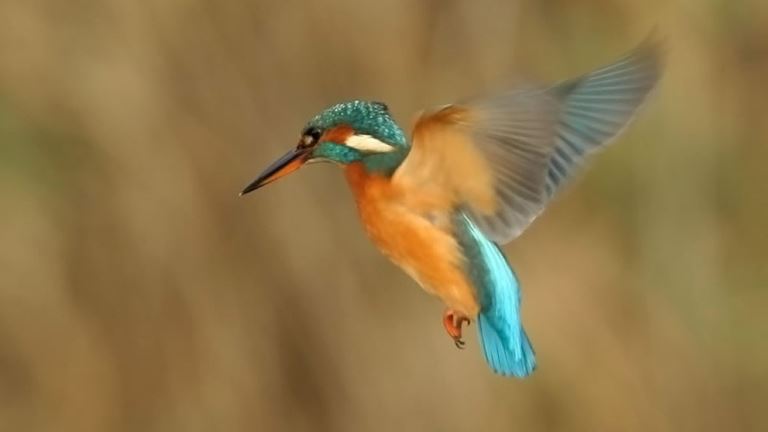
The path will take you by a pond and this area is very good for kestrels and if you’re lucky, maybe a kingfisher. Take a moment to stop by the pond and look out over the fields. Up in the sky in the evenings, the Brent goose flock might just be returning (if you are visiting in the winter) from their feeding grounds.
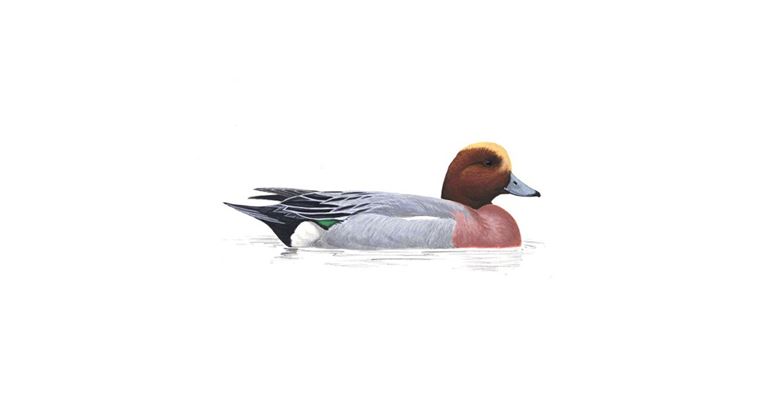
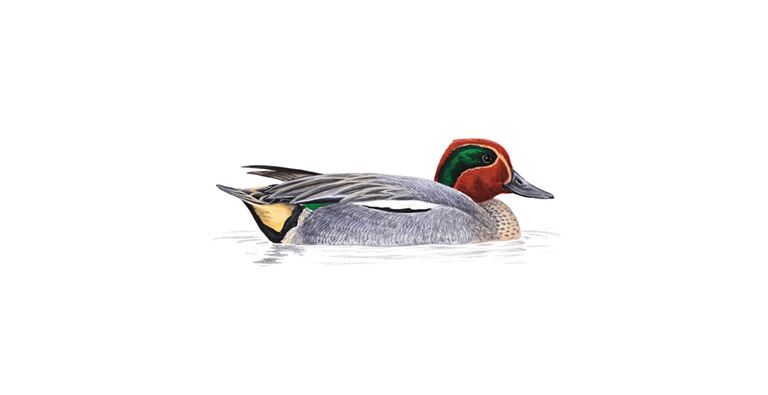
Carry on along the path and you will come to a bird hide. The hide looks out over some marshland and on the stream, there can be Canada geese, greylag geese, teal, wigeon and maybe a heron. Brent geese will some times join these birds here but they are usually in the fields.
Head back along the path that I have just described and head for that hill. When you get to the end of the path, there should be another path that leads up the hill. Head up the hill and watch out for finch flocks in the winter. There can occasionally be peregrine falcons so keep an eye open for that. When you get to the top of the hill, take a moment to take all of it in. The wonderful view, the sounds of bird song and the faint sound of running water. After this, head back down another path at the top and that will take you back to the car park.
And after a long walk, you can take a break and relax in the cafe or go shopping around the building. If you are on a day trip, I would suggest joining RSPB bowling green marsh in as it is just round the corner.
Overall, I would give this place 5 out of 5 stars! There is always something to see or do and most of the paths are flat so good for walking. My experience was really good as I was on a guided tour, trying out my new scope. I saw linnets, Canada geese, Brent geese and lots of others.
We had parked the car and were walking up the road towards the reserve. We were at RSPB Bowling Green Marsh and were here to see some wading birds. At least, that was our target. We reached the gate into the first part of the reserve. It was a rusted black gate but it opened so that was fine. Then, we found ourselves looking out over a marshy field full of birds.
There were Canada geese, Brent geese and a lot of others too. These were just the visible birds though. When I looked through the binoculars, I discovered it was more than that. There was a medium sized wading bird near the front. He was walking slowly, pecking at the mud as he went. I got out the field guide and discovered it was indeed a redshank. We had fulfilled our target then but there was something else. A duck this time. I looked through the binoculars again. A grey back and a rusty red head. There, a common pochard swam. Another first for me then.
Redshank from RSPBCommon pochard from RSPBBrent goose from RSPB
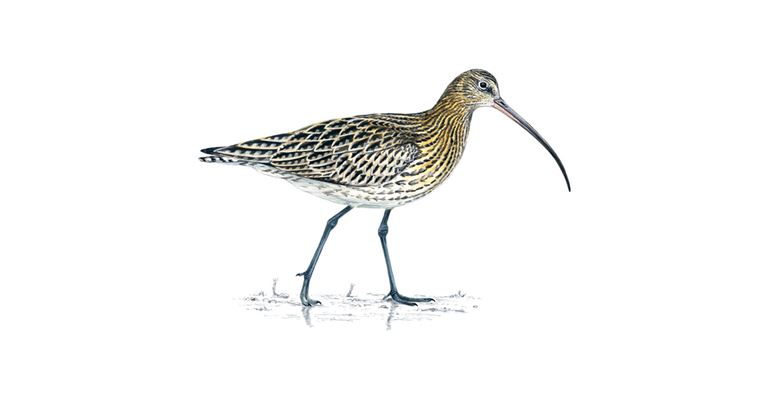
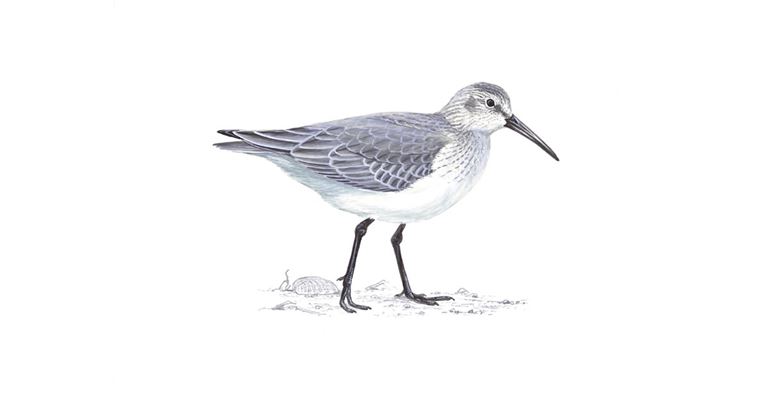
We carried on after that and eventually came to a viewpoint that overlooked some large tidal flats as part of the Exe estuary. We set up the scope and looked out over. Near the viewpoint, a little egret was wading by an old brick wall. It was a beautiful bird that was pure white with that black beak. Absolutely wonderful. Further out, the black tailed godwit flock was feeding in the mud. We got the scope on them and found that they were in their dull winter plumage even when it was near spring. We scanned the other side of the tidal flats and found a group of about 10-15 dunlin. They were in their dull winter plumage too sadly. Then, we focused on a large wader feeding on a large patch of mud. A nice curved bill that was very long. It suggested one bird. A curlew. After watching him, I turned my sights to a lone wader far out. I got the scope on him. A large black and white plumaged wading bird with a very distinctive up-turned bill. It was an avocet. We decided to move on.
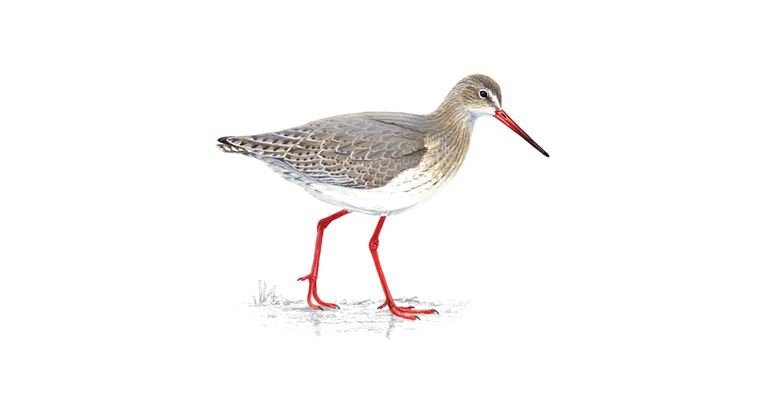
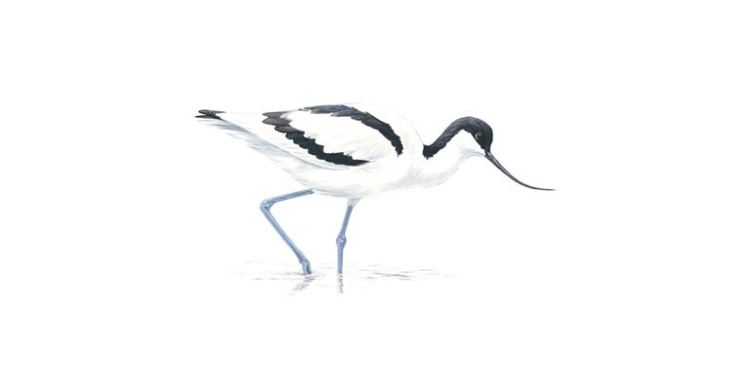
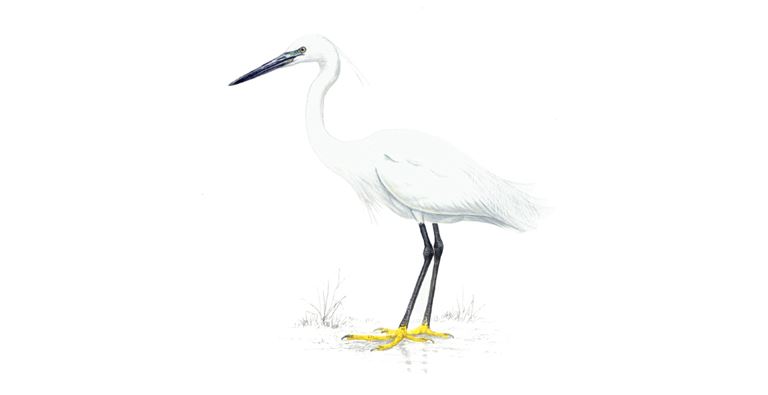
Black tailed godwit from RSPBAvocet from RSPBLittle egret from RSPBCurlew from RSPBDunlin from the RSPB
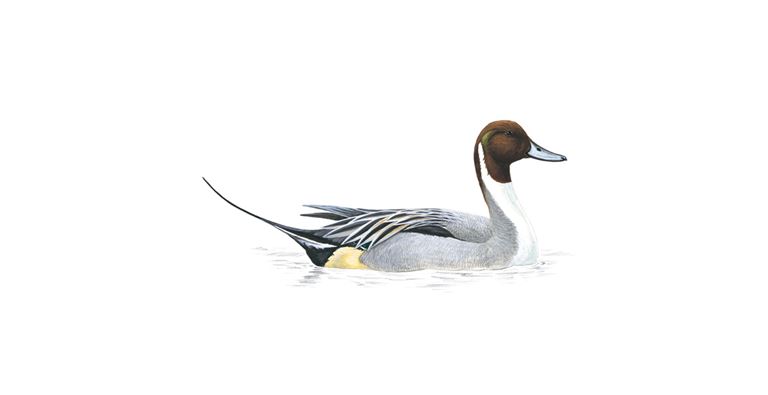
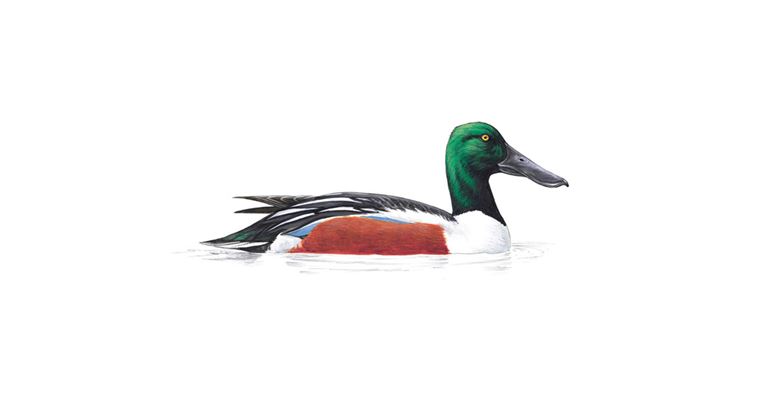
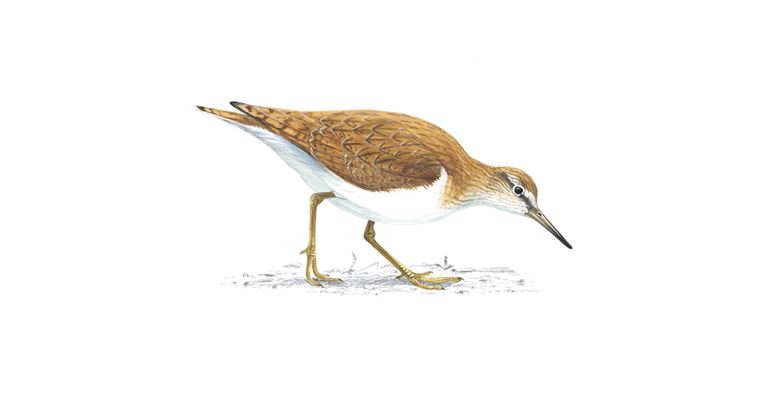
We carried on up the road and eventually came to a bird hide. There were sofas in it! When I looked out, it was literally a wildlife oasis. Near the hide, there were groups of wigeon and teal and on one of the islands, a common sandpiper was wading along the edge. Near there, there were shovelers. Further out, there were pintails, lapwings, black tailed godwits and the gem of the crown, the long billed dowitcher. These birds are normally found in North American estuaries and bays but not this time! This particular bird was a transatlantic vagrant from America. It had crossed the Atlantic from America. The large wading bird had been blown off course from its usual migration route and had turned up here. It is quite a rare bird and it was my first actual rarity! It was a first winter bird and that basically means he is in his first ever winter plumage, just missing the detail from the adult’s. And with such a long bill! Then, I discovered near the right end of the hide, there was a grey heron, a group of tufted duck and another little egret. There was also a redshank really close to the hide. Sadly, I do not have a photo of the dowitcher.
Lapwing from RSPBWigeon from RSPBTeal from RSPBPintail from RSPBShoveler from the RSPBCommon sandpiper from RSPB
We decided we couldn’t beat this and headed for the car.
All the firsts for me were very overwhelming! It was amazing seeing all of these lifers at one site. Absolutely wonderful.
By the way, if you want to read more about RSPB Bowling green marsh here is a link to my other post, Bowling Green Marsh
That time again! This time it is an identification quiz! Follow the clues to discover what 3 birds I am describing. By the way, they are all common garden birds.
Mystery Bird 1
I eat insects and spiders
I am a common garden bird
I am the most common bird in the UK
I am a small brown bird
What bird am I?
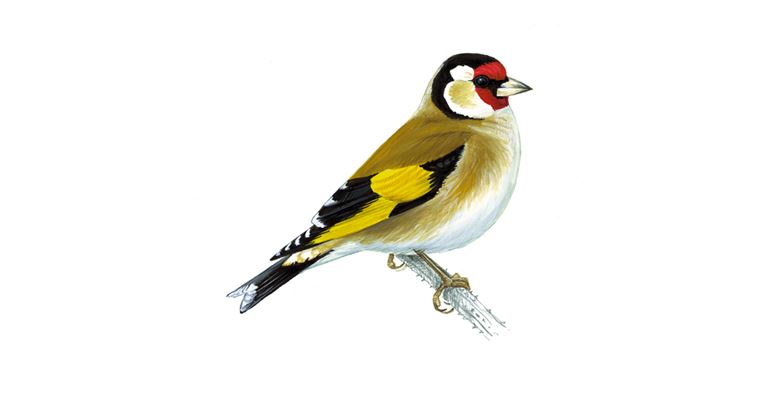
Mystery Bird 2
I have a red face
I can be seen in gardens
I like nyjer seed given from gardens
I have yellow on my wing
What bird am I?
Mystery Bird 3
I have a grey head
I will eat a lot of different bird seeds
I am a really common bird
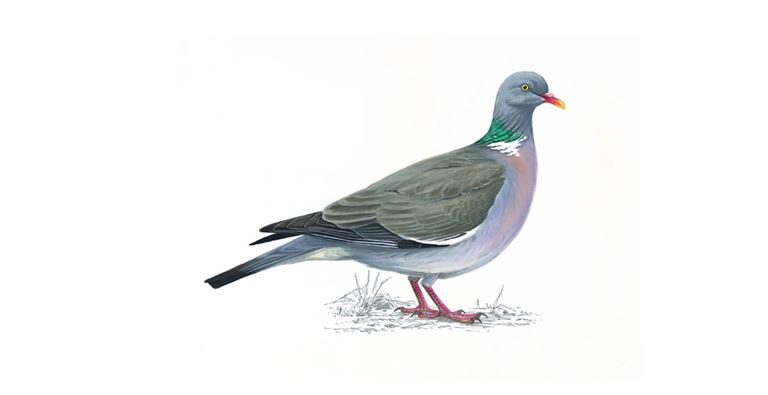
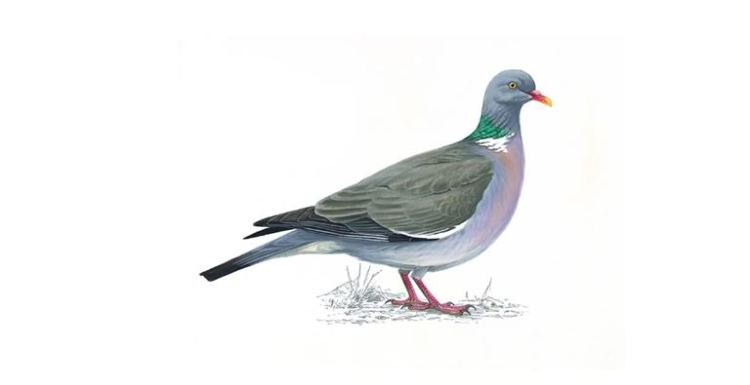
I have a very identifiable cooing call
What bird am I?
As always, I will post the answers on Sunday. Due to public demand, I have made the quiz this week quite easy. Leave a comment with your results! I would love to hear! How are you finding the quiz so far? I hope you enjoy this one!
We decided to go to s’albufereta nature reserve. It has a large variety of habitats including marshland and farmland and because it is on an island in the mediterranean, it is an important stopover on the Mediterranean and European flyways. It pulls migrants from all around. A marshland on a Spanish Island in the hot climate is a bonus for birds!
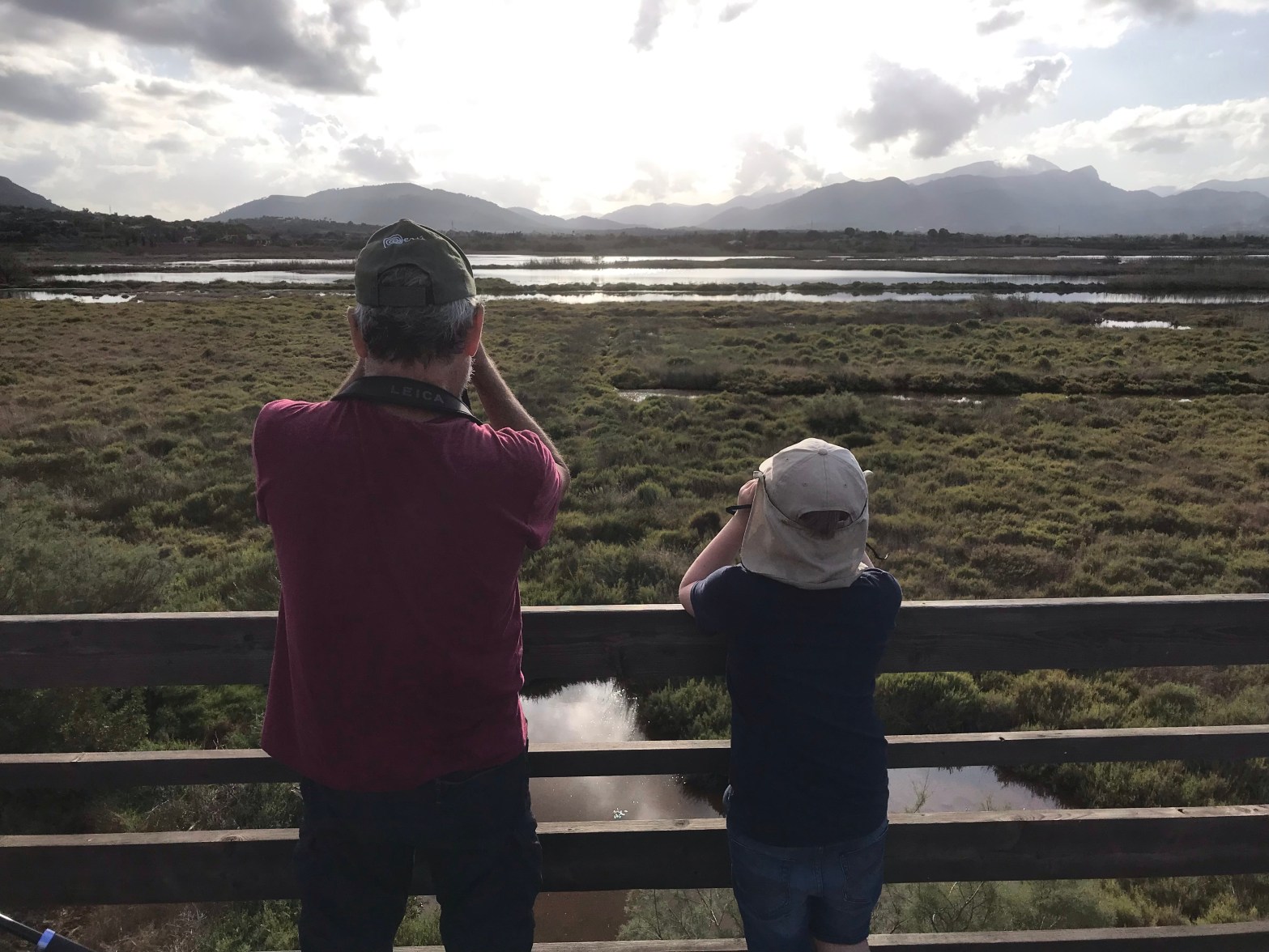
We had stopped the car and we were getting out. My parents had arranged a special surprise for me, I just didn’t know it yet. We were at s’albufereta and when I got out, I was quite shocked to find out that we were taking a personal tour. The local expert that was hosting the tour was meant to be out on a different tour to an island but that day was a wet and windy day and the tour got cancelled. We rung him up and realised he had a window in his schedule so it turned out that was why we were here.
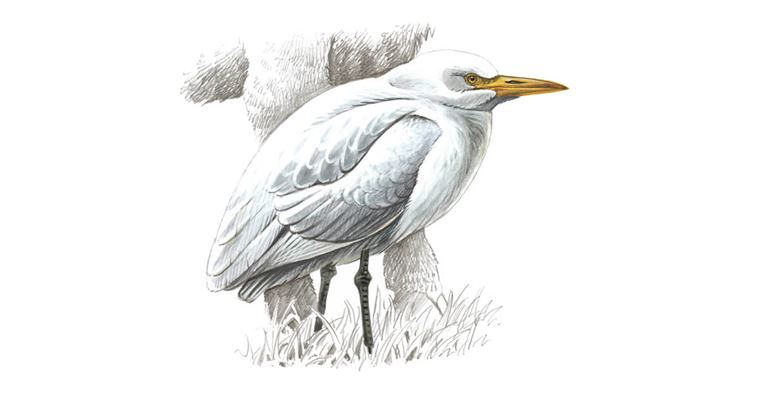
He had a scope that we could use so we loaded up and started the walk. At first, we were walking along a stream that was by a field and that was where we saw a cattle egret. The man who turned out to be called Pere taught us a way to tell cattle and little egrets in winter plumage. The little egret has a black beak and yellow feet and the cattle egret has a yellow beak and black legs. The first sighting of the walk. Perfect.
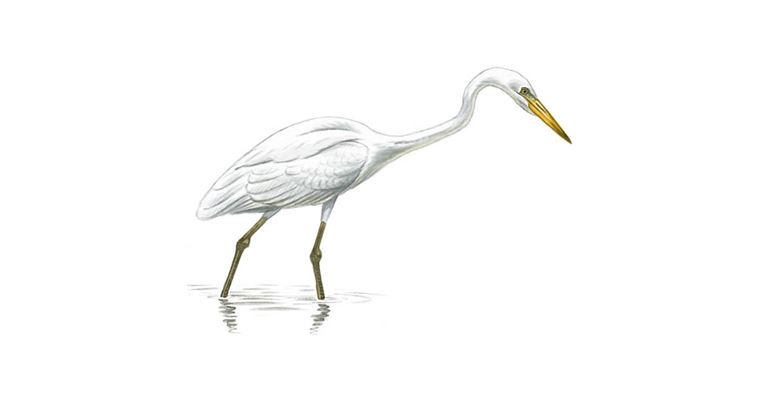
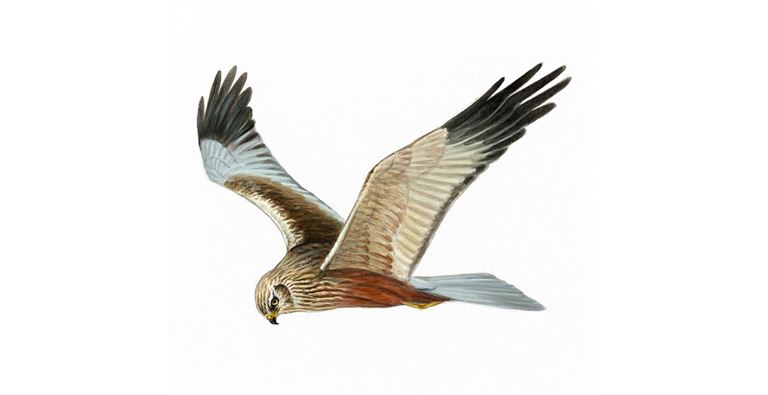
We carried on walking and came to a junction. One way led to a tower viewing platform and the other way led through a forest. We went up the path that led to the tower viewing platform and we climbed up the steps. Then, we were met with a wonderful view across a marsh. Suddenly, a bird of prey like bird swooped down right by the tower. I was struggling to identify it but our guide said that it was a marsh harrier. This was another first for me. Pere was scanning the marsh and told me to look through the scope. There was a moorhen like bird with long legs. I could not identify it so Pere said it was a purple swamphen. Then, a large heron like bird flew into the marsh and the scope was on it in seconds. It was a great white egret. A tall and magnificent pure white heron stood there. Pere then told us that stone curlews were regularly seen in the ploughed fields below. They would sit close to the wall and their bodies would blend in to the ground with one huge yellow eye staring out of the field up at you. I do not have an image of the swamphen but here is a link instead for more information: Ebird
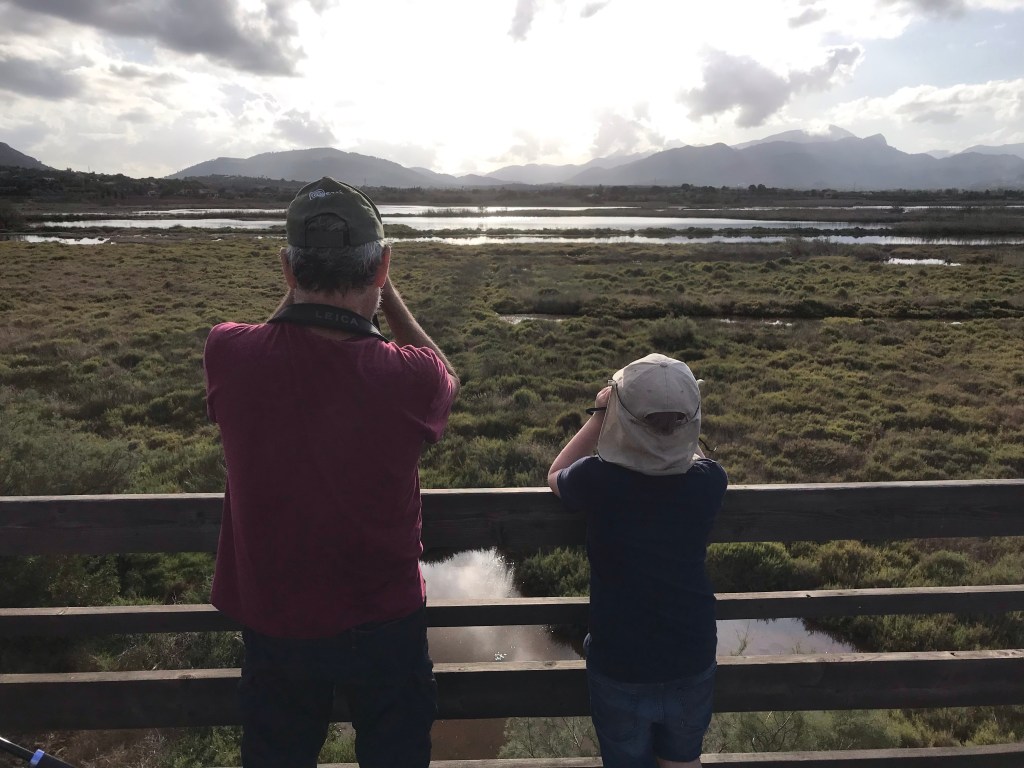
Me and Pere birdwatchingThis photo is from the RSPBThis photo is from the RSPB
We climbed down from the tower and headed back along the path. Then, we came to the junction again and headed into the forest. As we were walking along, Pere was telling us that you could sometimes see crossbills in the pine woods. We carried on chatting and walking until we came to an open path. It took us to a bird hide.
We went in and set up the scope. The hide was looking out over a marsh with an island in the middle. On the island were 3 black winged stilts and there were lots of egrets sat on the banks. Then, a kingfisher flew in and landed on a post out in the middle. We watched the stilts for a bit and noticed that the kingfisher was adopting a pose as it was about to fly off. It did but not in the direction you are thinking. He flew straight towards the hide and at the last minute, went up and over the hide. Thinking we could not get better than this, we left the hide.
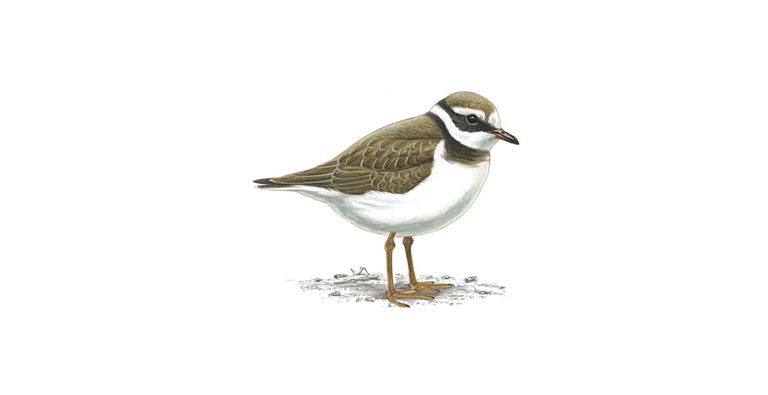
We carried on walking and reached another tower looking out over a field. It was reaching dusk now and we were in the middle of setting up the scope. When we finished, we looked out over the field. 2 birds were sat out on the field. They did not look like adults as the plumage did not look right. I got out my field guide and flicked through quick. They turned out to be immature ringed plovers. Just then, we heard a shrieking call. Pere recognised it as a Sardinian warbler but sadly, we didn’t see it.
Then as we were walking, 4 flamingos flew over and landed back at the bird hide. We quickly grabbed the scope and rushed over to the bird hide. We raced to set up the scope and were done in about 3 minutes. We looked through and saw 4 juvenile greater flamingos. Actual wild ones! They were at the far edge of the marsh and it was a wonderful thing to see.
After this and all of the firsts for me, we headed back to the car. What an amazing evening it was for me, Pere made it perfect with his knowledge and enthusiasm and I learnt so much from him. He really confirmed to me that birds and nature are what I want to be involved with forever! Even now, I still think so excitedly about this day and want to go back again very soon!