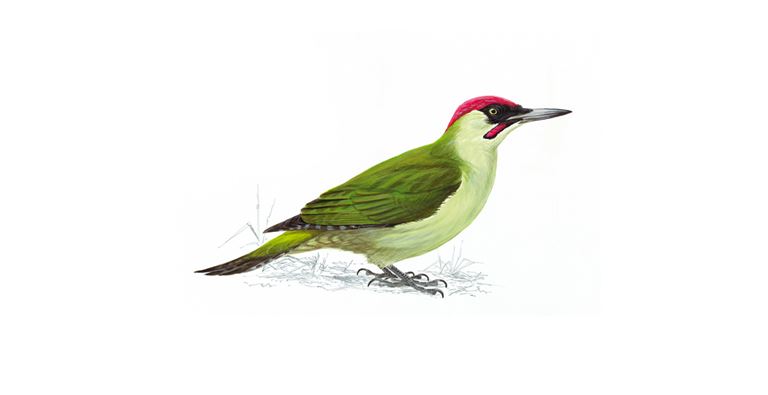
I was in the kitchen, reading a book when suddenly, I heard a familiar call. A call that sounded like laughing. I rushed to the kitchen window and looked up into the ash tree. I could then pinpoint the origin of the sound. An adult green woodpecker. It was hopping up the branches of the tree, still calling. Then, another appeared. A young one this time.
I carried on watching this pair. The young one seemed to like making himself obvious as he always sat right at the top of the tree. Whereas the adult was more secretive, always hiding in the tree’s dense leaves. It blended in incredibly well. They were such a beautiful sight, all the colours contrasted really well with each other. All you could see was a red stripe. I walked away feeling good and carried on with my book. This was only the second time I had seen a green woodpecker.
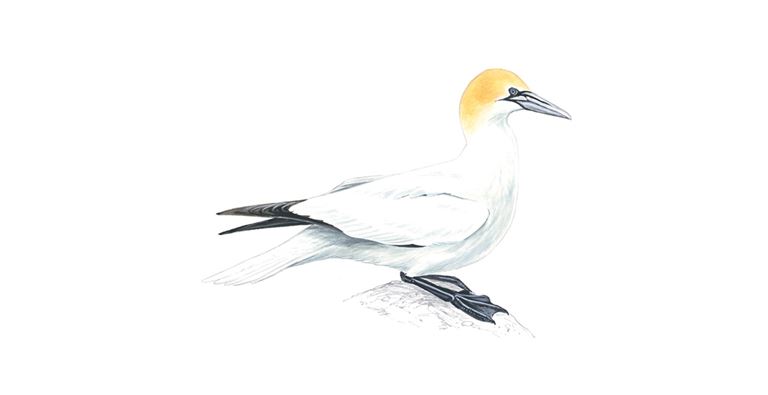
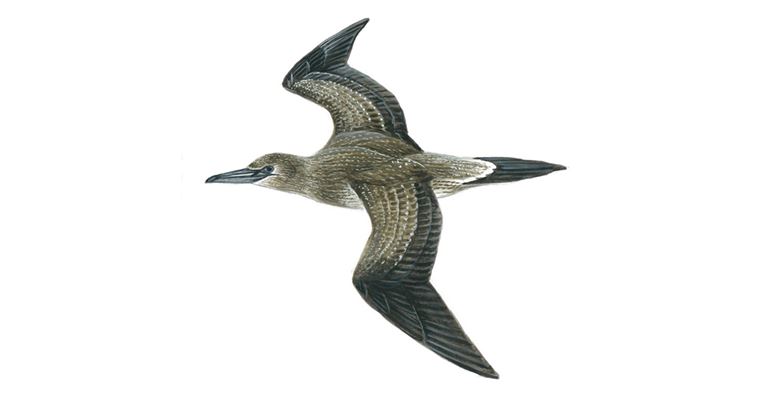
Gannets will only eat fish. They are famous for the way they catch them though. They fly as high as they can, and then fold their wings so they are like an arrow. They then launch themselves towards the water, reaching speeds of 60mph before hitting the water and diving under.
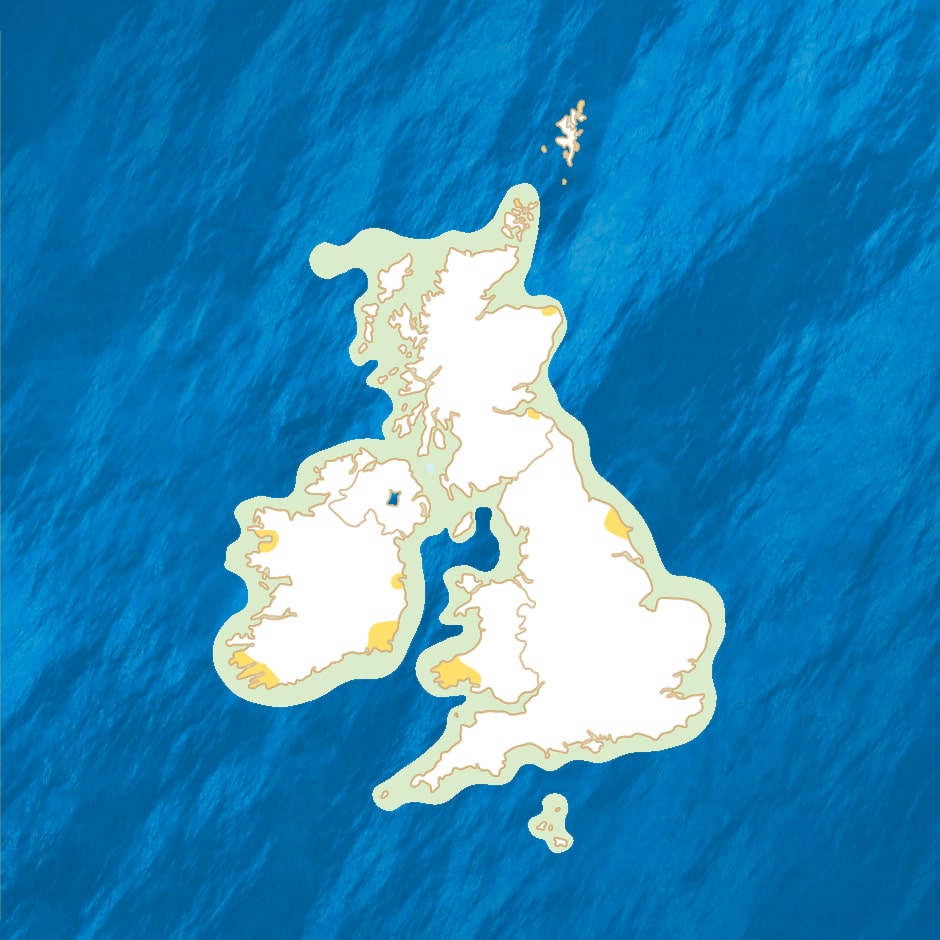
Distribution
Yellow is where it breeds and green is where it is all year round:
When the gannet breeds, its preferred habitat is undisturbed coastal cliffs. It spends the winter out at sea.
My encounters
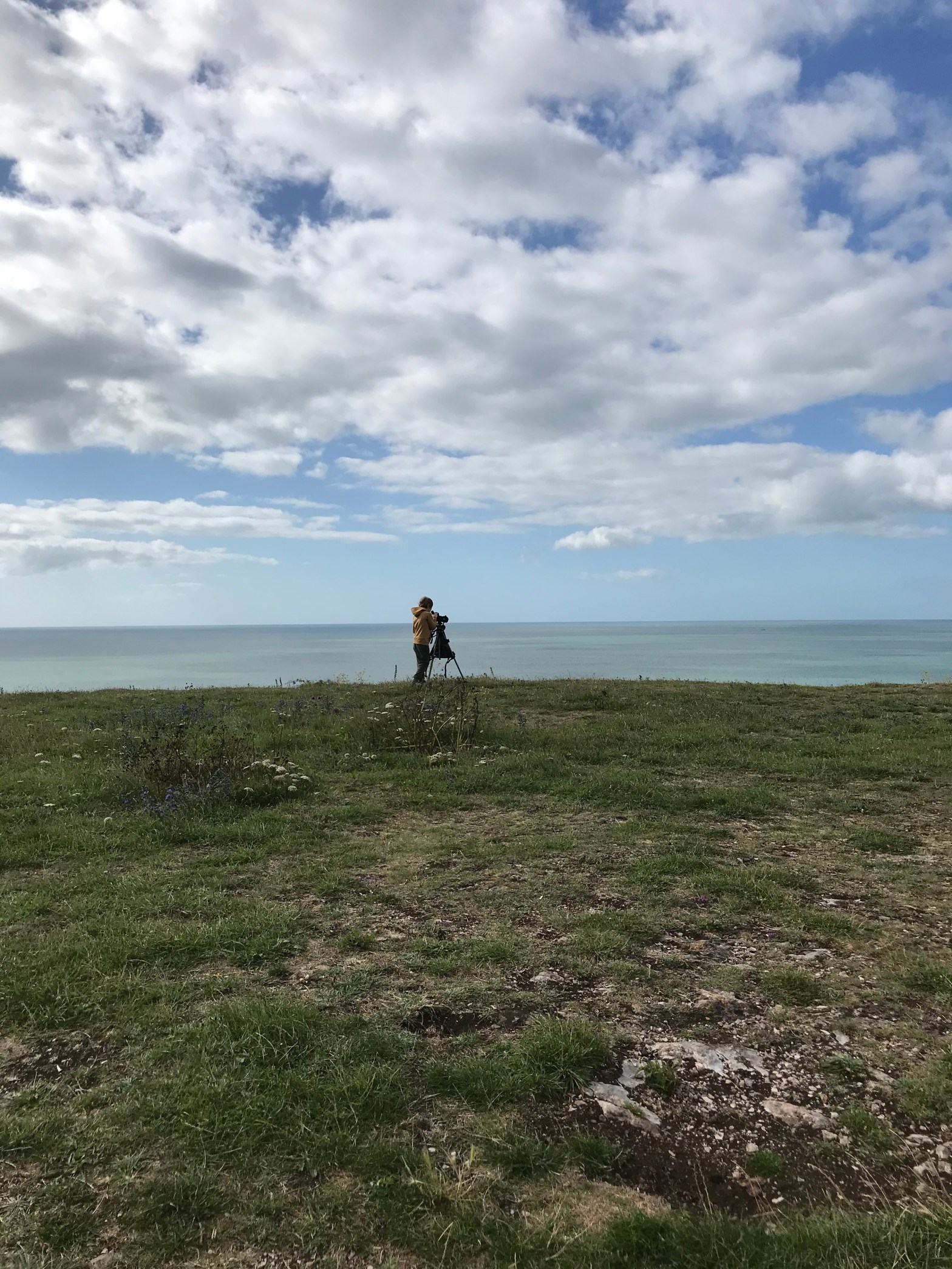
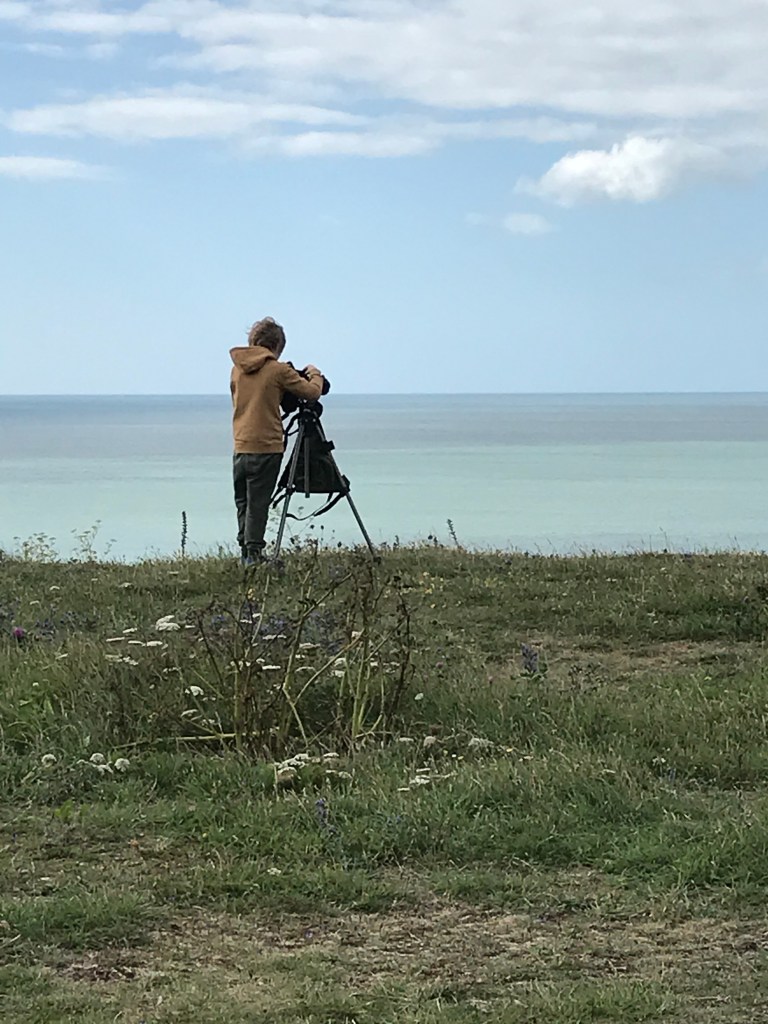
My only encounter with gannets so far was at berry head NNR. We were watching with the scope up on the headland and spotted some enormous shapes flying above the water. These were gannets. See my related post, The Sight Of Seabirds for more about the gannets and my berry head adventure.
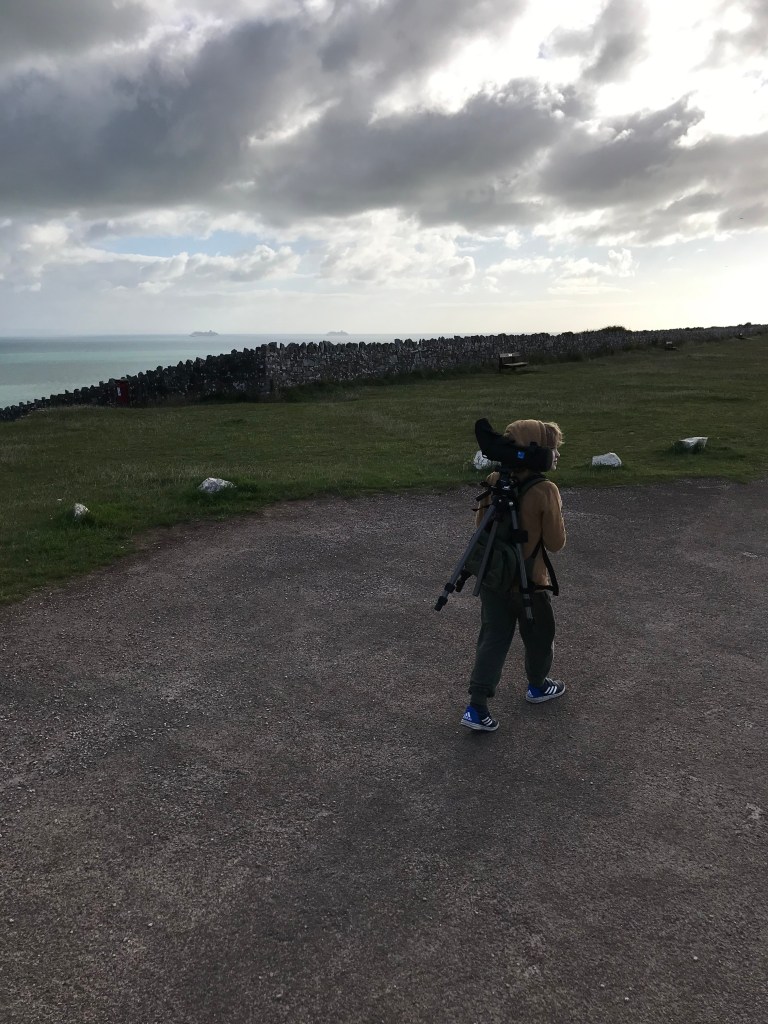
We parked the car. It was really early in the morning. We were at Berry Head national nature reserve looking for some new birds. For those who have not heard of this place, it is a place of historic value. One side looks out into Torbay and the other looks out into the english channel making this the perfect site for a fortress in napoleonic times. We started walking up the path and onto the headland. 5 swallows were flying incredibly low above our heads. We got up onto the headland and could immediately see the shapes of seabirds out on the water.
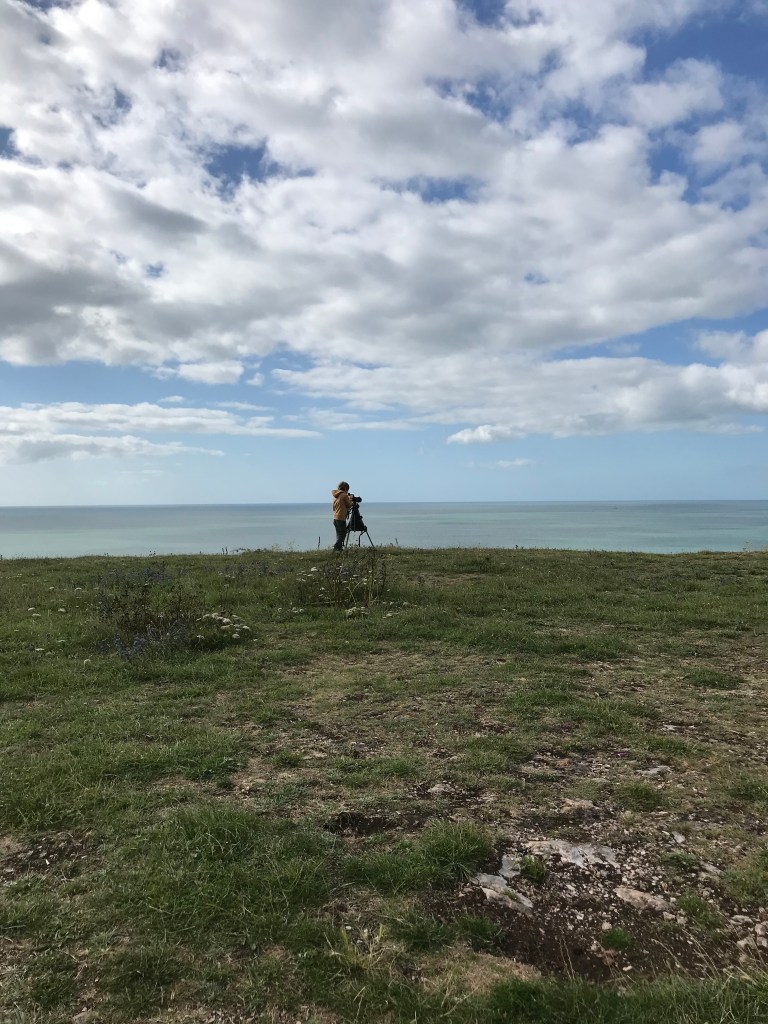
We set the scope up and managed to fix it on a large gull getting hammered by the waves. An adult great black backed gull. We then scan the water and find a group of gull-like birds. After a moment, we could pick out their distinctive bills and discover they’re fulmars! First lifer of the day! And not just that, but 5 of them! We can see some very large birds with black wing-tips a bit further out on the water. They are way too large to be gulls. We get the scope on them and watch them for a moment before being able to confirm the ID. Gannets. About 6 of them! Another lifer! Which takes my number of birds seen to 123 species!
We carried on and stopped to look out over Torbay. The gannets were flying really close to the cliffs and you could see their buffish, yellow head. They had huge wingspans that were around 6 foot and it really struck me of how big they were! The wind was hammering us so we carried on to a more sheltered part of the headland. We stopped near the fort and set up the scope. The gannets were frequenting the same area we saw them last and their numbers had increased to around 20 birds!
I fix the scope on a medium size flock of gulls on one of the rocks. I watch a single herring gull watch the waves from his place. He would keep on staring, deciding if he would go in or not and when he did jump in, he flew straight back out and continued this process. Next, I start watching a great black backed gull perched right on the top of the rock. He gets battered by the wind but stays there, dead still watching the water go by.
We take a walk through the fortress and then press on back to the car.
If you want to learn more about the history of the berry head fort, press on this link: