We had parked the car and were walking up the road towards the reserve. We were at RSPB Bowling Green Marsh and were here to see some wading birds. At least, that was our target. We reached the gate into the first part of the reserve. It was a rusted black gate but it opened so that was fine. Then, we found ourselves looking out over a marshy field full of birds.
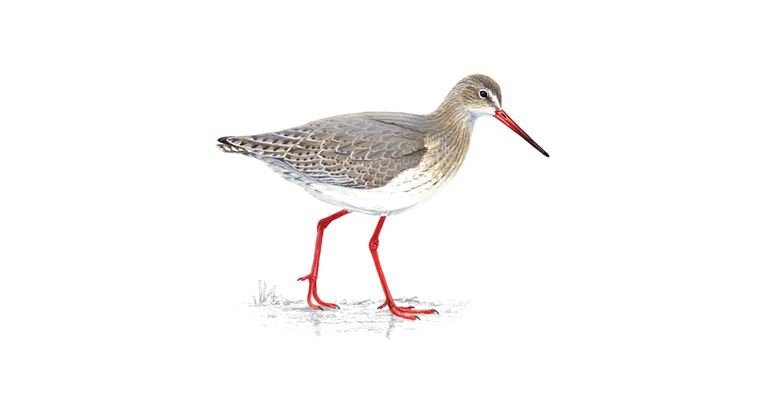
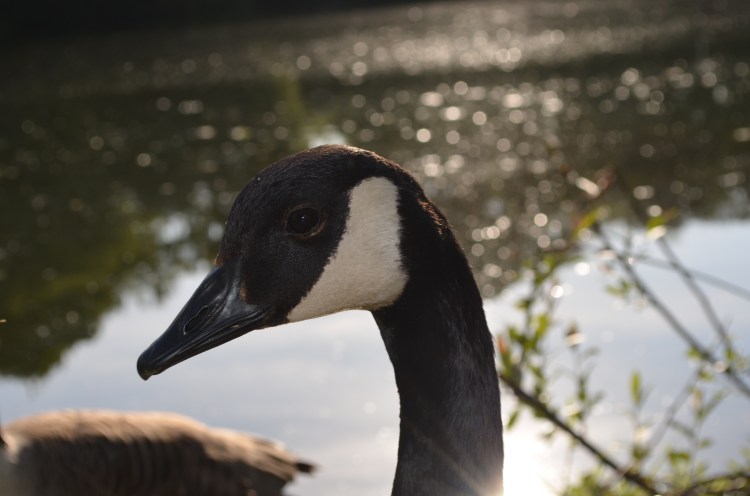
There were Canada geese, Brent geese and a lot of others too. These were just the visible birds though. When I looked through the binoculars, I discovered it was more than that. There was a medium sized wading bird near the front. He was walking slowly, pecking at the mud as he went. I got out the field guide and discovered it was indeed a redshank. We had fulfilled our target then but there was something else. A duck this time. I looked through the binoculars again. A grey back and a rusty red head. There, a common pochard swam. Another first for me then.


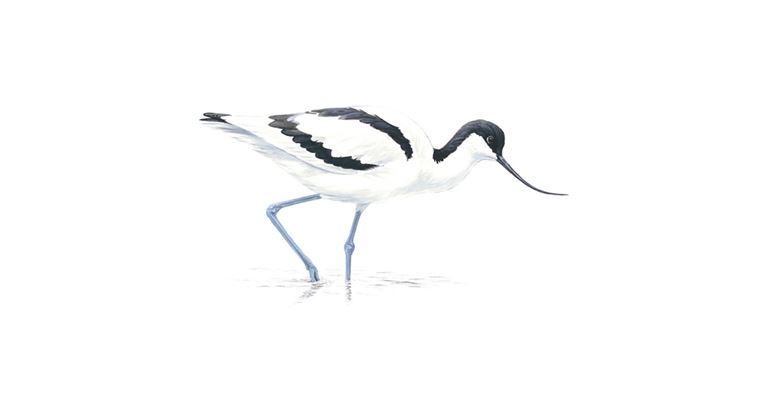
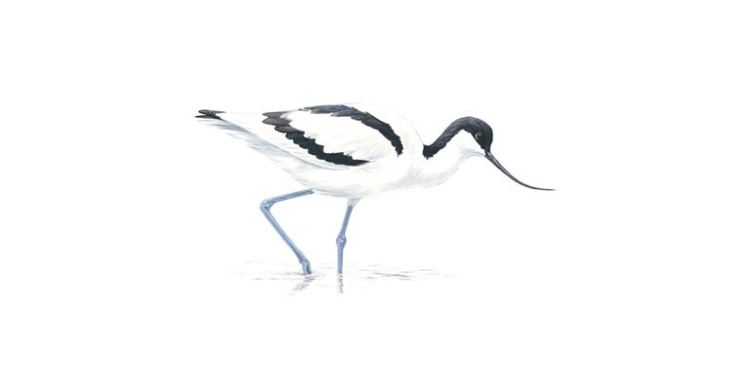
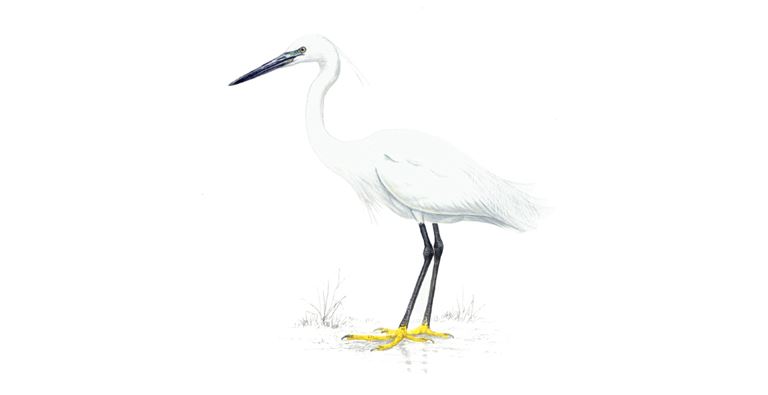
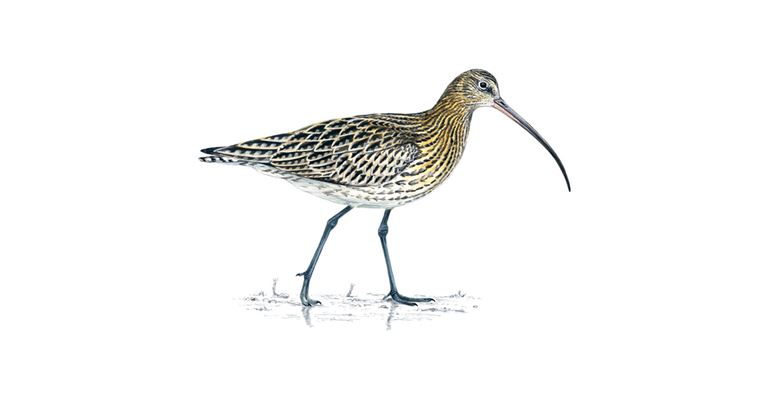
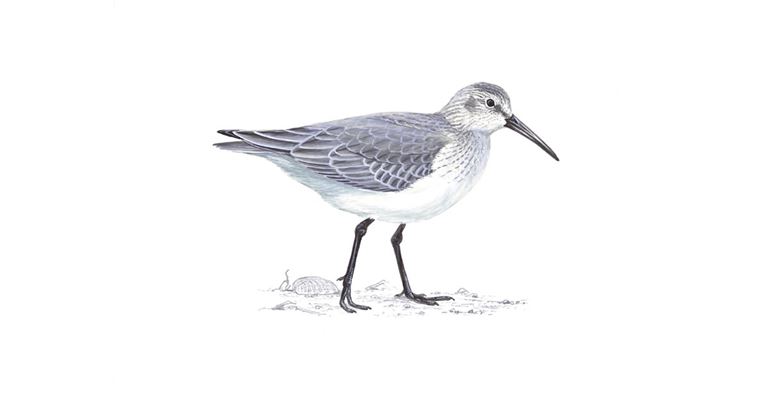
We carried on after that and eventually came to a viewpoint that overlooked some large tidal flats as part of the Exe estuary. We set up the scope and looked out over. Near the viewpoint, a little egret was wading by an old brick wall. It was a beautiful bird that was pure white with that black beak. Absolutely wonderful. Further out, the black tailed godwit flock was feeding in the mud. We got the scope on them and found that they were in their dull winter plumage even when it was near spring. We scanned the other side of the tidal flats and found a group of about 10-15 dunlin. They were in their dull winter plumage too sadly. Then, we focused on a large wader feeding on a large patch of mud. A nice curved bill that was very long. It suggested one bird. A curlew. After watching him, I turned my sights to a lone wader far out. I got the scope on him. A large black and white plumaged wading bird with a very distinctive up-turned bill. It was an avocet. We decided to move on.

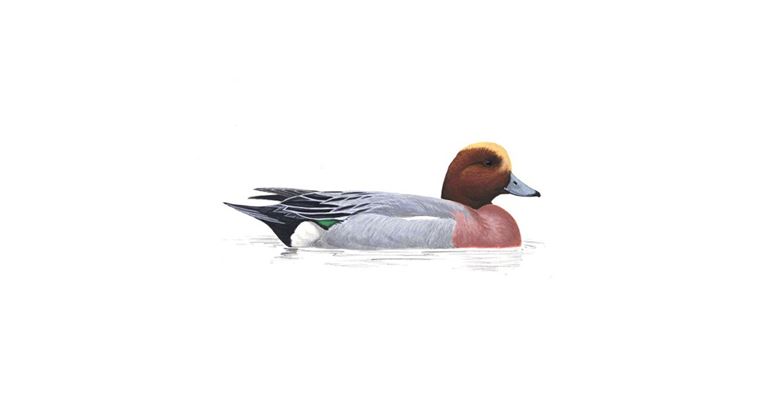
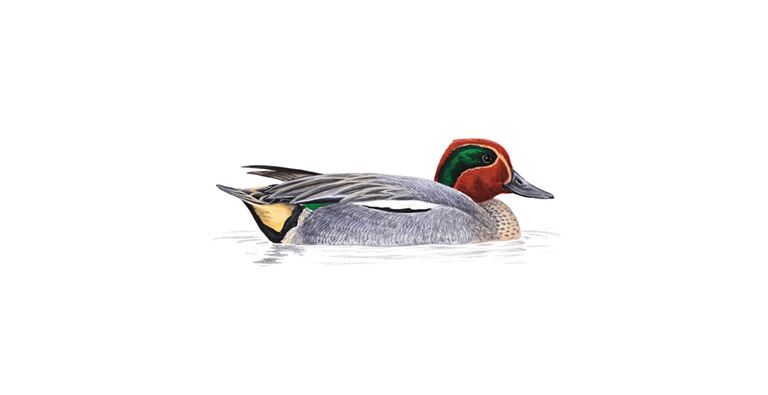
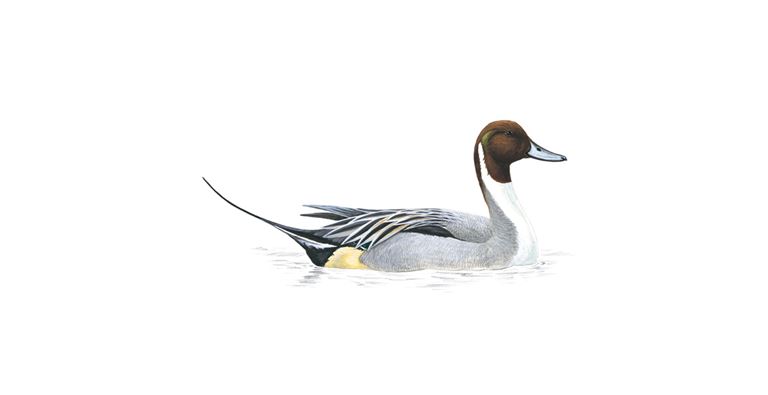
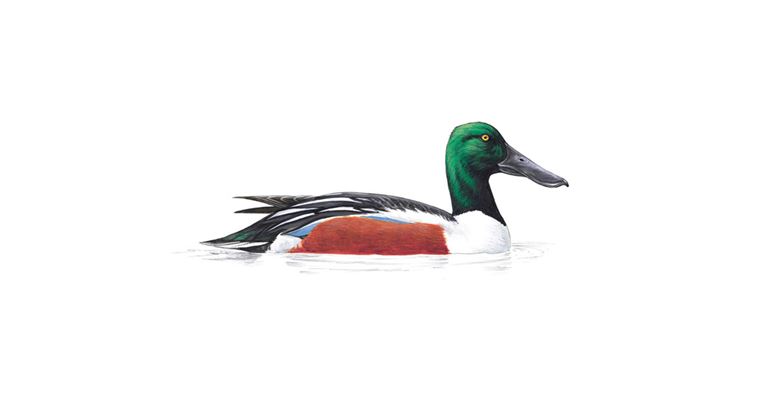
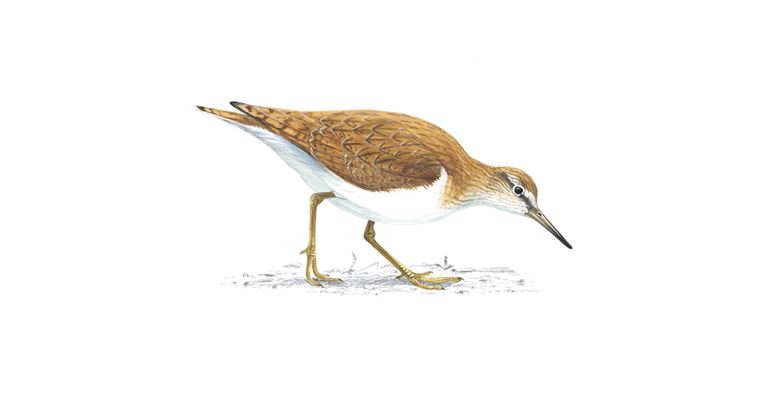
We carried on up the road and eventually came to a bird hide. There were sofas in it! When I looked out, it was literally a wildlife oasis. Near the hide, there were groups of wigeon and teal and on one of the islands, a common sandpiper was wading along the edge. Near there, there were shovelers. Further out, there were pintails, lapwings, black tailed godwits and the gem of the crown, the long billed dowitcher. These birds are normally found in North American estuaries and bays but not this time! This particular bird was a transatlantic vagrant from America. It had crossed the Atlantic from America. The large wading bird had been blown off course from its usual migration route and had turned up here. It is quite a rare bird and it was my first actual rarity! It was a first winter bird and that basically means he is in his first ever winter plumage, just missing the detail from the adult’s. And with such a long bill! Then, I discovered near the right end of the hide, there was a grey heron, a group of tufted duck and another little egret. There was also a redshank really close to the hide. Sadly, I do not have a photo of the dowitcher.

We decided we couldn’t beat this and headed for the car.
All the firsts for me were very overwhelming! It was amazing seeing all of these lifers at one site. Absolutely wonderful.
By the way, if you want to read more about RSPB Bowling green marsh here is a link to my other post, Bowling Green Marsh

