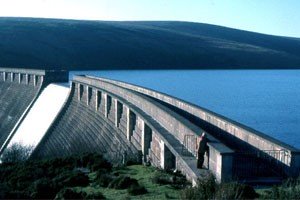
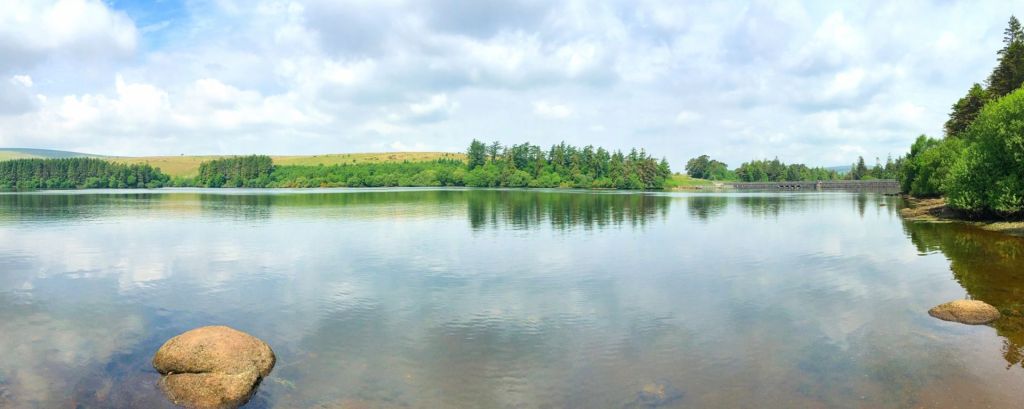
Today, I am going to review Avon Dam from my perspective. The location is up on Dartmoor. Address- Avon Dam Reservoir, South Brent, Devon, TQ10 9ED. This area is run by the South West Lakes Trust.
When you first reach the car park, you’ll notice that there’s a path heading up the river next to the car park, follow this path as it is the only one!
As you walk up this path, I would suggest keeping an eye on the river as this was where I saw my first 2 dippers. The path is very long but trust me, it is worth it.
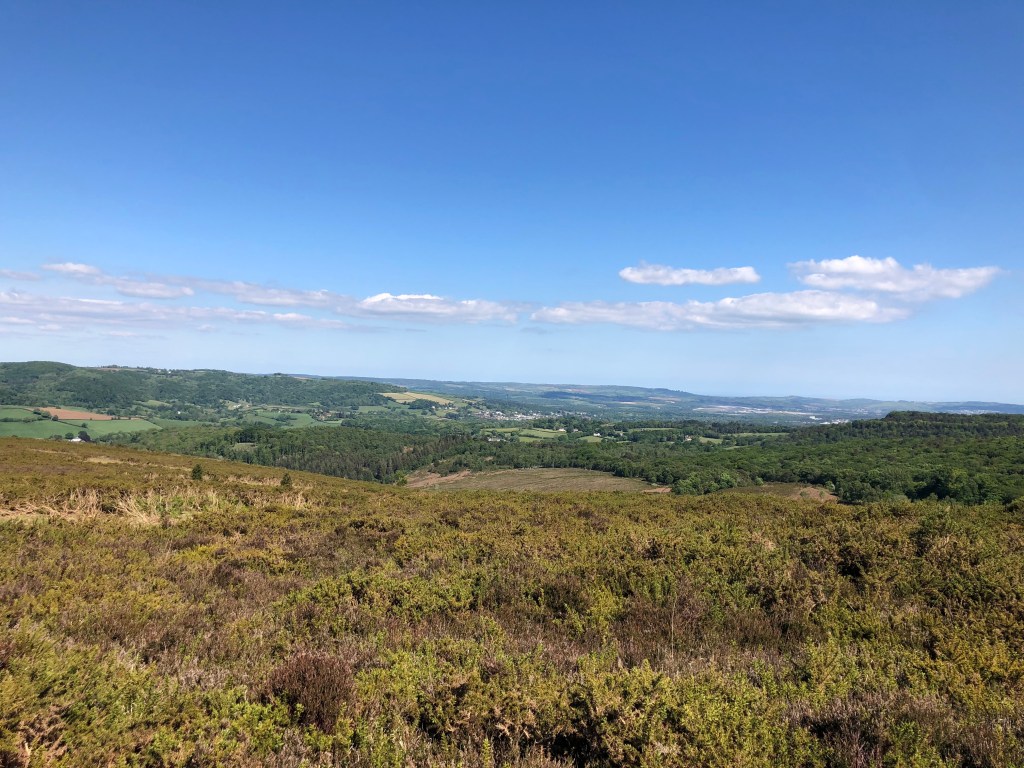
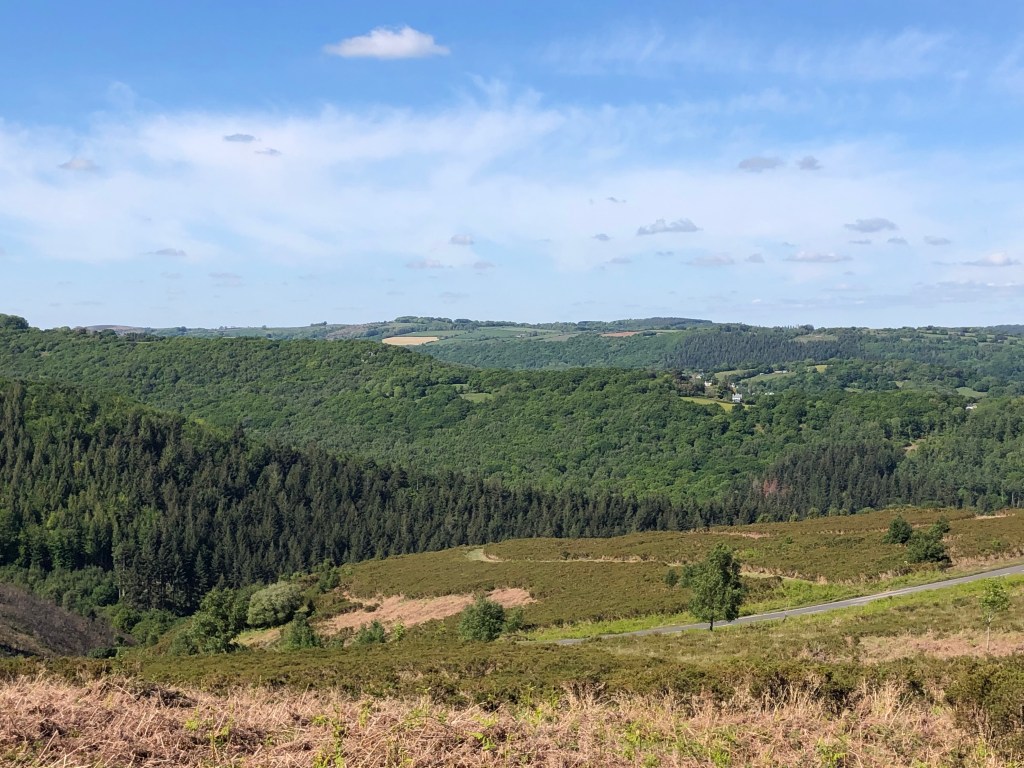
When you reach the end of the path, you’ll notice it widens. Follow this and it will take you through a valley with moorland on both sides. There is a wonderful view. You carry on up here and it takes you by a stream.
If you carry on along this path, you’ll eventually get to the path to the dam itself! I would suggest climbing up here as it gives wonderful views! When I laid eyes on the dam myself, it was a very impressive structure and it was extraordinary to think that workers built this!
You can walk across the dam or you can take a path that leads around the reservoir. The reservoir leads to good views but if you’re looking for a short walk, I would recommend walking across the dam and back and heading back along the path I’ve described.
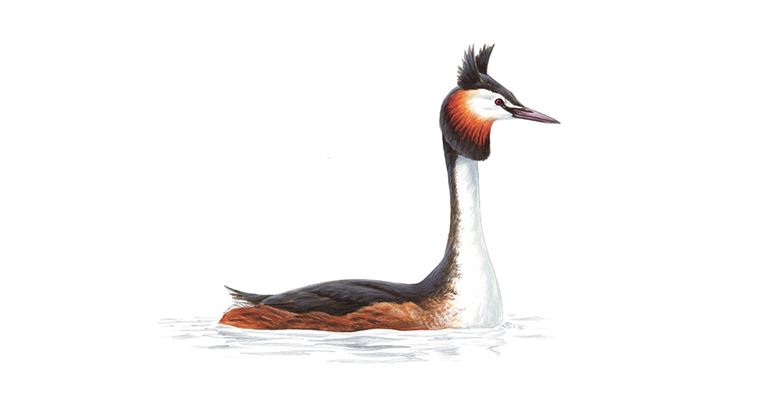
A regular winter visitor to Avon, the great crested grebe usually stays here for courtship in spring before migrating to breed. If you visit in early spring, you might see the dramatic weed dance. This is where the male grabs a weed from the floor and offers it to the female while crossing necks. This courtship display is wonderful.
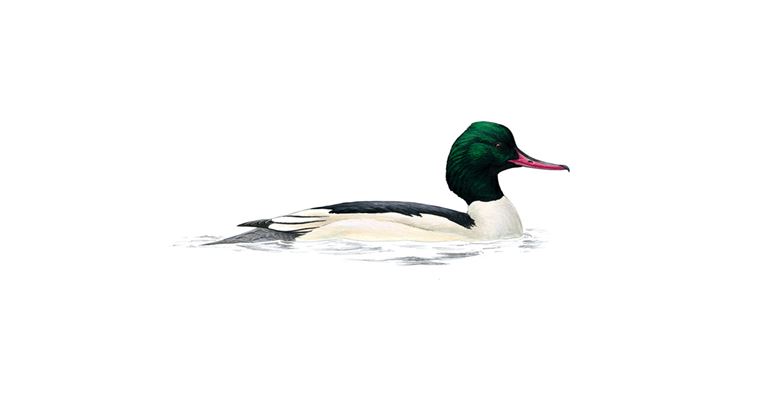
The Goosander is a scarce but regular winter visitor to Avon Dam. They usually appear in groups of 5 or 6. Your best bet is probably to visit in the evening if you are looking for this species. The groups usually gather at this time to roost.
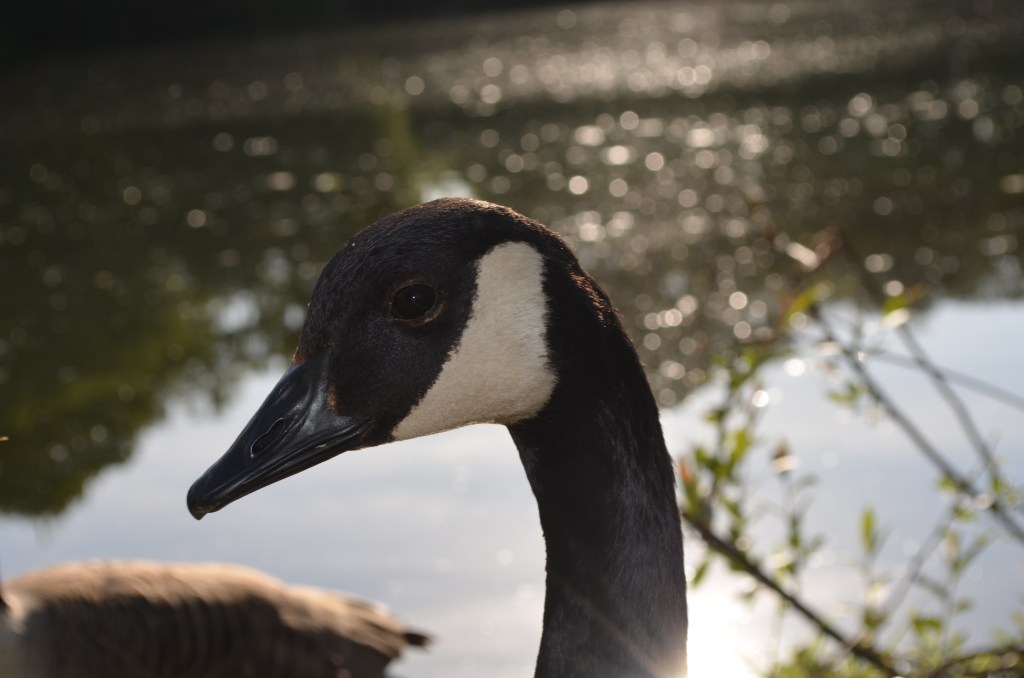
3. Canada Goose
A common resident, the Canada goose breeds and winters at Avon Dam. Visit in spring or summer and you might see goslings. They like to nest on the banks so keep an eye out.
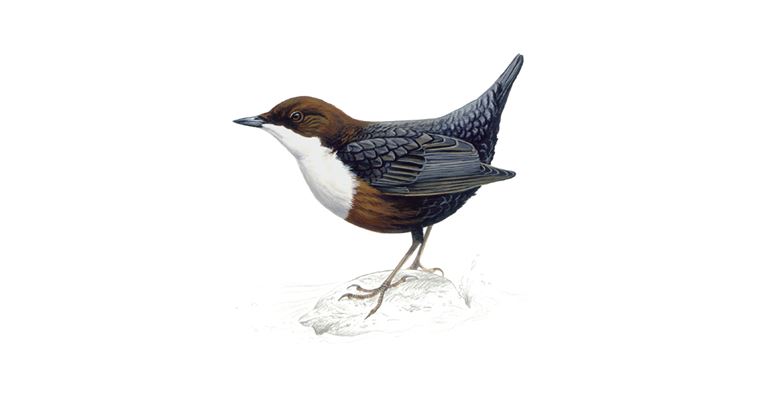
Dippers are not that common in the Uk but their range goes from south Scotland to East Anglia. The adults are striking with their white belly and when you see one, you’ll never be able to get that plumage out of your head. Surprisingly, my little brother Bertie spotted them both!
In a nutshell, I would give this place 3 out of 5 stars. It is quite a long walk and our experience was not very good. When we parked the car, it was bright and sunny but about halfway when we were in the valley, the heavens opened up and rain started crashing down. We ended up sheltering under some trees. I think it was worth it to see the dippers though.
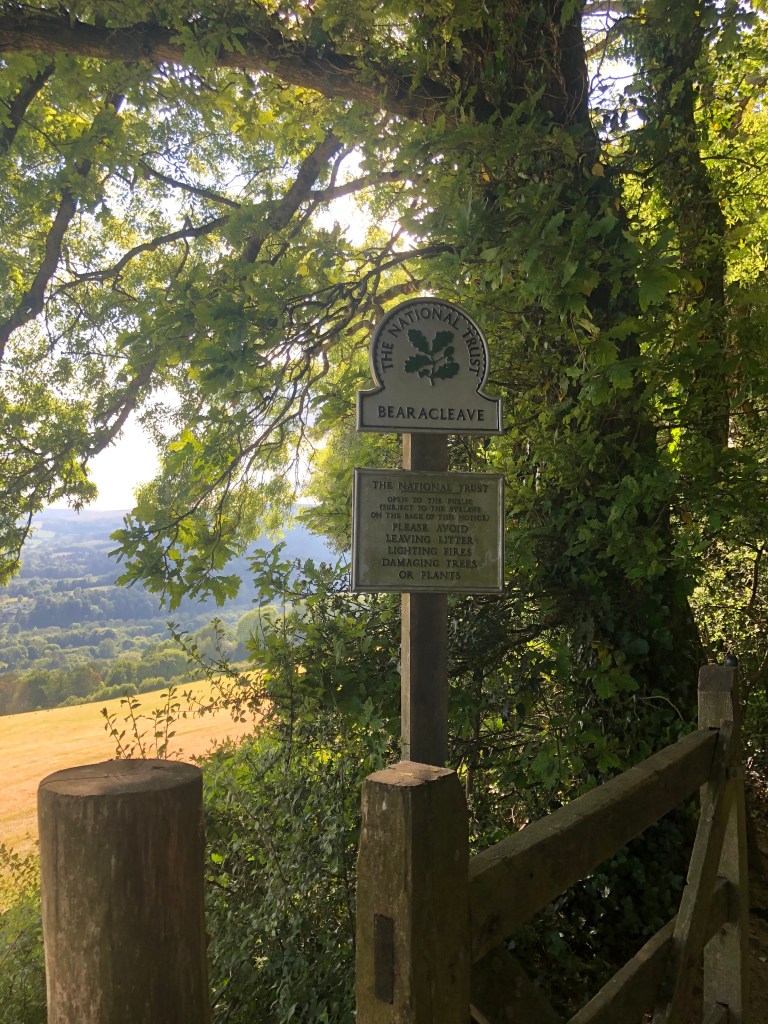
We had stopped the car and we had started the walk. We were at Bearacleave Woods and we were walking and walking. At first, we had to walk up a gentle hill and that got us to our first sighting.
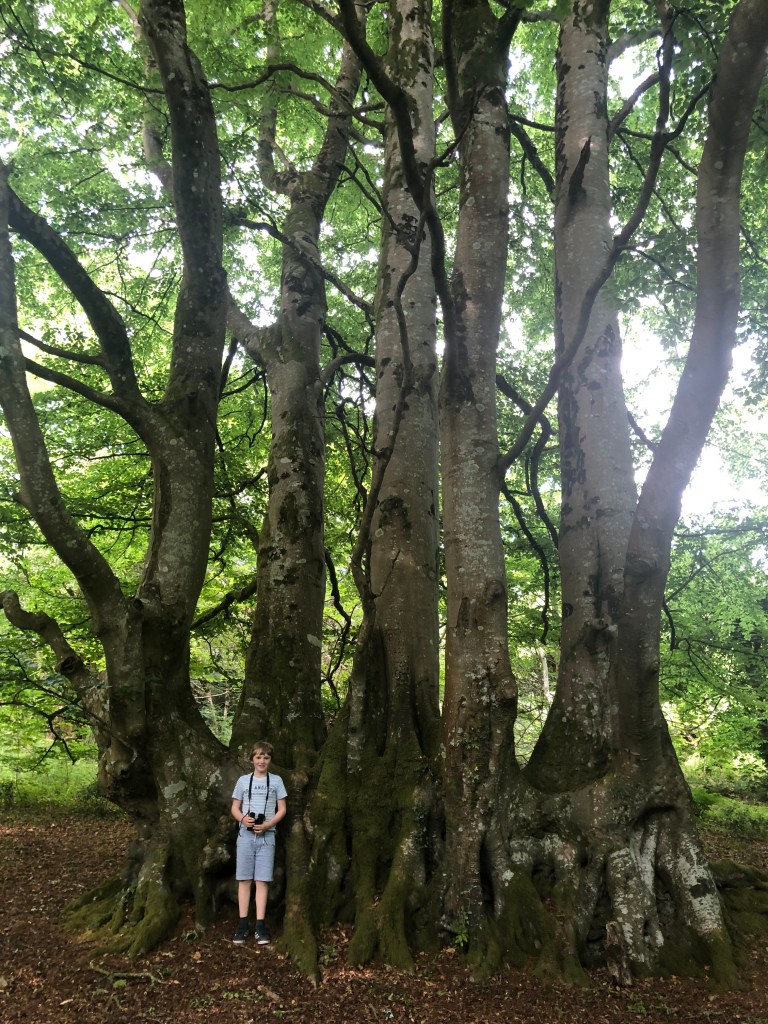
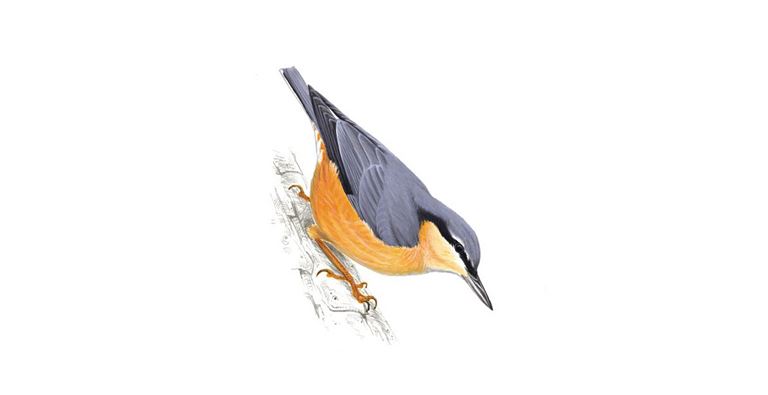
The trees where so tall and ancient. It looked like they had been there, untouched for years. They looked like the perfect home for wildlife and I was about to learn I was right. A nuthatch had just come out of a hole in a tree and had flew up into the canopy. We stood watching the hole, hoping he would come back but he never did. As soon as we got far enough away, he came back.
We carried on walking until we got to an extremely steep hill! I just can’t stress how steep it was! We carried on walking down the hill. and eventually, we came to the end of the walk. We had made it to a road. On the other side was shaptor woods but we decided that that was too long and we headed back to the hill.
We climbed back up the hill and headed back to the gate. When we got near the gate, that nuthatch was still busy. We got to the gate but then found another path which we decided to follow. It took us down through a patch of plants and brambles and it was filled with gigantic wood ants!
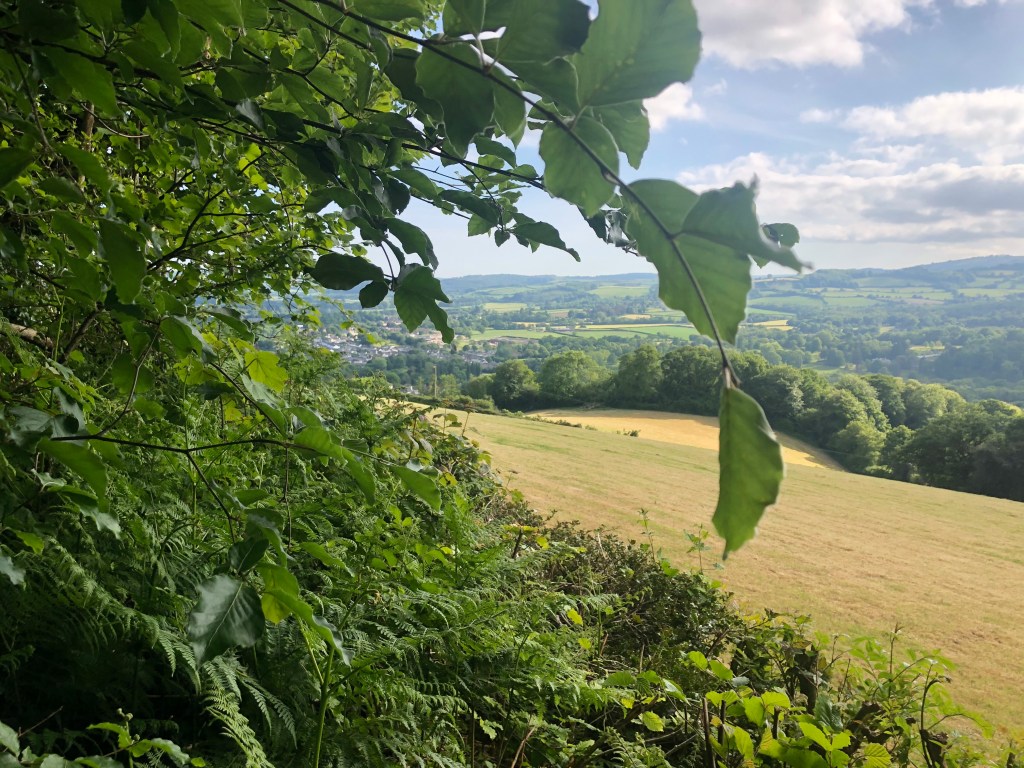
Eventually, we came to a large open space and this would bring us good fortune, we just did not know it. We climbed a hill that led to a field and we looked out over it for a bit.
Then something moved into the tree behind us. There was a very tight crack in the tree then suddenly, a blue tit squeezed through the crack and he kept on coming and going. It was amazing!
After watching him, we decided that we couldn’t beat this and we decided to head back to the car.
10.What is the species of chaffinch that lives on the canary islands called?
I hope you enjoyed this quiz. I started it because I felt this blog needed something interactive. Remember, I will post the answers at the end of the week!
A long time ago, we were up on Dartmoor. We left the car behind and started our hike. We were out looking for a cuckoo. I kept on ploughing through gorse, still headed up. Once I found a nice spot, I laid down a blanket and had some lunch. A cuckoo was calling from down below so I decided to head down as soon as I had finished.
Once I had finished, I took a different path down so I did not have to go through gorse. Once I made it to the road, I carried on down it until I came to a gate.
I went through and there was a slope down to a path in some trees. I carried on down it and the cuckoo was quite loud. There was obviously an individual around somewhere. The path led to a reservoir. It turned out the reservoir was called Venford. A beautiful lake loomed out in front of us, surrounded by lush green trees. A daunting stone dam stuck out at the far end, creating this oasis in the centre of rough Dartmoor.
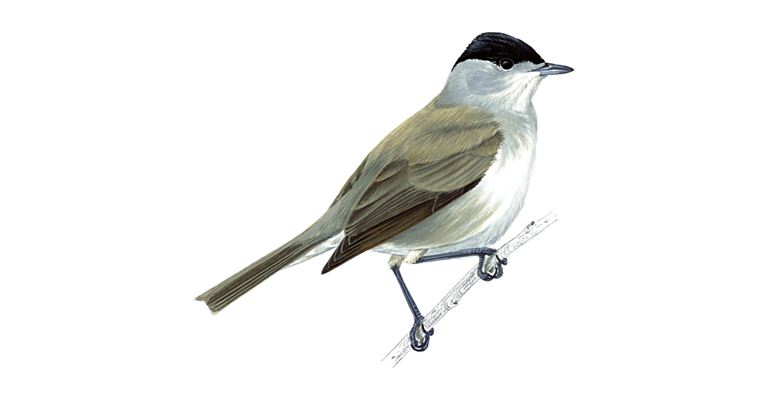
I started walking around it, looking out at the view. I can clearly remember hearing a strange sound about halfway round. I looked up at the tree where the call had come from and then I heard it again. This time I managed to spot him. Mostly grey with a black crown. It turned out to be a blackcap. This was my first positive sighting of a blackcap.
Sadly, there was no sign of the cuckoo yet and he’d gone quiet. I carried on, still hopeful but sadly, I reached the end of the path with no sight of the cuckoo.
I went through the gate, strolled down the road and went up and across a bridge that led me back to the car park.
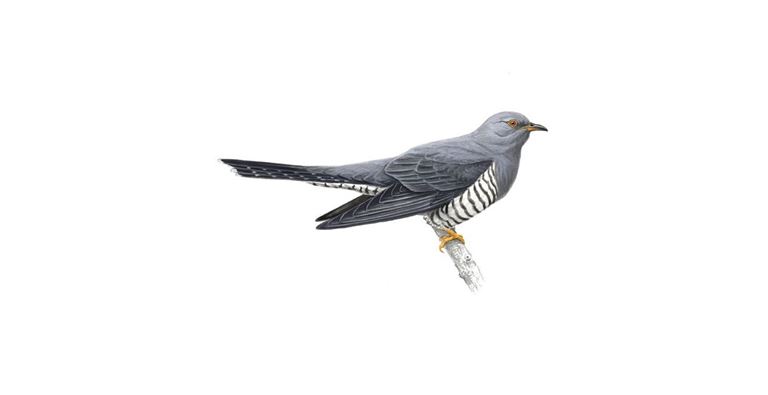
The cuckoo has a mainly grey plumage, which makes it quite unobtrusive to mobbing crows when they hide in thick trees. The female is pretty much the same as the male so it’s hard to tell gender.
A cuckoo usually eats insects, a favorite being hairy caterpillars. It also occasionally eats eggs and chicks. A cuckoo catches insects by hawking but when looking for caterpillars, it will come on the ground to look.
The cuckoo’s favorite habitat is open moorland with thick trees and forests nearby. When they breed, this habitat provides large food sources to feed their young.
My Encounters
My first encounter was at Emsworthy Mire. I was sat on a wall, watching a tree where I had heard a cuckoo and that was when I saw him. He was sat there for a moment before leaping onto the ground. My second encounter was at the same place but he did not fly away immediately this time.I was doing the same thing, sat on a wall but watching a different tree from the distance. This time when he came, I got to admire him for longer. Most people have probably heard a cuckoo but have you actually seen one? They are so secretive, I feel very lucky to have seen them twice.
Conservation Status
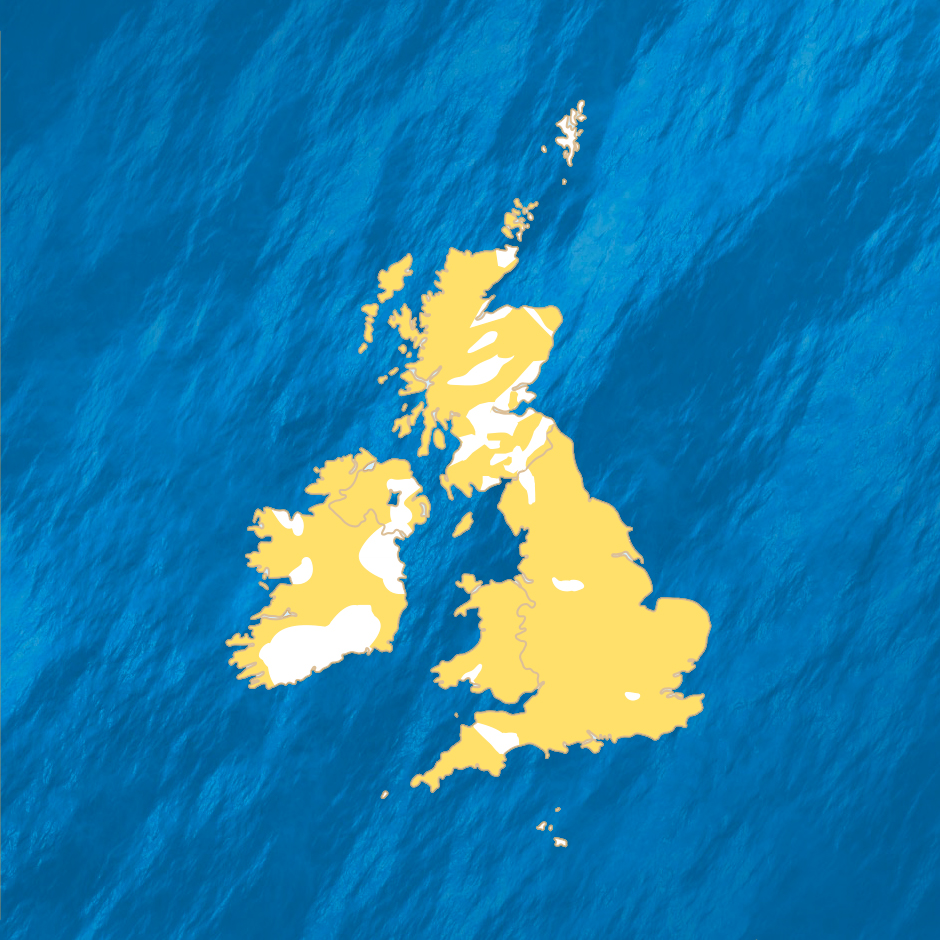
The cuckoo in Britain has been in a long term decline since the 1980s. The decline was first evident in the 1960s but its seemed to slow until the 1980s. The species has disappeared from many of its former range and is declining all across europe and has since disappeared from Russia and the Baltic states. Reasons for the decline seem to be based in its African wintering grounds as less and less migrate to the UK every year.
Nest Parasitism
A cuckoo is best known for nest parasitism which is when it lays the egg in another nest. When laying, the female cuckoo checks the chosen foster parent has left and then it strikes. It lands in the nest and lays its egg. As the cuckoo grows up, competition with the actual chick heats up and most cuckoo chicks end up pushing the other chick out of the nest!
This is the count for the British Trust of Ornithology’s garden birdwatch. The BTO runs this garden survey and I really enjoy it. Here is a link if you want to find out more about the BTO. By the way, if you are thinking of registering, there are a few rules. You can only count birds in and using your garden. You must count the highest number that you see of your bird species at one time then the highest number you see over the period is the one that you record.
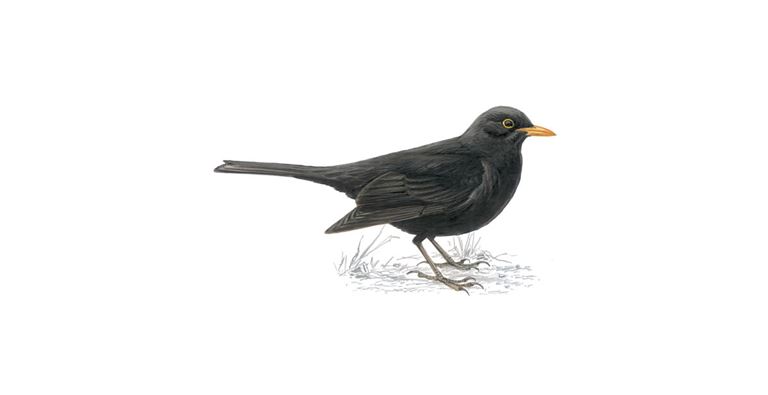
This week’s count of the blackbird was 2 at its highest. I mainly see males in the garden, with the occasional female. They like pecking at the fallen bird food underneath the bird feeder or they just sit on the fence or in the tree.
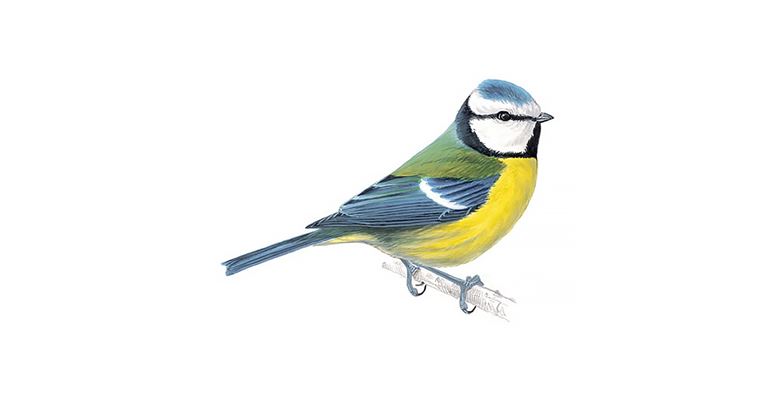
The blue tits in the garden only seem to come when we’re inside. It’s a joy watching them though. This week’s count has been 2. They mainly like to sit on the bird feeder guzzling down the suet.
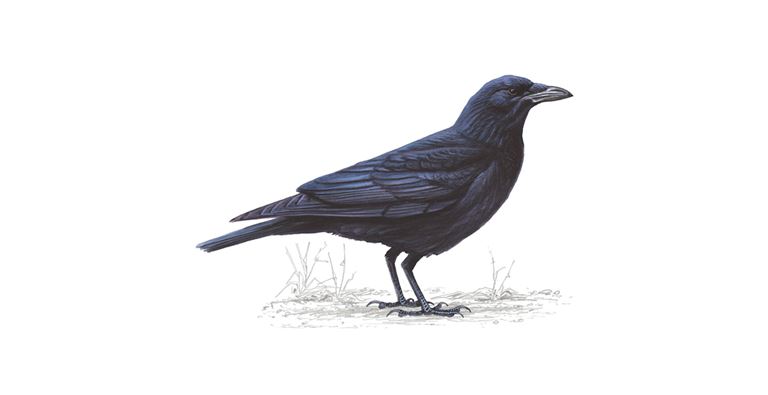
The carrion crow isn’t a regular visitor to the garden, they just like to sit at the top of the oak tree, seeing off any other birds who come near. This week’s count was just 1. We only really see them twice a week.
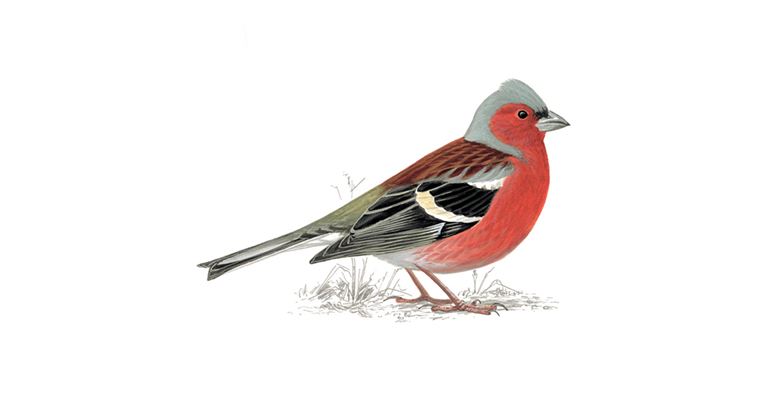
The count for chaffinches this week was 2. We usually see them underneath the bird feeder or on the fence. When they are on the ground, they are quite camouflaged and unobtrusive.
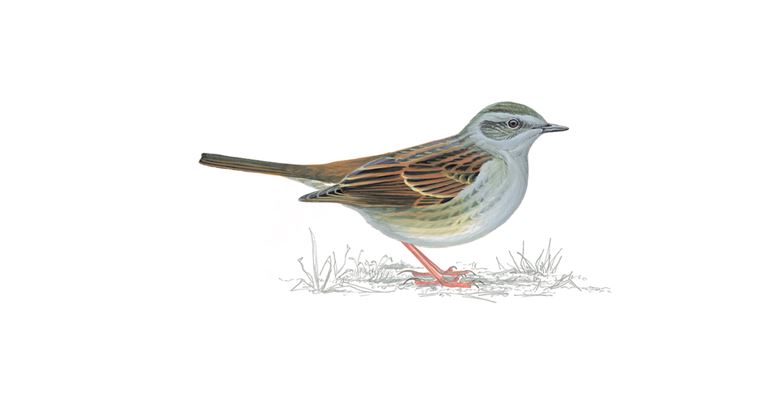
The dunnocks we see in the garden are usually on the fence or occasionally, under the bird feeder. This week’s count was only 1 but then that is as usual. The dunnock’s grey breast actually makes it one of my favourite birds.
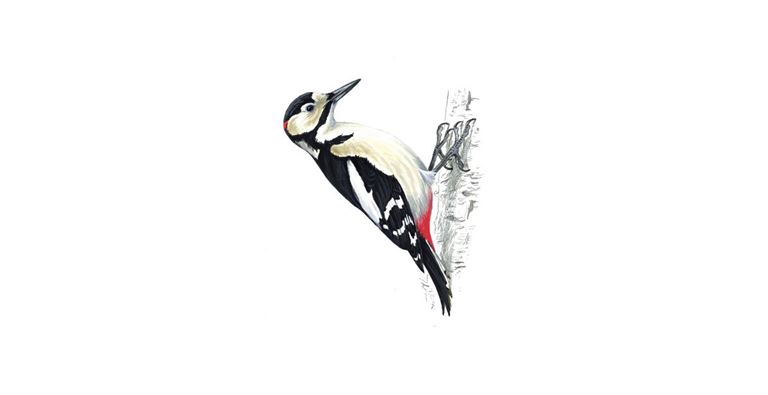
The only reason we have woodpeckers in our garden is probably because of the oak tree that overhangs the fence. This week’s count was just one. The woodpecker usually flies onto the ground and then climbs up the pole that our bird table’s on to get the food.
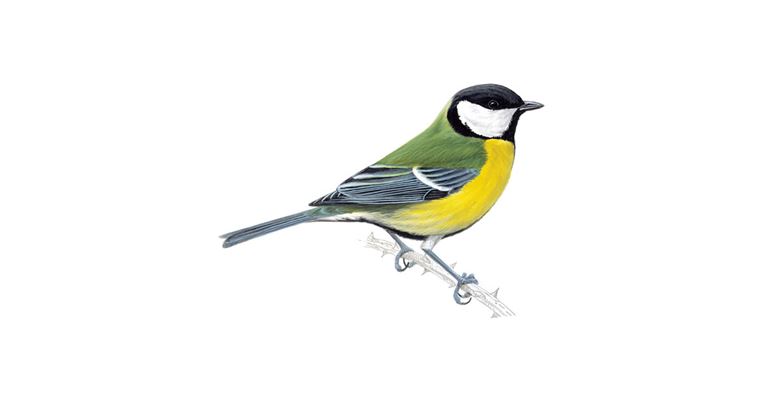
The great tits we see in the garden are usually on the fence or on the bird feeder and occasionally in the tree. This week’s count was 2 which is quite unusual as we don’t see as many great tits in the garden now.
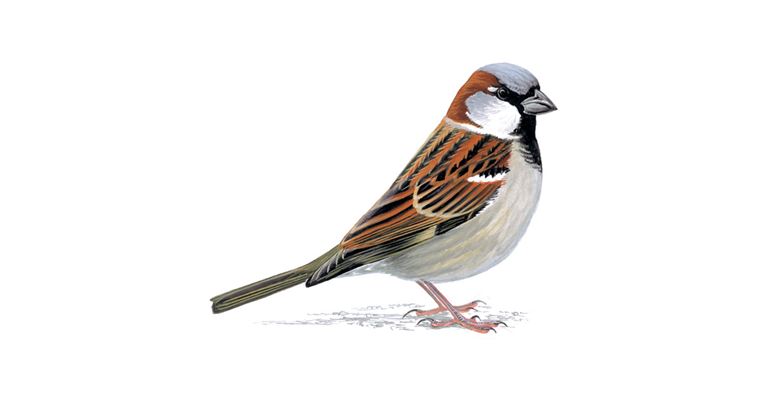
We have very few house sparrows in our garden now but I guess we got lucky this week as there was 3 in the count. The male’s black bib is really pretty in a way. The female is usually streaky brown and quite hard to spot on the ground.
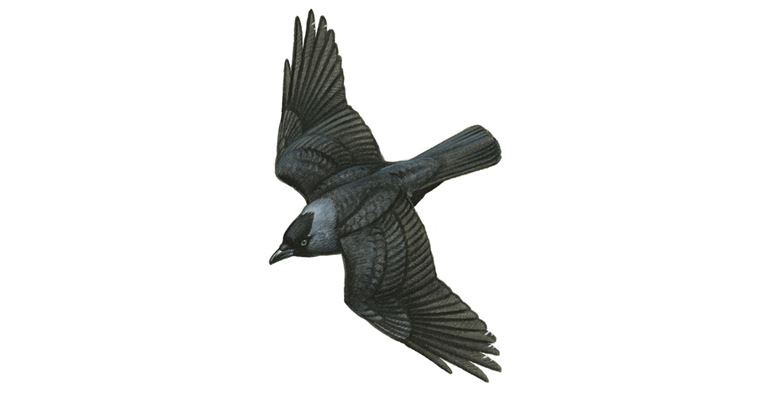
The jackdaw is quite an unusual visitor to our garden and not regular but one was sat in the tree this week. That’s where they usually are when they are there. Just sat in the tree, occasionally making a croak.
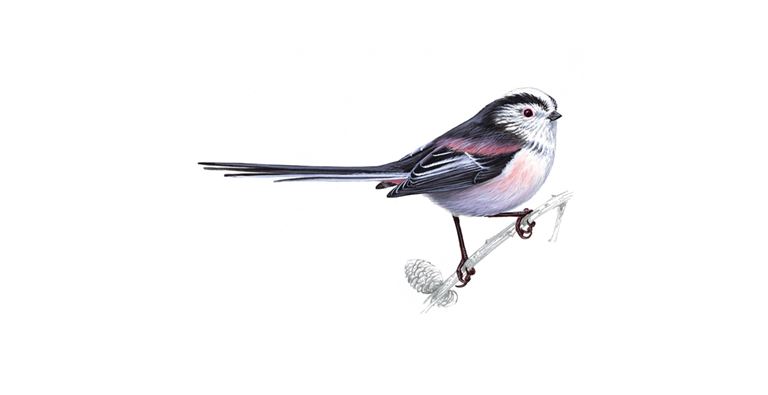
The long tailed tit fledgelings have been around, calling lately but the count was only 2. Sadly, one of the youngsters died after crashing into our window. They usually attack the bird feeder, scoffing it down.
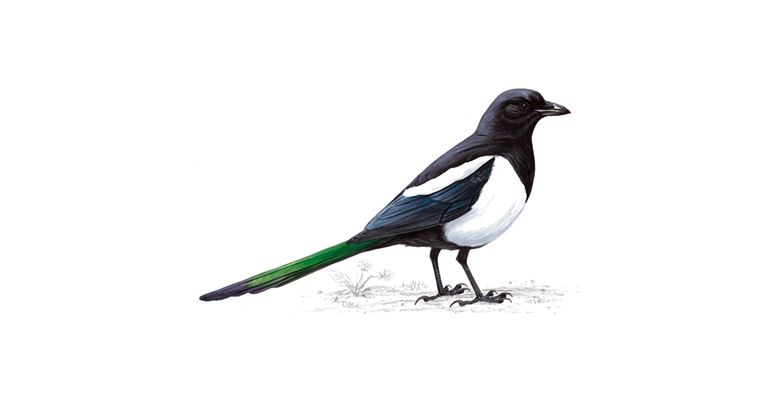
Our magpies usually just sit in the tree like the jackdaw but occasionally, they will sit on the fence. The count for this week was 1. They don’t come to the garden that much but they are quite regular.
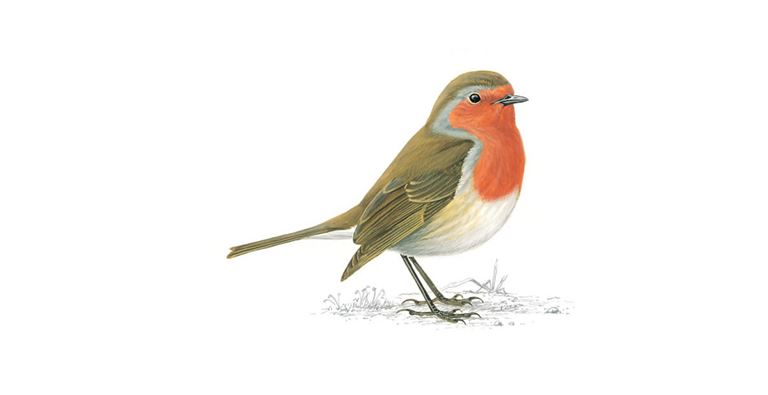
We get a lot of robins in the garden and I mean a lot. We see at least 1 every day and they are a very welcome visitor. They usually come looking for worms and when we had a leatherjacket problem, they were everywhere. This week’s count was 2.
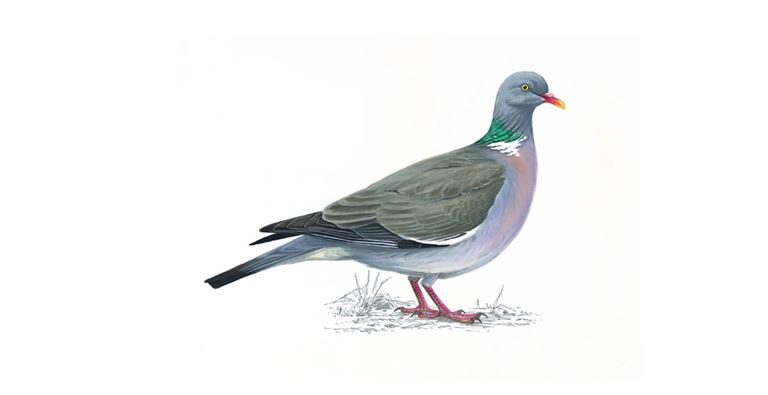
The wood pigeons only really appear when the bird feeder is knocked down and they like to wolf it all down before anyone else gets a chance. This week’s count was only 1. They usually sit on the fence.
The nuthatch is quite secretive when its crawling up the tree but when it jumps on the bird feeder, it becomes quite boisterous. This week’s count was 2. They really are a joy to watch.
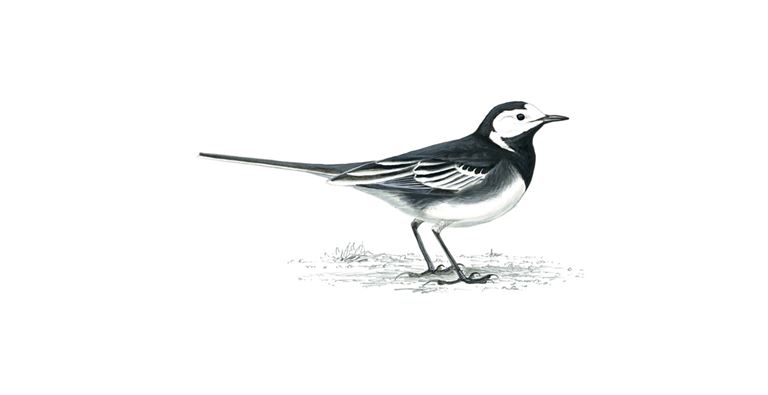
We don’t normally see pied wagtails. We just occasionally see them on the garage roof. This week, we were quite lucky and saw one hopping about. They are very stark with that wonderful black and white plumage.
That was our count for the week.
The BTO does things like this to survey garden bird populations. It’s a wonderful thing to do. You just sit there, watching the birds come and go.
When we made it to the car park, it was quite windy but sunny. We were up on higher trendlebere down and we were looking for some new birds. After standing around a little bit, we started the trek. The first bit was through a firebreak. It was filled with dead gorse and burnt sticks so it was very annoying to walk on. Next, we headed through another firebreak but luckily, it was the last one and we were free to head up.
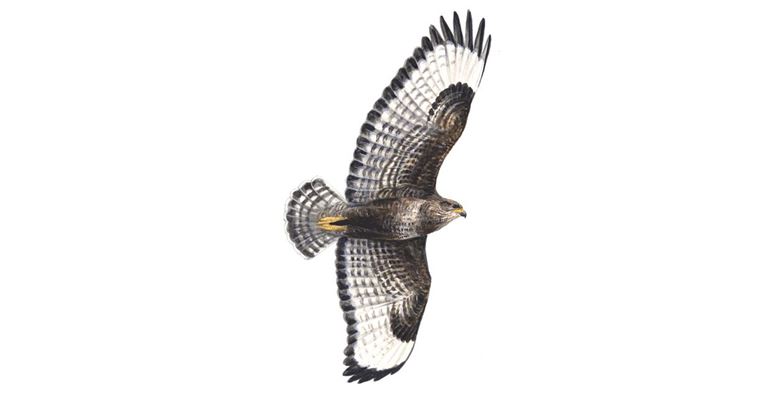
We started climbing at a quicker rate now and we came to a steep bit. It took a while to climb but we got to the top in the end. We carried on across the uneven paths until we came to a junction. We carried on heading north and eventually found a road. This was when my brother, Bertie saw a buzzard but was convinced it was something else as it was so close and he thought it was quite big.
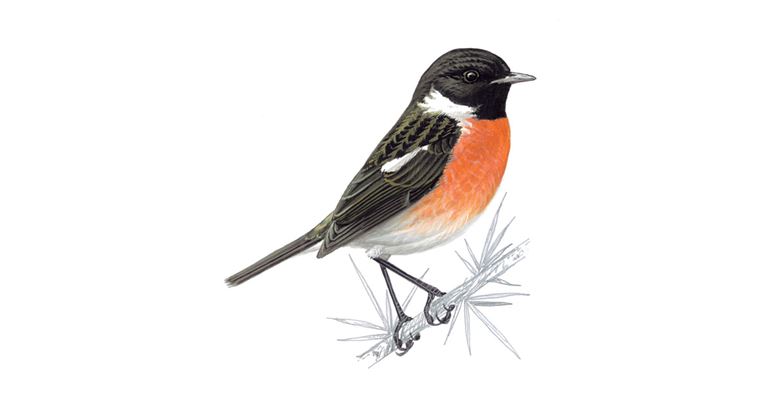
We decided to follow the road for a bit but before we did, there was a bird flying around and he had just jumped onto a bush of gorse. I lifted up the binoculars.Pink breast and black head. It was a stonechat. Then another flew in. Suddenly, there was a strange alarm call behind us. Guess what? It was another stonechat! Finally, we carried on down the road.
There were surprisingly bluebells as we went down the road and they looked in pretty good condition! After a while, we found a path. Well, not really. As soon as we went down, we were drowning in gorse. Now if you recall, in other posts I have said that I was ploughing through gorse. This time, we really were, big time.
We carried on through the gorse and it took a while to get to the first stop. It was a nice open space with a tree in the middle. It was quite beautiful. After a while, we carried on.
The gorse got slowly thinner as we neared the end of it and in the end, we got out.We carried on down the path and the car park was in sight.
After a while, we finally made it to the car park.
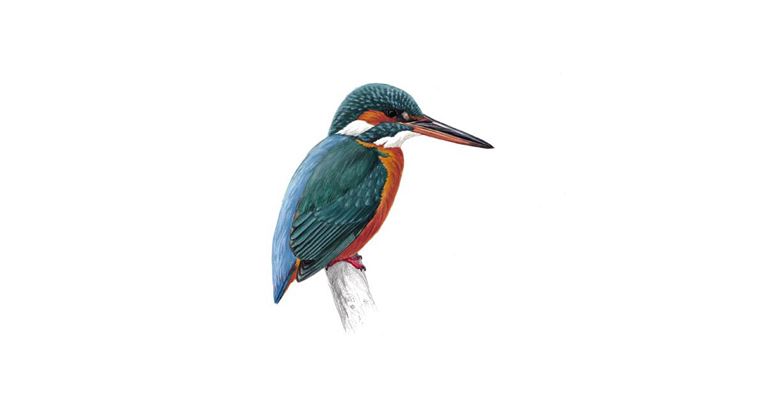
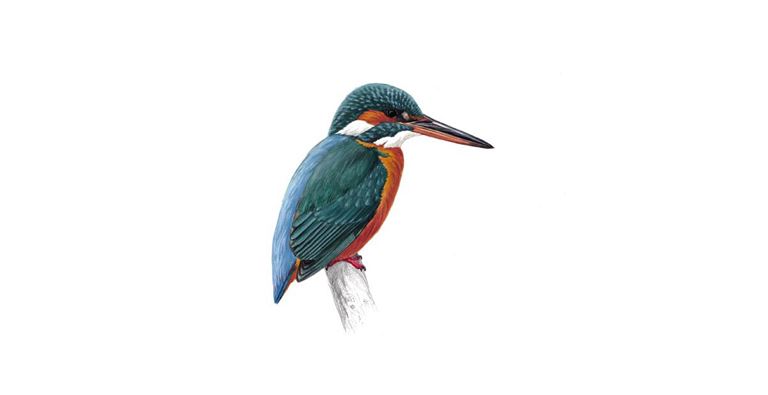
The kingfisher male has an orange head and a bright blue body whereas the female instead of the bright blue on the body, they have an oily green effect. Despite their plumage, kingfishers are very unobtrusive as they sit in trees above a river, waiting for the right moment.
The kingfisher usually eats fish. The only thing is catching them. Luckily, kingfishers are experts at catching fish. Their method is to be patient. They sit on a branch above the water and slowly wait but when there is a flash of movement, the kingfisher zooms down into the water and catches the fish.
Habitat
As I’ve mentioned previously, kingfishers like to live near water. In summer and spring, they like to be inland by freshwater lakes and rivers whereas in the winter, kingfishers like to be near the sea.
My encounters
My first encounter with a kingfisher was at Dartington Hall Estate. The conditions were sunny and we sat down by the river to have lunch. Halfway through a bag of crisps, I noticed 2 birds flying past close to the bank. I quickly lifted up my binoculars and realised they were 2 kingfishers. My second encounter was quite incredible. When I was in a bird hide in Mallorca, I was watching a kingfisher sat on a post in the middle of the marsh and suddenly, he took flight but not in the direction you’re thinking. He flew straight at the hide and at the last minute, flew up and over. It was a breathtaking experience. My most recent encounter with a kingfisher was at Bradley ponds and you might remember this from my previous posts, a kingfisher flew past me and landed in the tree line. This one wasn’t much but it was still amazing.
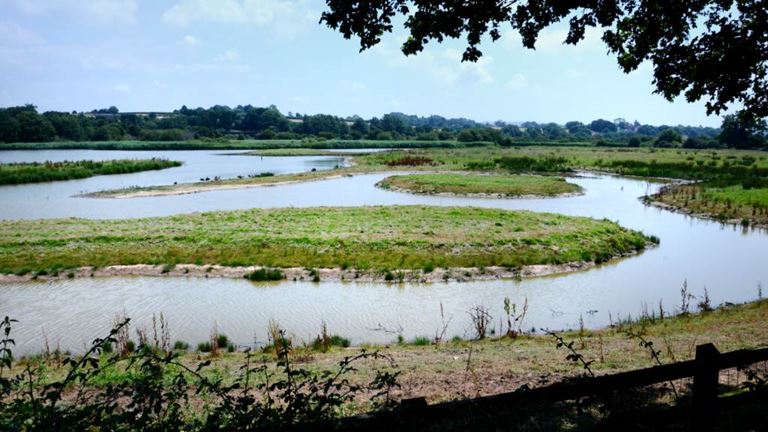
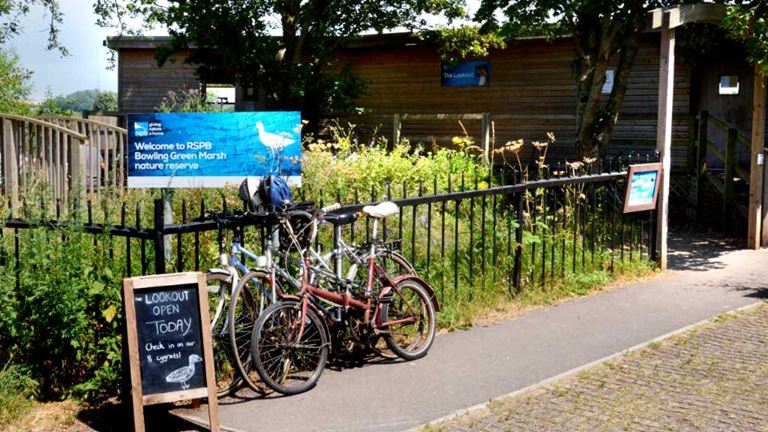
Today, I am going to review Bowling Green Marsh, an RSPB reserve in Topsham, Devon, England from my perspective. Grid Reference SX971875.
To be honest, there is a long walk up the road from where you can park your car to get to different paths but it’s worth it in the end.
When you get to the bird hide, you can go 2 ways. There is a path into a sort of wildlife garden and one leads into the hide. When you go into the hide, it can be very busy and it’s hard to find a space so I would recommend coming early in the morning or late in the evening to avoid the crowds. If you do this, you might get a space in there but sometimes, a sort of viewing area with books and things is open and it’s never busy in there! It’s quite nice as there are sofas looking out at the marsh and books free to read. It’s perfect!
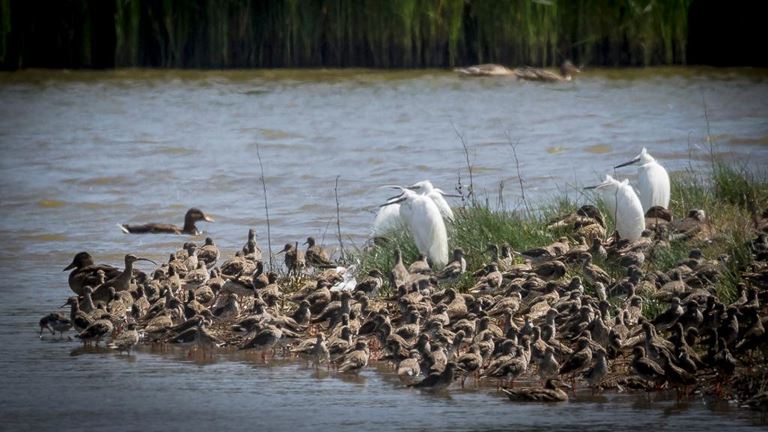
Out on the marsh in winter, you can see plenty including black tailed godwits, pintails, wigeons, teals, lapwings, curlews and greenshanks. There are often far birds so I would recommend a scope or any long-range equipment.
When you carry on along the road, you’ll eventually come to a gate, which leads to a path. If you stop just by the gate, there will be a marshy field, which will sometimes hold Brent geese, Pochards and redshanks. When you get to the end of the path, you can climb up the stairs, which lead to a viewpoint, that looks out over a part of the marsh and you can see avocets, dunlins, godwits and little egrets.
Overall, I would give this place 4 out of 5 star due to its personality.
You can see a lot more birds here in the winter than in the summer but an osprey in autumn or spring definitely makes up for that. I would say this place is pretty good!
If you do plan a visit, let me know what you think in the comments!