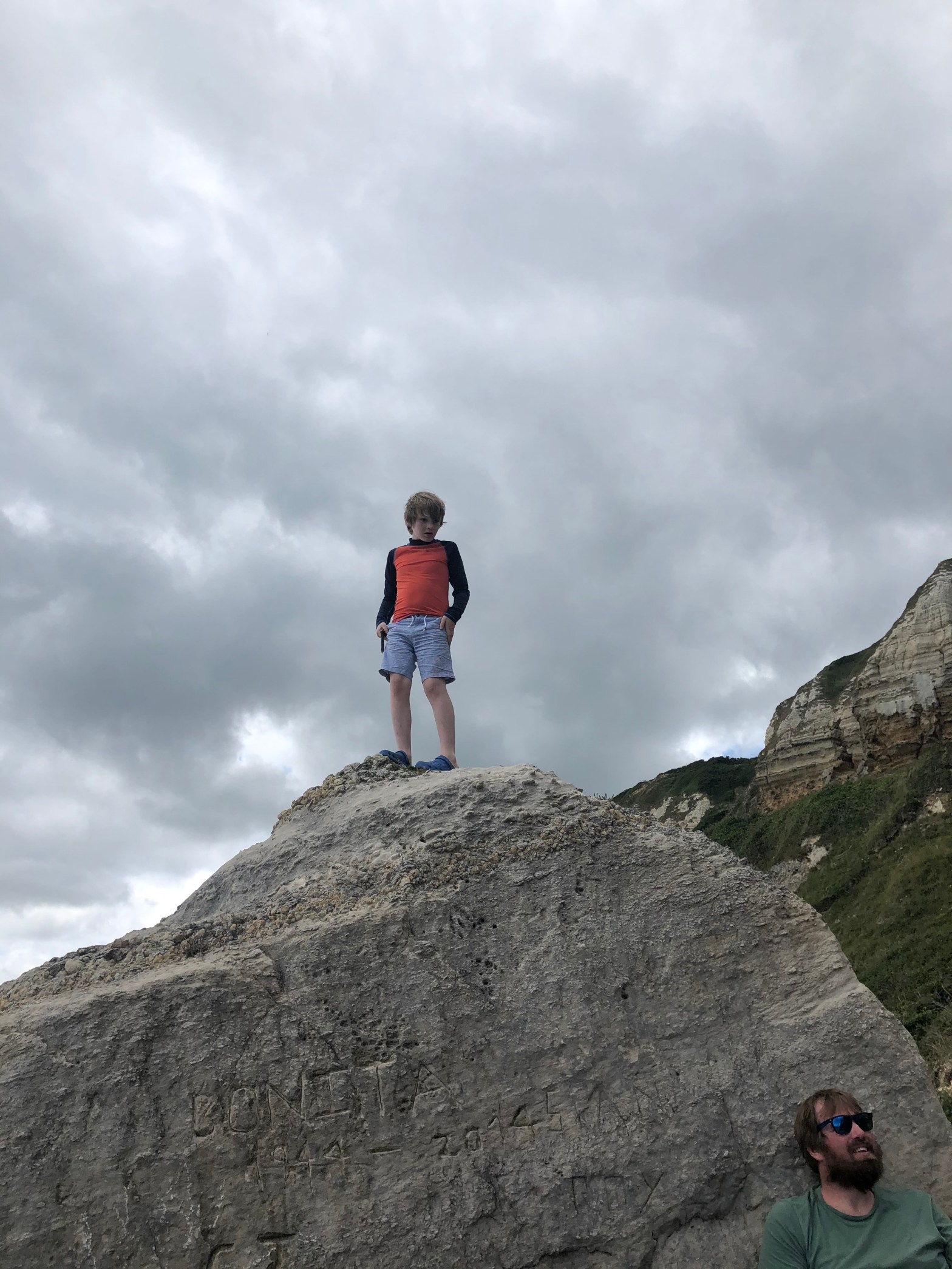
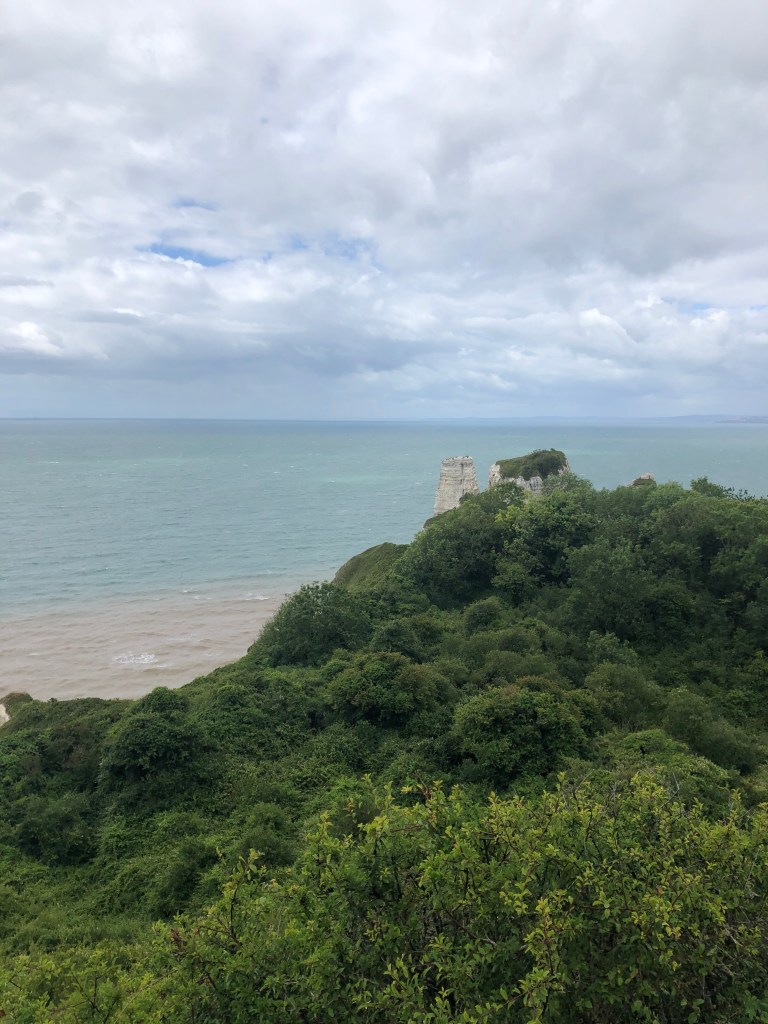
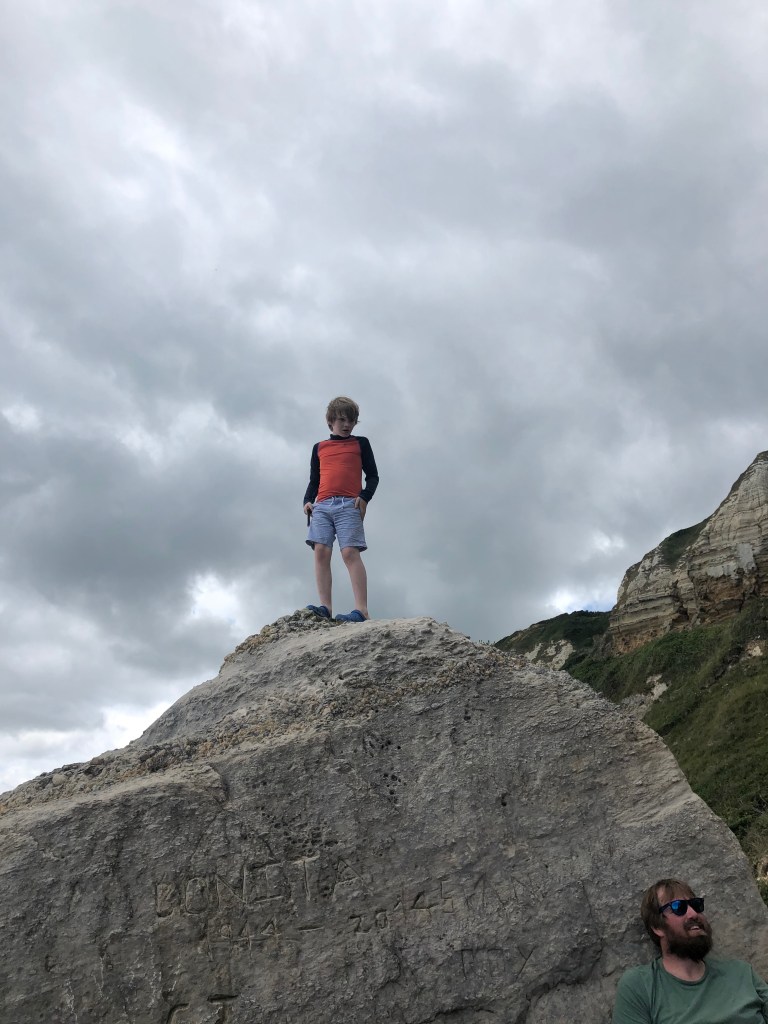
We parked the car. We were at Beer Head with some of my parent’s friends for a picnic and if I was lucky, see some new birds. We walked along the top of the headland, rain crashing down on the cliffs. We sheltered in some trees and waited for it all to blow over. When it did, we made our way to quite a treacherous path. It was steep and it took us right down the cliffs, with the ocean blue right below us and no fence. Just then, a distant bird was flying by the cliffs and it looked like a falcon. I looked through the binoculars and there flew a peregrine falcon. An absolutely amazing bird of prey.
The View from the cliff path.
The path takes us down to a pebble beach. Just offshore, there was a reef where about 9 or 10 cormorants were diving and swimming, heads just visible in the wavy sea. I climb up onto a rock and scan the landscape with my binoculars.
Just then, a small bird comes into view, hopping up the cliff! I watch it hop about before disappearing. The cliff was very sheer and rocky, with just a few ledges and spots of greenery. The bird was hopping around with ease and giving us lots of good views of it’s markings and characteristics. I thought of a few options of bird this may be, but kept counting them out when I got another glimpse of its beak, wings and legs.
Finally, I look through my field guide again and come across the rock pipit. It looked just like the bird I saw on the cliff. Another lifer. Who would have thought that I would see this normally unobtrusive bird on a public beach very close to a busy town!
We run around the beach before having to head back up the cliff.
Today I am going to review RSPB Radipole Lake from my perspective: Address- Radipole Lake Visitor Centre, Weymouth DT4 7TZ. This reserve is nestled right in the middle of Weymouth and is in Dorset. It is an unlikely home for some of the UK’s rarest wildlife.
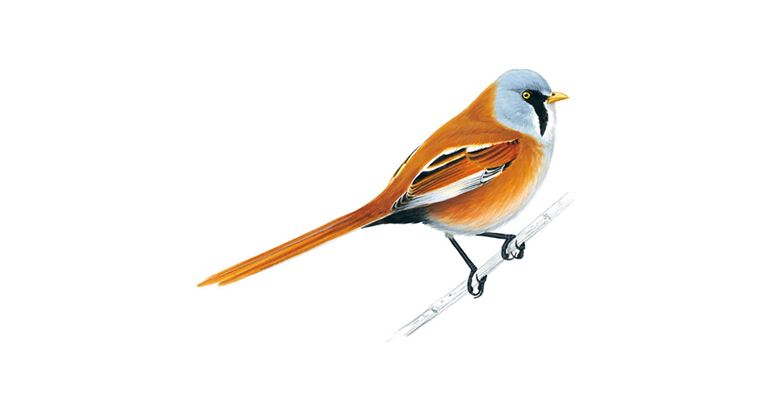
There is a large car park outside the visitor centre and lots of spaces . On the right side of the visitor centre, there is a path that takes you by some reed-beds. Follow this path. You will eventually come to a view point by the reed-beds. You can always go up here but you don’t have to. On calm days, listen for the pinging call of the bearded reedling. They like to cling to reeds and feed on the tops of bulrushes.
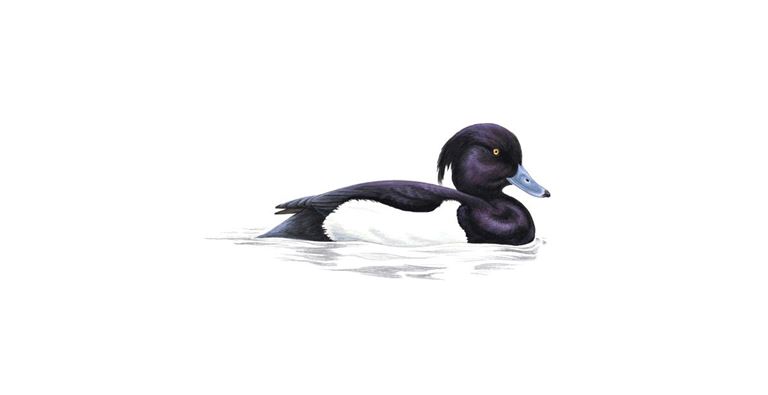
Carry on along the path and you will eventually come to a bridge. I would suggest stopping at this bridge to take it all in. The tufted ducks are sometimes up here though your best bet is the visitor centre. You can either turn around here or carry on but if you carry on, it takes you to the road. I would suggest heading back to the visitor centre and along the path I have just described.
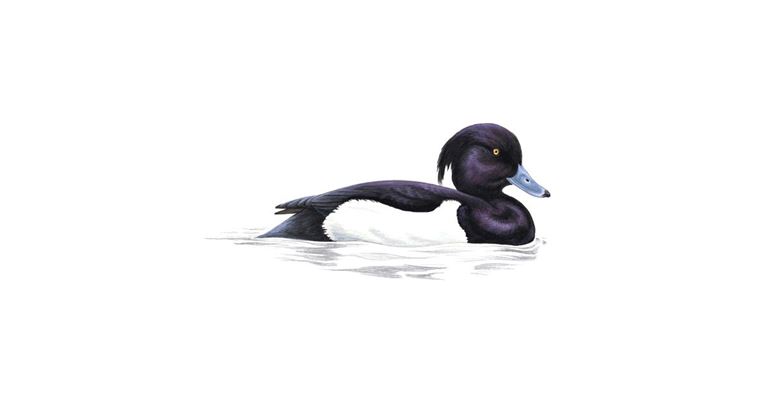
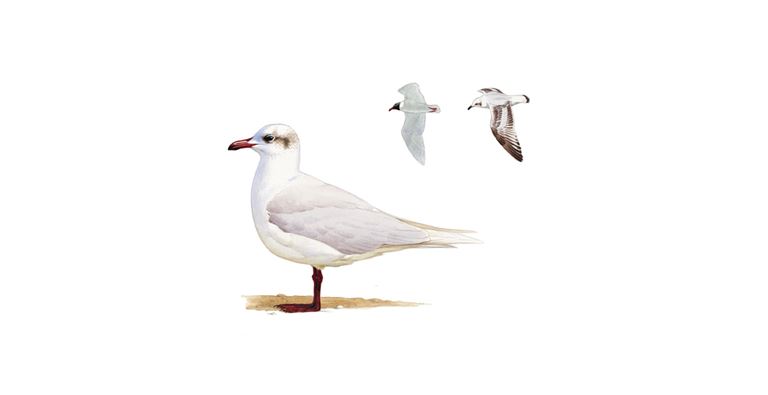
If you go in to the visitor centre, there are windows where you can see loads of wildlife. There are tufted ducks, cormorants, Mediterranean gulls, shovelers, wigeons, moorhens and plenty more. The visitor centre also offers food and drink and the staff are always good people to talk to if you want to learn more about the site.
Overall, I would give this place 4 out of 5 stars. It offers a wonderful array of species and it is really nice just for a quiet stroll. The staff are always very welcoming and the visitor centre is great. It is a really good place for children also as there are lots of toys and books to keep them entertained. My experience was where I didn’t see the bearded tits but I saw the tufted ducks and the Mediterranean gulls and these were both firsts for me so that made me feel amazing.
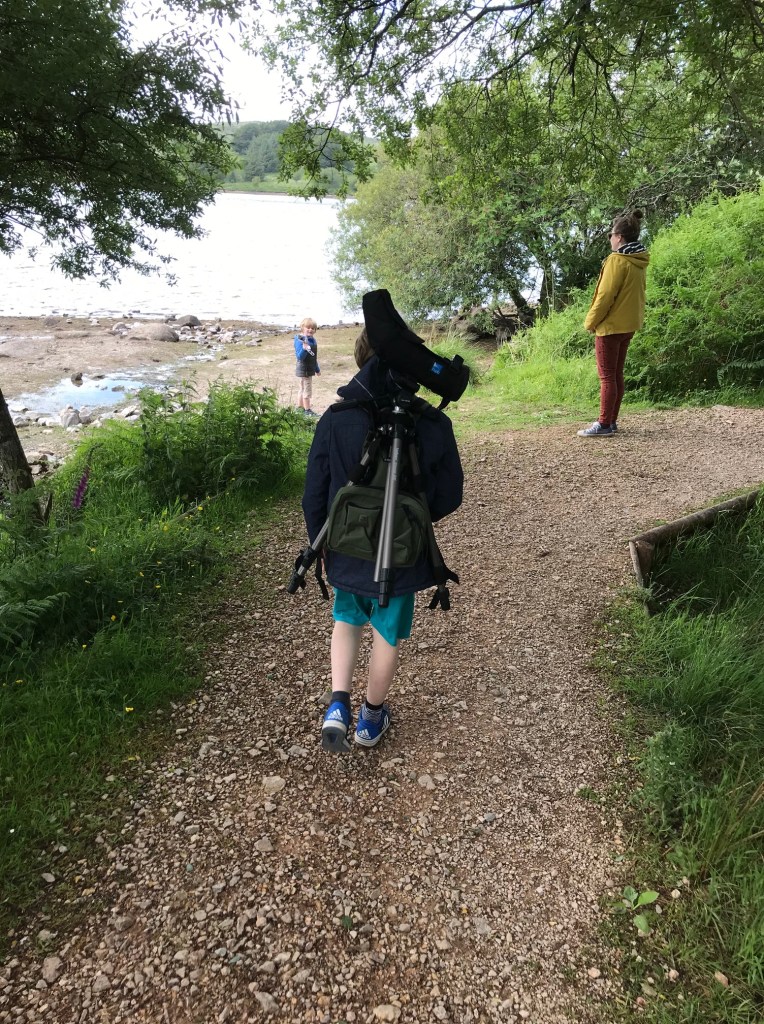
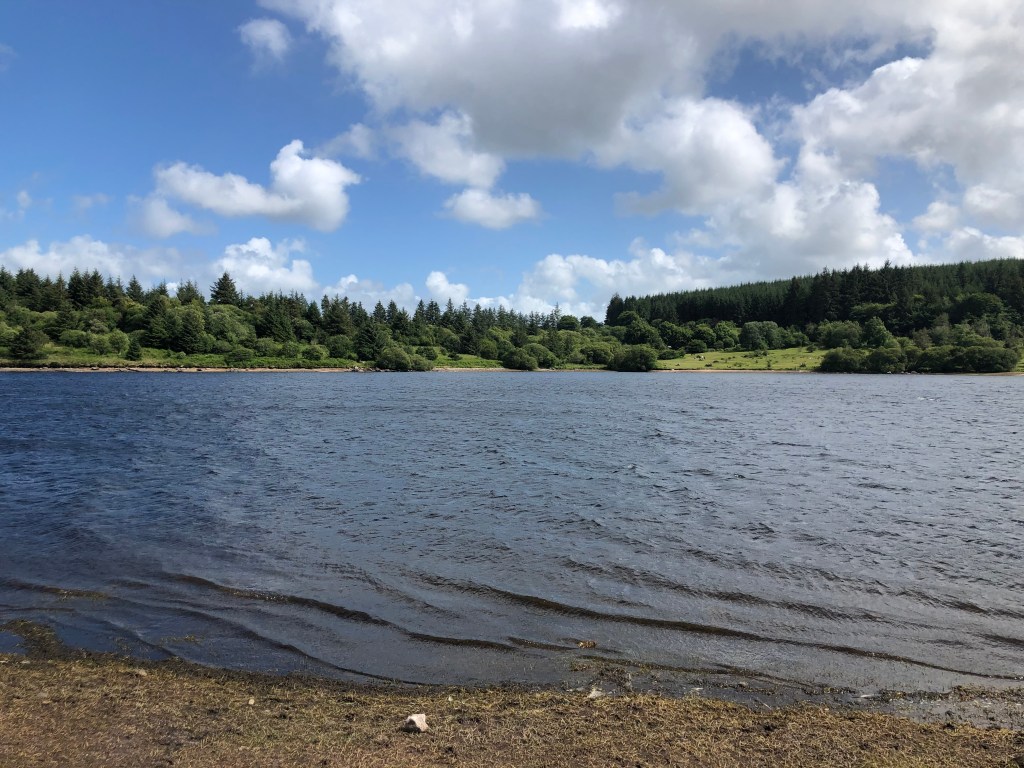
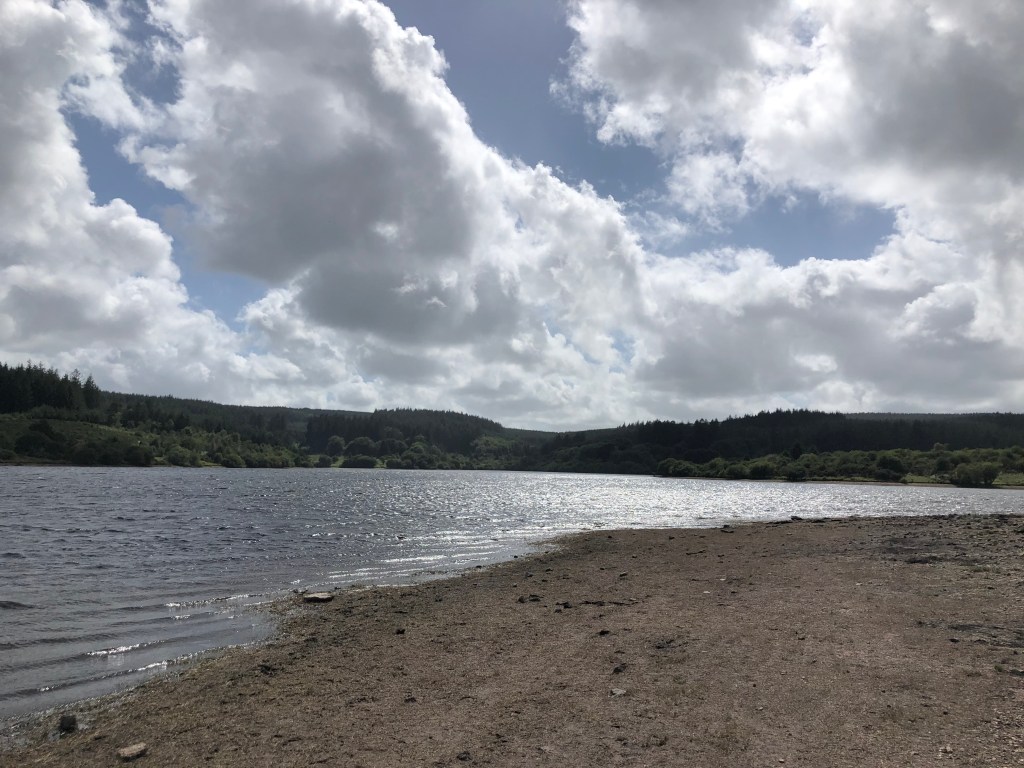
We parked the car in the car park. We were at Fernworthy reservoir in the Dartmoor national park. We started walking. There was a wonderful view out over the wavy water. Swallows and swifts filled the air with aerodynamic displays, the swallows skimming the water and flying parallel to each other. We carried on to the dam not seeing anything. The scope was getting heavier and heavier. It was the first time I had used my bag for the scope.
We walked along a road for a minute before taking a very steep path down to a little pool of water behind the dam. We got down there and realised little shapes on the water. Ducklings! We looked through the binoculars and saw the female leading them around the pool. After this, we carried on up to the other part of the dam. The beach down by the shore was very wet and sandy so we took the path that lead us through some scrubby land. After a while, we came beneath a large coniferous forest.
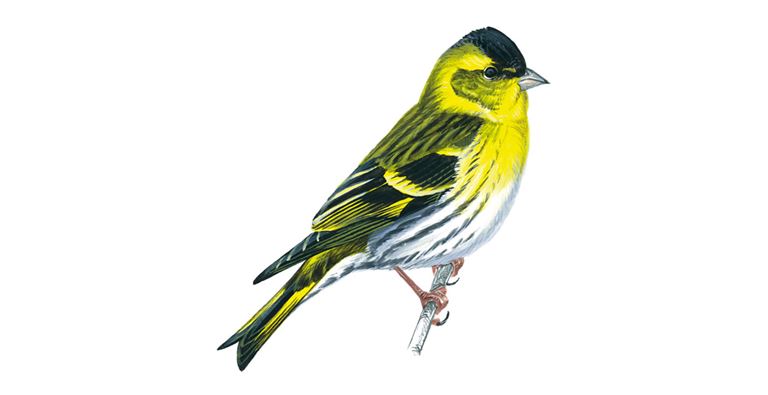
Then, a chiffchaff called out, almost drowning out the sound of the water. We carried on along the path and there were lots of shapes flitting around the trees. We catch sight of one, feeding on buds. We get the binoculars on it. It is quite hard to identify as it is silhouetted against the sky. We wait for it to move. The, a yellow body and a black cap come into view. A male siskin. I feel pretty good walking away as that was only my second siskin so far.
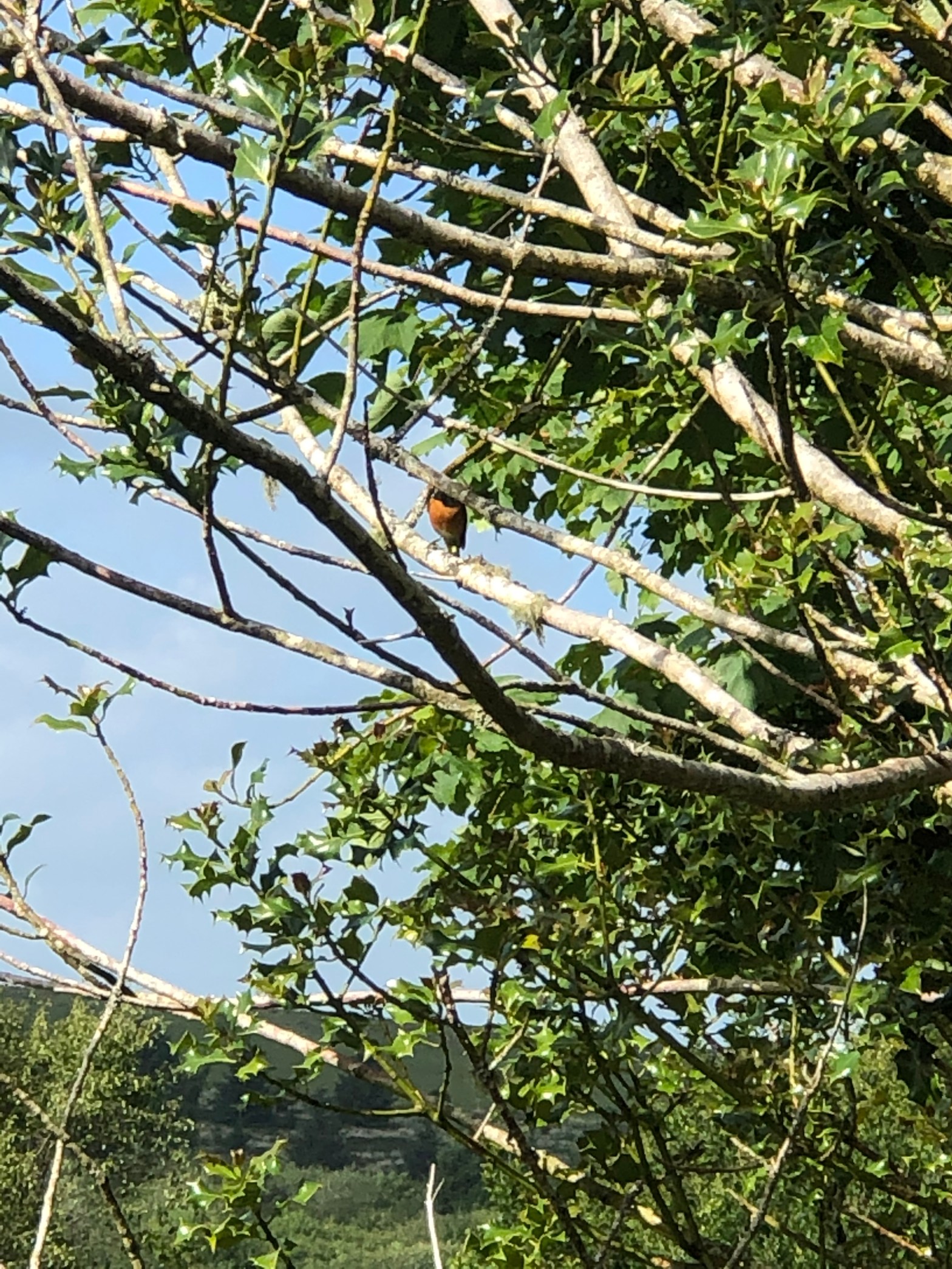
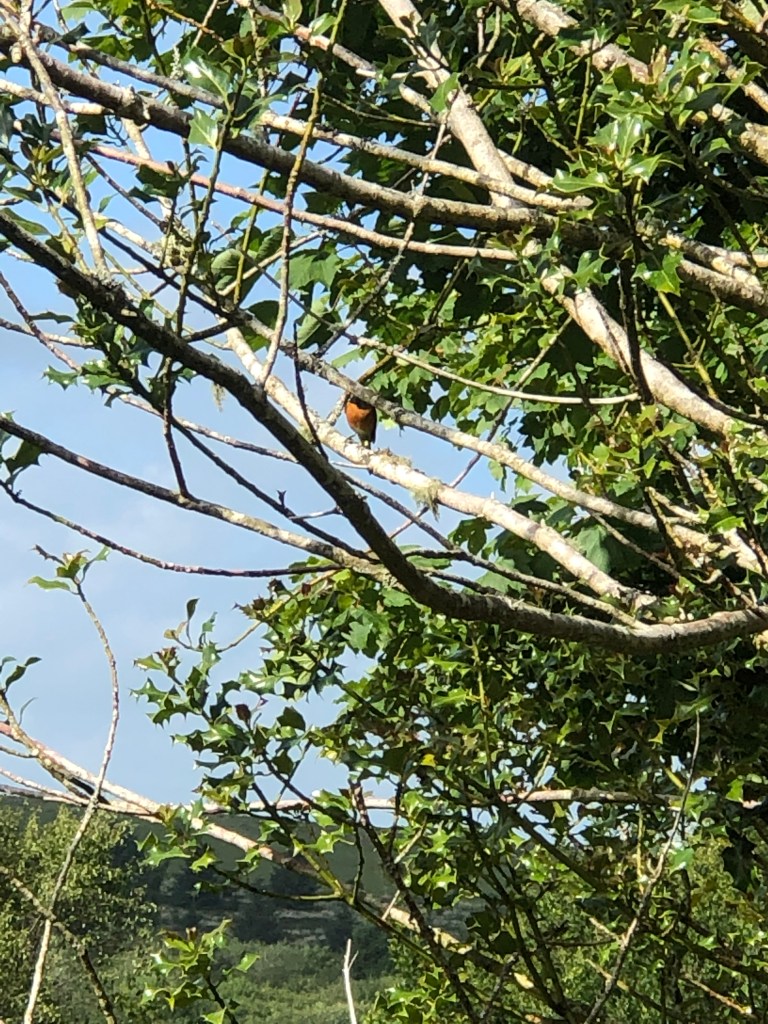
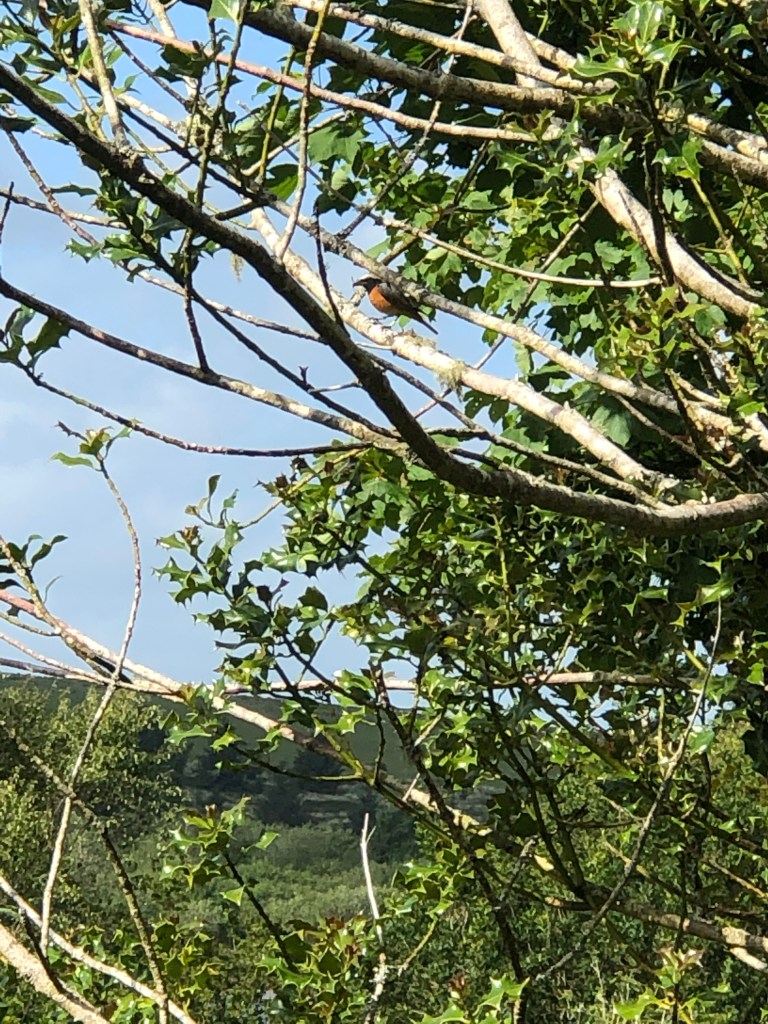
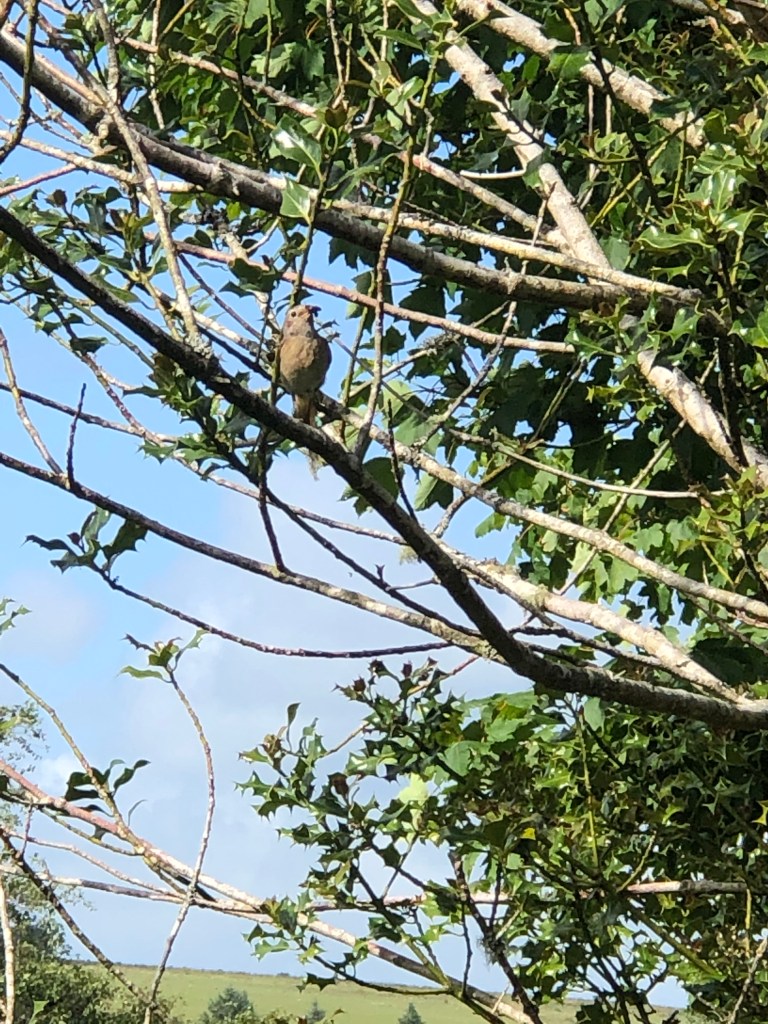
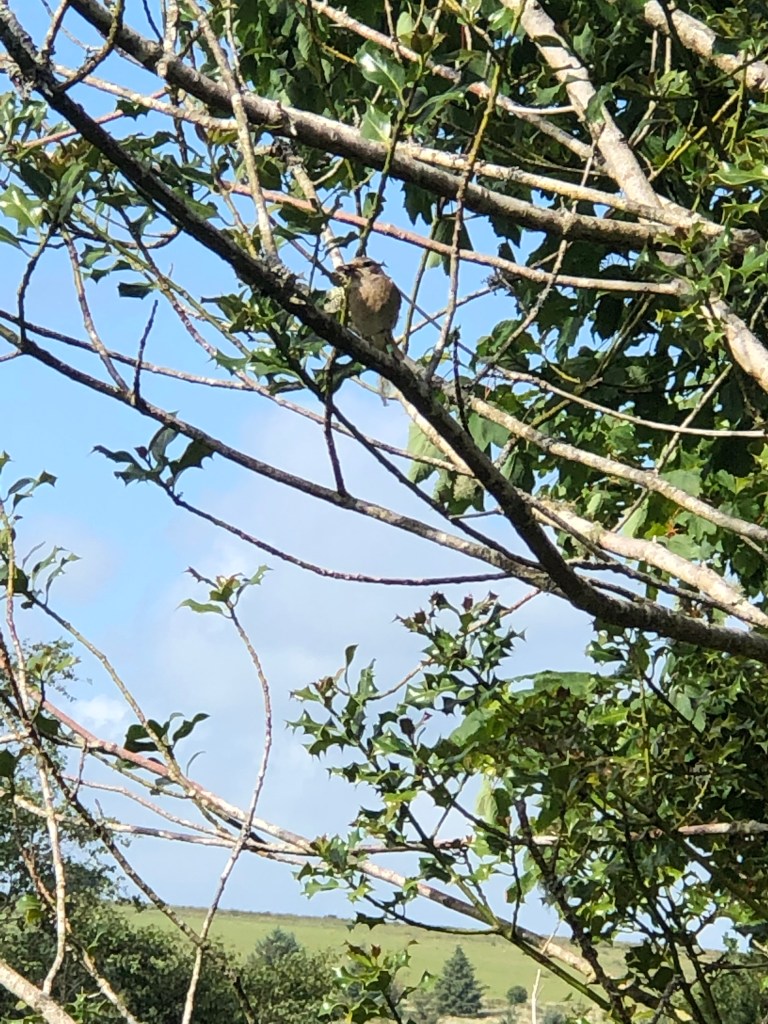
We carry on walking and come to a bird hide. We set up the scope. While watching some mallards, an unfamiliar call pierced the air. I look at the willow it came from. A small brown bird sits on the branch, calling and looking quite unfazed at how close we are. A female redstart! A lifer for me! But this wasn’t all. Just then, the male flies in for a brief second, looking striking as ever. A beautiful orange breast and a light grey head. Then he flies off again. There was still more to discover though. We see the female manoeuvring itself closer to the roof of the hide. Just then, it flies into a large pipe. I see the chicks lifting their beaks up and competing for the food. The female flies out again, zooms through the air and launches herself at a fly. After that, she flies back to the nest again.
The Male RedstartThe Female Redstart
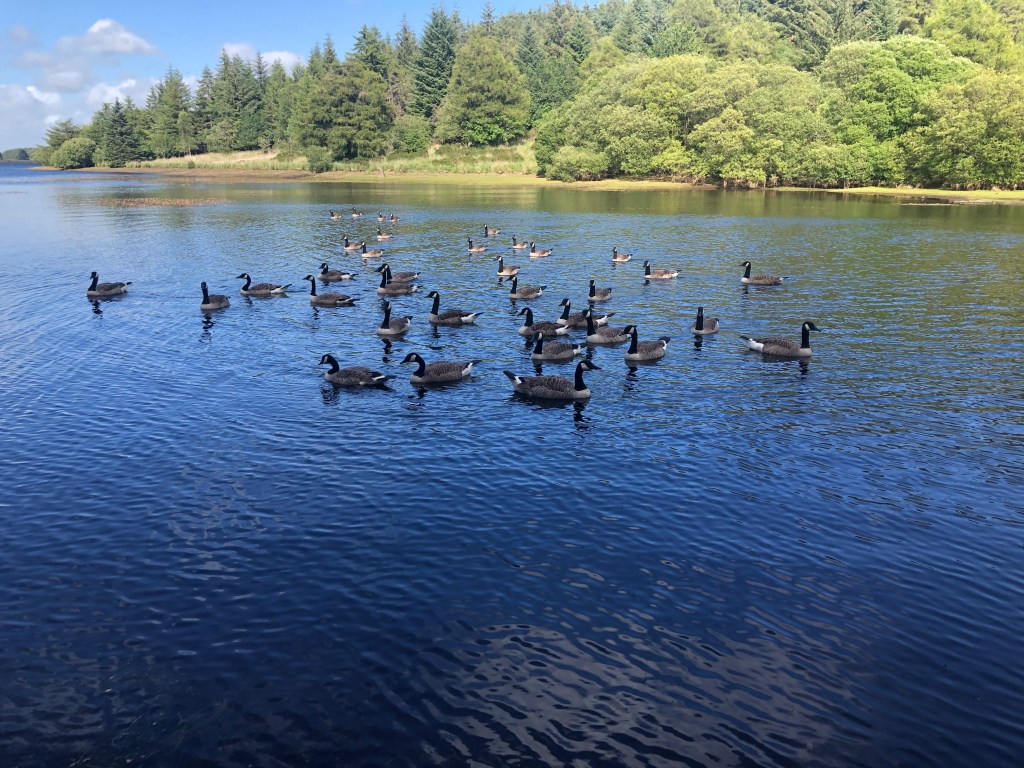
I was absolutely dumbfounded by this, a shy woodland bird was this close to our gazing eyes. We left with a heavy heart, not wanting to leave them but there was still more to come. We carried on along the path and saw a beach behind some trees where we could see some Canada geese. We walked through the trees and to our shock, it wasn’t just 4 or 5. There were around 45 of them! We carried on.
We eventually came to another beach. We could see 2 white dots out in the centre of the reservoir. We set the scope up and had a look. They were 2 summer plumaged great crested grebes! This wasn’t a first for me but it was a second and I enjoyed watching them bob along the choppy water.
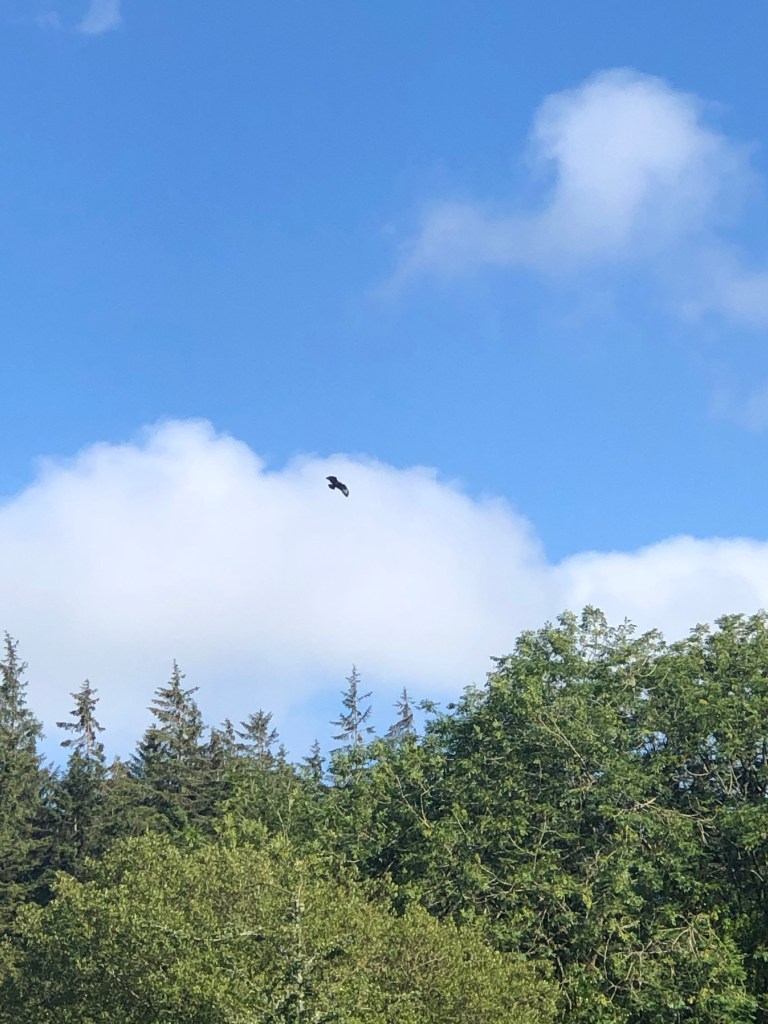
We carried on walking and found a buzzard up in the sky.
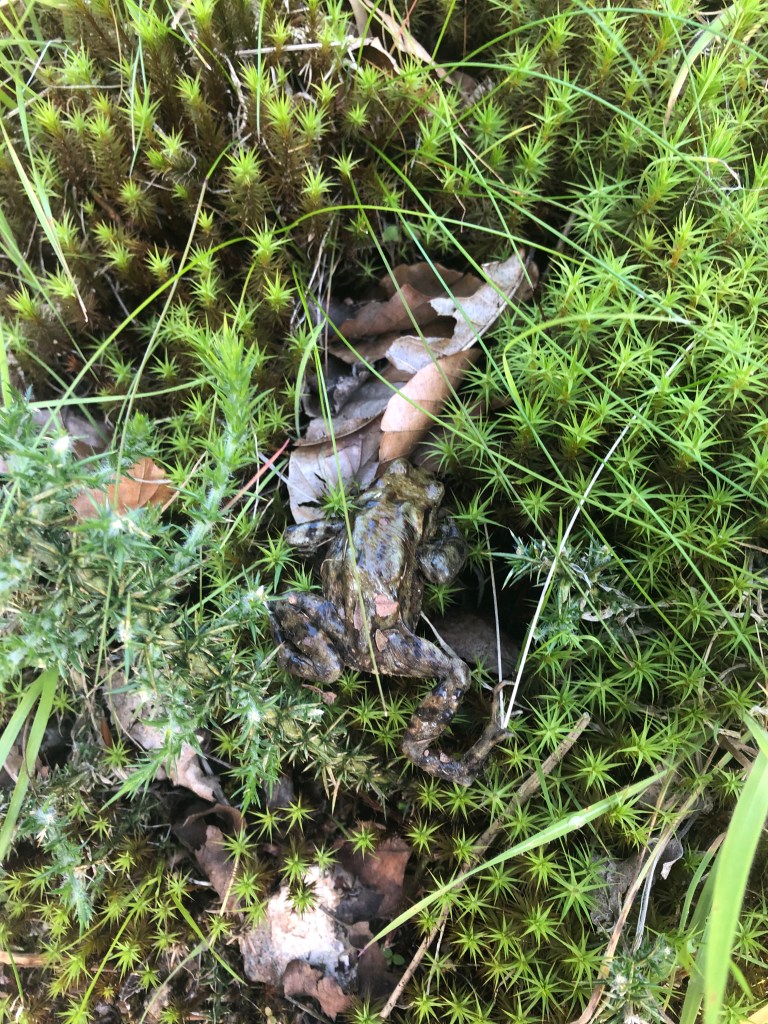
We carried on walking until we came to a perfect view of the reservoir. Then, to our surprise, a frog was bounding up the bank!
We continued back to the car, said goodbye to Fernworthy and drove off.
When I left the house today, a buzzard was circling up over the building site near the forest. Along with that, there were 2 wood pigeons heading in the opposite direction, probably away from the buzzard and to top that, a carrion crow was sat looking proud on the fence.
We carried on down the road. It wasn’t very open, just a narrow road engulfed in houses. These houses do hold life though and perched on the roofs were 3 house sparrows and a single pied wagtail. Herring gulls and wood pigeons filled the sky with the beating and gliding of wings.
We crossed the road and entered the field that leads to the ponds. In the neighbouring field, carrion crows cackled, filling the air with the soundtrack of farmland. Then, I noticed a lone swift low over the field, looking for insects before the sun went down. Along with the swift, a swallow dived over the field, again catching insects.
When we got to the big pond and went down to the jetty, to our relief there were 3 mallards out on the water. They kept on swimming closer and closer until we realised they were not normal individuals… they were eclipse plumaged. This basically means they were in the middle of moulting into a different plumage. We went back to the little stream that was by the path.
We waded across the shallow water, climbed up the slippery bank and made our way through the dense vegetation. When we reached the little pond, we wondered how our moorhen family was doing. When we reached the clearing, a 2 note song pierced the almost silent air. A chiffchaff. We scanned the trees where we had heard the song but we didn’t find it .
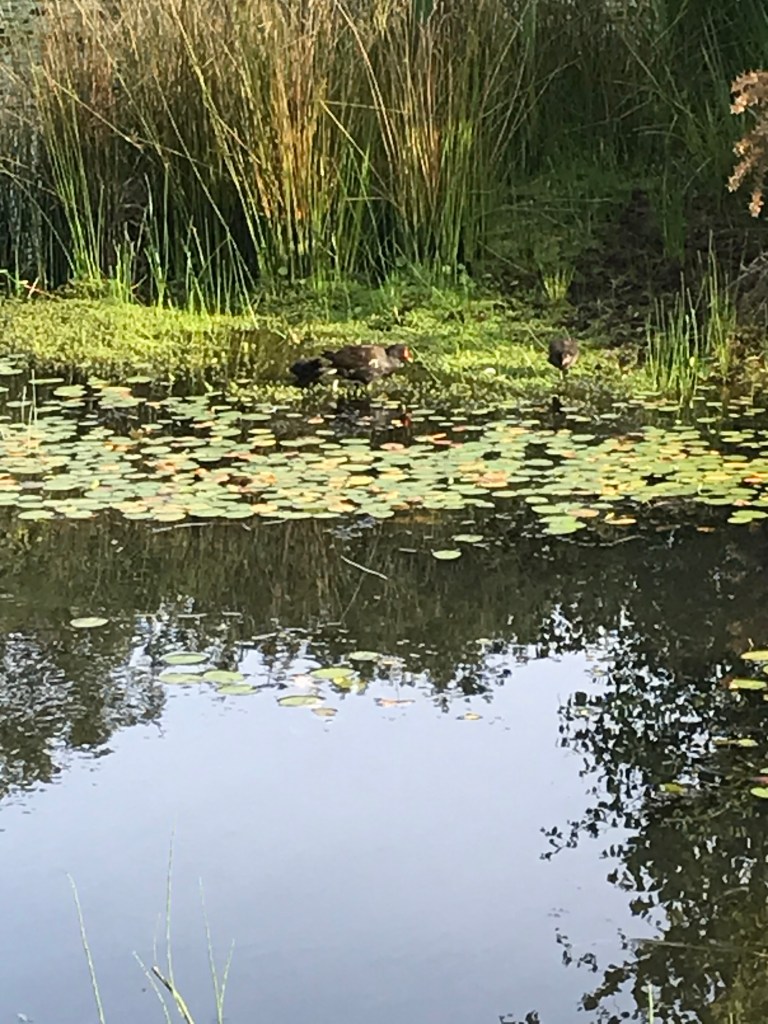
Just then, we spotted the moorhen chicks. They were on the banks, hidden in the reeds on the other side of the pond. Just then, the adult and 2 moorhen youngsters were out on the water, heading for the lily pads on our side of the pond. The lily pads were in full flower and it was amazing to see that through all that murky water and scum, these beautiful white dots out on the water could flower.
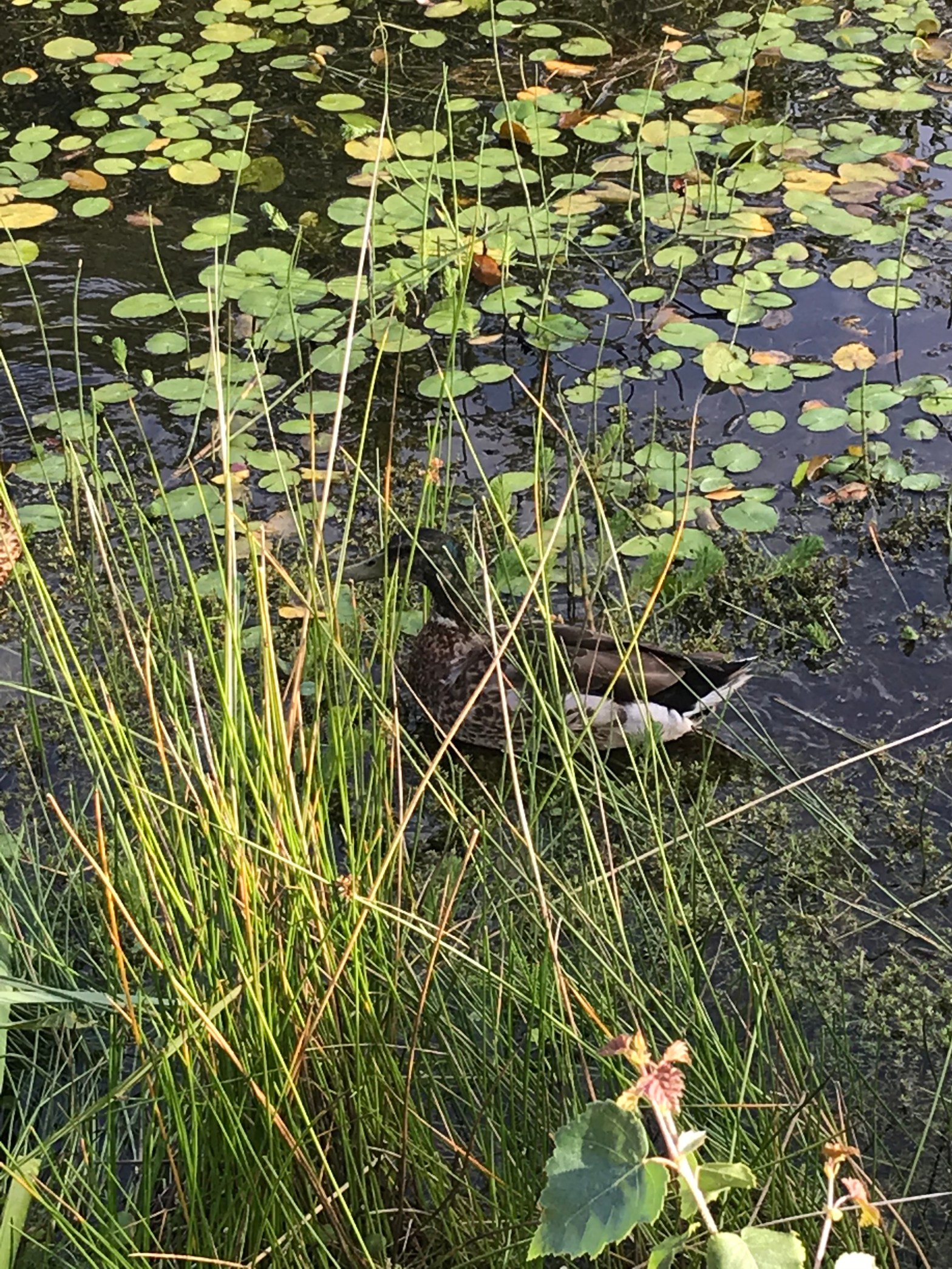
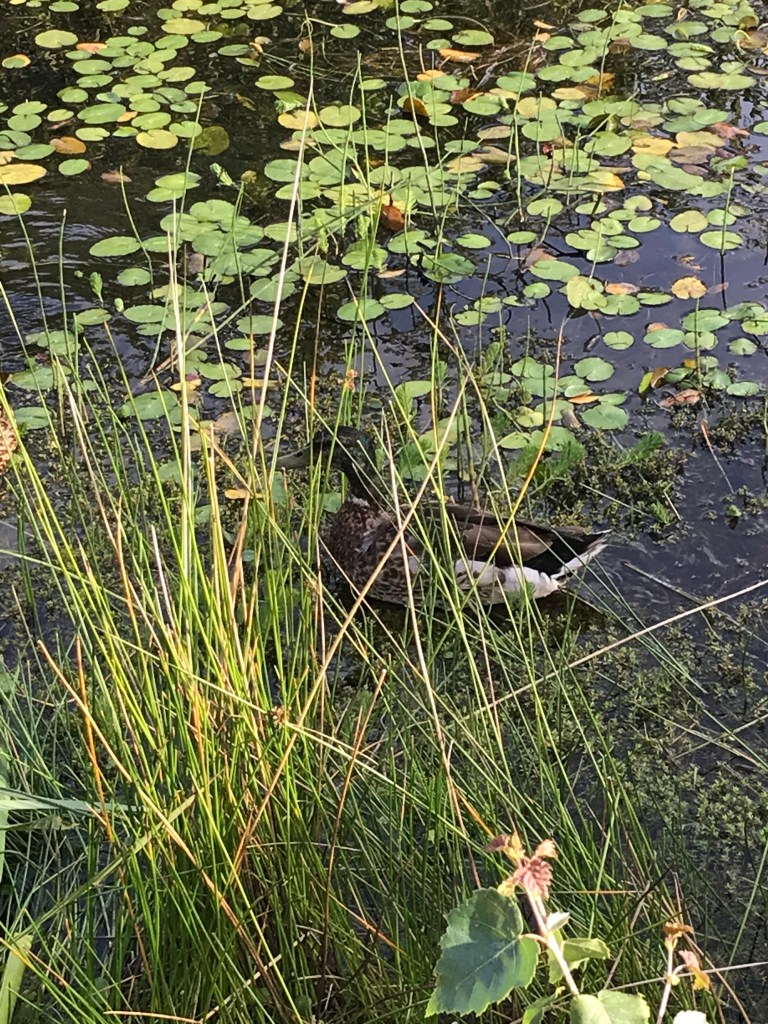
The moorhen chicks were taking advantage of the lily pads and were using them to hop across the pond. Just then, we noticed that one of our mallard friends had somehow found its way to the pond and allowed really close views.
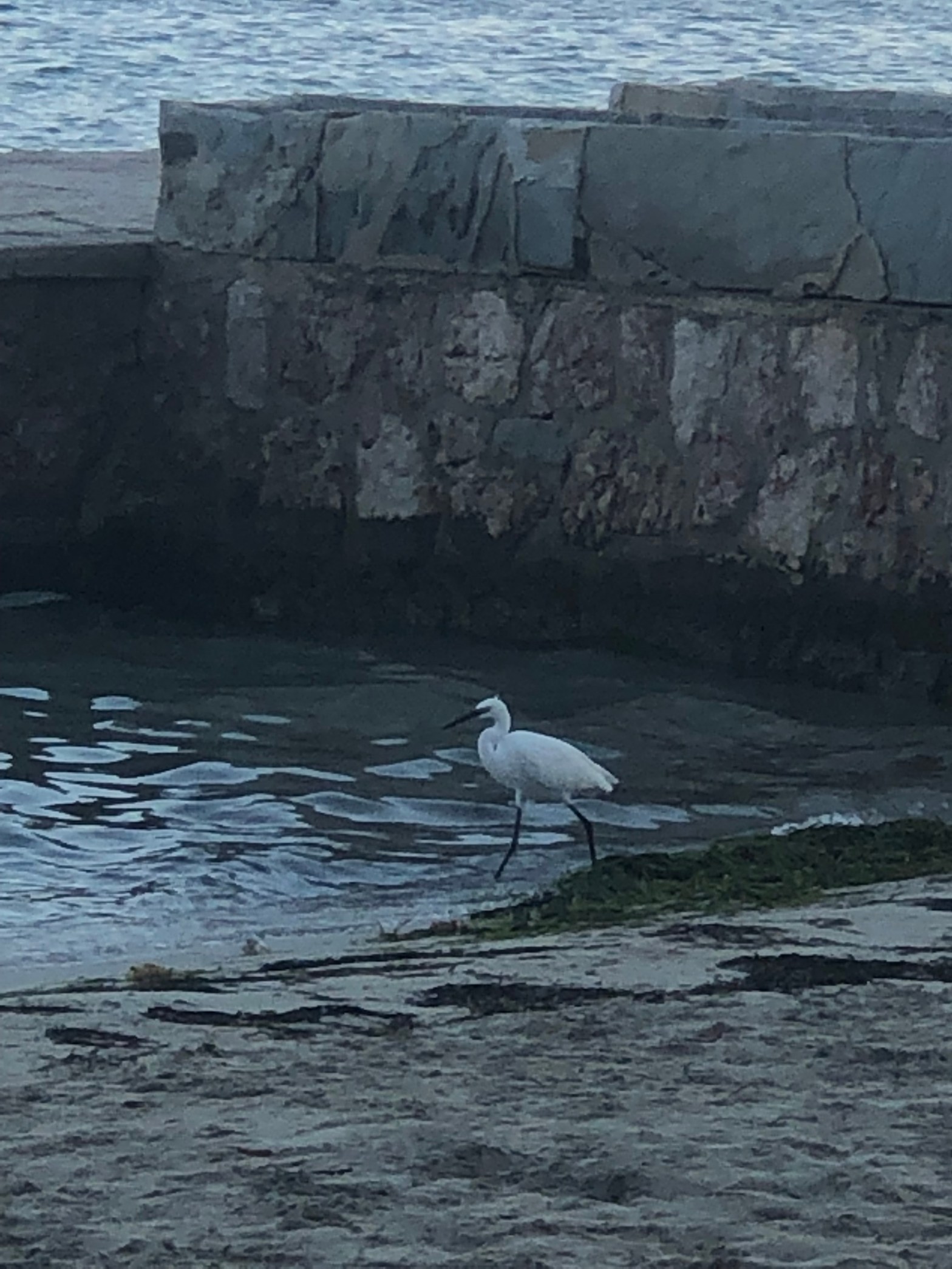
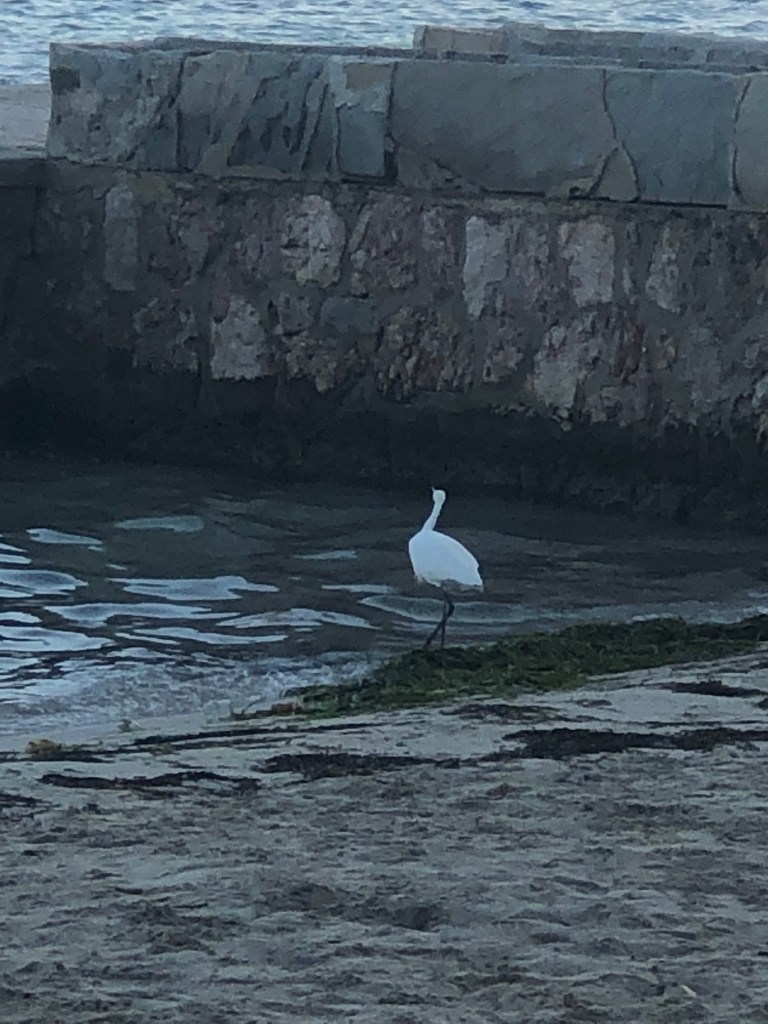
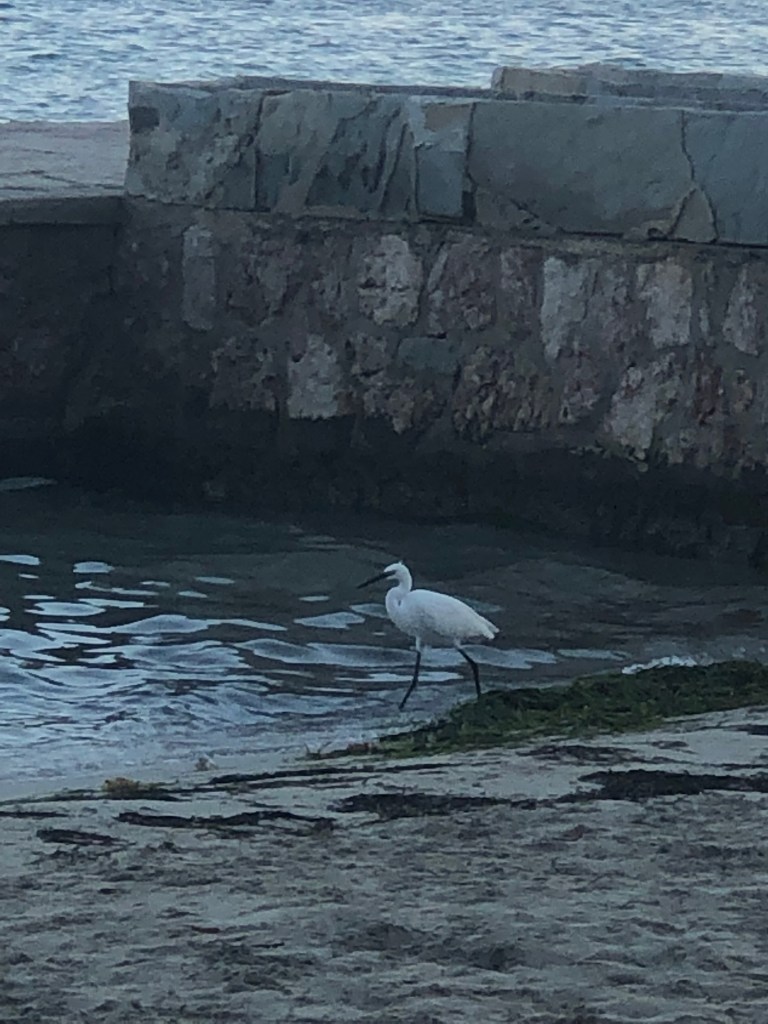
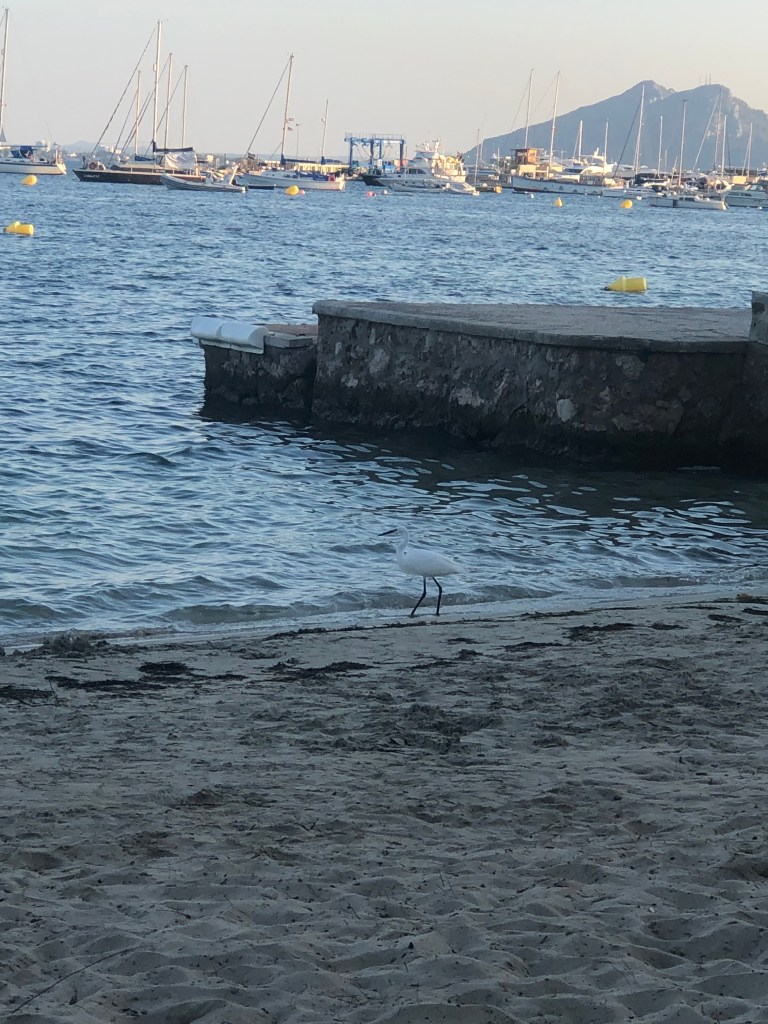
It was early evening. We were walking by a sort of river and we could see a large holiday beach getting closer. We got to it in the end and it was empty. The sand was cold on our feet as we slowly carried on walking. Then, something caught my eye. On this usually extremely busy beach which is right outside a hotel, a little egret was walking slowly in the shallows of the warm Mediterranean.
Suddenly, he caught a fish! We watched him struggle with it, amazed. The fish seemed to be wrapping itself around the egret but still it carried on wrestling, trying to swallow it down whole. Then, down it went. You could see the lumps in its neck as the fish went down into the stomach. I felt really privileged to see this.