
I can’t think of a better way to spend a Monday evening than on a beach, crouching metres away from a sizeable mixed flock of just about every wader species you would expect to find on a sandy shore, and then some. An evening walk through Dawlish Warren Nature Reserve had ended up with an unforeseen detour onto the beach, an area that I’d normally avoid when visiting here due to its tendency to be packed with people. However, when I was forced towards the other side of the dunes thanks to a path closure, I was met with an incredible sight. More on that later.
Dawlish Warren National Nature Reserve is an internationally important coastal habitat at the mouth of the Exe Estuary, and a key part of the Exe Estuary Special Protection Area. It’s the main roosting site on the Exe Estuary for thousands of wading birds, and hence is a crucial site for wintering bird populations, especially species like the Avocet. The mix of habitat within the reserve is another reason it has been designated as so many things; dunes, grassland, scrub, meadows, copses, reedbeds, ponds, saltmarsh all feature, and this array makes Dawlish Warren a unique site.
However, despite this jewel lying in apparent secrecy behind the dunes, the beach itself is one of the most popular tourist spots in the south-west. With its Blue Flag award, gently sloping sands and clean water perfect for paddling, you can see why its popular among holidaymakers and locals alike. We always make sure to visit outside of peak times as it can get very busy, and what birds decide to brave the beach are often scattered by dogs, toddlers and the like.
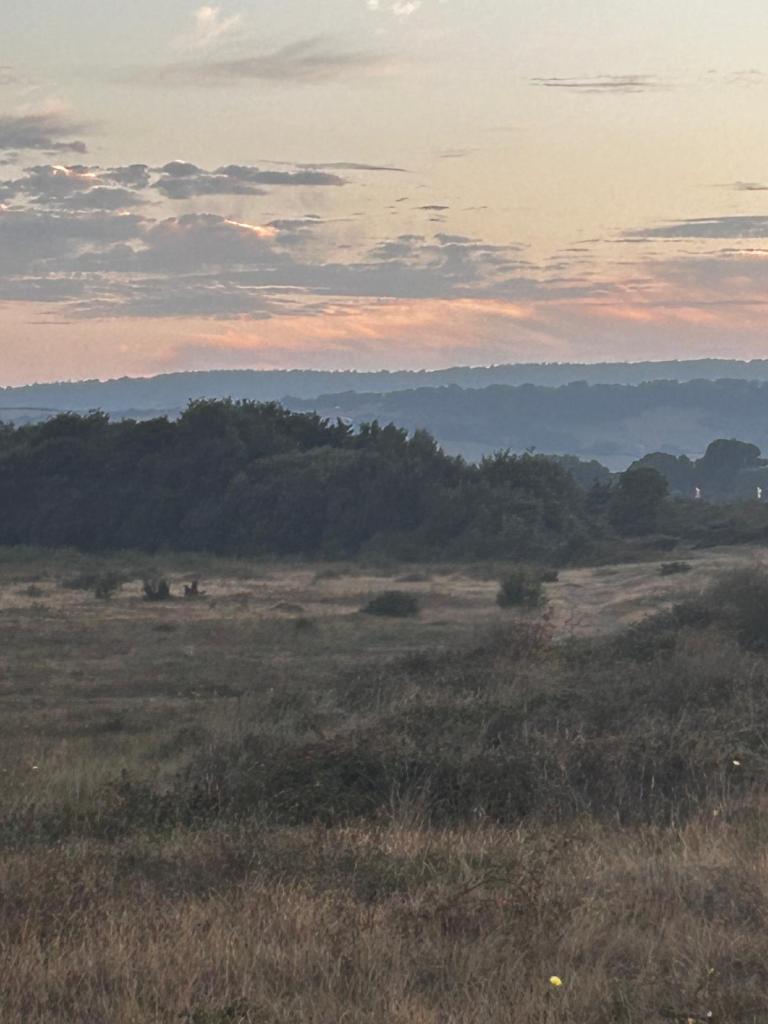
And so we arrived in the evening. The sun was low in the sky, and the beaches were gradually getting closer to becoming deserted for the night. But to start with, I had no intention of heading onto the beach. I was to spend the evening exploring the National Nature Reserve behind it. And it was brilliant. Crickets and grasshoppers were enjoying the evening sun, chirping like there was no tomorrow. Charms of Goldfinches roved through the scrub and the grassland, while Stonechats perched on prominent twigs and branches, affording good, if silhouetted, photo opportunities. But after a while I was met with a problem.
The path towards the bird hide on the point, where huge numbers of birds would be coming in to roost right about now, was closed due to erosion. Annoyed but understanding, I hesitantly stepped out onto the beach. The prospect of a visit to the hide had excited me, but I guess it wasn’t to be. It was still possible to access the hide from the beach, but there was a risk of getting cut-off by high tide, which was just under an hour away.
But it turns out I didn’t need to go anywhere near the hide. The beach was empty, except for the largest flock of beachgoing waders I had ever seen in my years of birding. Before me sat at least 100 Ringed Plover, another 100 Dunlin, dozens of Knot and scores of Sanderling. There were even two Grey Plovers in there, along with the jewel of the crown which I had in no way expected to see tonight, an early Purple Sandpiper. Both of these species were lifers, and because I had given up on any of those tonight when the prospects of the hide were dashed, I was understandably ecstatic. So much so that I started silently jumping around on the beach, although I was careful to remain a good distance away from the birds. I didn’t want to spook them when I had just stumbled across them.
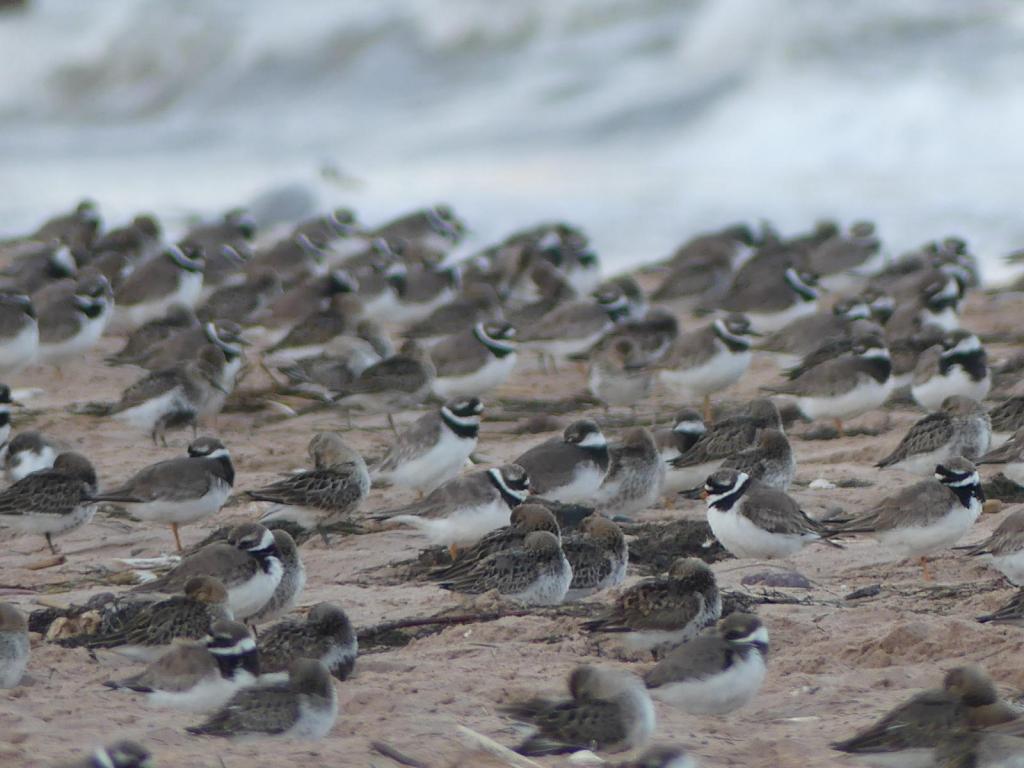
Lots of the birds were roosting, however some were still up and about, feeding and racing along the tideline, retreating from the waves like little clockwork toys. I was impressed; the only was I can possibly be this active past 8PM is if I am out birding, which I was now (hence the celebratory dancing a moment ago). I had never seen anything like this in all my birding years, and it genuinely had my heart pounding faster with excitement. Only birders will know this feeling, just saying (no offence)!
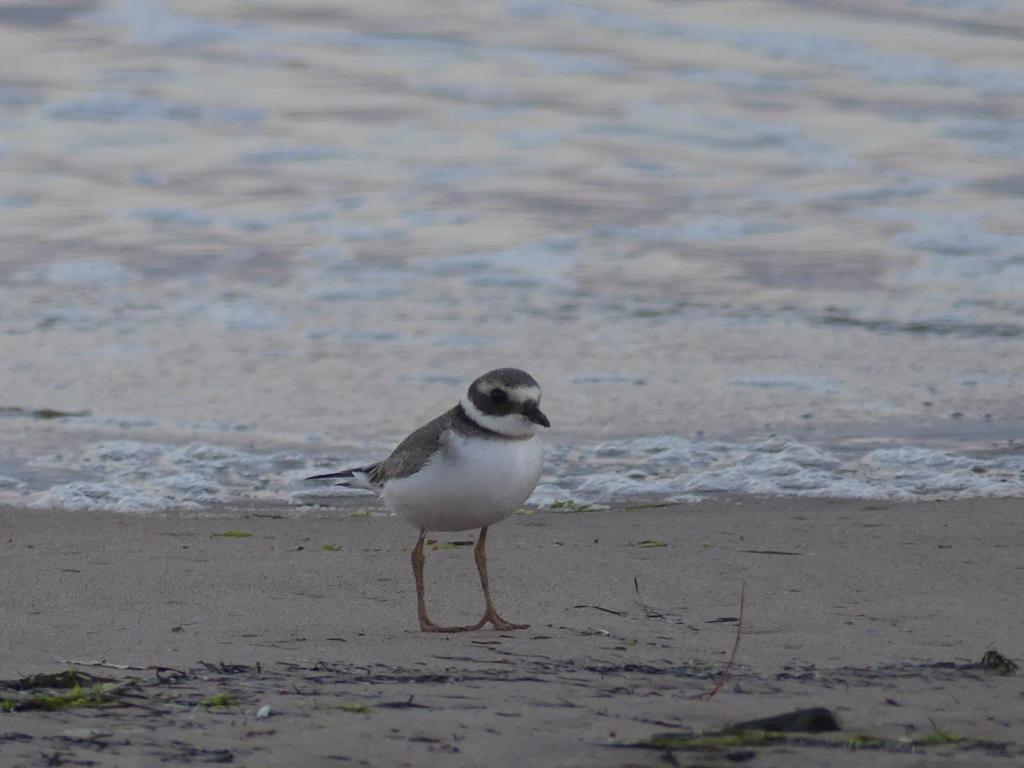
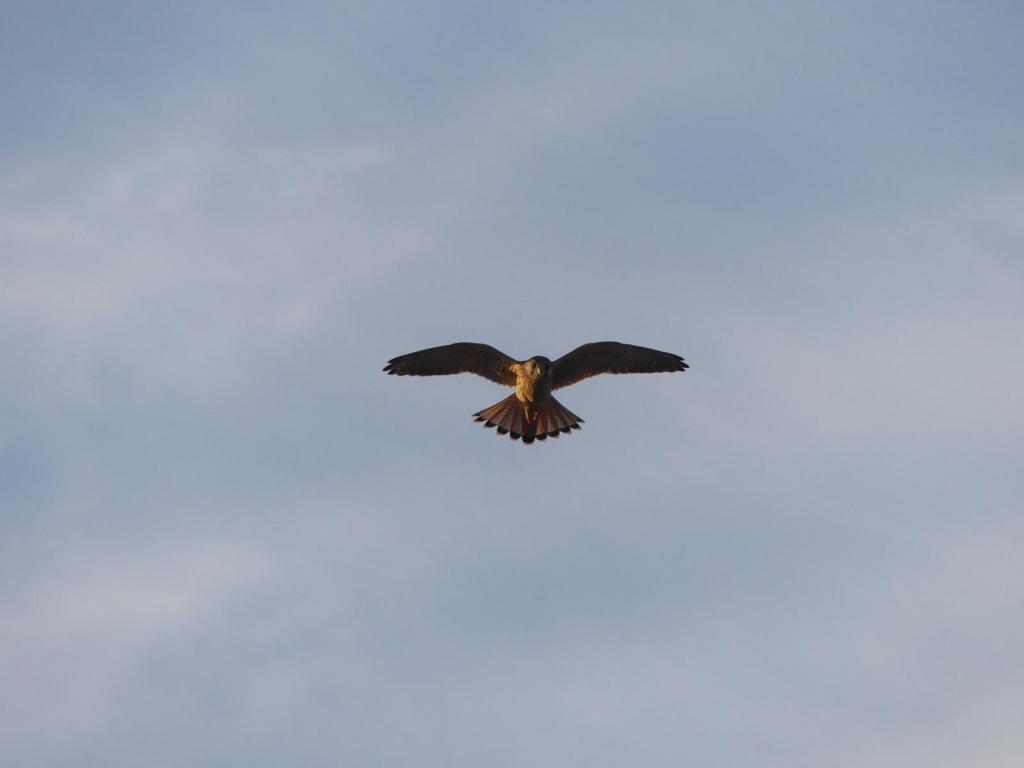
As I crouched there for about an hour, just metres away from all of these incredible birds, I was astounded as I contemplated the transformation of the beach from tourist-filled and almost bird-empty to completely void of tourists and full of birds! The abruptness almost disturbed me; the conversion had happened over such a short amount of time and yet hear I was, enjoying more Ringed Plovers than I had ever seen in a single place before, along with a small group of Ruff which had just flown in and all the other birds I mentioned above. On top of this, almost directly above me hovered a Kestrel, intent on prey in the dunes. I’d almost missed it being so engrossed in the beachgoing waders.
Alas, the constraints of darkness soon crossed my mind, and before I lost all light completely, as well as my footing because the tide was fast coming in, I was forced to head off back into human civilisation. I couldn’t wipe the smile off my face though. I’d just spent a whole hour with birds, and nothing else. No humans, no dogs, no nothing. Just me and the birds. It was incredible therapeutic. After all, there’s no better way to cheer yourself up than watching birds. Coincidentally, there’s also no better way to frustrate yourself either, but we’ll save that for another post.
I trudged up the steep path that traverses the dunes, and went for a quick scan of the adjacent golf course before I headed back to the car park. It was slightly more fruitful than I was expecting, heralding two Mistle Thrush, a Robin and even two male Cirl Buntings! I was pleasantly surprised to find them here, in such good habitat as well (not the golf course, but Dawlish Warren NNR). There was a fear that they wouldn’t spread from Labrador Bay after their numbers grew nicely following the RSPB’s purchase of the land and subsequent management of it specifically for the Cirls. But this sighting has put me at ease, as well as hearing reports of them being spotted elsewhere in the South West as well, often even further afield.
Before I leave you then, a word on the Exe Wildlife Refuge Scheme. Launched in 2017, it created two wildlife refuges on the Exe Estuary: The Exmouth Wildlife Refuge, which protects a large bed of eelgrass, the main foodplant for the internationally important wintering population of Brent Geese (they like it partially submerged in the water, with a little gravy if you will) and the Dawlish Warren Wildlife Refuge, which unlike the Exmouth Refuge (which is closed off for all humans from September 15th to December 31st every year) is closed to people all year round.
It protects an area of saltmarsh, inter-tidal mudflats and the most important high tide roost on the whole estuary. At high tide, wading birds congregate in areas such as Hide Island and Finger Point. The refuge is crucial for wintering bird populations, as the closer the food source is to the roost, the less energy birds have to spend on travelling between the two, and the higher the survival rate is in the colder months. SED (South East Devon) Wildlife even have a patrol boat that guards the boundaries of both refuges, so don’t even think about trying to gain access (I don’t think you anybody reading this will though, at least I hope not).
Dawlish Warren National Nature Reserve is a special place, and clearly so is Dawlish Warren beach, at least when all the people are gone. I learnt something new on this visit, and I hope you did too, whether that be about the importance of the Wildlife Refuges or that Brent Geese are stubborn, fussy things. But nobody mentions that because they’re smartly-dressed birds.

