
Last week our family met up with some friends at the River Otter Estuary Nature Reserve, in Budleigh Salterton, a town on the coast in South East Devon. The reserve was at the mouth of the river, and the plan was to walk around the reserve and then onto the beach, but I of course had other plans. Birding plans. Even from the viewpoint at the car park, I could tell this morning had a lot of avian potential. Who knew what lay waiting for us on the mudflats? So despite the heat and the muggy air, I was enthused.
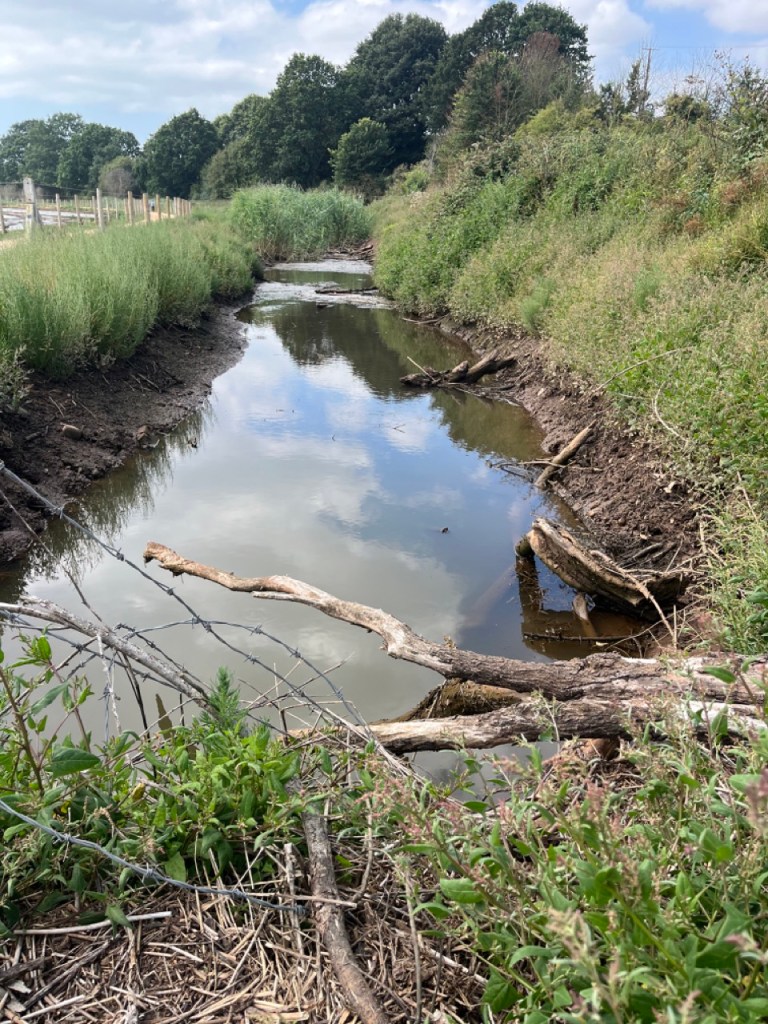
The Otter Estuary is managed by the Pebblebed Heaths Conservation Trust, with its diverse saltmarsh and intertidal mudflats well looked after within the Special Site of Scientific Interest (SSSI). With 120 (and counting) bird species having been spotted here, its a birding haven. But the River Otter is also home to England’s only wild breeding population of Beavers, with signs of them all over the River Otter Estuary Nature Reserve. But the site wasn’t always as perfect as it is now…
The Lower Otter Restoration Project began in 2021, aiming to restore the crucial habitat of the estuary and increase it’s adaptability in the face of Climate Change by breaching 70m of tidal embankment and reconnecting the estuary to its floodplain. It was highly successful, and ended up restoring 55 hectares of wetland habitat. The project also built a flood resistant raised road and bridge, all part of a collaborative effort led by Clinton Devon Estates and the Environment Agency. It was completed in 2023, with the opening of the River Otter Nature Reserve and the 70m Elizabeth footbridge to go with it.
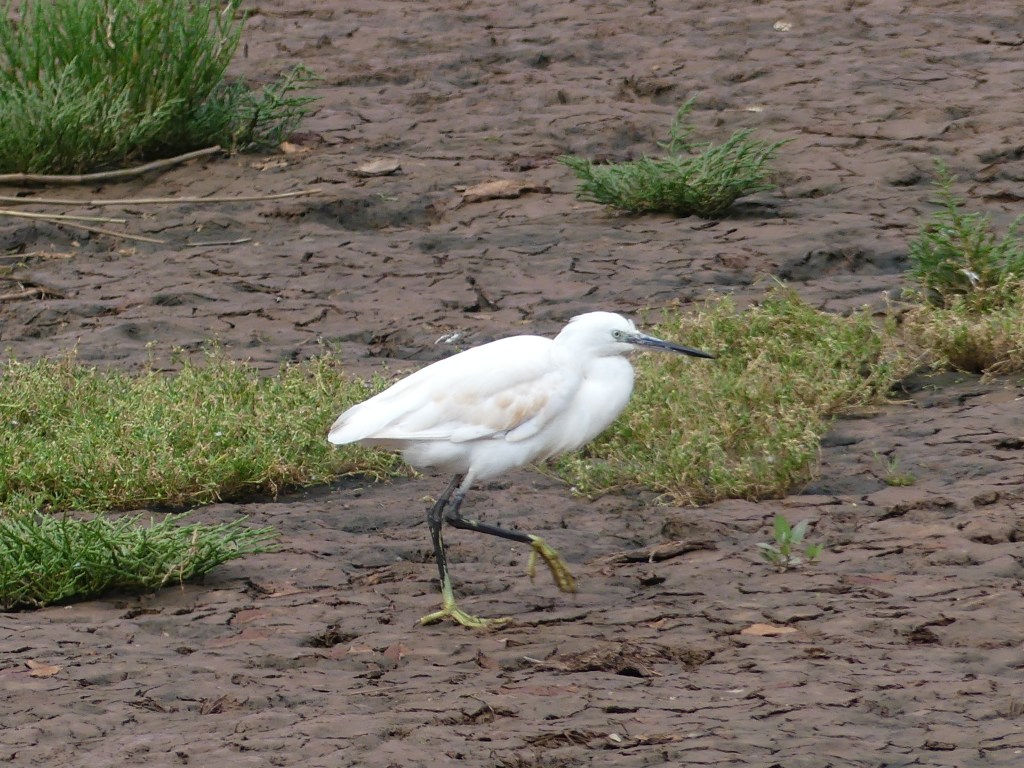
While you’ve been learning about the history of the site, I’ve been off birding. That day, we managed a highly respectable tally of 44 bird species, including some memorable encounters. These included the first pair of Egyptian Geese I have ever seen in my home county, Devon. Despite their name, they are not actually geese, but rather a type of Shelduck. And speaking of Shelducks, there were plenty of the Common sort around, including several pairs with young juvenile birds following them around. There were several Herring and Lesser Black Backed Gulls feasting on crabs, and one adventurous Little Egret flew off with a frog in its bill. But within one particular group of Dunlin there was a rather special wader… and it was quite little.
It was around 2/3 of the length of its Dunlin counterparts, with a shorter bill. It had a white underside, but unlike the Dunlin its head, breast and upperparts all carried a faded, rufous-red colour. My heart leapt inside of me, as I glimpsed the Little Stint once more before it flew off in rapid flight with the Dunlins. I couldn’t believe it. Little Stints are a scarce passage migrant, stopping off in Britain during Autumn on their way towards their overwintering grounds in Africa and Southern Europe, following their spending the breeding season in the Arctic. They’re more often seen on Autumn passage than in Spring, but nevertheless you still have to get lucky to find one. I speculate whether or not it might have been a failed breeder, having left the Arctic early. But no matter what its origins, it had been a dream of mine to find such a bird for so long.
While I attempt to relocate the Stint, let me tell you about the Beavers I mentioned earlier. The River Otter is currently the only River in England with a breeding population of beavers, thanks to the River Otter Beaver Trial. It ran from 2015 to 2020, culminating in the Government announcing they could stay, breed and spread. Now there are over 25 beaver territories along the river, creating diverse wetland habitats, reducing flood risk and improving water quality. Oh, and I didn’t manage to find the Stint again.
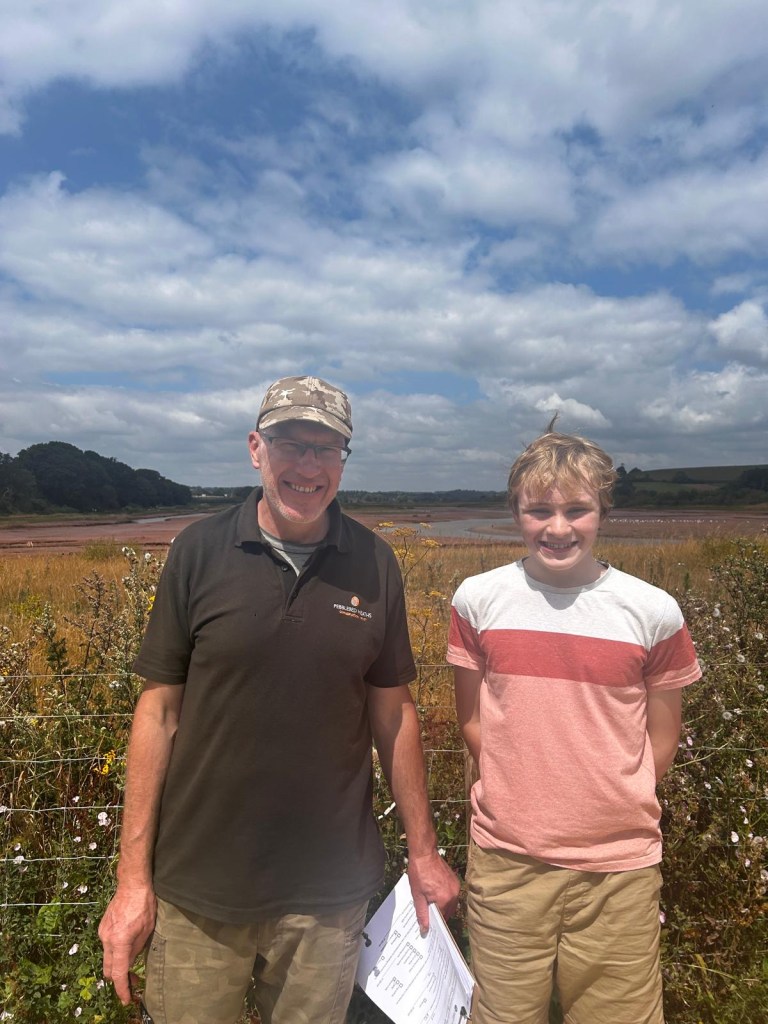
On our way around, we were also lucky enough to meet Otter Estuary Ranger Rick Lockwood, who was conducting a visitor survey with Pebblebed Heaths Conservation Trust, Clinton Devon Estates and the Environment Agency. Of course, we ended up talking about birds, and it turned out Rick was a keen birder too. After the survey, I told him about the Little Stint, and naturally, he was quite excited. And as soon as he finished up, he told us that he would be off to go and see if he could find it. It was great to talk to him about birds, his career path and the Trust. His first ever job was safeguarding a Little Tern colony in Northumberland! How amazing is that?
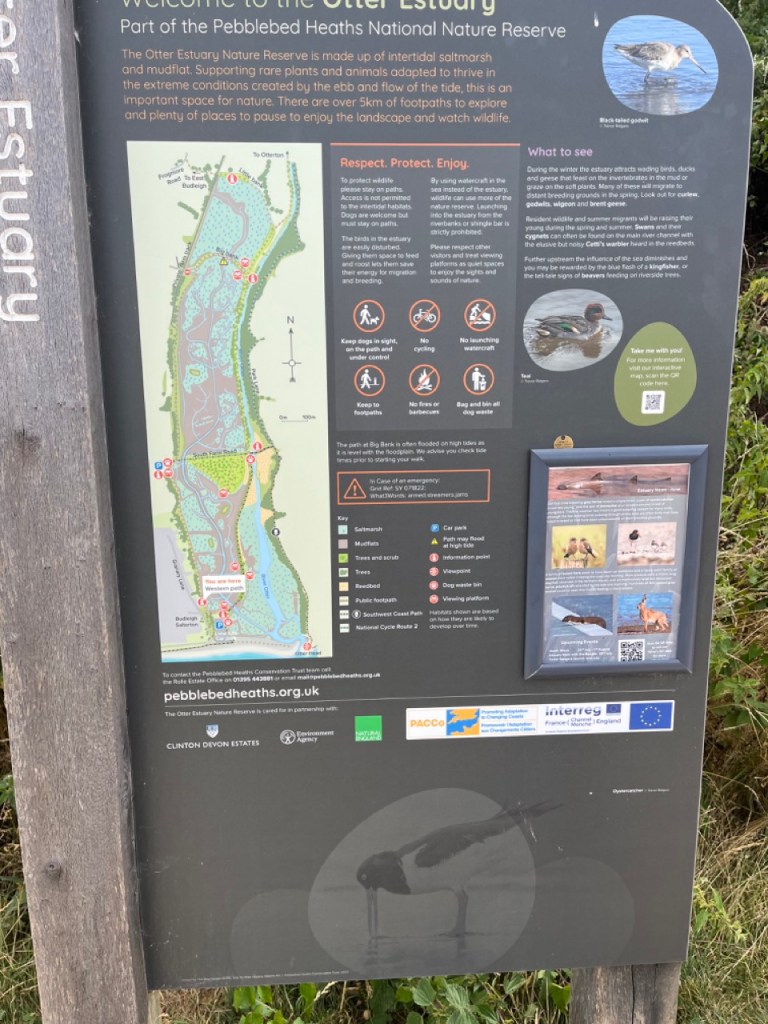
it was an enjoyable morning, and I learnt even more than I already knew about the Lower Otter Restoration Project and its background, from both Rick and the informative, interactive signage around the reserve. And, come on. 44 species at one site within two and a half hours is pretty good. It just goes to show the amazing range of biodiversity at the estuary, and highlights the incredible work of everybody who was involved in the Lower Otter Restoration Project.

