It’s no secret that I’m constantly raving about Dartmoor. It’s an incredible place for birds and people alike, a precision mosaic of unique habitats, which fit together like a puzzle to allow us all to thrive. Since I could walk, rain or shine, I’ve been out on the moors, looking for birds, wildlife and new experiences. I believe I’ll never run out of the latter, because the National Park is a living, breathing thing. It changes so quickly and regularly, whether that be weather patterns, grazing by the famous ponies, land being managed – it’s impossible to keep track of it all, and despite having some favourite haunts, I feel I never go to the same place twice. And so, I ask you to join me as I welcome you into this ever evolving world.
To give some context for this sudden ode to Dartmoor, I’ve been invited to speak tomorrow at an event to celebrate Dartmoor National Park’s 75th anniversary. The old timer’s birthday, however, is a whole other blog in itself. I’ll be talking as a Dartmoor Youth Ranger and as someone who’s been lucky enough to be involved in management work on the ground, about hope. Hope for the future of people, nature and Dartmoor. Hope for our peatlands, hope for the rocks, hope for the ponies, hope for the birds and hope for the bees. It’s such an amazing opportunity for me to go and do some public speaking, something that I’ll happily admit is not my strongest point, in front of a knowledgeable and supportive audience. To get myself in the mood for tomorrow, I’m going to tell you all about the birds of Dartmoor, and why it’s such a special place.
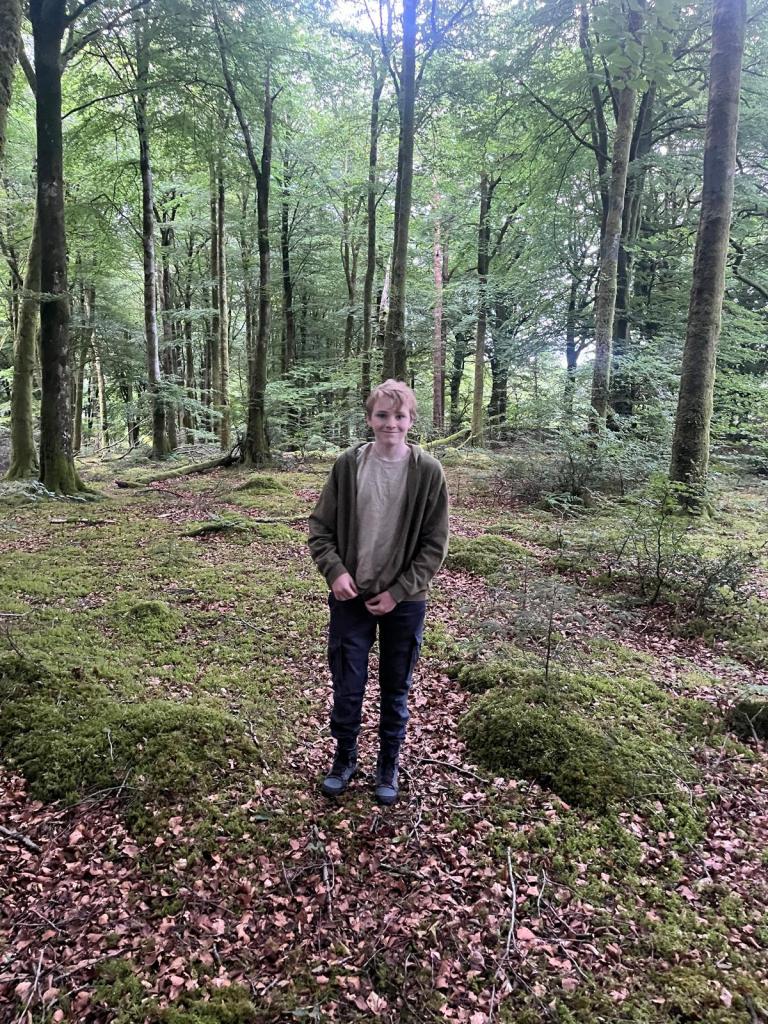
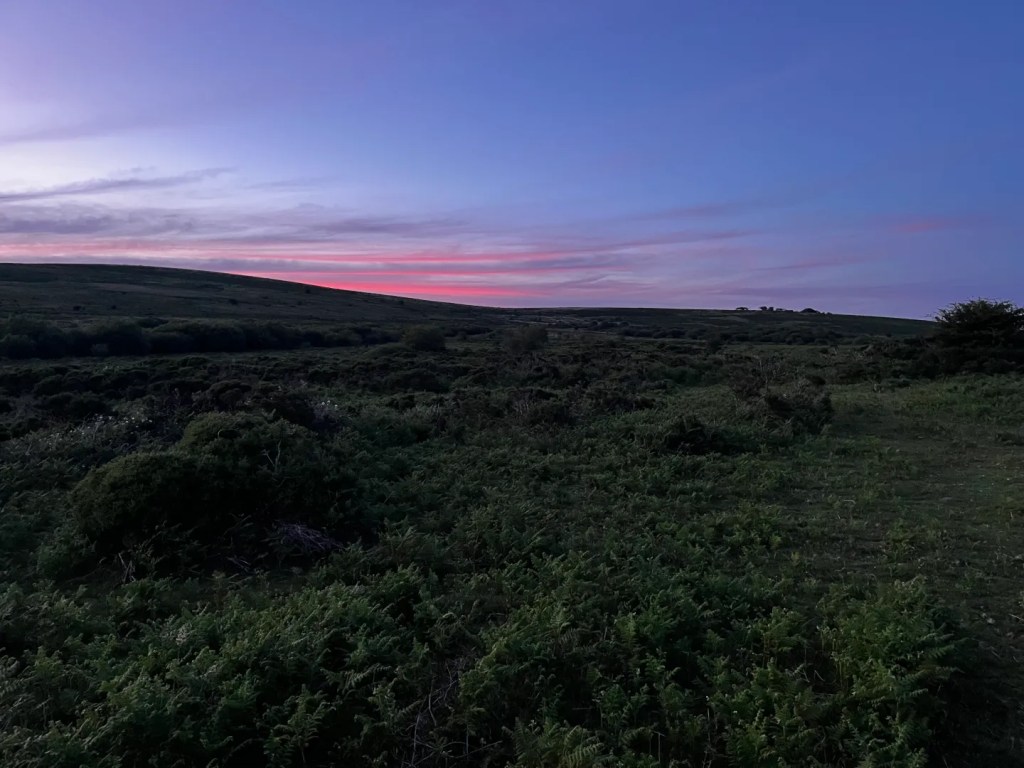
As I’ve mentioned, Dartmoor is a stunning mosaic of nationally important habitat, and different ecosystems being so close together creates a unique and rugged environment that is perfect for so many species. Blanket bogs are vital carbon sinks, and provide a home for specialised plants and wildlife. Upland heathlands hide ground nesting birds and ancient stone foundations behind curtains of heather and gorse. Temperate rainforests, lichen dripping from wistful and wise trees, reveal a gateway to another world. Wet meadows, boggy and complaining underfoot, host Devil’s Bit Scabious and the rare Marsh Fritillary butterfly. All against the striking background of the rolling hills and rocky Tors.
There’s no getting around that Dartmoor is wild, rugged and one of England’s last true wildernesses. Untamed, unforgiving and unbridled. And yet, it’s been altered dramatically by humans since the Mesolithic period. Believe it or not, the Moor used to be entirely wooded, trees as far as the eye could see. Huge swathes of forest were cleared to make space for early farming, leading to waterlogging of the ground and the creation of peatlands, today one of our most crucial tools in the battle against climate change thanks to their carbon-storing capabilities.
Tin and granite have proved to be two of Dartmoor’s biggest exports throughout history, and mines, quarries and tramways have scarred the landscape. But they say scar tissue is stronger than skin, and several former quarries such as Haytor have been given up to nature, and now hum with life. I came across a Wren’s nest by that quarry a year ago. As a writer, I’m a sucker for metaphors, and I couldn’t help but feel like this was a hefty one; there is so much we can do for short-term gains as a species, but nature as a whole will always outlast us.
The divide between those who see nature as something to be controlled and those who view it as something we can easily live alongside grows greater with each passing day, but Dartmoor will always be there. The Eurasian Wren, the U.K’s most widespread bird species, will most likely be around for a lot longer than us. Our working against nature only prolongs the awful attitude of ‘if we can’t have it, nobody can’. And that, among many things, needs to change.
With my slight rant over, I’d like to introduce you to a group of birds you wouldn’t necessarily connect Dartmoor with. Without prior knowledge of their breeding habits, most people would associate waders with wetlands and coastal lagoons. But many species make their homes up on high ground in Spring, and indeed Dartmoor is the most southerly breeding outpost for several wading birds. Dunlins nest on blanket bogs, Snipe feed in peaty soils, Golden Plover conceal their young in emerging heather and Lapwing prefer farming pasture created through traditional grazing and hay-meadow management. Sadly, due to factors such as predation and human disturbance, these pioneering populations have experienced catastrophic declines, and have been unable to adapt at a fast enough rate to keep up with the rapidly evolving relationship between humans and Dartmoor.
One of the better-known victims of this crisis is the Curlew, Europe’s largest wader. In Devon, it has declined by 70-80% since 1985, according to the BTO, and for a period between 2005 and just a couple of years ago there have only been 1-2 pairs each year on Dartmoor. It’s situation became so dire that King Charles III, then the Prince of Wales, held a Curlew summit in 2013. The result of this was an all-hands-on-deck effort to save the species from local extinction through restoring habitats, controlling predator numbers and releasing head-started birds, raised by the WWF from eggs removed for safety reasons at RAF bases in East Anglia. 33 young birds were released in 2021, with a further 27 the following year.
Thankfully, their numbers within the National Park have rebounded, with 11 confirmed breeding territories last year, but even this is still a far cry from their historic populations here. So hope is there in abundance, and early successes point to more down the line. It seems there will always be work to be done, however, not just to help the Curlew but all the other struggling birds on Dartmoor.
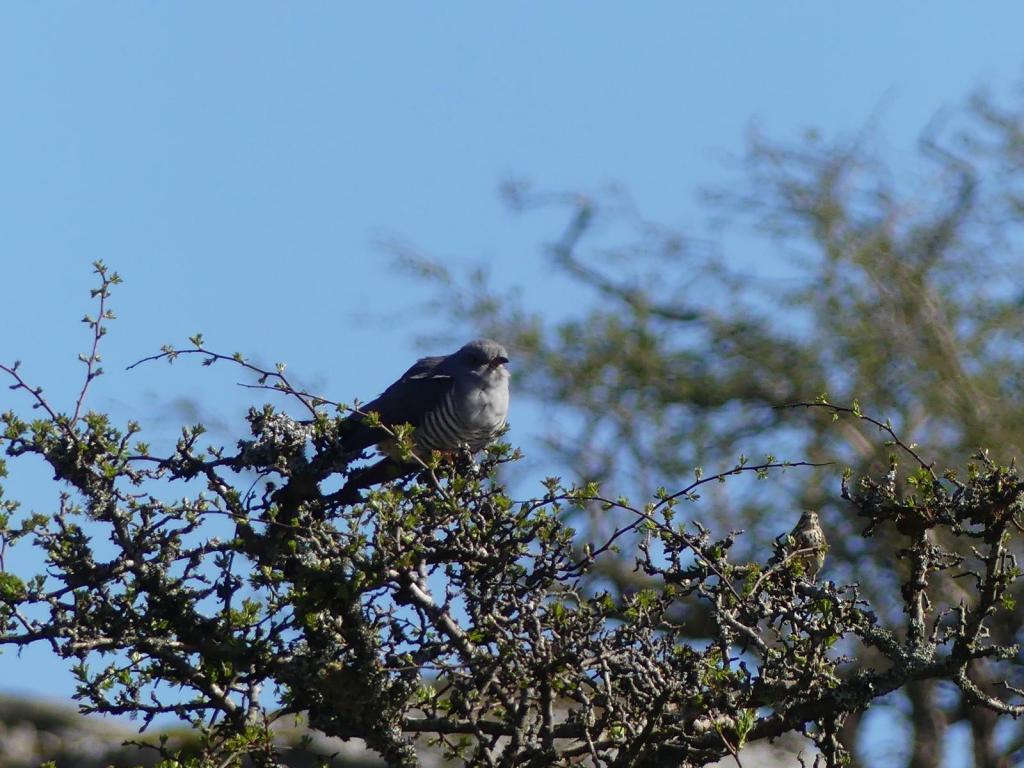
Moving away from waders to what has long been my favourite bird, the Cuckoo. Dartmoor is one of the last great strongholds for it in England, isolated enough and with enough resources to support it. Indeed, it has suffered a damaging 24.2% decline within the National Park according to the BTO, but that pales in comparison to the 80-90% loss in numbers in the surrounding Devon lowlands. They are yet another victim of intensified agricultural practices, struggling without healthy communities of large hairy moth caterpillars, their main food source. Famous throughout the avian world and Medieval folklore for their nest parasitism behaviours (I doubt that’s what they called it back then), Meadow Pipits are it’s main host on Dartmoor, raising the Cuckoo chicks and often prioritising their voracious appetites over their own flesh and blood until the young Cuckoo is twice the size of it’s adoptive parent. This marvel of evolution results in some fairly comical images, and I’ve been lucky enough to connect with these incredible birds for many years running. Cuckoos have provided some of my earliest birding experiences and some of my most recent, a rather disturbing figure to feature so prominently in my childhood but one I am grateful for.
And yet neither the Cuckoo or even the Curlew is a quintessential sign of spring for me down here. That crown belongs to the ever endearing Wheatear, or as I like to call it, White-arse. It’s historic Middle-English name both shocks and draws a laugh out of people, but I feel it sums up the smart little bird’s white rump better than it’s modern name. These charismatic, deftly dressed ground nesters are like most vulnerable to disturbance from walkers and especially dogs. A disturbed nest’s likelihood of breeding success drops to amost zero, demonstrating the importance of staying on paths and keeping dogs on leads in the breeding season (1st March-31st July).
The three birds I’ve shone a spotlight on in this blog make up 60% of what I like to think of as the Big Five of my favourite spot on Dartmoor, Emsworthy Mire. The other two making up the list are performers, drawing attention with their respective displays, but both equally brown and boring in plumage. The sounds of the Skylark and Meadow Pipit are immediately obvious on arrival here, and don’t grow any quieter as you explore the Devon Wildlife Trust reserve. Tucked behind Haytor, it draws many a visitor for it’s stunning bluebell carpets, and many of these end up picnicing beside the old barn. And despite the small spot’s huge numbers of guests, the birds are undeterred.
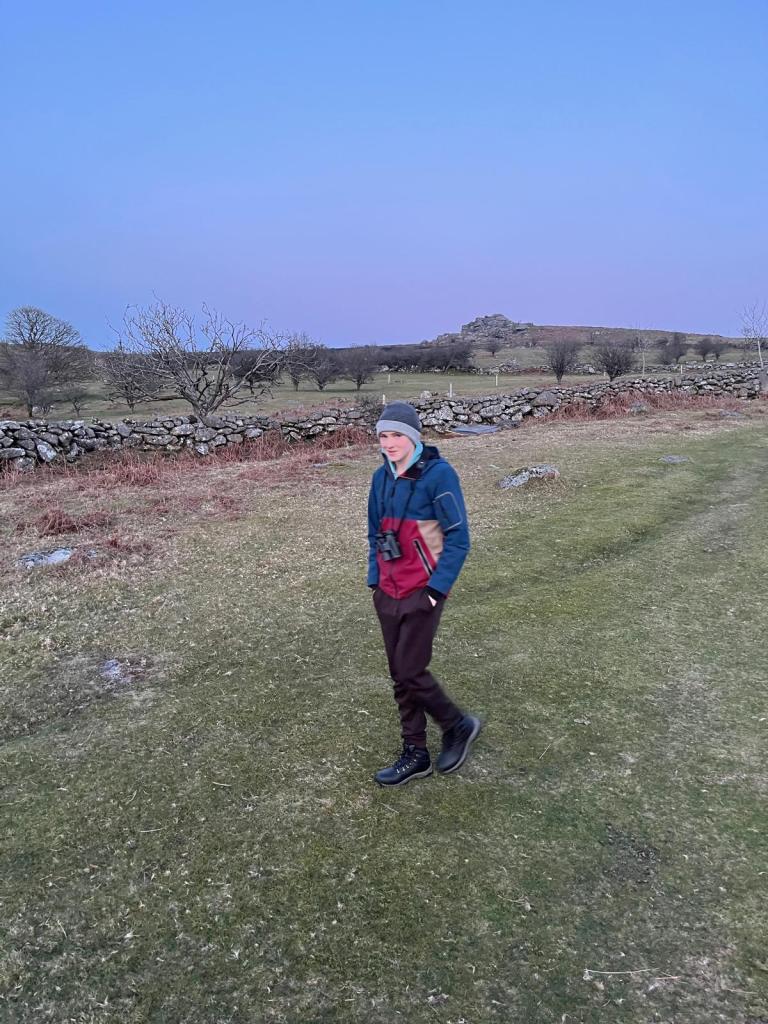
Emsworthy is often the first place where calling Cuckoos are recorded each year on the Moor, and is indeed a perfect example of Dartmoor’s environmental potential, with humans and nature able to coexist alongside each other perfectly. There is always a risk of disturbance, but most visitors understand and respect the space these birds need, while still enjoying what they come for. It truly is a haven for birders, artists, writers and families, and is what you imagine Dartmoor to be.
And so, I’m going to leave you with the last section of my aforementioned speech about hope for the next 75 years of Dartmoor National Park. It’s strange to think about owing a place for the person you’ve become, but I feel Dartmoor has played a huge part in my journey. As such, I’ll never stop fighting for it, and my footprints will always remain in its bogs, along with the many boots and shoes the wet ground has stolen over the years. Talk about a tourist tax; visitors must be aware of the risk of losing footwear.
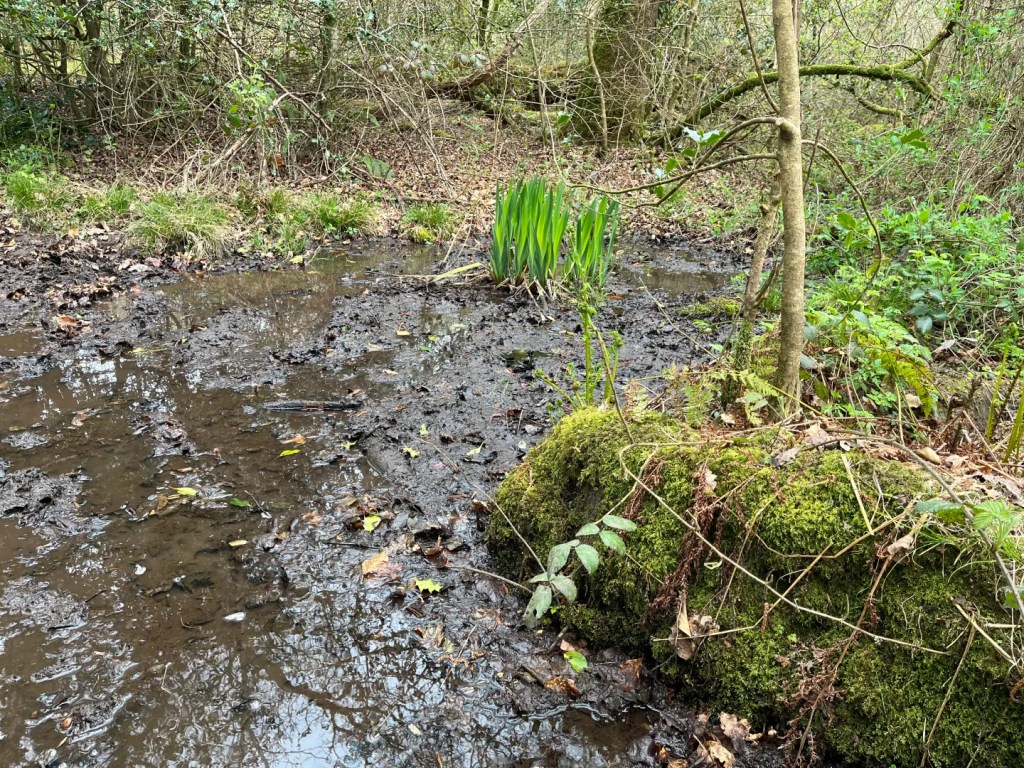
Picture Dartmoor in three quarters of a century’s time. I know I’m not alone in seeing a subtly altered landscape, no stark differences, apart from the fact that everything around, from the beetles to the birds, are thriving. Booming, in fact. Biodiversity is the obvious factor that comes to mind here, but there’s so much more behind it; landowners, farmers and conservationists getting on the same page has led to a greater version of everything, from restored peatlands to climate-change resistant communities. Whatever’s thrown at the Moor, it throws back, but sometimes it needs a little help to get power behind its elbow.

