
Its the time of year when the avian world once again begins its twice annual journeys, heading for and from places across the globe. It is one of nature’s greatest spectacles, and yet the autumn migration always tends to be a little less noticeable than Spring, but no less breath-taking. Even now, influxes of Arctic breeding birds are arriving on our shores, to escape the bitter Northern winter. Pink-Footed Geese, in mind-bogglingly vast flocks, arrowing across the skies. Waxwings, varying year to year from just a handful of individuals to thousands, storm berry bushes in supermarket car parks in the East. Fieldfares and Redwings bring a completely different colour palette to our array of British thrushes.
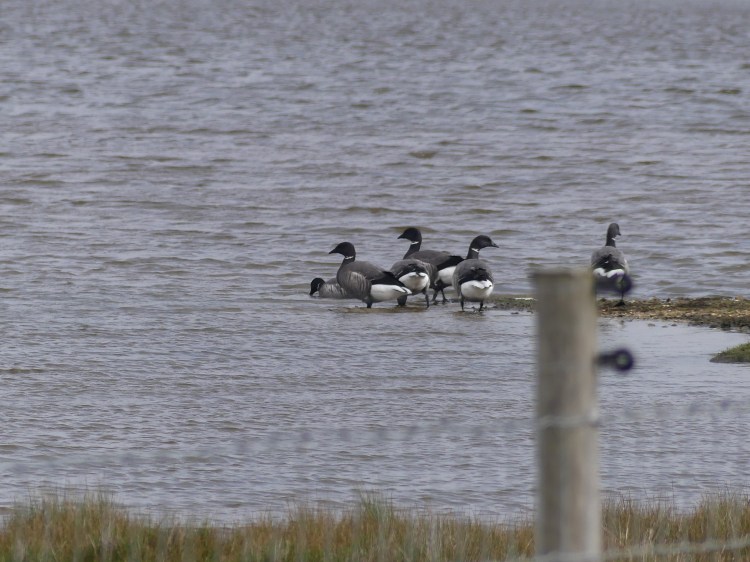
Birds passing through, stopping over to rest, are rife along our coastline, and are often blown further inland by storms out to sea. Yellow Browed and Palla’s Warblers, smart green warblers with a dashing stroke of sunshine painted across their faces, turn up anywhere and everywhere from Spurn Point to Stanford Reservoir. Black Terns suddenly appear overnight on our wetlands, and Curlew Sandpiper fly in with the Dunlin to provide many an ID conundrum.
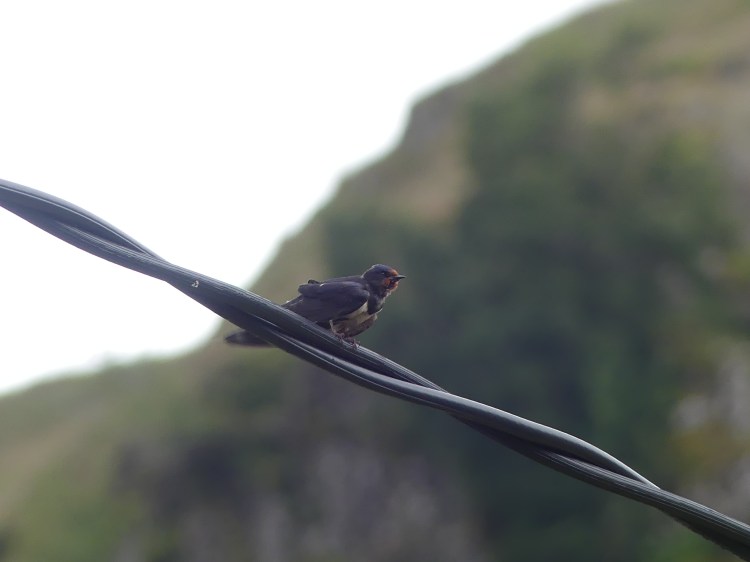
And then there are the departing birds that visited us to breed, but are now flying away back to wintering grounds, many of them in Sub-Saharan Africa. Swallows and Swifts take their aerial acrobatics elsewhere, with the former often to be seen gathering on power lines that span coastal towns and villages, preparing for their imminent journey south. A large proportion of our breeding warblers, from Whitethroats to Sedge Warblers, leave us during the Autumn, heading for warmer climes.
With these departing, arriving and passing birds, however, come a fair few surprises, such as the Long Billed Dowitcher that has recently been hanging around the Exe Estuary (not sure if it still is). Usually, this is an American bird, gracing the States with its spear of a bill. By all accounts, it should not be here. But migration is not an exact science. Birds get blown off course, become disorientated and lose their way, or even chased off their route by a predator. When they arrive here, they are known as vagrants. Hurricane Milton has caused devastation in Florida, but expect a few intriguing American visitors on British shores before too long.
So, those are the four main scenarios to be expected for birders during autumn migration season. One of the most notable collective departures is that of our seabirds, deserting their colonies until next year, and flying out to sea in huge numbers, before dispersing and making their own way until next spring. During this time, most seabirds will act as solitary, while coming together to feed. They will return to find their mate, or court for a new one. Many seabirds mate for life. Some of the best places to watch this spectacle lie on our east coast, with spots such as Bempton Cliffs and Flamborough Head acting as launch pads for auks, fulmars, and kittiwakes.
Seawatching at this time of year, whether from a headland or from the deck of a boat, can be especially rewarding, with birds passing down through our seas. From Long Tailed Skuas to Great Shearwaters, warp up warm and head out for some scarce seabirds. Spots such as Portland Bill and Cornwall have an unmatched pedigree for turning out exceptionally rare vagrants. Pelagic boat trips, specifically for seawatching, are a real treat, as (in my opinion) the best way to get good views of these avian wonders.
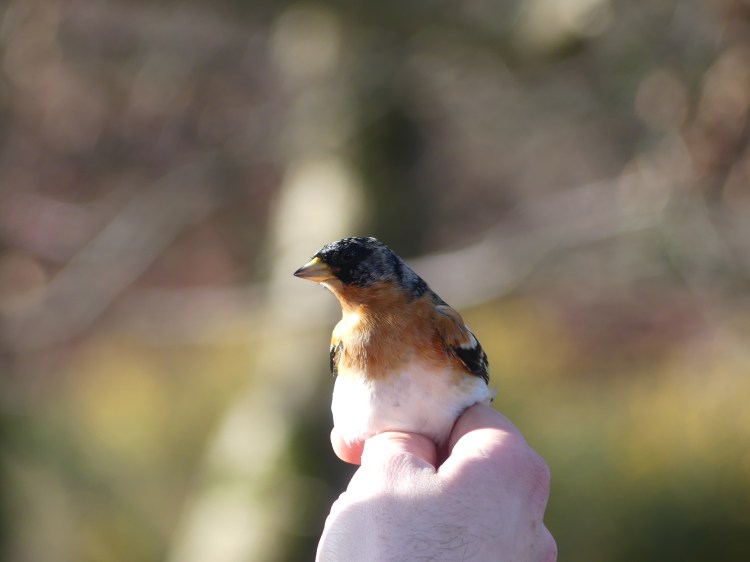
Back to land now, and woodland birds will be easier to track down, with the leaves quickly falling off the trees and weaving their crunchy autumn carpet with red and gold thread. Many of them, such as Tits and Finches, will join together in small, mixed-species flocks, to rove the woodlands in search of food. Bolstered by the arrival of the beechmast loving Bramblings, these groups provide some brilliant birding. And with predators having less food in the colder months, safety in numbers becomes even more important!
Safety in numbers is actually a great way to lead me onto my next segment, which is of course, about Starling murmurations. As we enter the colder months (usually from October to March), these boisterous garden birds will gather together to form one of nature’s most mesmerising phenomenons. In the evening, before settling down to roost in a copse or a reedbed, hundreds of Starlings rise into the biting air to move as one, swirling and whirling, contorting into different shapes. Nothing is more breathtaking, and recent science suggests that the birds are able to do this because they follow the movements off the birds immediately around them. They really do act as if the whole flock is just one bird.
So, there’s my overview on the new birding season, with autumn a great time to get out and go looking for something new. It may be colder, and the days shorter, but there is a completely different array of nature on offer here, just as good as the warm Spring breeding season.

