
The Osprey is an iconic fish eating raptor, one that mate for life and returns to the same nest site every year. But recently, they’ve been randomly sighted at different spots across the country, in places you wouldn’t exactly expect to find them. The Osprey breeding strongholds of Scotland, the Lake District and more recently sites like Rutland Water, are certainly the places you’d be in with the best chance of spotting them, simply because here they’ll be providing for their young, and therefore out fishing more often. But when autumn arrives, and the breeding season is over for these birds, its time to head back to Africa for the winter. And best route for the Ospreys is to head down into southern England and across the Channel.
Birds, while migrating, have to sustain their flight for miles and miles in order to reach their destination. This could easily be 5,000km (3,106 miles), and these birds are perfectly equipped to fly over 400km in one day while on these annual journeys. But stopping off for rest and sustenance is crucial. After all, you can’t really expect anybody to travel these sorts of distances in one go? And this is why they’re currently being spotted all over the park. From the Thames estuary, to the Isle of Wight, they’ve been spotted resting and feeding on the banks of our rivers and lakes.
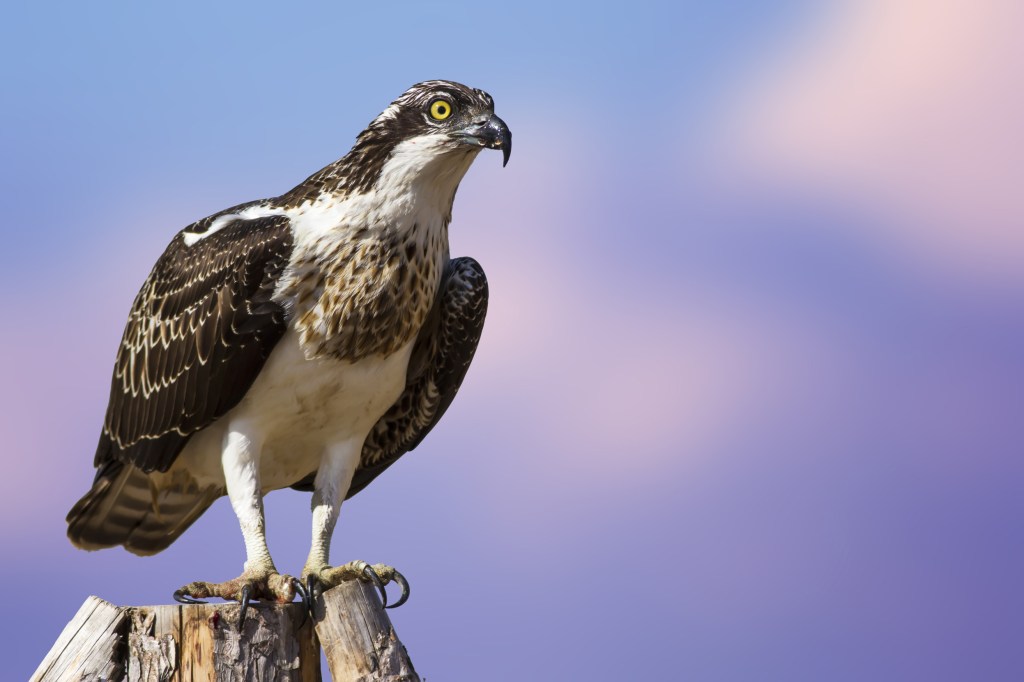
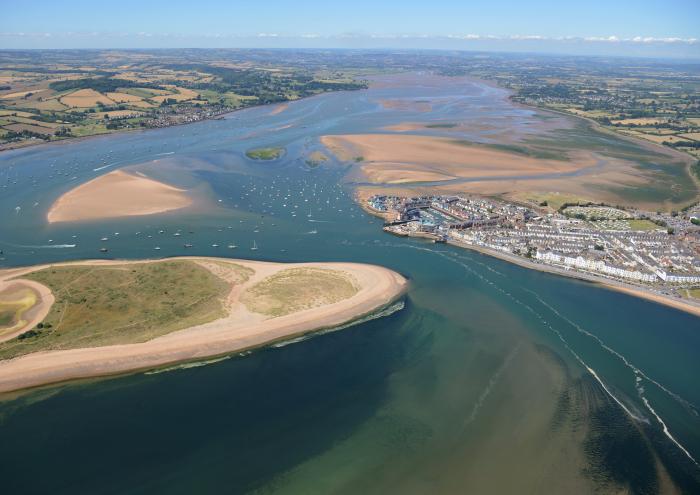
A few such sightings have come on the Exe, an estuary nationally important for its avian life, which just so happens to be fairly local to us. They’ve been spotted fishing, hovering or simply flying overhead. These majestic birds have been spending their precious time preparing for the next leg of their perilous migration. And believe me, it is perilous. Hunting pressures, draining of waterways, and disturbance play huge factors in making their journey so difficult. The odds are that less than half of the young Ospreys will live to their second year of life, showing the threats they face, both natural and human.
The Exe, among the other estuaries that exist along our south coast, are all crucially important for the migration of British Ospreys, because they pose as the last point of call before the channel crossing, during which they will have no access to food, water or resting points. Only when they reach the continent will they again be able to stop off when needed, and that makes their fuelling up at places such as the Exe even more crucial. If not done properly, they might not even get across the English Channel.
Ospreys have been completing this migration for centuries, but it hasn’t always been plain sailing for them here. Considered a threat to fish farms and stocks, they were routinely shot and killed by gamekeepers and sportsmen, and were considered vermin by many. Even in the last few weeks, one has been found shot in Perthshire Scotland. Egg collecting, a hobby made popular in Victorian times, helped to bring this species to its knees, until finally, in 1847, Ospreys became extinct in England and Wales. In Scotland, they disappeared by 1916. They didn’t breed in England for over 150 years!
But the world of conservation hadn’t given up just yet. In 1954, Ospreys bred in Scotland for the first time in decades, at Loch Garten, now an RSPB reserve. Despite this being a natural recolonisation, organisations such as the RSPB needed to give them a lot of protection and help for them to raise their young successfully. In England, it took a little longer, but after a male translocated to Rutland Water in 1997 raised a single chick with a ringed female, they were finally back! The Osprey was saved, and now there are around 300 breeding pairs in Britain. Now you might just be lucky to see one of these majestic birds of prey passing through near you!

