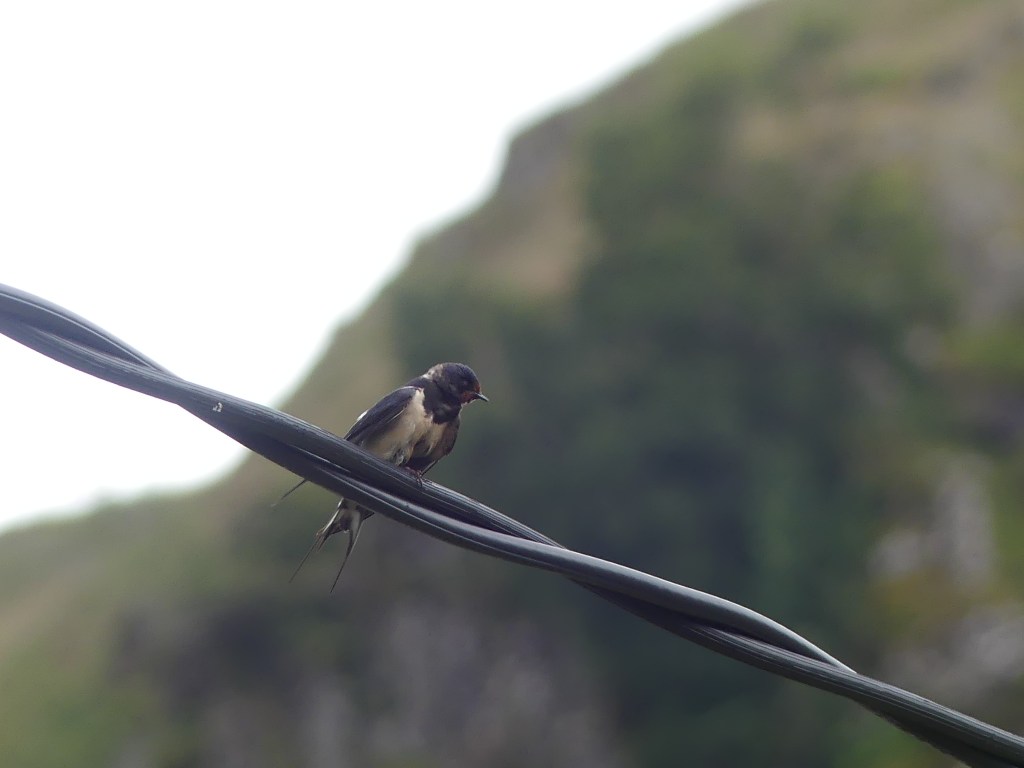
Hello! This post is all about hirundines, that family of birds whose exploits on the wing are almost unchallenged in the natural world. I thought I would write this post while many of these birds are making preparations for their return migration back to Africa. So this post is to explain what they’re doing, before they’ve gone and its too late for you to look out for any of these behaviours. You could even compare them to humans packing for a holiday, except these guys are packing themselves full of insects while they’re available! Read on…
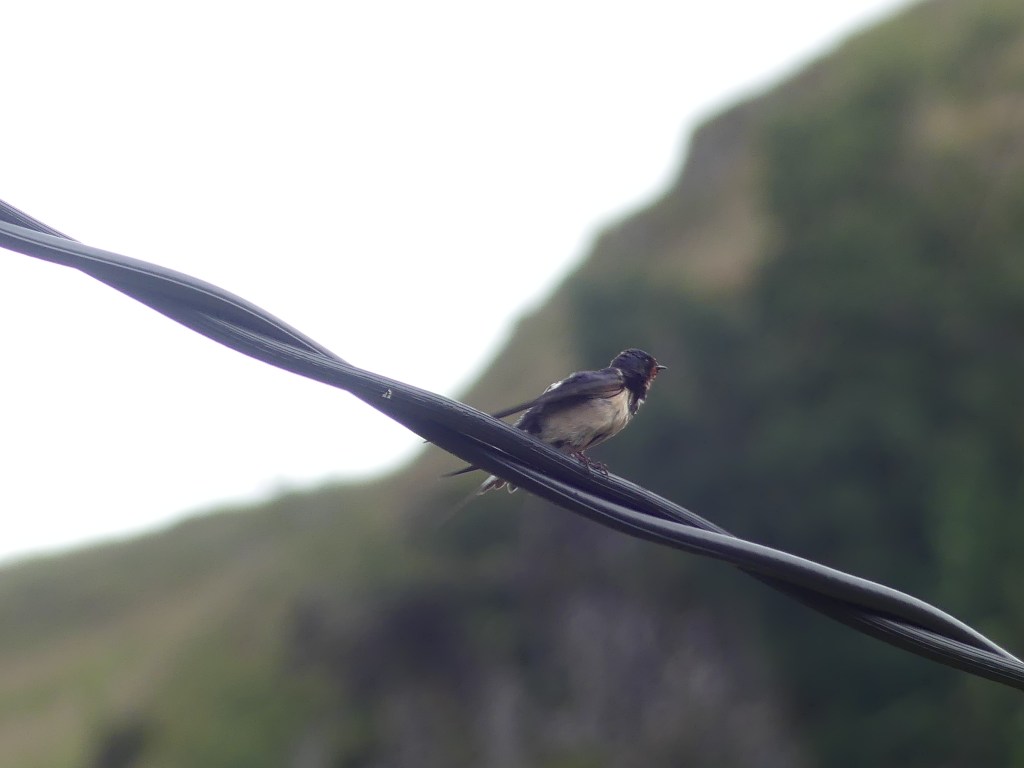
So, what are the hirundines? The simple answer for Britain is four intriguing species. The Barn Swallow, the Common Swift, the Western House Martin and the Sand Martin. According to a height analogy explained to me by Nick Baker, Swallows fly low across the fields, House Martins around the height of, naturally, a house, and Swifts like to control the higher airspace. The Sand Martin is less common, and you’re really unlikely to see it in urban areas, unlike the three former hirundines.
There are two definitions of a hirundine, according to the Collins English Dictionary. The first is ‘of or resembling a Swallow’. The second is ‘belonging to the bird family hirundinidae, which includes swallows and martins’. Personally, I prefer the latter, simply because it takes into account the existence of other species within the family. The former however is still true. Most of the species within hirundinidae do look like Swallows. One thing they all have in common though, from the Wire-Tailed Swallow to the Purple Martin, is that they’re all adapted to a life largely spent on the wing, with some almost exclusively.
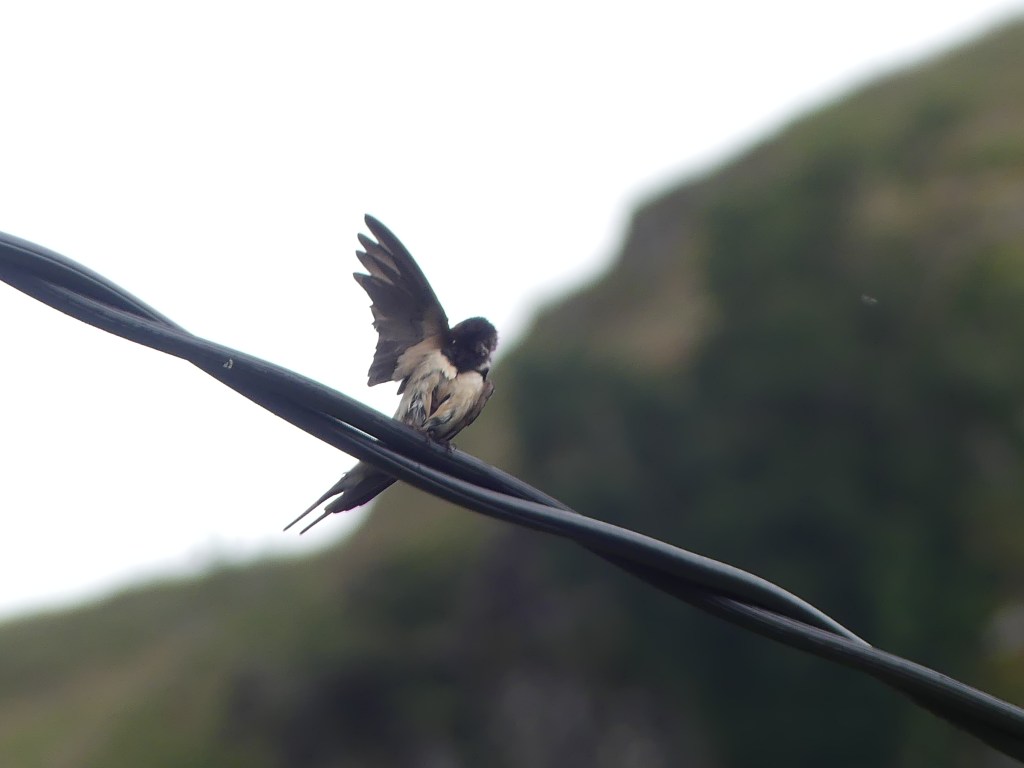
And all that flying is crucial to their lifestyle, for their migration is one long and exhausting journey. Spending their winters in Africa, British Swifts have to migrate 3,400 miles to reach our shores and bring their beautifully evocative screaming calls to our shores. Yet they manage to complete this journey in around just four week’s time! Want to know how? Well, a Swift’s flying speed would be at home on our National Speed Limit motorways, with them clocking speeds of almost 70mph. Once they’re here, they leave no time to waste, arriving from early May and leaving around mid-July. So, by the time you’re reading this, most of them will have left. But have no fear! They should be back next year!
After arriving here, any hirundine’s main purpose will be to find a suitable nest site in order to breed. In times before urbanisation and modernisation, these birds would nest in tree cavities, on sheer cliff edges and in other hard to reach places. But now, they have come to rely on our infrastructure, and many have chosen to nest in the remarkably similar eaves of our houses. Raising their young will become the main feature of their holiday, and TONNES of insects are needed to support our population. That’s if they get here first, because their migration, despite their incredible speed, is truly perilous. Just four years ago, back in 2020, a freak Mediterranean storm left dead Swallows and Swifts littering the streets of Greece, helpless to the wrath of the Earth’s weather systems. This of course affected the numbers of birds that reached Britain, and that severely dropped, leaving expectant swallow and swift lovers ringing in to conservation organisations and newspapers alike.
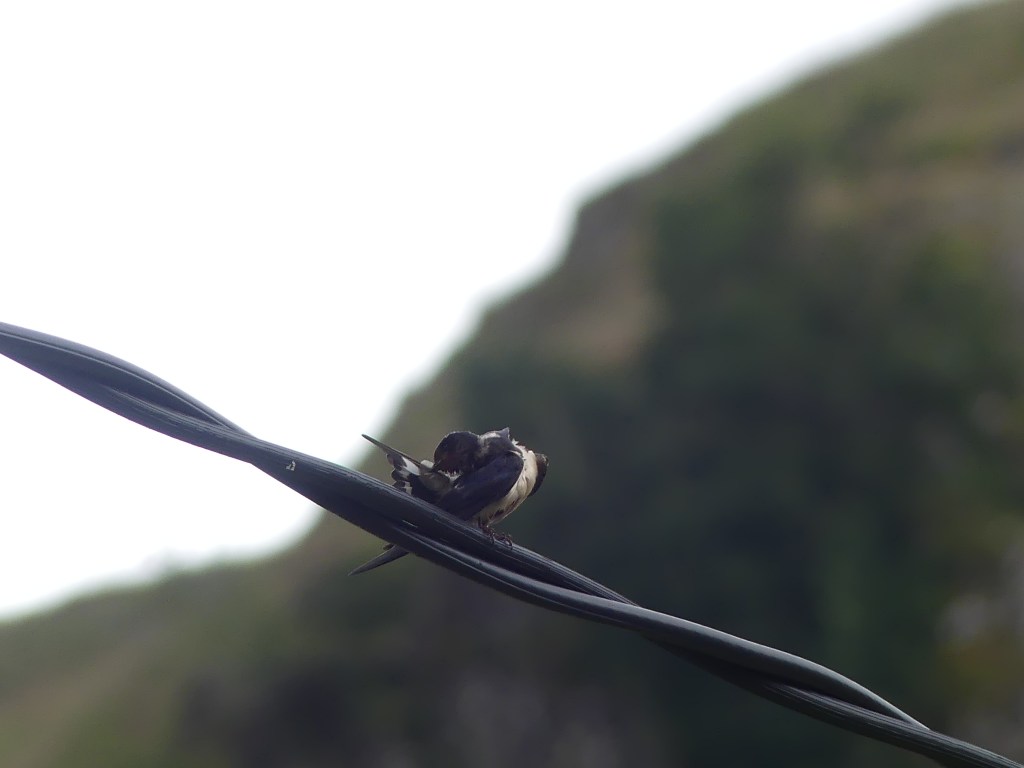
By now, large parts of the breeding is complete and Swifts are already largely departed, with House Martins beginning to follow suite, but some of them will remain until October, along with the Swallows. Feeding up is crucial to their return migration, so many will be catching as many insects as they can in order to build up body reserves to fuel their next 3,400 mile migration exploit. As we move in to late summer, expect to see large numbers of Swallows gathering on power lines, in their own departure lounge, preparing for their journey.
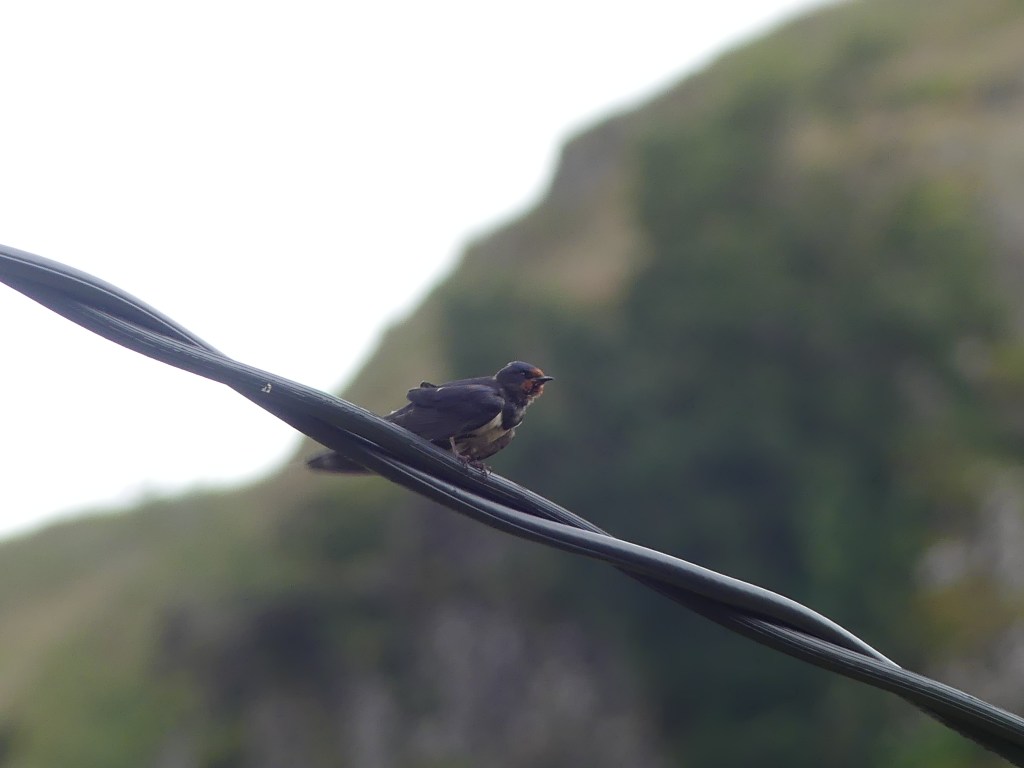
And by October, almost every single hirundine will be gone, travelling to their African wintering grounds ready to return next year. The emphasis is on the word almost, because a few plucky Swallow individuals have successfully attempted to overwinter in England! This may sound like interesting news to some, but it shows the effects a warming planet have on our wildlife.
Swifts alone will pass through the airspace of around 25 different countries en-route, proving how well travelled our feathered friends are. They’ll probably get to see more countries than a lot of us ever will.
But the next few generations are facing challenges that their ancestors didn’t have to. And that, unsurprisingly, is thanks to us (we really know how to screw things up don’t we?). According to the latest Breeding Bird Survey, Swifts have dropped by two thirds since 1995, while Swallows are about half as numerous as they once were and should be now. House Martins declined by 57% between 1969 and 2018, and there are many reasons to this. For one, there just aren’t as many insects as there used to be. Use of pesticides, loss of habitat to development and climate change are killing off the pillars that hold up the entire food chain. Without them, society collapses. And that is no exaggeration. On top of this, we seem to despise the very possibility of any other creature living in our houses, including birds nesting. The once clever adaptations to nesting in roof eaves are finally backfiring, with modern housebuilding not allowing for these plucky visitors. And people even buy bird netting to completely prevent the avian world from getting anywhere near them. And this is simply crazy. Has the country rapidly developed a bird phobia? Its not like they’ll do any damage. They simply want to nest in the already existent gaps in your house. Why would you begrudge them this?
And then there’s the problem of our poorer, wetter and colder summers, growing ever less warm and sunny. No Brownie points for guessing why, simply because the answer is staring the whole planet in its deluded face. It is, of course, Climate Change, created by humanity thickening the atmosphere with greenhouse gases, and wrapping the planet in a blanket that is far too warm. Thats what’s driving these irregular weather patterns. That’s what’s interrupting evolutionary links that have existed for millennia. That’s what can prove deadly to not just our hirundines, and the whole natural world. We arrived centuries late to the party, and think we can destroy what has existed long before us. This planet’s history. That’s what frustrates me the most. People don’t seem to care for our planet’s past, and how it set itself up to live many millennia into the future.
So, to conclude this hirundine post, these birds are truly incredible. From perilous migrations, to insect chasing acrobatics, their adaptations to a life on the wing make them some of the most accomplished fliers in the avian world. But they need our help, and our society needs to make changes to accommodate not just Swallows, Swifts and Martins, but the entire natural world.