
Have you ever noticed a bird looking completely different in the winter, after you’d seen it in the summer? Different colours, patterns and plumages are actually completely normal. Or have you suddenly realised that you’re not seeing as many birds as usual in your garden? There’s likely a few reasons for this, but one of the main causes is that your resident visitors are hunkered down, shedding their old feather tissues and growing new ones.
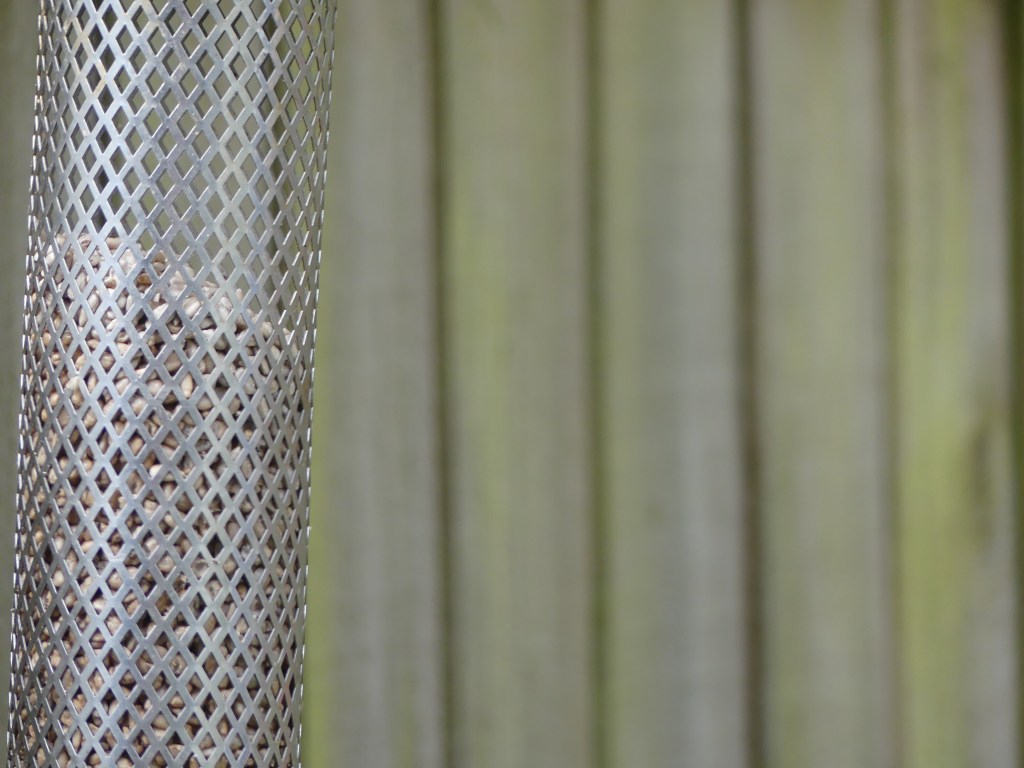
So what triggers the moult? The process occurs in response to several hormonal changes that are brought about by the change in season. It’s a complex process that we don’t know huge amounts about, because when birds are in moult their main aim is to stay hidden and secretive. Without their feathers in perfect condition, they cannot fly away, which is of course their main defence against predators. Shedding these old and damaged feathers keep the bird largely grounded, and its a risky time for our feathered friends.
Prime time for moulting is the month of August, which of course we have just began. The weather is at its warmest theoretically, and so it is the best opportunity to start this process. Later or earlier in the year, and it’ll be too cold without their main feather insulation. You can see the one flaw in this evolutionary feat. With our summers and Augusts frequently experiencing a lot more rain and low temperatures than in the years gone by, moulting birds will be vulnerable and have to adapt quickly.
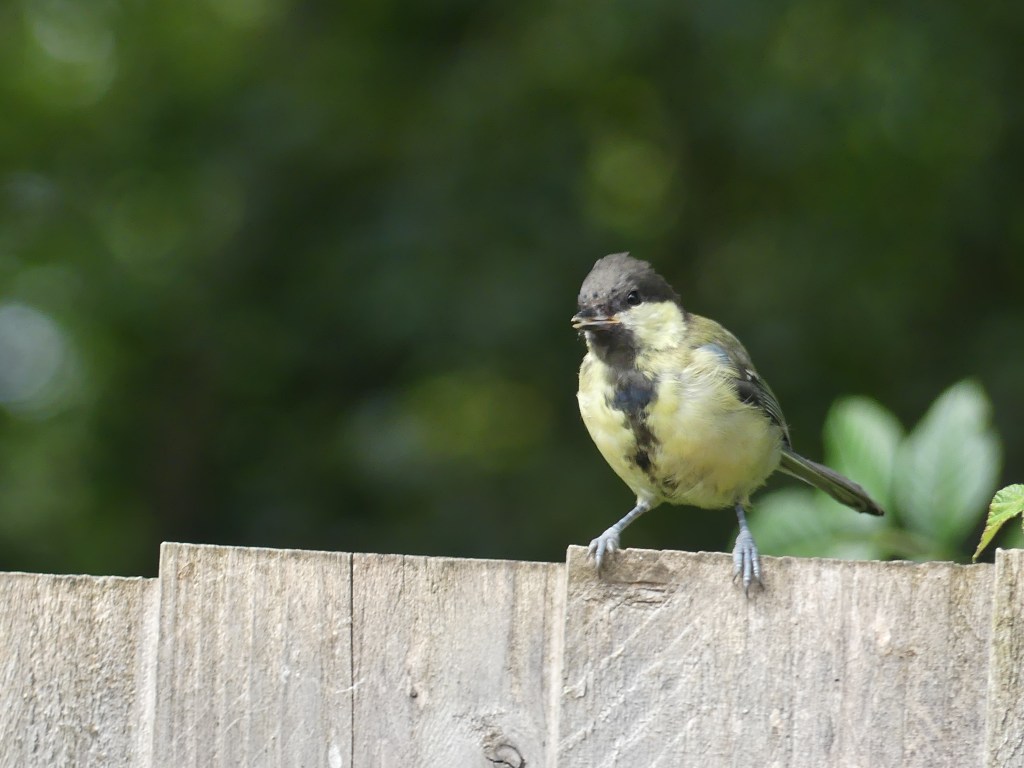
Moulting is not painful for the birds involved. Their feathers have evolved to drop out seamlessly and naturally when the time is right. During the year, a bird’s feathers will simply just stop growing, and by now they’ll simply be dead tissues awaiting the hormonal triggers that allow them to just drop off. A dead tissue can be of no more use than it already is, so all species birds grow new ones.
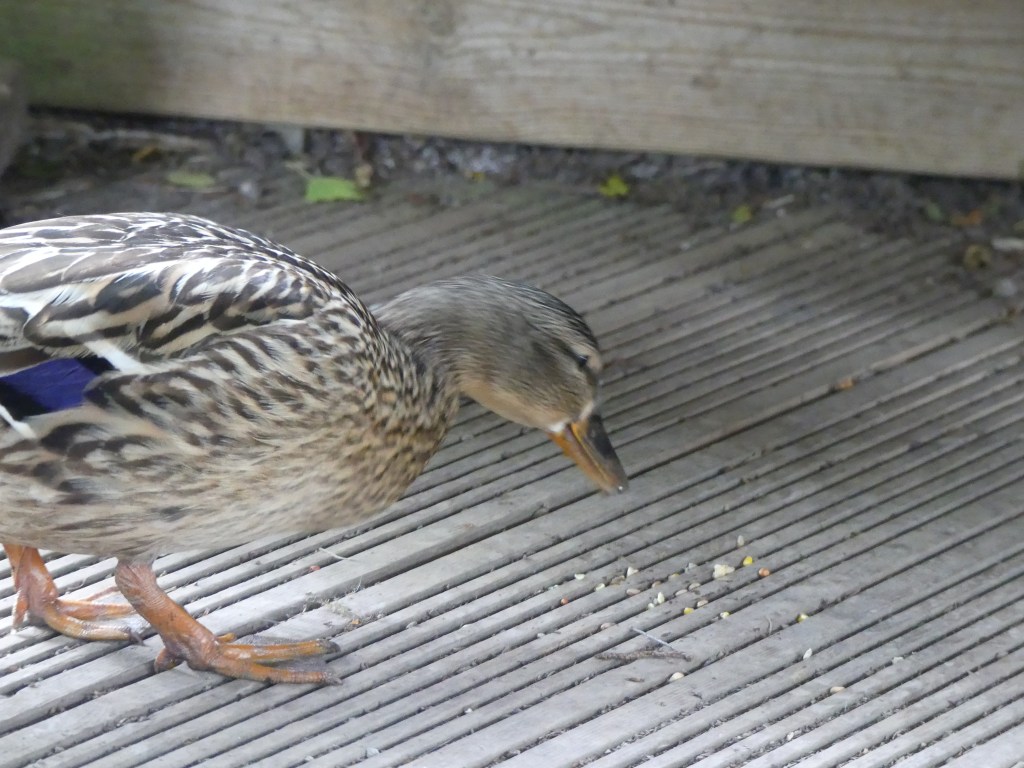
You can identify a moulting bird by missing primary flight feathers, that will leave gaps in the outline of the wing. But for some species its quite a bit easier. The humble Mallard is a duck familiar to many people across the globe, and it among other ducks goes through a several month moulting process in which they achieve a plumage known as the eclipse. They will lose their often brightly coloured plumage and replace it with a dark, plain and sober dress code. Now, define eclipse. It means to cover, hide or deprive something of brightness. Mallards deprive themselves of their stark plumage that is attractive to both females and predators, and moult so during the autumn they are able to camouflage themselves with this drab phase.
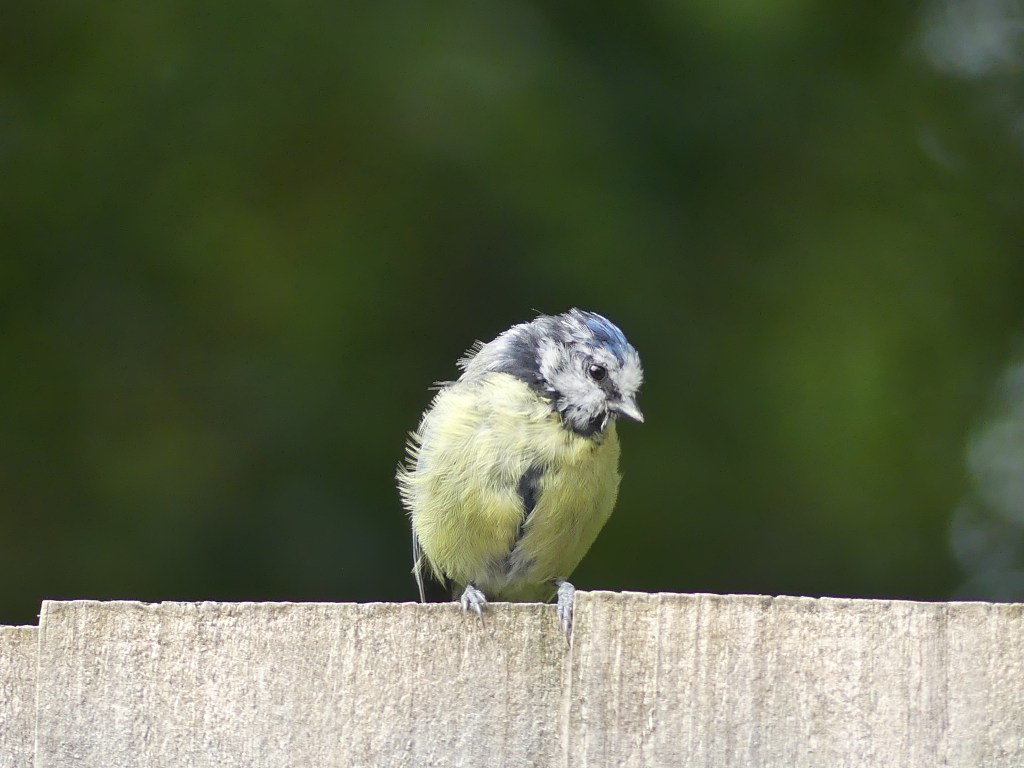
Which leads me nicely on to how many times a year birds moult. Birds usually moult once or twice a year. For example, the Black Tailed Godwit has a brick-red head, chest and neck in the breeding season, but during winter it becomes a drab grey and white. This is the same with many waders and waterbirds, with explosive, regal breeding phases and drab, inconspicuous winter plumages. Other birds may only moult once a year, such as the Blue Tit, that quintessential garden bird across most of the UK. If they are visiting the garden this time of year, they’re likely to be looking a bit ruffled in certain places. My resident birds certainly have scruffy head feathers, and that’s because the Blue Tit and many other species undergo the moult in phases. First to go are the covert feathers, the tertials follow, the rest of the body comes penultimately, and finally the head is dealt with.
And that concludes my guide to the moulting season. In general, a moulting bird can take six whole weeks to complete this process, which is actually remarkably quickly when you look at the size of the little things. I hope this blog proved helpful to those who have read it, and that you have learned something new about the avian world!

