Gen Z and birding are, according to certain outdated stereotypes, not a common mix. Birding is traditionally a hobby for older people. A common misconception is that a lot of time and money is needed to fund such a hobby. But this could not be further from the truth, and there are many young Gen Zs going against the tide and reshaping modern birding. Take the Global Birdfair Fledglings, a quickly growing group of young people who together will take on Global Big Day on 9th May and look to build a massive global checklist to contribute to citizen science and create a long-lasting community of young, like-minded birders that can transcend continents (read on for further instructions if you’d like to join in).
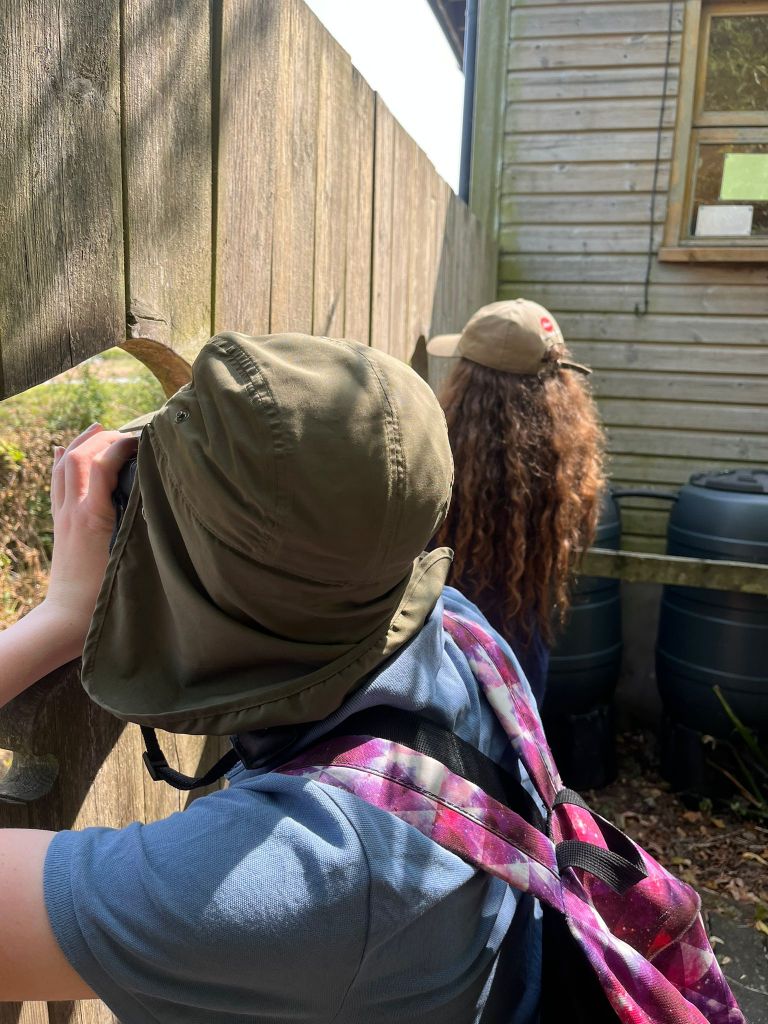
Much has been said about Gen Z as a generation, a group of younger people typically under 25. We’re lazy, we overspend, we have a poor work ethic and we can’t focus on anything. This is usually blamed on digital habits, us being the first generation really to have unlimited access to the internet, AI and social media. And, apparently, we haven’t really used this privilege well, to the point that it has taken over our lives, causing us to shun 9-5 work days and increasing our likelihood of having mental health issues. But are there any benefits to digital and traditional worlds colliding?
Truly, what sort of person comes to mind when you hear the word birdwatcher? I’m willing to bet it’s not a teenager or a young adult. Maybe you know them as twitchers, or even the crazy old man who can be seen feeding pigeons in the car park, reliably every day? Birders (the correct term) are often painted as older, eccentric men in green vests and anoraks; granted, some birders do fit this description quite uncannily. However, I’d argue this is one of the most outdated stereotypes currently existing today. Birding is evolving, even in something as simple as the transition from trusty notebooks to digital records.
The truth is, Gen Z birdwatching numbers have risen tenfold since 2018, with almost three quarters of a million young people regularly donning a pair of binoculars and heading out birding. There are now ten times the amount of 16-29 year olds out in nature enjoying what is now one of the fastest growing hobbies within Generation Z, all according to a recent study conducted by the RSPB. Despite popular opinion, it’s hard to argue that birders can be called niche or odd anymore.
So, how has this come about? During the Covid-19 Pandemic that has led to Gen Z being dubbed ‘the Forgotten Generation’ simply because we missed out on a year of face to face education, many found that simply going outside and listening to the Great Tit’s call was a brilliant substitute for a history or maths teacher (see what I did there?). Birdwatching acts as a mindful, grounding activity, fostering a sense of peace and boosting happy hormones and mental health.
And people on social media (that dreaded thing that has made us all lazy) have proven that birding is cool, for anyone that wants to get involved. It’s provided a platform for young people to try something that previously they might never even have considered, and this has been a big factor leading to the boom in Gen Z birders. Birding has been redefined by Tiktok, Instagram and Youtube, for the better, and this can only be a good thing for one of the world’s favourite pastimes.
People like Matt Spracklen (AKA the Rock N Roll Birder) and Bonner Black have been using their platforms to show the world that birding is cool again. They’re both successful musicians, and their social media content brilliantly blends birding and music to inspire, amuse and amaze. Even celebrities more from my parent’s time, such as Jim Moir, have moved into birds. Widely known by his stage name Vic Reeves, Jim is a household name in British comedy, but also co-hosts ‘Painting Birds with Jim and Nancy’ alongside his wife on Sky Arts. He has hosted several exhibitions, including Dawn to Dusk: Birds by Jim Moir, at National Museums Liverpool. We were lucky enough to see some of his work at the Royal Academy in London.
Another trailblazer in the exclusive celebrities turned birders group is Ade Edmondson, a comedian and actor who explored birding alongside friend and RSPB Ambassador Samuel West, in the 2026 Channel Five series Sam and Ade Go Birding. Sean Bean, an actor who featured in films and shows such as Game of Thrones and Troy, hosts the Get Birding Podcast, helping people everywhere connect with nature and birds.
This digitalisation of birding has brought so much to the table. With social media, the benefits speak for themselves, bringing like-minded people together in ways that otherwise wouldn’t have been possible. But also apps like eBird, Birda and Birdtrack provide a feel-good factor by contributing directly to citizen science and conservation. Birdtrack checklists are sent directly to county recorders who work closely with the BTO to build a picture of bird populations across the country, and eBird is an ongoing project run by the Cornell Lab that also aims to use birders’ sightings to build a picture of bird populations, but on a global scale.

Also, by providing apps to easily record birds, it appeals to the nature of a generation of digital natives. The shift from notebooks to online records has been highly noticeable in not just birdwatching, but many other activities. These apps allow people to share their birding with others and to contribute to conservation, building connections and opening up birding to more people than ever before.
It’s common knowledge that our bird populations are not in the best state. The UK has been declared one of the world’s most nature deprived countries, and there are now 73 bird species on the UK Red List of Conservation Concern. However, this boom in interest and a willingness to get involved in conservation among young people could not have come at a better time. We’re going to need all the help we can get as the world faces the biggest nature extinction crisis since the dinosaurs.
But if anyone can do it, surely it’s this incredible generation that has already overcome so much adversity. Hundreds of brilliant young people have already started fighting back for nature, and the more that take an interest and foster a passion for our feathered friends, the better a chance we’ve got at preserving them for years to come. That’s how birdwatching, as a hobby, will survive for thousands of years from now.
As I mentioned earlier, the 9th May is Global Big Day 2026, an annual event where people across the globe try to record as many bird species as possible to support eBird’s scientific understanding and increase their amounts of crucial data. This will then help inform conservation efforts. I’m a member of a the Global Birdfair Fledglings team, or GBFF for short, and we’re looking to recruit young birders who would be interested in contributing to our team’s total on the Big Day. All you’d have to do is go birding on the 9th, record your checklist as normal, but then click share and enter our team name ‘GlobalBirdFairFledglings’. There are so many amazing young people already raring to go and build this huge species list from across the globe, so why not join in?
Note: the Great Tit’s call is often described as sounding like ‘teacher, teacher’ on repeat. This is why my earlier joke was extremely witty and hilarious.
Source List:

