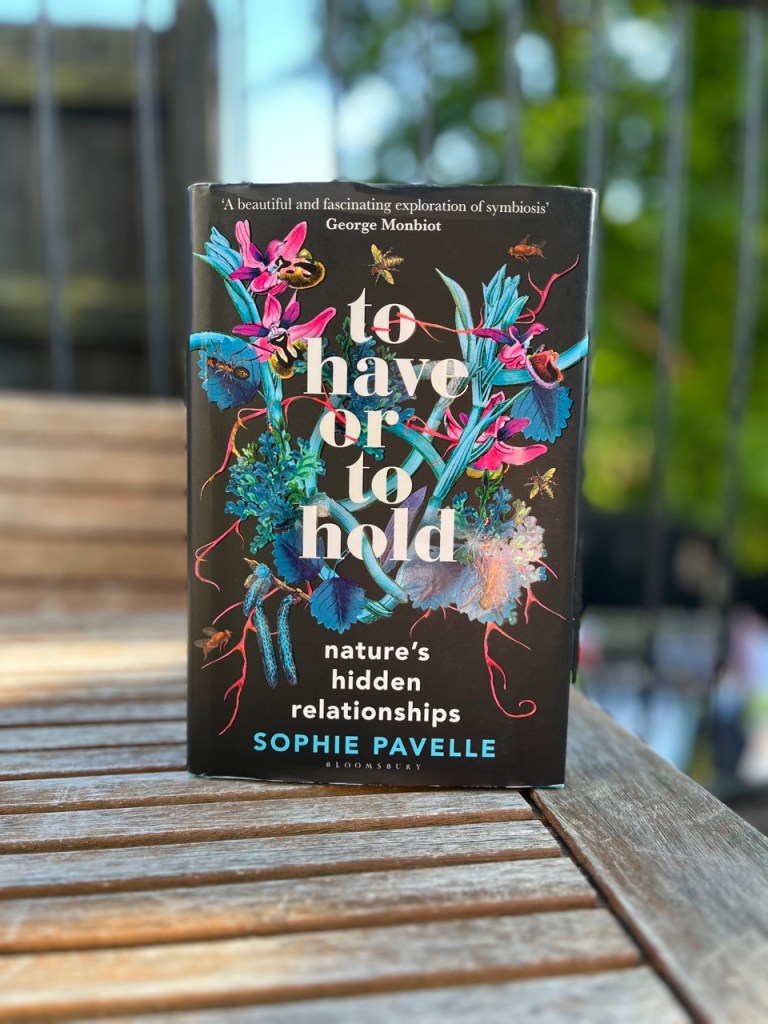
Sophie Pavelle is a brilliant author and science communicator, who as it stands, has authored two great books, ‘Forget me not’ and ‘To Have or to Hold’, which both document very different things. The former follows her journey to spot and learn more about 10 climate-threatened species, and the latter explores the complex scientific subject of symbiosis, in a fun and engaging way. I was lucky enough to meet her on Wednesday night. Read on for more…
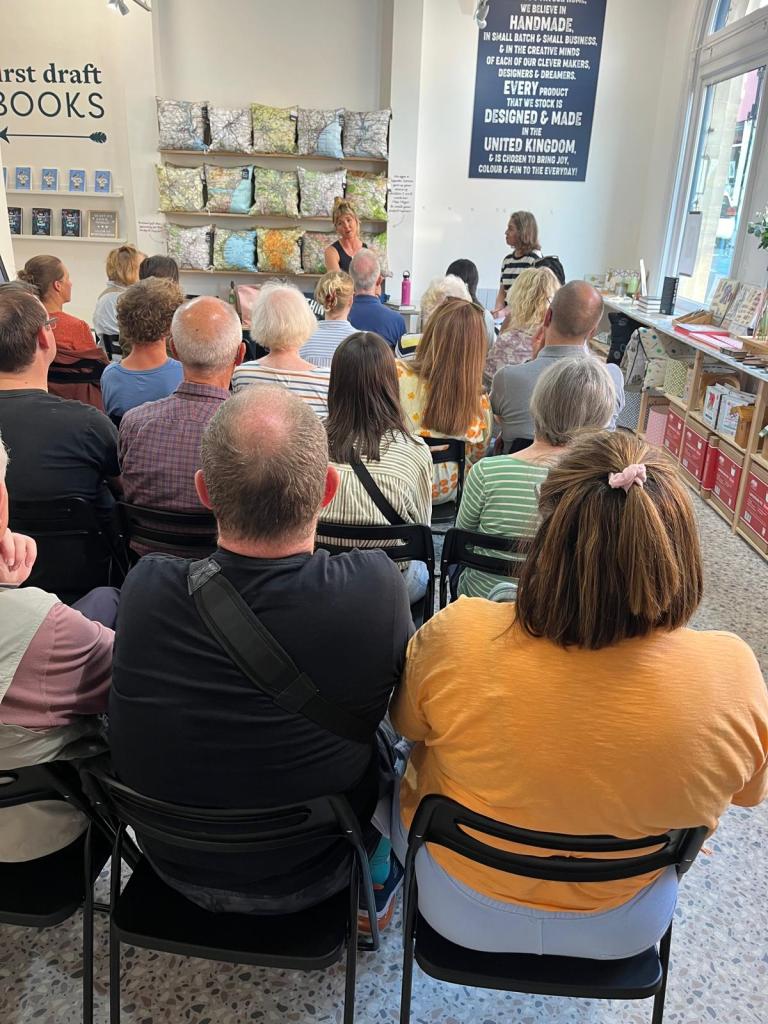
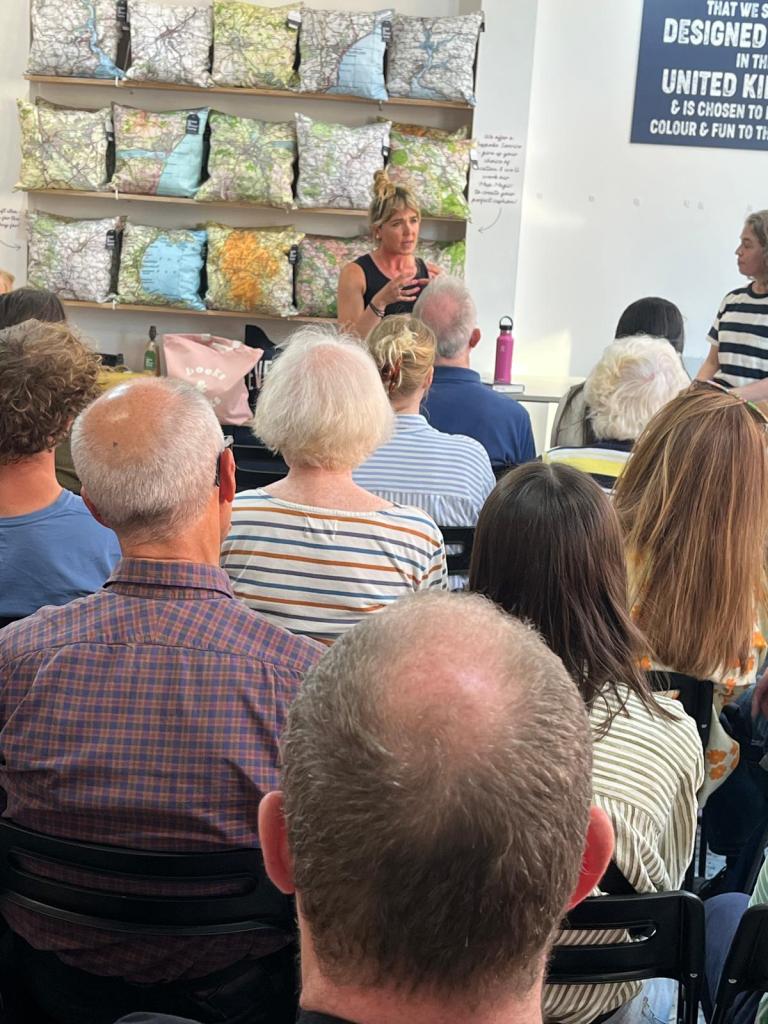
Sophie came to Bovey Tracey to give a talk on her book at First Draft Books, an excellent independent bookshop within Grace and Favour Home, my parents’ shop. It was truly enlightening as to the knowledge and secrets hidden in the pages of ‘To Have or to Hold’, from rare ants to 3mm worms that hijack photosynthesis. There really is something in the book for everybody.
Following a First Class Degree in Zoology at the University of Bristol and a Distinction in Science Communication from the University of the West of England, Sophie has gone on to work with several prominent organisations including the Beaver Trust, where she worked as Communications Coordinator for four years and presented the award-winning documentary ‘Beavers Without Borders’. She is based in Devon, and so is an ambassador for the Wildlife Trusts and sits on the board for UNESCO Exeter City of Literature. So she’s a pretty amazing person, having done all this before she turned 30!
Before you read on, I thought I’d introduce a glossary as it gets quite technical:
Glossary
Symbiosis: A close and long-term relationship between two different species
Parasitism: A symbiotic relationship where one species benefits more than the other
Mutualism: A symbiotic relationship where both species benefit
Commensalism: A symbiotic relationship where one species benefits while the other is neither harmed nor any better off
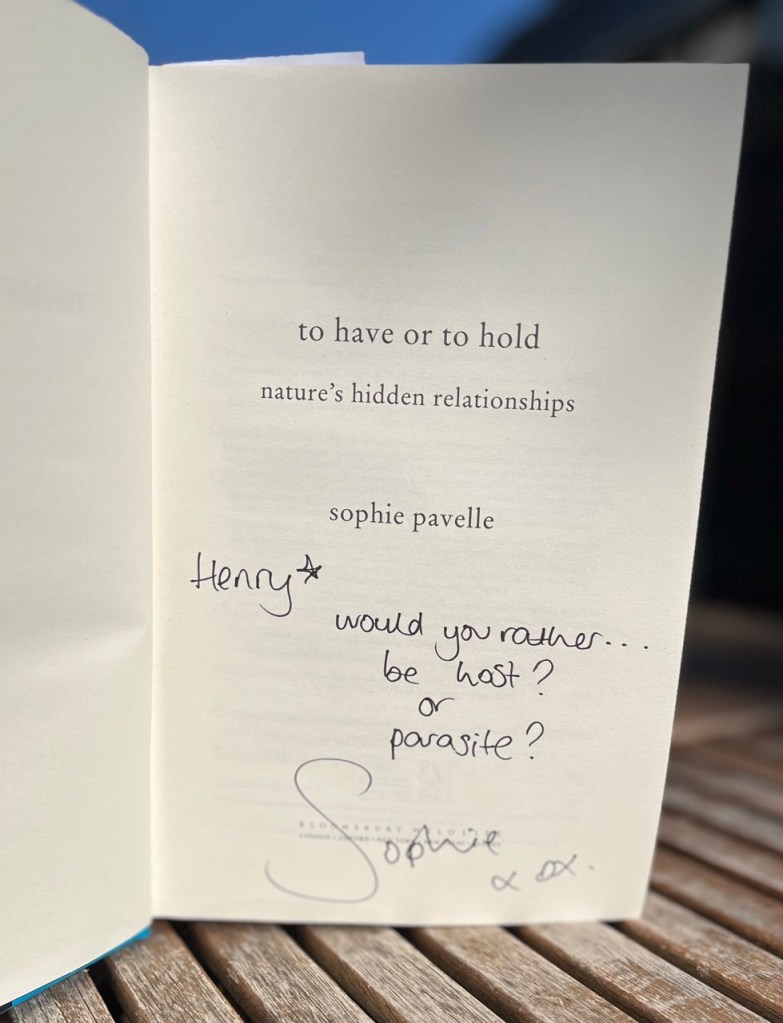
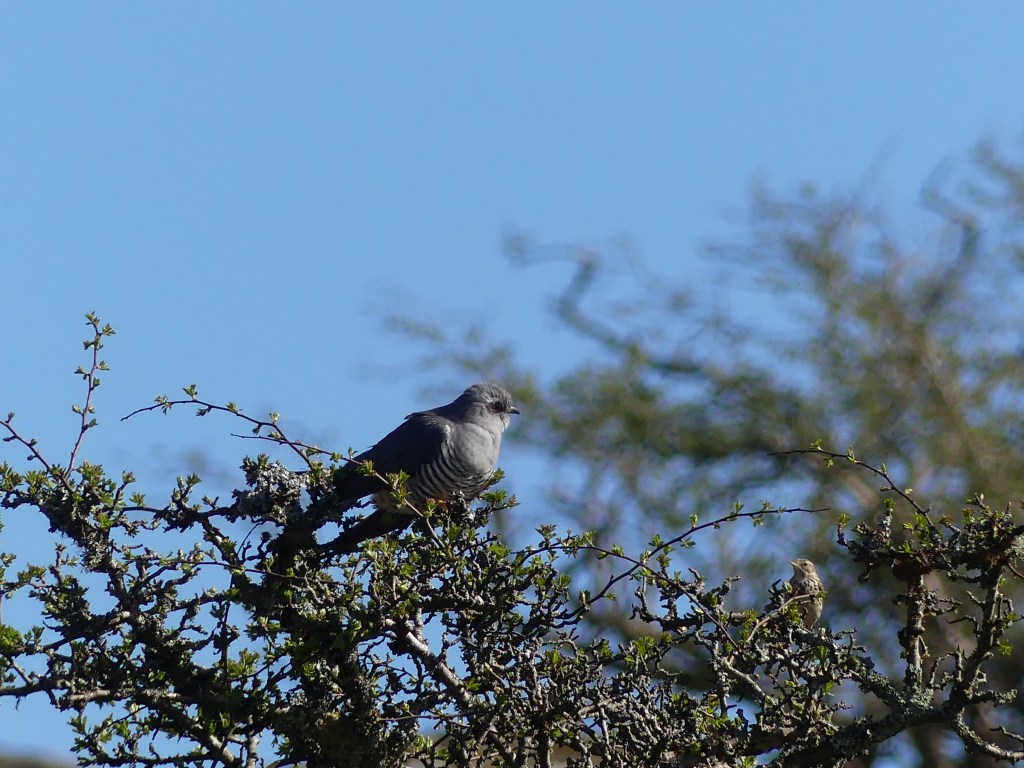
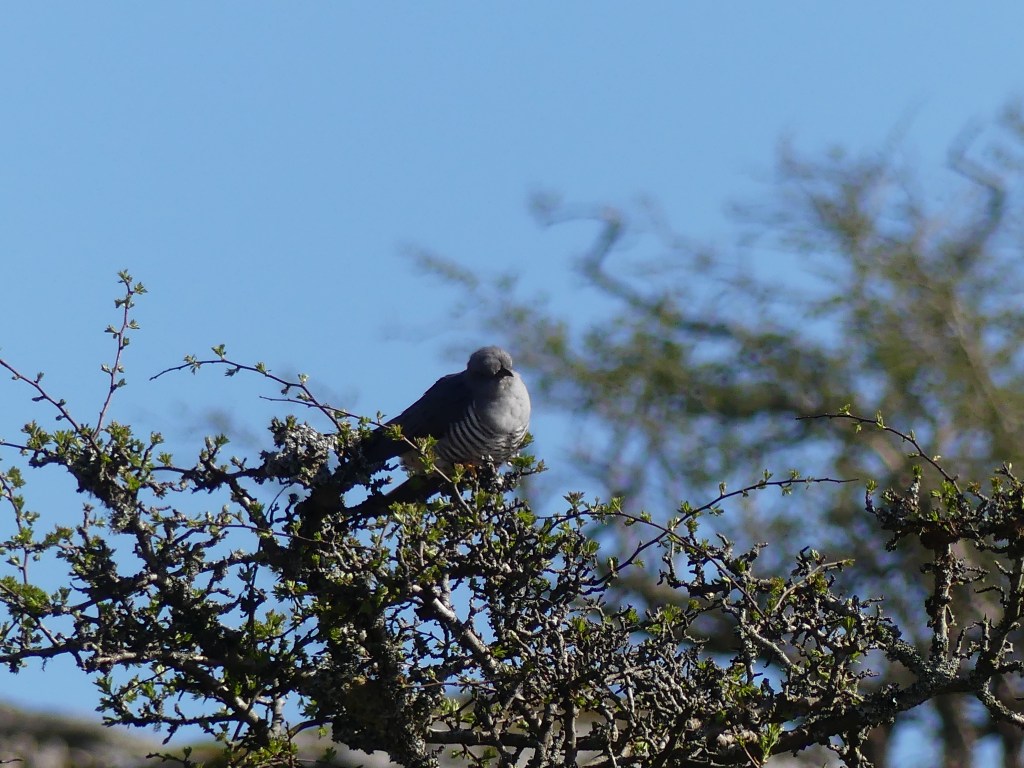
So, you are probably wondering about the title of this post. Well, it’s what she signed in my copy of the book, and a big part in the actual text itself. Symbiosis is one of the most complex concepts in the animal world, and is described as ‘a close, long-term relationship between two or more different species’. A large part of that is parasitism, where the parasite usually benefits more than the host. Take, for example, a Cuckoo. It benefits in that it doesn’t have to spend its energy incubating and feeding a chick, whereas the host, often a Meadow Pipit on Dartmoor, gets an extra chick to deal with. But there is no one fixed definition for parasitism. Say if the Cuckoo chick pushes out several of the Pipit’s brood, as they are inclined to do, then there are less mouths to feed, less energy needed by the parent, and each chick is likely to get more and better food, so as to grow up stronger. In symbiosis, there truly are two sides to every story.
Another example of symbiosis that many people will recognise is the Oxpecker, eating the flies of off the backs of Buffalo. This is a prime instance of symbiosis, and one that most people will have learnt about in school biology lessons, maybe concerning topics like food chains. Here the Oxpecker gets its meal and the Buffalo gets a bit of a clean! And have you ever noticed a Robin hovering around near your shovel when you’re digging in your garden? This is because Robins in England have a symbiotic relationship with humans, where they eat the worms churned up from the soil. In lots of European countries, Robins are less of a garden bird and are more likely to follow Wild Boar and eat the worms churned up by their rooting around. So humans replace the boar in this symbiotic relationship, mainly as Boar were hunted to extinction a long time ago in Britain! It can be debated, but I would probably say that this is an example of commensalism, as the humans don’t really benefit other than seeing a beautiful bird, but then again nature is good for your mental health, so maybe its mutualism?
I hope that the Cuckoo example proved to you that parasites aren’t just a group of disgusting worms or bugs that crawl under skin, suck blood or spread disease. I mean sure, those exist too, but these are but a minuscule segment of the story of parasitism. There are also two other kinds of symbiosis; mutualism, meaning that both species benefit from the interaction and commensalism, meaning that one species benefits while the other one gets nothing but loses nothing either. An example of the former would be a bee pollinating a flower (both benefit), while an example of the latter would be a barnacle hitching a ride on a whale. They don’t harm the whale, but the barnacle gets to travel through nutrient-rich waters. But remember to keep an open mind, as again there will often be different scenarios. Symbiosis is not a fixed thing, and varies on a huge scale. And so we don’t necessarily know as much as we would like to know about it.
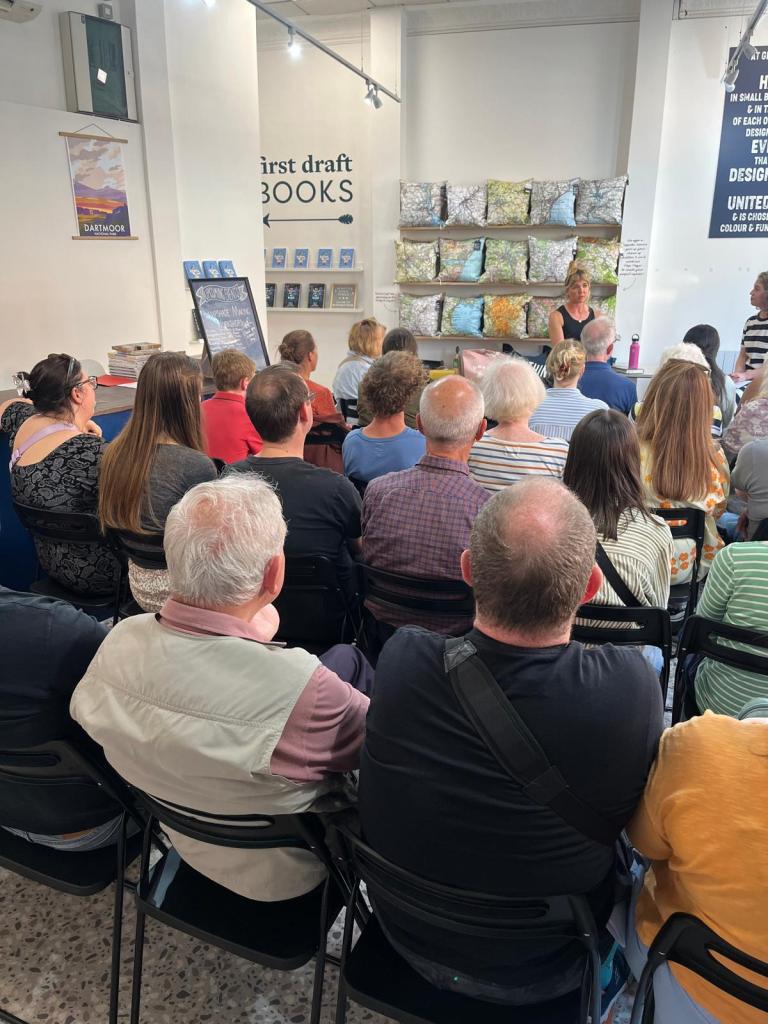
Sophie took a very interesting view on the current state of nature across the world, which really resonated with me, as I’ll be honest its exactly what I’d been thinking for years! She said that humans were simply a parasite of the Earth, taking what we want from it. But we don’t want to be the kind of parasite that over time strips the host of everything, eventually killing it. After all, it is in the best interest of a parasite to keep its host alive. So surely we want to keep our host alive, if we want to continue living here?
I am very much looking forward to reading the book, but especially the last chapter, as it features a species of ant whose last stronghold in the UK is Chudleigh Knighton Heath, a Devon Wildlife Trust Reserve literally just down the road from me. This is, of course, the Narrow-Headed Ant, which alongside other ant species, has an incredible behaviour not seen in any other kind of animal. This is an incredible symbiotic relationship where the ants ‘herd’ the aphids and move them along to different sections of the plant, while also protecting them from potential predators, such as ladybirds. It’s a lucrative business, with the aphids producing honey-dew from their rear ends, a sugary substance which is the perfect snack for the ants. The aphids need the ants to do this, as if too much of the honey-dew builds up on the aphids, then potentially harmful bacteria can build up all over their bodies, restricting their movement and eventually killing them.
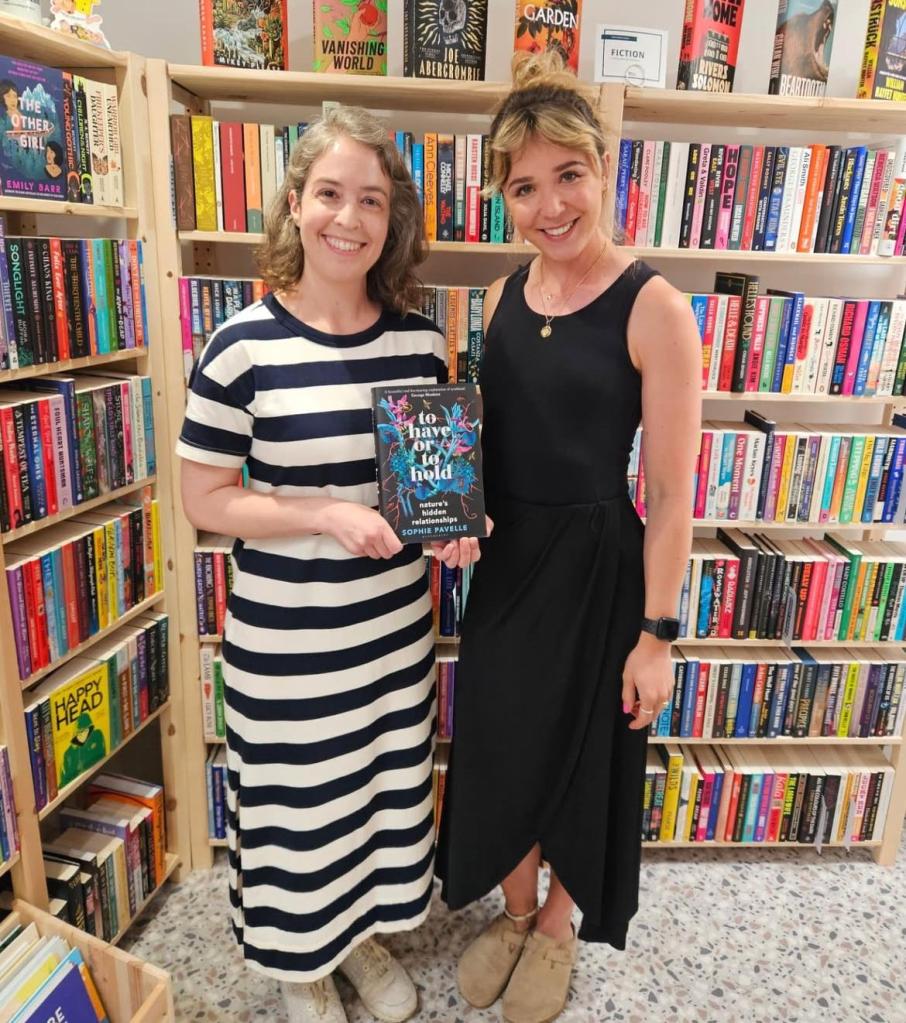
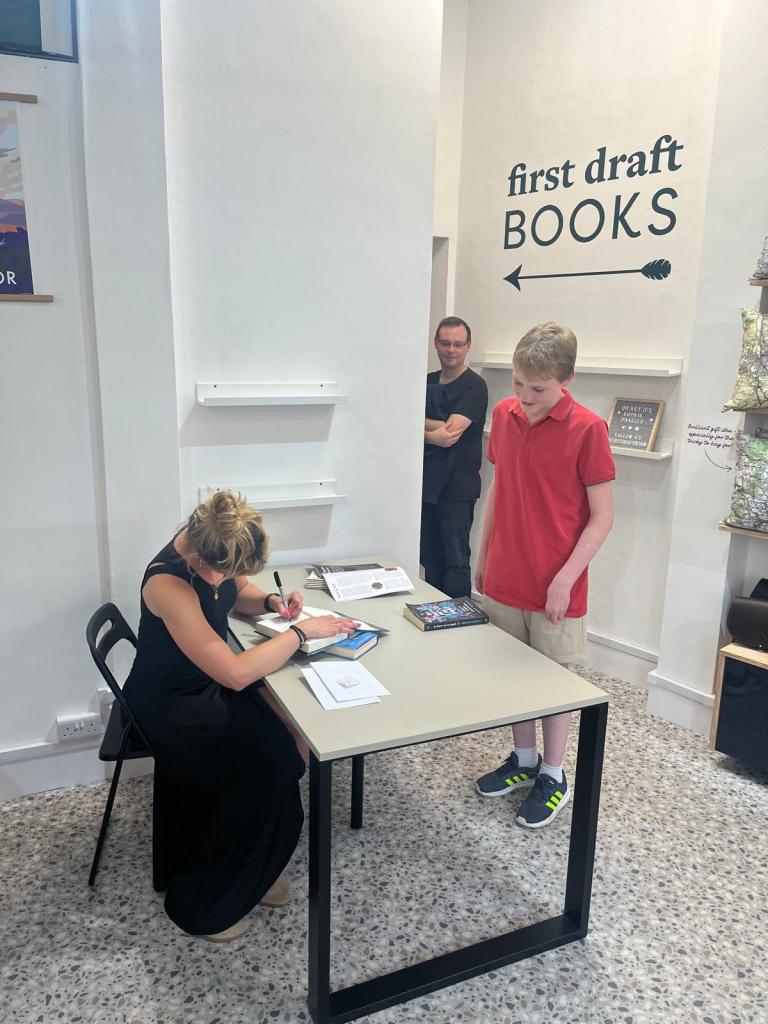
At the end of the talk, I was lucky enough to meet Sophie, which was incredible as for the past few years I had been reading her book and following her adventures via social media. It was great to talk to her, and we ended up talking about Cuckoos (my all time favourite bird) and Emsworthy Mire (my all-time favourite place). She even ended up giving me the copy of the book that she’d brought with her to read from, which was absolutely brilliant. Thanks Sophie!
Overall, I am really looking forward to reading the book (‘To Have or to Hold’, in case you forgot) and I recommend that you do too. Sophie had been on tour with the book all week before the evening’s talk, and it has been met with a glowing reception from the nature community. Plus, if it takes after the first book (‘Forget Me Not’) then it must be incredible! So, if you’ll excuse me, I’ve got some reading to do.

