As 2024 comes to a close, so ends another year and another rollercoaster birding ride. This year has been one where I have really expanded my birding range, from the wilds of the Scottish Highlands to the raucous Spring setting of Keyhaven and Pennington Marshes. Its clearly been one to remember, with a wealth of encounters that will forever hold a place in both my memory and my heart. Learning from the many people I’ve met along the way has continued to shape me into the birder I am, and for this I am eternally grateful. There’s been ups and downs. We’ve seen the best of the good, the bad and the ugly. So here are my highlights from 2024, through the eyes of a 12 year-old birdwatcher.
Top Five Favourite Places This Year
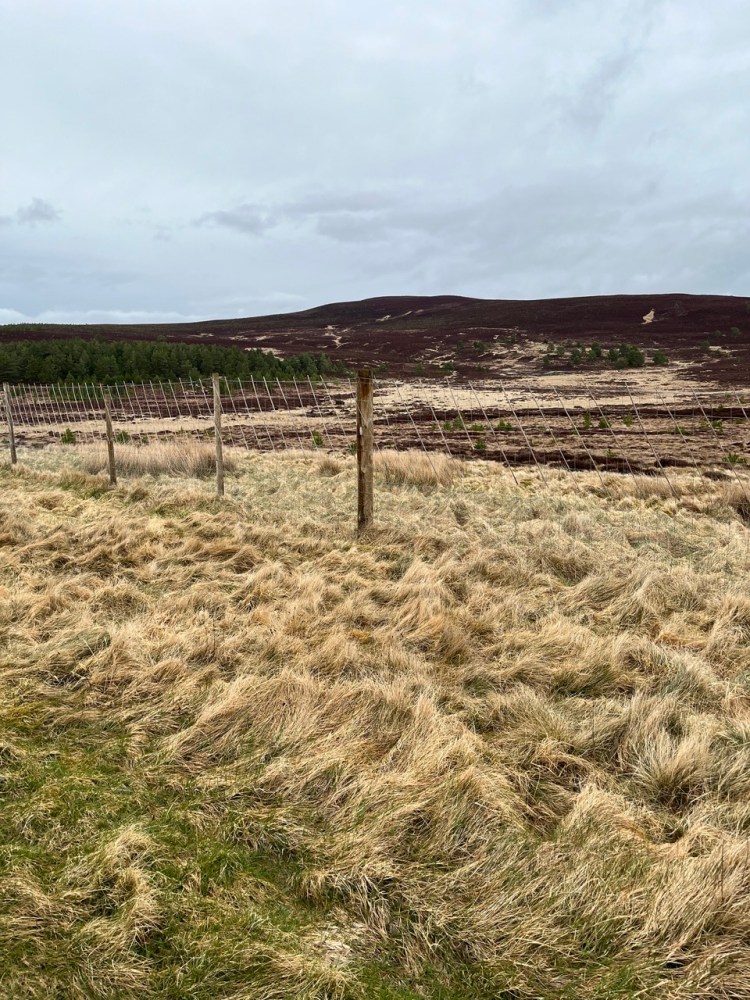
Scotland was the definition of a rollercoaster, but never in a bad way. The week I spent there was one of the best of my life, and being at a hotel completely for wildlife watchers brought me into contact with incredible people and places. Acting on a tip-off from the person who set the entire trip in motion (Simon Pawsey; more on him later), we enjoyed a mini raptor extravaganza high on a wind buffeted moor called Dorback, that had large areas of it cordoned off to deny access to grazing animals such as deer, and allow trees and plants to regenerate fully and naturally. The effects were clear, with many young trees sprouting amongst the heather, scattered in the foreground of mountains.
Another memorable one was Spey Bay, so good we visited twice! There the River Spey met the North Sea in a chaotic tumble of stone and spray, forming an amazing array of habitats, a natural mosaic if you like. Then there was Strathdearn, a mountainous setting where patience paid dividends. With the River Findhorn running along its bottom, Strathdearn forms a raptor highway between the tall peaks of the west and the Cairngorms National Park, allowing birds to take a route that doesn’t take them over farmland or grouse moorland where they could face persecution and other dangers. Loch Spynie was home to several noisy colonies, while the resident birds of Dell Wood sported some trendy hairstyles!
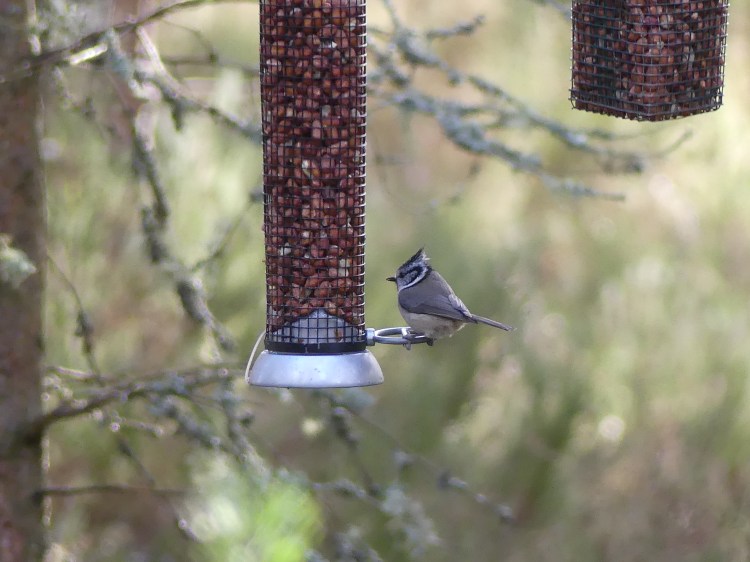
The BTO Birdcamp was a wondrous weekend, and what sets this adventure apart from Scotland is that nearly all my time was spent with people my age, who all shared a common birding interest. It genuinely felt like our accommodation was in the middle of nowhere, taking a long drive through winding country lanes to arrive there, with the building itself concealed by a tangled patch of woodland. RSPB Haweswater was a wet and misty experience, but moods were never dampened as we trudged through the valley. Derwent Water was also good fun, with some obligingly posing birds offering great photo opportunities. Finally, Leighton Moss proved to be the jewel in the crown, and a change of scenery from the hill-filled Lake District. To see 64 species that Sunday was incredible.
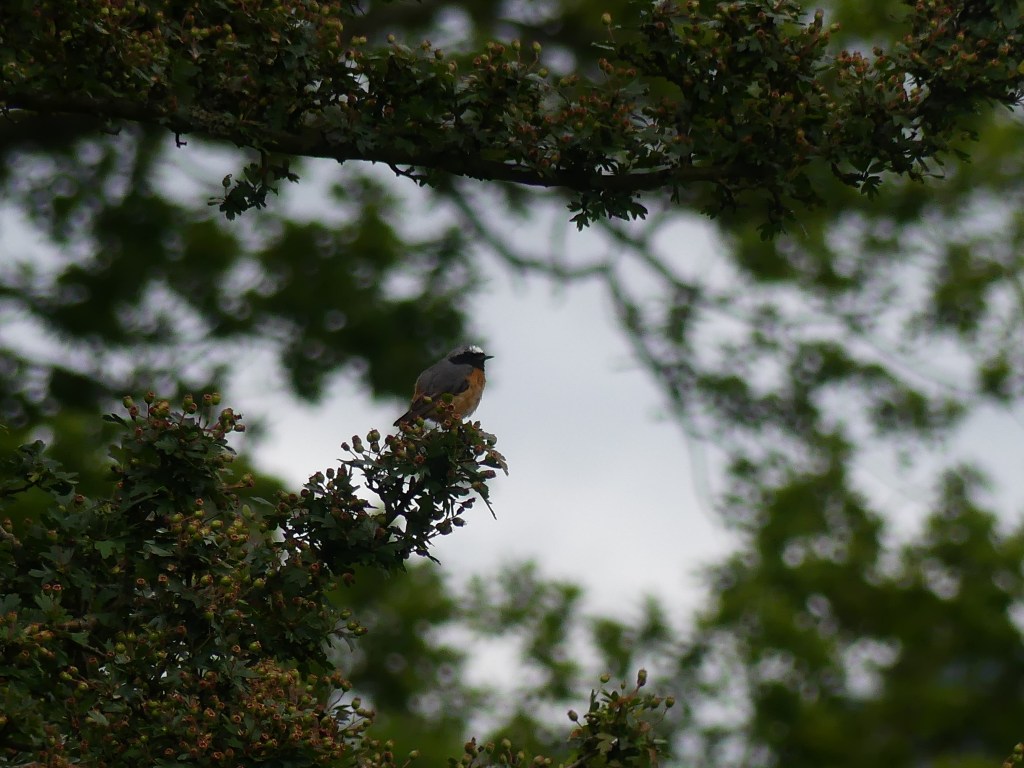
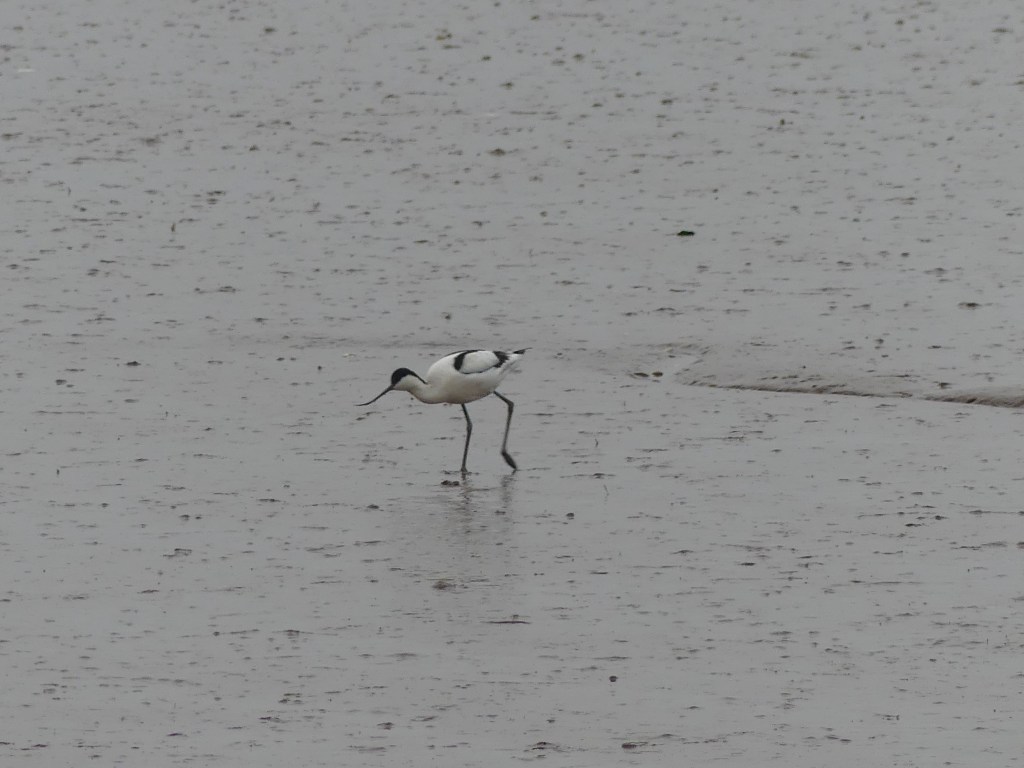
Across two weekends this year, both Wild New Forest Wildlife Camps were incredible experiences for me. The difference between them was seasonal, with one in the Spring and one in the Autumn, and both took place in the heart of the New Forest National Park, albeit with two different places of accommodation. These camps have had the two best bird ringing sessions I have ever had the good fortune to be able to witness, and the fast fun of the BioBlitz is an unrivalled feeling. The atmosphere at Keyhaven and Pennington Marshes was loud and crazy, but in a good way that only birds can create. We saw waders on the nest, and a special scarcity that was an unexpected lifer for me. And Eyeworth Ponds seemed relatively quiet and inconspicuous, until a certain visitor was spotted on the far side of the lake and suddenly everything turned just a little frantic.
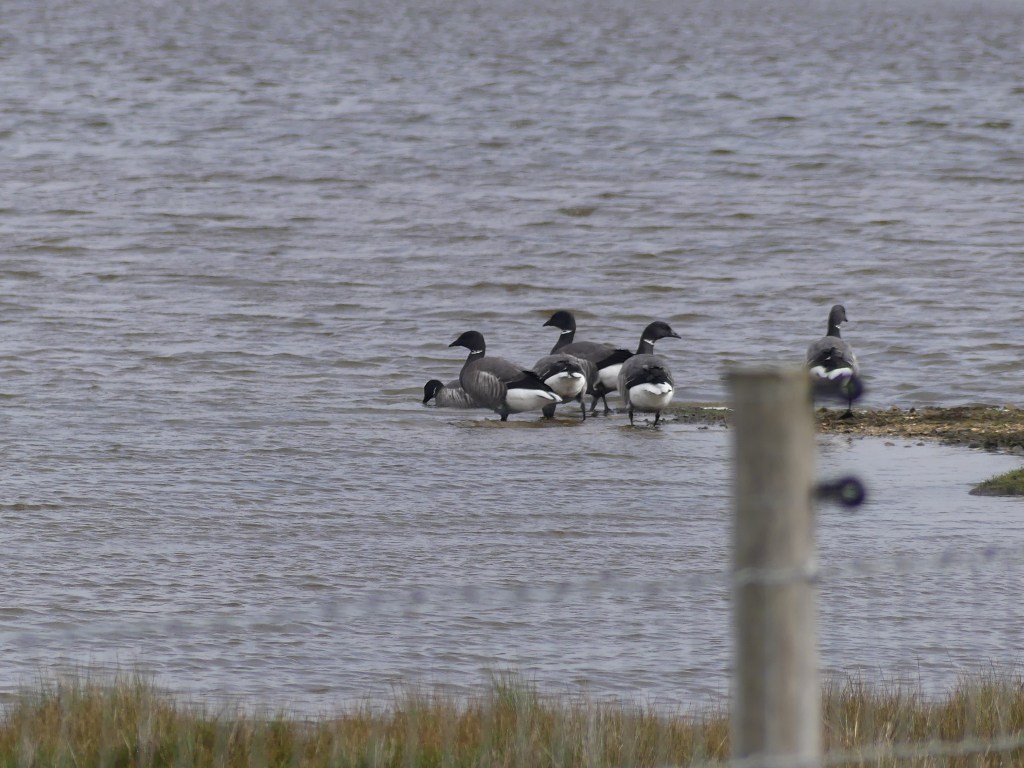
RSPB Arne is just a place of magical nostalgia for me, bringing on flashbacks whenever I step under its hallowed trees. The bird crazy 8-year-old within me runs riot whenever I walk along the trails, and probably always will do. The Shipstal Trail hides natural treasure around every corner. And the mosaic of habitats is just incredible. Farmland on one side of you while you’re standing beneath towering oak woodland, and then heathland sprawls right down to the edge of the marshland, fed by the lapping waves of Poole Harbour. Thats what makes this place so special.
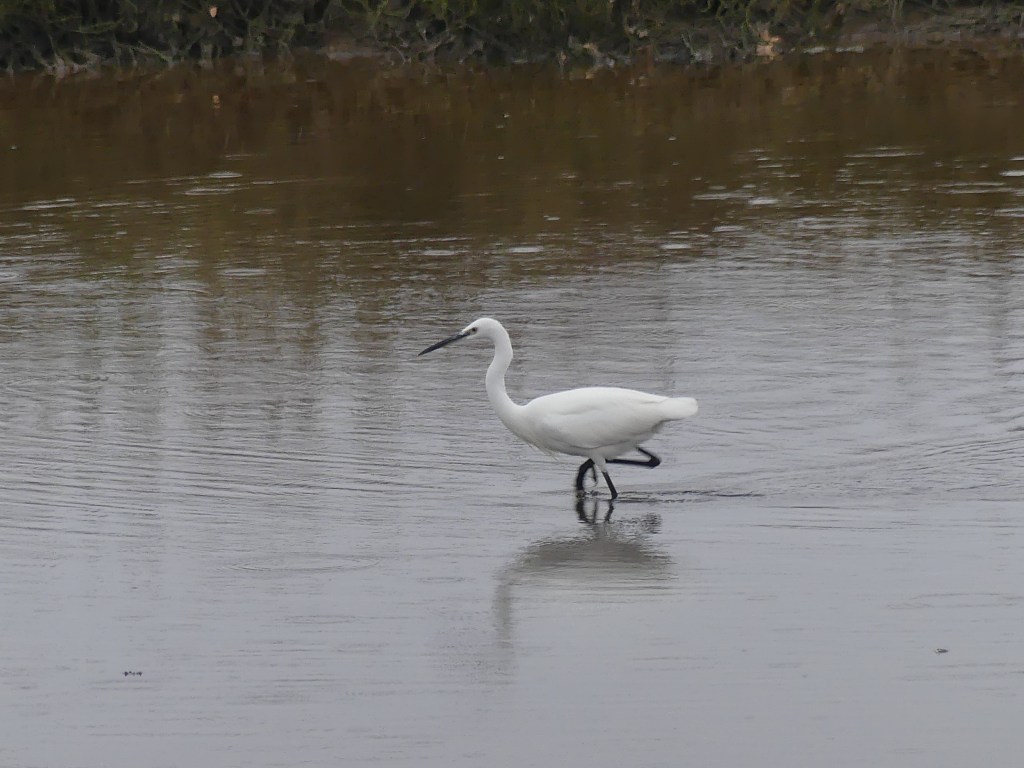
Top Five Favourite Birds This Year
When I said Strathdearn required patience, my first encounter with Britain’s biggest raptor definitely fitted this bill. The sun was gradually getting lower in the sky as the larger part of our party left to head back to the hotel, having enjoyed a windy afternoon’s birding in the valley. It was just Nick Baker and us, three people crowded over a scope and scanning the horizon hoping for something to pop up. To be honest, there had been little about except a couple of Oystercatchers that afternoon, and according to a group we passed, we’d missed a Golden Eagle by a margin of about three minutes. I was mulling this over when I noticed a group of gulls in the distance, seemingly agitated by something among them. We quickly got the scope locked on to the intruder, which looked to be really quite huge. It was quite clearly an eagle, but which? Its wings were broad and powerful, with long fingers stroking the air as it glided, barely flapping as it came closer and closer towards us. A White Tailed Eagle was the culprit, showing the importance of never giving up!
Heading back down south to the New Forest now, where an autumn ringing session pulled a true treat out of its hat. The Wild New Forest ringing sessions are legendary, and this one was no different. The Firecrest is a very scarce bird, more likely to be seen during winter in southern England than at any other time. Its breeding population is small and concentrated, and you’d be very lucky to see one Britain’s second smallest bird outside of the colder months. A young male was sat in the hand, being ringed and processed right before our eyes! I never thought I’d get to see one so close up, and now I think about it, I probably won’t get to again! But I’ll always have that experience, and will never forget it either.
From Britain’s biggest raptor, to its smallest, the Merlin is the stuff of folklore. With the famous sorcerer named after it, this minuscule falcon breeds in the uplands of Scotland and Northern England, coming down to farmland and coastal marshland in the winter. Strathdearn during our trip seemed to be full of birds of prey, because we saw my first Merlin two days before the Eagle encounter, from the exact same lay-by! This bird was a lot closer, however, and it didn’t seem thrilled that a Kestrel seemed was invading its personal space. It was an epic, a true birding blockbuster, as they faced each other before a chase ensued. The Merlin, which seemed cautious, flew off to perch in a nearby tree, while the Kestrel settled itself on top of the deer-stalking hut. Who needs television? All the drama you need is out there in nature!
Am I going a bit overboard on the raptors now? Up next is a falcon that arrives in the summer to breed, enjoying the wealth of insects that our mild climate accommodates. Apparently this was a bit of a surprise to see in Scotland. The Scottish breeding population could be fewer than five pairs, and even our expert guide for the day Will Hall couldn’t contain his surprise when it flew over our heads in the car park at Loch Spynie. It was heading off towards the edge of the Loch and the reedbed around it, which was prime Hobby habitat anyway, due to the abundance of insects bound to be next to the water’s edge. It also turned out to be my first Hobby, and I must admit it had been a species that had proved elusive despite my efforts.
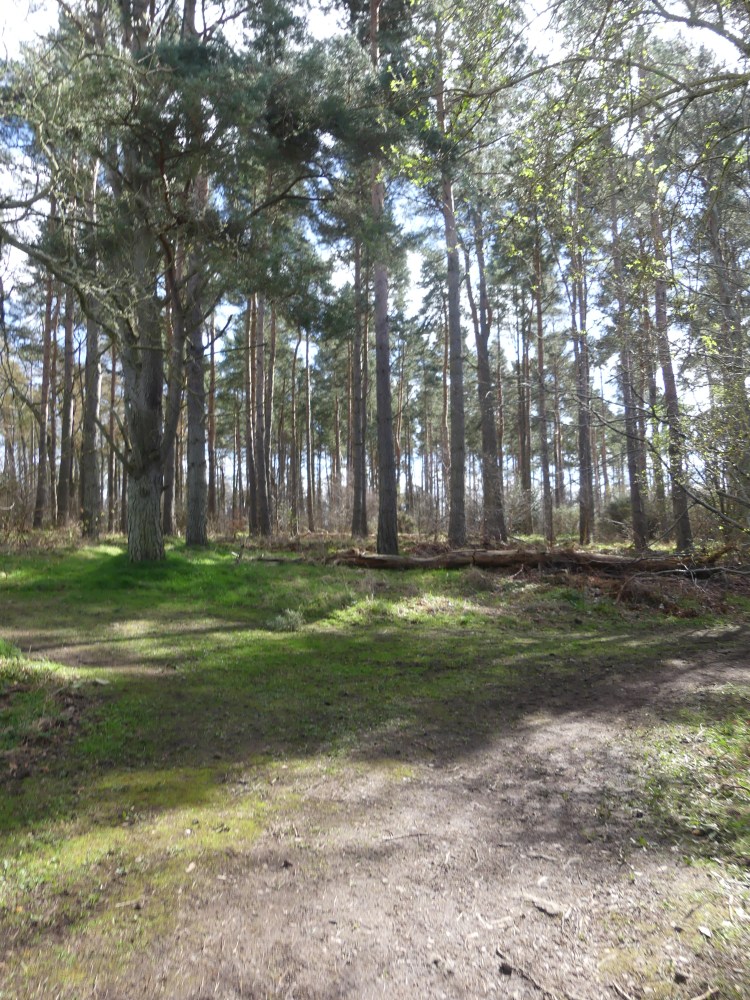
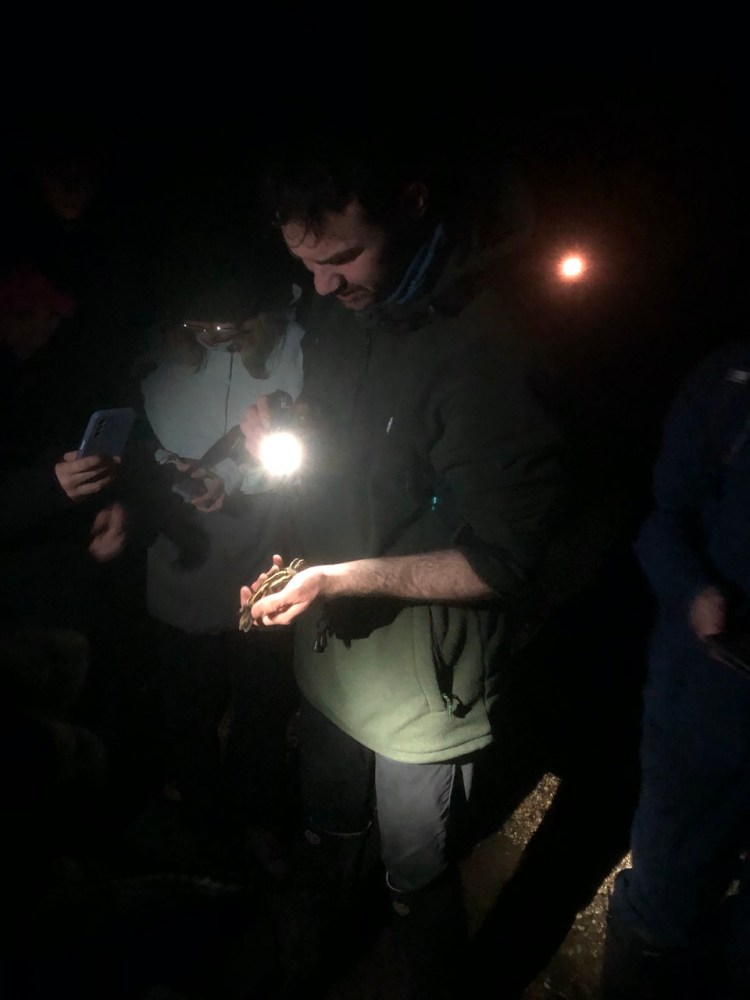
If you asked me to name a species that moved like a clockwork toy, I would immediately blurt out Jack Snipe. This cryptically plumaged, smaller relative of the Common Snipe is one of those species that is truly a tricky customer, and it is rarely seen in the open. Also, it’s bobbing motion when feeding is really quite funny, and they are an endearing and cute bird. If it wasn’t for the evening we spent lamping in the New Forest, I probably still wouldn’t have connected with this special species. But thanks to Wild New Forest, I got to see one really close up, and you can see why they’re rarely spotted and photographed. Their plumage was so similar to the soft, boggy ground we were stood on that when Tommy put him down to release him, you wouldn’t have known he was there if we hadn’t just seen him!
Some other birds of note I’ve seen this year came with incredible experiences, such as seeing a Hawfinch close up in the hand during a New Forest ringing session, its thickset bill, designed for cracking open large seeds, strong, powerful and glinting in the early morning sun. The Black Grouse lek was also really special. Despite the distance we watched from, you could almost taste the tension in the air as the males battled it out for the females, who watched on almost nonchalantly. You could even hear them, voices rising through the sheets of torrential rain. The pair of Slavonian Grebes at Avielochan was breathtaking, as the chestnut birds with the macaroni sideburns paddled and dived just a metre from the hide!
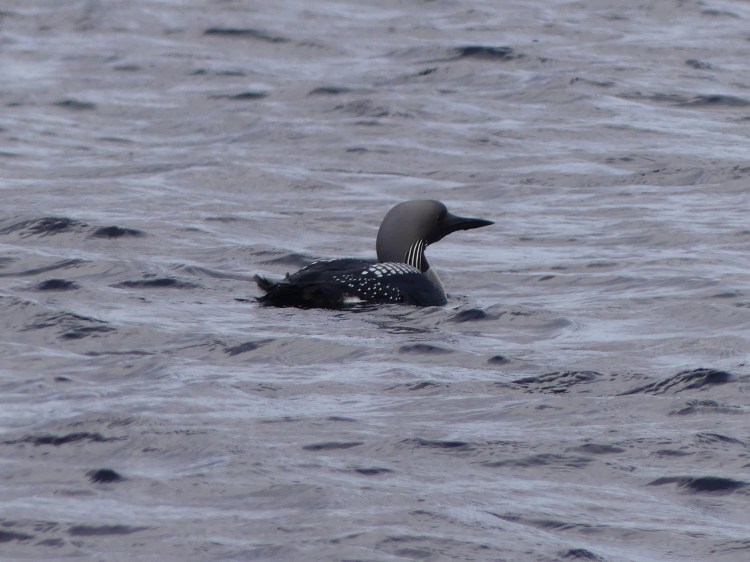
Then there was the glorious male Black Throated Diver, in all its monotone splendour. Its hard to imagine that the simple colours black and white can create something so beautiful, but this bird’s plumage was something else! Brief views of both Hen Harrier and Goshawk were also highlights, and I hope to catch up with these species more in 2025. And finally, a special mention goes to the Dartford Warbler that was caught in the Wild New Forest ringing nets. The New Forest is this bird’s main stronghold in Britain, and it occurs in few other places. Brilliant!
People I’ve Met
2024 has been quite the journey, and along the way I’ve met many people who have shared their knowledge and welcomed me into their world of birding. In turn, they have helped to shape me into the birder I am today, and will be heading into 2025. I’ll begin with Simon Pawsey, who I did actually meet last year at Birdfair 2023. But he is the one who set the whole Scotland trip in motion, after knowing me for about two days. He’s a great man and a brilliant birder, so thank you Simon.
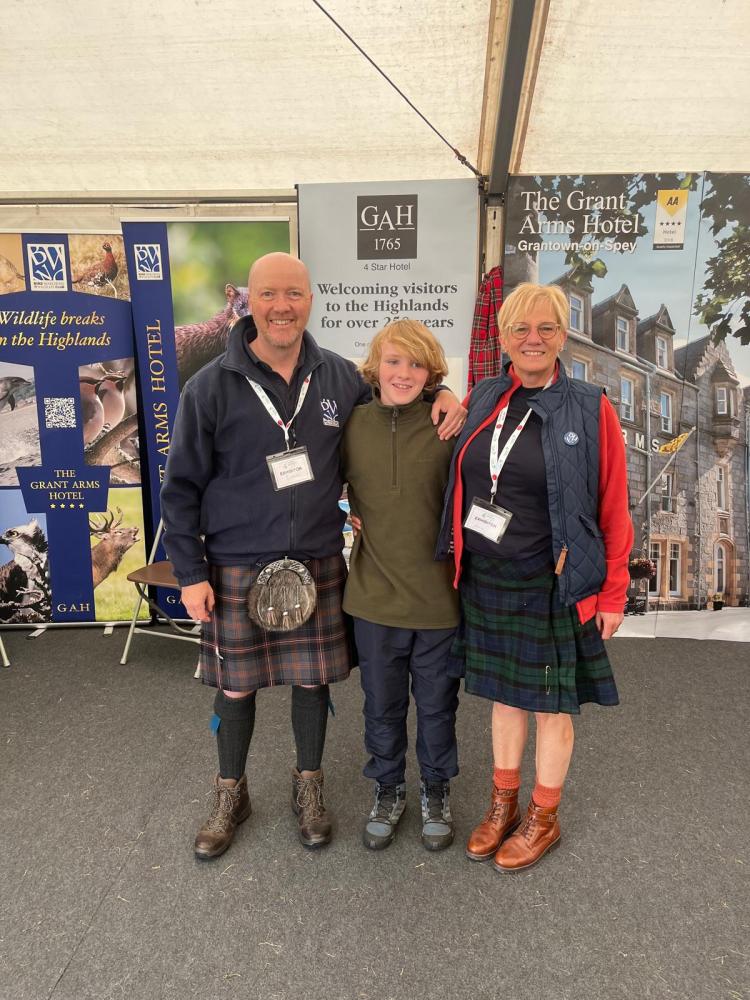
I met both Marion Muller and Sue Williams upon my arrival at the Grant Arms Hotel. And I mean literally. As soon as we had walked in the door, laden with bags and gear, we met both of them! It was quite the welcome, and they did so much for us during our stay. Sue gave us the tour that evening, and introduced us to Nick Baker, ecologist and entomologist extraordinaire. Both Sue and Marion were really enthusiastic and talked to us almost every day, and I saw Marion and Simon again at this year’s Birdfair.
Nick Baker and Will Hall took us out birding on two separate days, and led one each. Both of their expertise and willingness to share their knowledge with me was incredible, and we had some truly memorable encounters. They are brilliant people, and I’m really grateful that I had the opportunity to go birdwatching alongside them. Iolo Williams was also at the hotel at this time, leading a guided wildlife holiday. He came over to talk to us a couple of times at breakfast, and even invited me over to his! I’d grown up watching him on Springwatch, and now here I was talking to him, now I’m eating breakfast with him. Its just incredible!
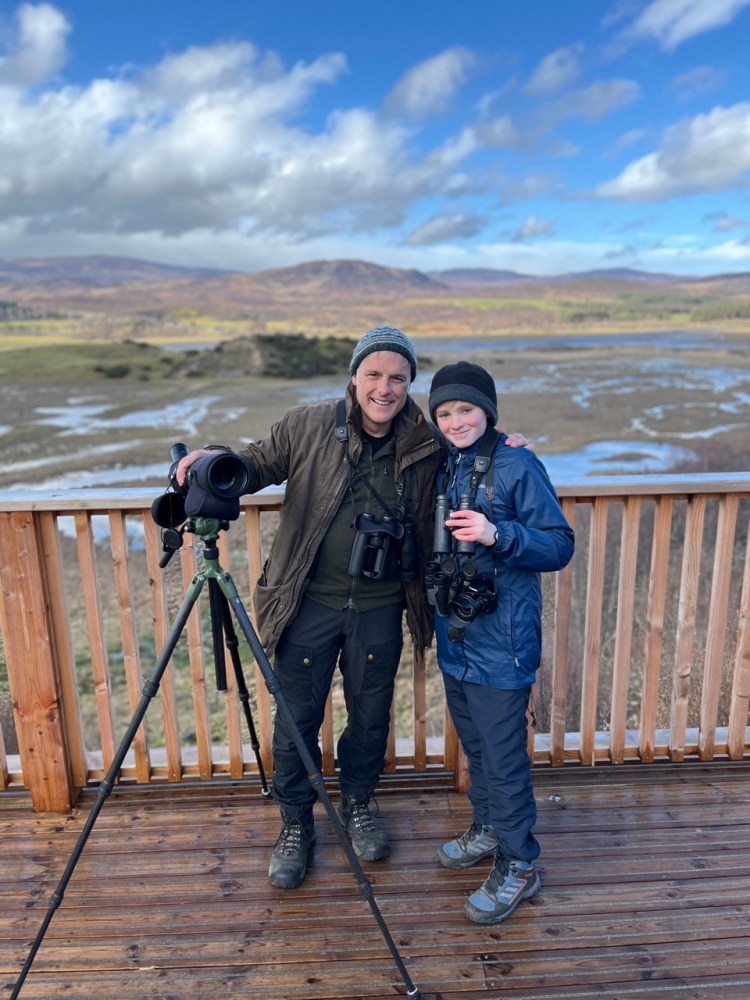
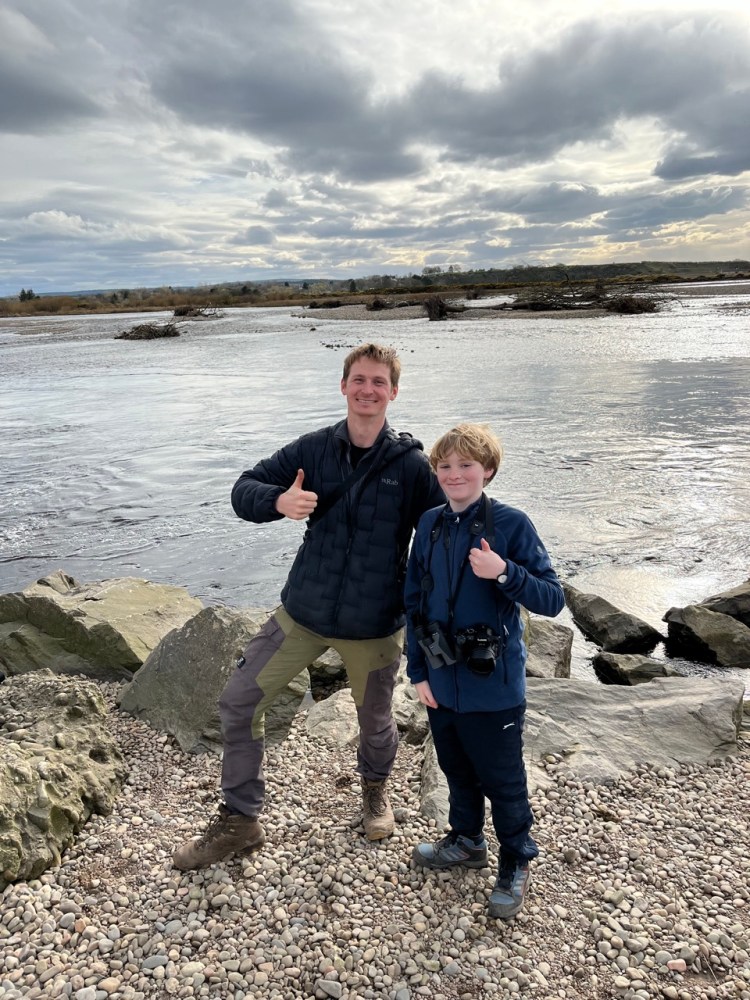
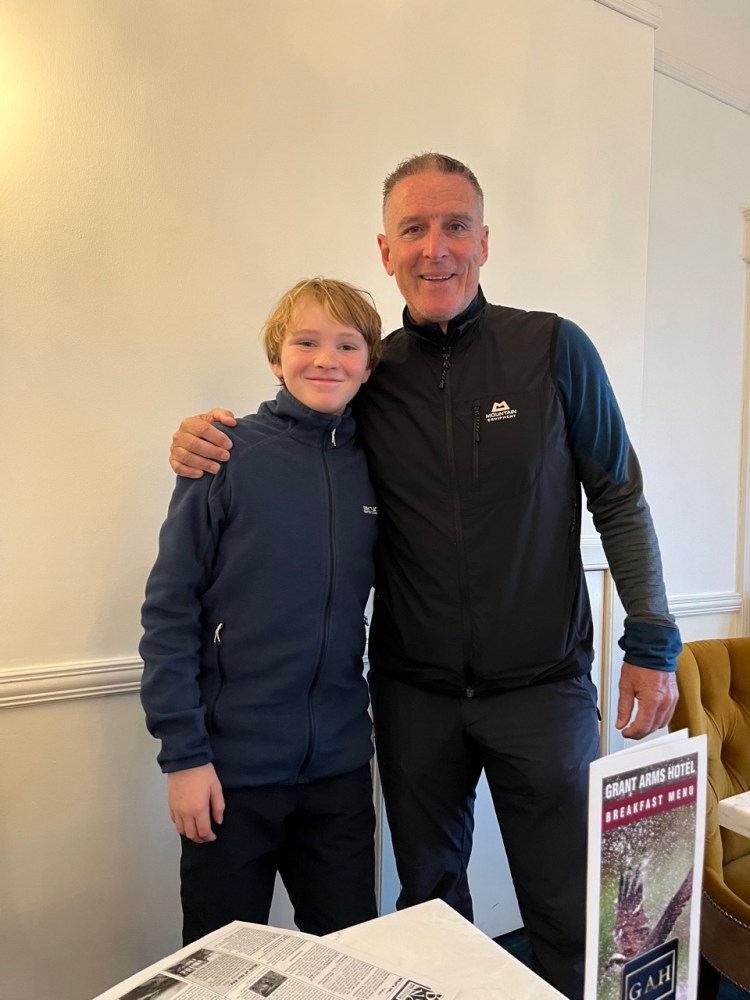
It was indirectly through Iolo that we met Dawn Balmer and her husband Pete, as we sat down with them to do Iolo’s quiz. Well, really the quiz was cancelled and Sue had given us the sheet to do at 10:30PM as we were still down in the bar, but same thing really. Dawn is the Head of Surveys at the BTO, and her and Pete’s bird spotting is truly next level. We were lucky enough to spend a morning at Spey Bay with them, and they were identifying specks far out at sea, and at a rate that I couldn’t even keep up with! I can only hope to get that good someday.
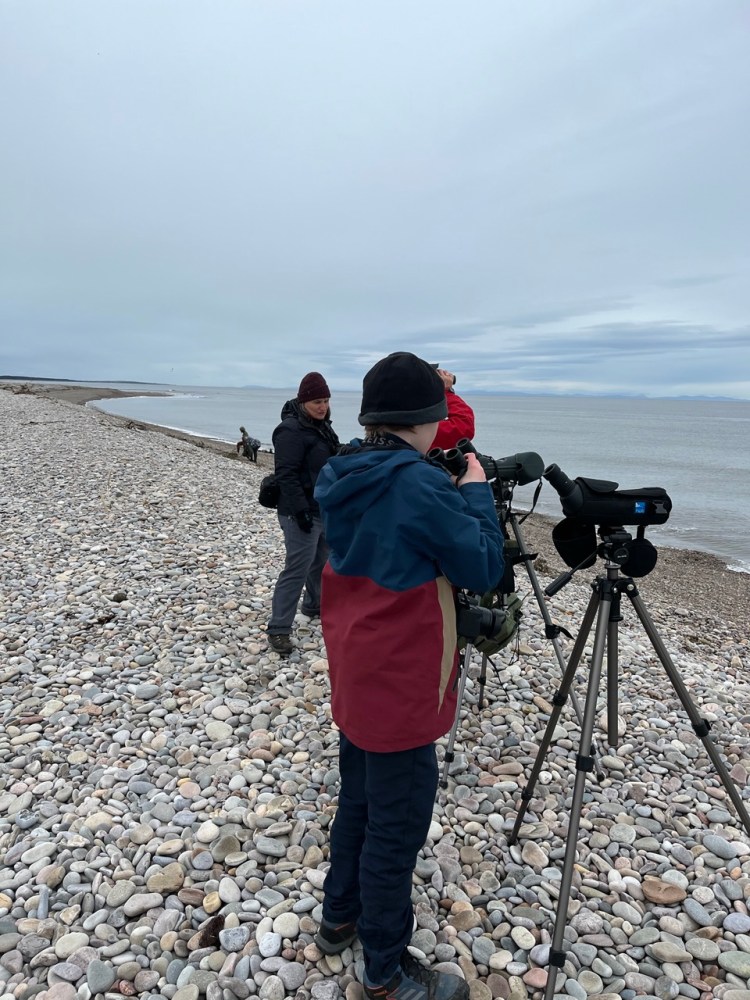
It was on a Leica sponsored nature walk at Birdfair 2024 that I met Harry Read, photographer and ecologist, and Elle Kaye, taxidermist and conservationist. It was great to be able to go birding alongside them, as they also had a wealth of knowledge they were happy to share. I even found my first ever Kestrel feather on that walk! I also met James Lidster and Toby Carter while on the Zeiss Young Birders’ Masterclass session, and I learnt quite a bit from that. But of course, I enjoyed the outside birding bit more than the powerpoint on bird ID (still very interesting of course).
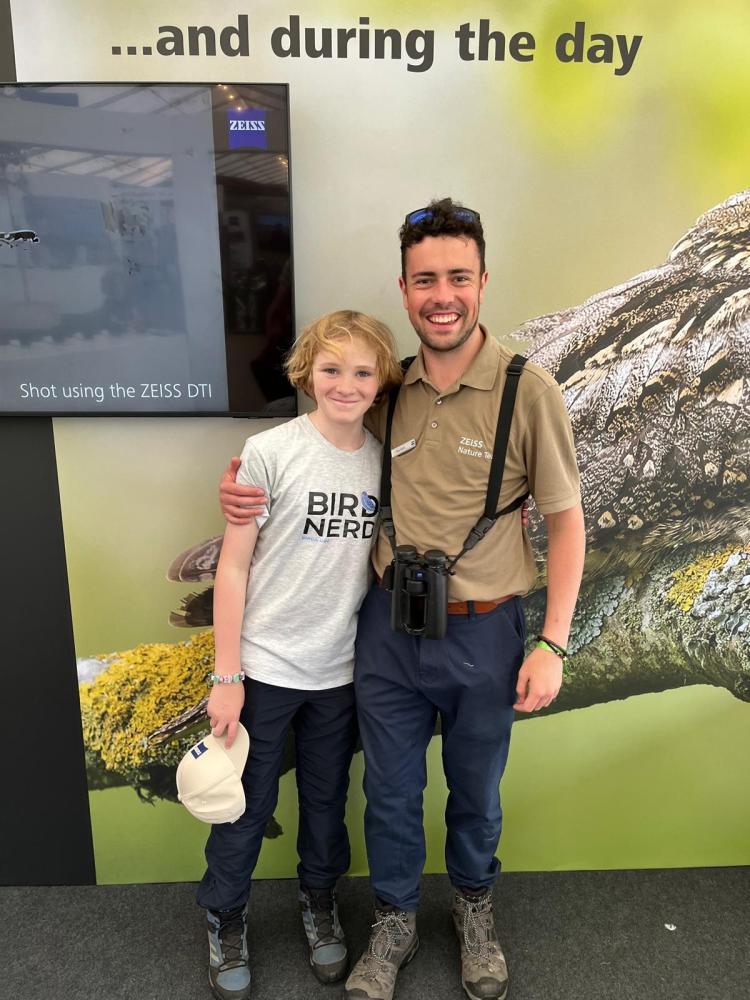
The Bovey Birder Awards 2024
And finally, welcome to the inaugural BoBAs (Bovey Birder Awards)!
Bird of the Year
And the winner is: Black Grouse (Tetrao Tetrix)
My first experience of a Black Grouse lek is one that I will never forget. You could almost taste the tension in the air as the Blackcock faced off against each other, fluffing themselves up in fury. The Greyhens didn’t seem too bothered, almost nonchalant, as they watched their potential mates battle it out.
Funniest Moment
And the winner is: A Speaker Playing the Garden Warbler’s Song
You might be confused by the winner of this prize, and I can understand that because you have very little to go on. On a nature walk with Nick Baker at Global Birdfair 2024, we headed down the hill quietly and expectantly, as a Garden Warbler was singing from a nearby shrub. However, behind that shrub was a set of mist nets for catching birds to ring, and playing from a speaker beneath it was the song we had been hearing!
Surprise Sighting
And the winner is: Eurasian Hobby (Falco Subbuteo)
Ordinarily, this wouldn’t be a shock to find in the summer months. But when one sped over us as we headed towards Loch Spynie, not even Will Hall could hide the surprise on his face. There are over 2,000 pairs nesting in Britain. But its estimated that less than five of those are in Scotland each year. I must say, it wasn’t the place I expected to find that particular lifer!
Magical Moment
And the winner is: A Marsh Harrier (Circus Aeruginosus) Food Pass
Now this was incredible. Birdcamp was an incredible experience, and this was a breathtaking way to round off the trip on that last day. Leighton Moss is a place of natural wonder, full of life at every turn. And as we watched a pair of Marsh Harriers perform this incredible feat, my heart beat faster and faster. The male rose to a height above the female, and dropped the food into the female’s outstretched talons!
Best ID Trick
And the winner is: Nick Baker
On that same nature walk as the tape lure mishap, Nick taught the group a quick and easy way to tell the difference between Swallows, House Martins and Swifts in flight. Swallows flew the lowest, beneath the House Martins, who flew at around the size of a house, and Swifts would usually be above them! Its not guaranteed to give an exact identification, but for distant birds that are moving quickly, it really gives you an idea of what to call.
Cutest Moment
And the winner is: Rabbit and Wheatear!
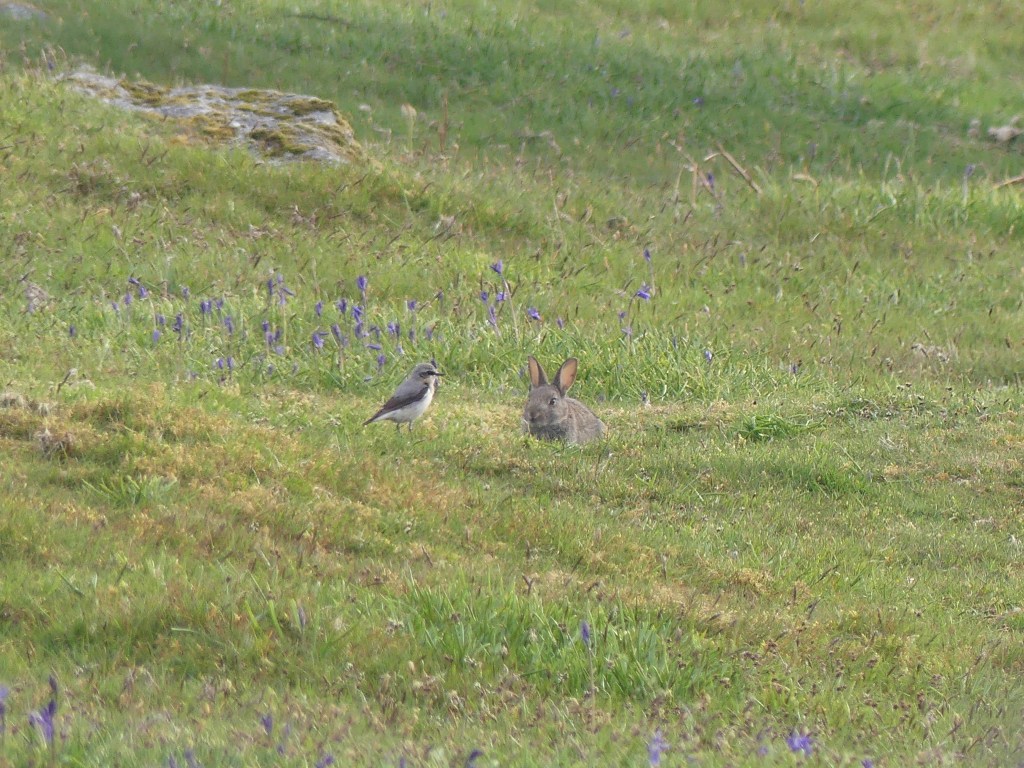
Thank you!
I hope you had a great 2024, and thanks for coming along for the ride! The blog would be absolutely nothing if people didn’t read it, so thank you! Fingers crossed 2025 is a brilliant birding year, and brings many more birds, people and places. One thing you can be sure of is that it will all be documented right here at the Bovey Birder blog!