When you see the brilliant splendour of hummingbirds and birds-of-paradise in the Americas, and Sunbirds and Rollers in Africa, you might begin to feel a little jealous. After all, here in Britain, we don’t have birds like that. It’s all plain old browns and blacks, with an occasional flash of blue or orange. Well, what if I told you that this was in no way true? You don’t have to travel hundreds of miles to see vibrant colour in the avian world. Its right here! So relax, and regale yourself in Britain’s most colourful birds.
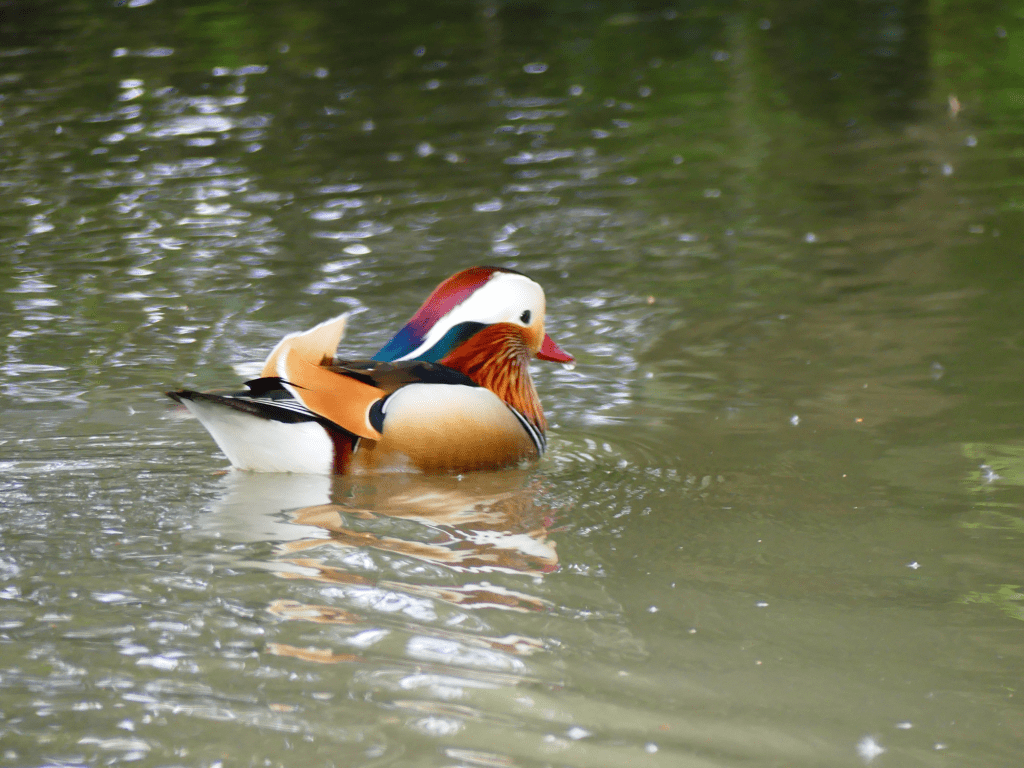
Mandarin Duck (Aix galericulata)
The Mandarin Duck is a classic example of beauty brought to us, for exactly that reason. The Mandarin Duck is typically an Asian waterfowl, but in the early 20th century, many escaped from private collections and began their own self sufficient population. The males are genuinely all the colours of the rainbow, from the red bill to the crown that fades from blue to green. The male Mandarins could easily be something out of a fantasy, summoned to real life. The females are generally less obvious, but still stand out among our resident ducks. Grey and brown, with a white eyestripe, they may be drab, but are unique among our native wildfowl. Look out for these ducks in urban parks and lakes, and remember to look up as well as down. They nest in trees!
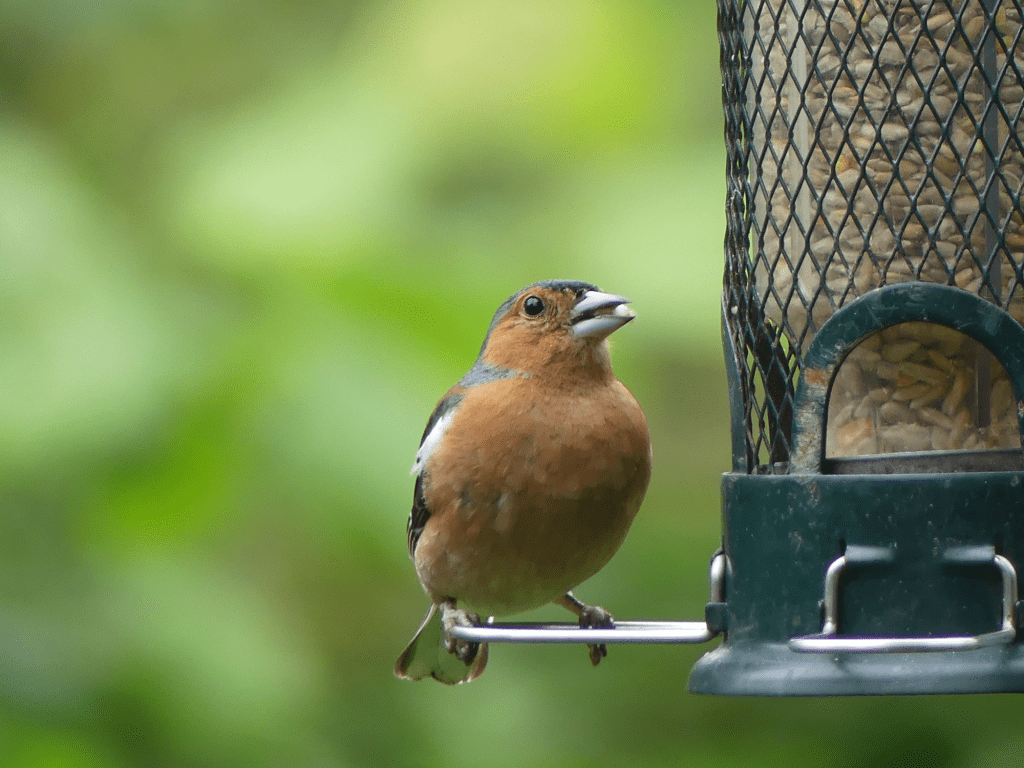
Eurasian Chaffinch (Fringilla coelebs)
A common garden bird across the UK, the Chaffinch is similar to the Mandarin Duck, in that the male is more colourful than the female. Bright, brilliant orange almost all over betrays its presence, and there’s usually more than one when a bird feeder is involved. At this time of year, they will often join up with other finch species to rove forests and farmland in search of a source of food. Safety in numbers is another factor in this tendency, as predators will also have less to eat at this time of year. They really are beautiful, but in recent years populations have taken a hit, as with other finch species, thanks to the disease Trichomonosis.
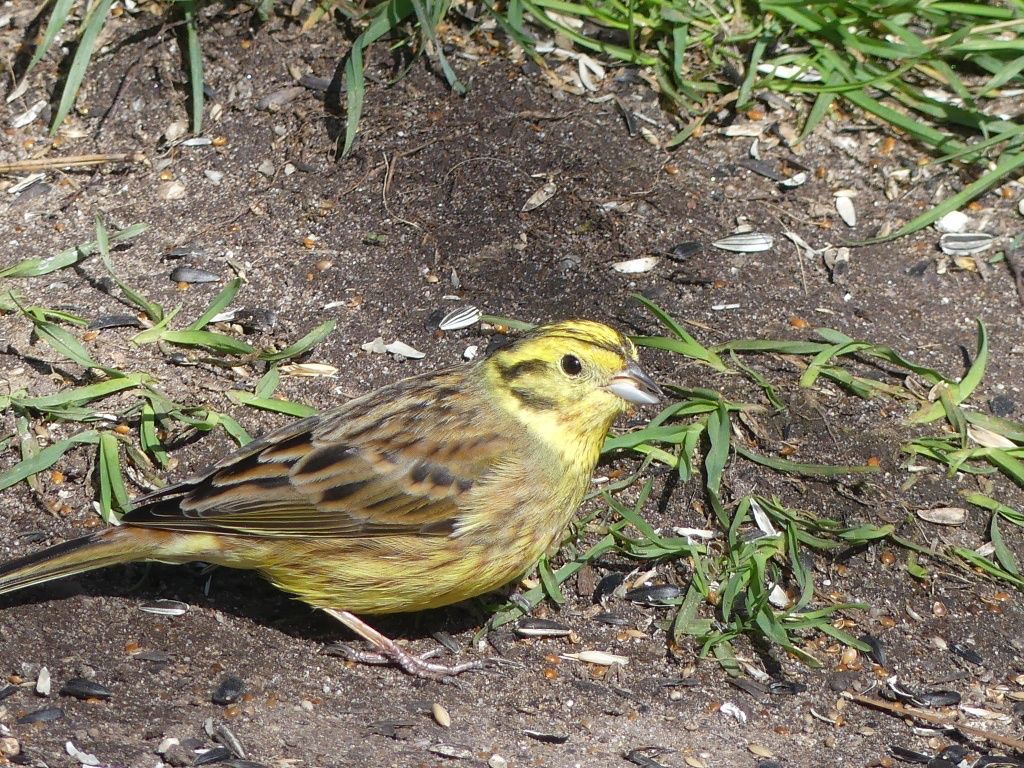
Yellowhammer (Emberiza citrinella)
Famous for its call which is often likened to ‘a little bit of bread but no cheese’, the Yellowhammer is a striking lemon yellow bunting, usually to be found on agricultural land. However, they have been in decline over the last few decades, largely due to the intensification of farming. Their Latin name, ‘citrinella’, does really portray its wonderful colour, and they are a sight to behold. Like the Chaffinch, during the colder months, it will join up with mixed flocks with other buntings, sparrows and finches to rove the farmland looking for seeds in the stubble of crop fields which have been harvested.
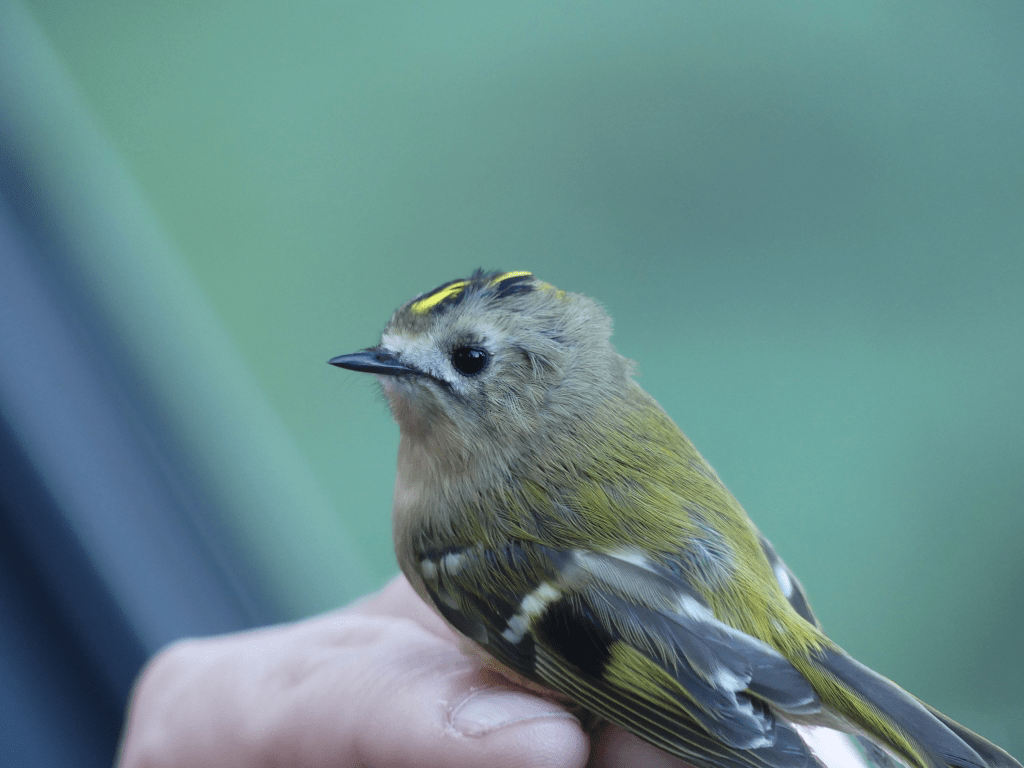
Goldcrest (Regulus regulus)
Possibly a controversial entry to this list, the Goldcrest could be considered more cryptic than colourful. But its oil pastel blend of khaki green and flashy grey, coupled with a dapper stripe of sunlight yellow makes this midget of the bird world a sight to behold, if you can find it. It’s more often heard than seen, its tell-tale ‘seee’ sound a calling card if you every hear it. It really is tiny too, Britain’s smallest bird in fact, weighing in at 5.5g, about the weight of a 20p coin. Imagine holding one to ring it! It must feel like holding a single feather, not a whole bird’s worth!
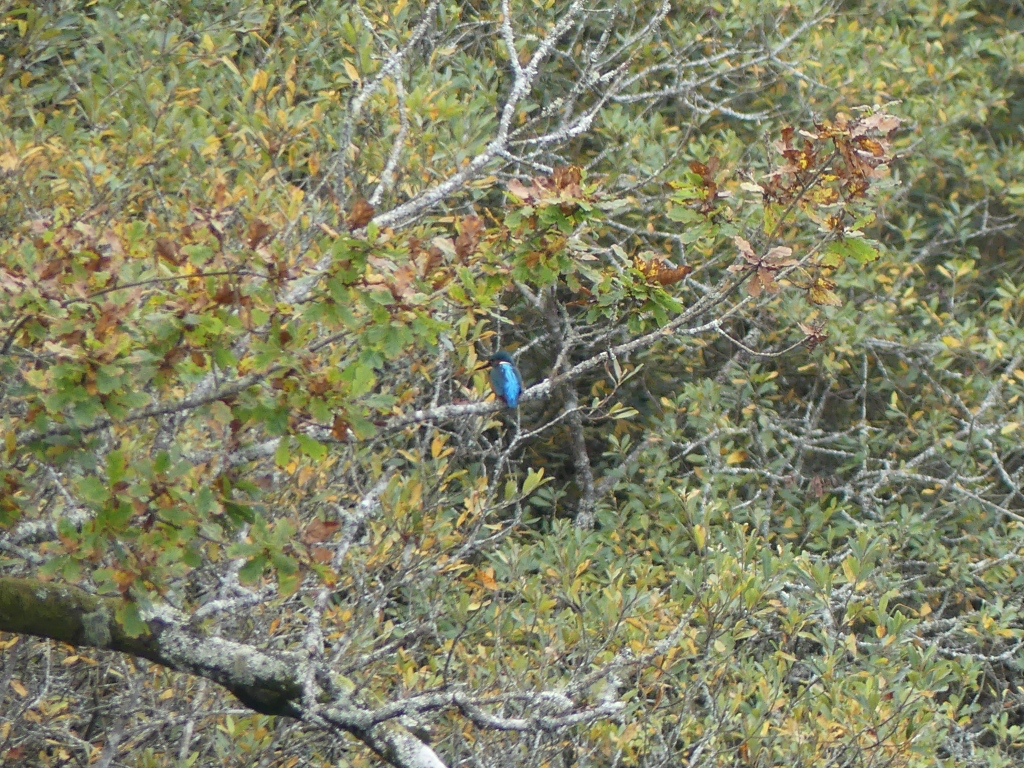
Common Kingfisher (Alcedo atthis)
Possibly the most striking bird on this list, and a fan favourite too, the little blue fisherman is next up on the list. Often known as ‘Blue Lightning’ for its rapid flight across the water, its an elusive bird, and notoriously hard to photograph. Its eye-catching turquoise-blue and orange plumage make this bird a real stunner. If you’re lucky, you might see them plunging into fast flowing water, and emerging with an unfortunate minnow or stickleback clasped in its dagger like beak.
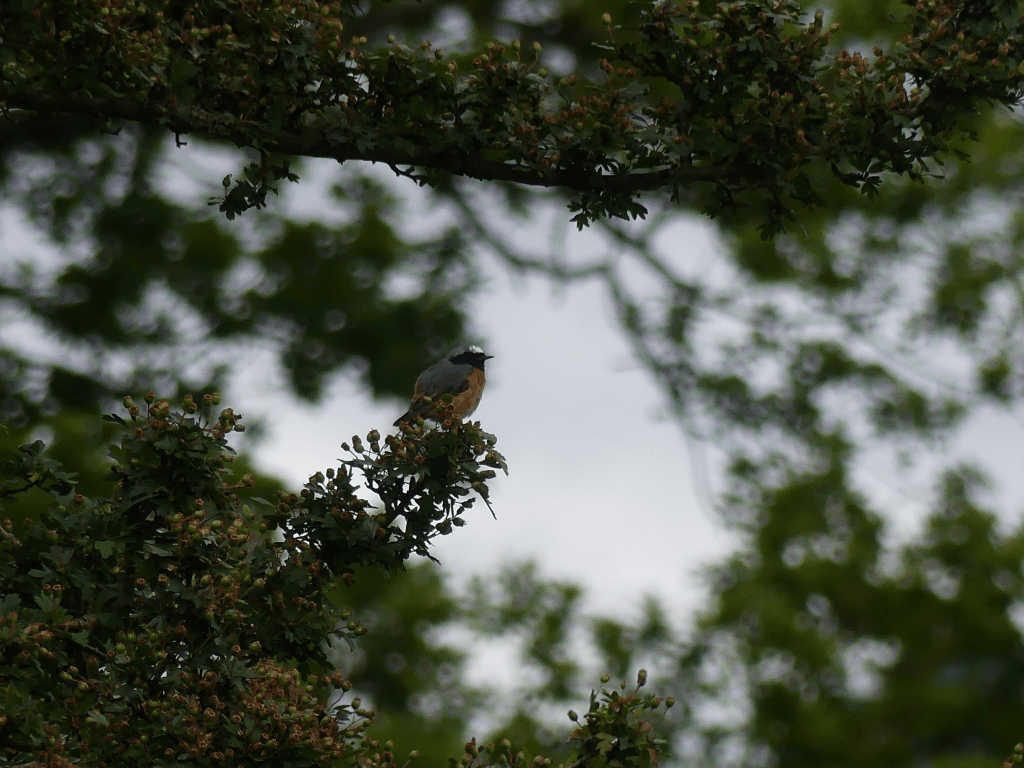
Common Redstart (Phoenicurus phoenicurus)
The Redstart is thought by many to be Britain’s answer to the Rainbow Lorikeet, AKA our ‘prettiest’ bird. You can see where they’re coming from, as the Redstart is another looker, maybe even on a level with the Kingfisher. The Redstart is yet another case of the male being more colourful than the female, with the ladies being a smooth caramel tan. The males have a glorious orange breast, not dissimilar to a Robin’s, but they are definitely more of a woodland bird, with their song a sure sign of Spring in Britain’s precious temperate rainforest habitat.
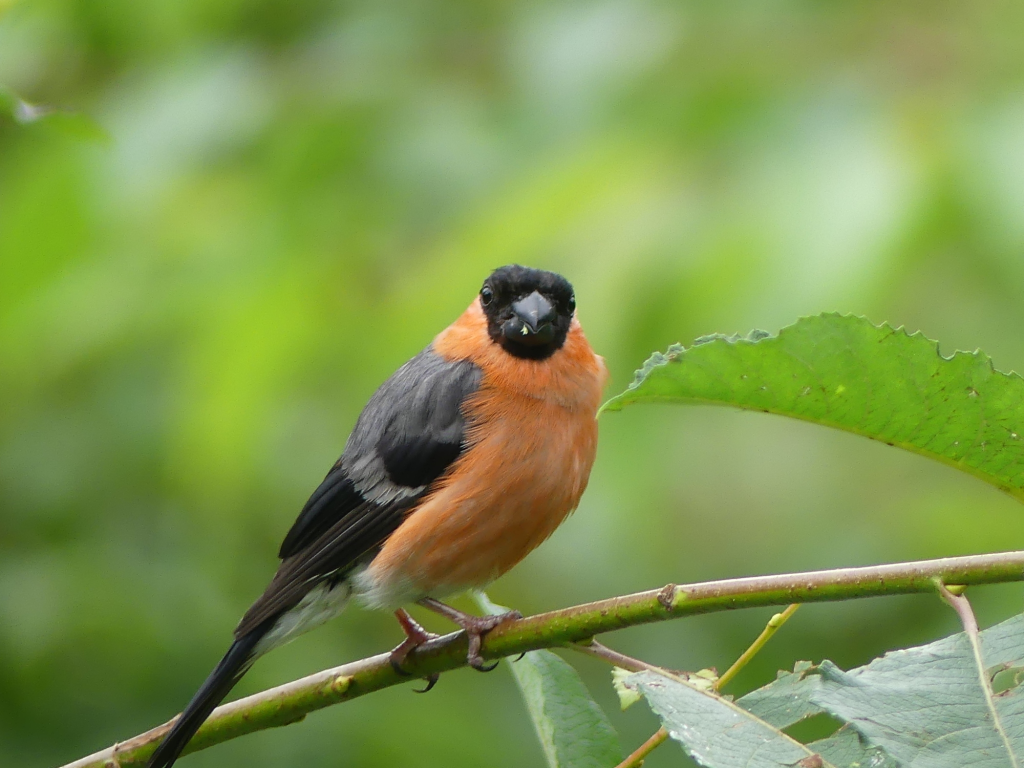
Eurasian Bullfinch (Pyrrhula pyrrhula)
Well, what have we here? A bird with a pinky red breast, all over greeting cards with snow in the background? Its not a Robin, if that’s what you were thinking. In fact, I think the Bullfinch is an easy match for a Robin, and should be more Christmas cards than it already is. Quite surprisingly (in my opinion), the Bullfinch is named for its heavy bill and frontheavy appearance, reminiscent of a bovine farm animal. In Spring, they become a tree-bud specialist, using their bill to snack on trees like ash. They are labelled as orchard pests, but in fact this is not exactly true, and though they may occasionally munch an apple tree, that’s not their preference. What’s the point in stereotyping birds?
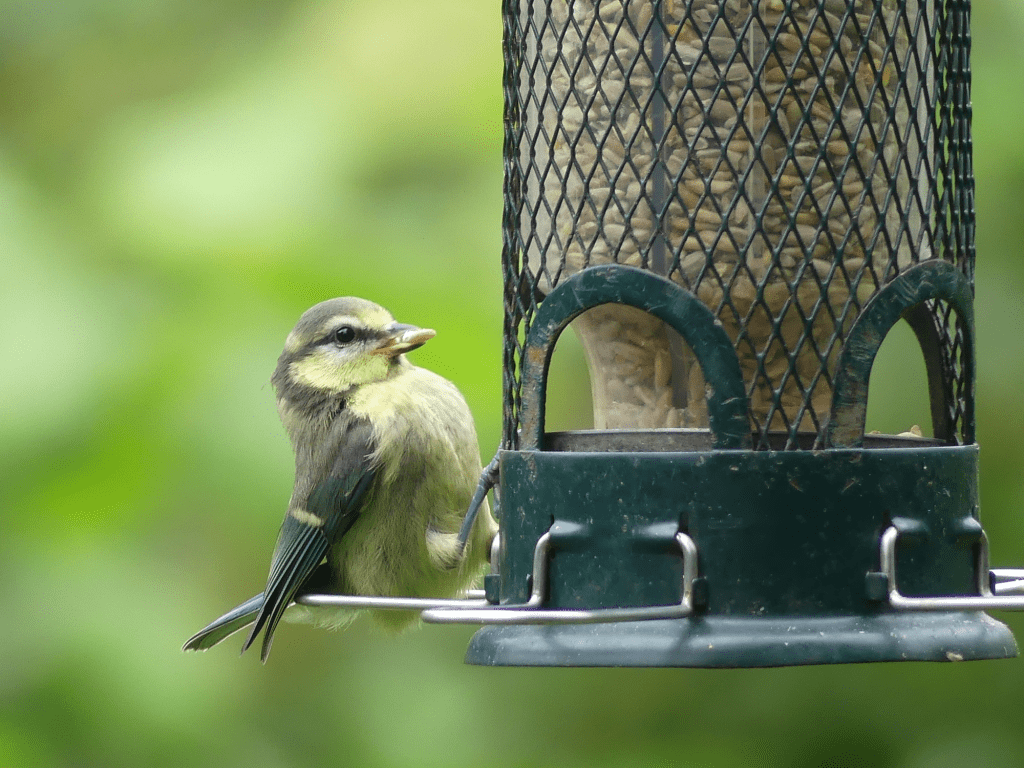
Eurasian Blue Tit (Cyanistes caeruleus)
A common garden bird that had to enter into this top 10, the Blue Tit is the gardener’s friend thanks to its voracious appetite for aphids. Green, yellow and sky blue feature prominently on this bird’s plumage, making it distinctive and easy to identify. They are attractive little things, and weigh in at about 11 grams, half the size of a bird they often overlap in gardens, the Robin. They’re really quite dainty, and almost graceful as they hop along a fence or a feeding pole.
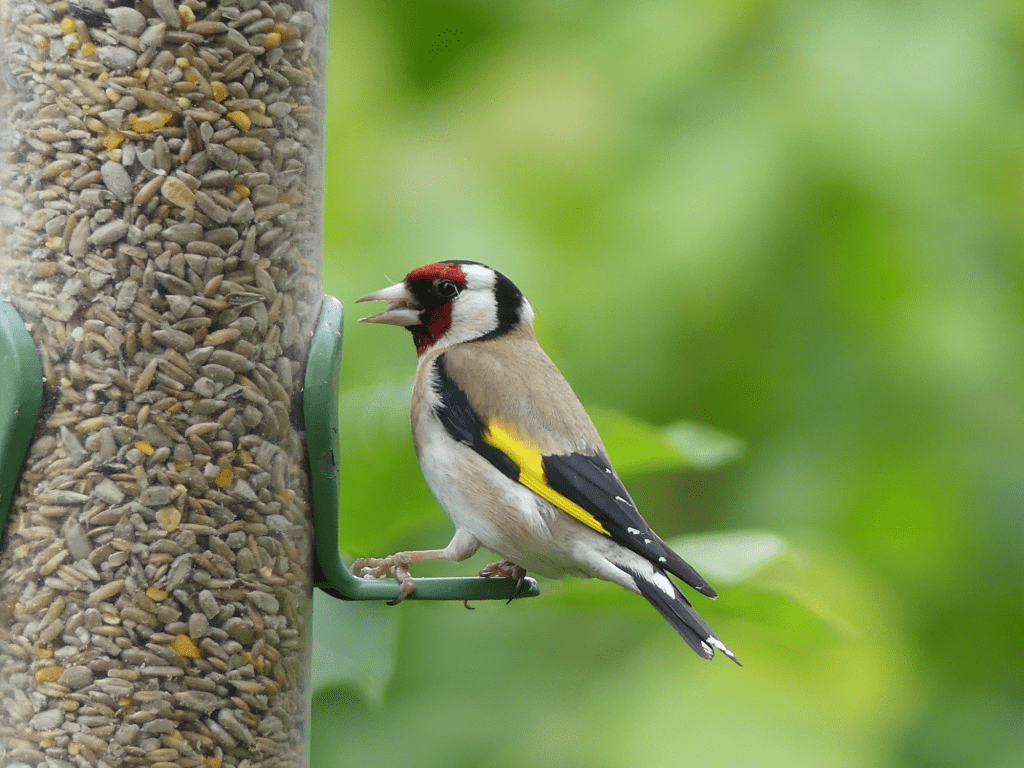
European Goldfinch (Carduelis carduelis)
The third finch to enter into this list (gosh, they really are a colourful bunch), the Goldfinch is not just gold. Its scarlet red face and rich coffee brown back, coupled with the striking wings of black and, of course, golden yellow make for a memorable sight when you spot them visiting your garden, or feeding on seeds as a charm (the collective noun for Goldfinches). Try putting out nyjer seed to attract them to your green space, but remember that this stuff needs a special feeder, because its so small it slips through the gaps in a normal one!
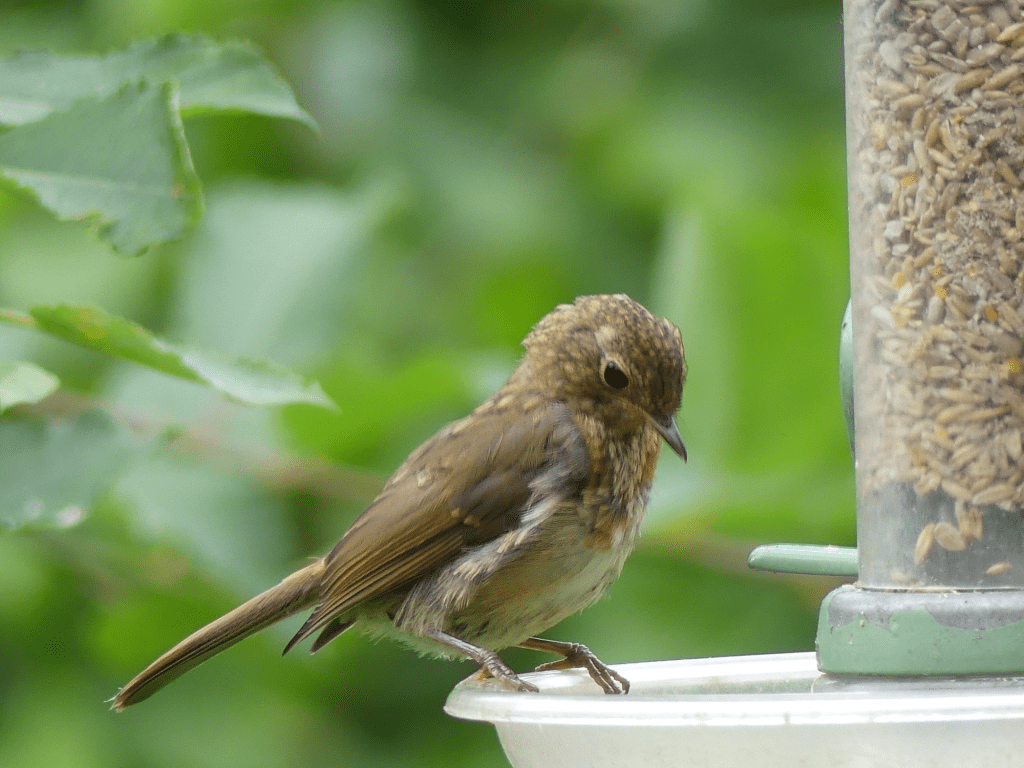
European Robin (Erithacus rubecula)
And finally, we couldn’t leave him out could we? The little robin red-breast, who perches on a gardener’s shovel as he churns up the earth. Did you know that in their natural woodland habitat, they follow animals like boar to get to the worms they disturb from the ground? They’ve adapted here in Britain to treat us as wild boar, and take the worms that are dug up by many a gardener! But the odd thing is, this is a rare occurrence in Europe. They just like to do it here, and we still don’t really know why that is. But its probably that their usual woodland habitat is so fragmented here, whereas in parts of Europe it is largely intact. Also , they actually still have wild boar, and we barely have any because we hunted them to extinction.
And that’s it for my top 10 most colourful birds on Britain. I’m pretty sure I’ve missed a few obvious ones, but these are just the birds I’ve managed to photograph! Oh well, it just means that I’ll have to do another post at a later date, when I’ve updated my photography and gone to more places. I hope you’ve found it interesting and informative, and enjoyed the dazzling avian colour that Britain has to offer!

