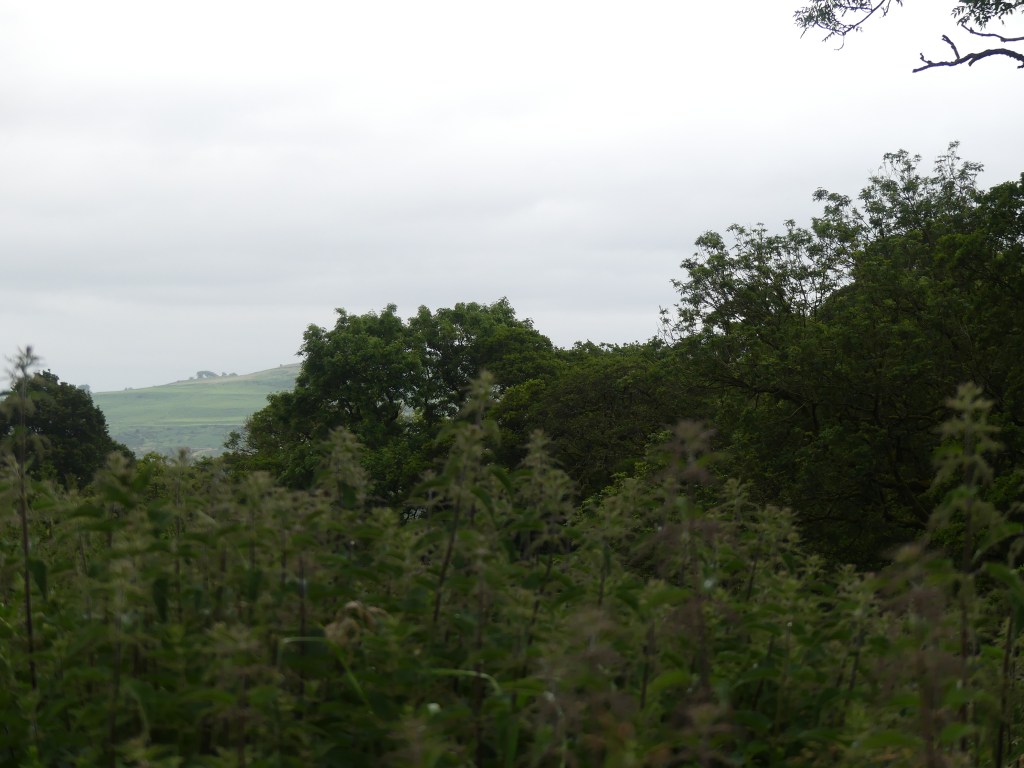
In order to reach Hawes End, it took a fair amount of staying power to negotiate the meandering lanes that snaked across the fells of the Lake District. Sheep, pheasants and wood pigeons constantly appeared on the road, and the sun beat down on the meadows and fields that lay at the feet of these mountainous hills. The driveway itself sat on an incline, and it took several flights of treacherously slick mossy stone stairs to reach the level of the grand old front door, that formed an entrance to the large three storey house that would act as a base for the weekend’s birding endeavours. Welcome to the BTO’s England Birdcamp.
Birdcamp was a stroke of genius from the BTO Youth organisation, and incorporates young birders in each UK country assembling and spending a week together, alongside some of the best birds Britain has to offer (check out my previous blog for more Birdcamp ). There were 14 young people here, all set for a wowing weekend deep in the heart of the Lake District. But meeting new people is never the easiest thing, and it did begin with slight awkwardness at first. However, as the group trickled into the cushy living room, I think we were all put at ease, and any nerves quickly subsided. I mean, we’re all here because we love birds, right?
And as we all tramped up the many maze-like staircases, laden with the required articles to make up the beds, the talk was casual and birdy, continuing far beyond the completion of our bed linen task into the evening, and across dinner. By now, pretty much everybody had met everybody, and we all received a BTO gift bag containing notebooks, magazines and more. Following a risk assessment (safety first, of course), Samuel Levy, one of several knowledgeable adults on the trip and member of the BTO Youth Advisory Panel, led a talk in birdsong, describing sonograms, tips, tricks, and a very odd bird call on the opening slide. The Sharpbill’s sound was fearfully reminiscent of a bomb whistling towards the ground. So, rather interesting then?
By now it was really quite late at night, and after another quick get to know each other session involving a stark orange ball and some intriguing favourite birds, we retired to rooms for more free time and bird chat, with several other subjects sneaking their way in. One thing for sure, we didn’t fall asleep that night until late. Having been told that we were to be awake for 5:15AM, this probably wasn’t a great move, and yet it didn’t really affect us. We must’ve gone to sleep early enough after all…
The reason for us awaking at the crack of dawn was in order to reach the site for the bird-ringing session early enough in the day to catch something interesting. Breakfast was a rapidly talkative affair, and we set off in the minibus towards the RSPB Haweswater reserve, which was quite literally, several hills and a valley. The old farmhouse, which now served as a basecamp for the RSPB, sat in the blustery rain, whitewashed but proud at the foot of the valley. Opposite it was the perfect example of Britain’s unique temperate rainforest habitat, wet and ancient woodland, full of life. The tops of the trees stretched high above us, but began far below us, some of the tallest English Oaks I had ever seen.
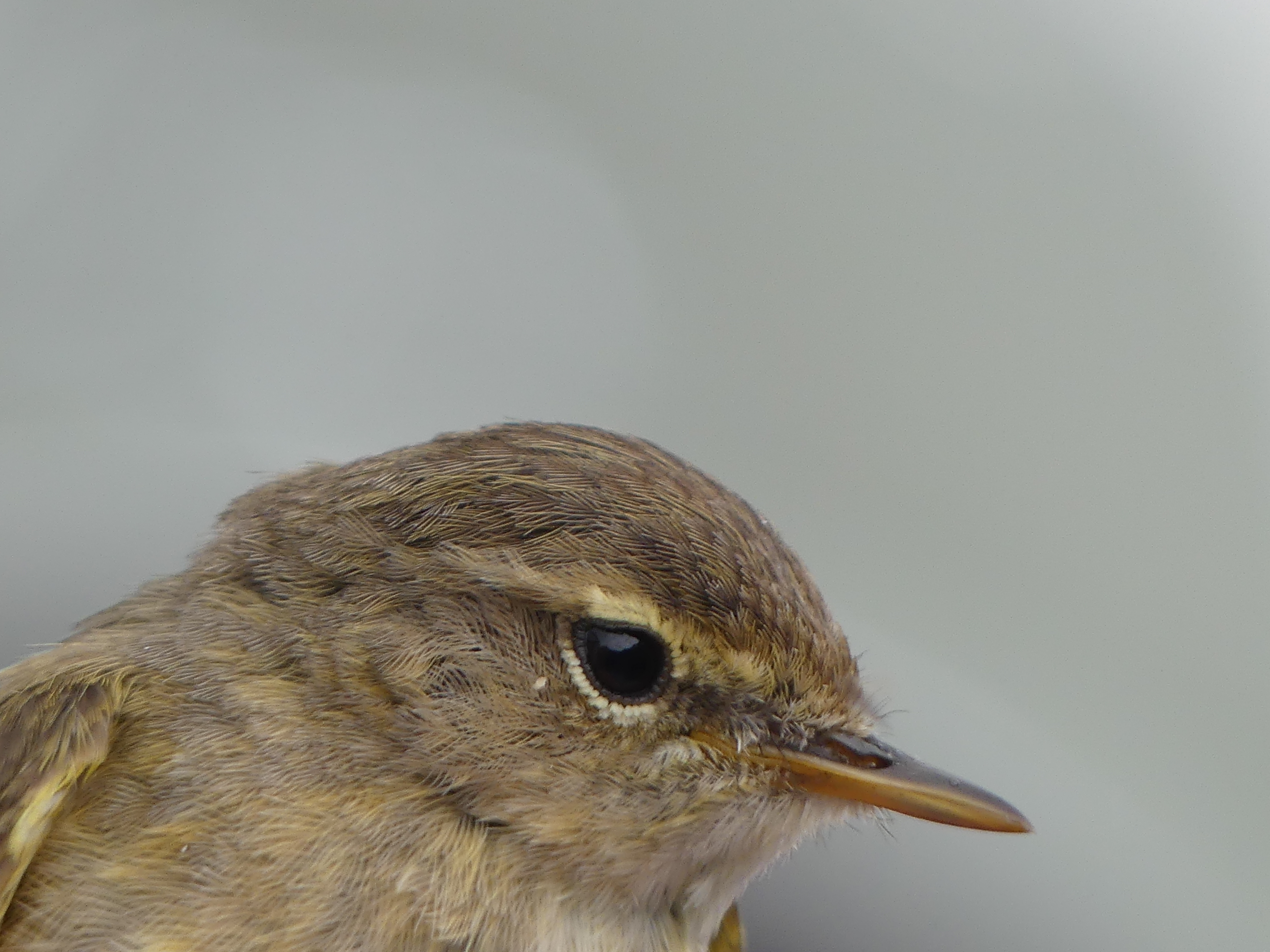
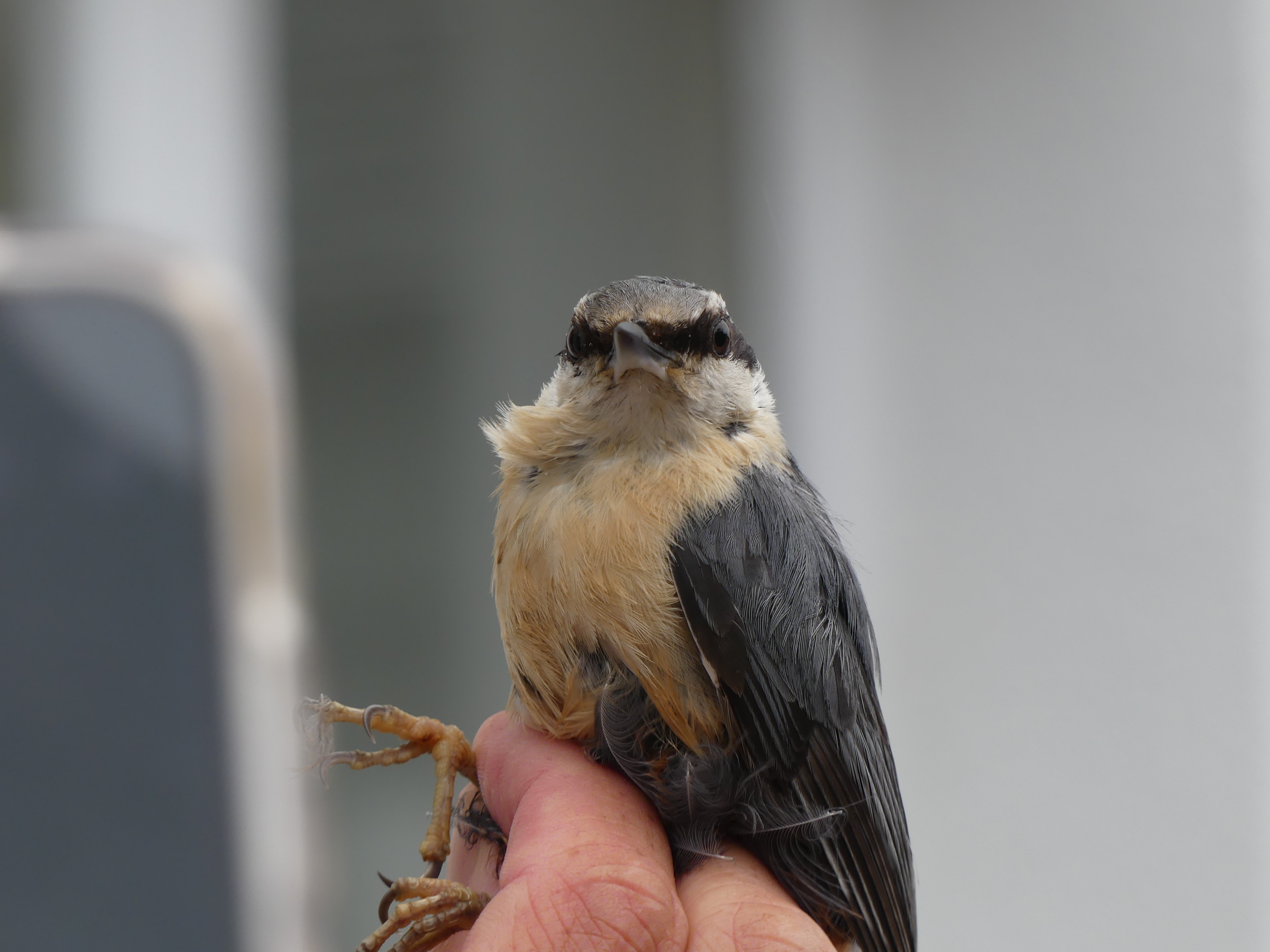
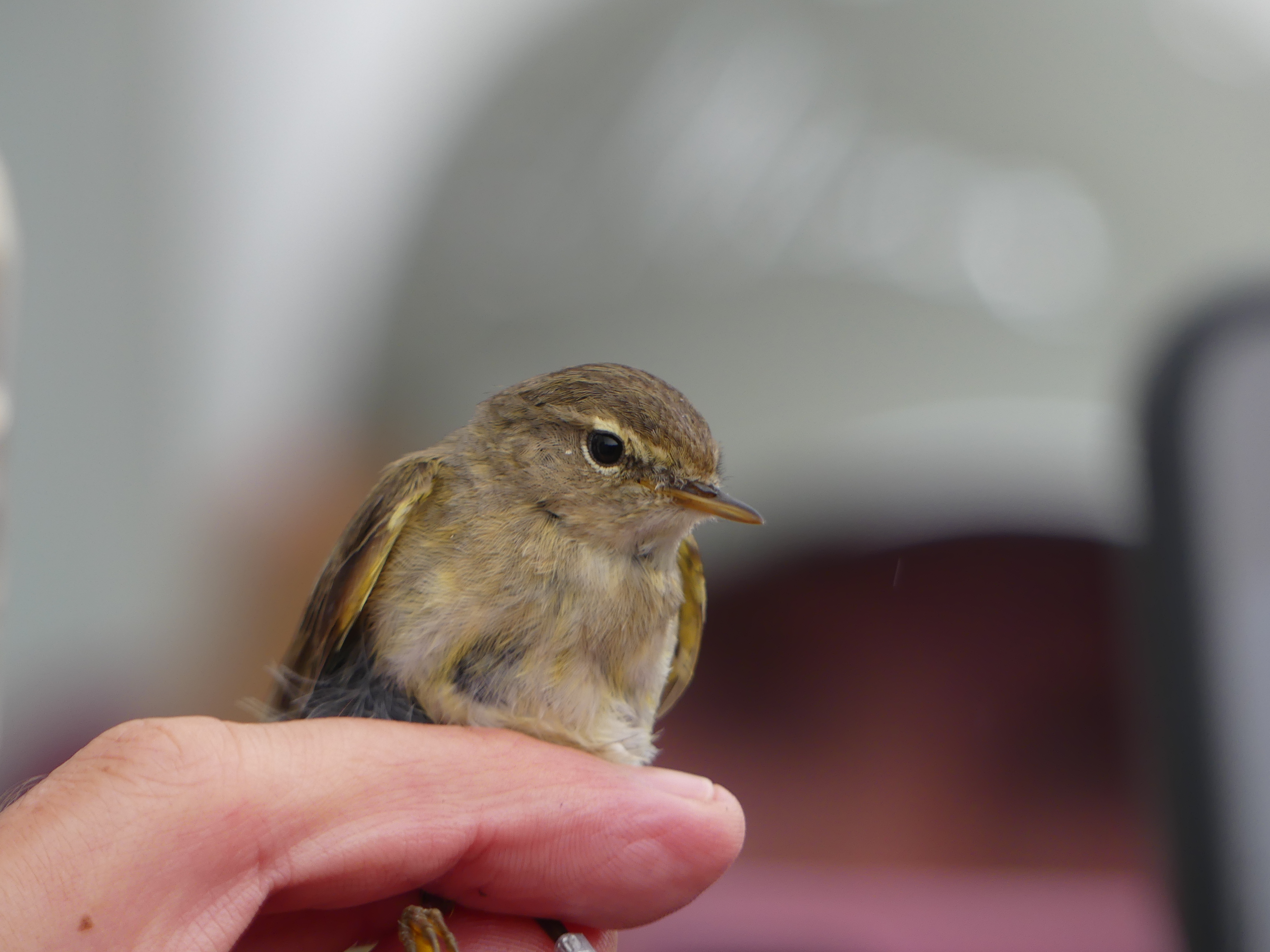
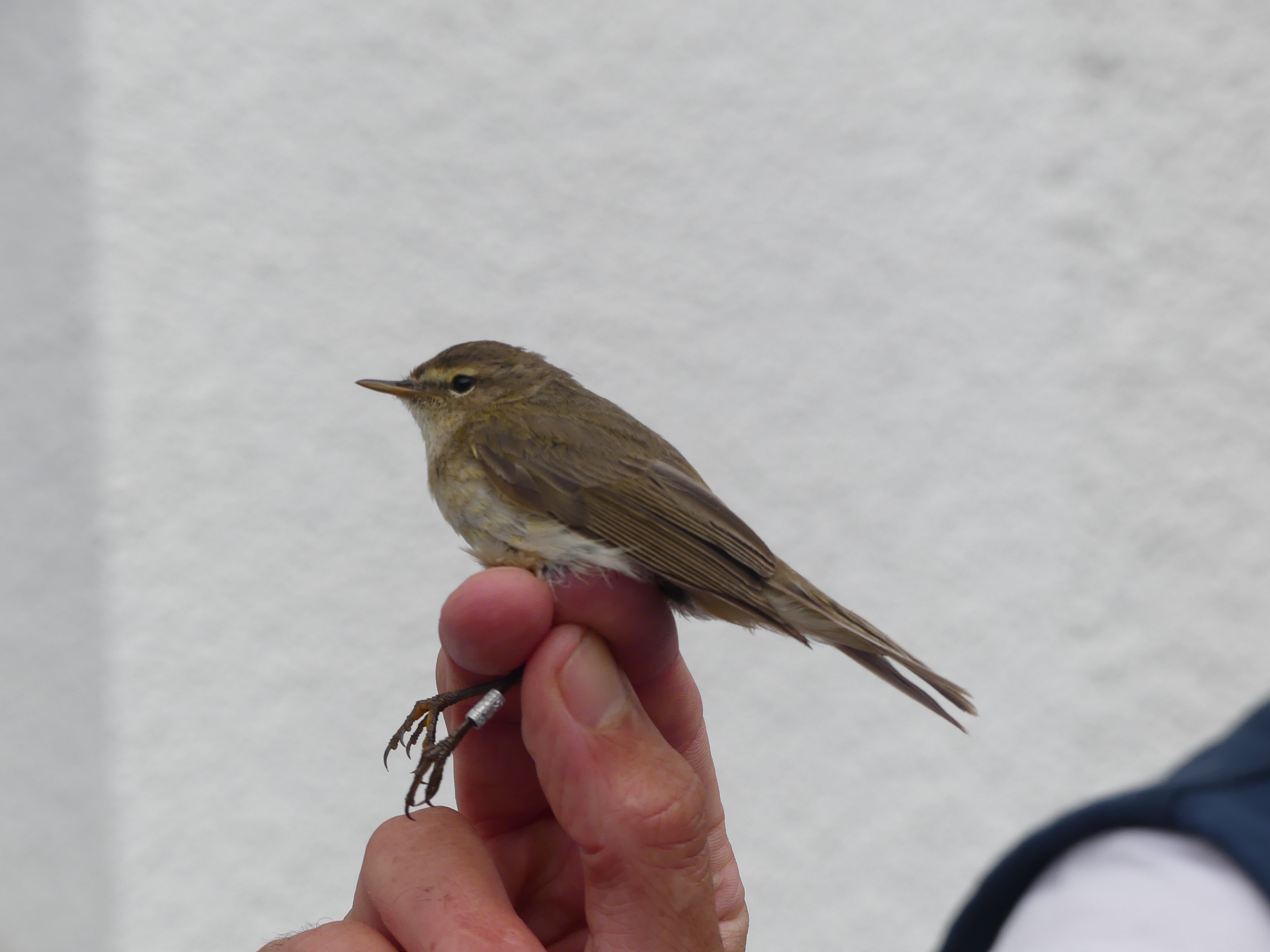
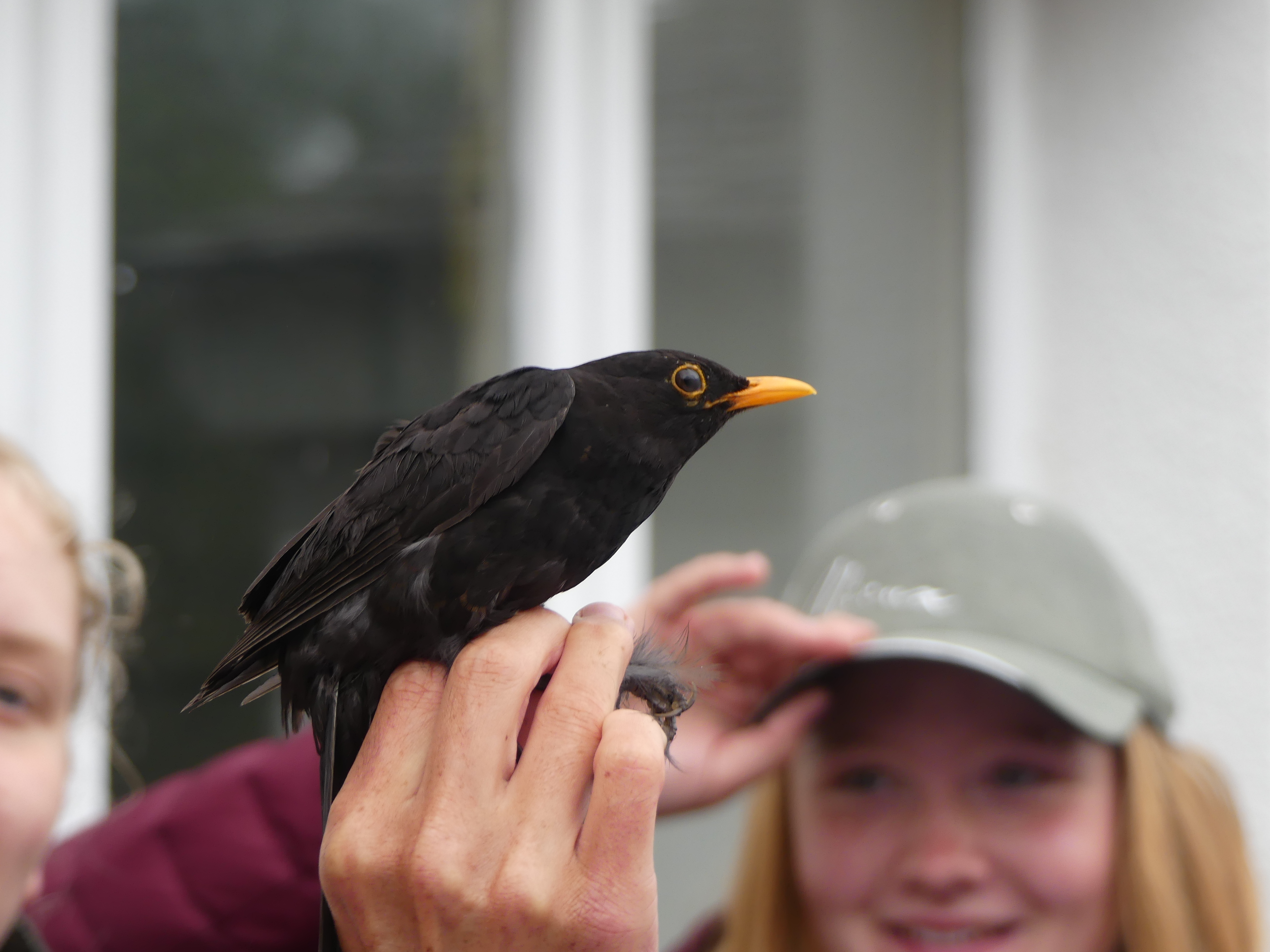
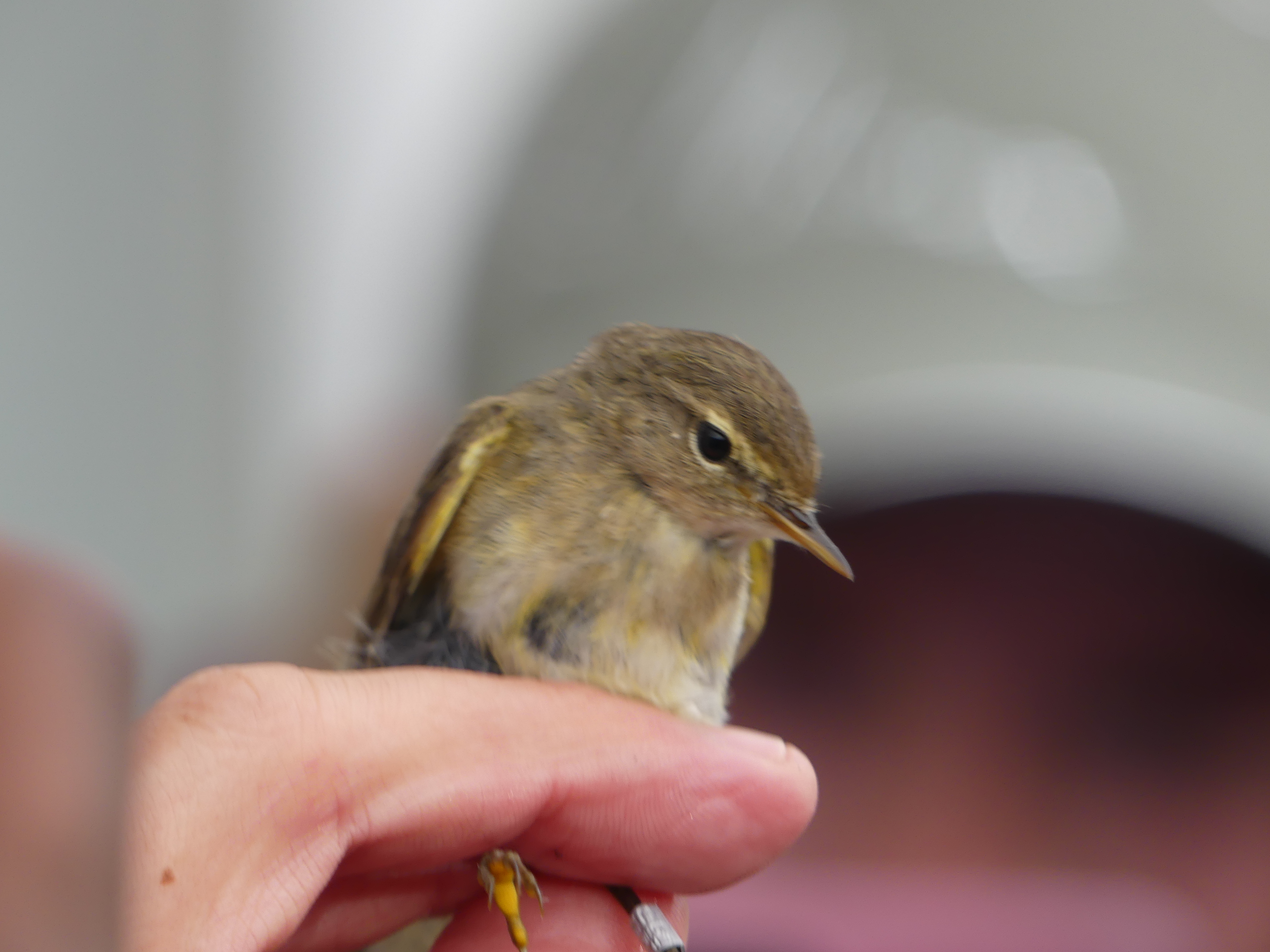
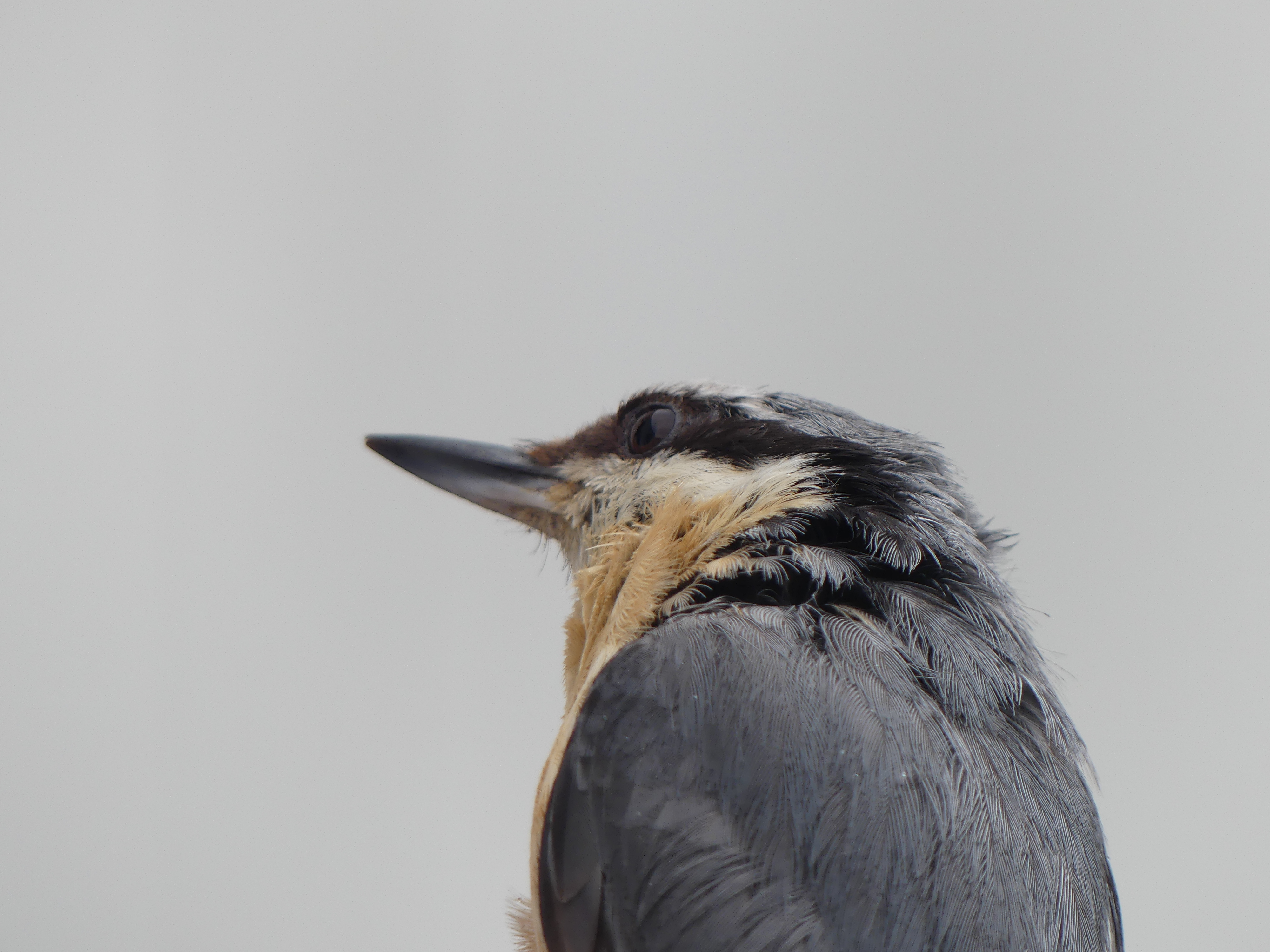
And they were alive with bird calls, from Siskin to Green Woodpecker, with Chiffchaff in between for good measure. While we scanned the canopy for the constant flitting glimpses, everybody fell silent in unison, preceding a magically haunting call, floating on the damp, cold morning air. A call reminiscent of dim Dartmoor mornings, obscured by mist and trudged by boots. A Cuckoo’s mournful tune drifted from the ridge.
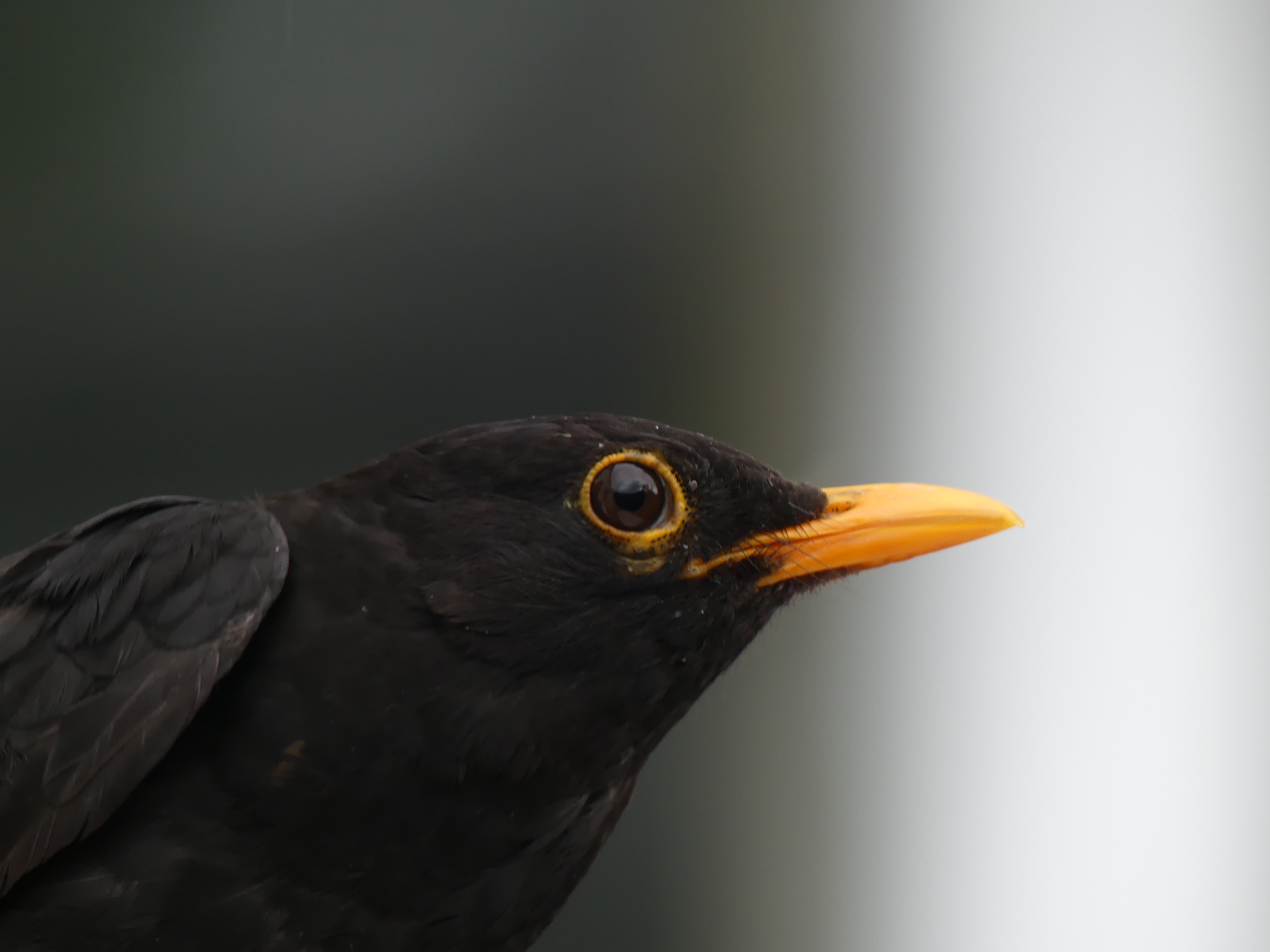
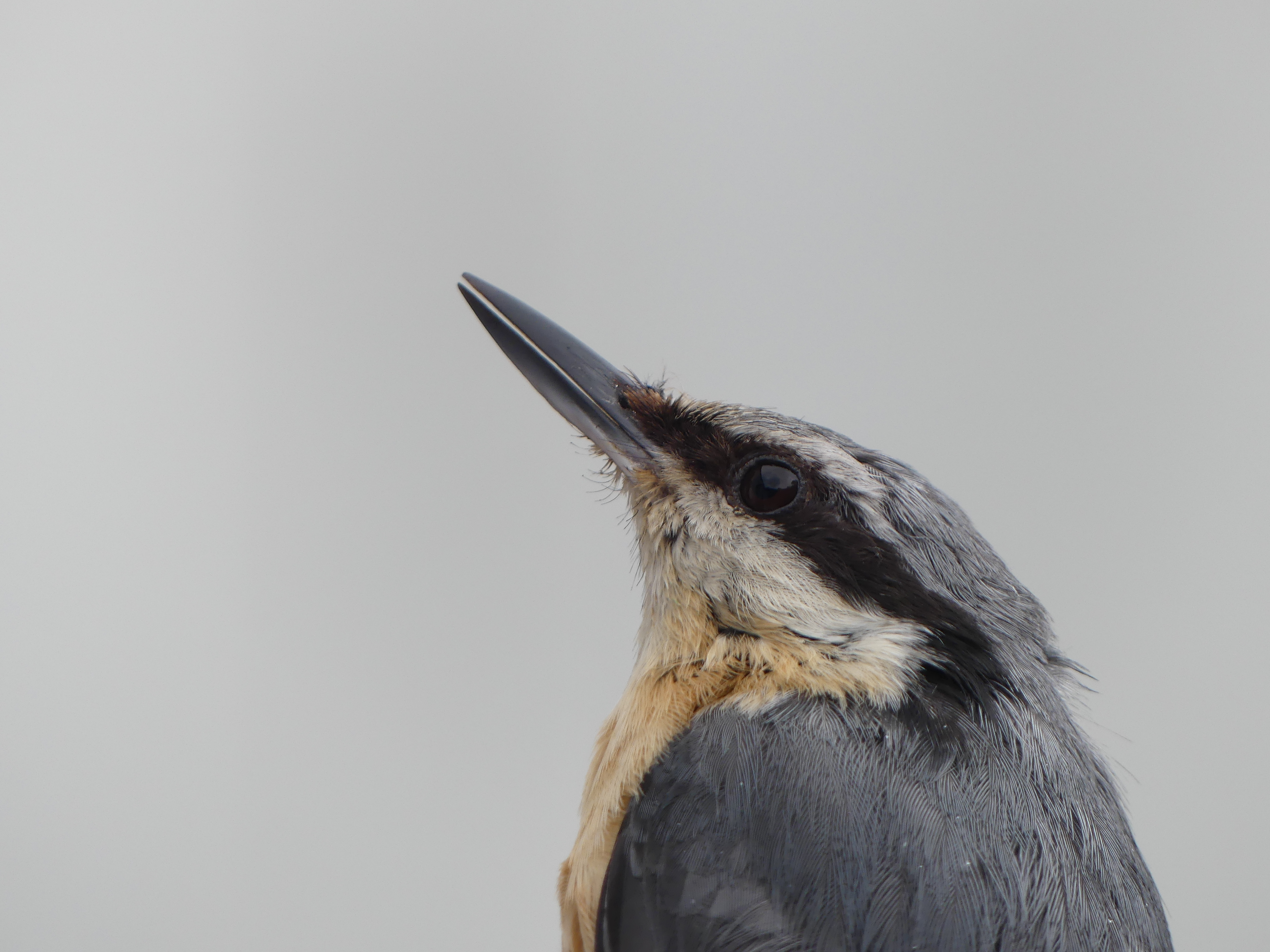
A Green Woodpecker’s undulating, cackling flight interrupted our unified trance, and just like that the Cuckoo fell silent. And now, back came Ian with several white bags, wriggling slightly, as their precious cargo adjusted their body positions. For me, the session went by in a blur. Blackbird to Blue tit, continuing on with a lovely Chiffchaff and a rather handsome Nuthatch. Weigh, measure, sex and age the birds. Its almost impossible to get up this close and personal away from a bird ringing expert, and with good reason too. You need a license for the handling of wild birds.
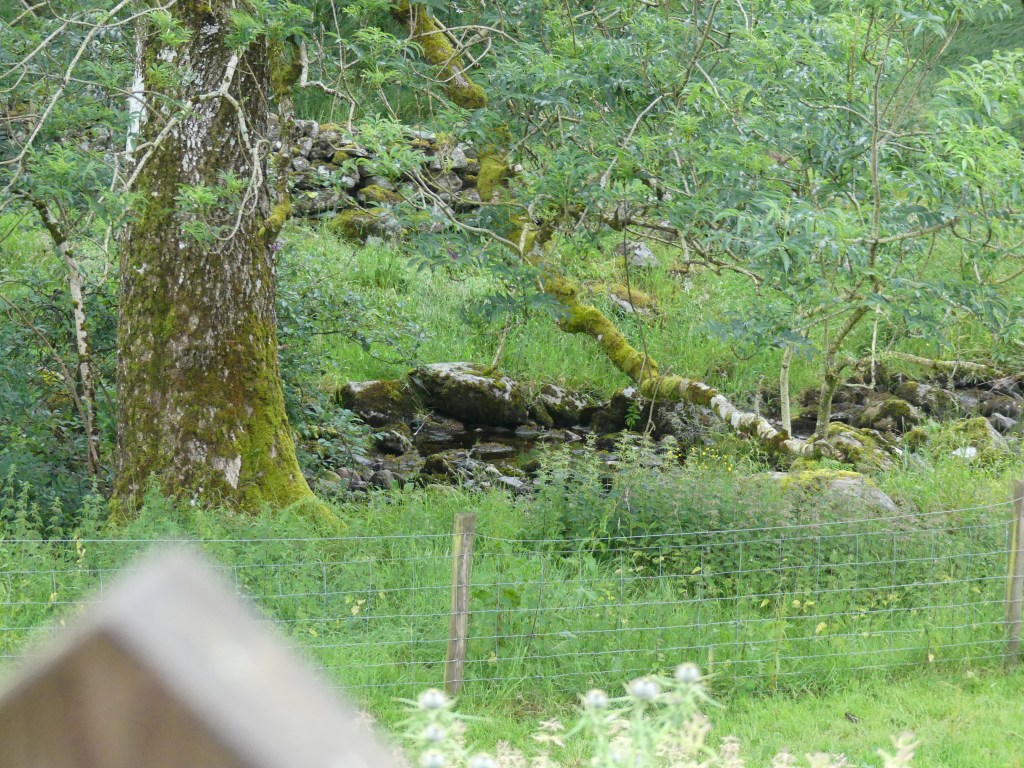
But RSPB Haweswater is no ordinary nature reserve. Just paces away lay the tree nursery, thousands of native British trees being prepared to be planted back out on the fells. From juniper to birch, these trees form the future of the valleys. The Lake District came out of the Ice Age coated in woodland, hosting wolves, bears and lynx, but due to our apparent desperate need for timber, there is very little remaining, to support our native birds and wildlife, but also to lock in the carbon and keep up the fight against climate change.
And adjacent to this centre of rebirth and hope lies a seemingly unremarkable long wooden building, narrow but comfortably furnished inside. We pile in to shelter from the now driving rain, and find ourselves in the Haweswater Badger Hide. From April to October, you can watch one of Britain’s most secretive mammals at point blank range, with photography opportunities rife. Albeit, there is a fee, but the donation goes to a brilliant, crucial cause!
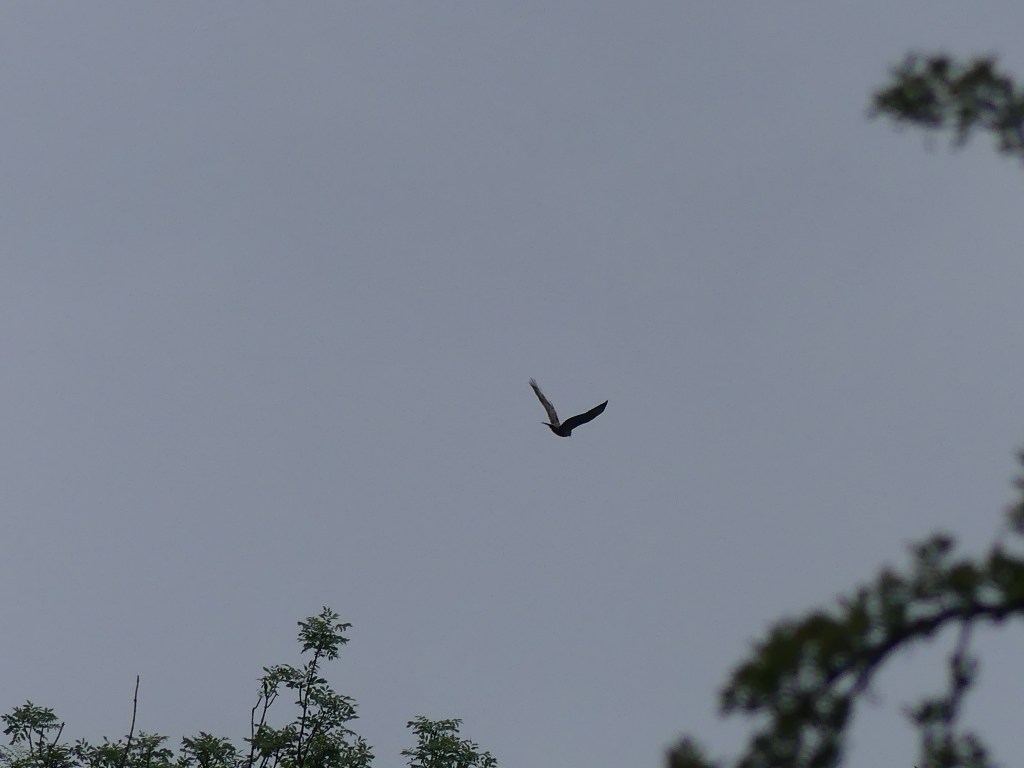
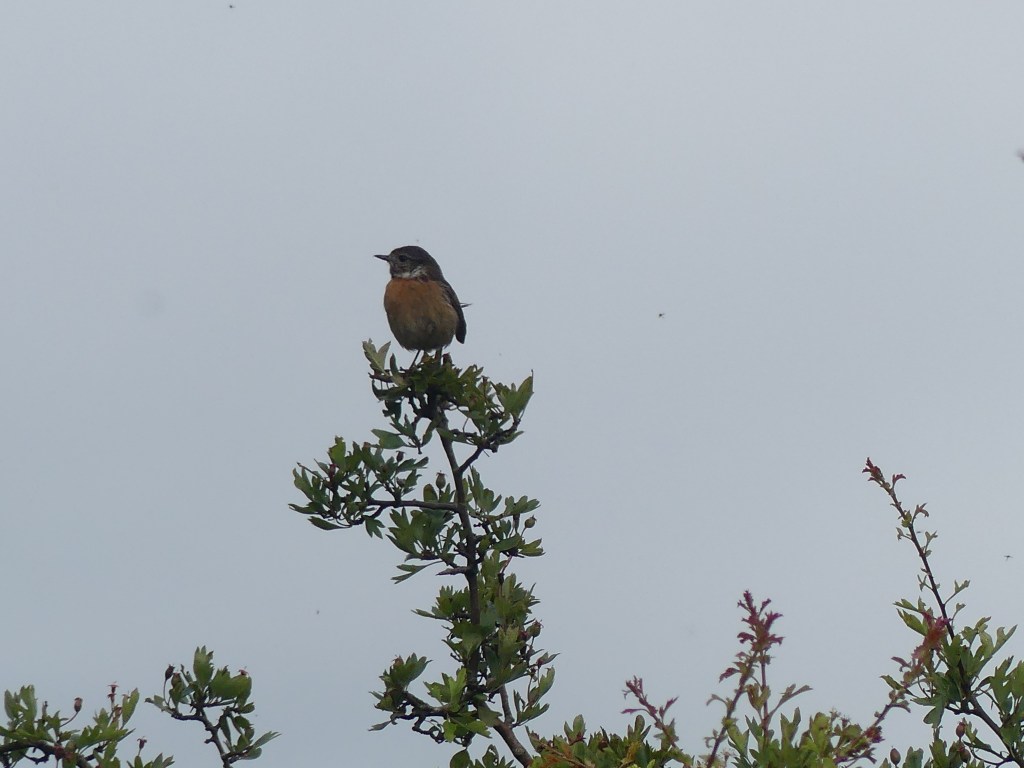
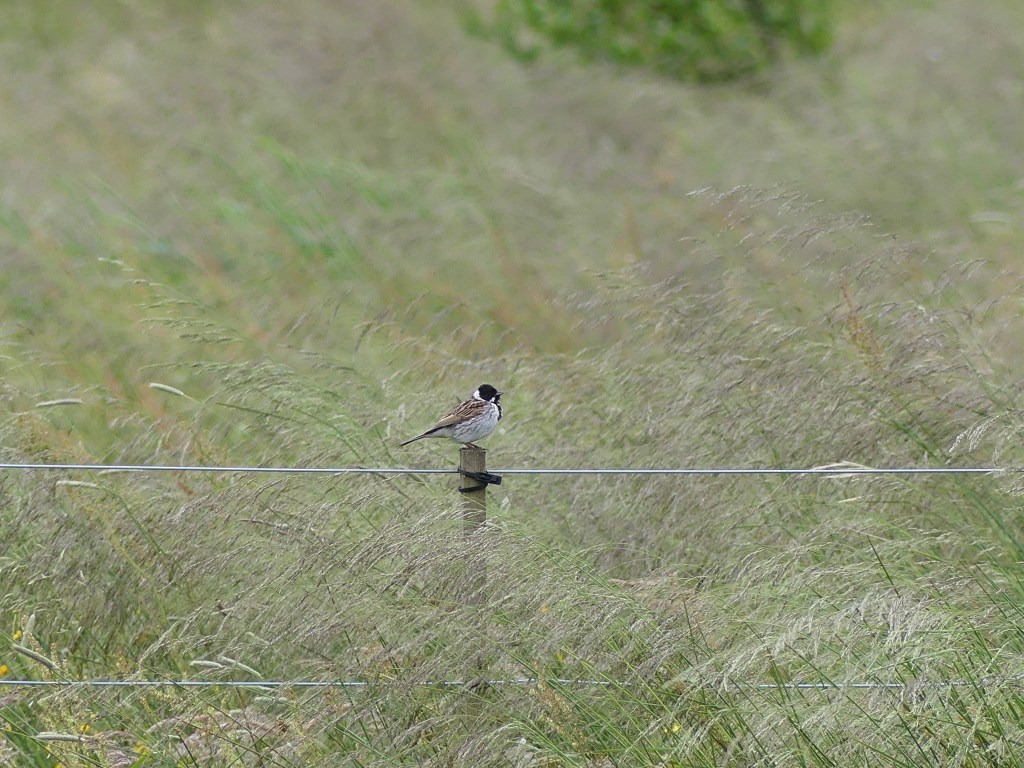
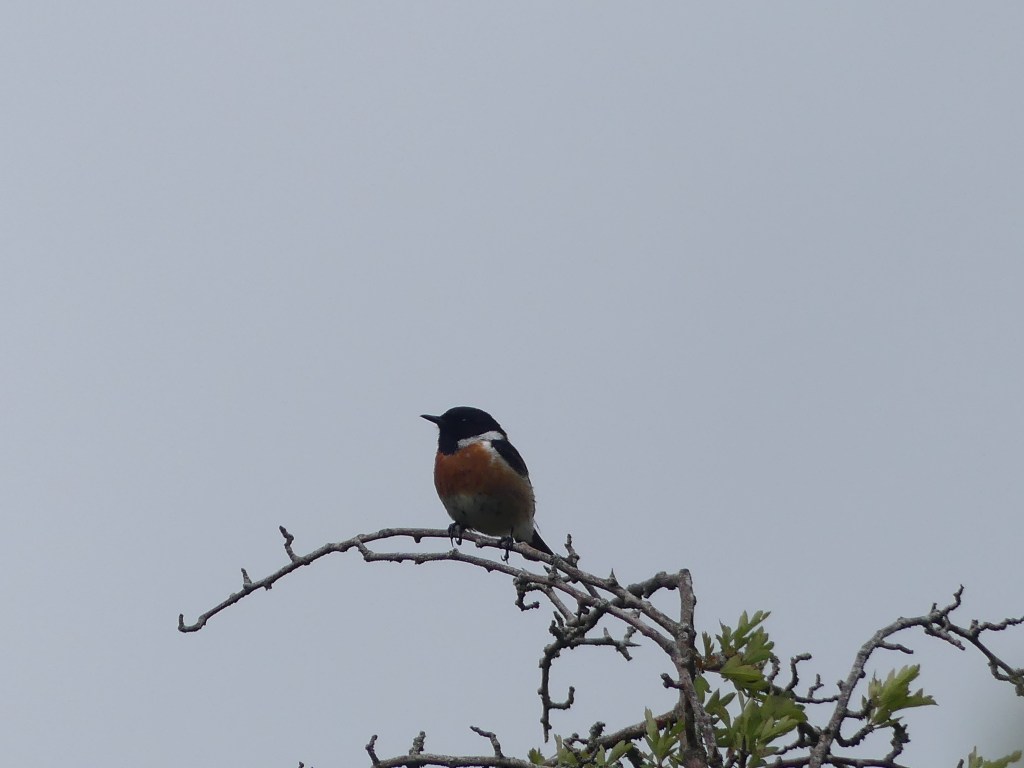
The rain in no way ends as we sprint for the minibus, and drive off on the pebbly track towards Swindale Valley, on the other side of the Haweswater reserve. Right off the bat, there is a gathering of young people centred on one corner of stone wall, concealed by a tangle of willow and birch. A gorgeous male Redstart, foxy-red fronted and grey backed, echoed by a Meadow Pipit’s parachuting songflight behind it. A possible Whinchat sighting has everybody on the other side of the track, but the bird’s disappeared in the thick green scrub coating the side of the road, before vanishing itself as the ground climbs into the ridge that forms this side of Swindale valley. By the way, the ridge is huge and precariously steep, but good habitat for many of the birds that make Haweswater its home.
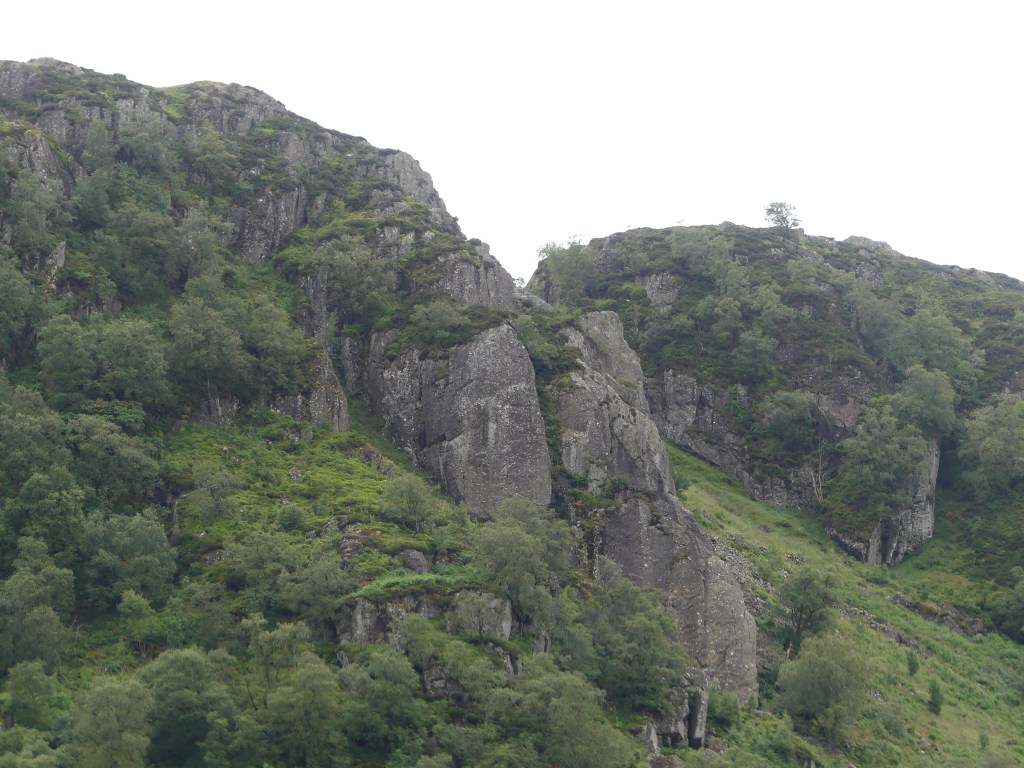
When you think about it though, its hard to imagine this entire valley being wooded, like it was in its completely natural state historically. Without a single human hand laid upon it. This general idea of ‘moorland’ seems to us now abundant in small patches across the country. Dartmoor, Exmoor, the Cairngorms, the Brecon Beacons, to name a few. But the scientific truth is that this would have been an incredibly scarce habitat long ago, even more than it is now, because Britain was originally a wooded country. It was intended to be by nature, for its trees to flourish and create a vast temperate rainforest very rarely interrupted, from Axminster to Aberdeen. Us clearing it out did in fact create a new habitat, even if it was then earmarked for agricultural purposes. The wildflower meadows, moorland and wetland that we are trying to protect and restore may have been, to some extent, brought on by us in the first place. Today’s philosophical thinking for you.
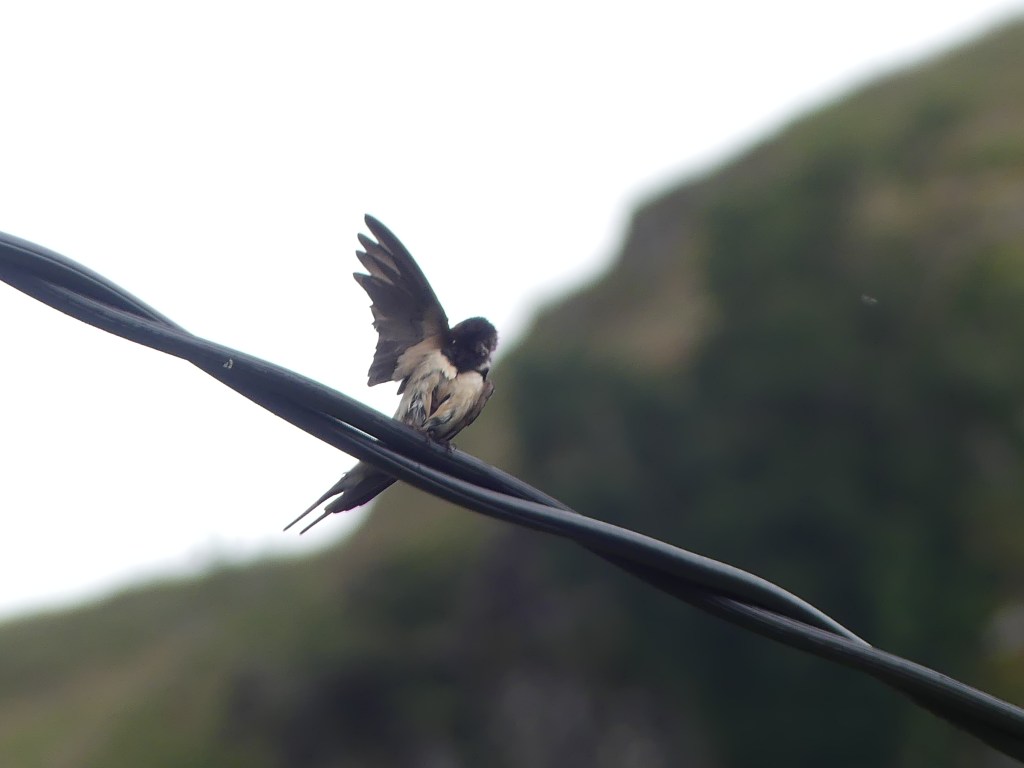
But back to the Swindale Valley and RSPB Haweswater. We began to walk deeper into the valley, Swifts and Swallows and House Martins actually swooping among us to much applause and admiration from the group. We pass several older farmhouses, which explains the abundance of all three hirundines, and now we were on the central groove that had been carved by the valley and the Beck, us being adjacent to the river among the wildflower meadows which surround it.
The Beck had been straightened by those who lived there long before us, to reduce flooding on their crops. But this increased the risk of flooding downstream with only marginal benefits, and the river was restored to its former meandering self along this stretch (mostly), its history tracked by the silt and sand it left behind, all those years ago. You can still see the former, unnatural form of the river, a ghost that still haunts Swindale Valley. And its now that a Common Hawker appears, as we sit beside the Beck to eat lunch, a species of dragonfly almost absent from the south. And as its elongated black body floats past our faces, pockmarked with blue, its just a little bit special.
The hike back up the slightly less steep side of the valley heralds a pair of Carrion Beetles, jet black exoskeletons glistening in the sunlight focused by its misty lens. A Garden Warbler (unsurprisingly) warbles from a nearby shrub, accompanied by a dozen Chaffinches and a female Redstart, tail up like a wren, flashing its rusty underside. Redstarts were becoming one of our more dependable birds, with three sightings already over the weekend. It wasn’t one you’d particularly expect, but it’s certainly hard to not notice how much of a feature they have been so far!
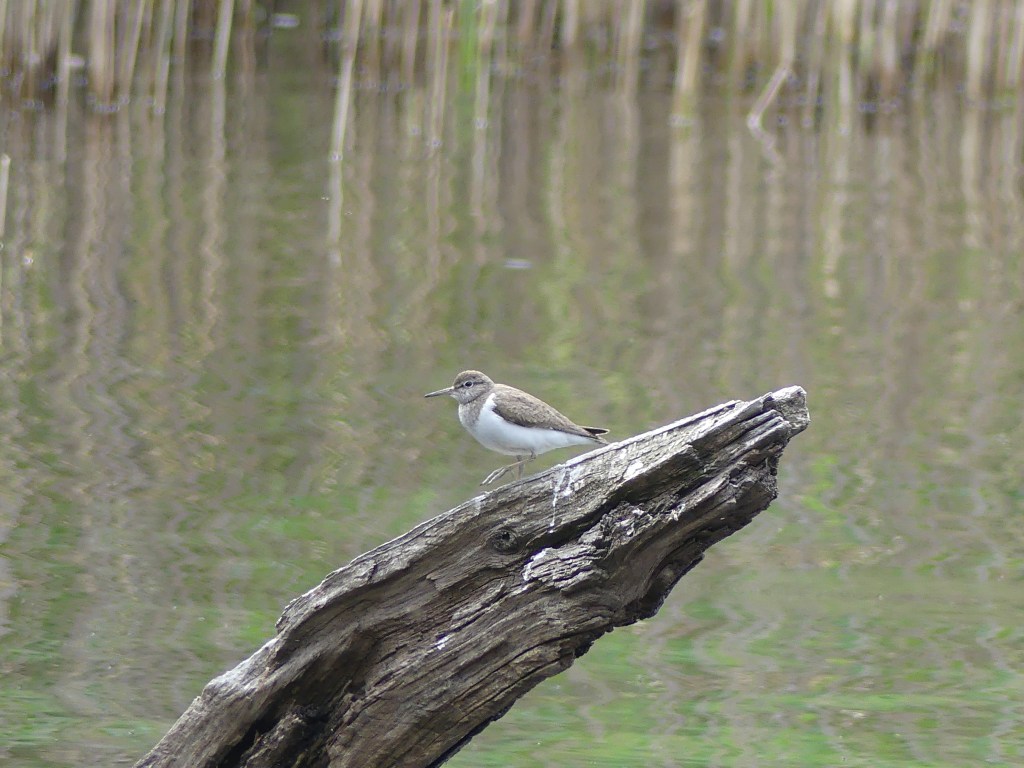
We doubled back on ourselves as morning wore into late afternoon, overrunning our loose plan time wise, but nobody was really worried about that. A late evening walk around Derwentwater, a two minute walk from where we were staying, would satisfy those who wanted it following the drive in the minibus back into the woods. The sun was setting as our slightly diminished party ambled down to the lakeside, immediately rewarded with a Common Sandpiper bobbing on a log that jutted sharply out of the rippling water.
We circled the lake to get closer to the bird, a rather interesting prospect, when guess what handsome little bird flitted in, leaving its partner in the scrub concealing the lake from us on this side. A male Redstart perched proud and sung with a sunset backdrop, grey back and head dripping into a foxy red breast and stomach. What a bird!

Just then, attentions were diverted once again to find a Red Breasted Merganser skittering to a halt on the water, stirring up the greenery below and causing its image to bloom to the surface of the shallows. Mergansers are one of our resident Sawbill ducks, so named for their ‘teeth’ which are revealed when they open their mouth. There are three native species in the UK, as well as the rare vagrant from North America named appropriately as the Hooded Merganser. Our other two have some more imaginative names; Goosander and Smew. I’ll leave you to puzzle out the motives of the namers.
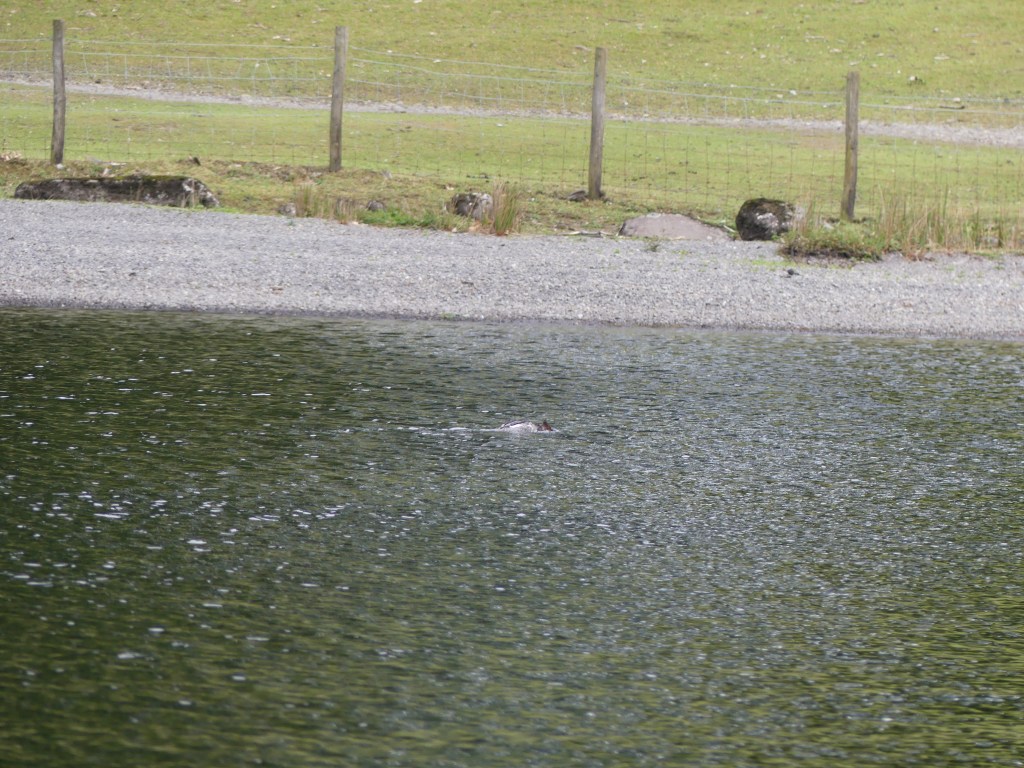
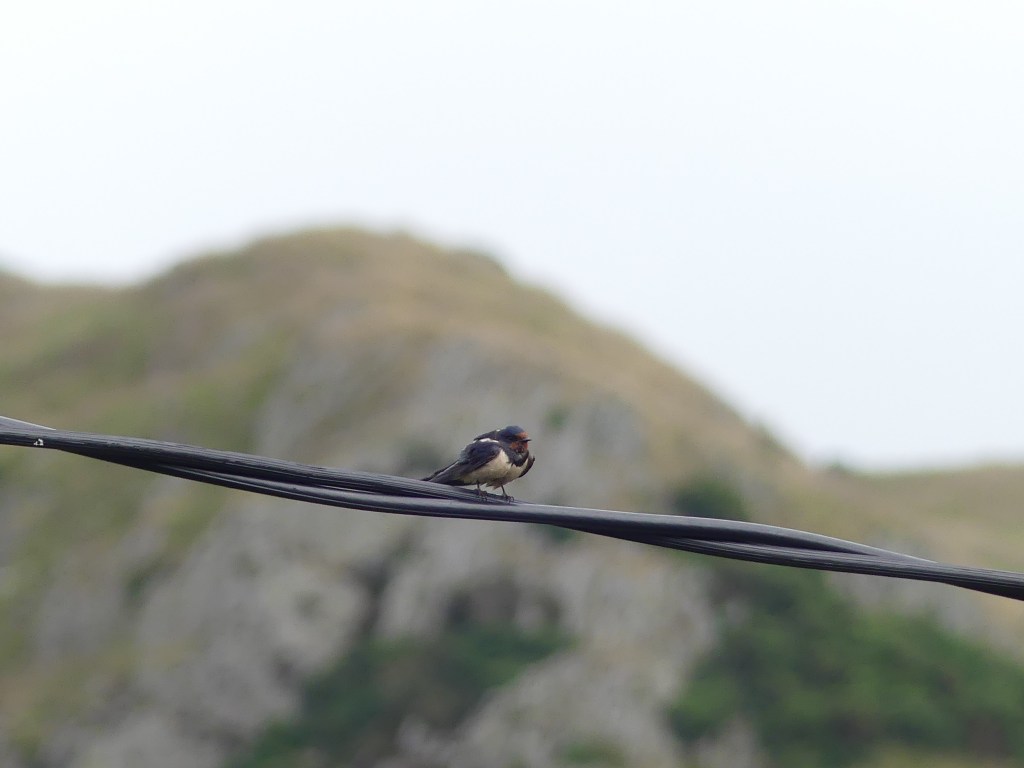
After setting several Greylag and Canada Geese to flight with our sudden appearance on the gravelly beach, we trundled off back to the house, slipping on the slimy stone steps and pausing to admire the House Martins which built their mud cup nests beneath our eaves. The little blue and white faces peering out are set to begin their fledging routine in the coming days, and the adults are constantly swooping about, feeding them up ready for the big world. It would be quite a jump to get down from there though!
And after a game-filled evening and a lot more chat, bed was called for at around 10:00PM. Waking up that morning was something else, featuring a pretty rare bird for north-west England. Confirmed through the seven people present, Merlin Bird ID and google, as well as prior experience, a Firecrest was deemed to be calling from the dense woodlands opposite our window. Itself and the Goldcrest are the UK’s smallest birds, with the Firecrest weighing in at around the weight of an average pencil. The Goldcrest its a widespread and fairly common bird across the UK, even if they are a little hard to see, but the Firecrest is an elusive passage migrant and winter visitor, although it can now be found breeding in some parts of southern England. You’d have to be either lucky or slick to get good views of one, let alone a nest.
The day was Sunday, our last day at BTO Birdcamp. One last trip awaited us, but it could be argued that was the biggest and best one yet (I thought it was!) – we were off to RSPB Leighton Moss, England’s home of the Bittern. That’s not its only claim to fame, but its a pretty special one. The Bittern is a thickset heron, mottled brown and black like the reedbeds it makes its living in. One of our most secretive birds, it was pushed to the brink of extinction just decades ago, and at one point Britain was left with just 14 singing males. They have made quite a recovery since then, with 228 singing males recorded just last year. But what, you may ask, is their song exactly like? Well, take a plastic bottle and blow across the top of it. You should get a sort of booming noise. Now multiply its volume and range by about 100, and you get the boom of a male Bittern!
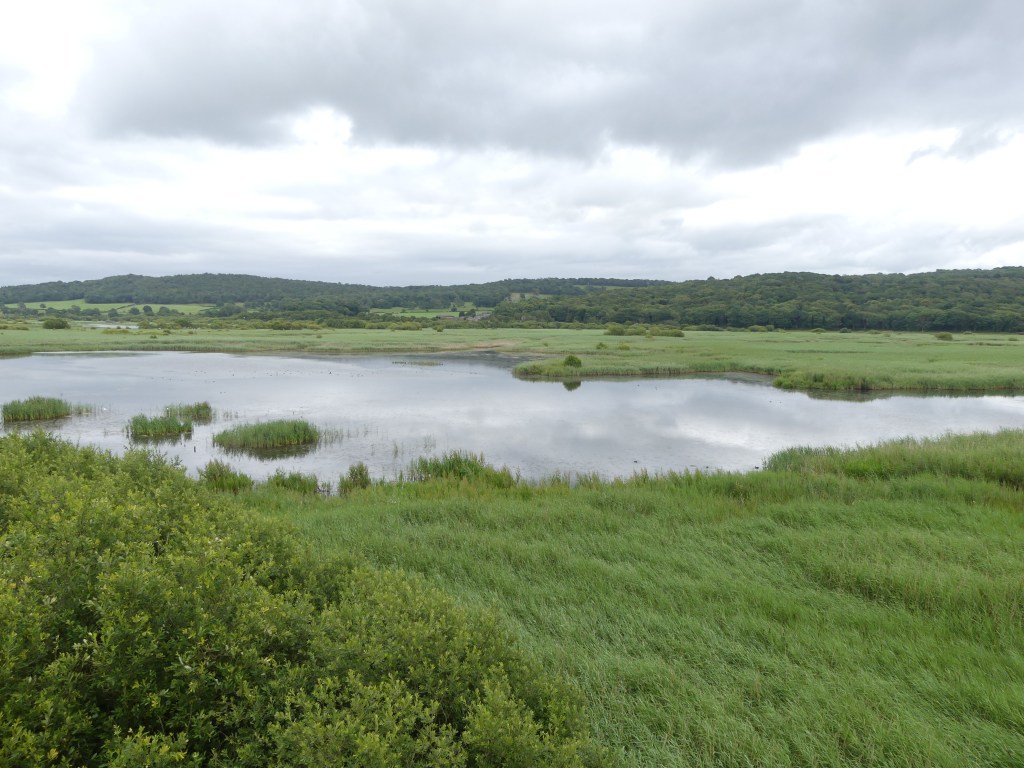
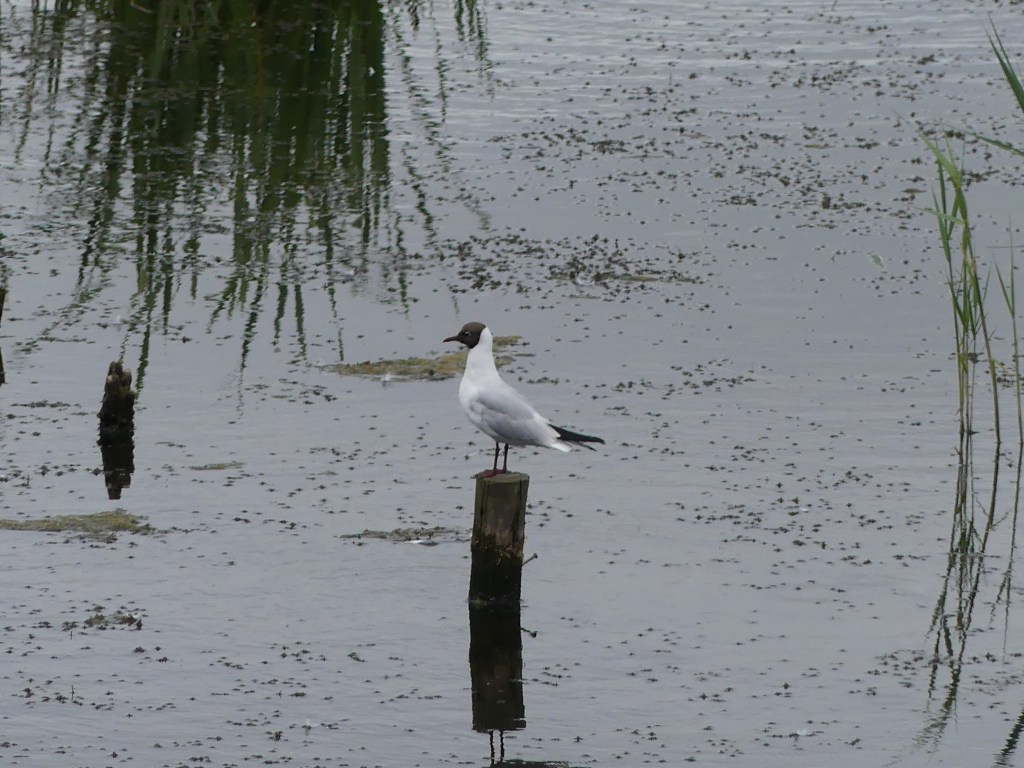
Leighton Moss is made up of a stretch of woodland sliding into the largest reedbed in north-west England, with the RSPB recently adding another 200 hectares to the reserve. From the top of the Skytower, it really hit you just how huge this place was, stretching from Morecambe Bay to where we stood now, at the top of a four storey viewpoint, and then even further. The pools in front of us, interspersed with the reeds, were dotted with Coots and Black Headed Gulls, with the explosive song of a Cetti’s Warbler slamming the air from a hardy, dense shrub hanging low over the rippling water. Every now and then, a Reed Warbler would complete its singing and leap from the reeds, before flying to its next vantage point.
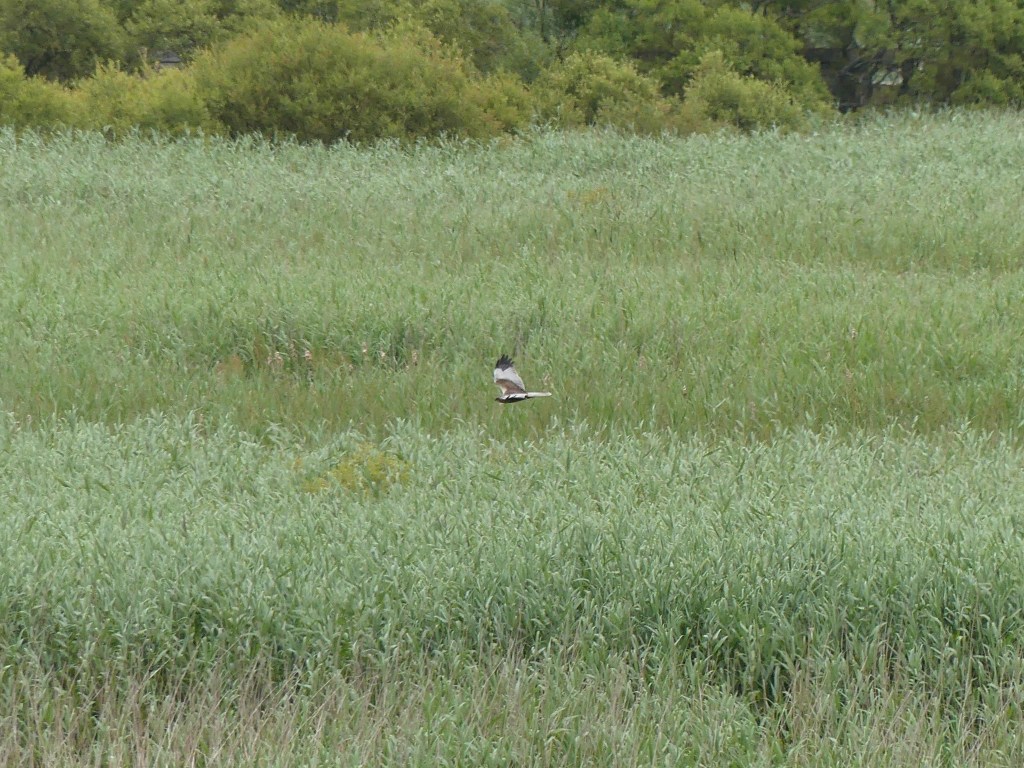
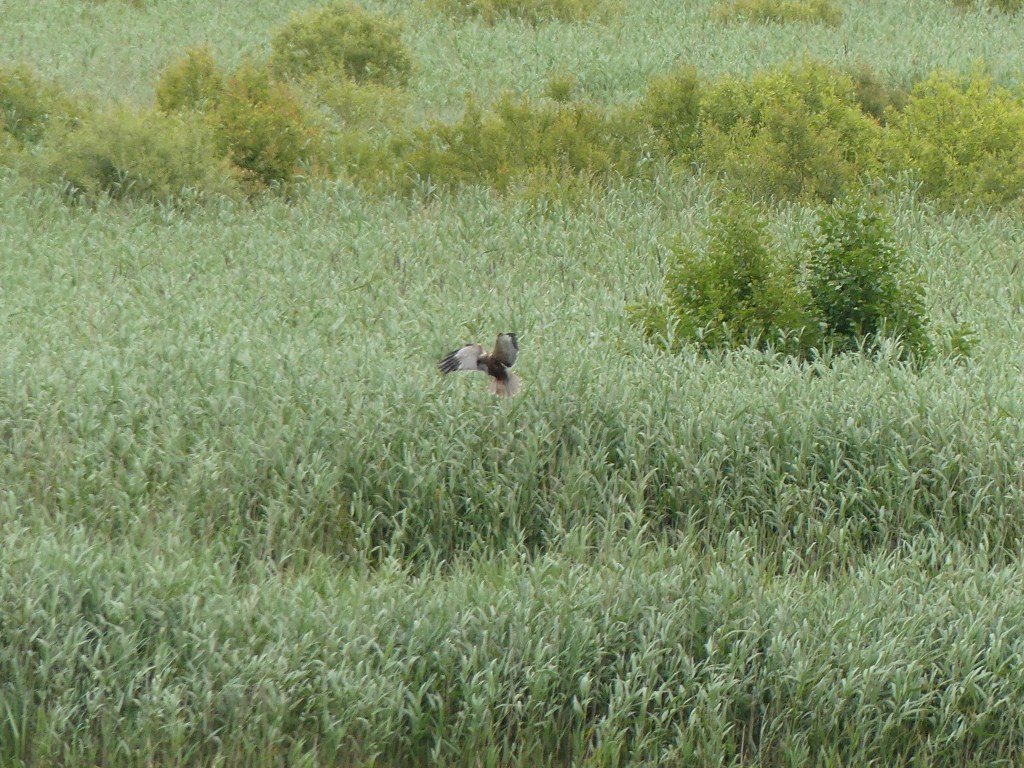
A distant flock of Knot, numbering a few hundred, rose up over the distant bay, identifiable by their size and the location. In winter, the wader flocks would grow tenfold, and would swarm the bay, feeding and recharging after a busy season’s breeding. Despite this spectacular, rolling distraction, a shout rippled through our party as a young pair of Marsh Harriers glided low across the reeds in front of us, the male rusty and grey, the female chocolate brown with a buffy patch on the head. I could count the number of times they flapped their wings on one hand, such was their graceful floating until behind a stunted beech. As they vanished, you would be forgiven for thinking that that would be the end of that. But another young male arrived, wings open and voice loud as it dived for the leafy tree, sending the defendant catapulting into the air to face the intruder.
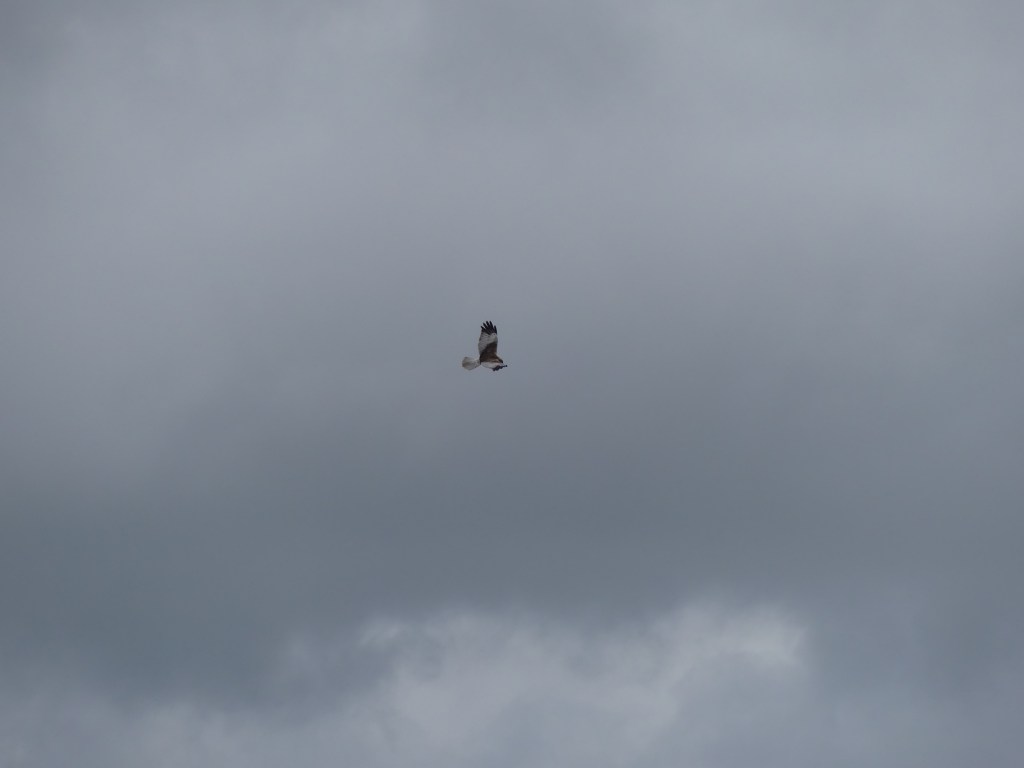
A mock-battle ensued, with the birds circling each other warily and occasionally jumping at each other with malicious intent. This was not destined to last long, and the challenger soon gave it up and flapped away, preceding an even more dramatic event. The remaining male plunged into the reeds, talons poised, and came up burdened with a small mammal, unrecognisable from this distance. As the male climbed up higher, the female appeared from the beech in all her glory, her plumage looking very much like somebody had just poured a drop of cream into their cup of coffee. She seemed to understand immediately, as the male abruptly dropped its cargo, directly into the upturned talons of his mate. A Marsh Harrier food pass! One of the Britain’s greatest natural spectacles (bear in mind that it is not unique to Britain or Marsh Harriers), had just happened before my eyes. The coordination that evolution had so willingly gifted them was astounding to witness.
After that, it was harder to tear myself away from the skytower than I had expected it to be, but we headed down a gloomily shaded boardwalk, surrounded by tree boughs and the poisonous flowers of Woody Nightshade, with the high pitched calls of Nuthatches emanating from above us, hidden by the leaves that shrouded the branches. The whole scene was in itself slightly eerie, and it was to a small section of my relief that we entered into the boards that cut into the reedbed, meandering its way between the swaying stalks that concealed everything from Bitterns to Bearded Tits. In the autumn, these birds that weren’t actually related to tits at all, will visit grit trays, needing something to break down the hard outer shell of the reed seeds they eat outside of the breeding season. Some of them are barely metres from the path, but for now we were satisfied with their pinging calls drifting from the reeds
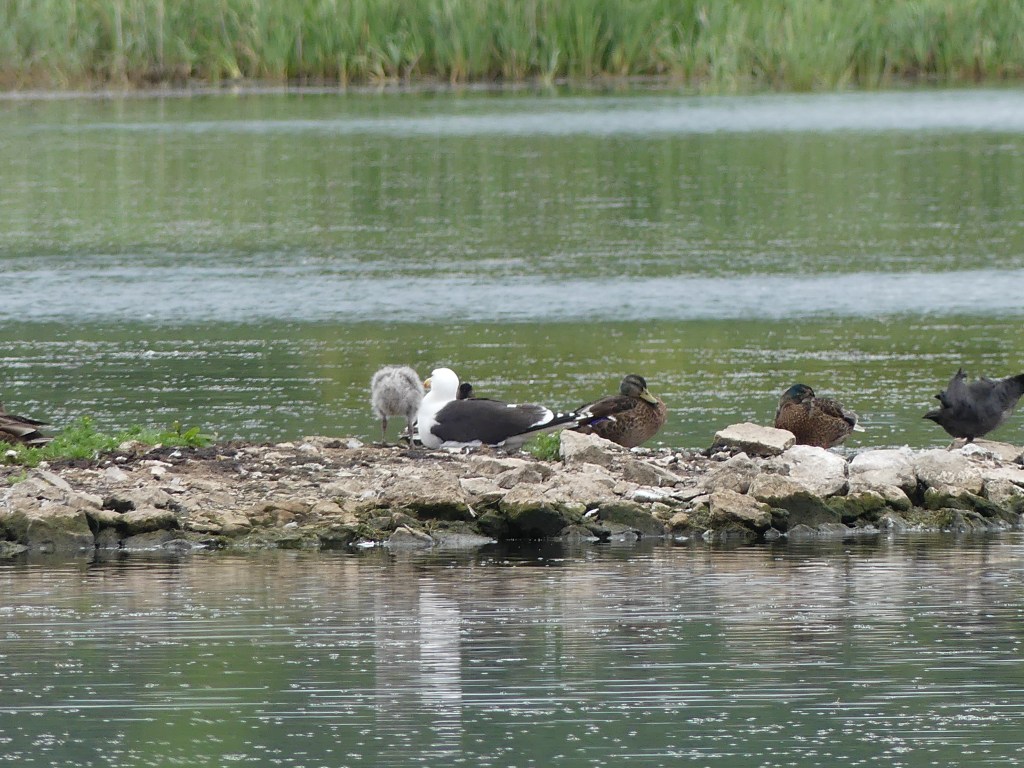
I swung my binoculars to the heavens, still glued to my eyes, when the first sighting of the Osprey rippled through the group. It emerged from behind the treeline just ten paces from us, banking right with M-shaped wings to wheel over us, drawing excitement from each and every one of us. At such close proximity, its large size was clearly apparent, this brutal killer of fish. At a distance, it’s often reminiscent of a gull, and when it fishes amongst gull flocks, its never easy to distinguish! Here though, it was simply massive, with its pied plumage creating a flashy contrast. When it finally wafted out of sight behind the same impenetrable treeline, our short walk to the Causeway Hide was complete, and we were instantaneously rewarded with a Great Black Backed Gull chick, easily dwarfing most of the Mallards and the Common Sandpiper next to it, exploring its narrow island under the watchful eye of a parent bird, agitated by the arrival of a Cormorant in mid swallow, a fish tail still sticking out of its gullet, and a large bulge in its neck.
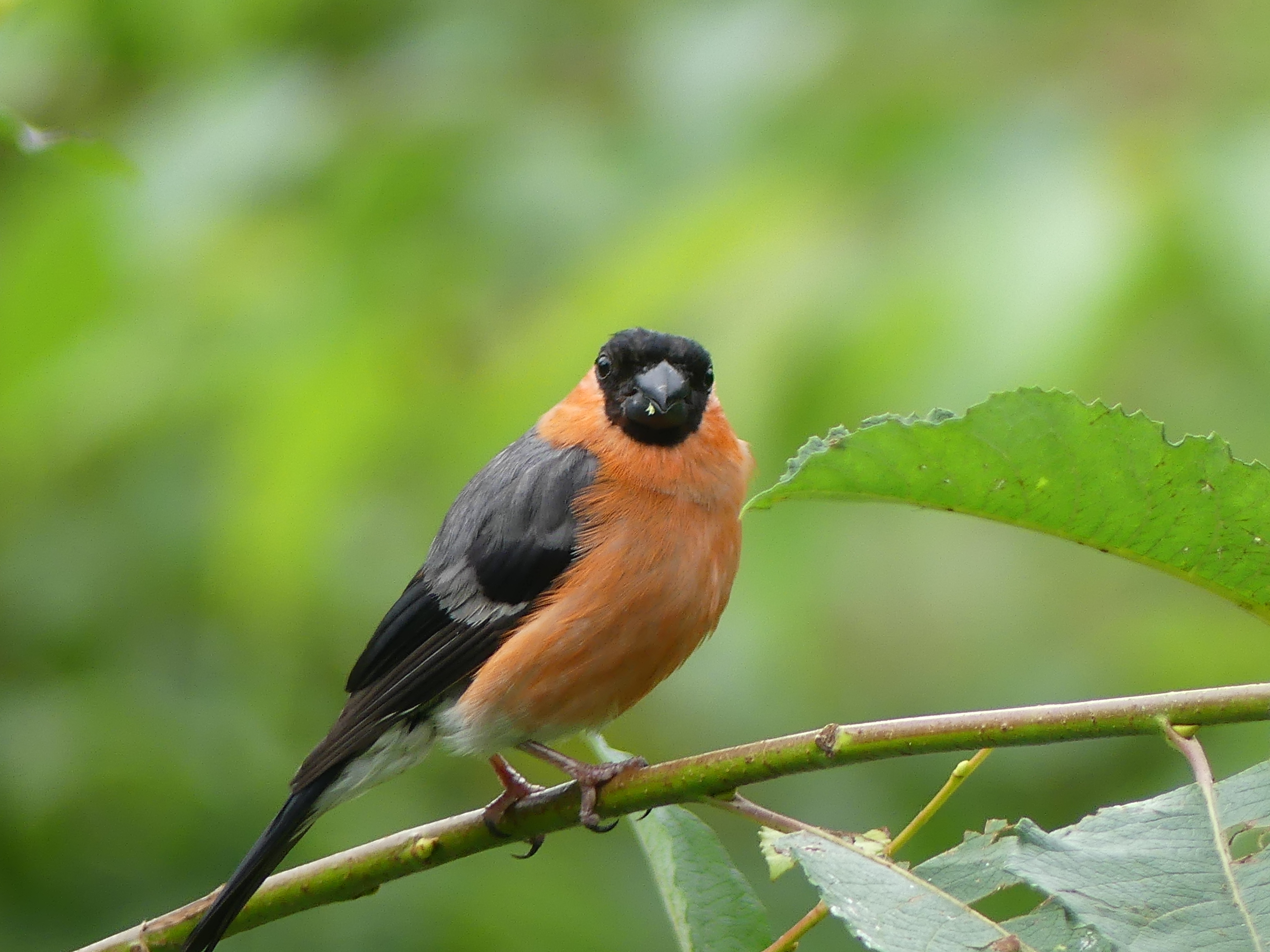
Back at the feeding station, 30 minutes before the official end of BTO Birdcamp, birds arrived at full throttle from every angle, with a rather unbothered female Mallard winding between our feet. Bullfinch to Marsh Tit to Robin to Blackbird, a Blue Tit and a Great Tit to a Chiffchaff and a Magpie. Everywhere, all at once. The amount of feeders didn’t help the dilemma my mind faced, with split-second decisions having to be made at every turn. Each bird posed fairly well for photographs, but it just depended on which one you wanted to go for. You’d have to be there for less than five minutes and you’d easily see over a dozen species! Young birds to mature adults, both make and female, diverged on the RSPB peanuts and sunflower hearts, until it became a sort of school lunch queue. Three in, three out. Three feeders. An almost uniform, patterned frenzy.
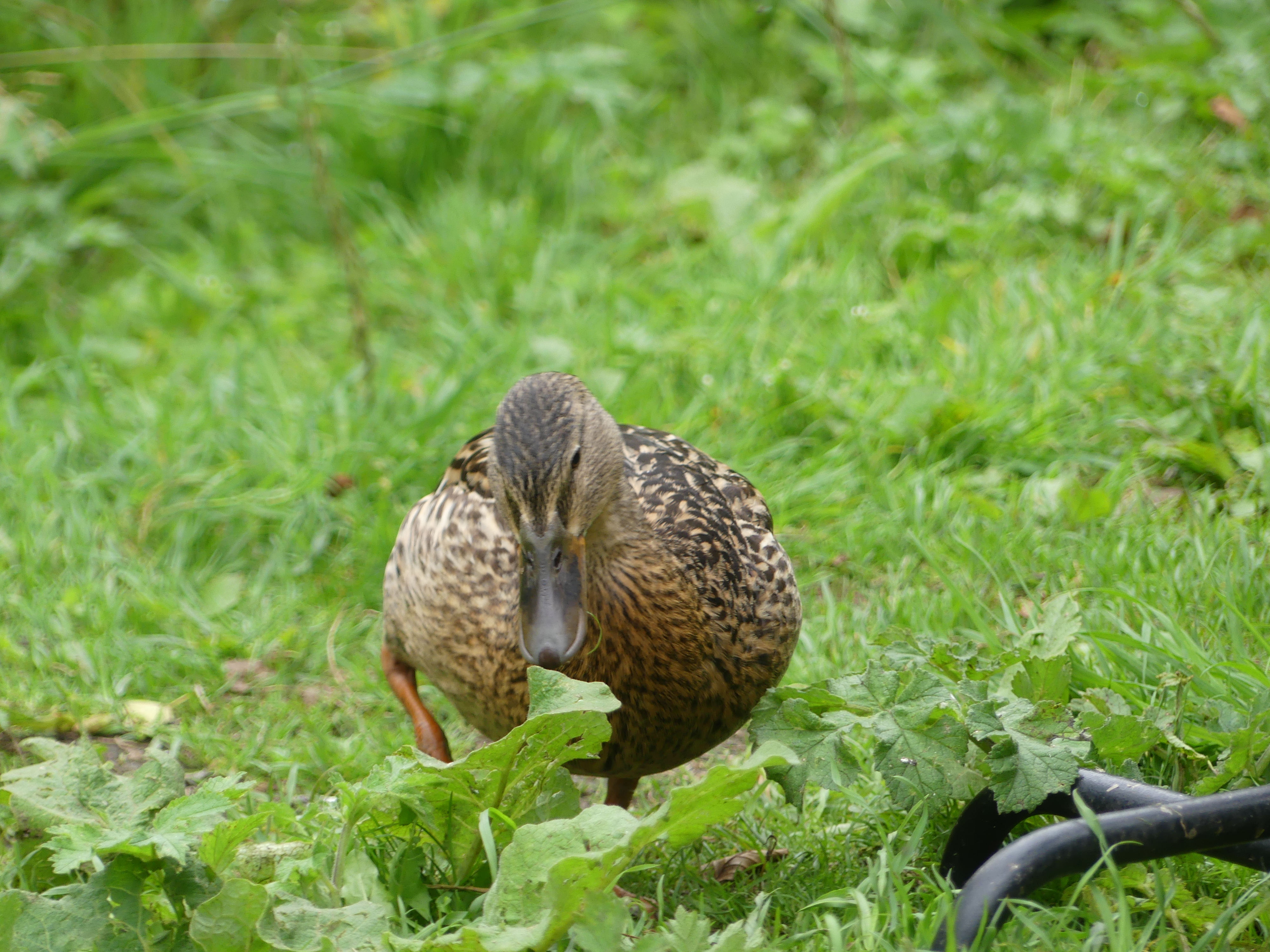
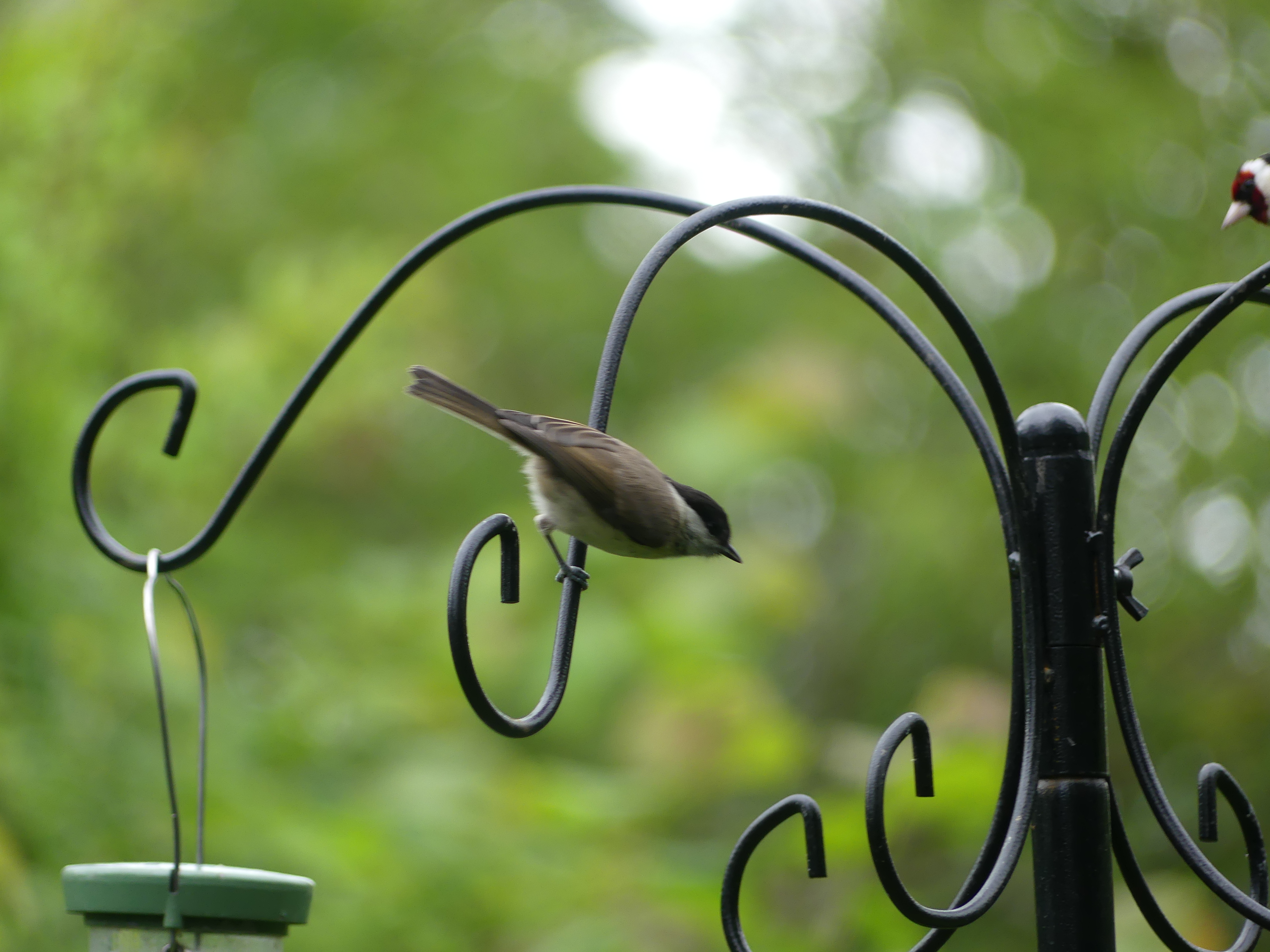
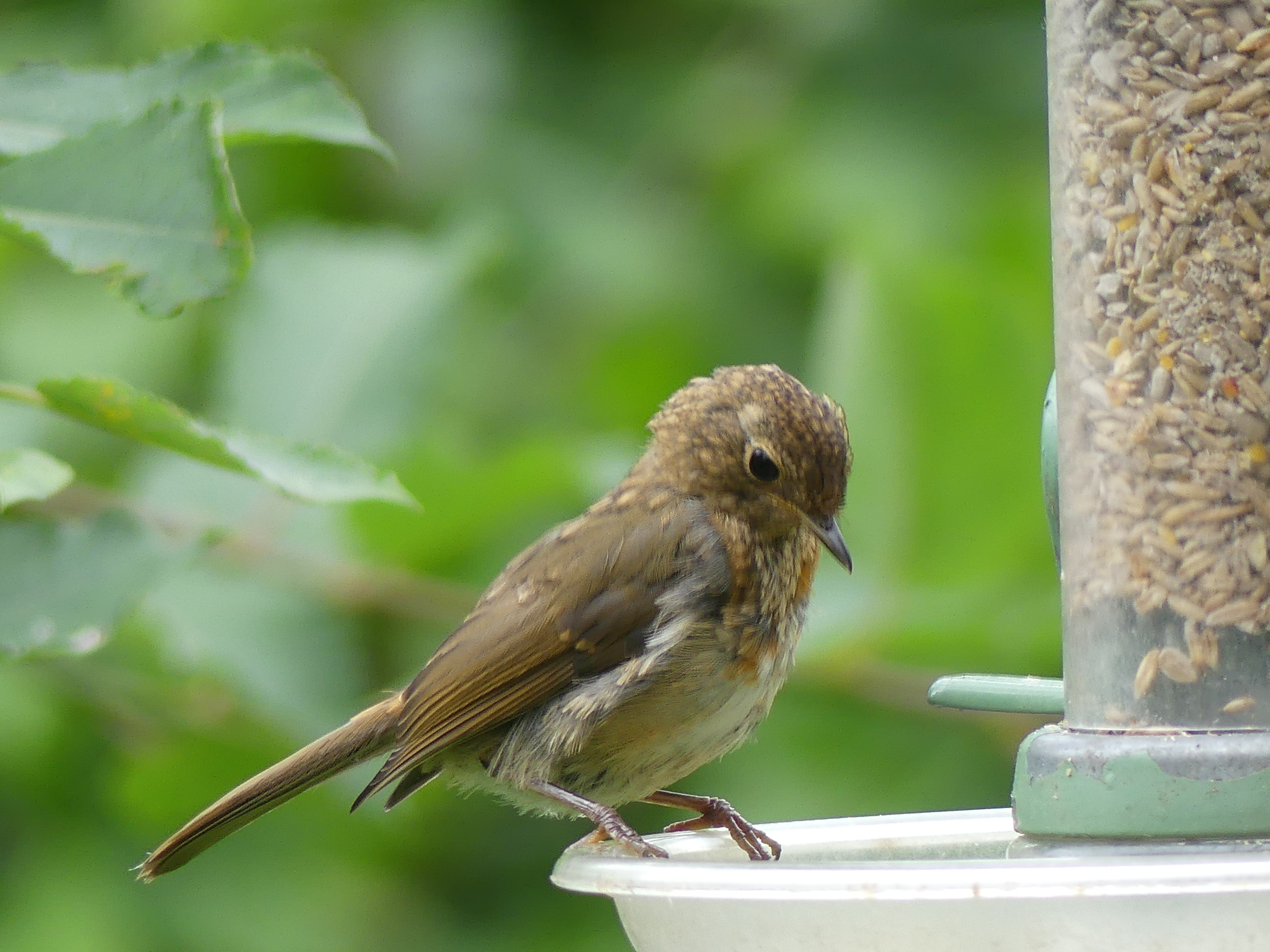
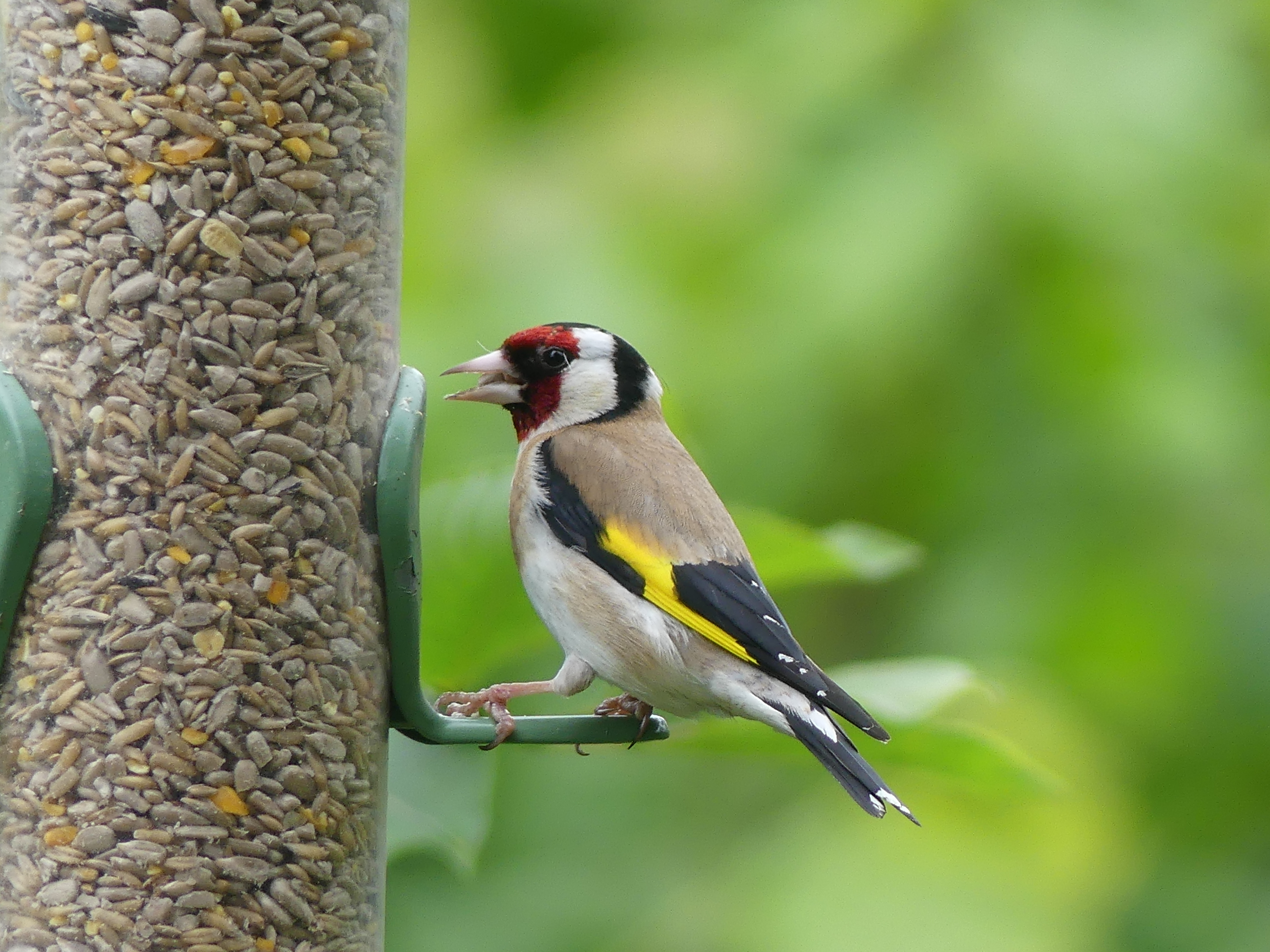
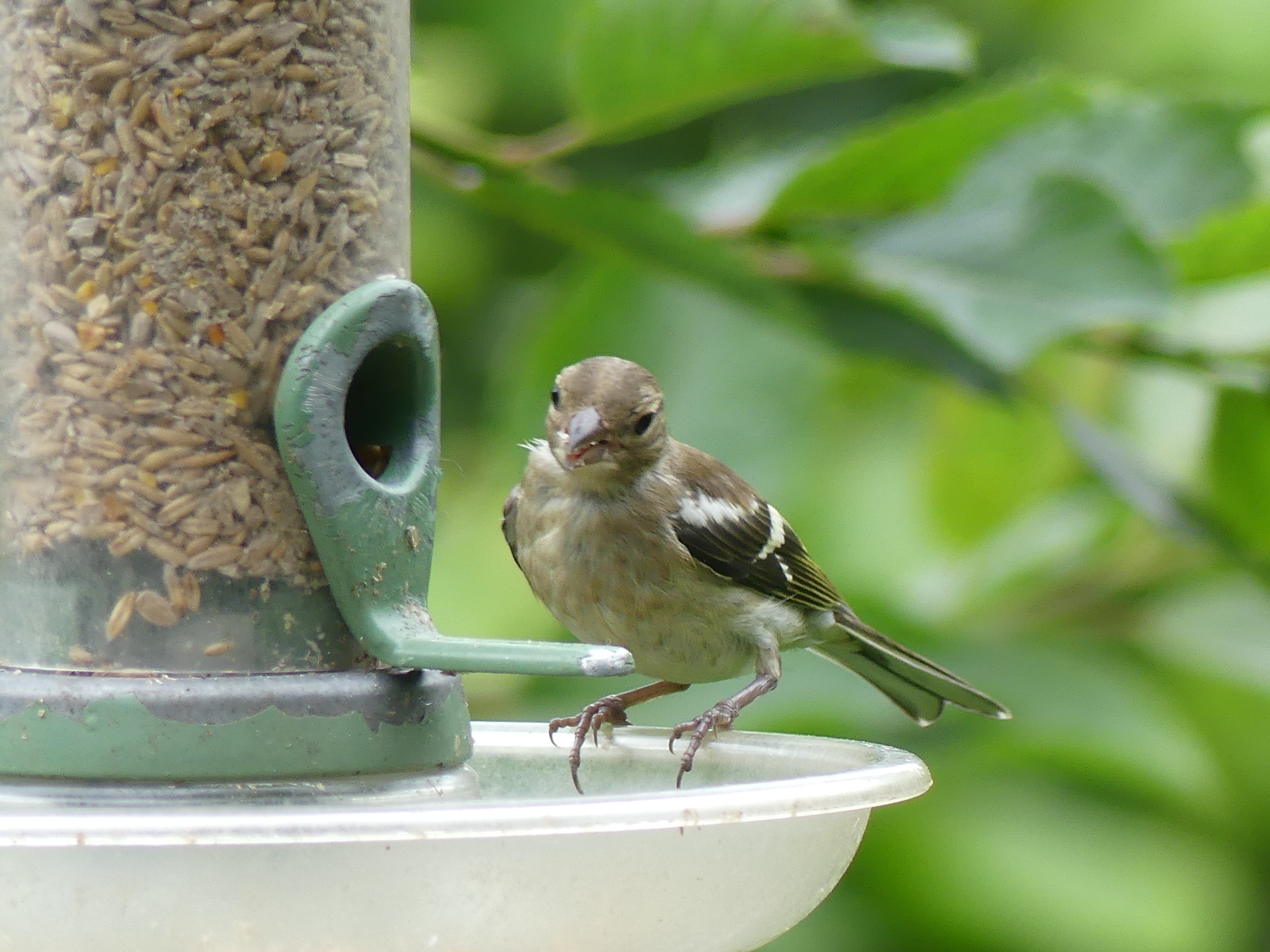
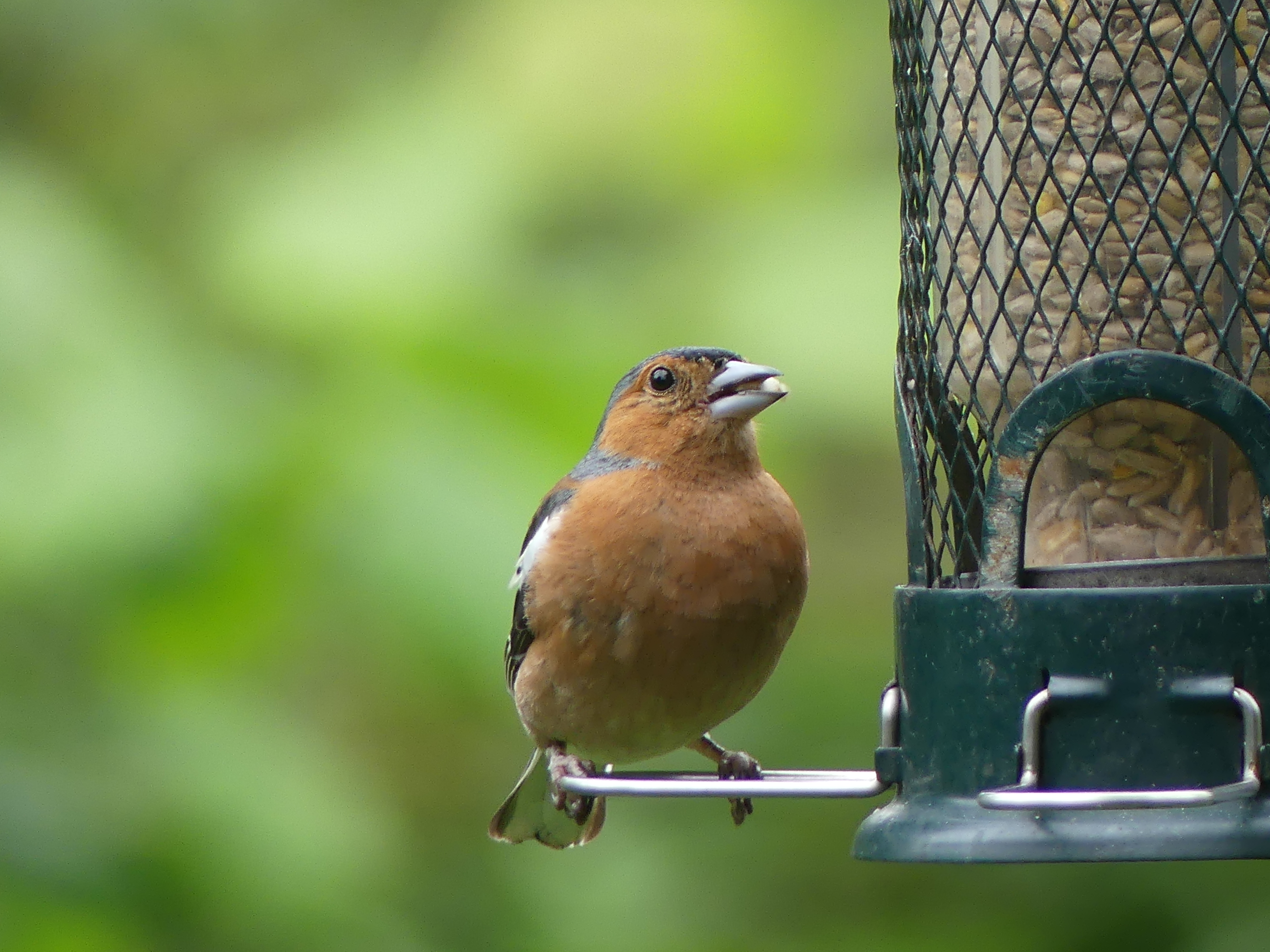
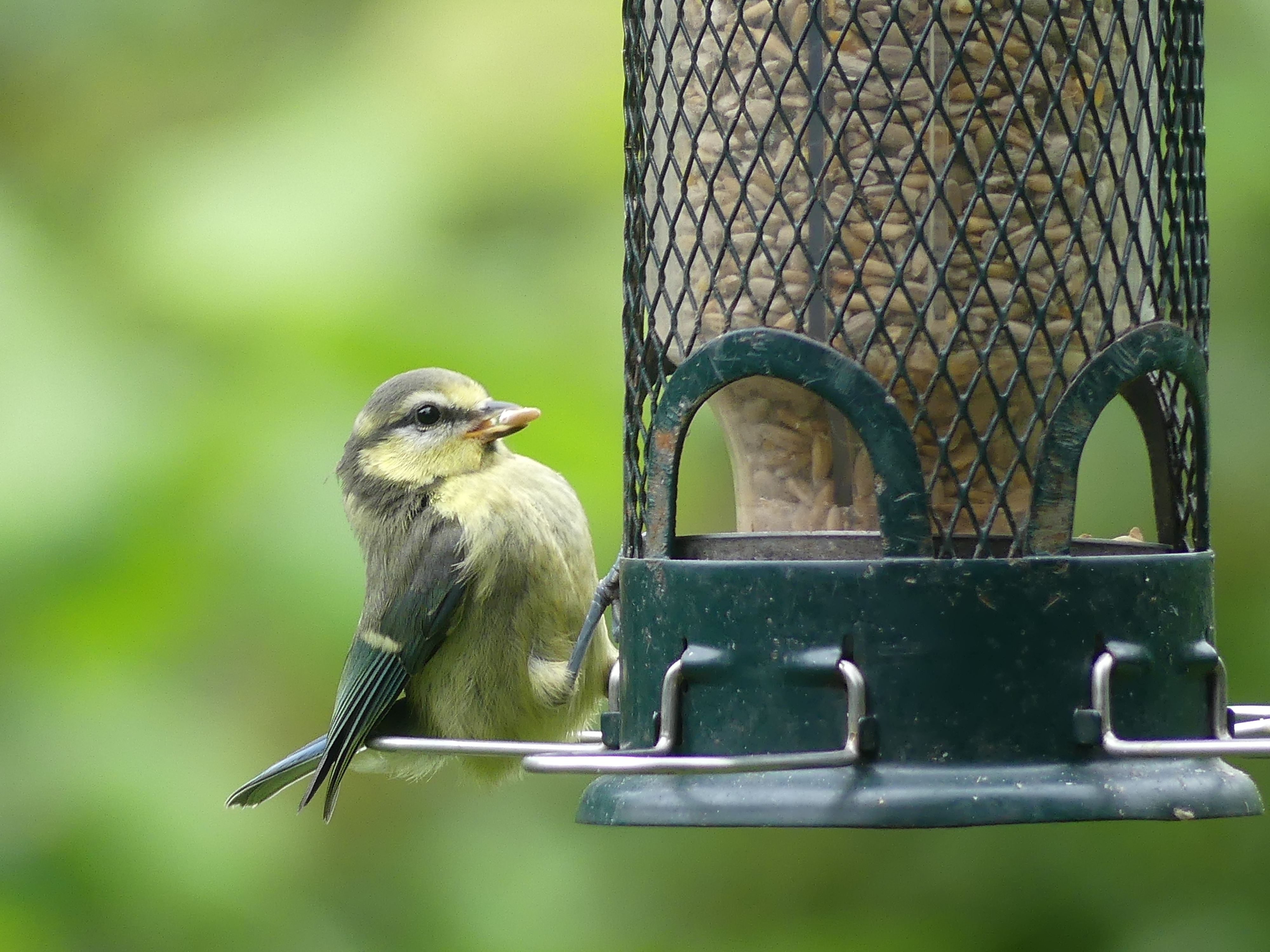
Here we found out that we had broken the official species record for BTO Birdcamp, with a running total of around 97 species (I didn’t do the counting). It was a bonus to an already unforgettable trip, a trip that had left an unspeakably special impact on me. And the birds jostling for position on the feeders emphasised this. The whole weekend had been for the birds, and meeting people who also liked birds. It was that simple.
But one of the other crucial takeaways from the weekend had gone a little deeper than our feathered friends, but it certainly involves a fierce love for them. So many people around the world have that love, that passion. I meet a lot of them via bird hides and reserves, but let me tell you a little secret. Easily less than 5% of these birdwatchers, birders, twitchers, whatever you want to call them are close to my age. And don’t even mention school, because nobody my age gets it there. When it comes to birdwatching, its important to learn from those around you and pick up from them. That’s a lot easier to do with somebody close in age to you, because everything seems just a bit less awkward than if you were talking to somebody twice your age. Please don’t misinterpret this and think I don’t like talking to adults, because I do. But young people get what its like to have so much out of your hands in this rapidly changing, modern world. That’s what I enjoyed the most about this weekend. Being amongst those who get it.

