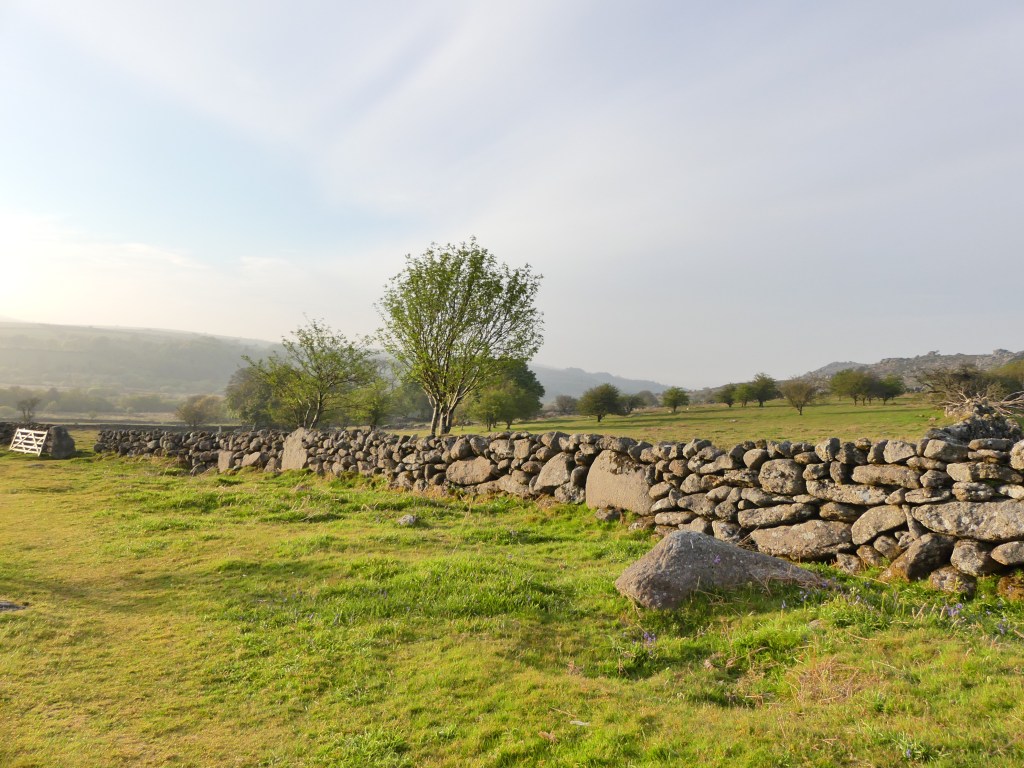
Spring at Emsworthy Mire was exactly how I remembered it, bringing on a wave of younger nostalgia; crisp wind, stone wall snaked valley and parachuting Meadow Pipits wherever you looked. Following one plunge into the heather, was as exhilarating for me as it must be for him, so small, yet powerfully prepared against the air it plummets into. There’s always at least something here to take joy in and experience, whether its attempting to prevent yourself from toppling in the wind, or vaulting walls and fences, in search of new lands.
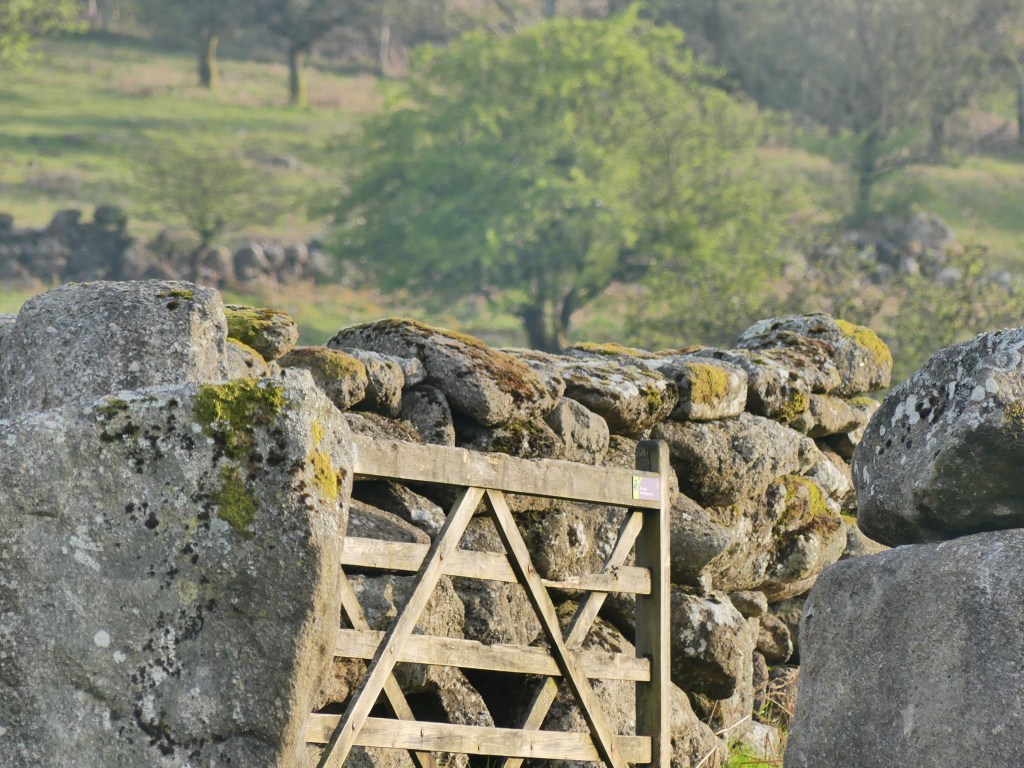
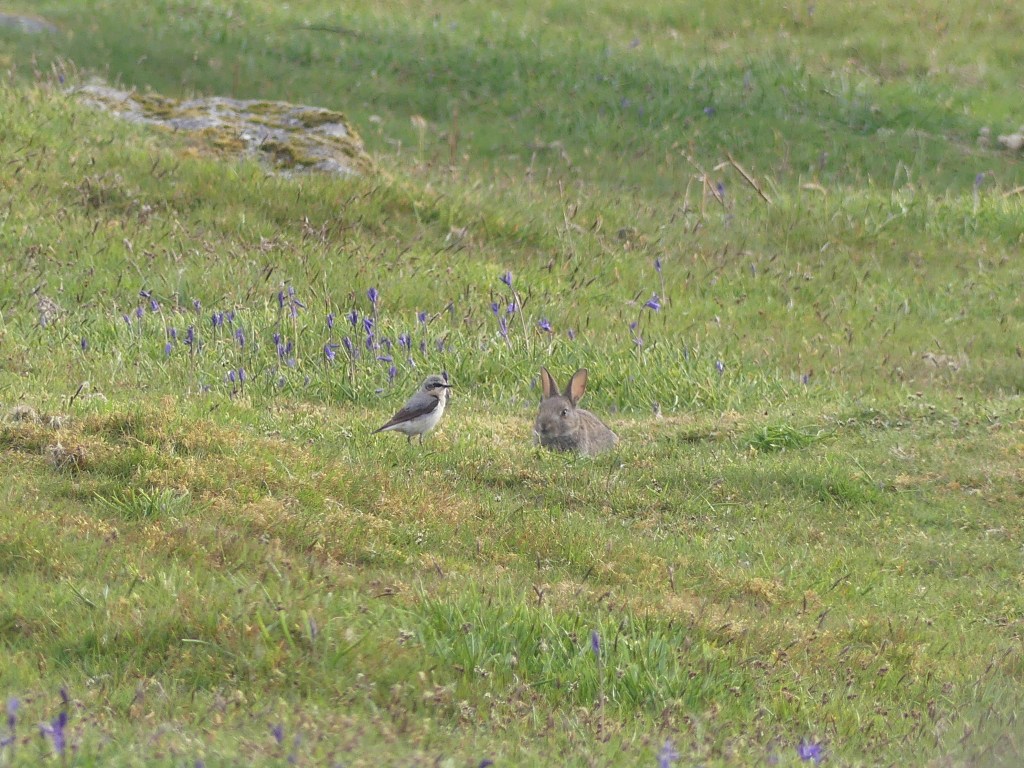
Abruptly, I came out of my trance. A Wheatear, grey and proud, stood on a flatly curving granite rock, one of Dartmoor’s famed traits. Just paces away from it, a pair of ears stamped in children’s folklore emerged from behind a tussock, fluffily brown and long. I looked away for a moment, and continued the steep stroll down towards the wooden barred gate. When I looked back again for another peek, the Wheatear had chosen to position itself directly in front of the rabbit’s curious nose. It seemed an unlikely occurrence, and since both creatures seemed lazily oblivious (or was it accepting?) of each other, it seemed fitting to begin that Wednesday evening.
But I was again pulled away from an unnoticed spectacle, by the call of a countryside icon. Left to the ages through the pages of legends, the intriguing call flew high on the wind, its amplitude signalling its close location. Slightly eerie in the relative mist of that night, but welcoming enough to attract me almost magnetically across the moor. The second gate would, to my every frustration, not open (or perhaps it was my slight weakness), so I clambered over it in desperate excitement, and sprinted as fast as I could, due to the weight of camera and binoculars, down the hill until I bumped into a collection of shapes that I deemed to be my family.
And there, just 10 paces away, was the hallowed bird, grey and dignifiedly elongated, as if it knew it was the centre of human attention. Contrasting starkly against the bright green flourishes of boughs laden with new growth, it obligingly flicked its tail to the points of the compass, picturesque above the deep cerulean.
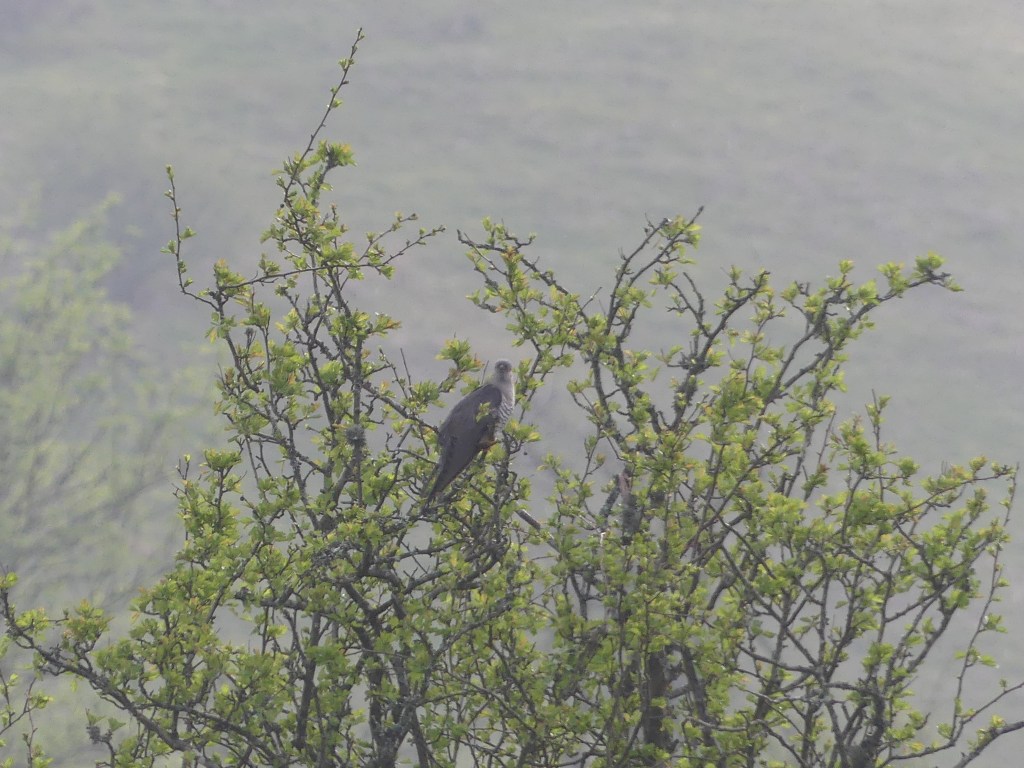
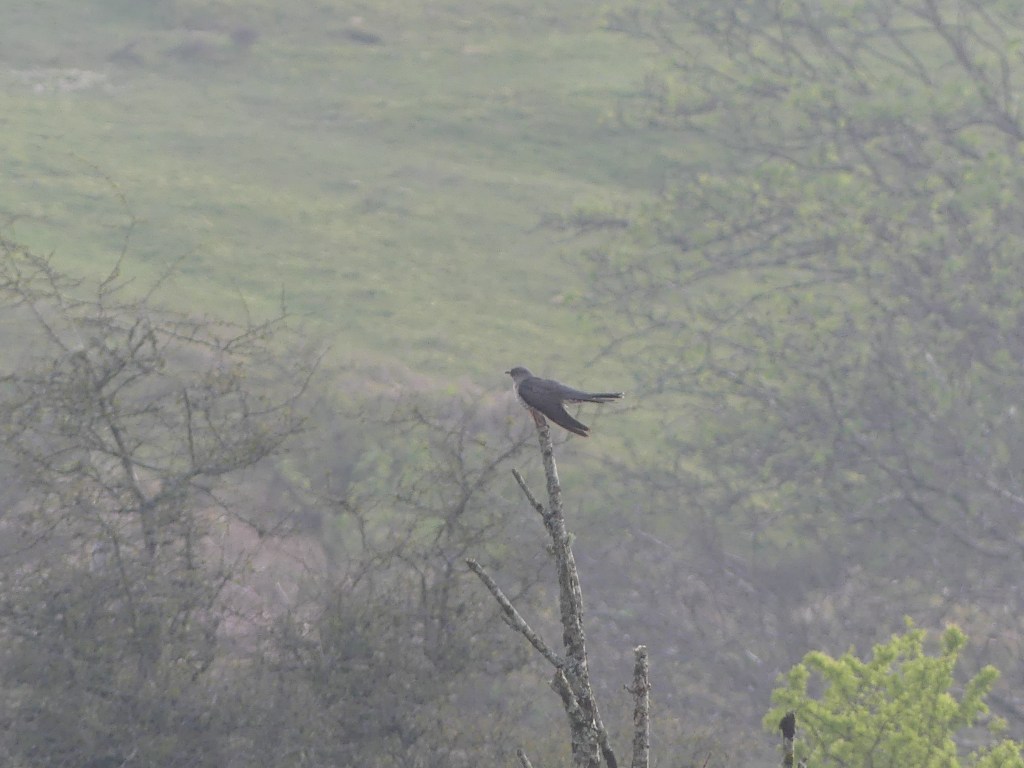
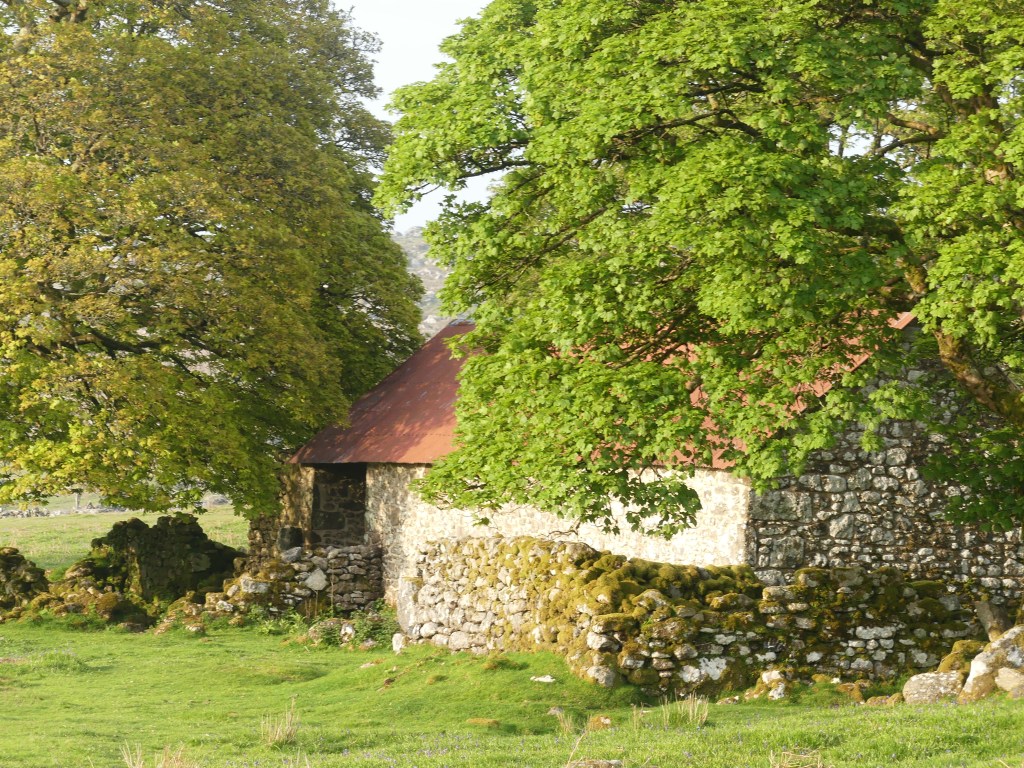
Its call became a chorusing conversation as another bird answered its cries, and it provided an acquired taste of a choir as we walked, cutting across the valley towards the barn, flanked by wisened lime-green trees, and on one side by thoroughly spread nettles.
Which leads me on nicely to the groundbreaking new research on female Cuckoo’s, and their productivity in egg dropping. Two morphs of Cuckoo exist (plumages, colours); a grey one, reminiscent of a Sparrowhawk (if you do see a Cuckoo in flight, its easy to see the similarities. At a distance, its also easy to mistake for a pigeon); and a rufous brown one, speckled and rather unremarkable. Studies show that the rarer morph in the area tends to be the more successful, as the host birds gradually become wise to the trick, and more wary of potential smugglers. The grey morph has the added bonus of looking like a predator, a sparrowhawk, which discourages the host bird from getting too close while the Cuckoo is around. But generally, the former is true; whichever morph is rarer, grey or brown, fares better within that area. Thank you to Sue Williams of the BWWC for getting me on to this quite brilliant research. Take a look at the article here.
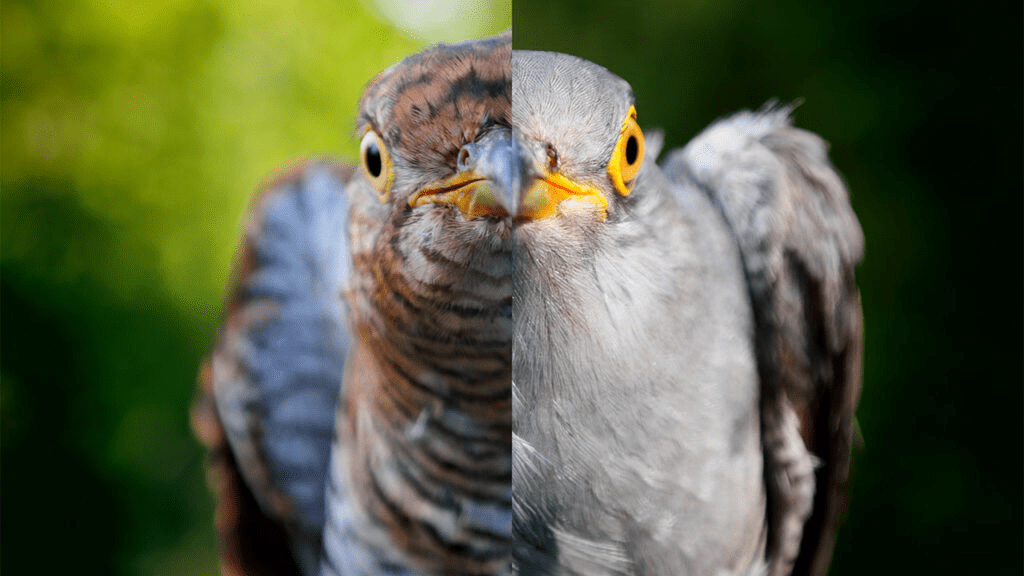
It really seems amazing that evolution can create this seesaw, back and forth between populations that thrive and might eventually struggle. Imagine an entire population of the males and females of the grey morph. The population is thriving, but the host birds are slowly evolving to recognise this troublesome species. One day, along comes a bird of the rufous brown morph; suddenly, the hosts are caught unaware and over many generations, the browns begin to outnumber the greys through their sly success. But soon the population becomes all brown, and its success begins to work against it. The host birds again become wise to this morph. Along comes a grey morph bird, and the whole process begins again. Its almost like evolution works against the Cuckoo, trapping it in this pendulum that swings over centuries.
Abruptly, the Cuckoo call was interrupted by the bubble of a bird clinging on by a thread here on Dartmoor. The upland breeding birds have plummeted in population here, from Dunlin to Dotterel, Golden Plover and Pied Flycatcher. We even once had Black Grouse here, lekking in the dawn air. But it was clearly not to be according to agricultural pressure, and now here we are. Some of the last pairs of Curlew left on Dartmoor, and we were hearing one of those birds right now. A call that should have released so much happiness and curiosity, now brought melancholy shame on the British population for suspending it from the precipice, when just decades ago it was miles away from the edge.
There are of course, projects in place to bring back these once commonplace species, but we have pushed Dartmoor to its utter biodiversity limits, and I am afraid we are about to push the whole national park off the same precipice that the Curlew is desperately clinging to. But there is still time. I feel like I should leave the topic here, but I hope the thought stays in the back of your mind.
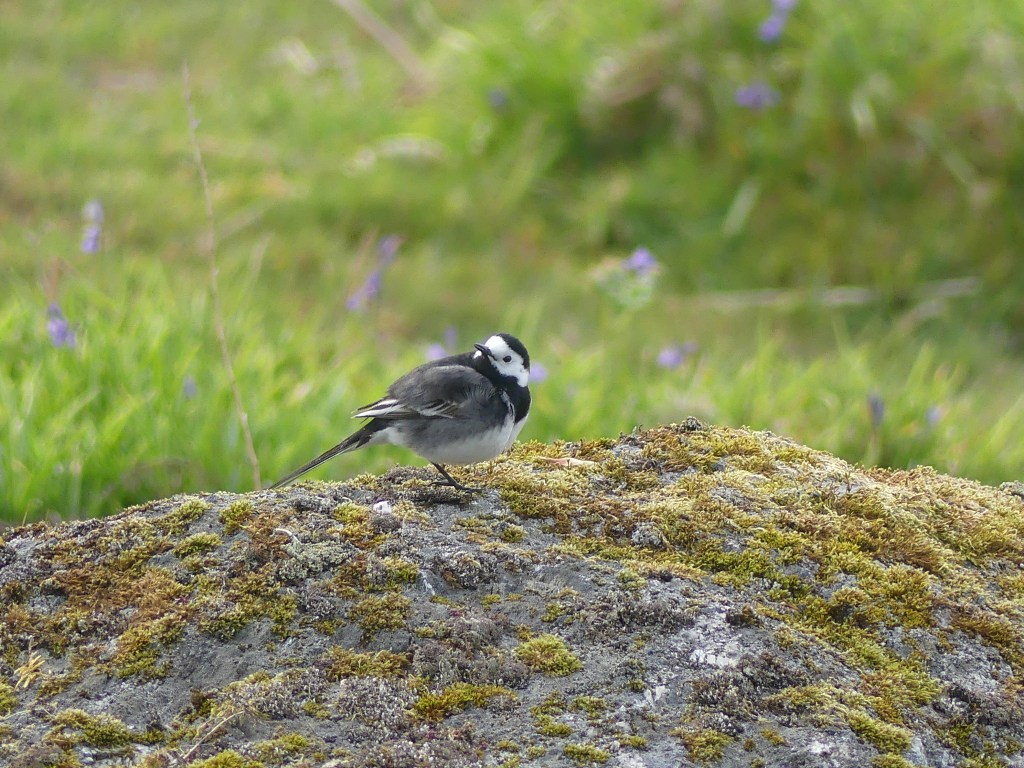
A Pied Wagtail alighted on a rogue stake, rotting underneath. It made the right decision in abandoning this precarious perch, and flicked onto a rock, miraculously holding its tail still (it is a phenomenon I am never likely to witness again, such is its rarity!)! The sunlight caught its back, glinting off the pure black feathers. I’ve recently mused on how black and white birds fare in direct sunlight. If black conducts heat and holds it, while white deflects it, surely it cannot be a pleasant experience? Yet a number of birds use this plumage, from the humble Magpie to the originally named Pied Flycatcher (guess how this bird feeds), so therefore the logical conclusion is that it must have some benefit, or evolution would not allow it.
But the evening amble was to be a brief getaway from our bustling everyday lives, and all too soon it was time to return to school, deadlines and the garden feeders. The same Cuckoo put in a farewell appearance, perhaps forlorn at itself no longer being admired by an enthralled human audience. Emsworthy that night was serene, picturesque and flawlessly perfect, with its valley of stone fields in essence with what people think of Dartmoor as. The reality is often quite different, but tonight it fit the bill perfectly.