
Today I am going to review labrador bay from my perspective. The RSPB reserve was purchased to help the rare cirl bunting. This is the closest RSPB reserve to my home so it is quite special. Address: RSPB labrador bay, Teignmouth road, Shaldon, torquay, TQ1 4TP.
The car park is quite small and is on a steep cliff. There are some steps that lead to a sign and a gate. When you go through this gate, you have a wonderful view out over the bay and you can sometimes see dolphins here. Then you can take 2 ways. You can go down the steep slope and head along the path there or you can go left.
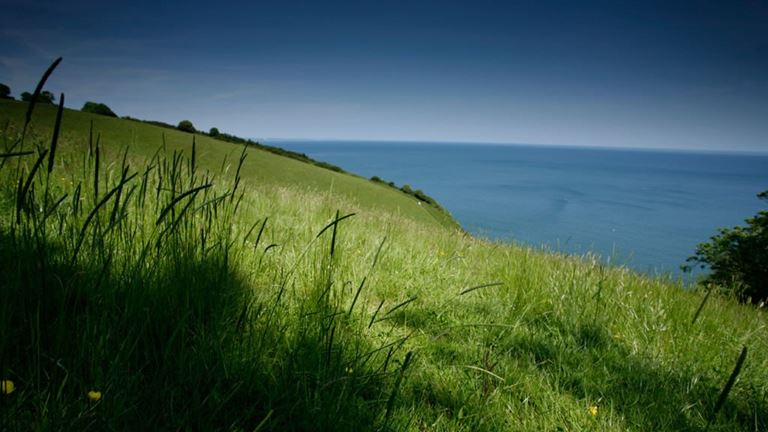
I would suggest going left. As you walk along the grass, you’ll notice a tree that really stands out in the landscape. This was where we saw a flock of birds fly over and assumed they were cirl buntings. Carry on and you will come across another really steep hill and you do not want to go near the edge as there are no barriers to protect you from falling. Stick to the path and you should be fine. It isn’t surprising because the south west coast path joins the reserve.
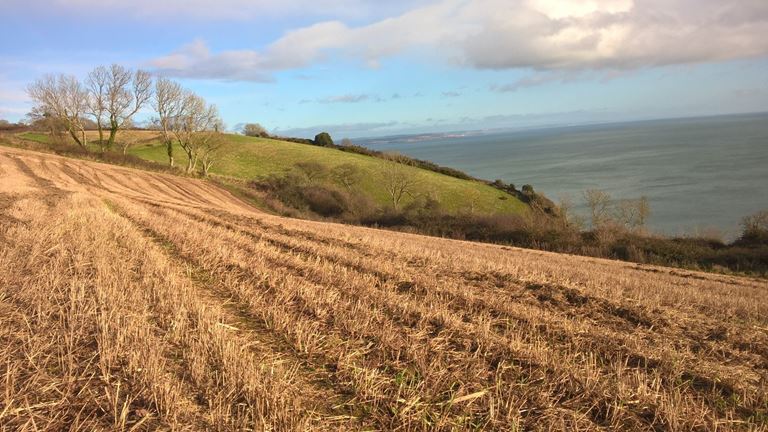
If you carry on from here, you will leave the reserve for a bit but will rejoin it again soon enough. This path leads through a forest area with a steep hill on one side and a wire fence on the other. This path gets a bit steep as you carry on and it will get steeper. This is where you rejoin the reserve. Head up the steps and it will take you to the clifftop.
You can’t see the bay because of the trees in the way but don’t go running close trying to see the bay as you could easily fall and the edge of the cliff can be loose. Carry on through here and you will eventually come to another field. If you go through this field, you’ll reach the first place with the view of the bay and you’ll be right by the car park.
Sightings
- Cirl bunting
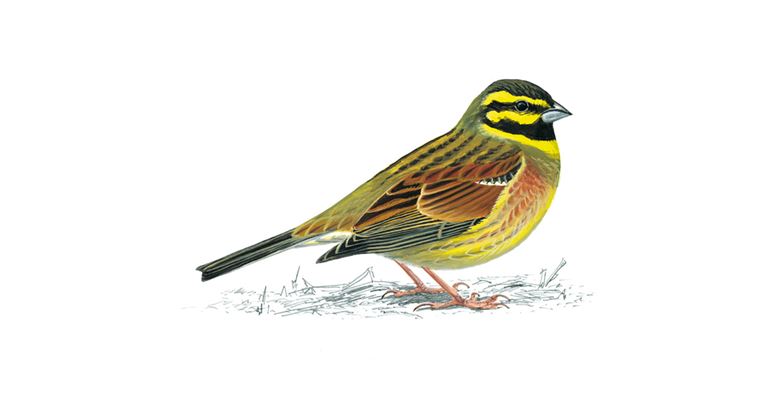
Once a common bird of farmland across southern England, the cirl bunting was almost lost from the UK in the 20th century. Now restricted to the coast of south devon, the cirl bunting is a wonderful bird though the female can be mistaken for a yellowhammer.
2. Velvet scoter
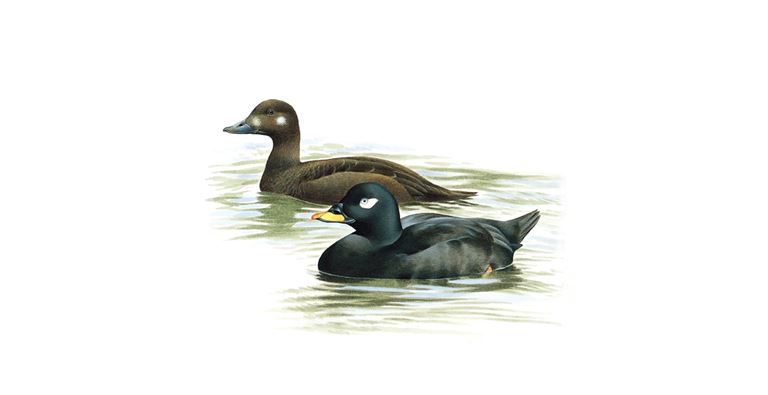
The velvet scoter is a scarce sea duck that is mainly a winter visitor though single birds may be spotted in summer. They are usually well offshore but sometimes in sheltered bays. Quite a sociable bird, it will joins groups of about 3 other birds.
3. Common scoter
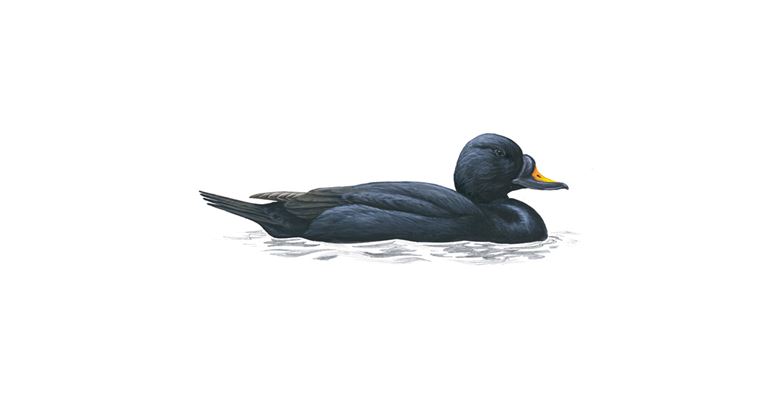
The common scoter is a very rare breeding duck and your best bet is to look offshore in winter. At labrador bay, they are regular visitors in small numbers. Occasionally large flocks.
In a nutshell, I would give labrador bay 4 out of 5 stars. It is a wonderful reserve with a large diversity of species. The reserve is quite steep though and when I visited, I found it quite hard with the steep bits and it took ages to get up them. Also, the weather can change very quickly and I am not just saying this. When I tried to visit a second time, we were driving and could see the reserve. It was bright and sunny but when we got there, it started crashing down with rain and everything backfired. There is as much going on out in the bay as on land so this reserve fits both birdwatching types.
 The Bovey Birder