
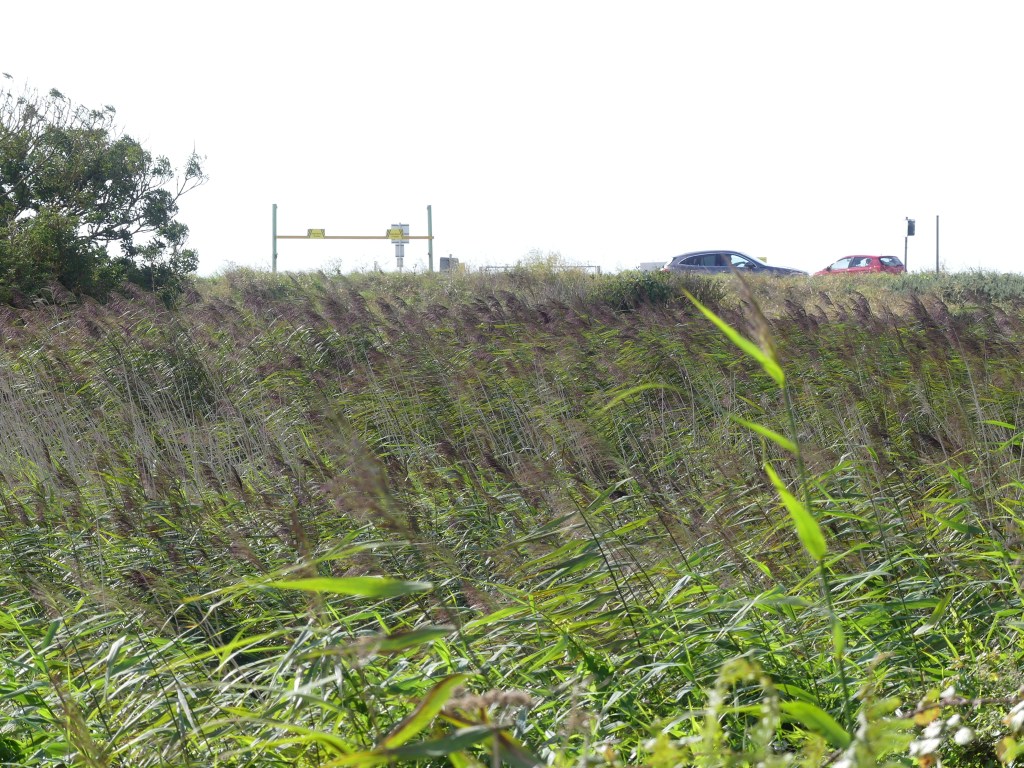
We came to a small gravel car park, hugging the hedge. It could barely fit four vehicles, but we had arrived early so it did not matter. The sea sparkled on the near horizon, framed by the sky and the hilly fields. We walked onto the path and were met by local wildlife photographer Rowena Mynott, who would be running the workshop. She explained that we were the first to arrive, and head down the path to a shelter to wait. Under the corrugated iron roof of the wooden shelter, we sat on the bench and waited, while reading the signs that lined the walls, explaining about what you could expect to see here during the year. I also took a couple of photographs while waiting, just to check my settings were okay.
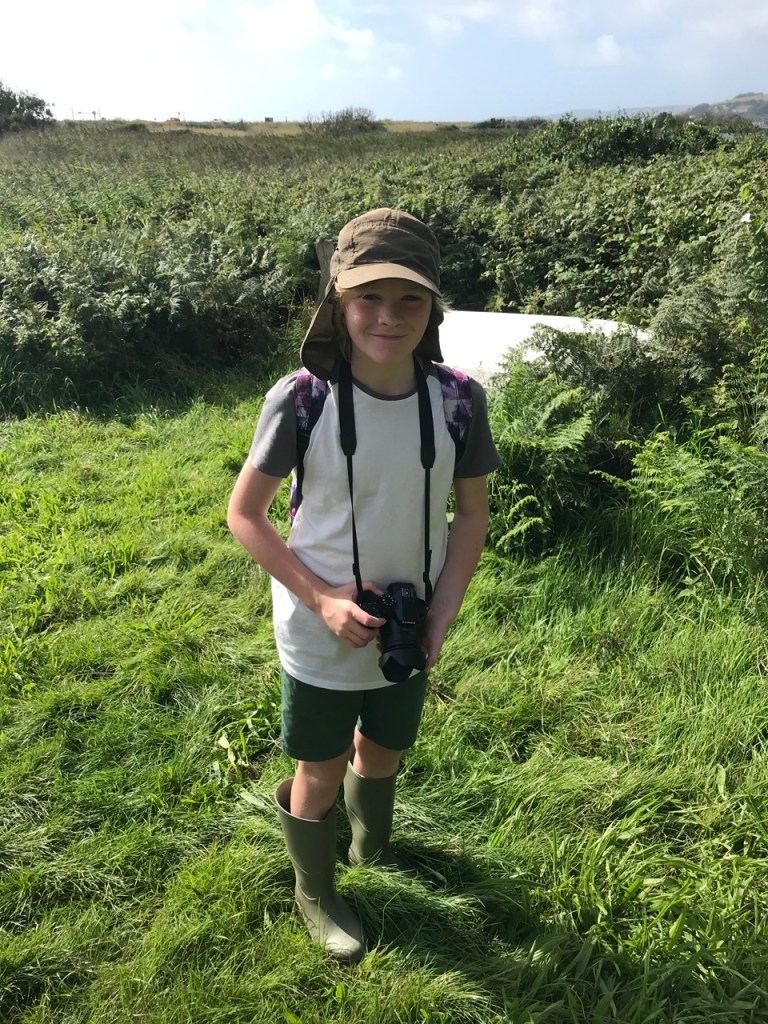
Eventually, everyone (adults and children) arrived and we gathered round Rowena and nature expert Chloe. We were at Slapton Ley NNR (National Nature Reserve) and on World Photography Day, at a Young People’s Photography Workshop. Makes sense. Now, Slapton is a BRILLIANT place for birding or just general wildlife spotting, with its unique habitat of a huge lake right next to the sea, as well as woodland and reedbeds along its banks. Read another post about a previous trip to Slapton at https://theboveybirder.wordpress.com/2021/01/05/slapton-surprise/.
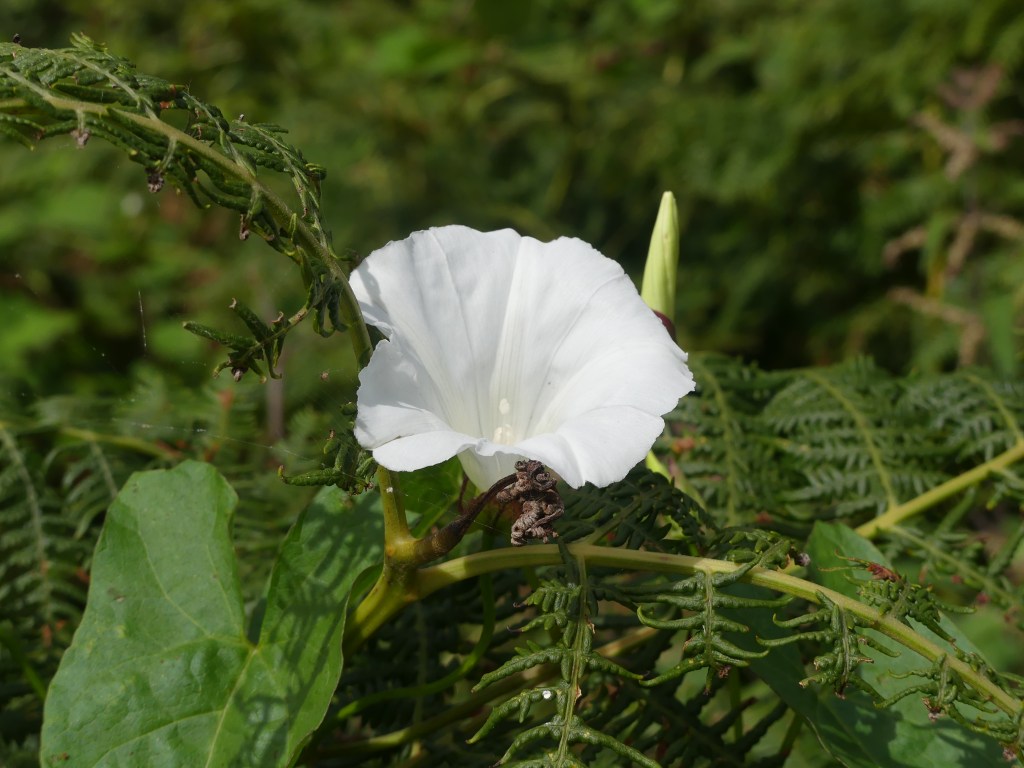
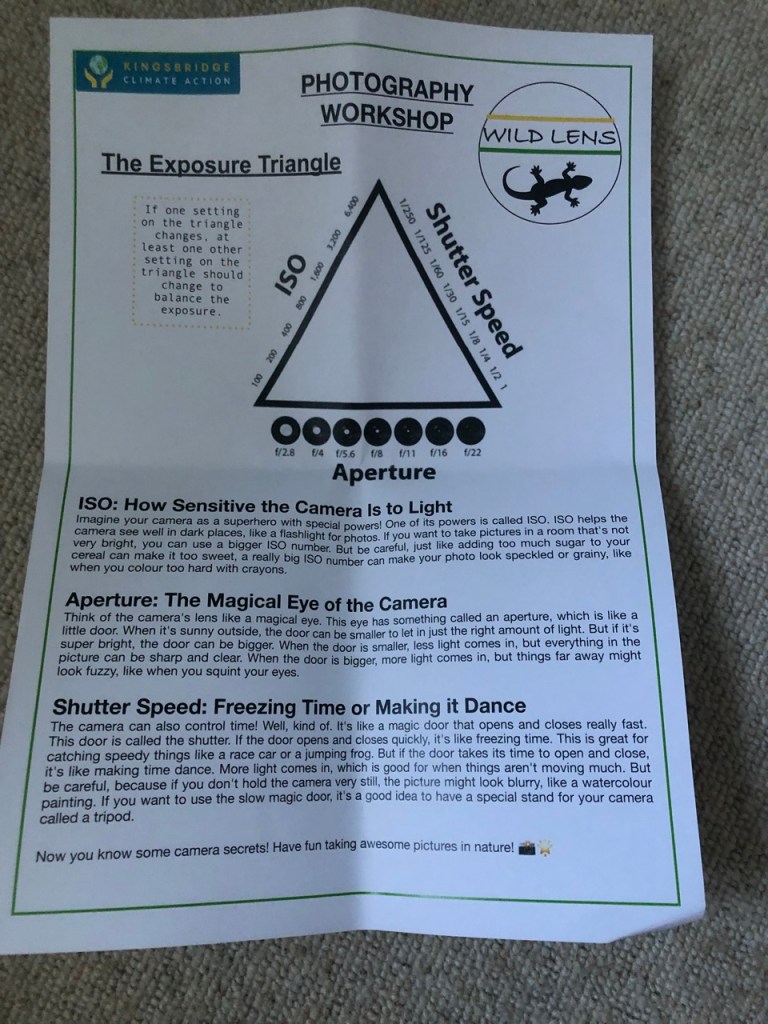
Anyway, this was also a place with some great photo opportunities, and that was why everybody was there. Many people were using phones, but a fair amount had digital cameras as well. To kick off with, Rowena explained about a triangle that was useful to remember in camera settings. The three sides were: ISO, aperture and shutter speed. If you change on of them, you have to change all of them to fit those conditions. They also announced the many possibilities of photographs out in nature, not to look for just wildlife, but textures of tree bark maybe, or a flower in an interesting location.
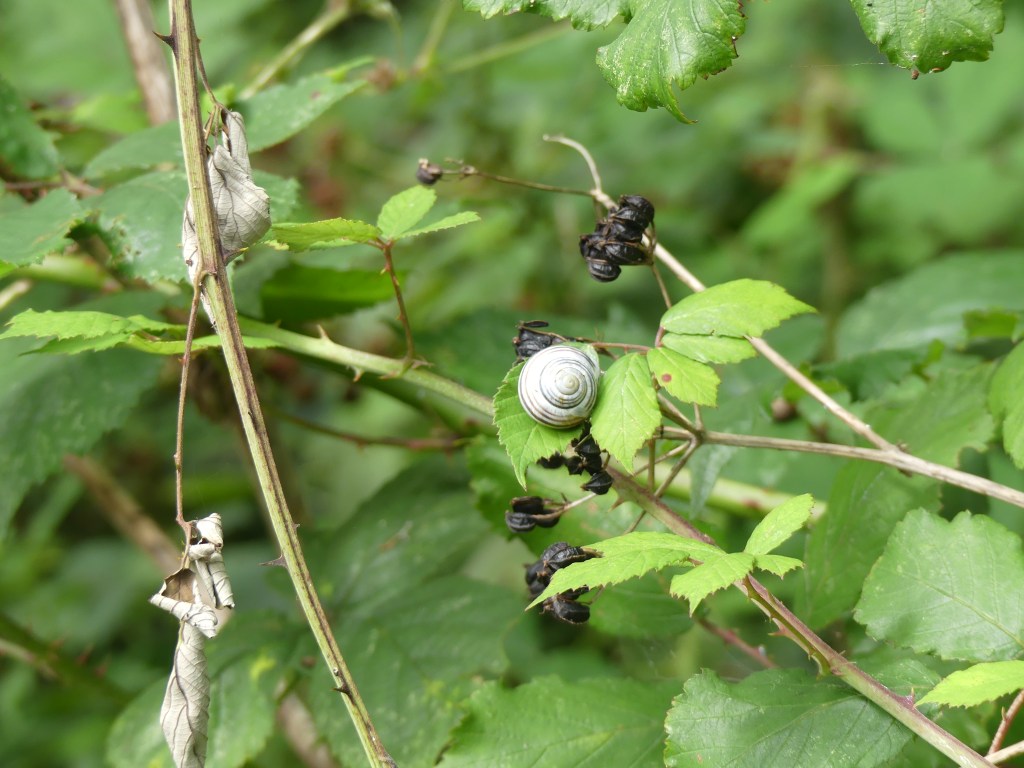
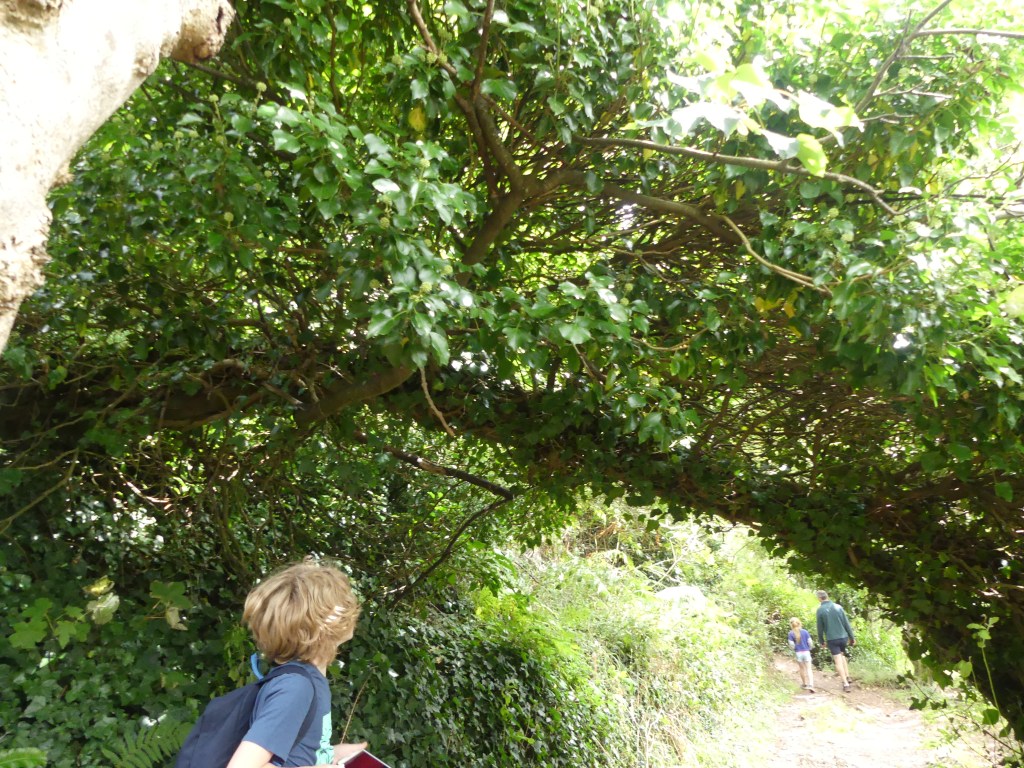
And so we began, walking along with the lake on our left, into the woods Along the way there were many stoppages, as others paused to snap a shot of a snail, or a particular lichen. Many photos were taken to start off with, and some great finds were found as well. Flowers, trees, even nettles were all captured at intriguing angles, that made them more interesting to the human eye.
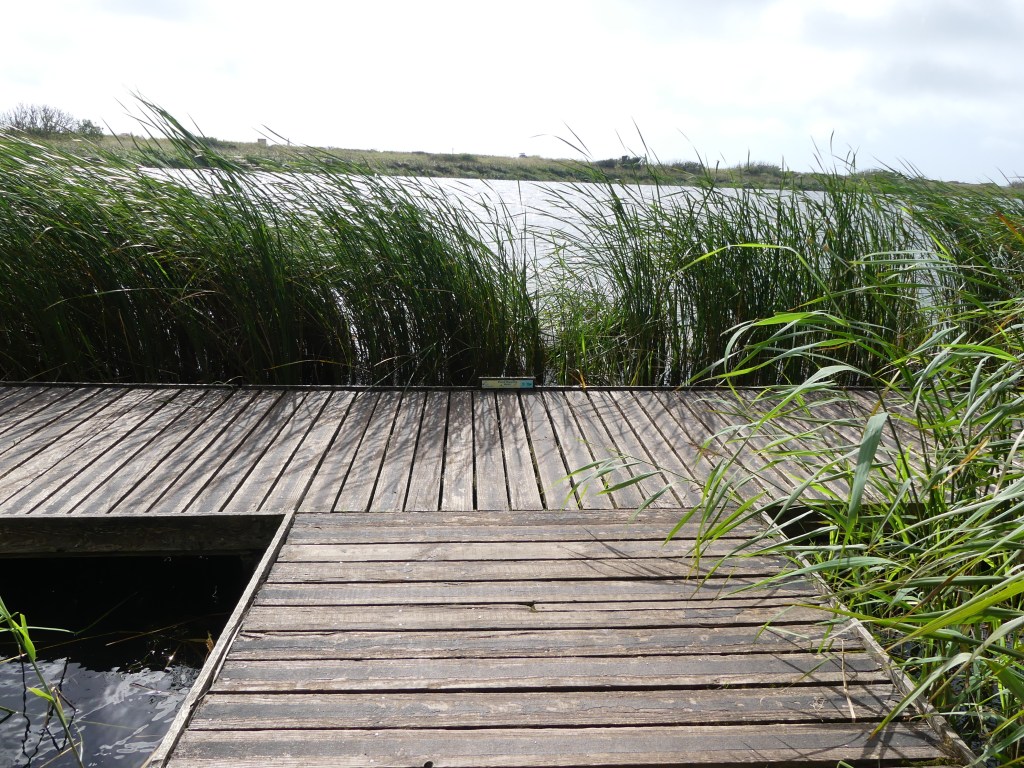
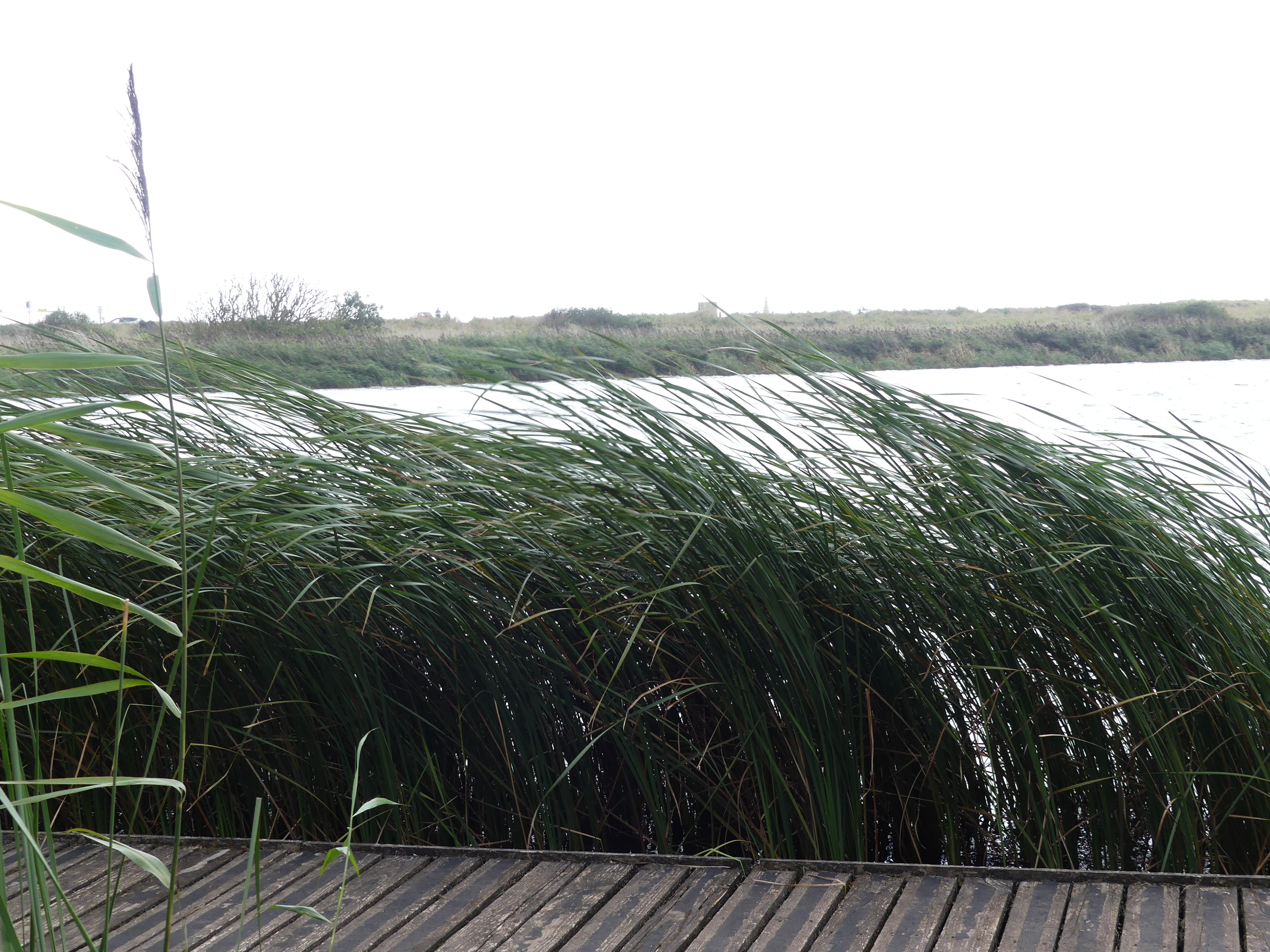
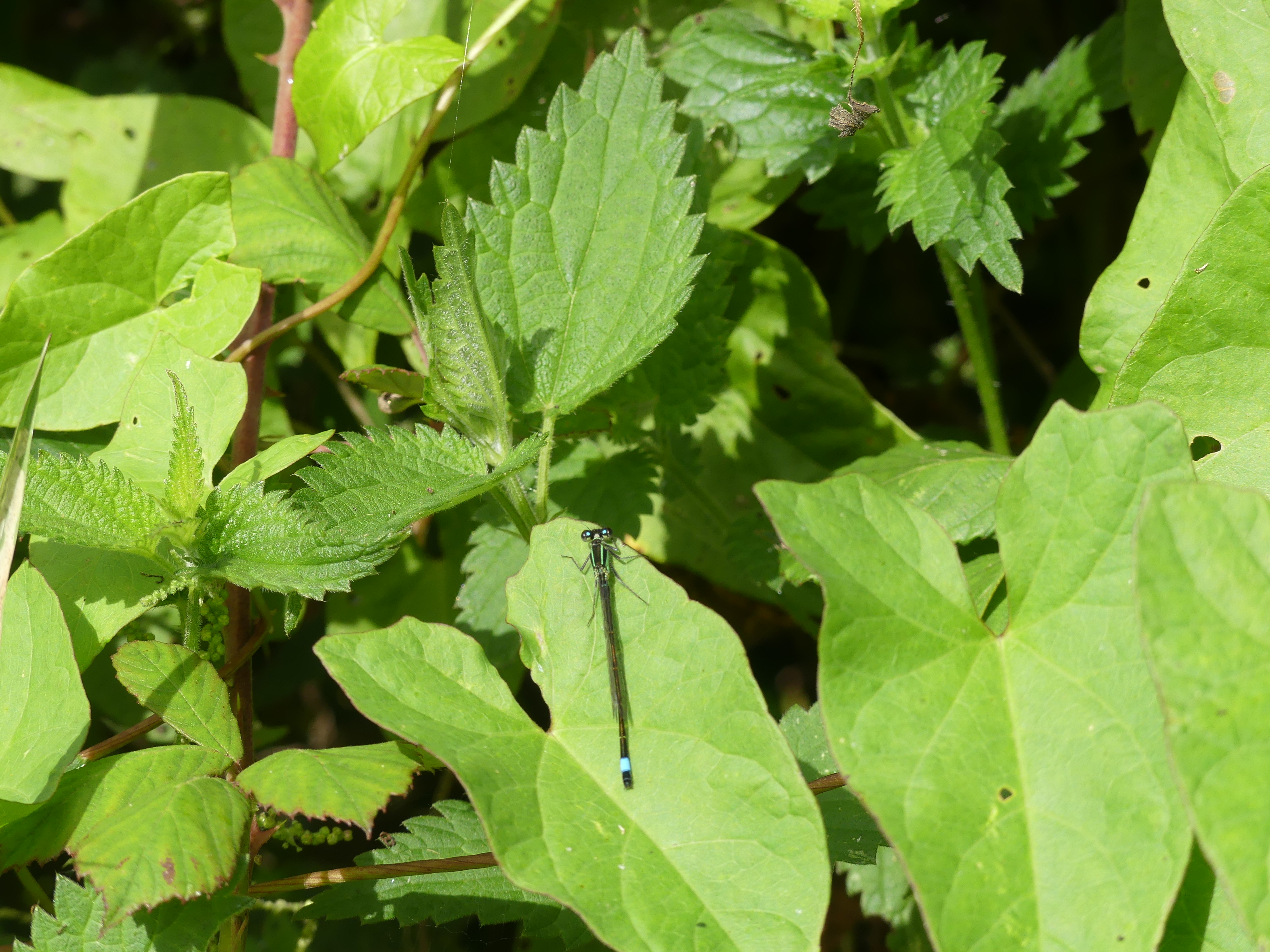
We came to a boardwalk that extended into the reeds and onto the lake. Damselflies and Dragonflies seemed everywhere here, and the reeds being shoved forcefully by the wind made for a perfect backdrop. Rowena explained that the boardwalk was a perfect example of lead-in lines, an interesting kind of photograph. The lines of a path, or a stream, make your eyes follow the path to the end, where there might be something interesting.
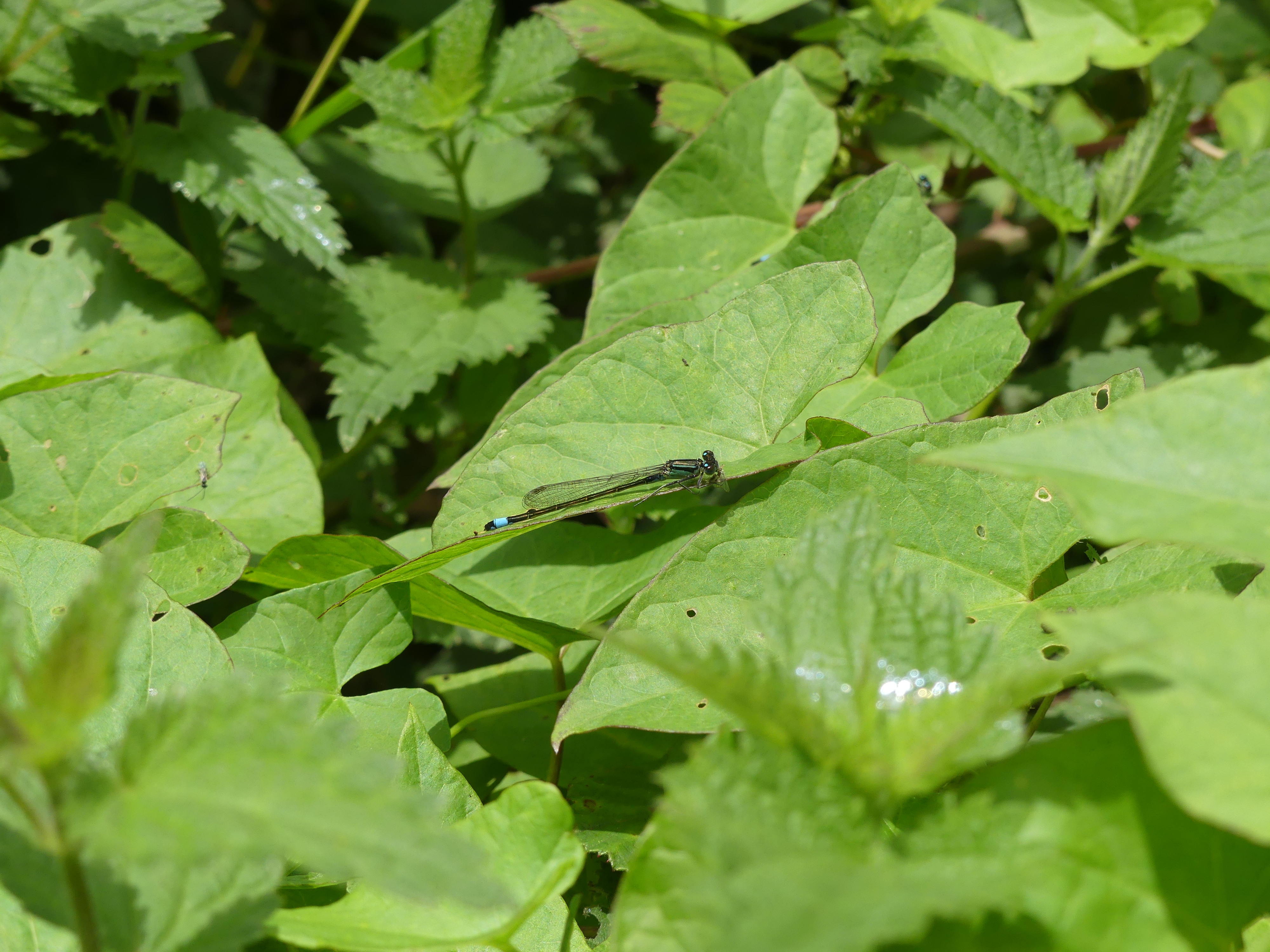
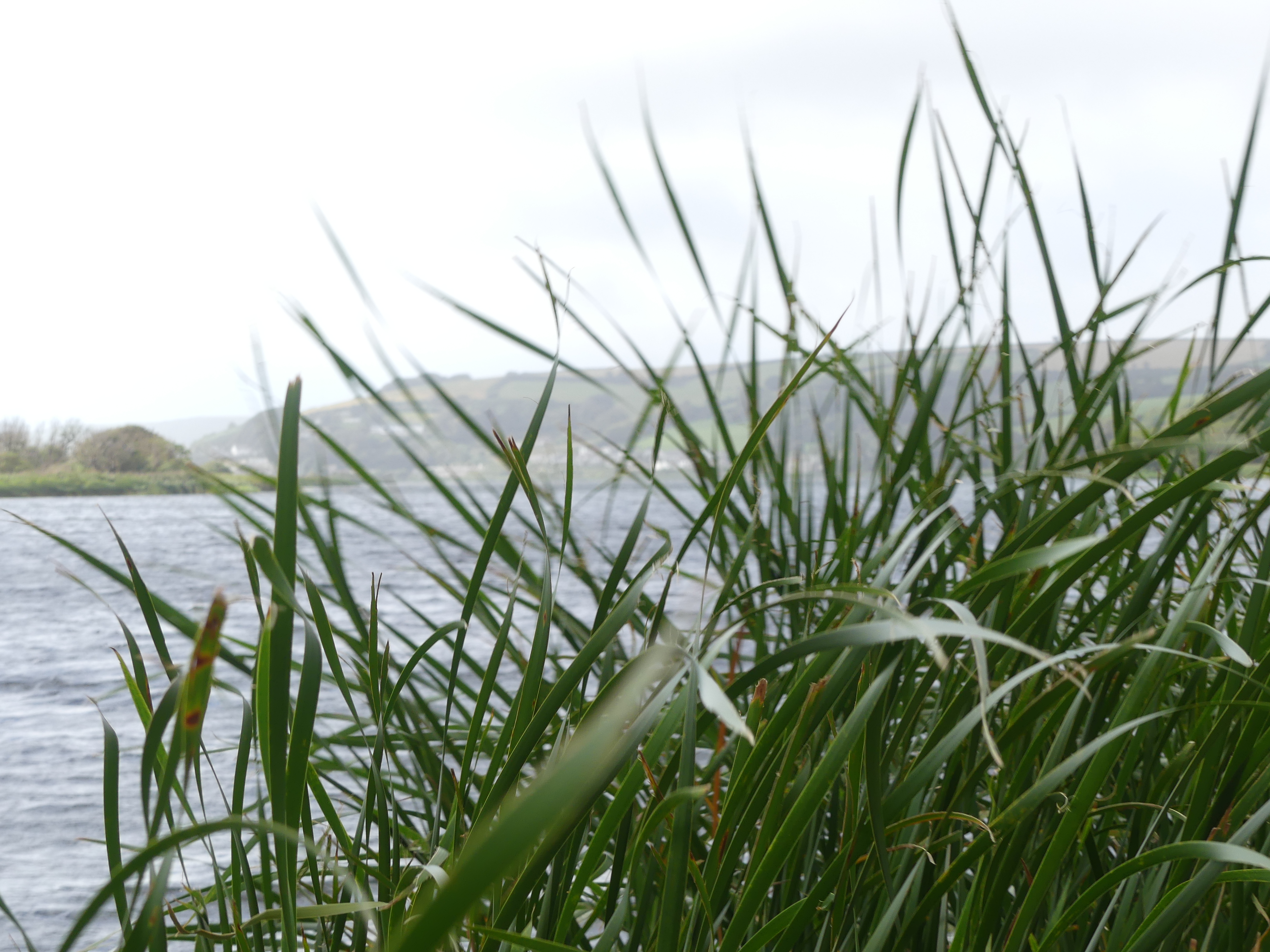
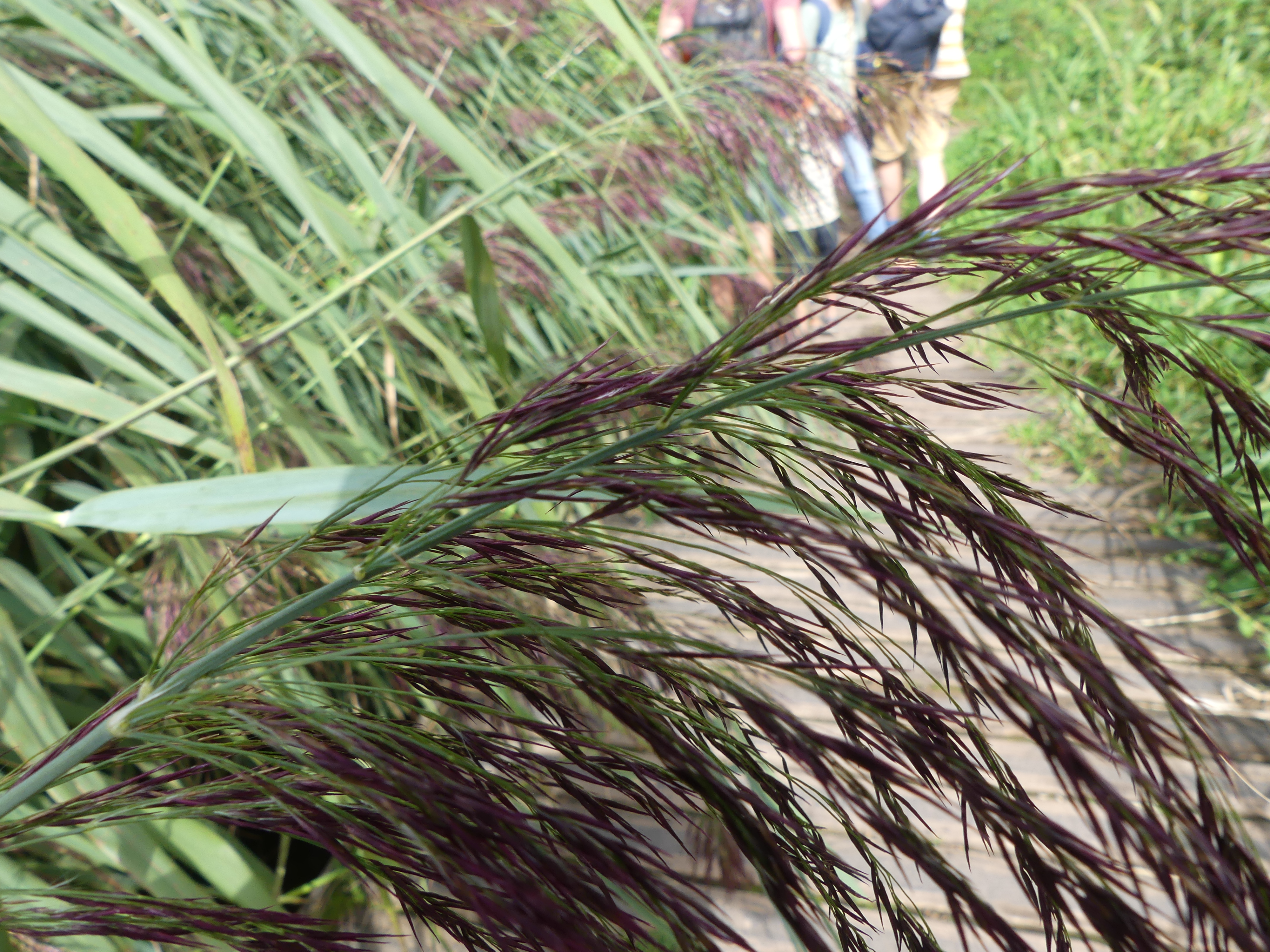
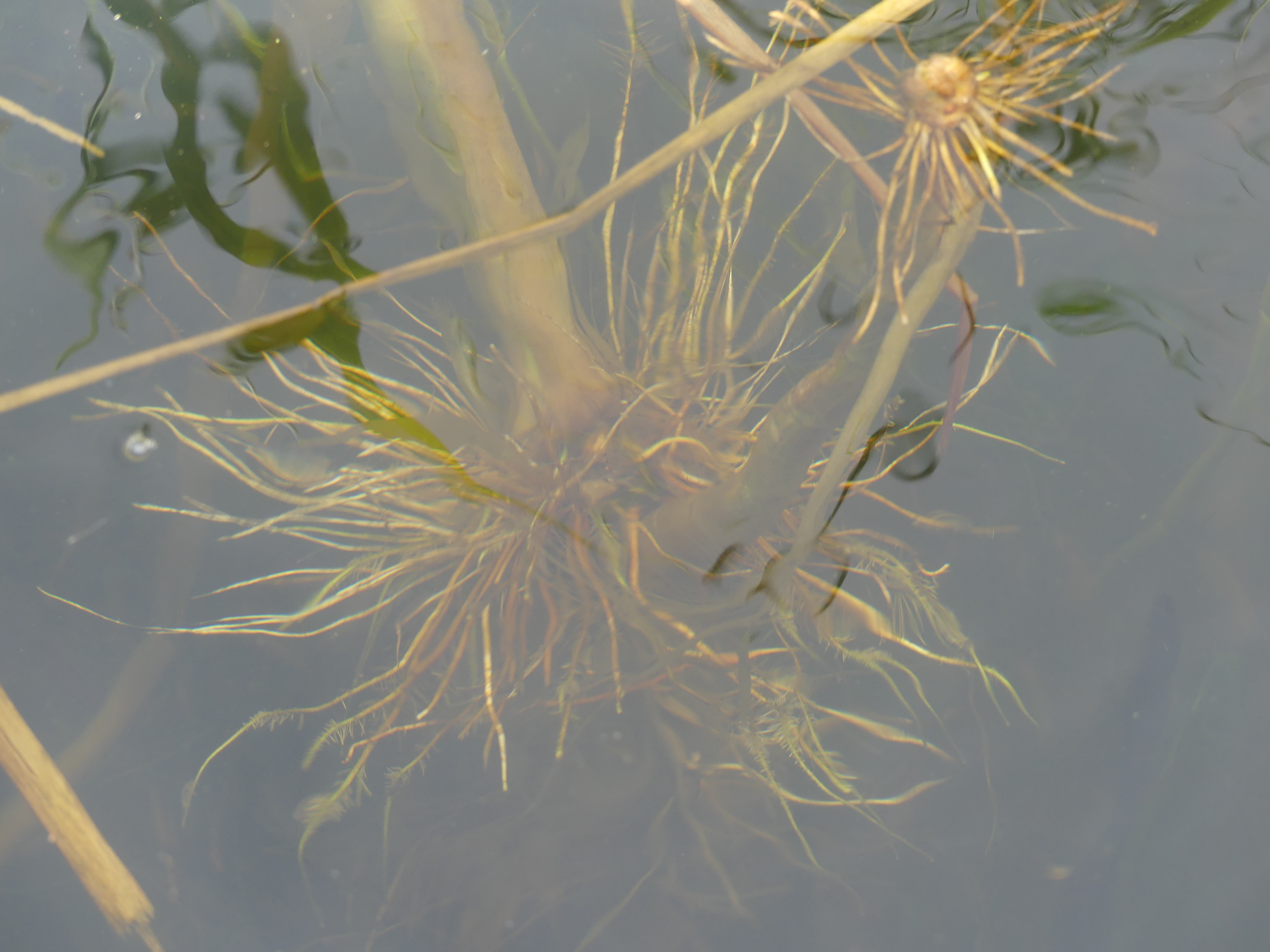
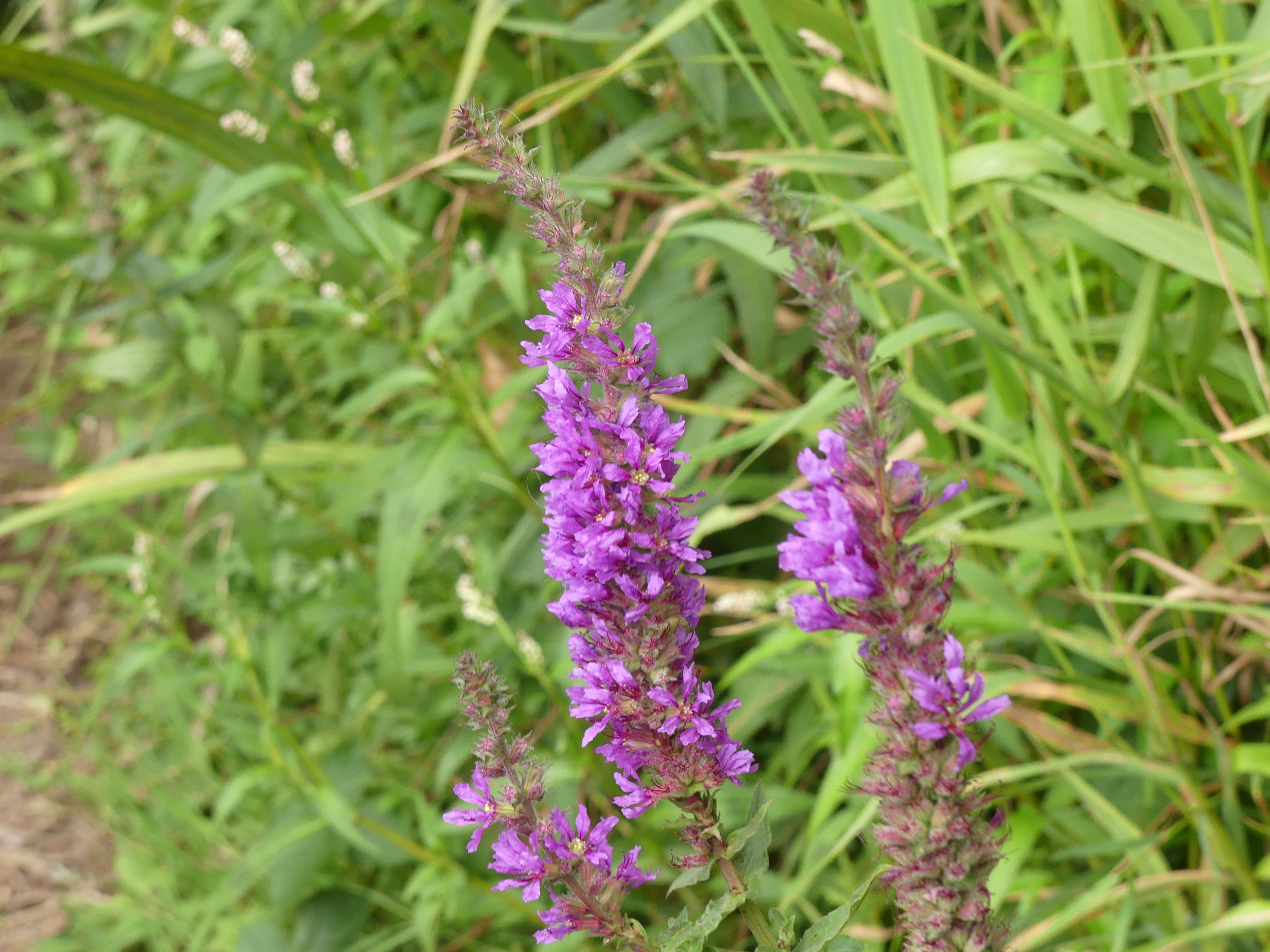
We came down to the banks of the lake and continued on. A swan posed gracefully out on the rather choppy water, and inclined its head towards us in a seemingly approving gesture. A Cormorant also swam about in the centre of the lake, but proved elusive for my shutter. There were many tall, pink flowers around here, swaying in the wind. They made good subjects, but you had to hold them still!
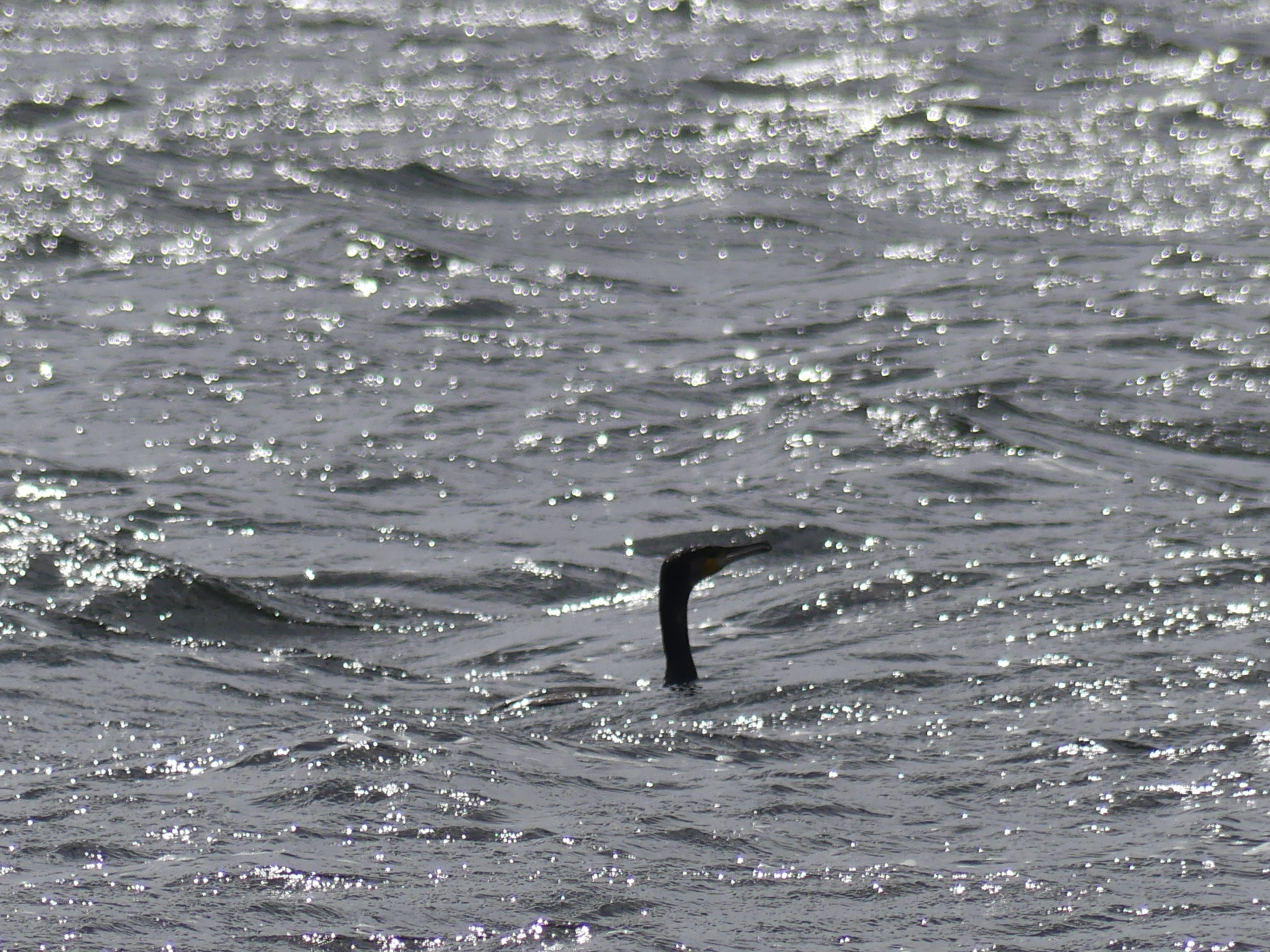
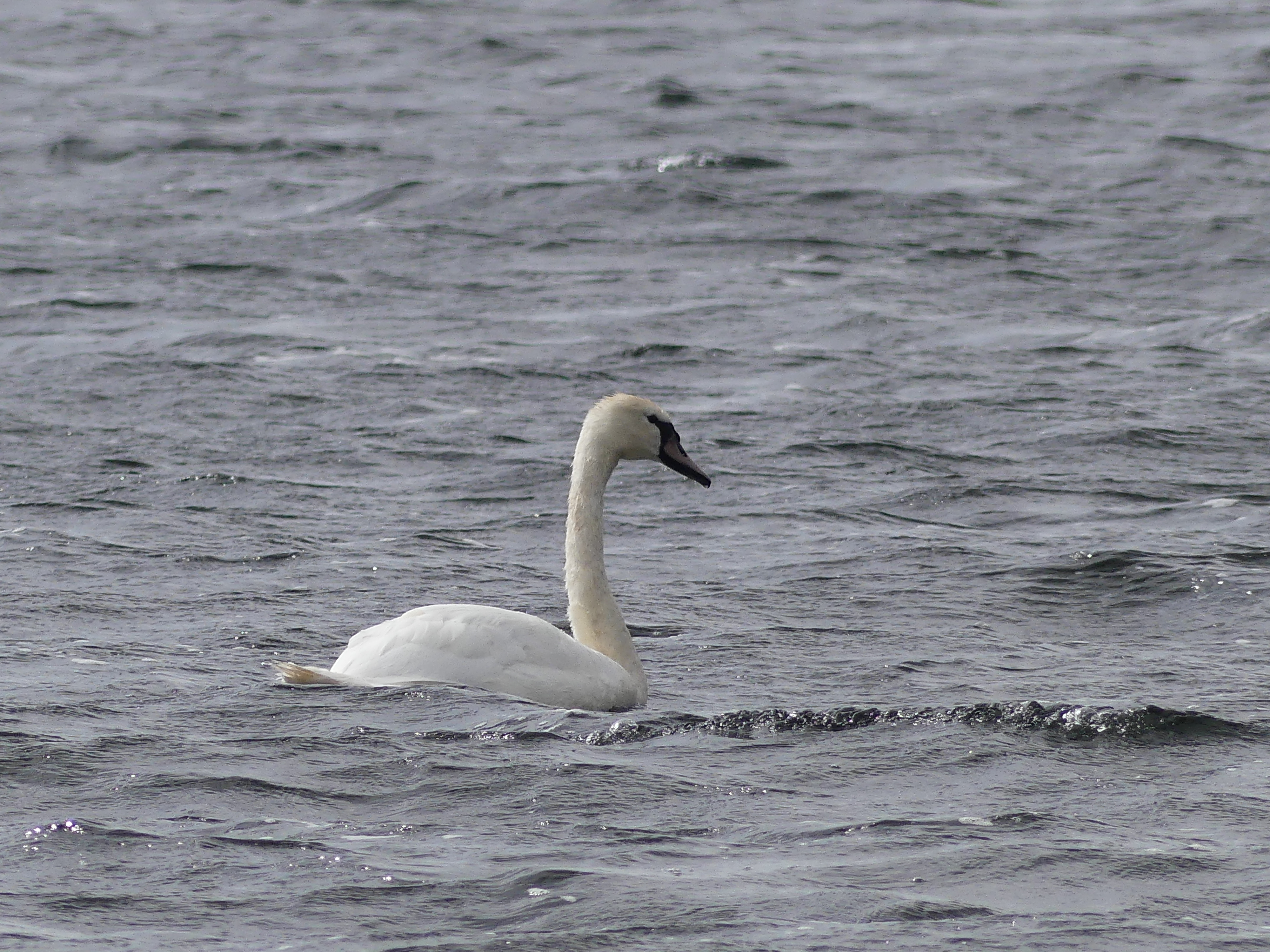
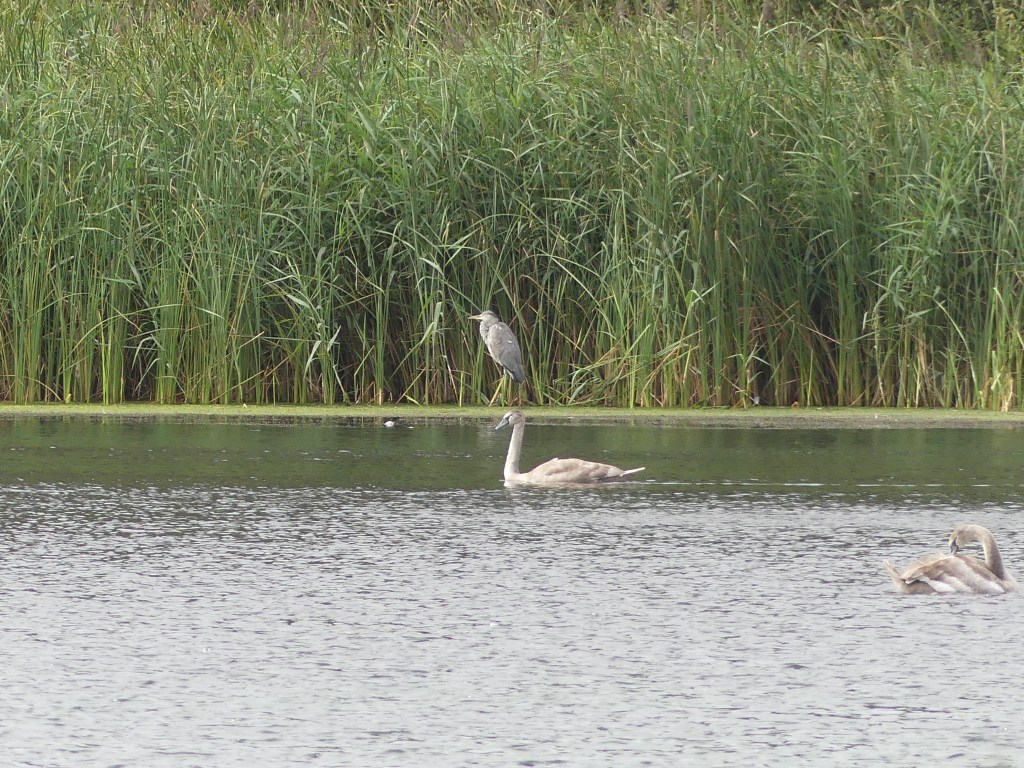
After a short stretch, we headed further on and came to a carved wooden viewpoint complete with engraved wooden benches. Now, everybody was absolutely focused on what was out on the lake, and began clicking the shutter button fairly quickly. Out on the lake was a large group of gulls, comprising Greater Black Backed Gulls, Herring Gulls, Lesser Black-Backed Gulls and a single Common Gull. There were more Mute Swans here too, with about seven, some of them seemingly first-year birds, paddling about the water adjacent to the reeds. A Great Crested Grebe granted us brief and distant views, but a view nevertheless, and you can’t help but love a Great Crested Grebe. This proved the perfect foreground for a coiled Grey Heron, crouching in the reeds and surveying his fishing grounds. It was a younger bird, and seemed to be sheltering against the wind.
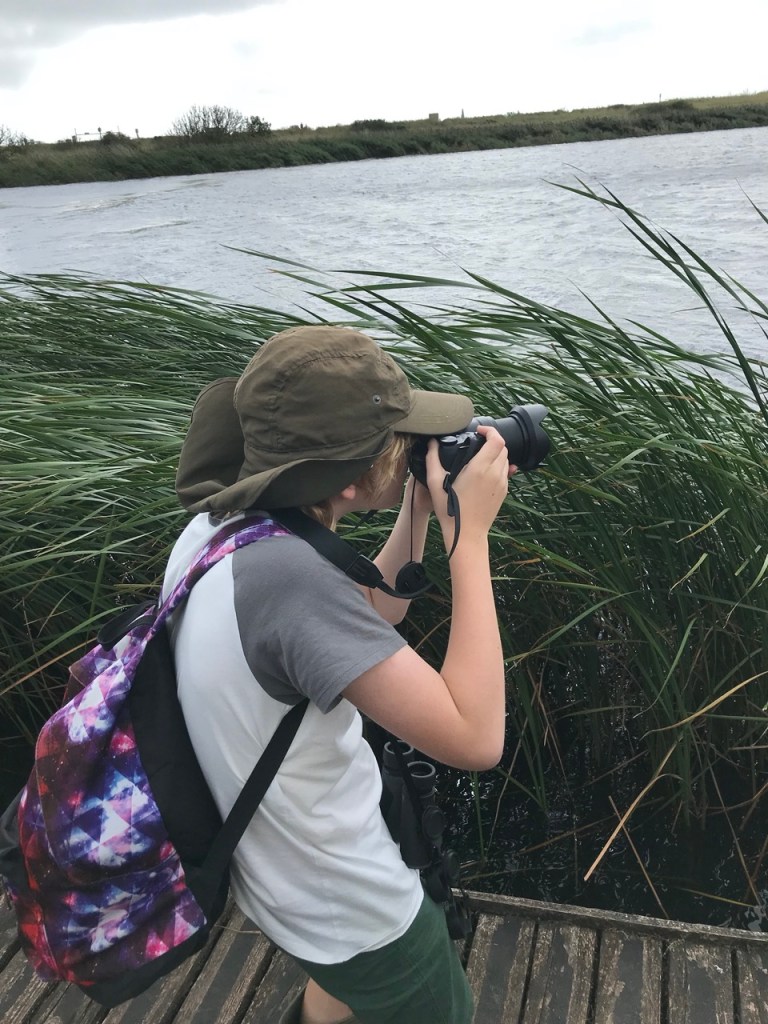
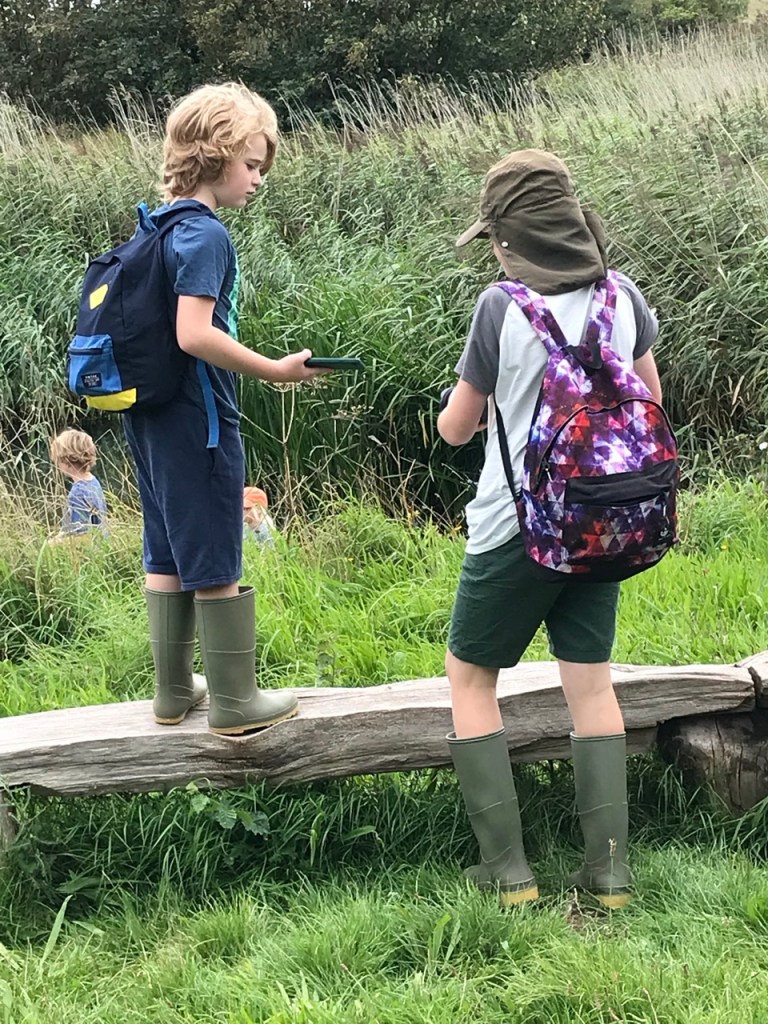
The path took us away from the lake now and further into the woodland, and also alongside a marshy meadow, which looked sublime for a number of species. We sat down in a grassy clearing and everybody started taking out food they had brought with them and having a quick munch before we headed up to the final stop before we turned back, a bird hide with the back wall non-existent, facing the meadows. The view was partly obscured by tree boughs knocked askew, but there was nothing out there to be seen. As time had worn on faster than expected, we turned back here instead of completing the full circuit and began the trek back to the meeting point.
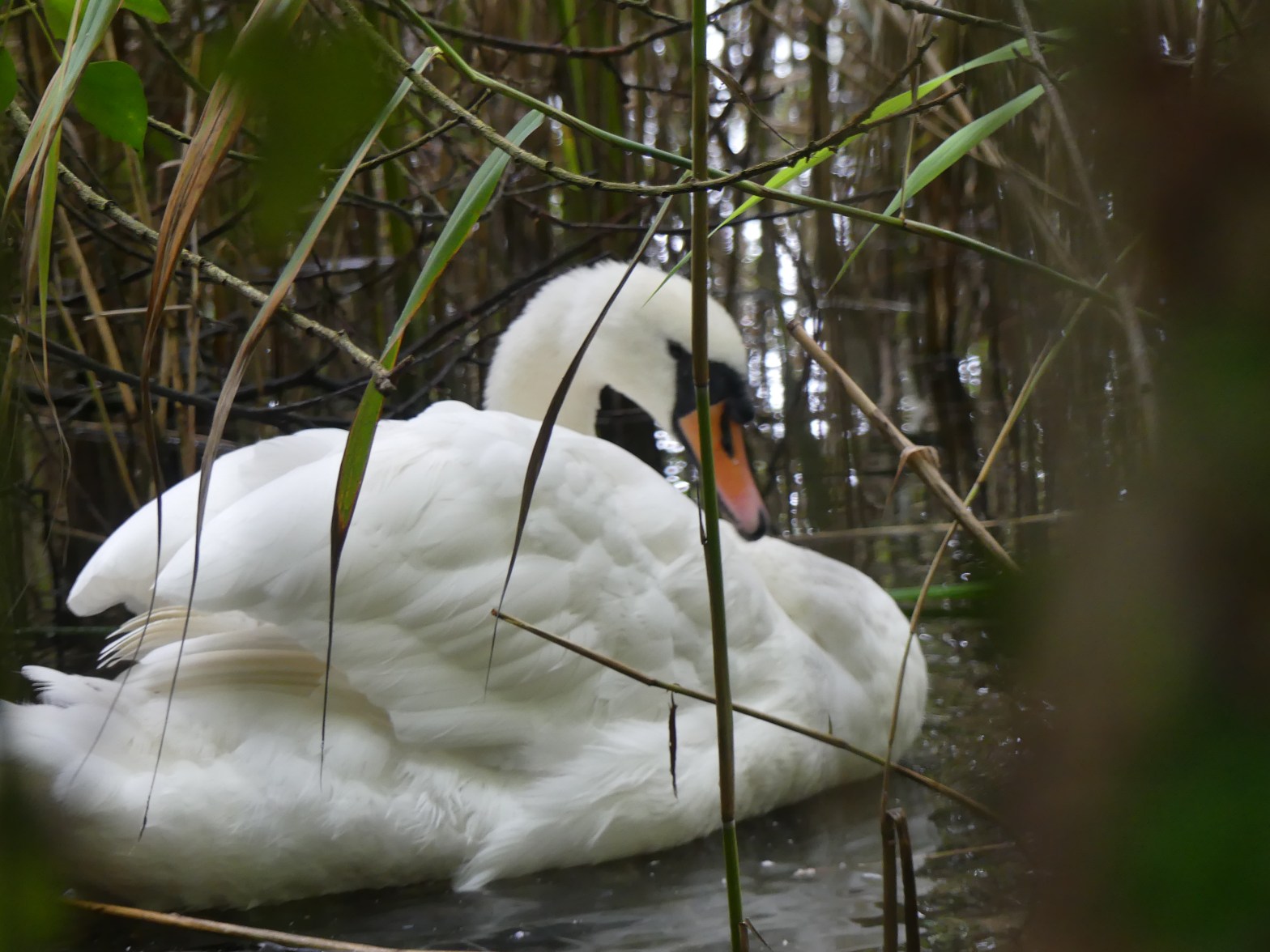
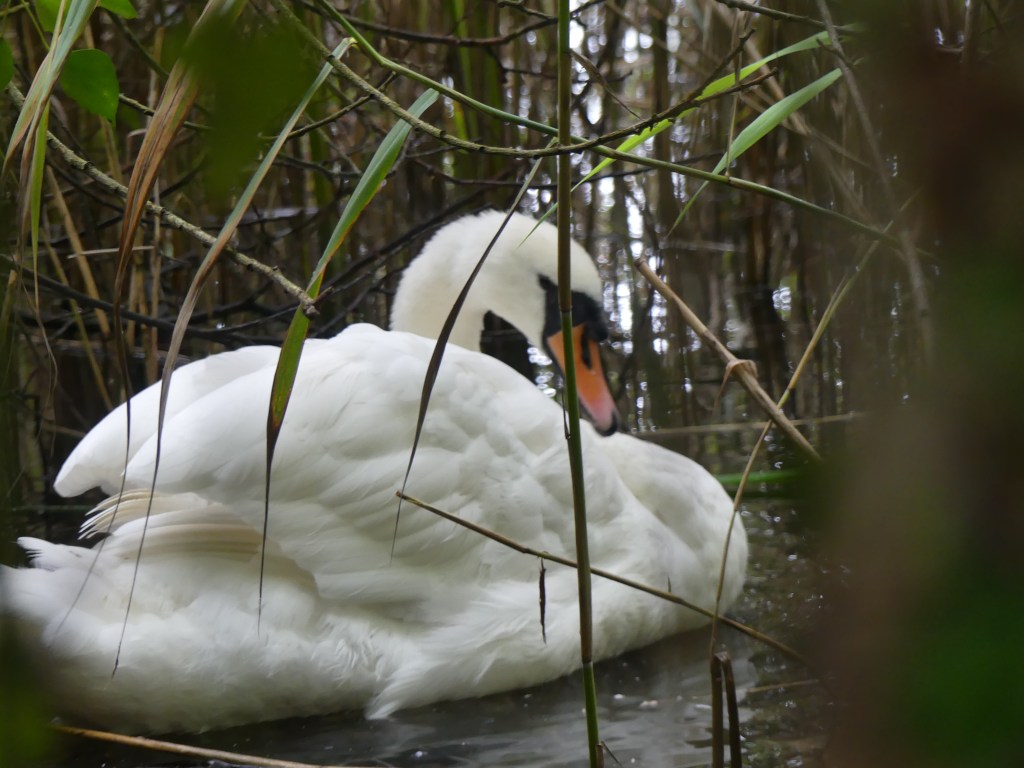
A lot was seen on this somewhat shorter walk back, including a Mute Swan in surprisingly close proximity, which everyone enjoyed photographing. Rowena said that you should imagine a 2×3 grid across your lens, and to place your subject on one of the vertices of that grid, to make for a more interesting photo. The swan photo was probably my personal favourite, as it was almost like it was framed by the trees and reeds. Two Tufted Ducks were spotted out on the lake, along with a Cormorant flying low over the water. Was it the same tricky individual from earlier? You never know, I suppose. A Lizard and Ladybird Larvae were both found in the depths of the cracks of a bench, and then of course, we reached the meeting point.
Closing remarks were exchanged, and everybody thanked Rowena and Chloe for such a brilliant morning, before going their separate ways.
Just to say, it is World Photography Day (or the late evening of it anyway). World Photography Day celebrates the increasing importance of photography as an art in our lives. It also provides photographers worldwide a large opportunity to sell their works. Another purpose of this annual celebration, however, is to bring more young people into the photography world. And this Workshop today did just that.


Lovely photos Henry
LikeLike