
Introduction
I first saw this particular bird when out birdwatching in the wild island of Mallorca, with one of the best local experts you could find, Pere Tomas. They were majestic, and for a bird of prey, surprisingly happy to be around each other, as they hunted the many insects flying about the air. I hope you learn more about them here.
Plumage
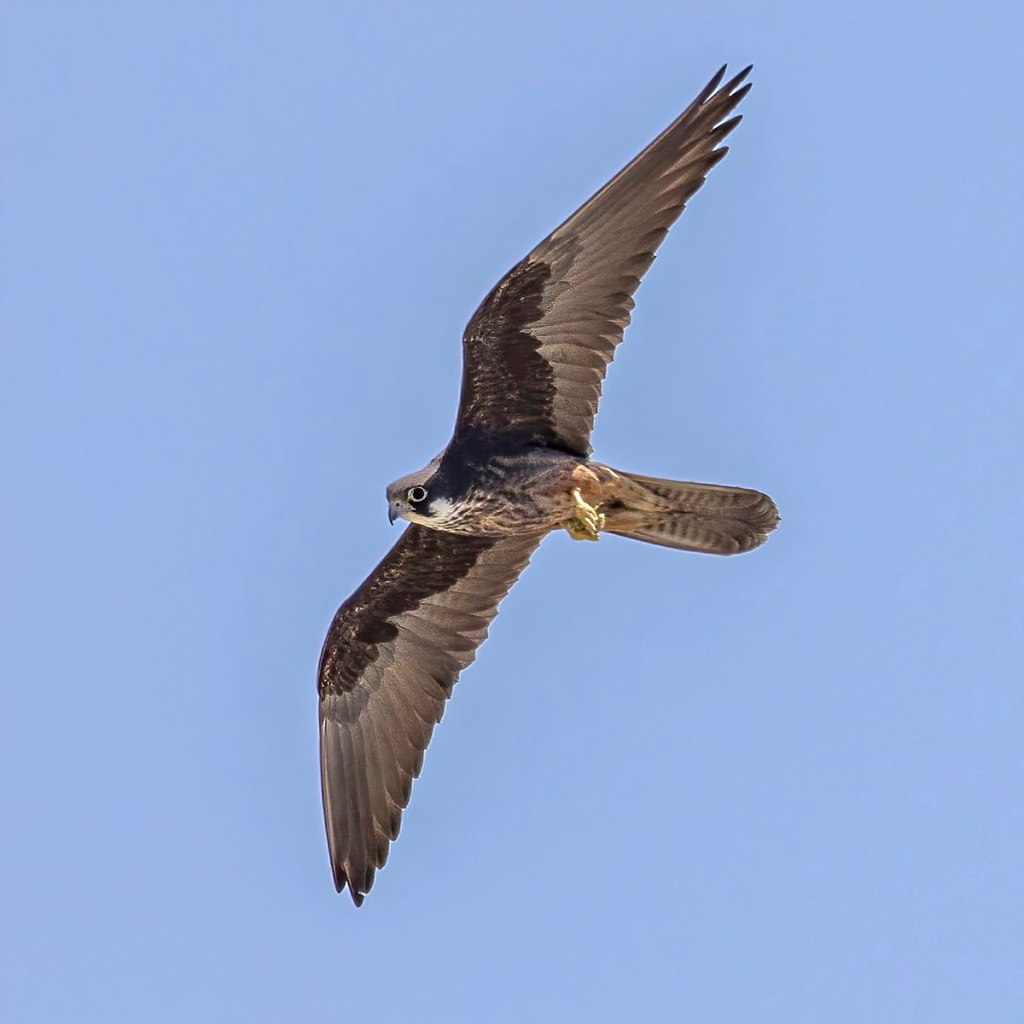
There are two morphs (different plumages) of these birds: a light and a dark. The dark morph is a rich chocolate brown, and when seen well in flight the outer wings appear slightly paler than the stomach. The light morph, however, has a rusty-brown underside when seen in flight, with grey/black wings. It also has a rounded white cheek, a bit like a Hobby, a bird I am yet to see.
Diet
This bird has an incredible diet, adapting it to the time of year. When overwintering in Madagascar, its main food is insects, so locusts, beetles and butterflies and moths. And when it arrives on its Mediterranean home in summer, it begins gorging itself on similar foods, these being readily available. An interesting thing about this, however, is that they are willing to feed alongside much smaller birds, such as swifts and swallows. And once finished here, late in the season, it will move to its colonies on Formentor, a prominent headland in the north of the island. Here it will proceed to begin breeding, laying its eggs. By the time autumn migration begins, the chicks are hatched and begging for large amounts of food, and it is literally flying right towards its parents. Formentor is a headland jutting out for miles, and an important stopover point for many migrants. And the falcons take the more manageable ones to give to their young. Evolution is a truly awe-inspiring process.
Habitat
They prefer to breed in scrub and on cliffs, and the Mediterranean islands have plenty of this particular habitat. Islands such as Cyprus, Ibiza and Mallorca are perfect for them! They will overwinter in Africa, specifically Madagascar.
Migration.
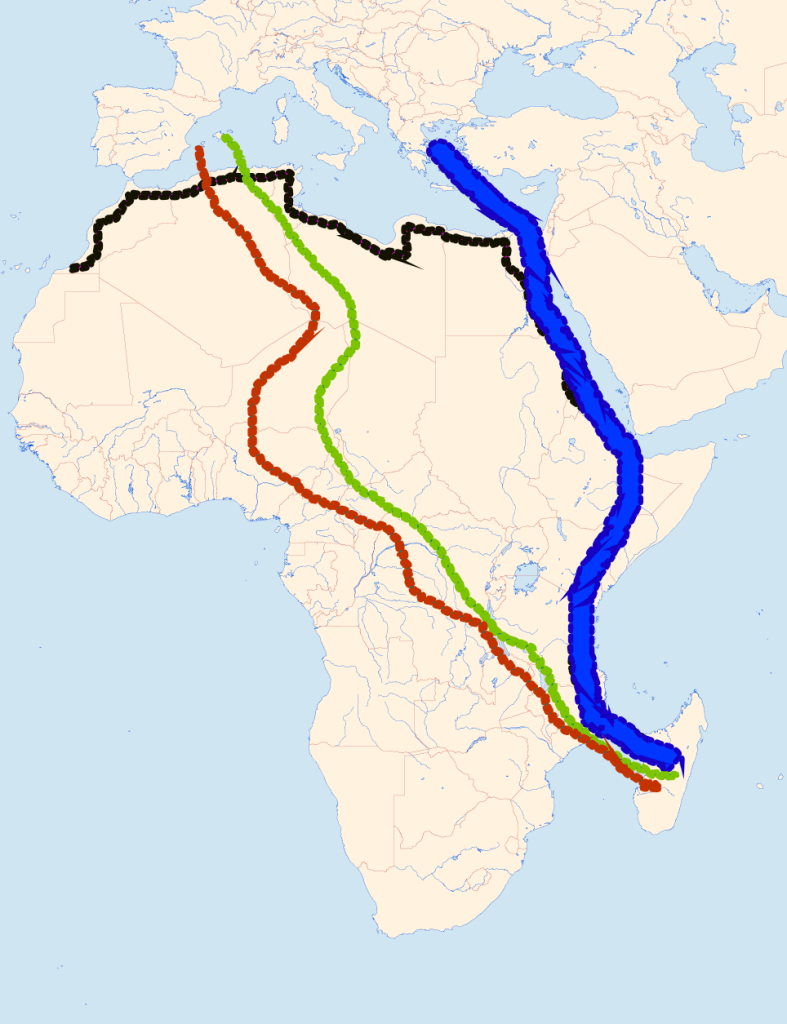
The Eleanoras Falcon is a long-distance migrant, which travels from Madagascar to the Mediterranean in the spring, and back in the autumn. This amounts to a distance of over 9,500km. And that’s just one way! It truly is incredible.
Range
We have mentioned this already, but their breeding range incorporates most of the Mediterranean islands, and parts of the North African coast. They overwinter in Madagascar, and then complete their migration all over again.
British Status
This falcon is an incredibly rare vagrant to Britain, a true MEGA if you were ever to find one here. Only clocked seven times since records began, the most recent record was actually only May last year, down in Kent. It sparked a huge twitch, with people coming from all over the country. To find this bird would be very lucky indeed.
And there you have it! We haven’t done a Bird Spotlight for absolutely AGES, but I hope this was useful and informative. And the possibility of any rarity on your local patch is one of the many excitements of birdwatching. Get out and just give it a go if you haven’t already. Trust me, its fun. And sometimes, its the more common birds that are nicer to see.
 The Bovey Birder