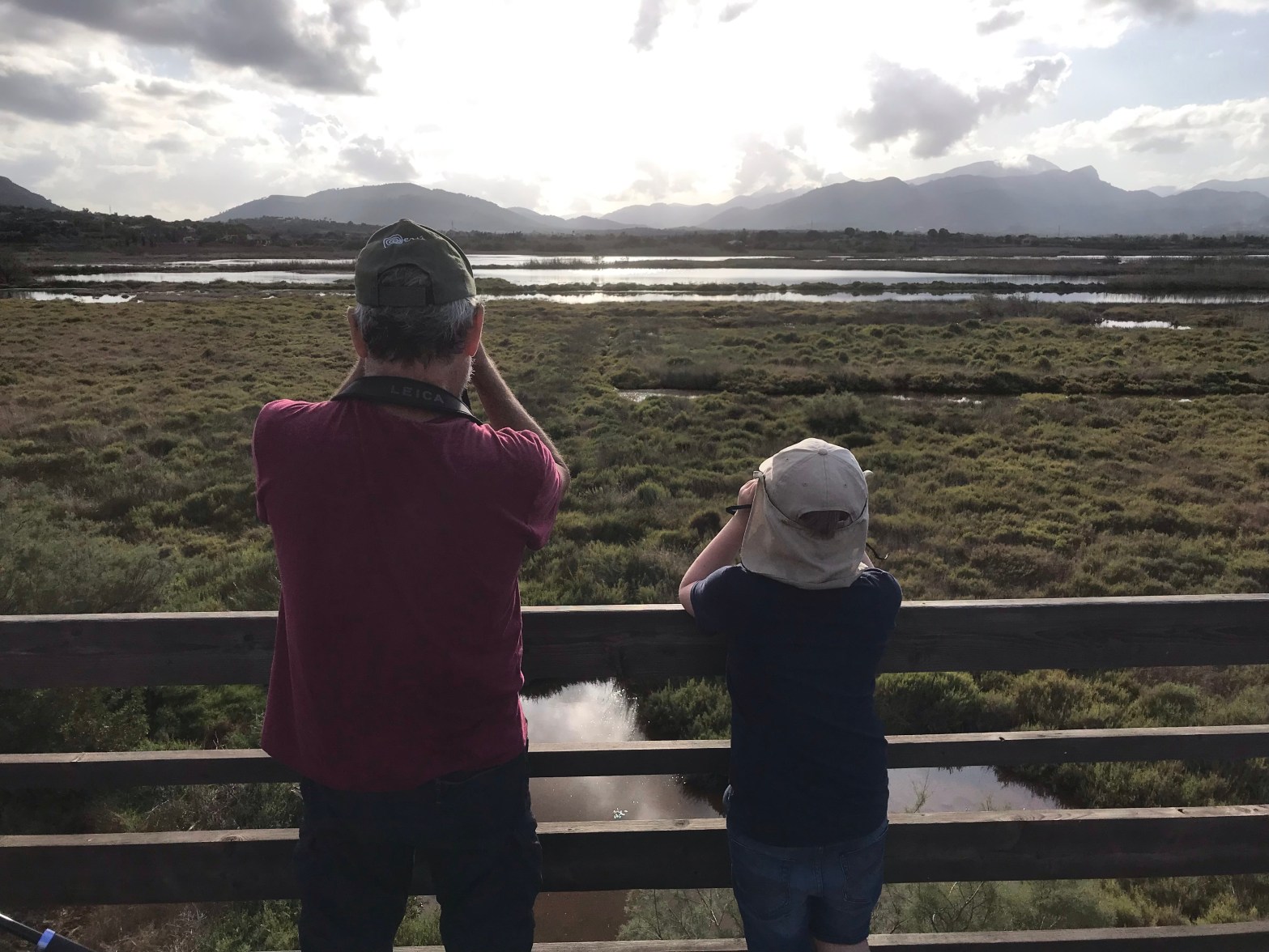
We decided to go to s’albufereta nature reserve. It has a large variety of habitats including marshland and farmland and because it is on an island in the mediterranean, it is an important stopover on the Mediterranean and European flyways. It pulls migrants from all around. A marshland on a Spanish Island in the hot climate is a bonus for birds!
We had stopped the car and we were getting out. My parents had arranged a special surprise for me, I just didn’t know it yet. We were at s’albufereta and when I got out, I was quite shocked to find out that we were taking a personal tour. The local expert that was hosting the tour was meant to be out on a different tour to an island but that day was a wet and windy day and the tour got cancelled. We rung him up and realised he had a window in his schedule so it turned out that was why we were here.
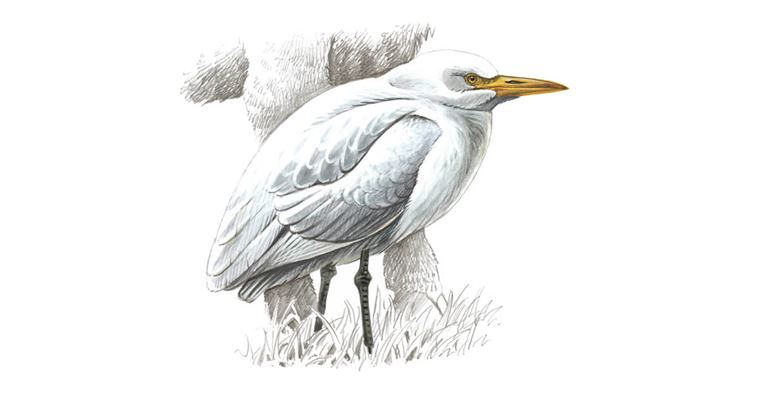
He had a scope that we could use so we loaded up and started the walk. At first, we were walking along a stream that was by a field and that was where we saw a cattle egret. The man who turned out to be called Pere taught us a way to tell cattle and little egrets in winter plumage. The little egret has a black beak and yellow feet and the cattle egret has a yellow beak and black legs. The first sighting of the walk. Perfect.
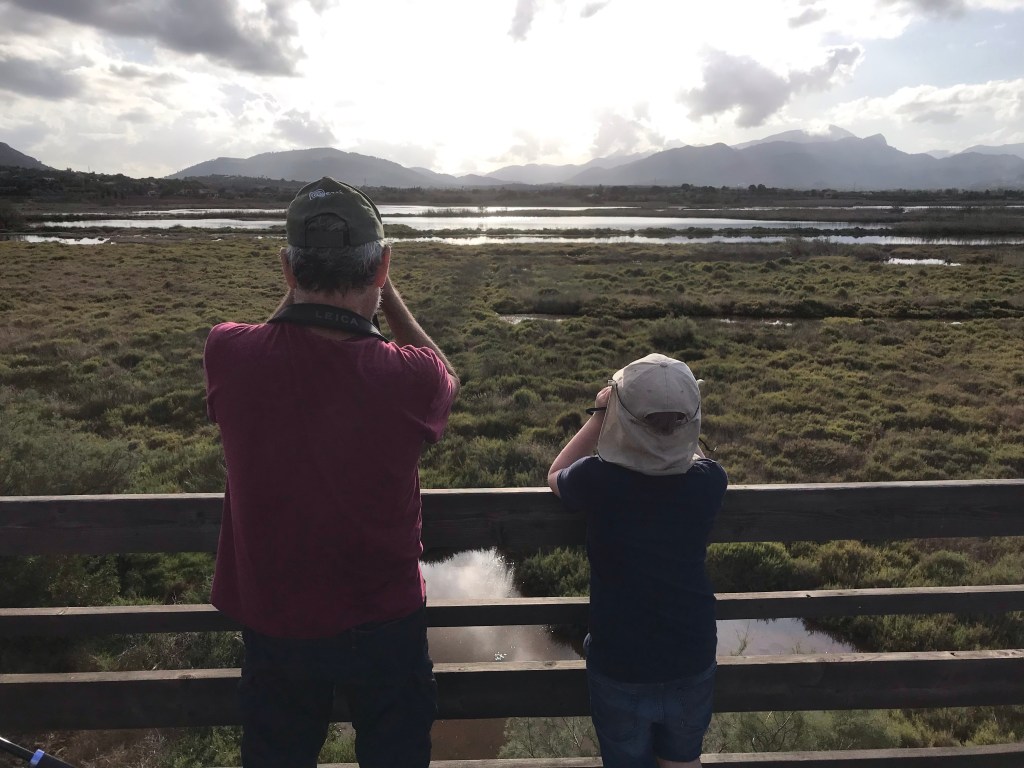
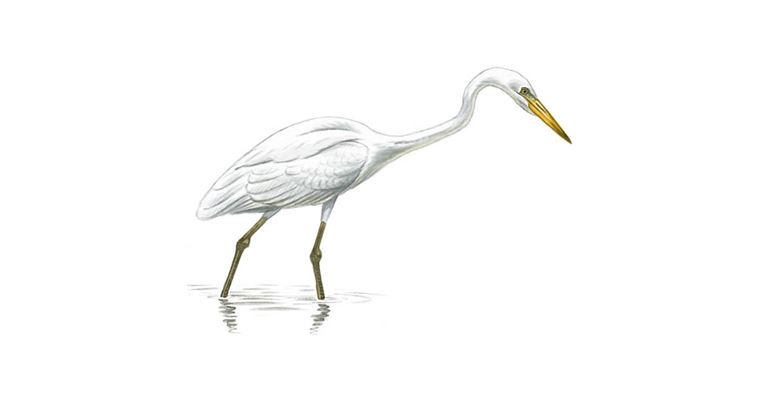
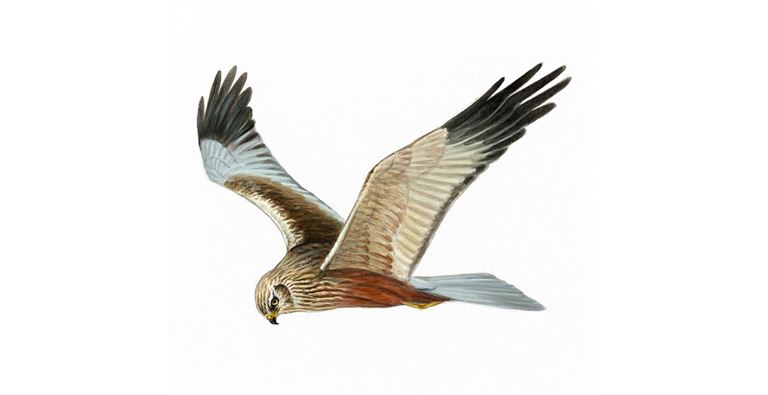
We carried on walking and came to a junction. One way led to a tower viewing platform and the other way led through a forest. We went up the path that led to the tower viewing platform and we climbed up the steps. Then, we were met with a wonderful view across a marsh. Suddenly, a bird of prey like bird swooped down right by the tower. I was struggling to identify it but our guide said that it was a marsh harrier. This was another first for me. Pere was scanning the marsh and told me to look through the scope. There was a moorhen like bird with long legs. I could not identify it so Pere said it was a purple swamphen. Then, a large heron like bird flew into the marsh and the scope was on it in seconds. It was a great white egret. A tall and magnificent pure white heron stood there. Pere then told us that stone curlews were regularly seen in the ploughed fields below. They would sit close to the wall and their bodies would blend in to the ground with one huge yellow eye staring out of the field up at you. I do not have an image of the swamphen but here is a link instead for more information: Ebird
We climbed down from the tower and headed back along the path. Then, we came to the junction again and headed into the forest. As we were walking along, Pere was telling us that you could sometimes see crossbills in the pine woods. We carried on chatting and walking until we came to an open path. It took us to a bird hide.
We went in and set up the scope. The hide was looking out over a marsh with an island in the middle. On the island were 3 black winged stilts and there were lots of egrets sat on the banks. Then, a kingfisher flew in and landed on a post out in the middle. We watched the stilts for a bit and noticed that the kingfisher was adopting a pose as it was about to fly off. It did but not in the direction you are thinking. He flew straight towards the hide and at the last minute, went up and over the hide. Thinking we could not get better than this, we left the hide.
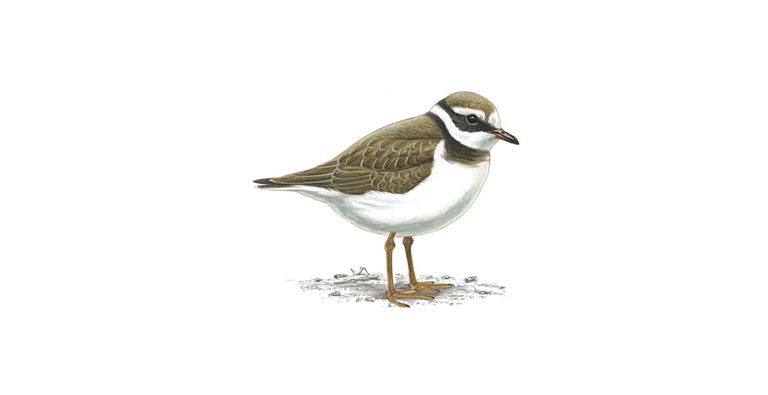
We carried on walking and reached another tower looking out over a field. It was reaching dusk now and we were in the middle of setting up the scope. When we finished, we looked out over the field. 2 birds were sat out on the field. They did not look like adults as the plumage did not look right. I got out my field guide and flicked through quick. They turned out to be immature ringed plovers. Just then, we heard a shrieking call. Pere recognised it as a Sardinian warbler but sadly, we didn’t see it.
Then as we were walking, 4 flamingos flew over and landed back at the bird hide. We quickly grabbed the scope and rushed over to the bird hide. We raced to set up the scope and were done in about 3 minutes. We looked through and saw 4 juvenile greater flamingos. Actual wild ones! They were at the far edge of the marsh and it was a wonderful thing to see.
After this and all of the firsts for me, we headed back to the car. What an amazing evening it was for me, Pere made it perfect with his knowledge and enthusiasm and I learnt so much from him. He really confirmed to me that birds and nature are what I want to be involved with forever! Even now, I still think so excitedly about this day and want to go back again very soon!
Here is a link to Pere’s website: mallorcanaturaltours
Here is a link to s’albufereta: s’albufereta


Henry, that last paragraph made me very emotional, I know what an important afternoon/evening that was for you, and look how far you’ve come with birding since then!
LikeLiked by 1 person
What a wonderful surprise for you Henry to have your own personal guide for this amazing experience.No wonder you would love to go back there again one day.
LikeLiked by 1 person